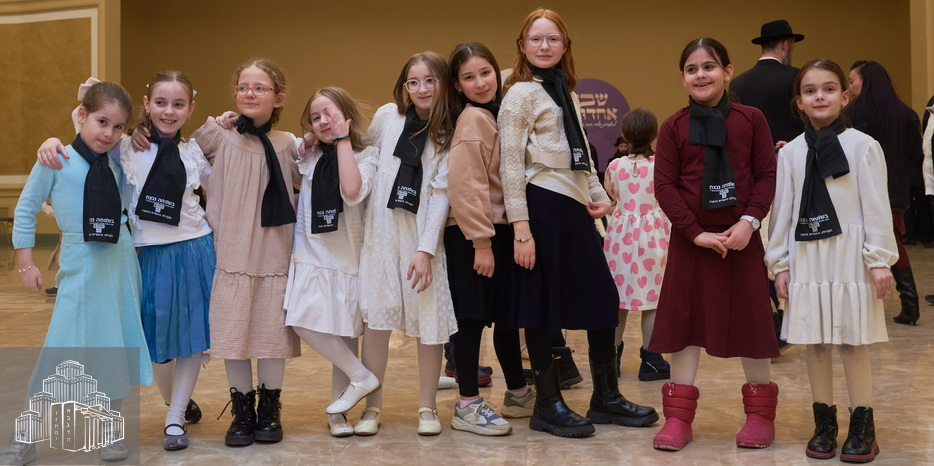




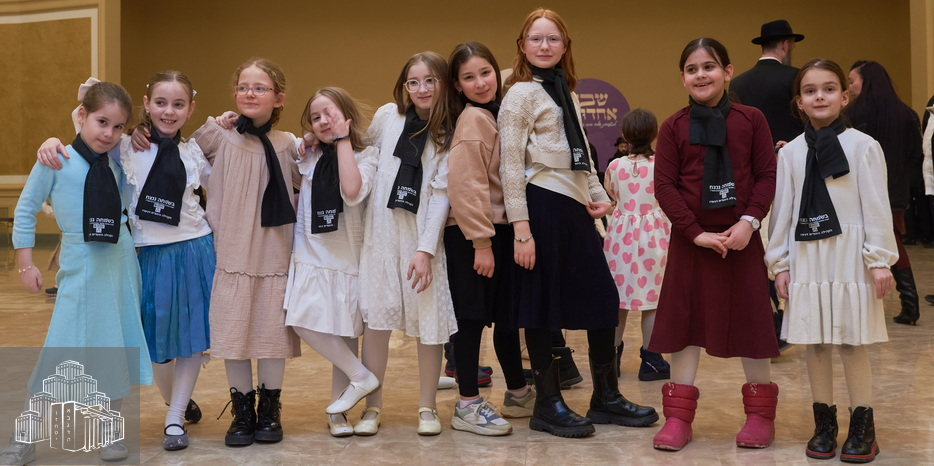
As part of the Shabbaton for the Lubavitcher Rebbe’s Shluchim in Ukraine, organized by JRNU together with the Dnipro Jewish Community, an extensive program took place for girls ages six and older. It formed a significant part of the Shabbaton’s overall structure and brought together participants from various cities across Ukraine, creating a space for connection, spiritual growth, and meaningful conversation about joy, trust in Hashem, and the mission of shluchos.
The program began on Thursday with an informal bonding activity—the girls went together to an ice skating rink and the “Most-City” entertainment center. This allowed them to get to know one another and experience an atmosphere of friendship from the very first moments of their participation in the Shabbaton, as the organizers aimed to create a sense of a unified team despite the participants coming from different cities.
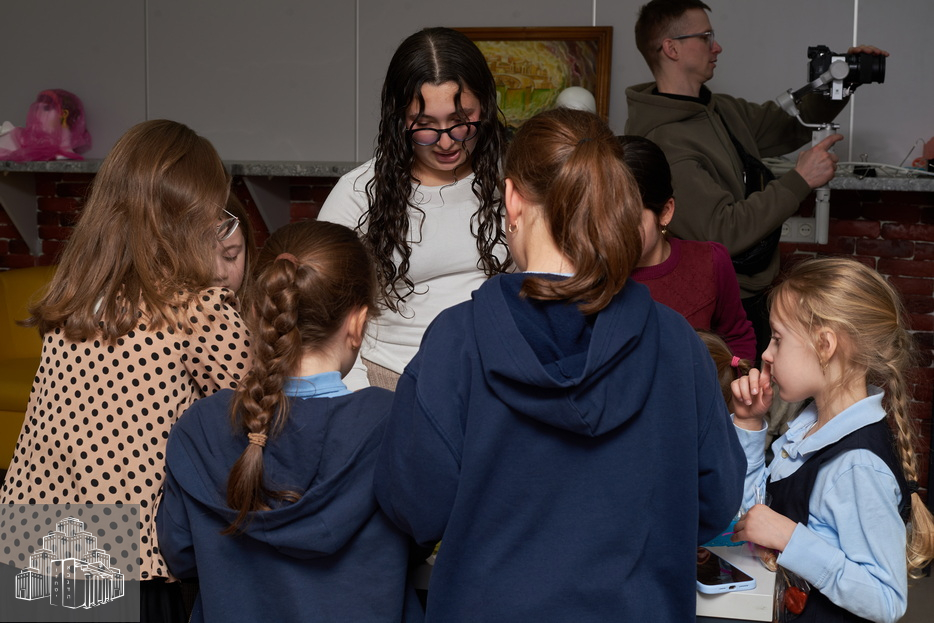
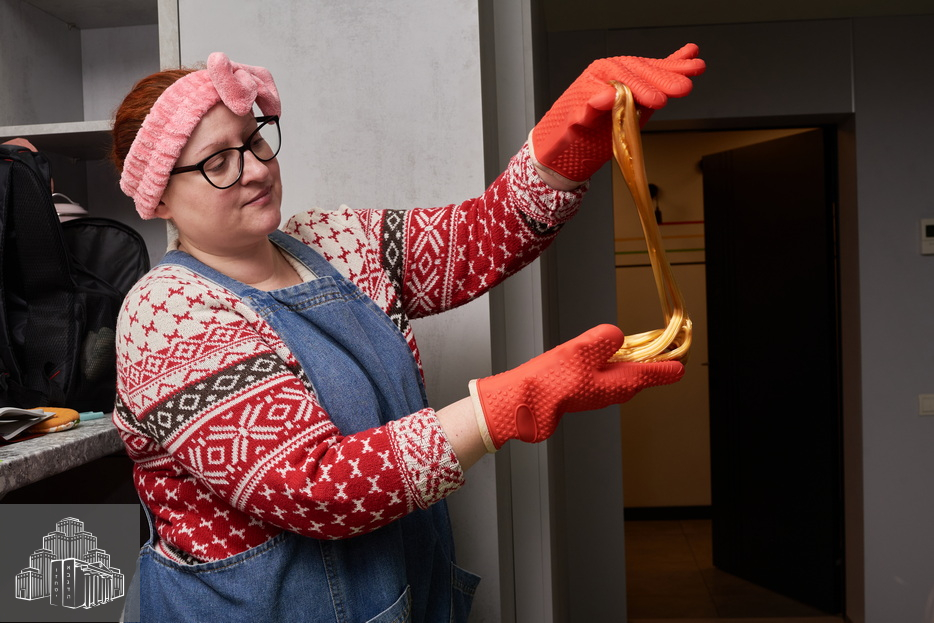
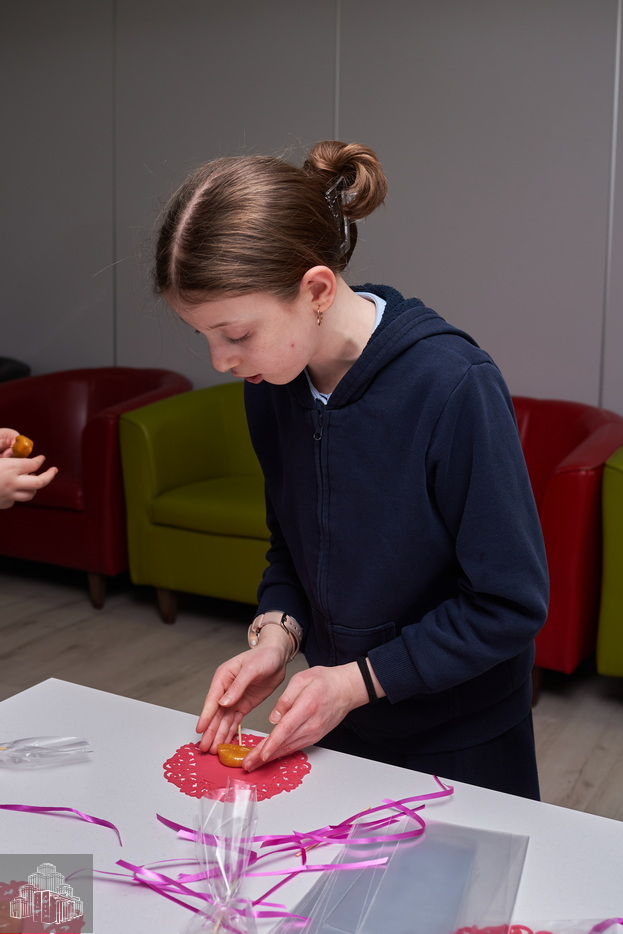
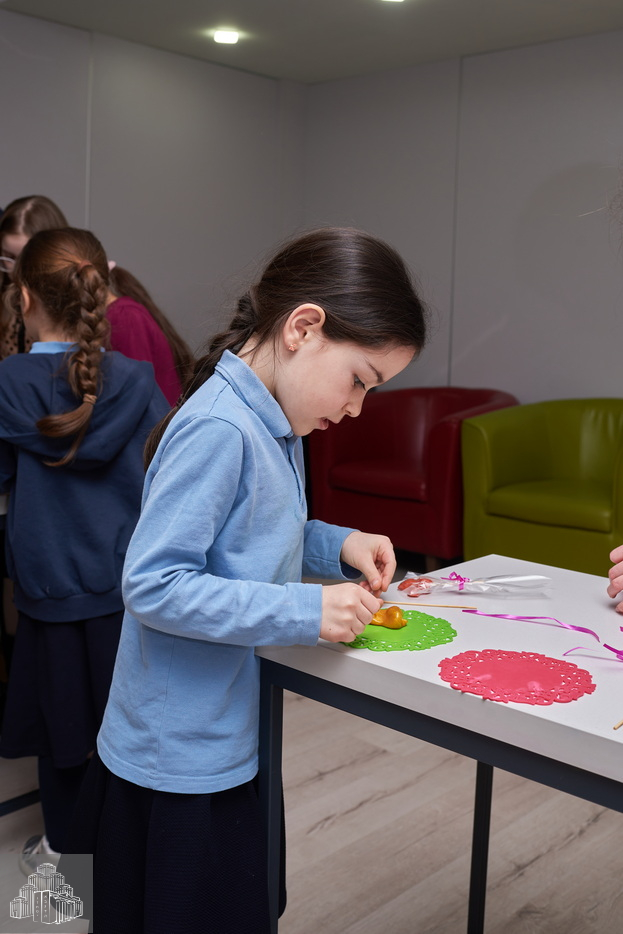
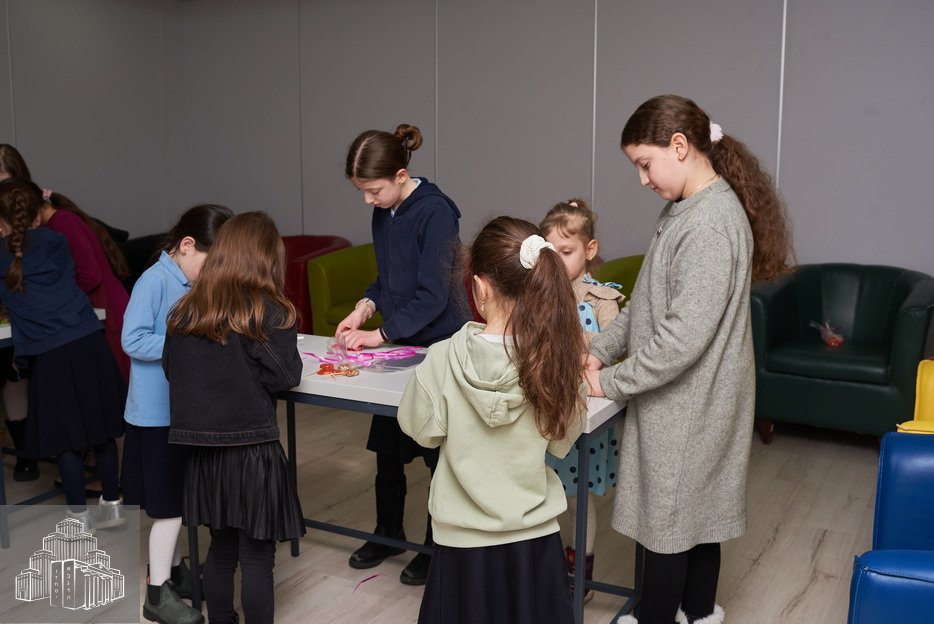
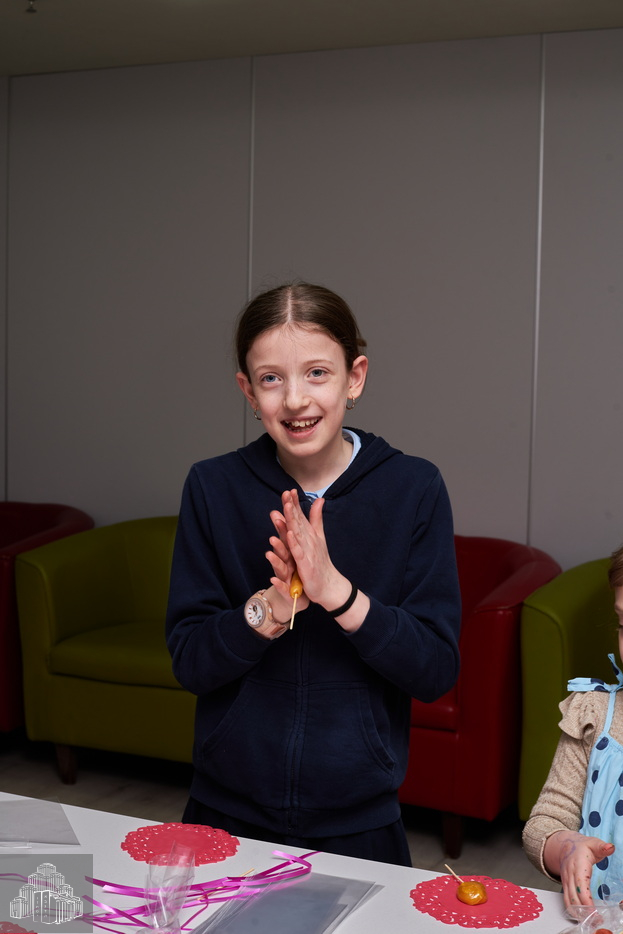
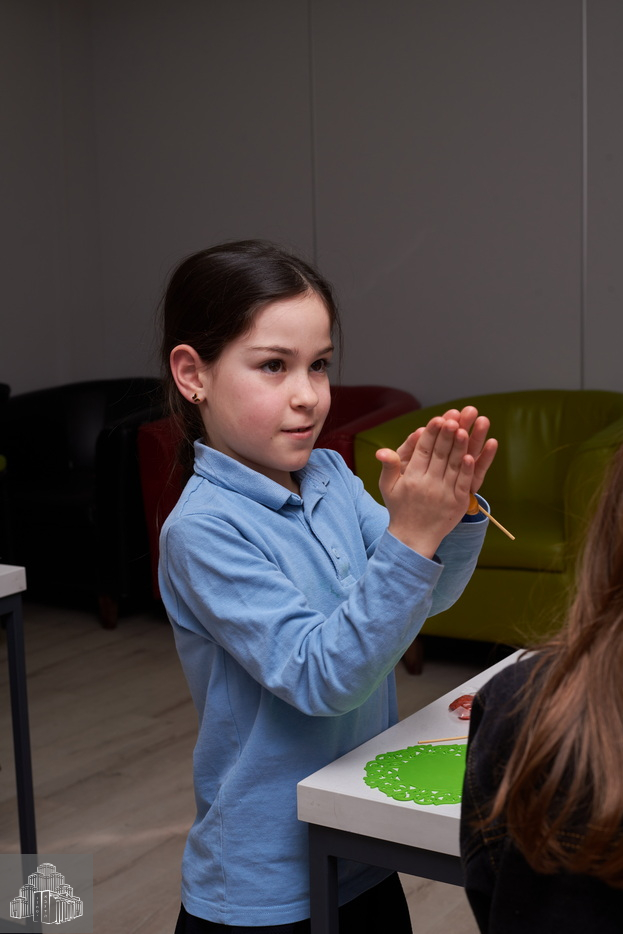
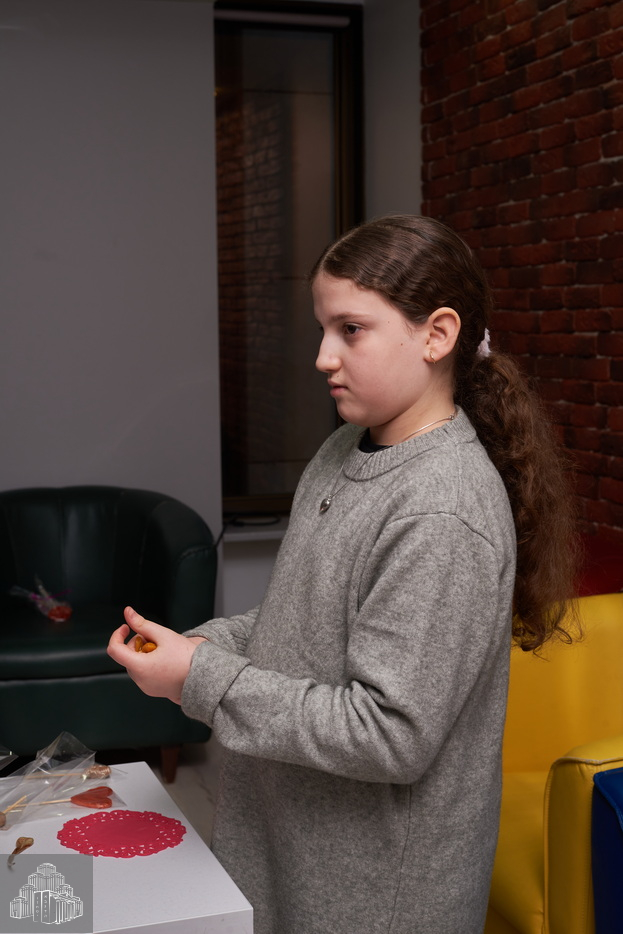
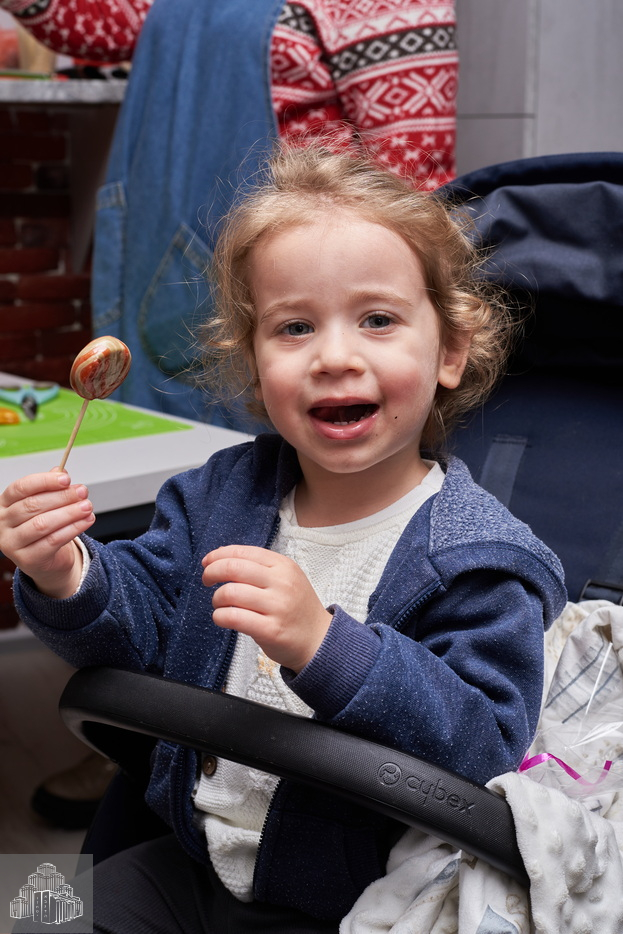
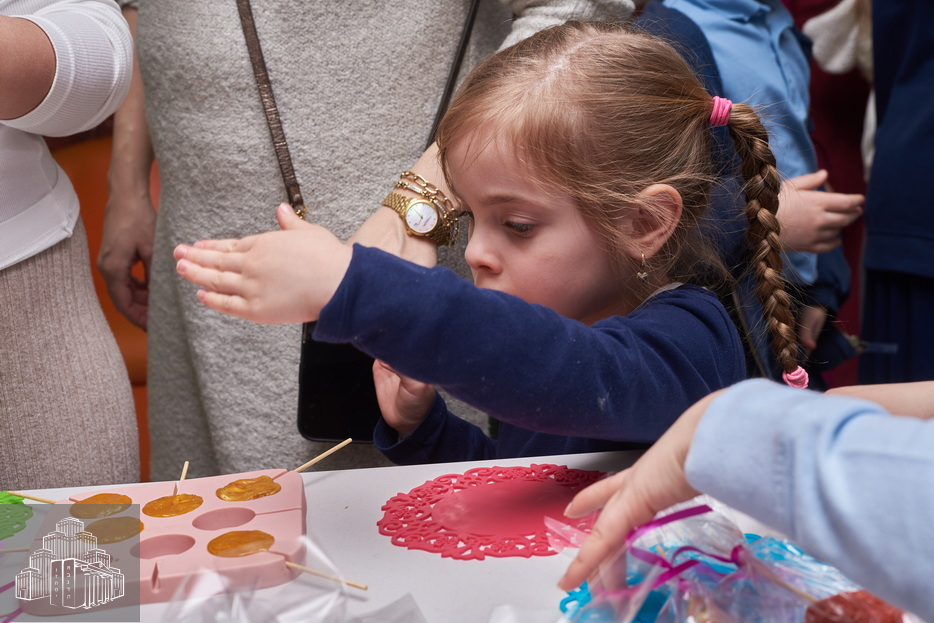
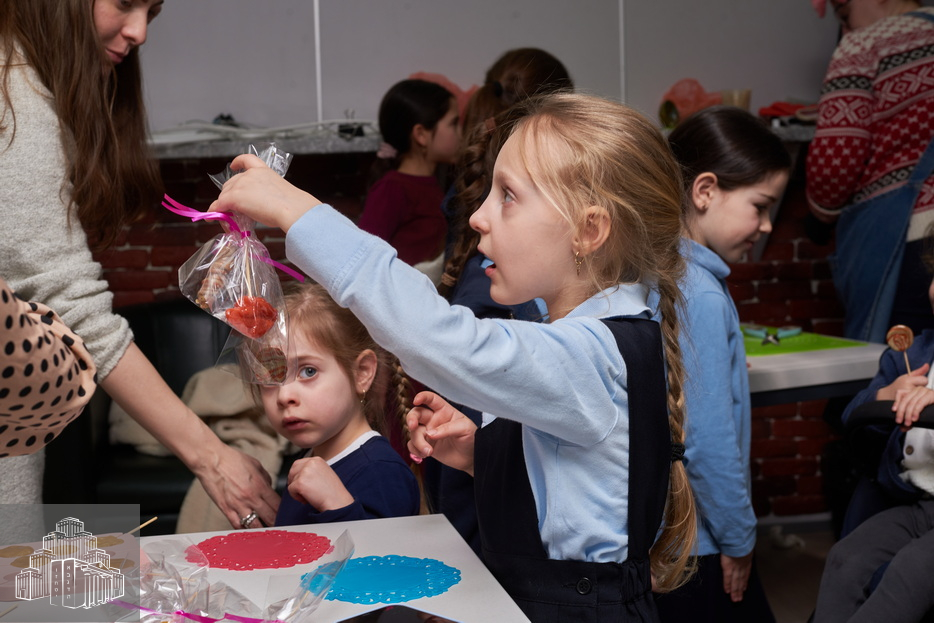
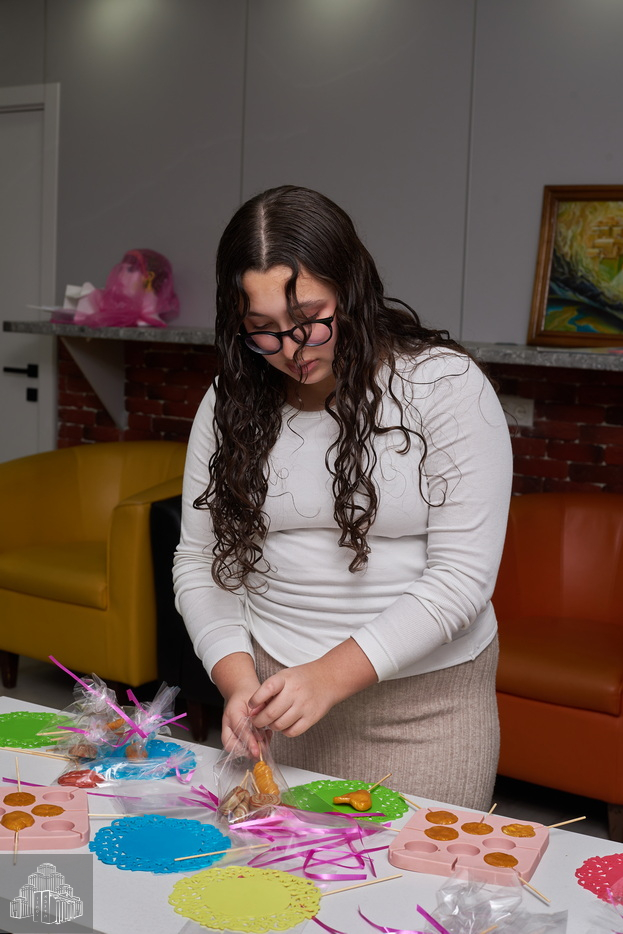
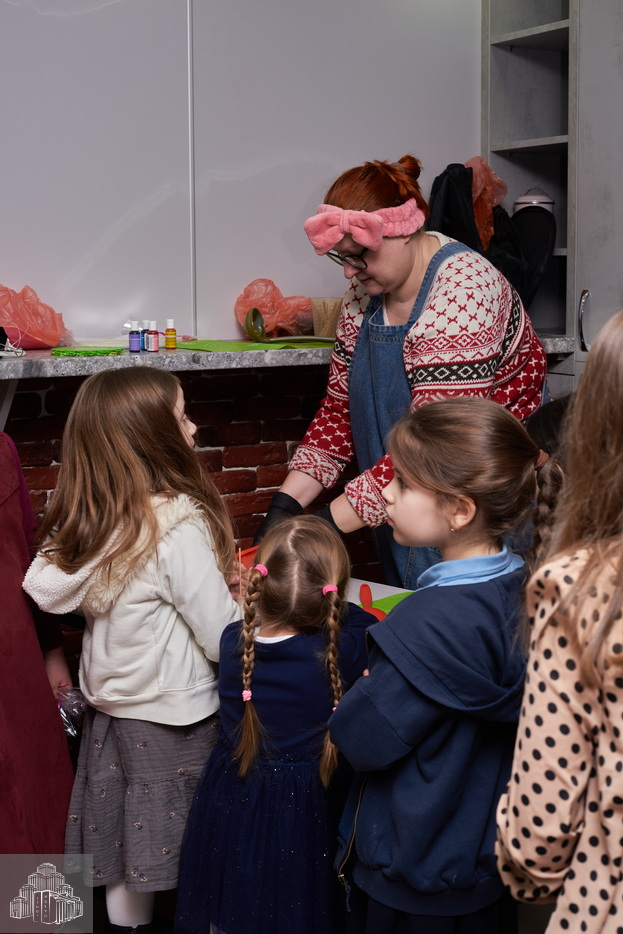
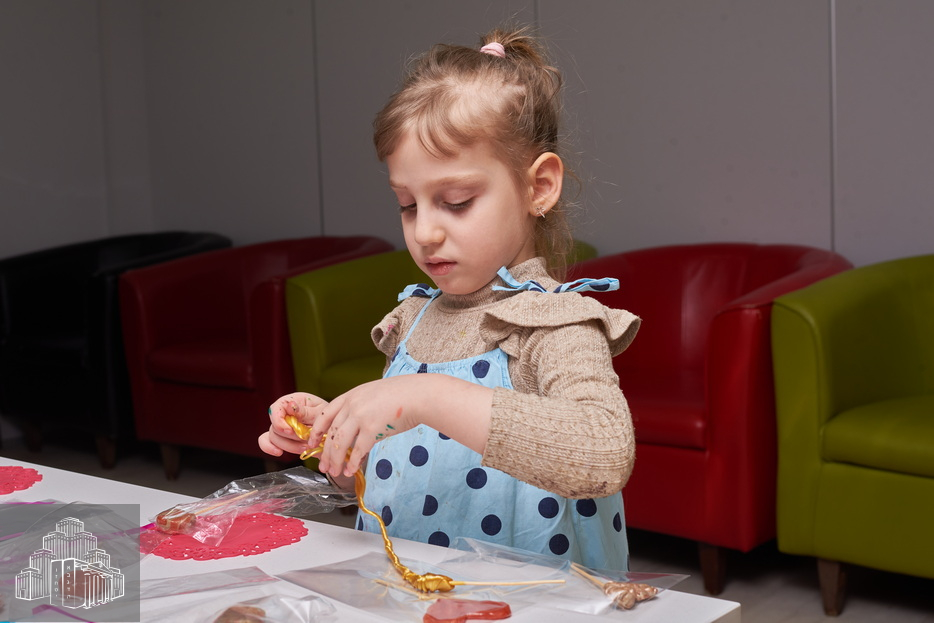
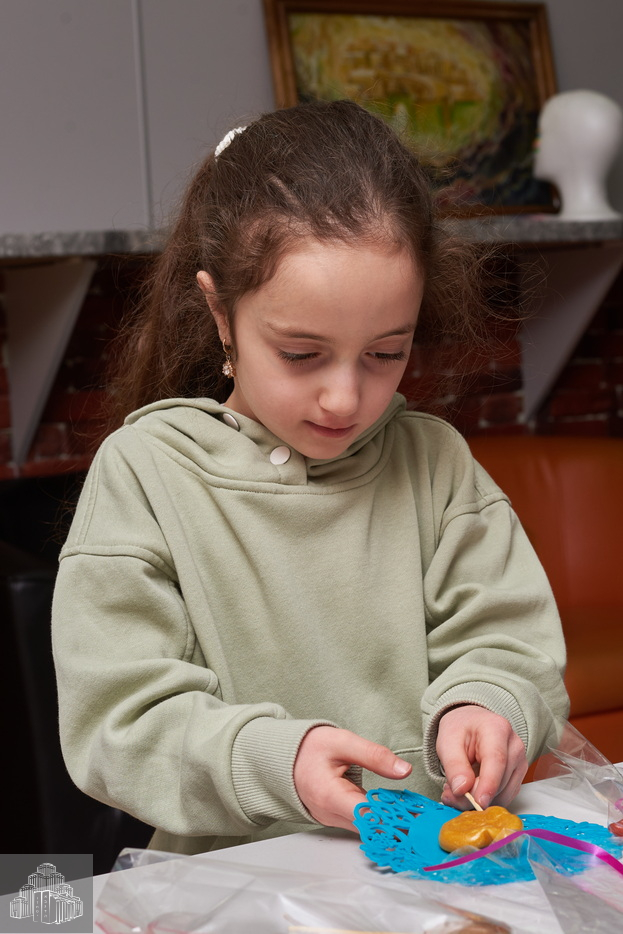
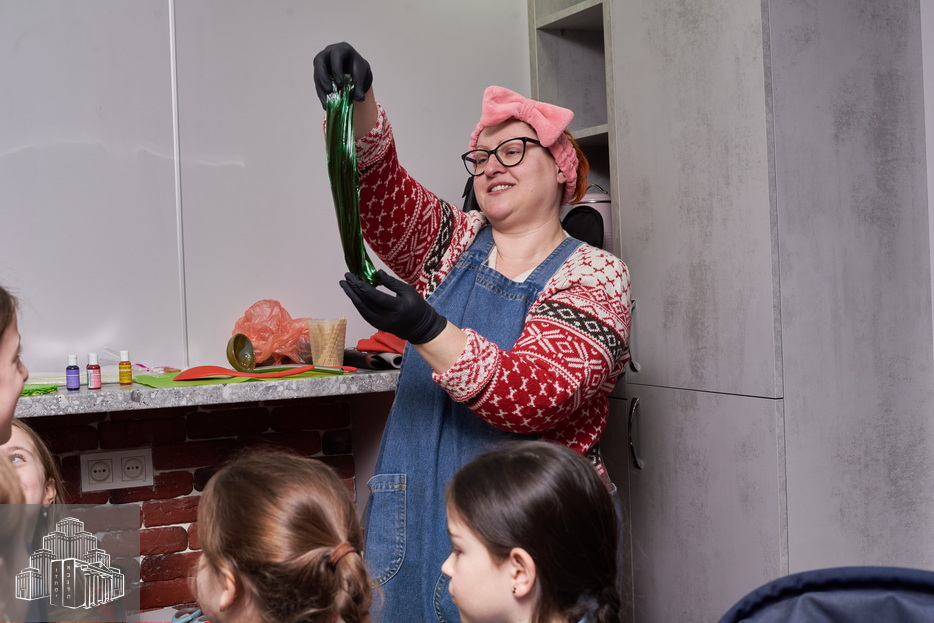
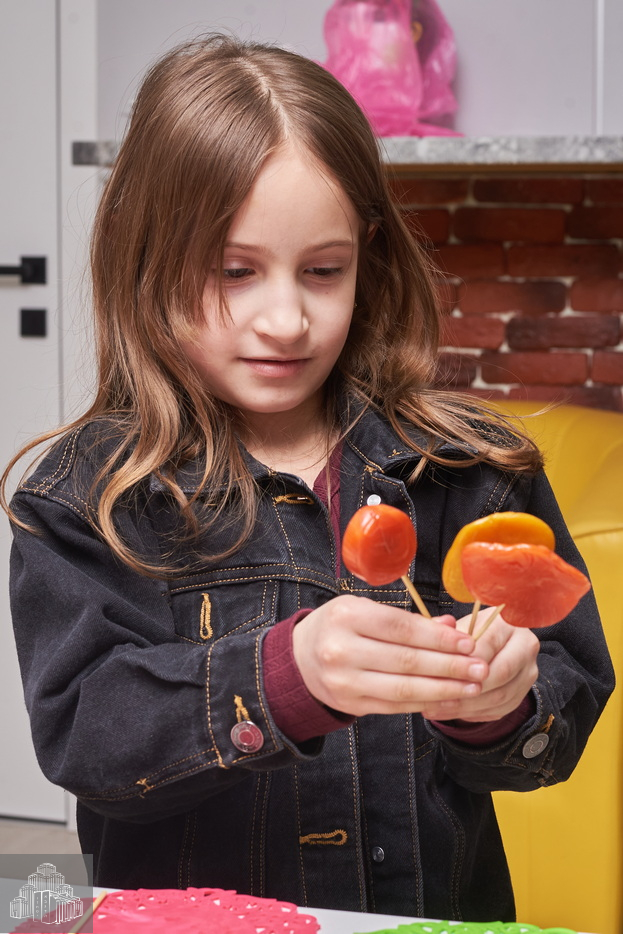
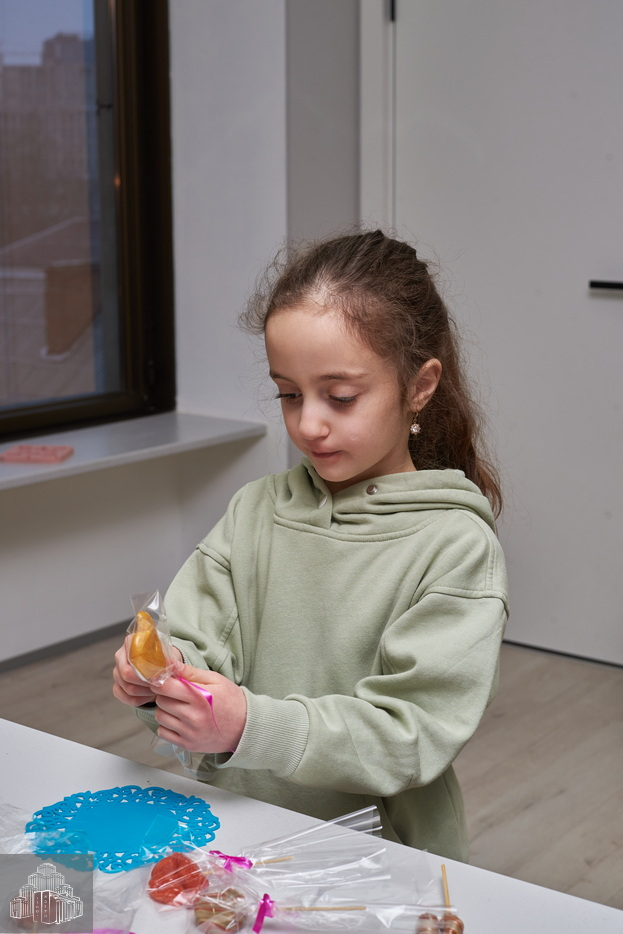
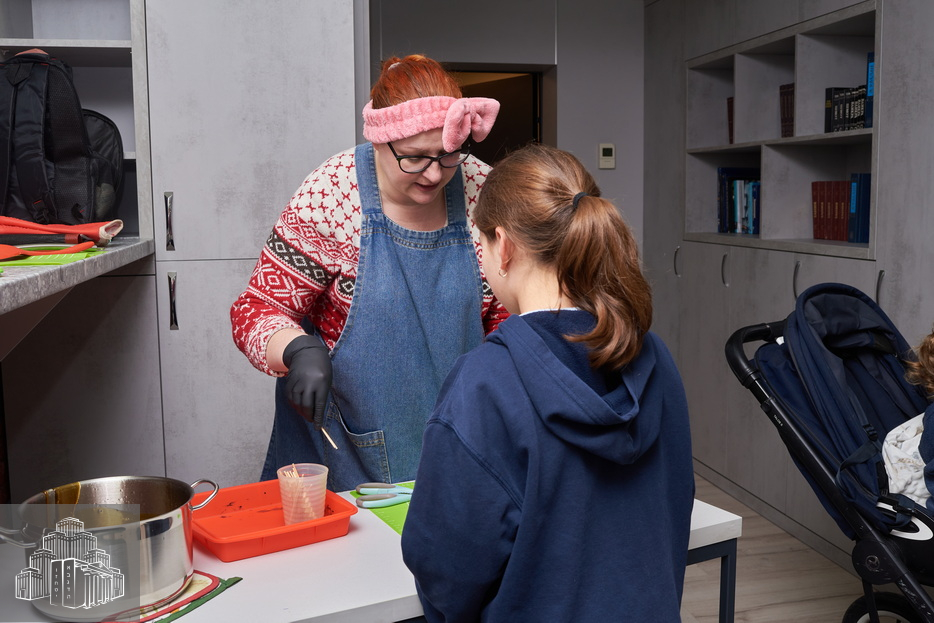
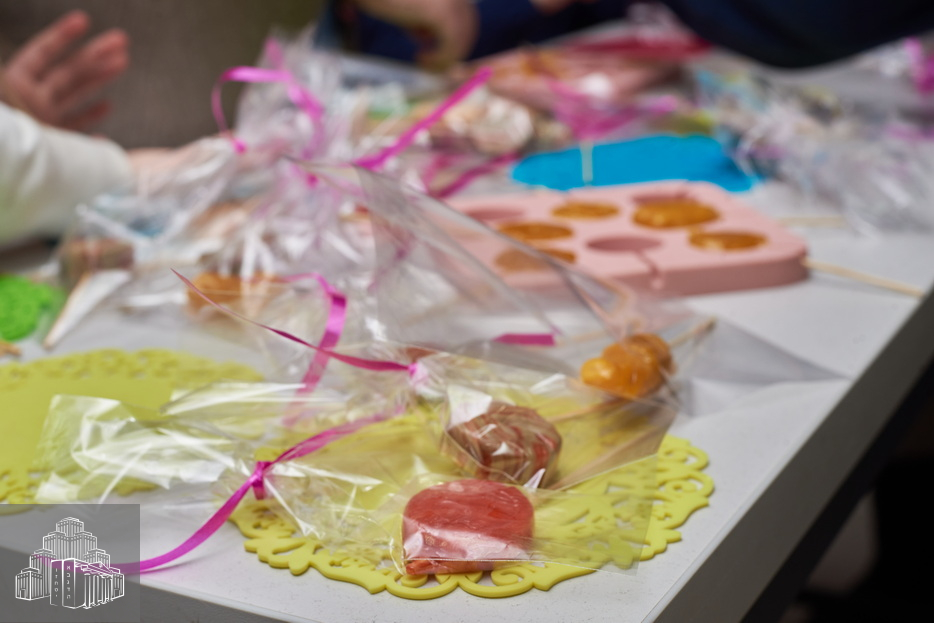
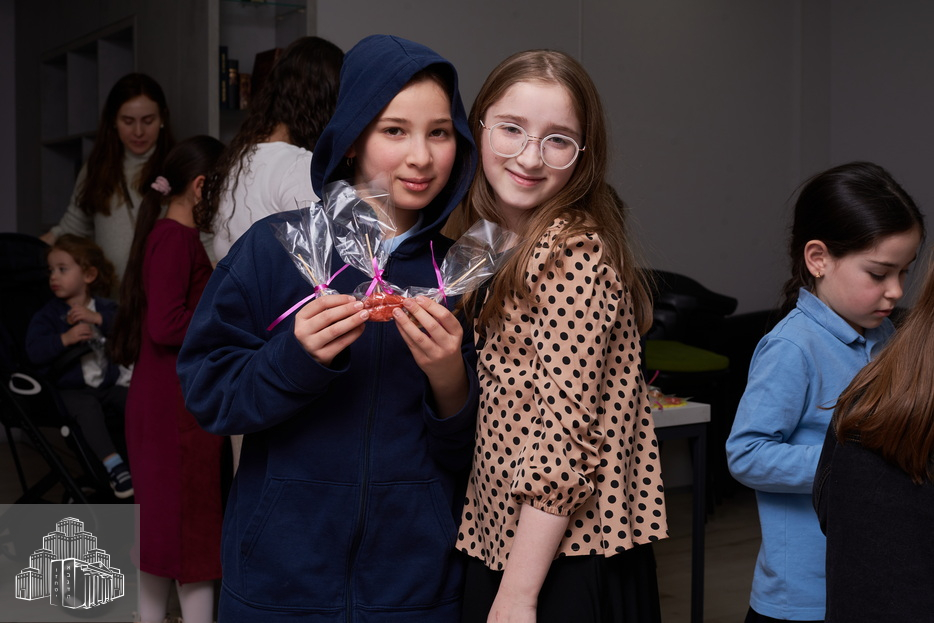
On Friday, the program brought together girls from other cities, students of the Jewish lyceum, and Jewish girls studying online in other educational institutions of the city. Two age-appropriate workshops were held for them at the Menorah Center. For the younger group, a workshop on making caramel and candies was organized—a sweet theme that became a symbolic extension of the idea of joy. The older group participated in a photography workshop led by program director Sheina Segal. The girls learned professional basics of photography, discussing composition and lighting, understanding that this skill could become an important tool in their future work as shluchos.
After Shabbos candle lighting, the program shifted to a more spiritual focus—through interactive games and discussions, the girls spoke about joy as a conscious choice. The central theme was trust in Hashem even when one sees only part of the picture. A particularly impactful skit illustrated how a limited perspective can create a perception of evil where good is actually occurring, much like a person from the past witnessing modern surgery might think something terrible was happening, not understanding its life-saving purpose. This image became a powerful example of why joy can be maintained even in difficult circumstances.
In the evening, there was communal prayer in the synagogue and a festive meal, followed by a farbrengen divided into two age groups. For the younger group, it was led by Malki Feldman; for the older group, by Mariashi Hefer. A special guest was Shliacha from Khmelnytskyi, Chaya Mushka Tetelbaum, who shared her personal story of shlichus. The girls spoke about challenges, support, personal experiences, asked questions, and shared their own reflections. The atmosphere was warm, sincere, and inspiring.
On Shabbos, the program continued with prayers and thematic games based on the weekly parshah. Following the meal, younger girls participated in a creative dress-up game, while older girls engaged in a bonding conversation game that allowed each participant to express herself and feel her significance within the group. A special moment was the seder niggunim—communal singing of niggunim, interspersed with stories of the Rebbe and personal accounts of shlichus, illustrating how even small actions can impact the lives of others.
This program was led by young Dnipro Jewish Community activist Sheina Segal, assisted by director of Yeshiva Ktana Chana Segal and Machon director Rachel Milman, with madrichot Roza Nachshon and Esti Segal. The program was carefully designed to combine learning, practical skills, emotional connection, and spiritual depth.
“It was important for us not merely to conduct activities, but to create a space where each girl could feel part of something greater,” said Sheina Segal. “We spoke about joy not as a mood, but as a choice and trust in Hashem. Through stories of shlichus, through niggunim, through heartfelt conversation, the girls were able to see that even when we understand only part of the picture, we can maintain confidence and inner joy. We are grateful to the Dnipro Jewish Community and its Chief Rabbi, Shmuel Kaminezki, for their support and for the opportunity to conduct this program in an atmosphere of unity and cohesion.”