



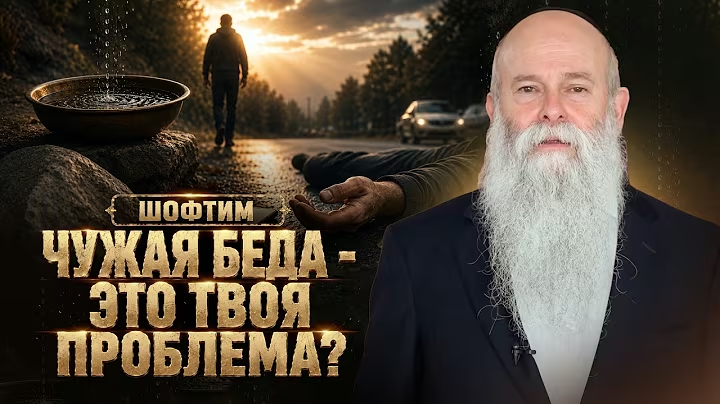
A new episode of the weekly Torah portion “Shoftim” series by Chief Rabbi of Dnipro Shmuel Kaminezki has been released on the Menorah YouTube channel.
What happens when disaster strikes near us, and we could have helped, but decided it wasn’t our problem? In his lesson on the weekly portion “Shoftim,” Rabbi Shmuel Kaminezki reveals a surprising idea: a person may not directly cause harm, but still be responsible for what they failed to do to save another. Using the example of the law regarding a man found murdered between towns, the rabbi explains why the elders of the nearest town were required to literally declare, “Our hands did not shed this blood.” You will learn why it is not enough to simply not commit evil, how inaction can become a form of responsibility, and why caring for the safety and life of others is everyone’s responsibility.
🔹 “Our hands did not shed this blood”: Why the city was held responsible for the death of a man no one killed.
🔹 When someone else’s misfortune becomes our problem: Why we can’t simply pass by.
🔹 Responsibility for safety: What happens if a person could have prevented a tragedy but did nothing.
🔹 Saving a life: Why help must arrive in time and how inaction can cost a person their life.
🔹 “It’s none of my business”: Why the Torah rejects this position.
This video is a profound lesson on personal and social responsibility. You will understand why it is not enough to simply not harm others, how our indifference can impact the fate of others, and why each person is responsible not only for their own actions but also for what they could have done but did not. Parshat Shoftim challenges you to take a new look at helping others, safety, indifference, and our responsibility to those around us.