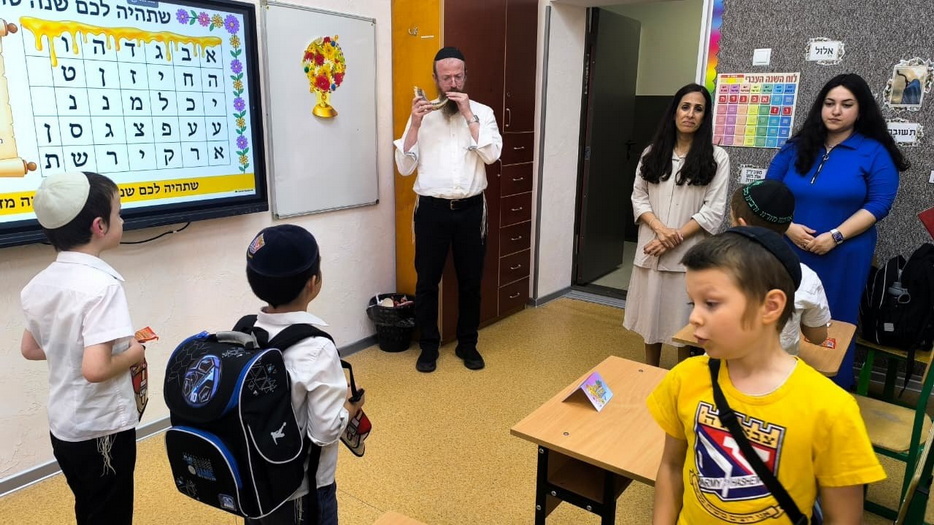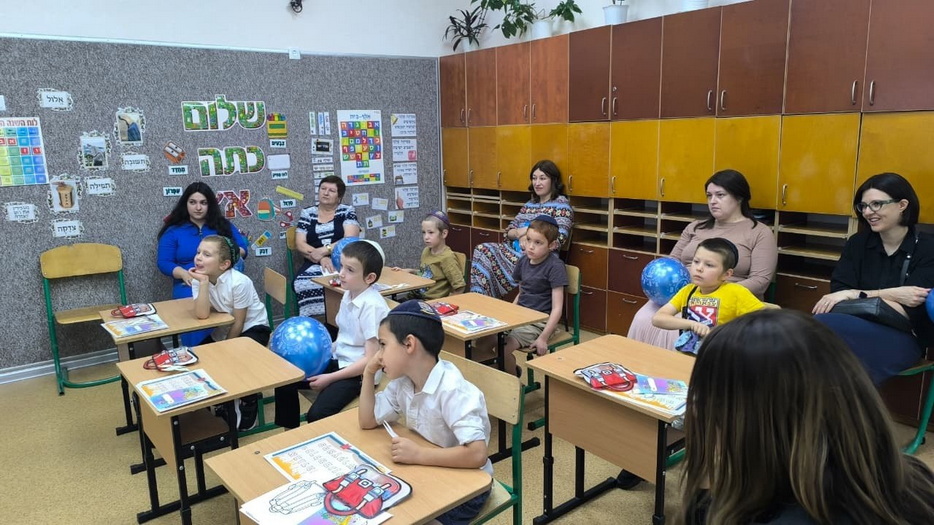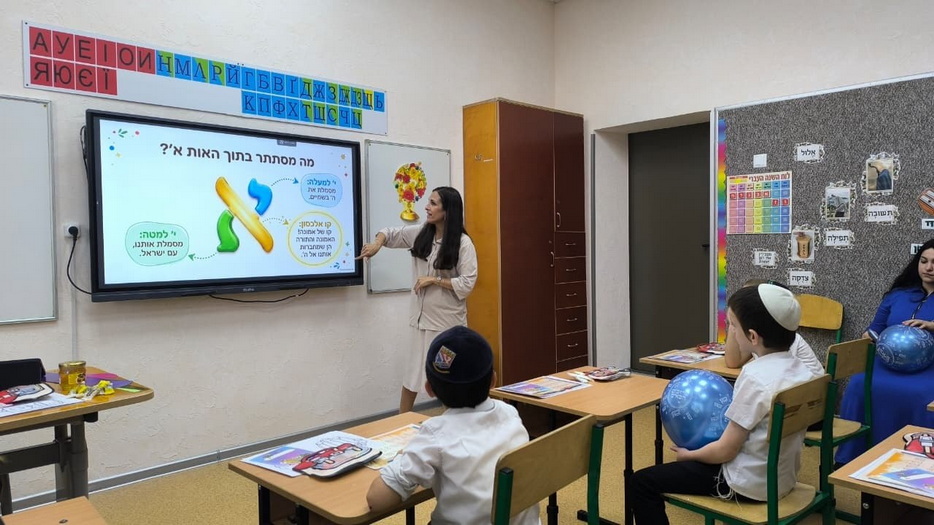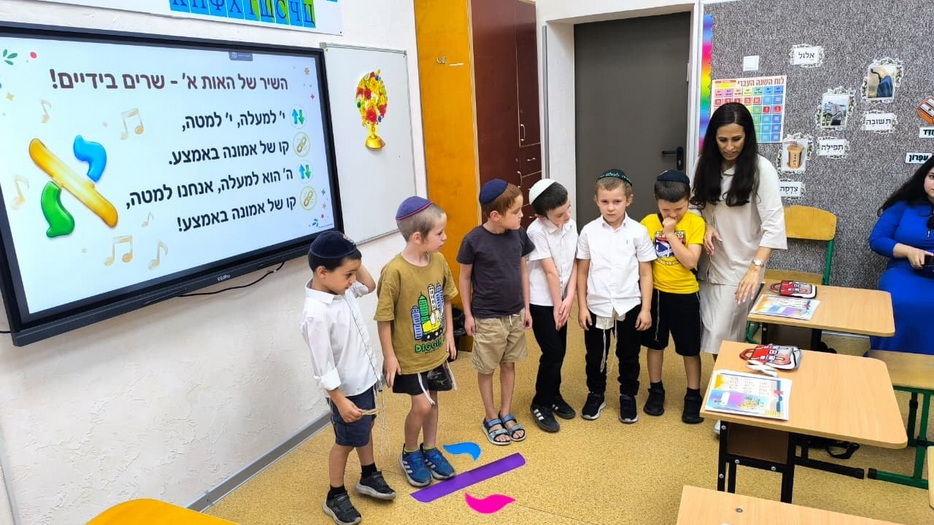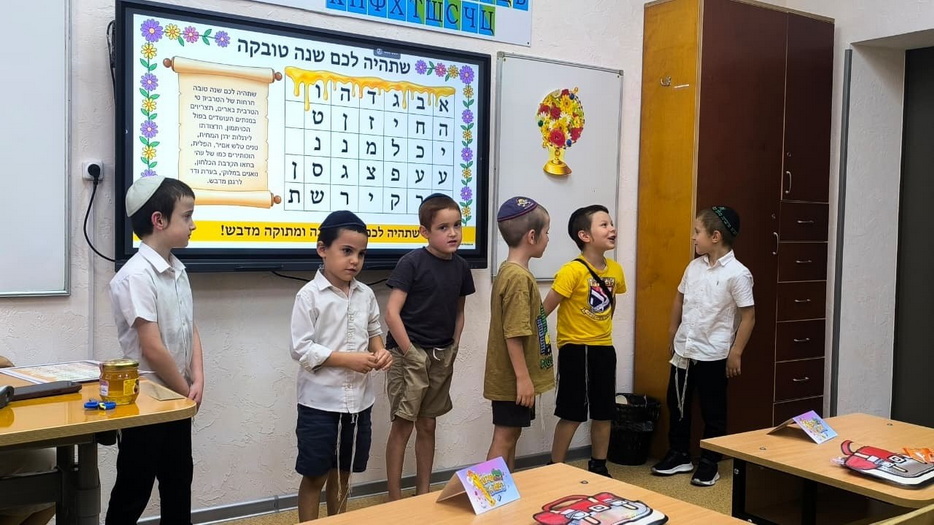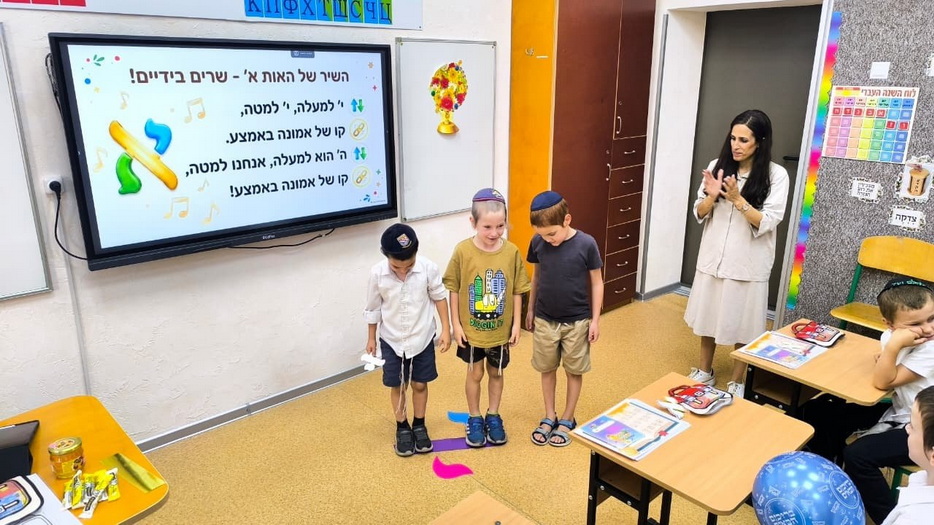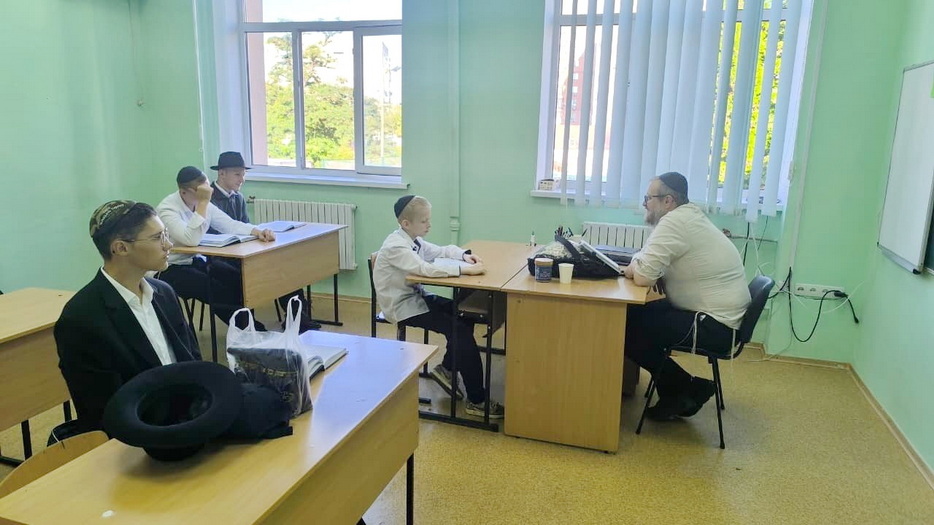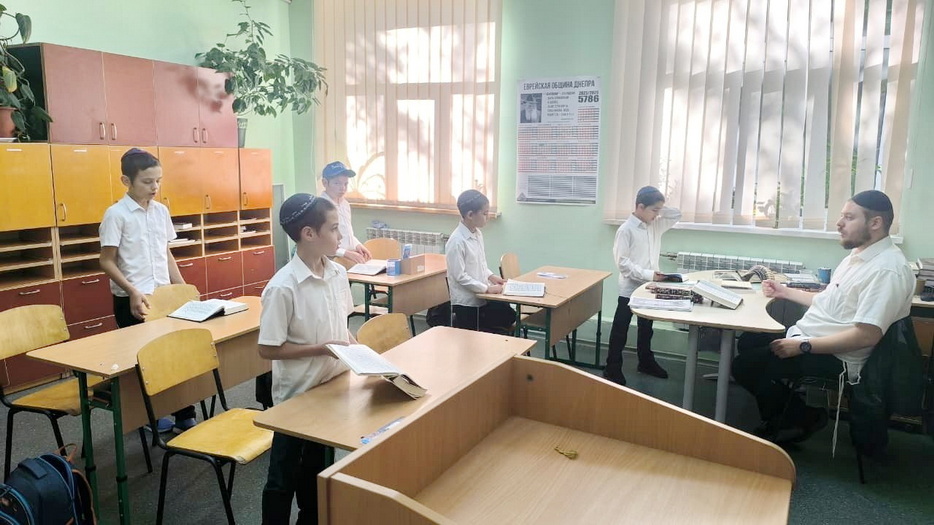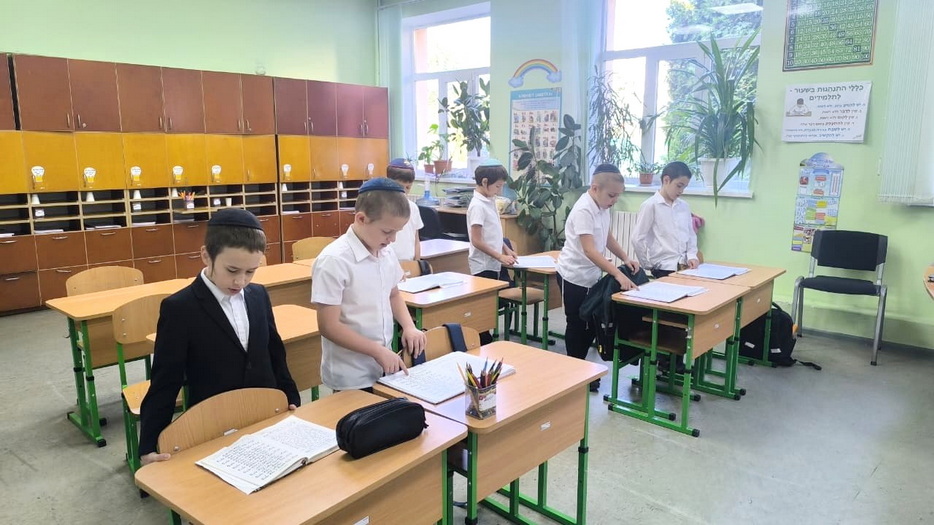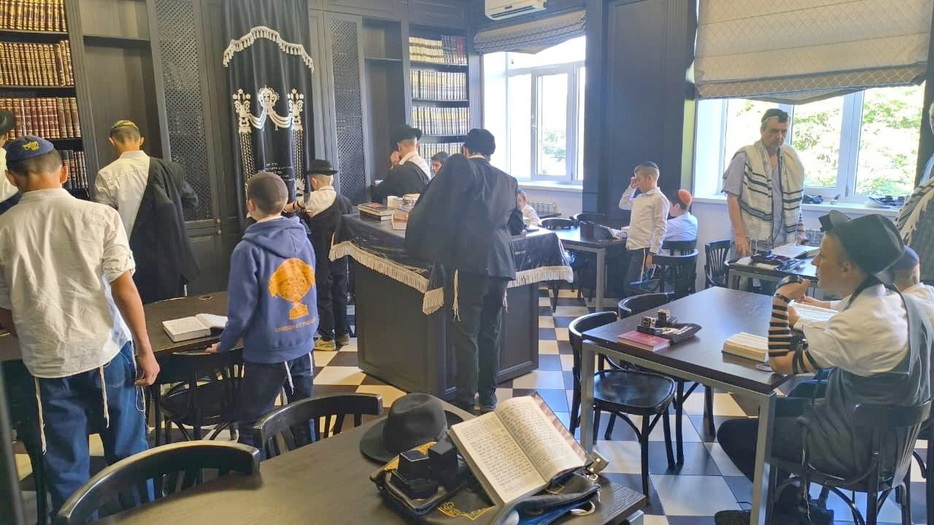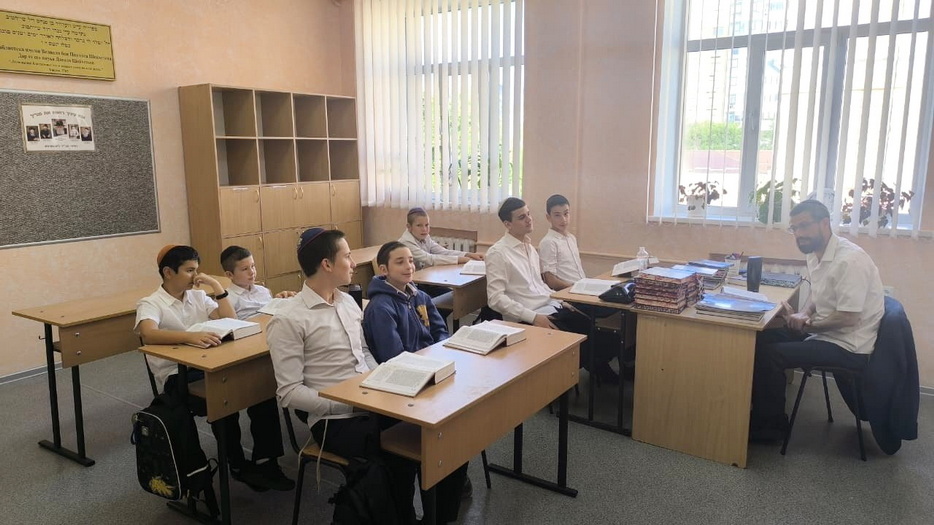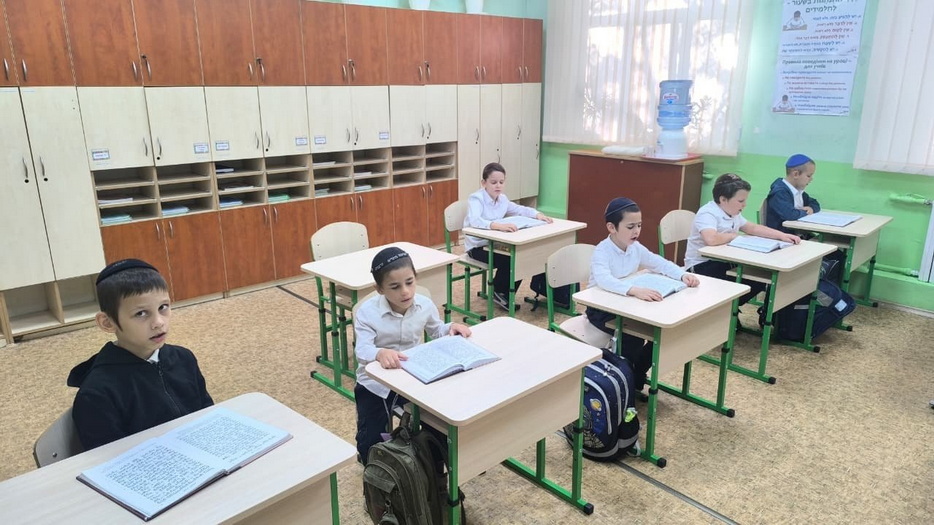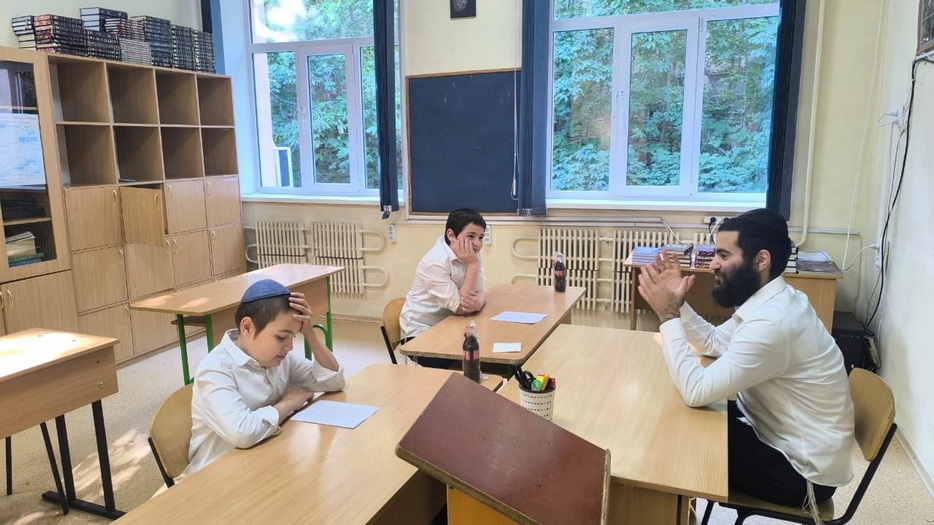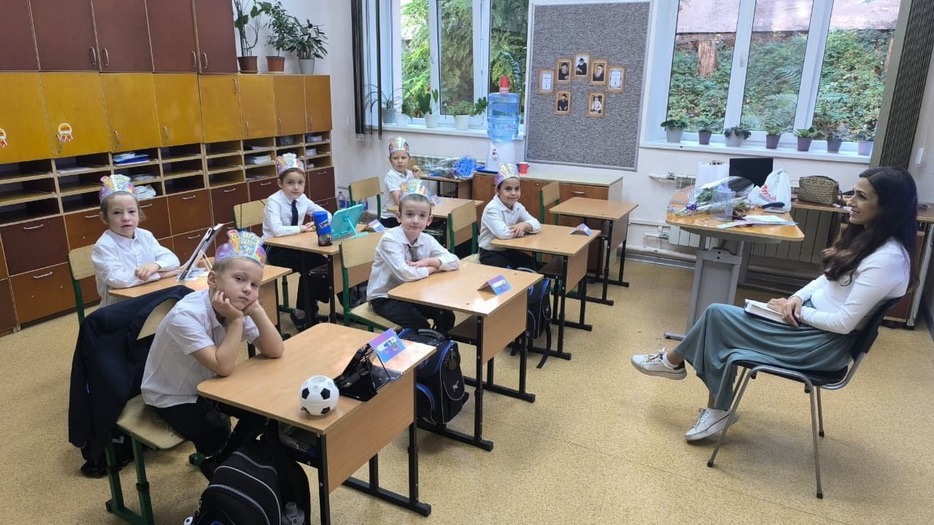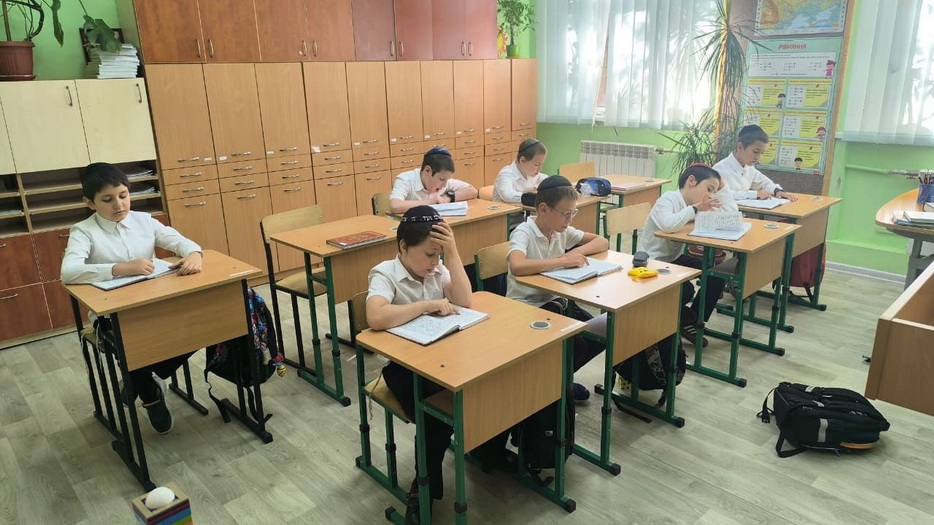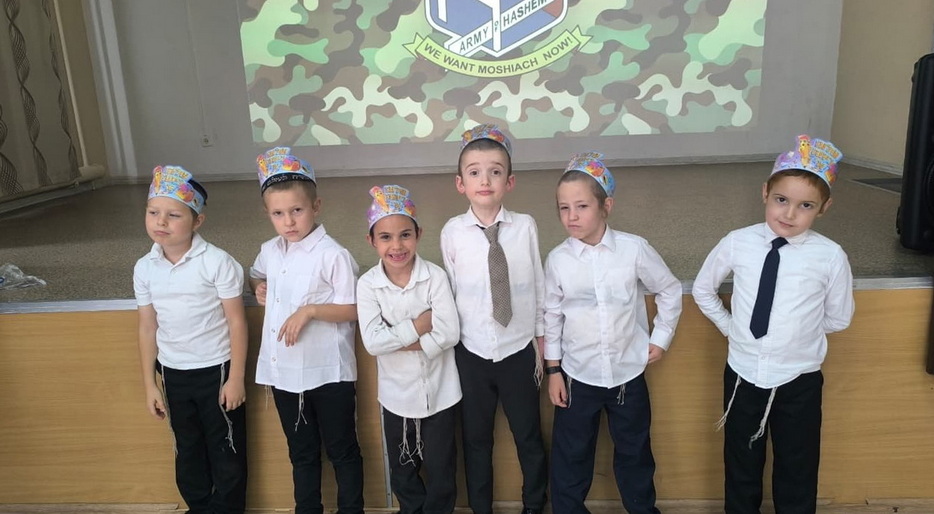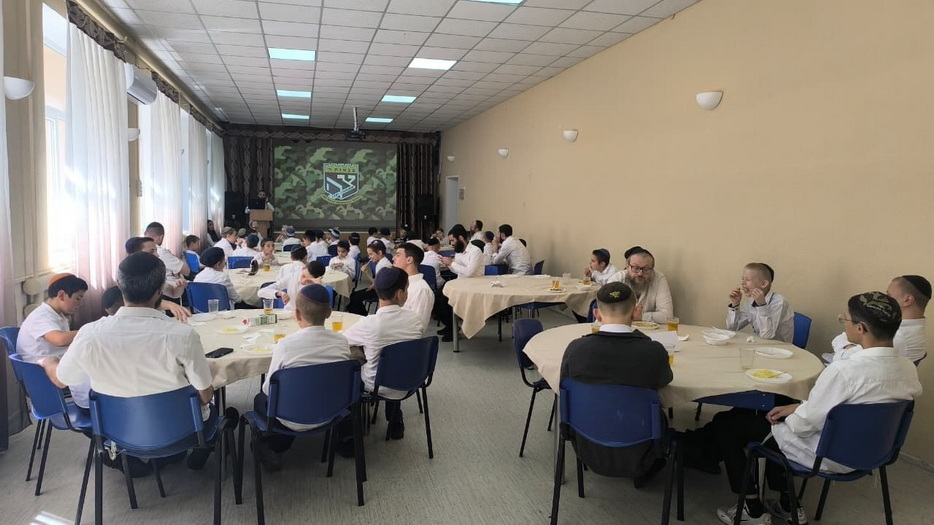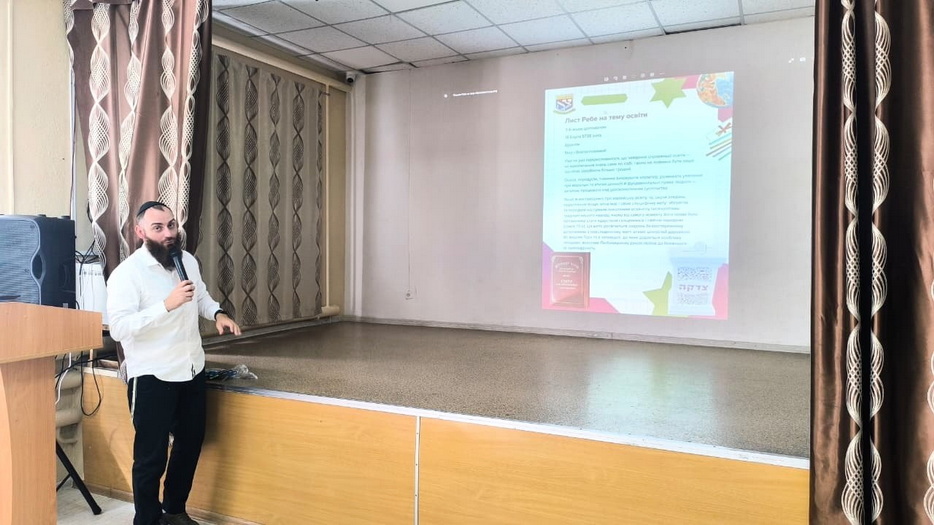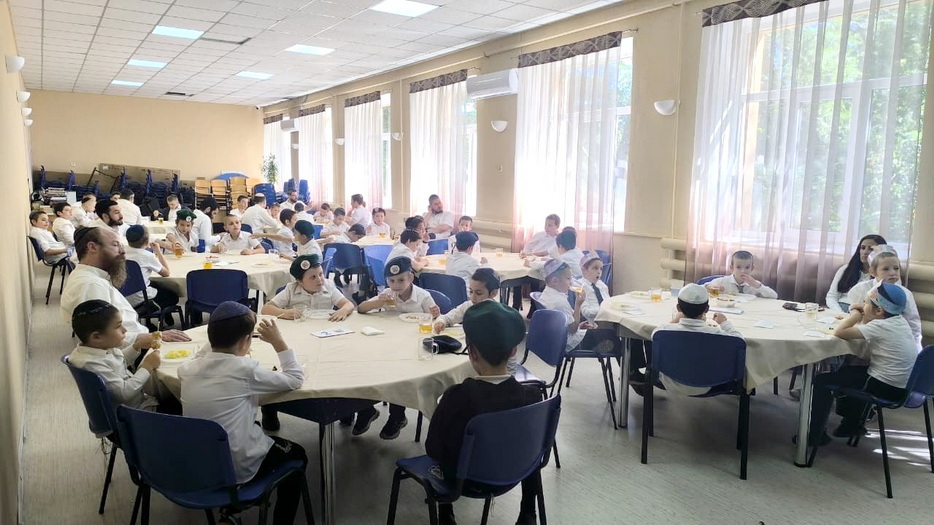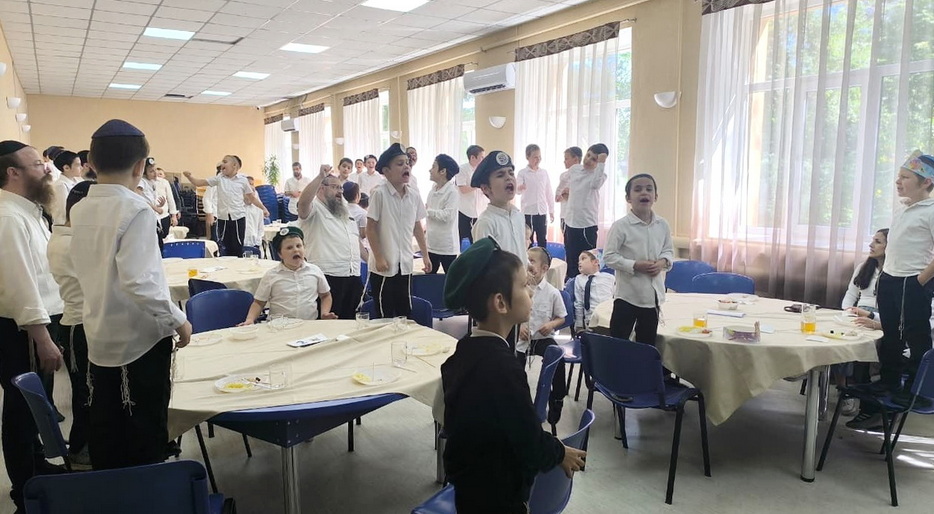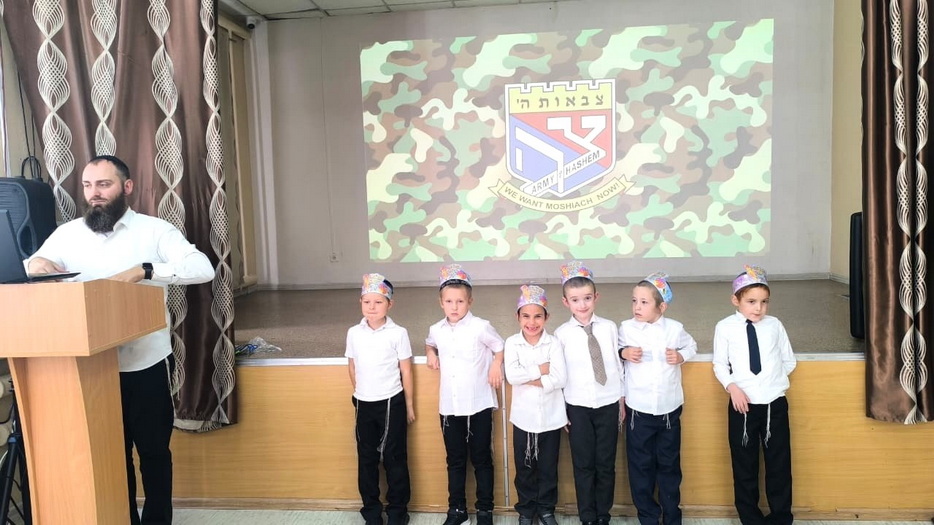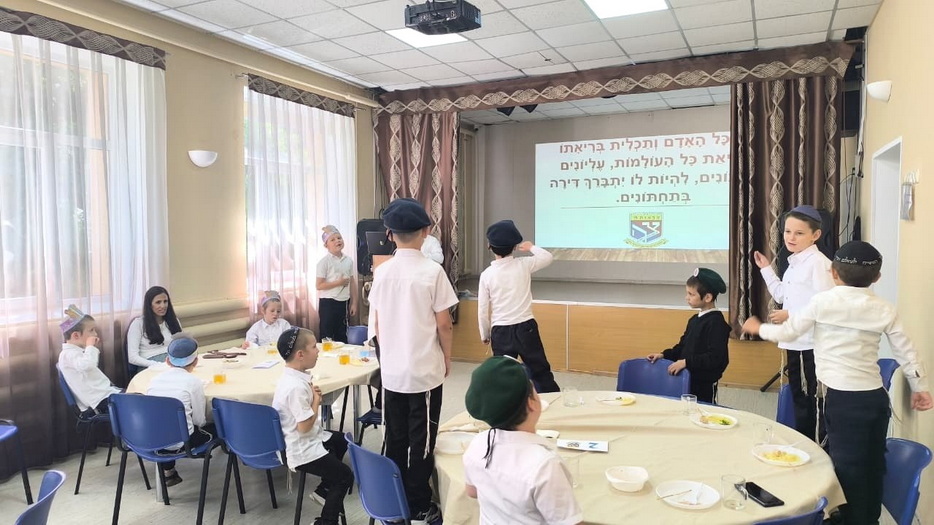




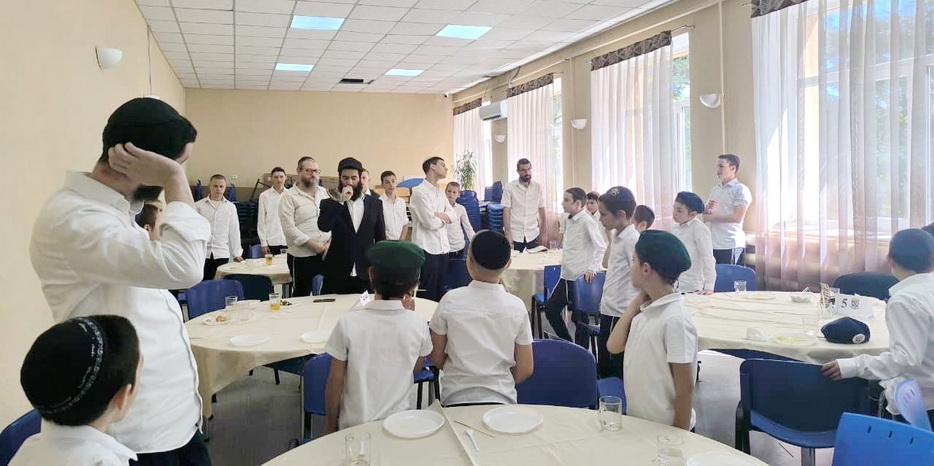
At the Yeshiva Ktana named after Rabbi Levi Yitzchak Schneerson, a leading educational institution of the Jewish Community of Dnipro for boys, the new school year began with a solemn celebration. On the eve of the new year, a special introduction to the yeshiva took place for the youngest students—those just beginning their studies there. The boys met their teachers for the first time, got acquainted with their classroom and the space that would now become an important part of their lives, and on Knowledge Day, together with all the students, they entered a new school year filled with Torah and Chassidus study, diverse knowledge, spiritual growth, and new achievements.
The main theme of the celebration was the value of time and the responsibility of every student for how they will spend the coming year. The boys were told the story of a tzaddik’s unusual clock, which, unlike ordinary timepieces, seemed to count not the minutes of life already passed, but rather the time that brings closer the Redemption and the coming of Moshiach. This story became the foundation of an important message to the students: every day, every lesson, and every minute spent in the yeshiva holds immense value, and the years of childhood and youth offer a unique opportunity to acquire knowledge, develop, and lay the foundation for all of one’s future life.
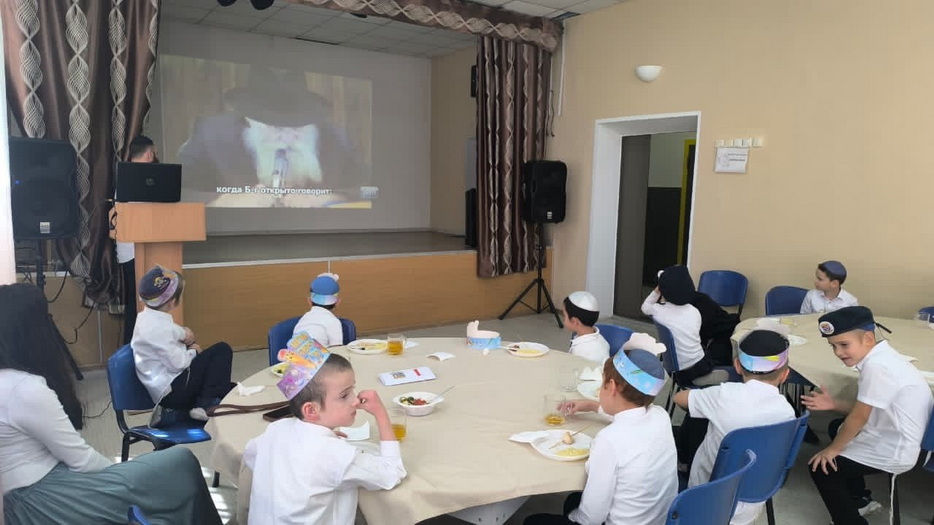
Special attention on this day was given, of course, to the first-graders, who are just beginning their journey at the Yeshiva Ktana. For the first time, together with their older classmates, they recited pesukim, becoming full-fledged members of the large school family. As part of the program, the boys also watched a video of the Rebbe and wrote a letter to the leader of our generation, the Seventh Lubavitcher Rebbe Menachem Mendel Schneerson.
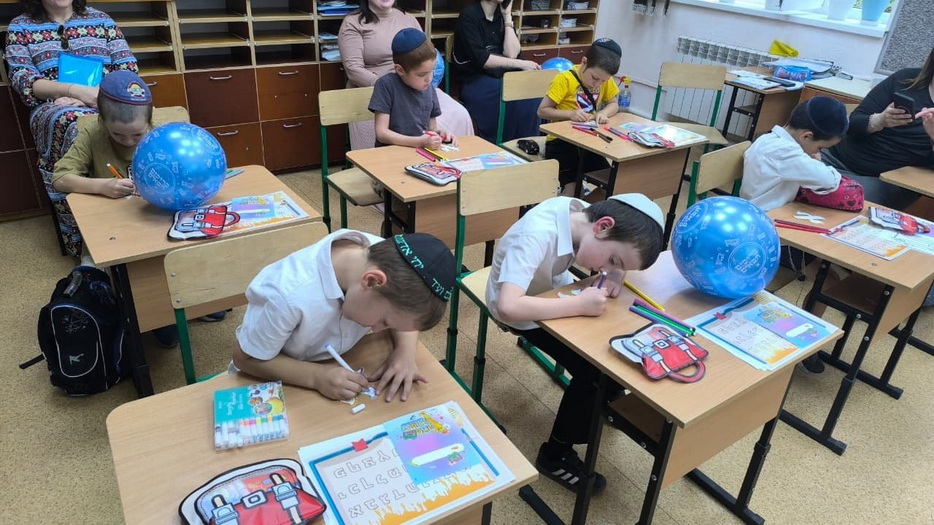
One of the most vivid moments of the celebration was the interactive game “What Will We Put in Our School Backpack?”, which helped the children reflect on what is truly worth bringing into the new school year. Together, they filled a symbolic backpack not only with textbooks and favorite pens but also with good mood, kindness, prayer, a desire to help friends, curiosity, perseverance, a new goal, and a striving to become better. Laziness, anger, indifference, resentment, tardiness, arguments with teachers, and the self-assured “I already know everything” were left behind the yeshiva’s doors.
The most important acquisition for the new school year was a good resolution, as its beginning falls during the month of Elul—a special time of spiritual preparation for Rosh Hashanah, when every Jew reflects on their actions and takes on new good resolutions. The boys were invited to choose their own small but genuine resolution: to study better, to pray more attentively, to argue less, or to help others more often. Thus, the start of the school year became not just a return to studies but an opportunity to set a new goal and take another step in their spiritual and personal development.
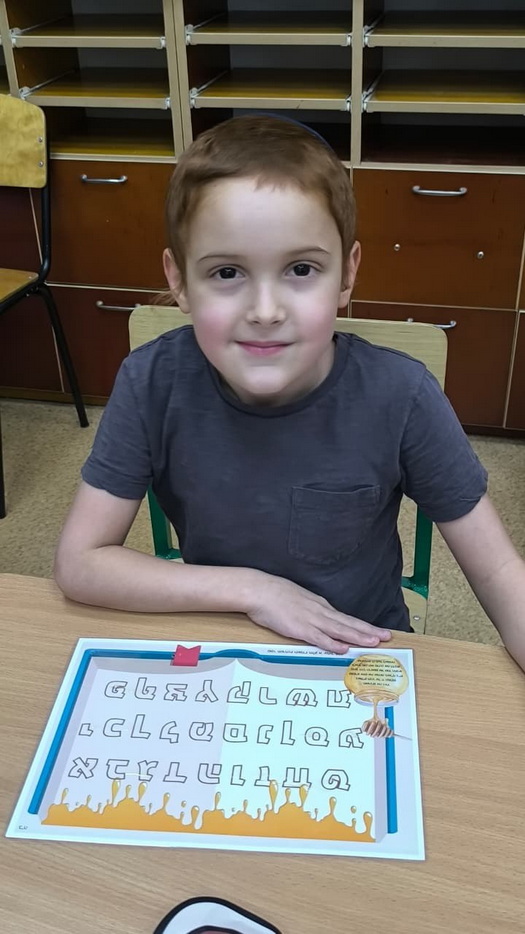
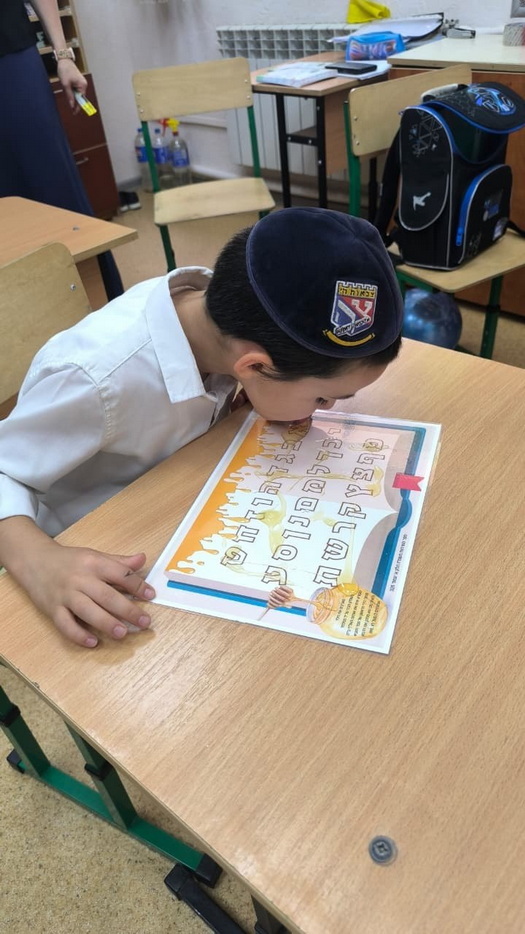
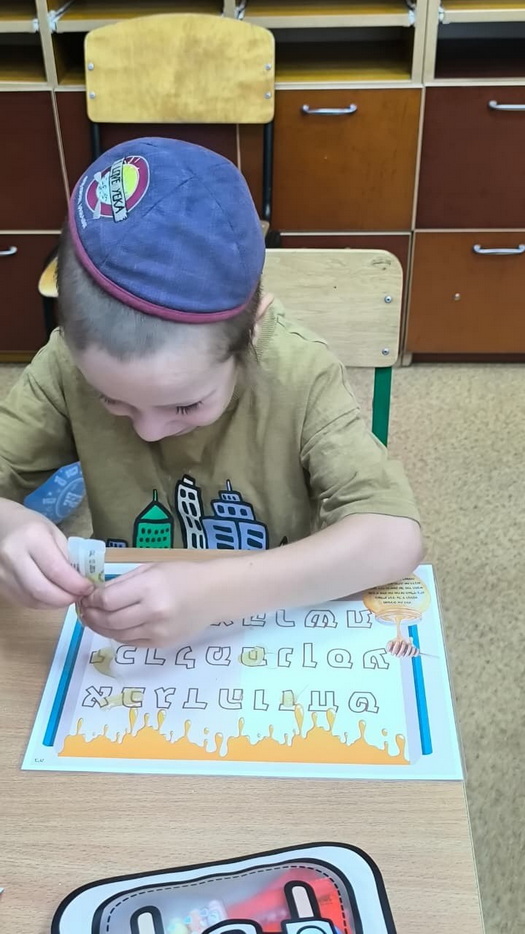
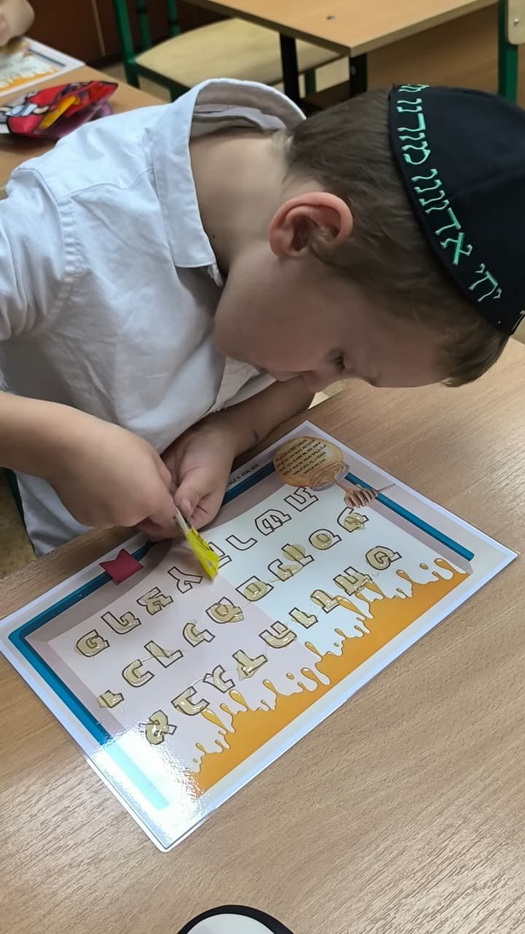
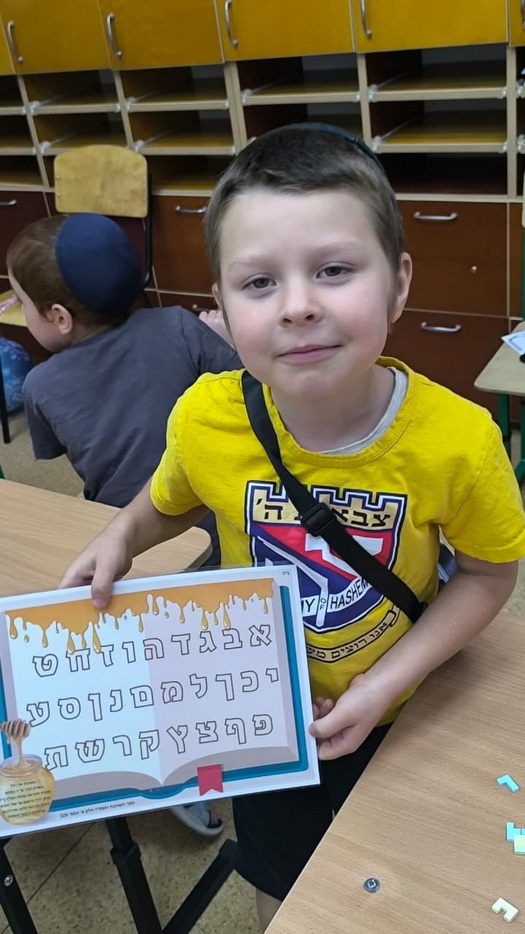
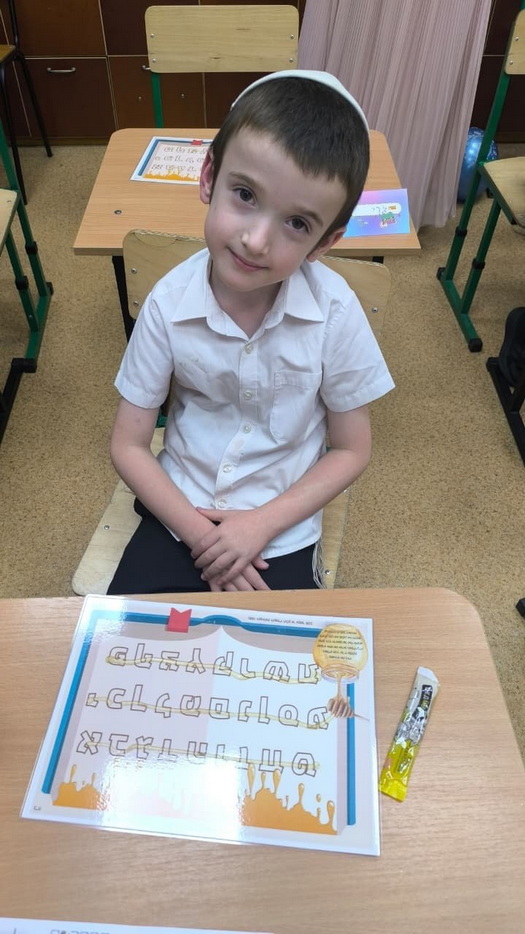
On this day, the students also greeted their teachers, who would accompany them throughout the school year, explain, support, and help them gain new knowledge and become better. The students were addressed with words of guidance by the director of the Yeshiva Ktana, Rabbanit Chana Segal, and the program continued with a creative activity in which the children made for themselves bookmarks dedicated to the month of Elul.
“The start of the school year is a special moment for every child, and especially for our first-graders, who are just beginning their journey at the yeshiva. We very much wanted the children to feel from the very first day the value of every minute spent studying Torah, Chassidus, and acquiring new knowledge,” said Rabbanit Chana Segal, director of the Yeshiva Ktana. “The month of Elul reminds us that any new beginning offers an opportunity to make a good resolution, set a new goal, and strive to become better. We are happy to give our students this opportunity thanks to the ongoing support, attention, and care of the united and cohesive Jewish Community of Dnipro under the leadership of Chief Rabbi Shmuel Kaminezki.”