




The 11th of Cheshvan (this year – October 22) is the day of the death of the Matriarch Rachel. In the book of Bereishis, Rachel is presented as “one of the matriarchs of the Jewish people.” But in Jewish tradition, it is precisely she – the second wife of the Patriarch Yaakov – who became a symbol of the mother, and specifically a symbol of the Jewish mother mourning the fate of her people – the children of Israel: “Rachel weeps for her children and refuses to be comforted” (Yirmeyahu 31:15).
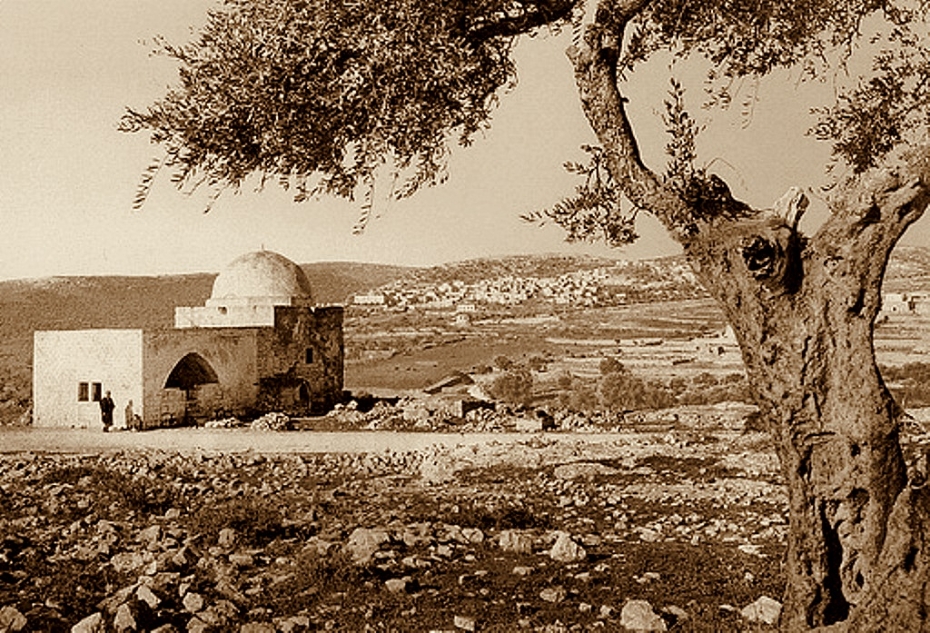
The Midrash relates that of all the patriarchs and matriarchs, only Rachel succeeded in softening the Almighty’s anger against Israel. The first information about the burial place of the Matriarch Rachel is given in the Torah (the book of Bereishis 35:19): “And Rachel died. And she was buried on the way (from Beis El) to Efrat, which is Beis Lechem.” Rachel’s Tomb is also mentioned in the book of Shmuel I (10:2), where it is said that Rachel was buried on the border of the portion of the tribe of Binyamin. It is located north of Beis Lechem, a few hundred meters from the southern part of modern Jerusalem. For many centuries it has been a place of pilgrimage for Jews, and every time the Jewish people are in trouble, her mercy awakens, and it awakens the mercy of the Almighty. Rachel has been beseeching Heaven for the salvation of her sons from the very time they first passed into exile by her grave, and she will not cease to plead until the ancient prophecy of Yirmeyahu is fulfilled – the complete return of the children of Israel, scattered throughout the world, to their country.
Around the grave a stone building has been erected, where throughout the ages her descendants have come to pray. Here they – overtaken by their own grief or in a time of general calamity – poured out their souls before the Almighty, striving to awaken His mercy by recalling the merits of Rachel. Especially many people gather at her grave on the 11th of Cheshvan – on the anniversary of her death.
In 1839, the tomb of Rachel was visited by the renowned Jewish philanthropist Moshe Montefiore and his wife. They decided to allocate funds for the repair and expansion of the old building. Permission for construction was obtained from the Turkish Sultan. To the 17th-century structure a room was added, the right of use of which was divided by hours between Jews and Muslims. The room built by Montefiore has survived to this day.
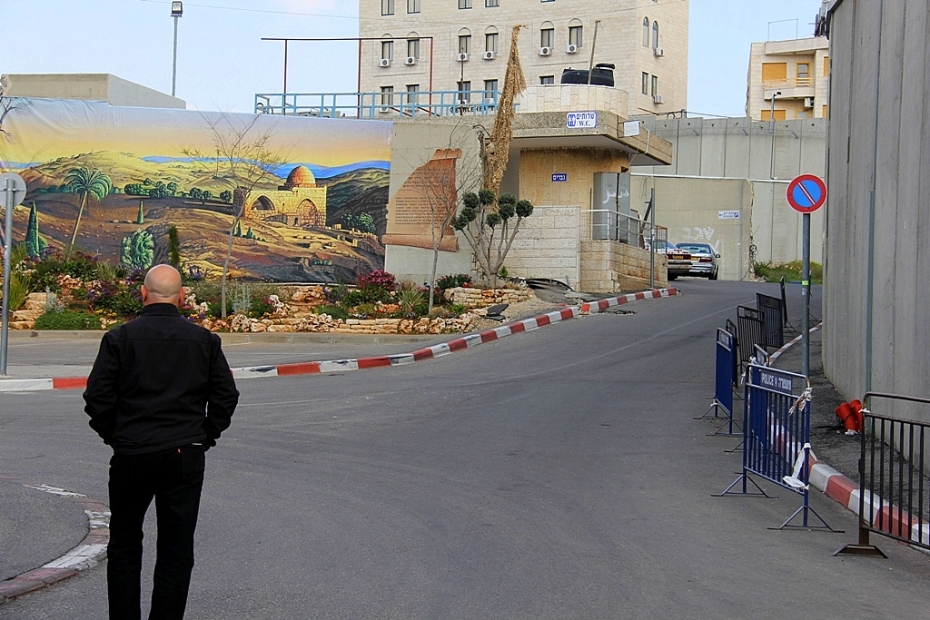
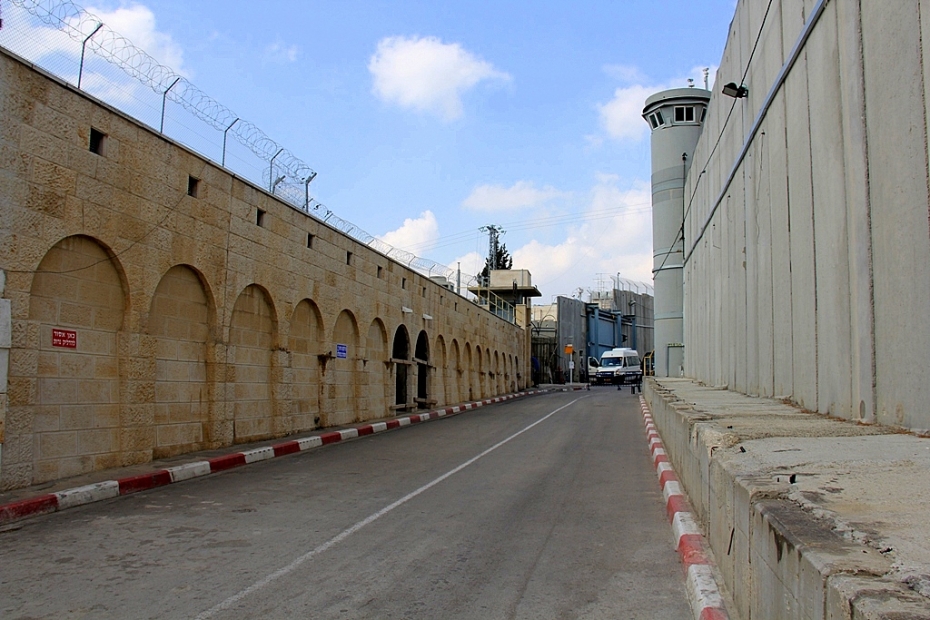
At the beginning of the 21st century, the building was surrounded by a high concrete fence, necessary for the safety of visitors and their protection from hostile Arab residents of the adjacent territories. Inside the building there is a synagogue where prayers are held daily, and a kollel in which Torah study is conducted around the clock.