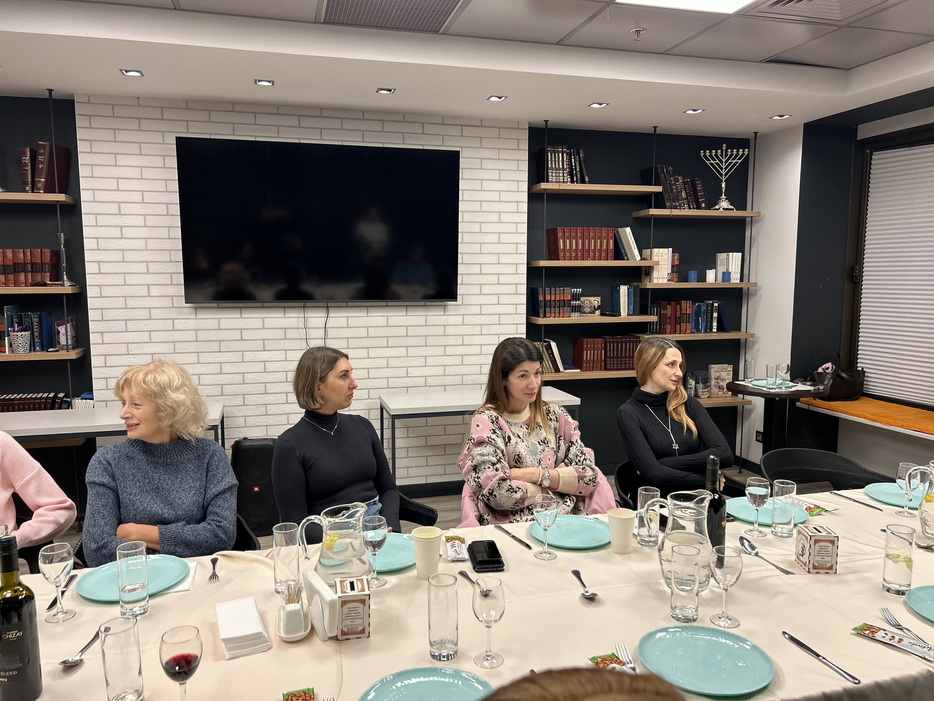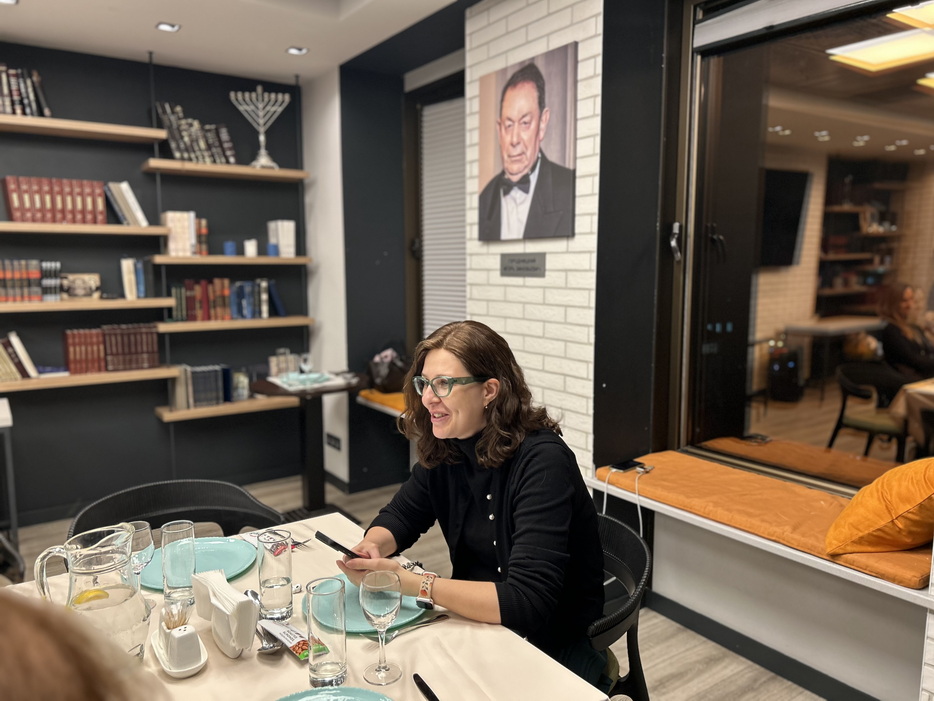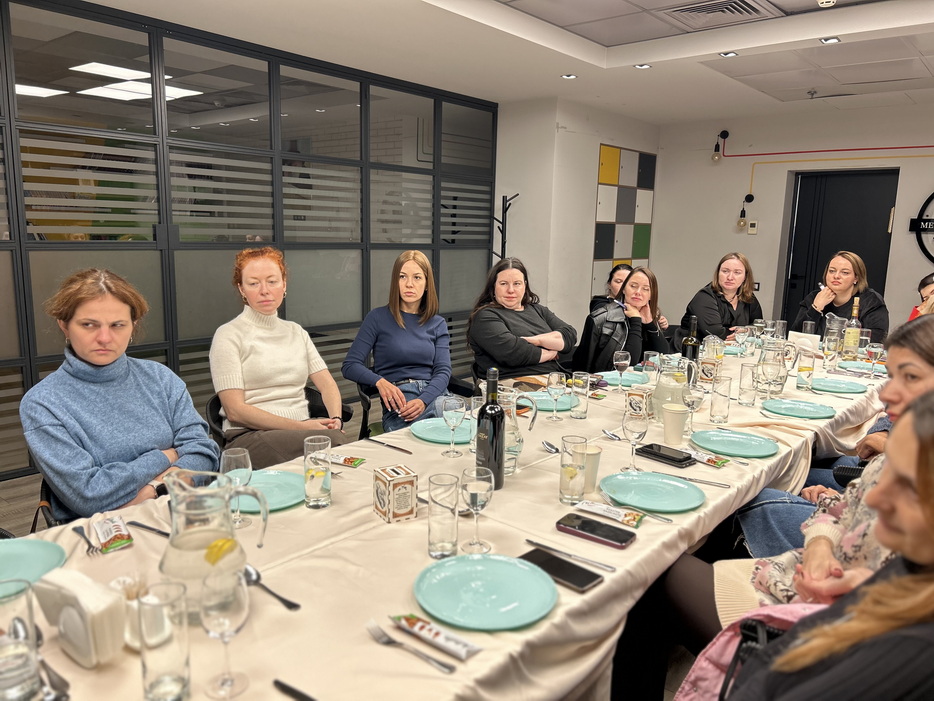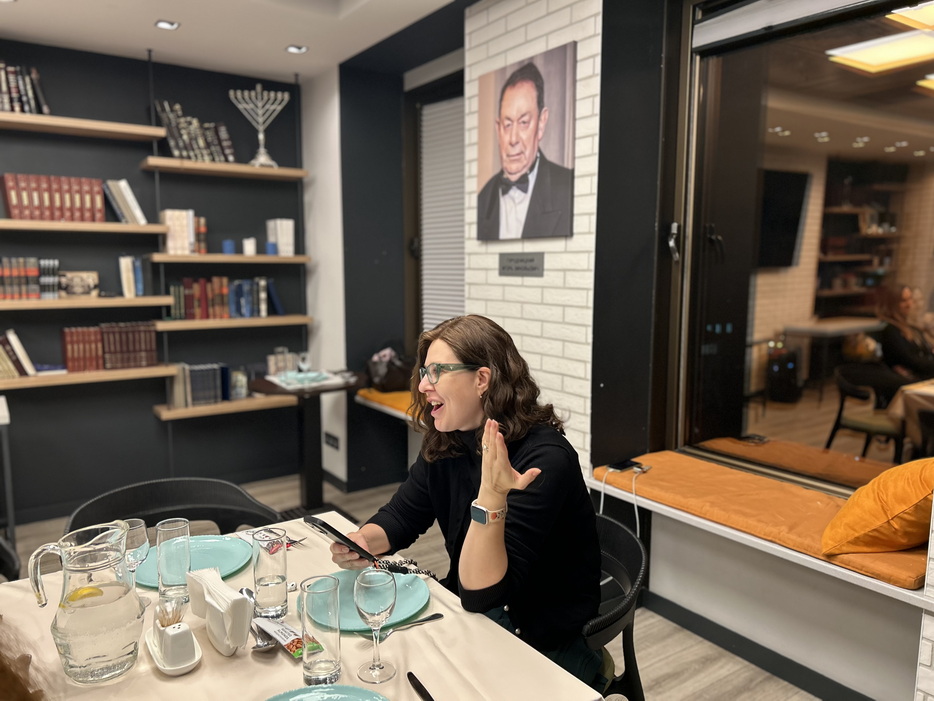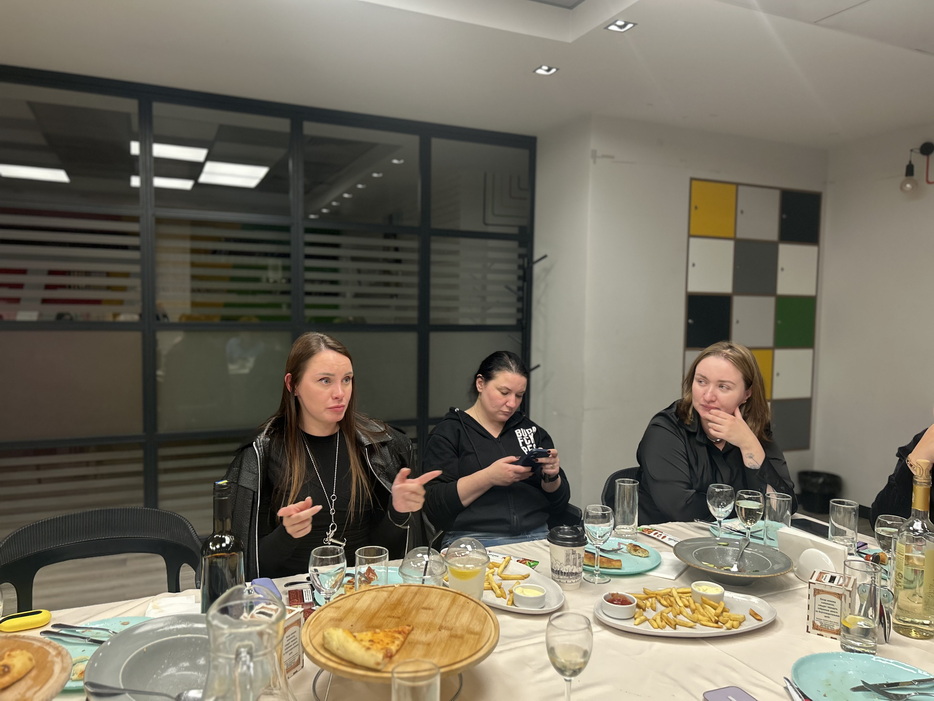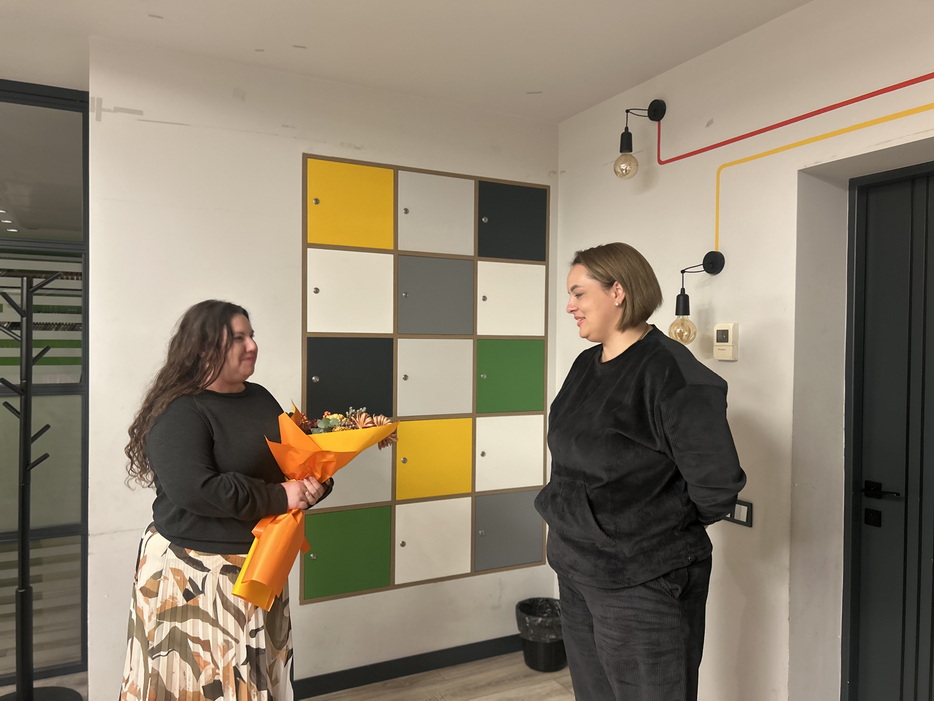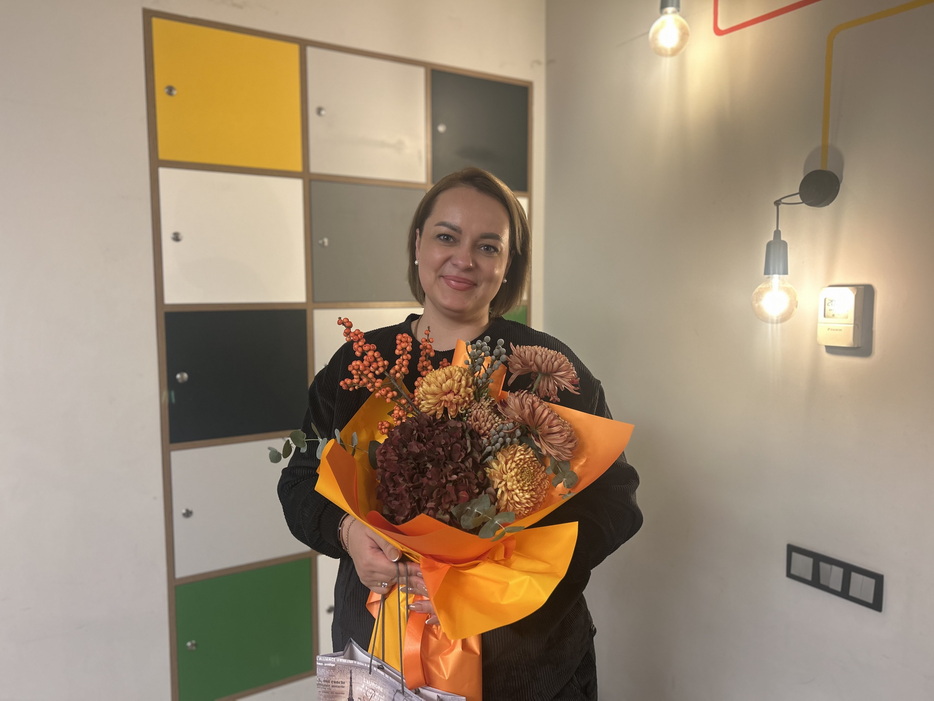





The “Menorah Community” youth project of the Jewish Community of Dnipro, which has been actively developing thanks to the efforts of the Zislina family, held another women’s Torah class dedicated to the difficult question of where the line runs between the duty to tell the truth and the need to protect another person’s feelings.
The class was conducted by Daniella Listengurt, who invited the participants to turn to the weekly portion of Vayeira, which tells the amazing story of how the Almighty, conveying to Avraham the words of his wife Sarah, changed one detail of what she had said for the sake of preserving peace between the spouses.
At the center of the discussion was the episode connected with the news of the future birth of Yitzchak. Having heard the promise that she would bear a son, Sarah doubted the possibility of this event, since both she and Avraham were already advanced in age. However, when the Almighty conveyed Sarah’s words to Avraham, He changed them in such a way as not to wound Avraham’s dignity and not to cause discord between the spouses.
This example enabled the participants to reflect on the fact that Jewish tradition places enormous significance on both truthfulness and the preservation of peace between people. The striving to speak the truth should not turn into a justification for cruelty, hurtful words, or disregard for another person’s feelings. At the same time, care for others’ feelings does not mean that one may arbitrarily distort the truth for one’s own convenience. That is precisely why it is so important to study the Torah and its mitzvos – to understand when it is necessary to speak directly, when it is better to remain silent, and when, for the sake of preserving peace, it is permissible to change the form in which what was said is conveyed.
“The story of Sarah and Avraham teaches us that even in such a seemingly simple question as the need to tell the truth, one cannot be guided solely by one’s own notions of what is right,” noted Esti Zislina, co-director of the “Menorah Community” project. “The Torah helps us understand that a person’s words must serve the fulfillment of the Almighty’s will, the strengthening of peace, and good relations between people. It is especially important to us that the participants of our classes not merely become acquainted with stories from the Torah but also learn to apply its wisdom in everyday life, in relationships with loved ones and those around them. For the opportunity to acquire this knowledge and to share the light of the Torah with others, we thank from the bottom of our hearts the united and cohesive Jewish Community of Dnipro under the leadership of Chief Rabbi Shmuel Kaminezki.”