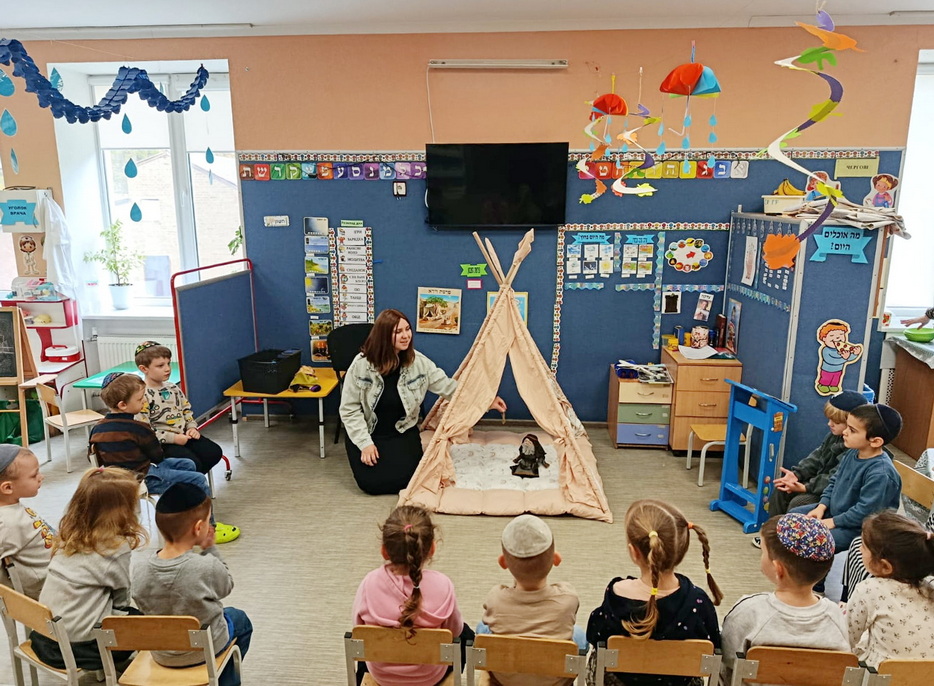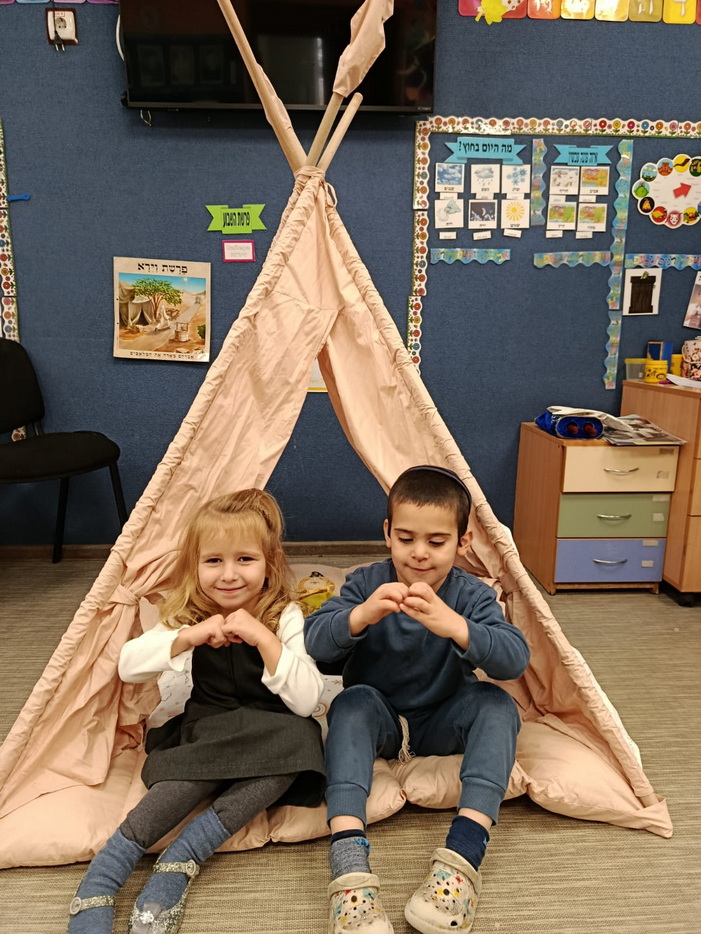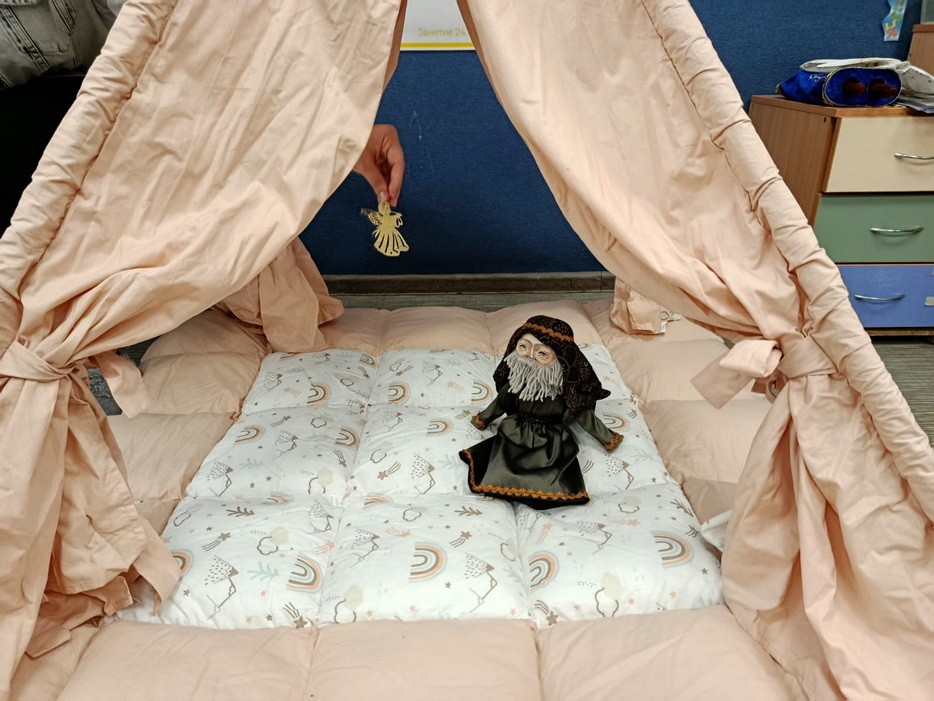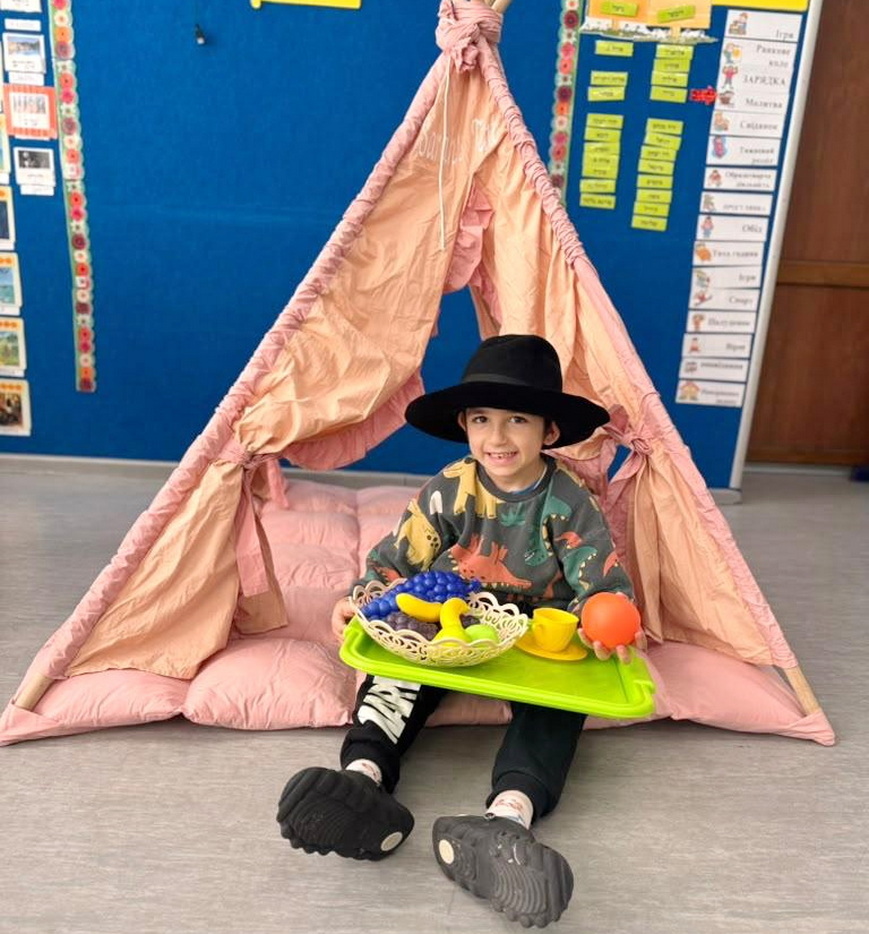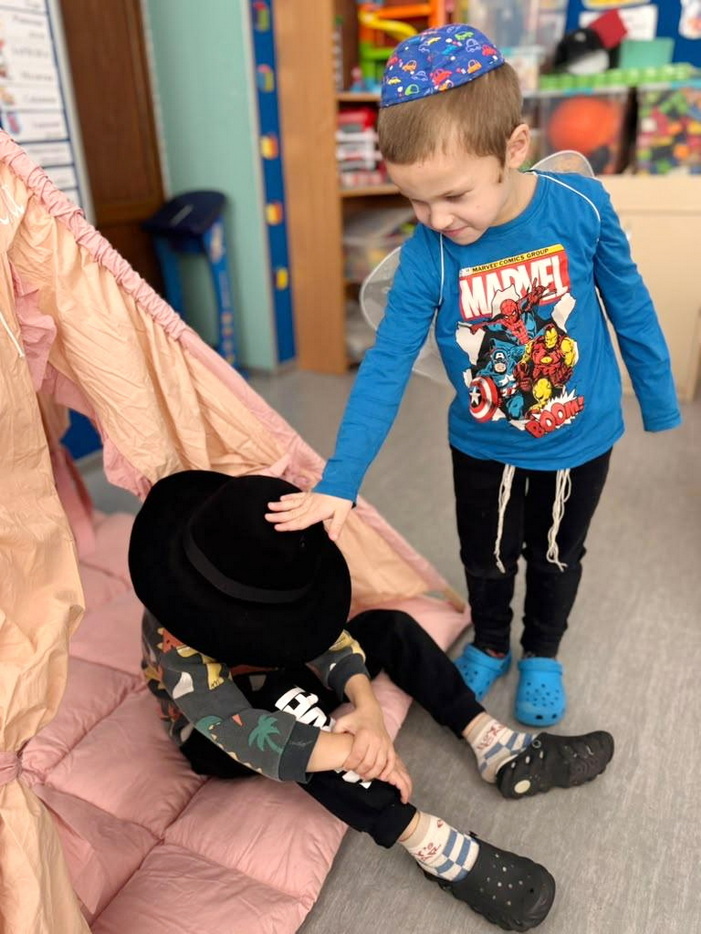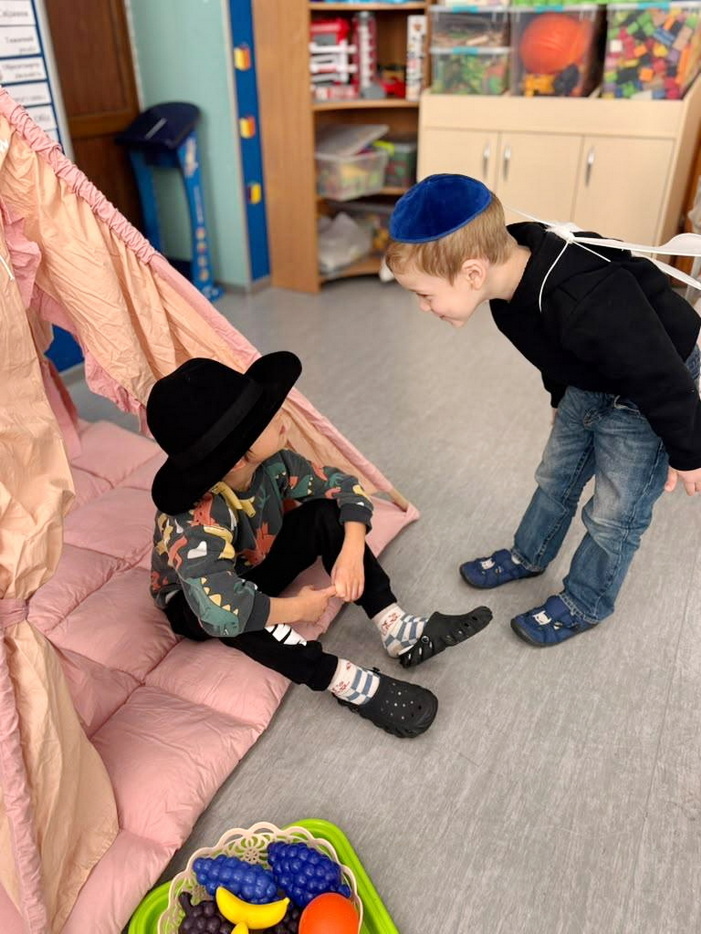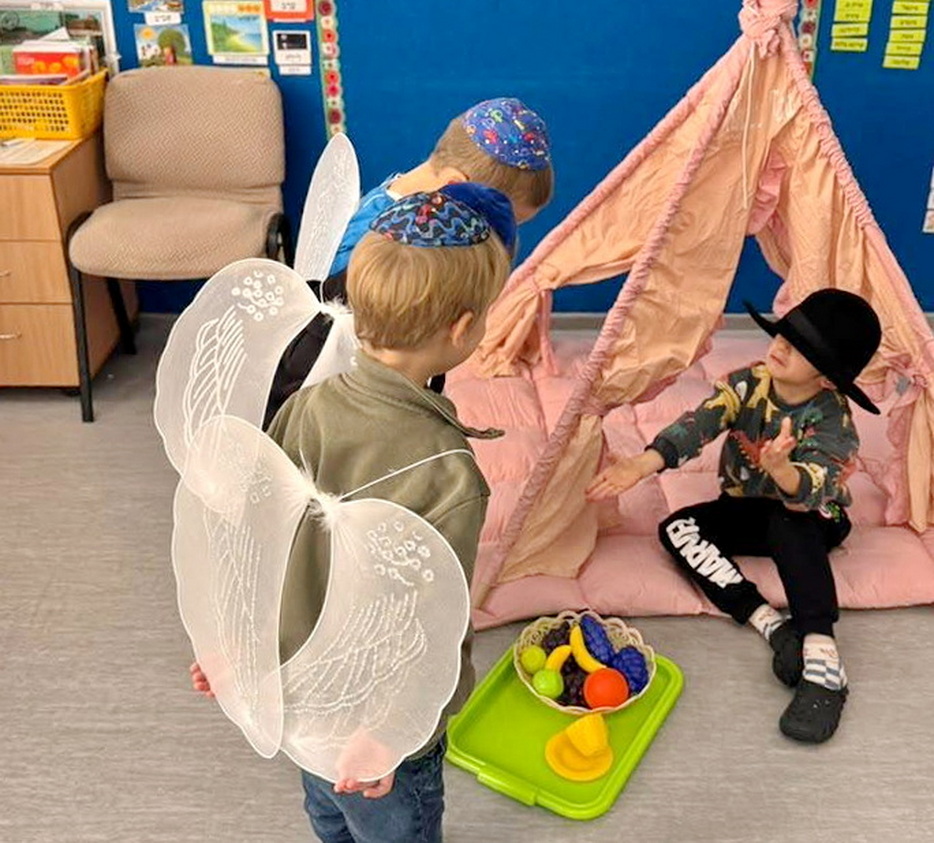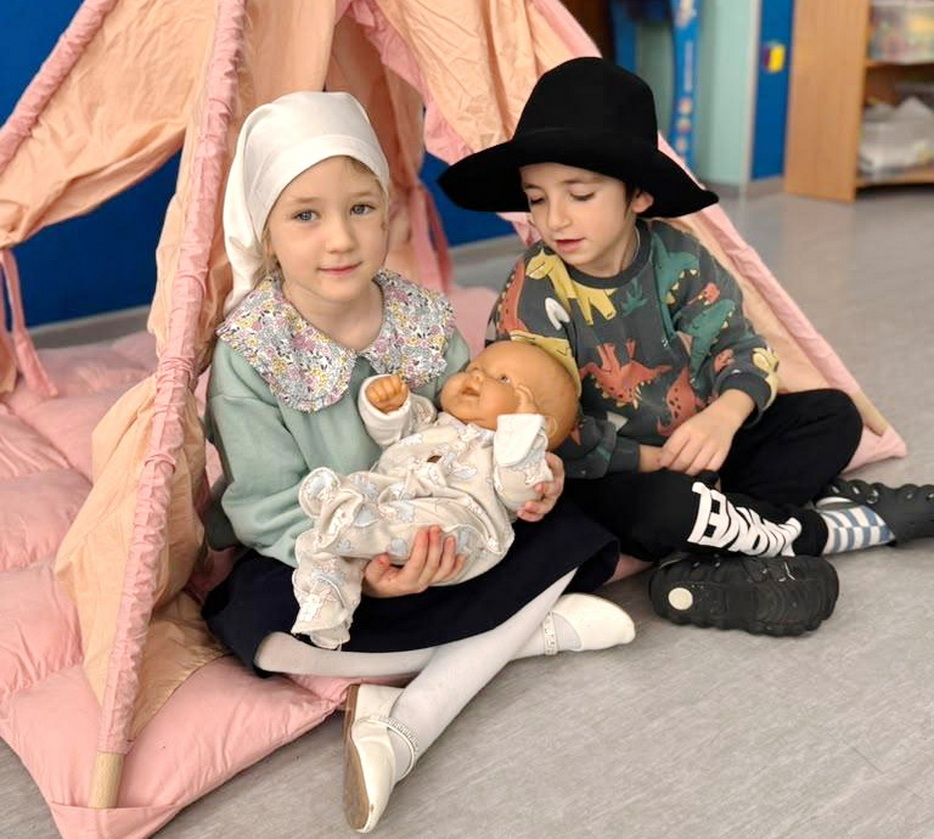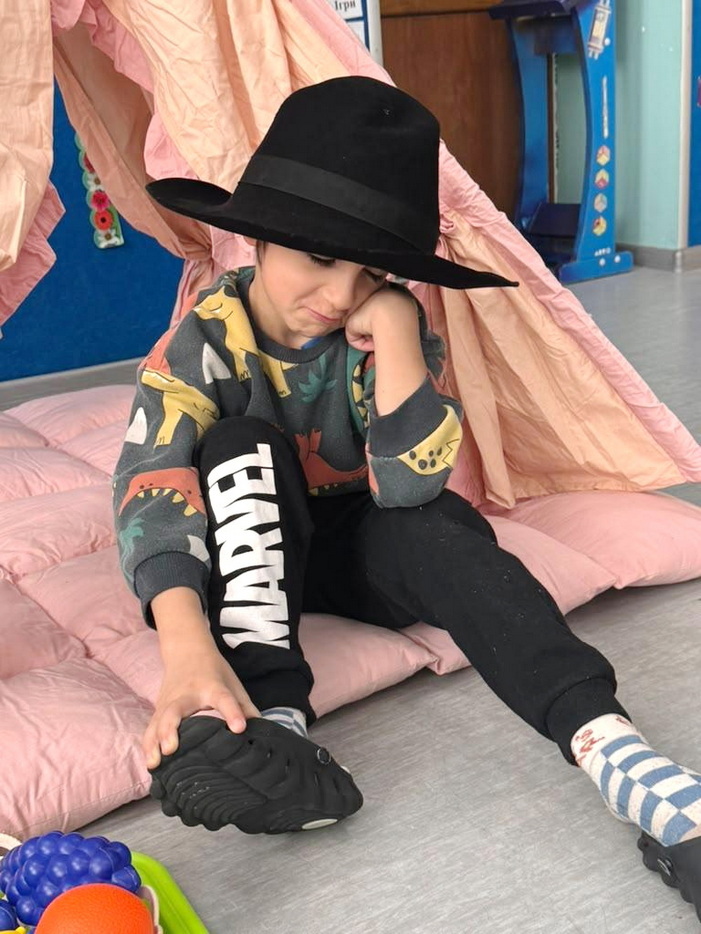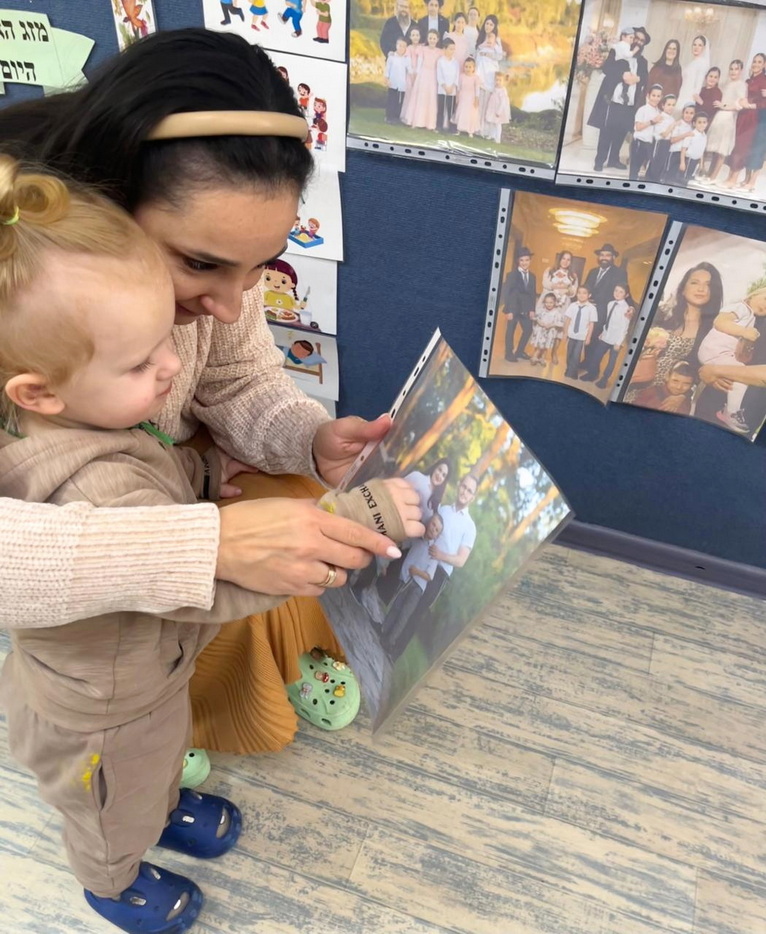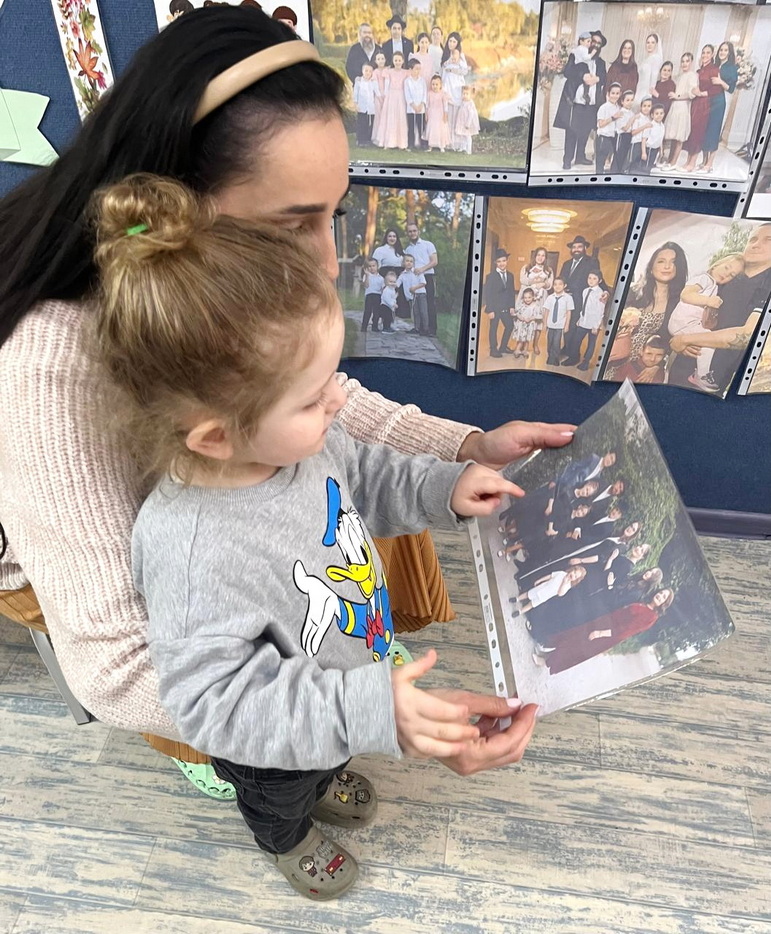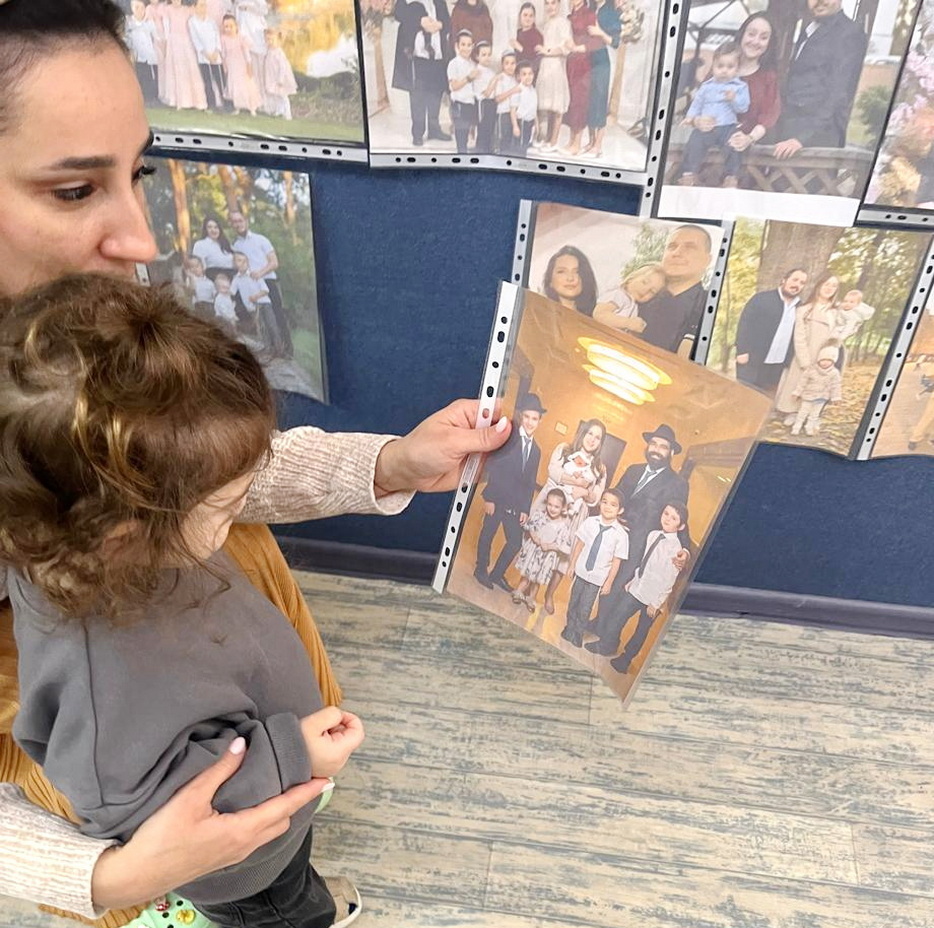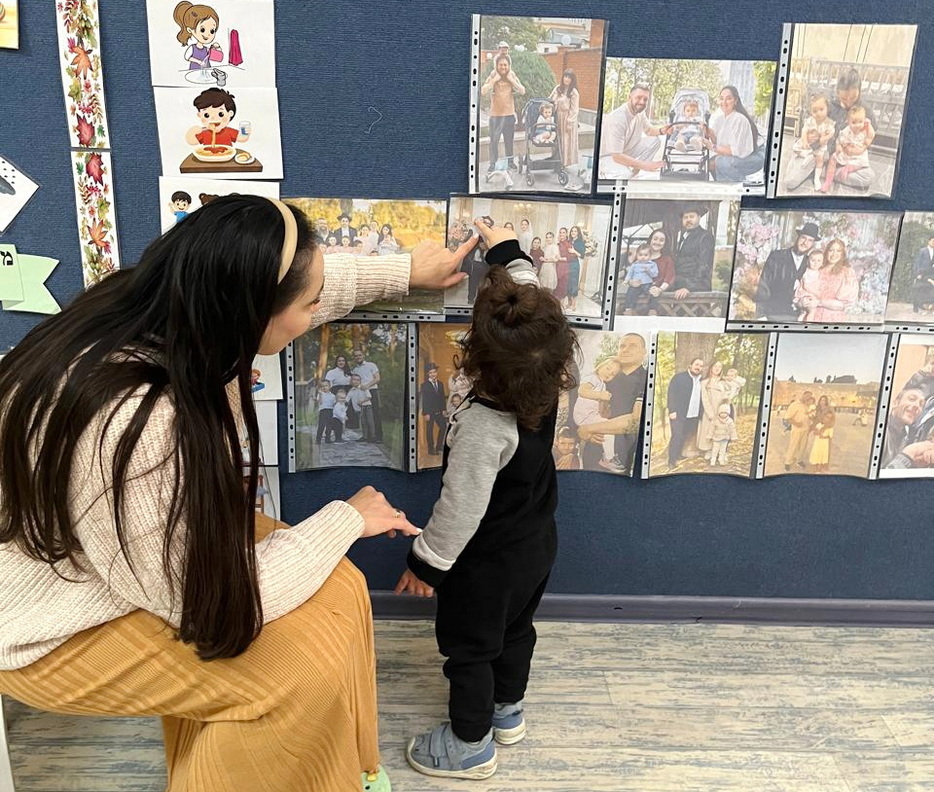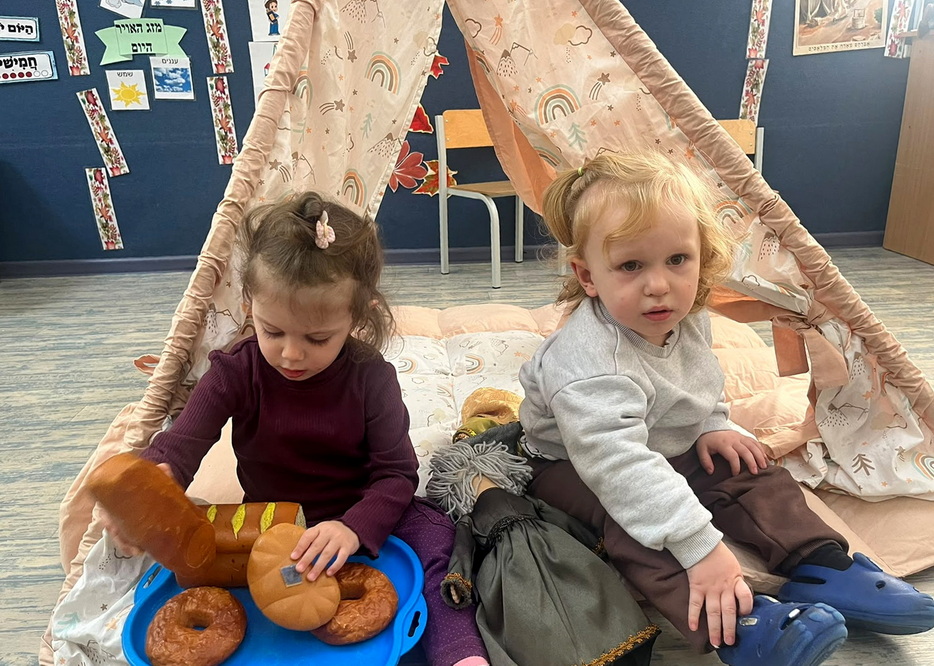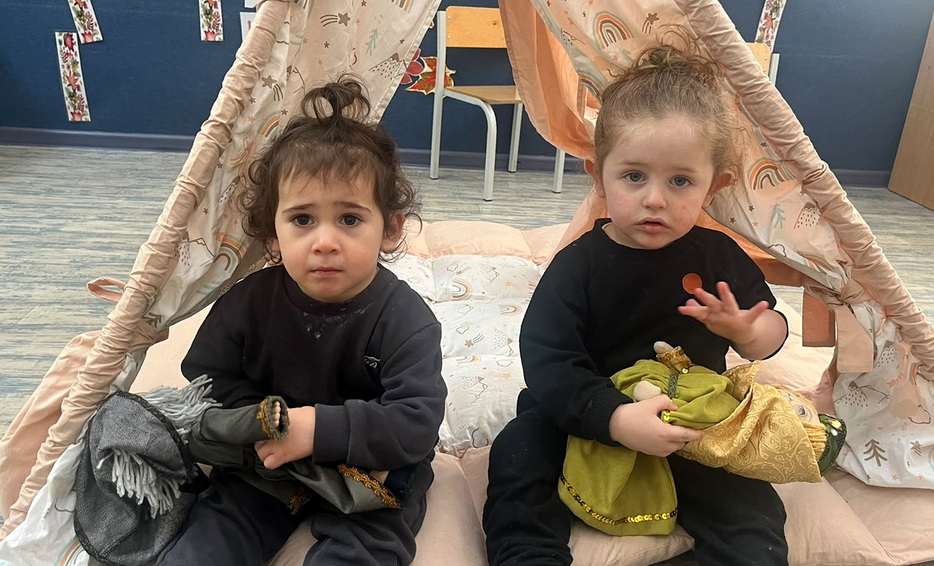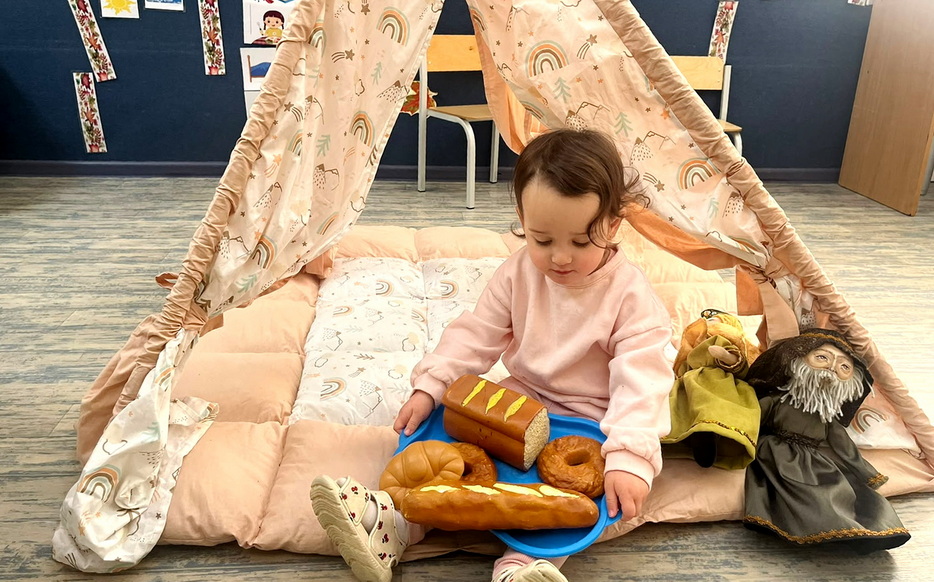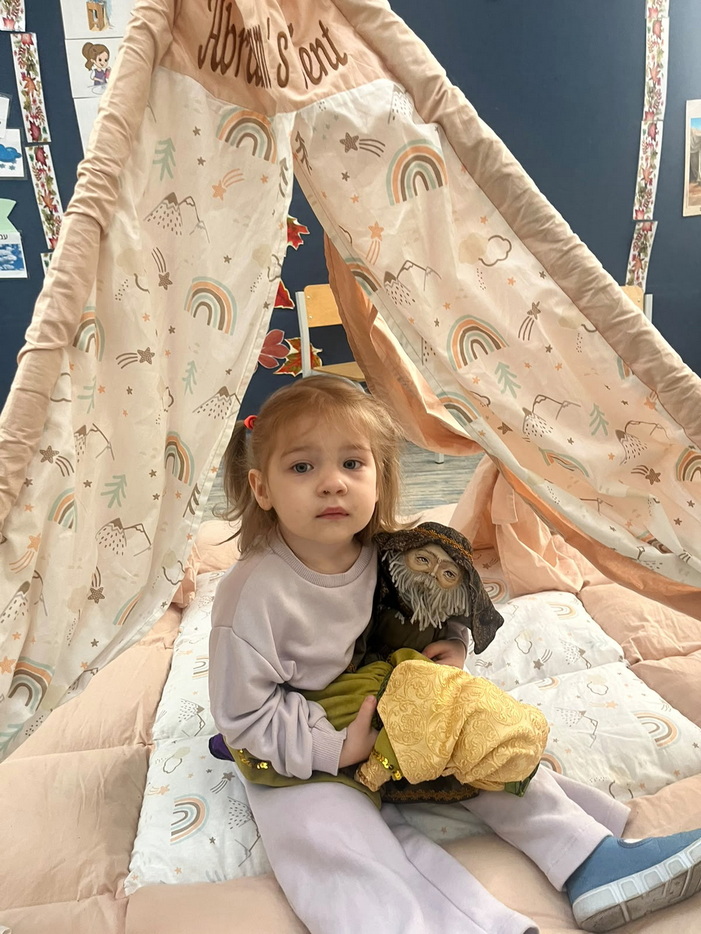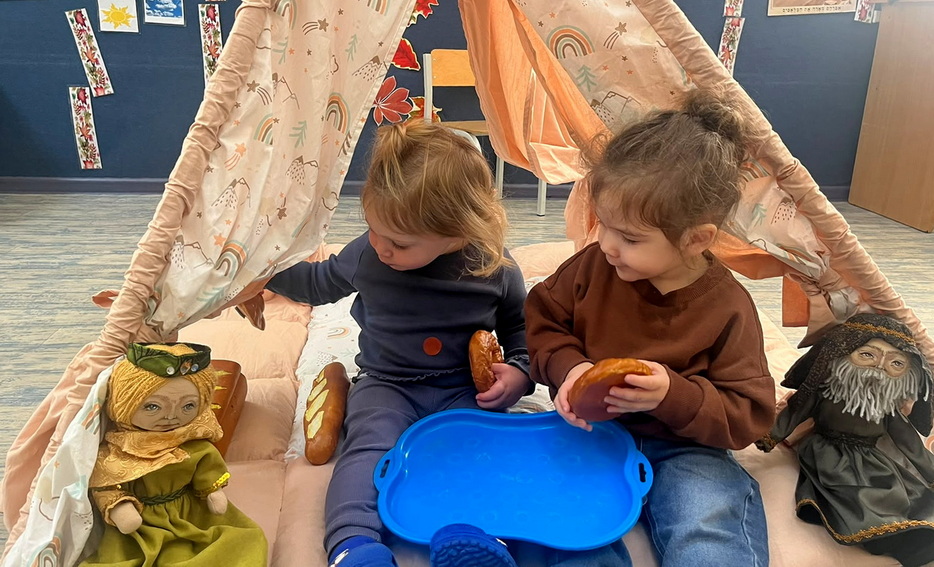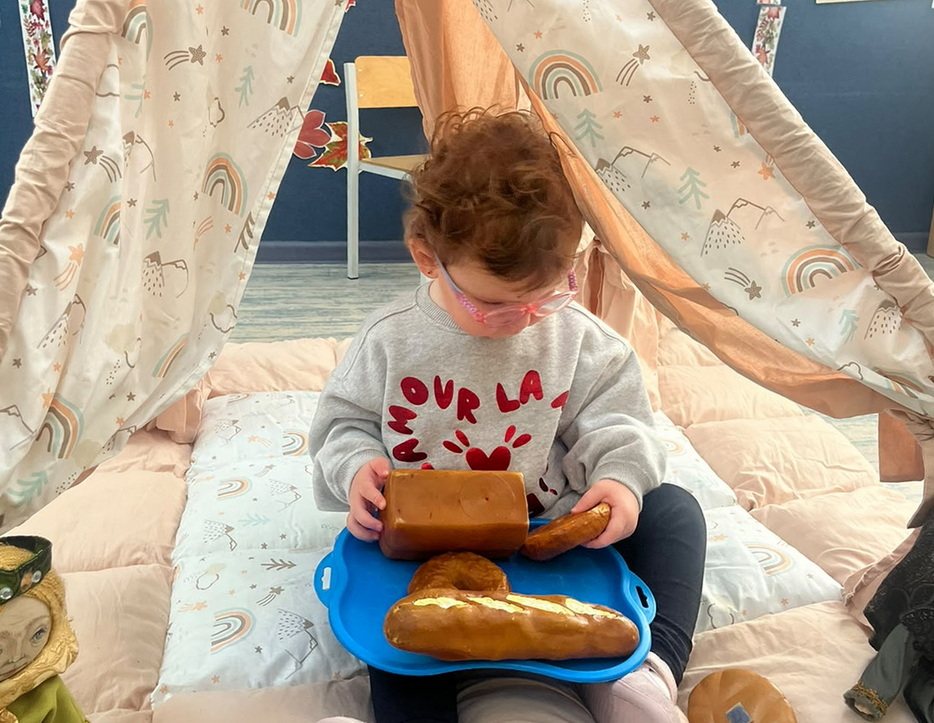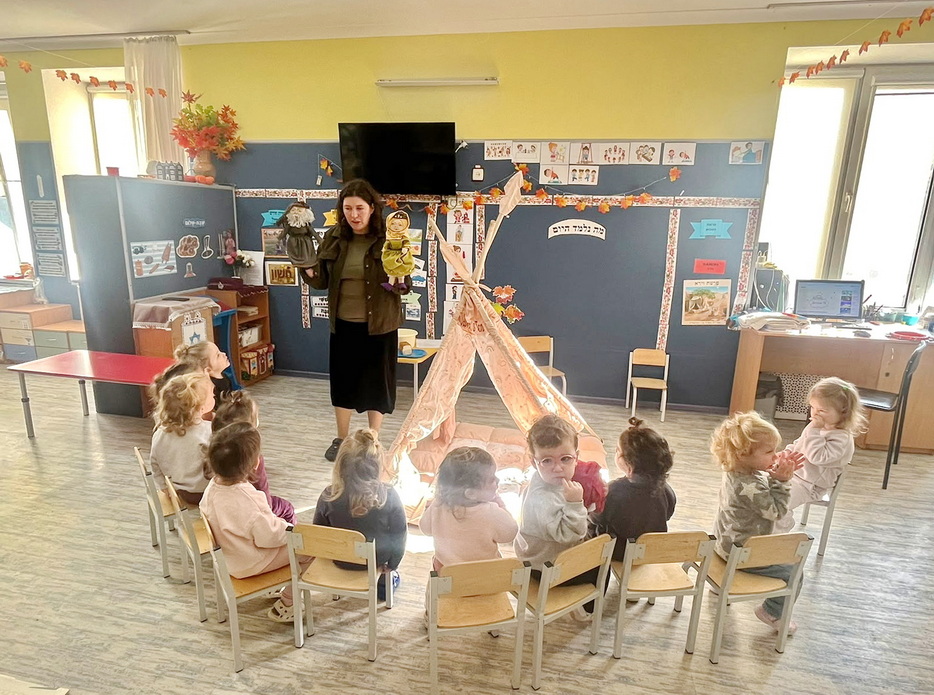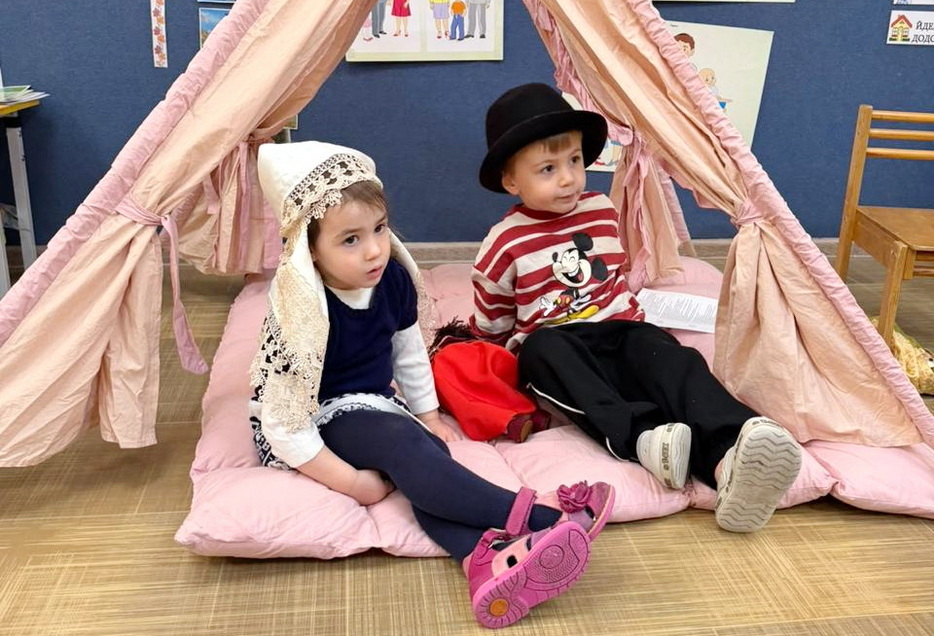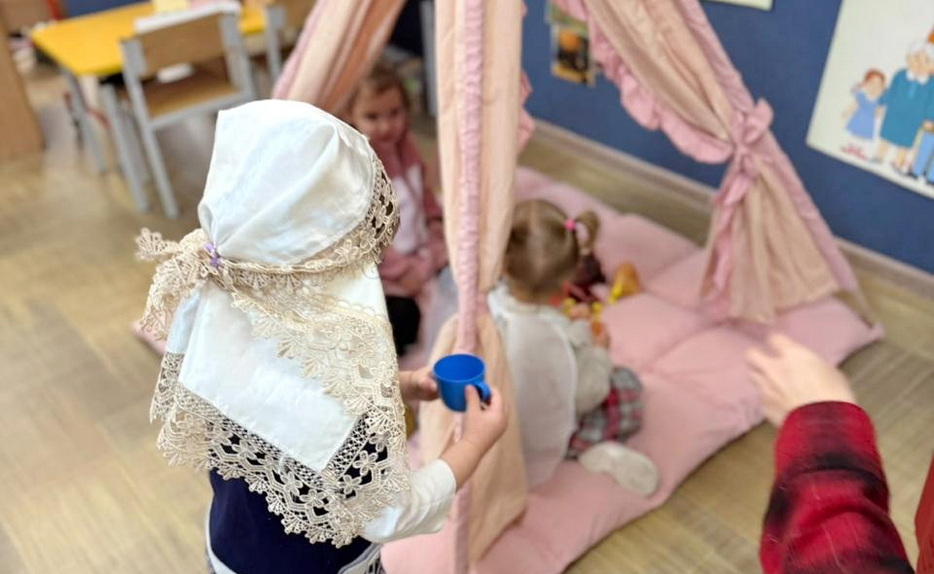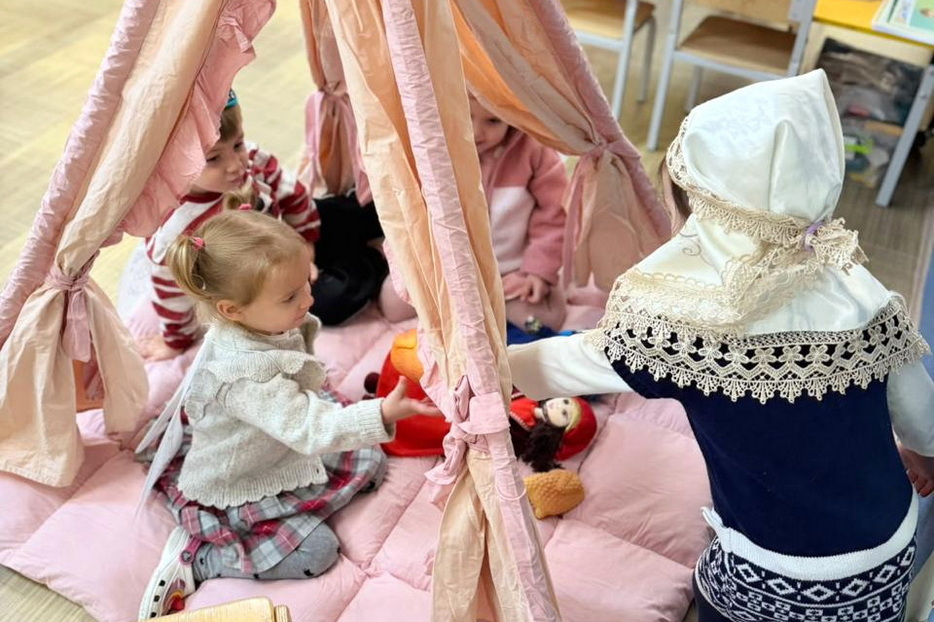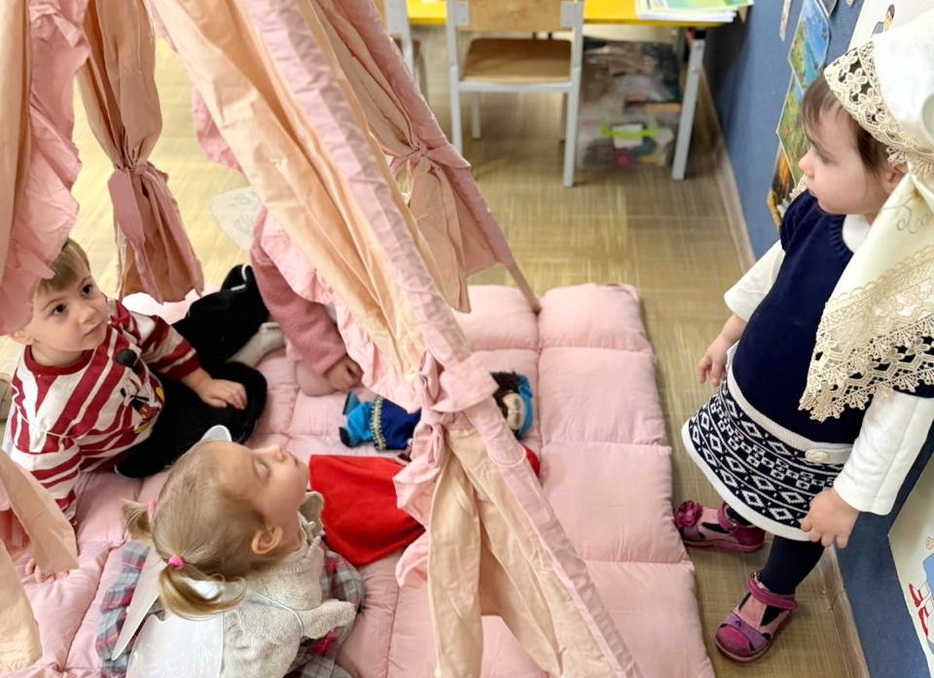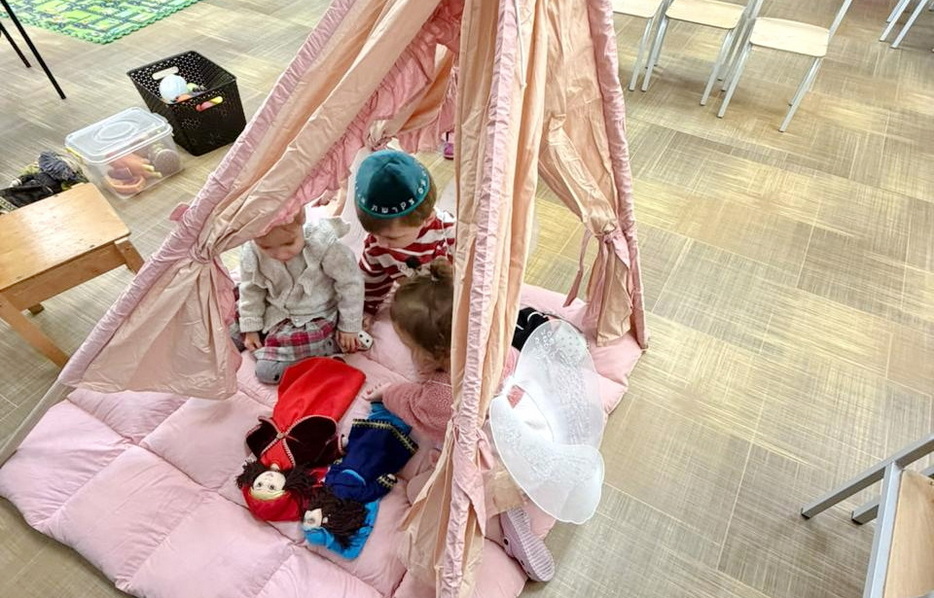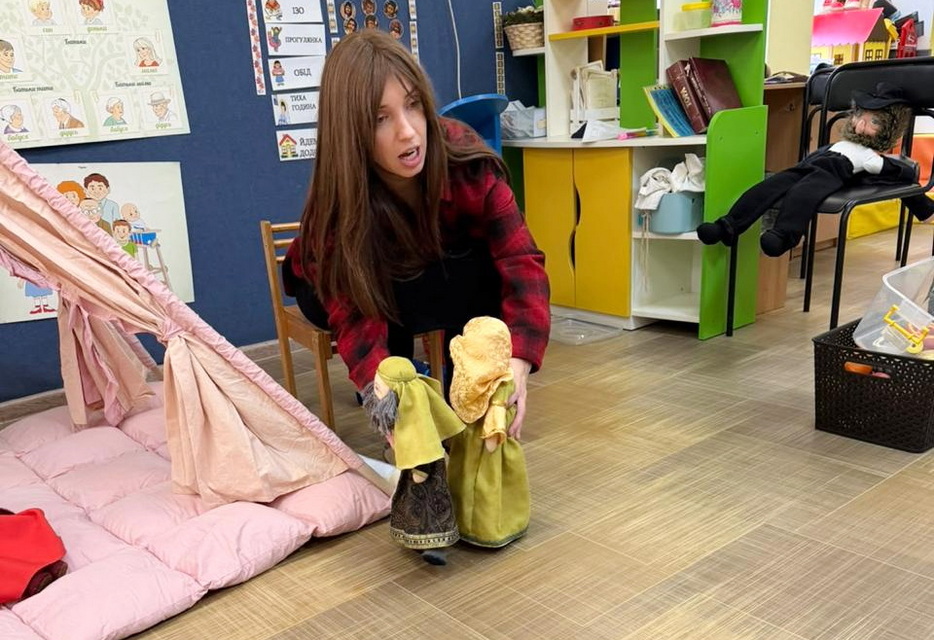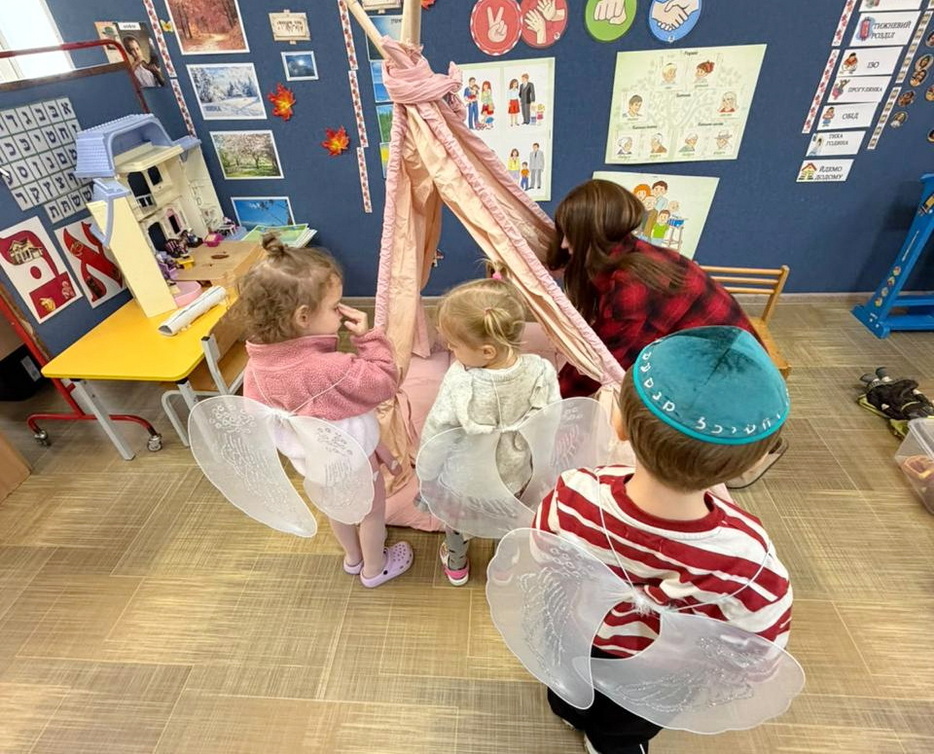




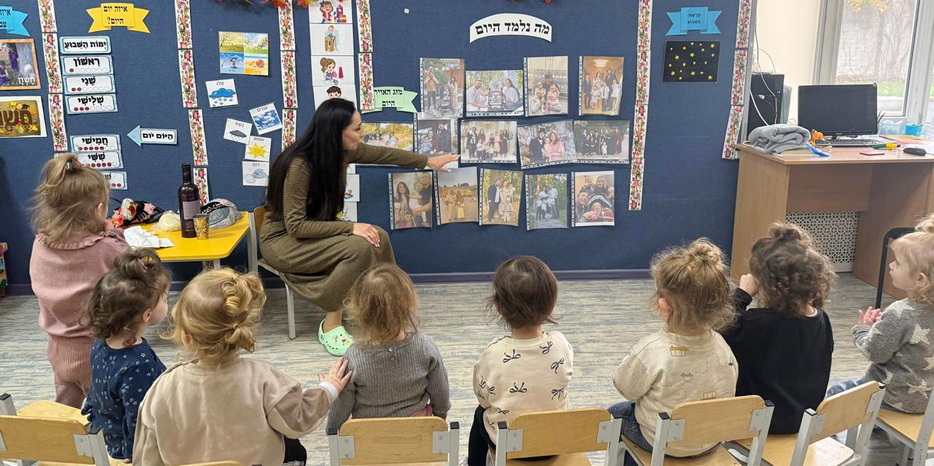
At the “Beit Tzindlicht” children’s educational center, a leading preschool institution of the Jewish Community of Dnipro, a thematic week took place dedicated to the family, its significance in the life of every person, and the traditions of the Jewish family order. The children spoke about their relatives, learned about the role of parents in the family, became acquainted with Jewish customs, and created artistic works dedicated to those closest to them.
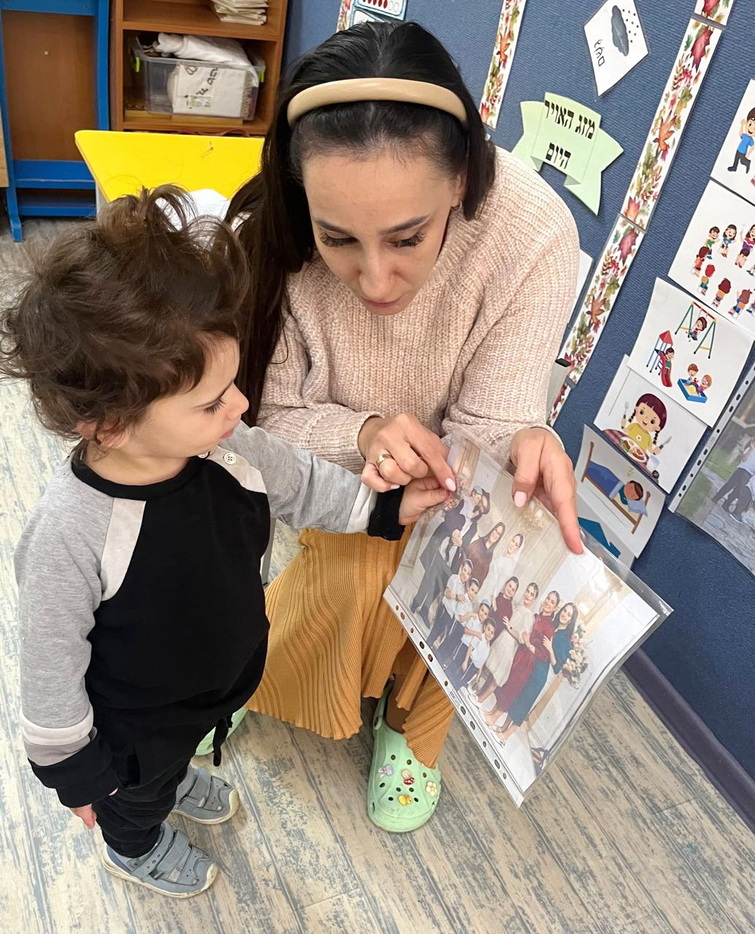
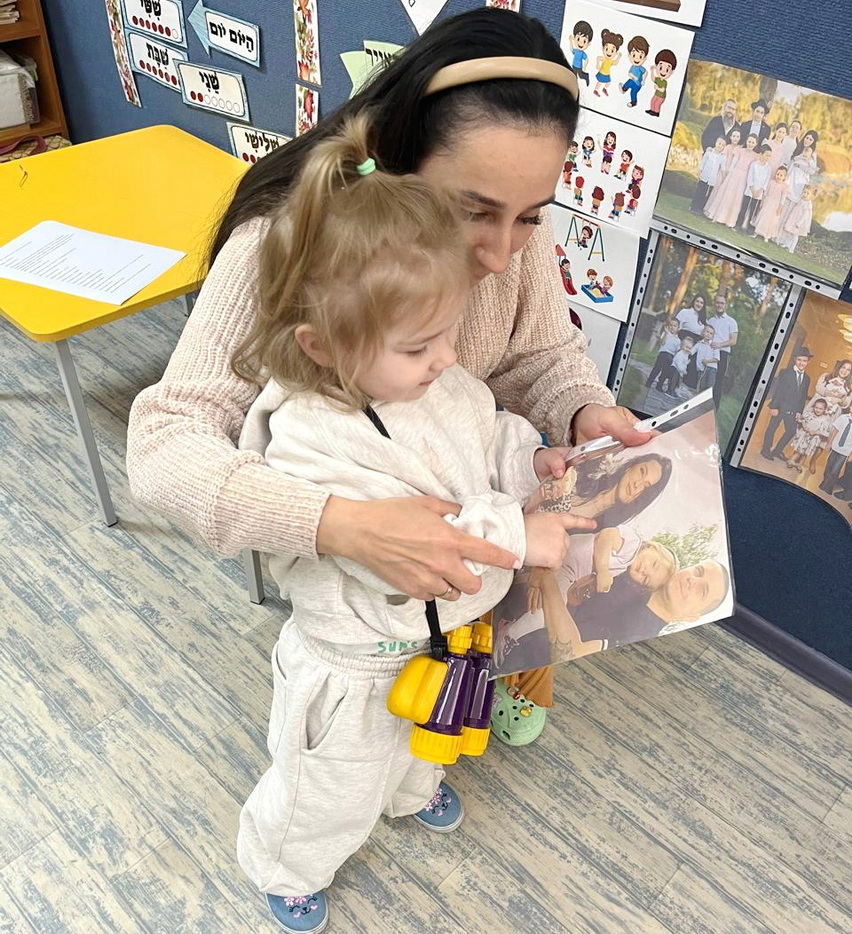
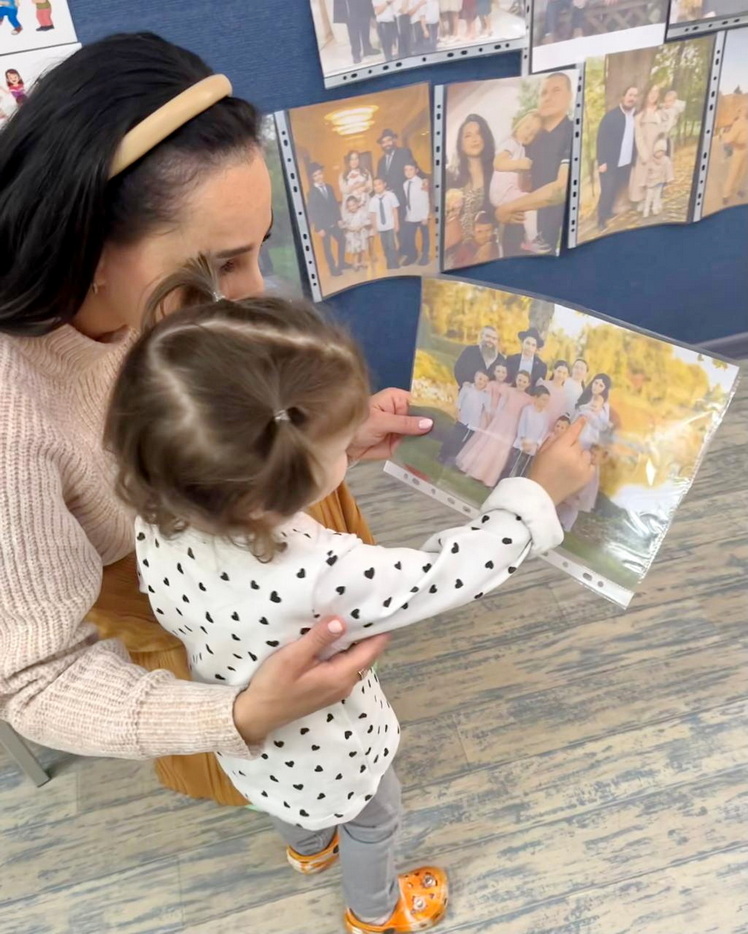
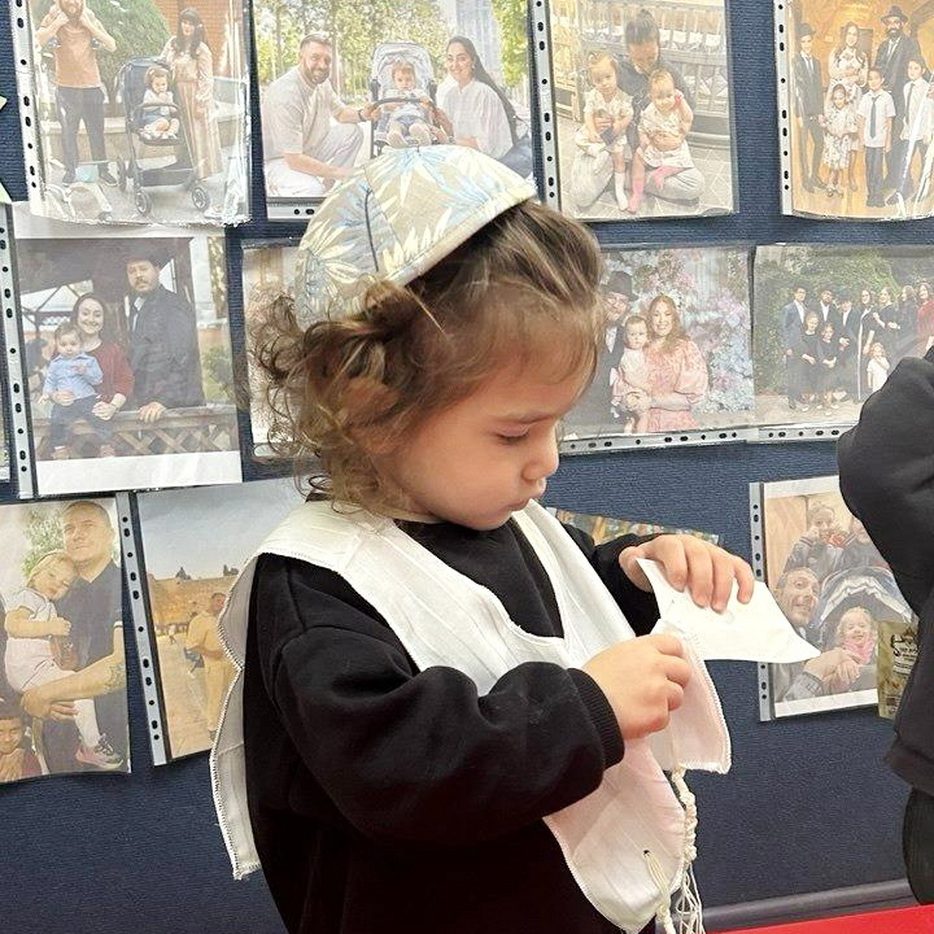
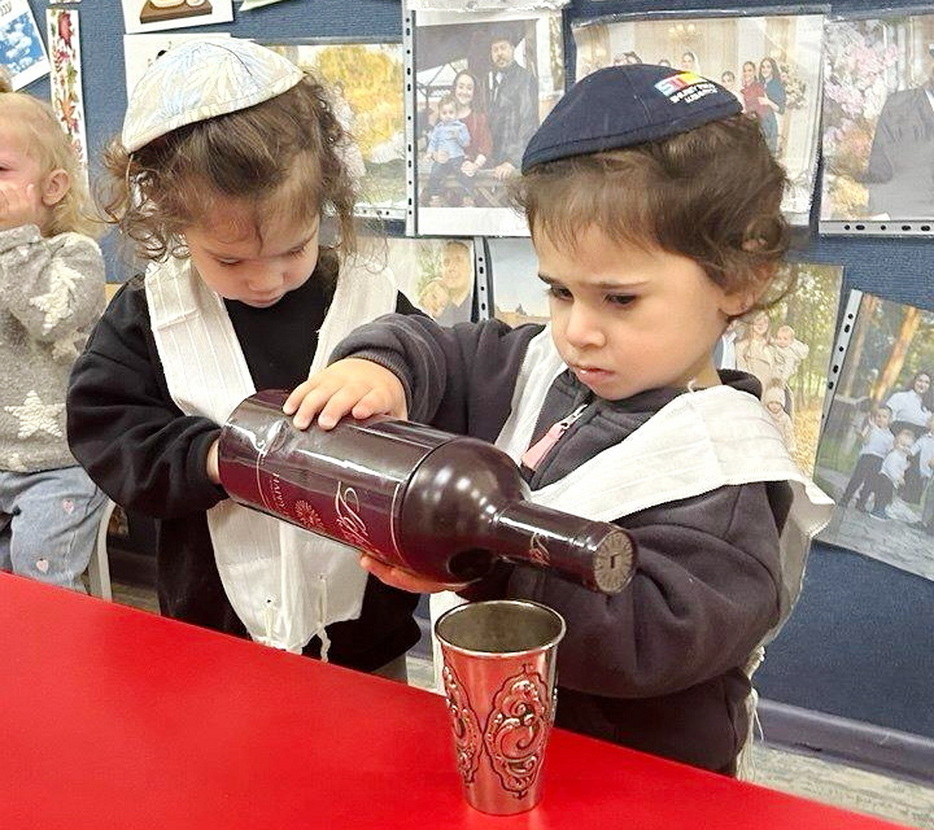
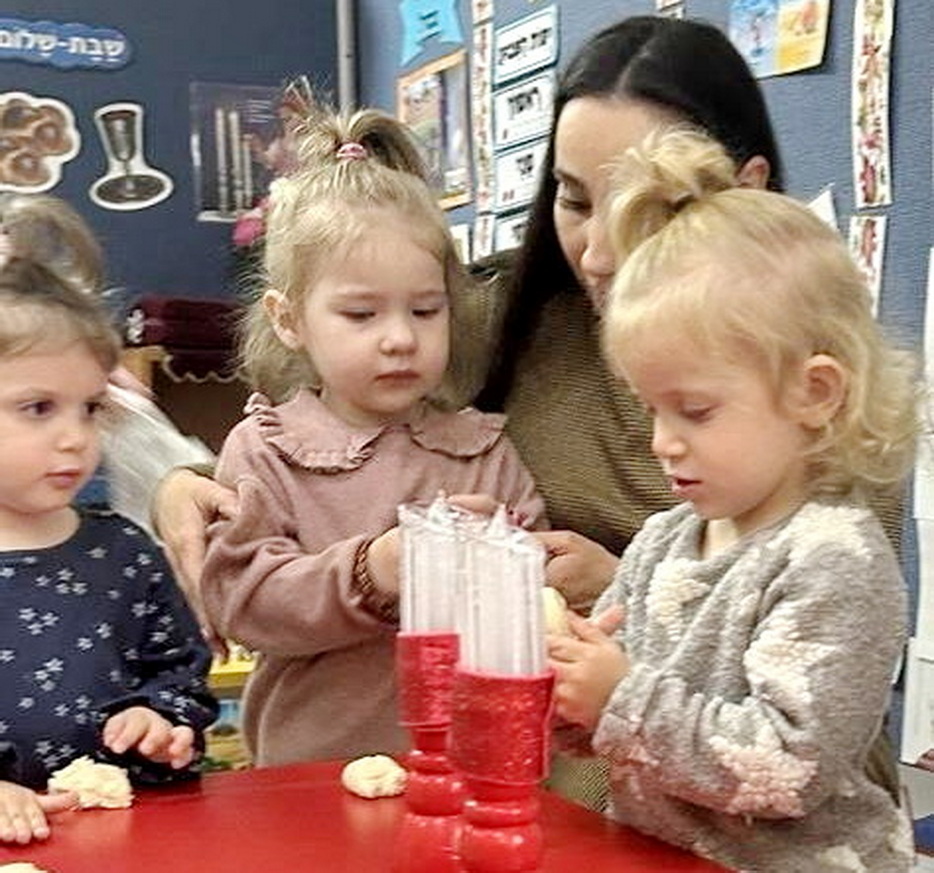
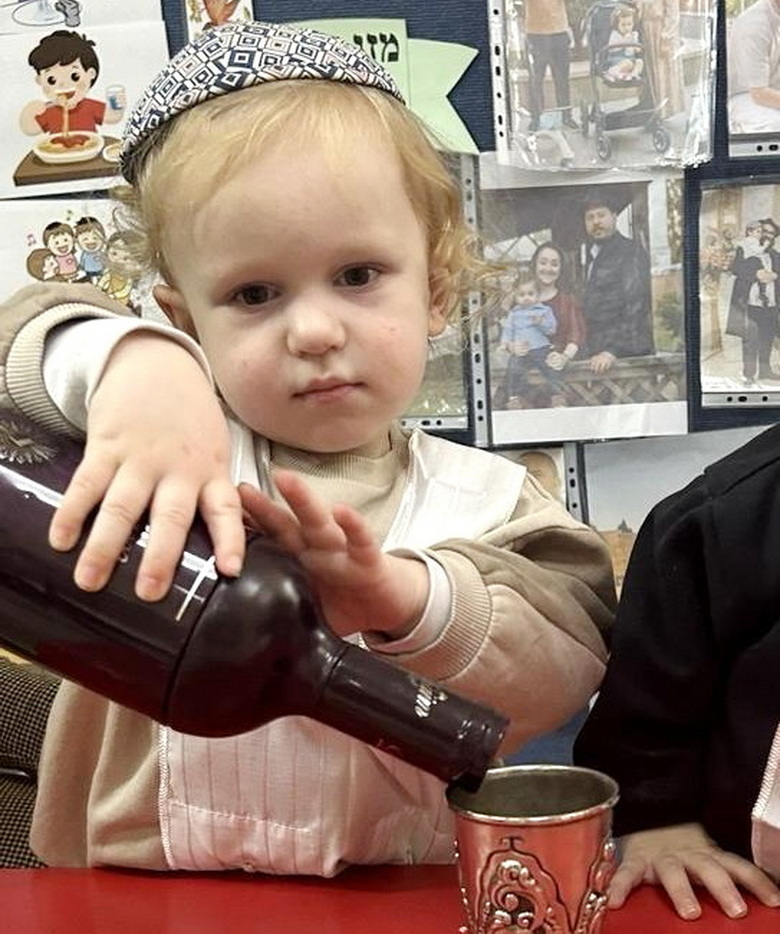
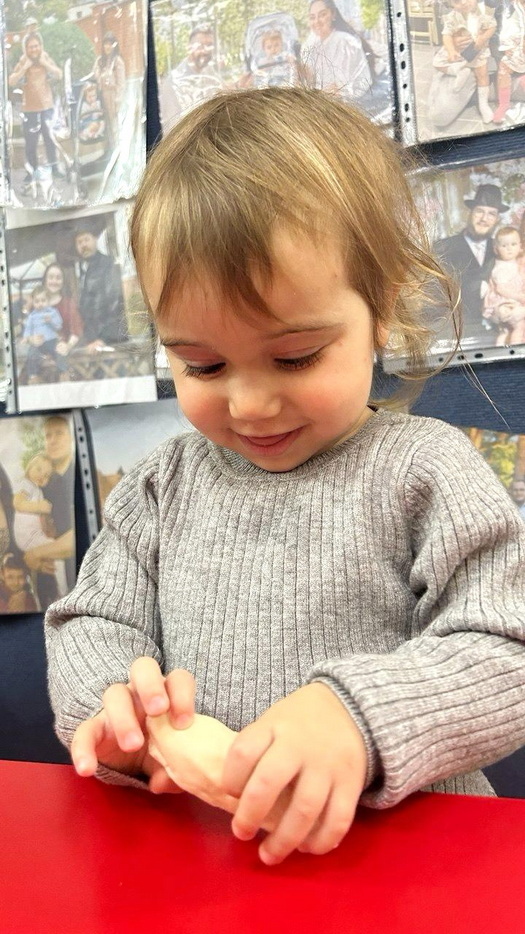
During the classes, the children examined family photographs, spoke about their mothers and fathers, and discussed what responsibilities each parent has and what the everyday life of a family consists of. Special attention was given by the educators to the traditional Jewish family order, in which the father and mother have their own special roles connected both with caring for the home and raising the children and with observing the religious precepts. The children learned how the father makes Kiddush, why Jewish men wear a kippah and tzitzis, and how the mother lights the Shabbos candles and bakes challahs for the festive meal. Using these examples, understandable to children, the educators explained how the fulfillment of mitzvos becomes an inseparable part of family life, and how traditions are passed down from parents to children.
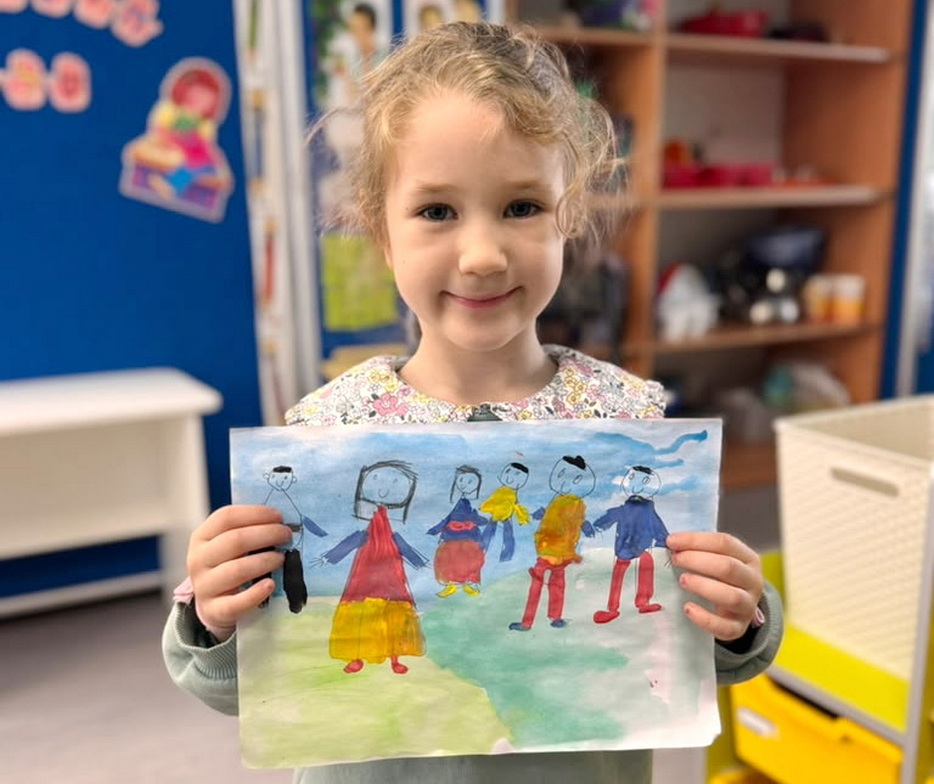
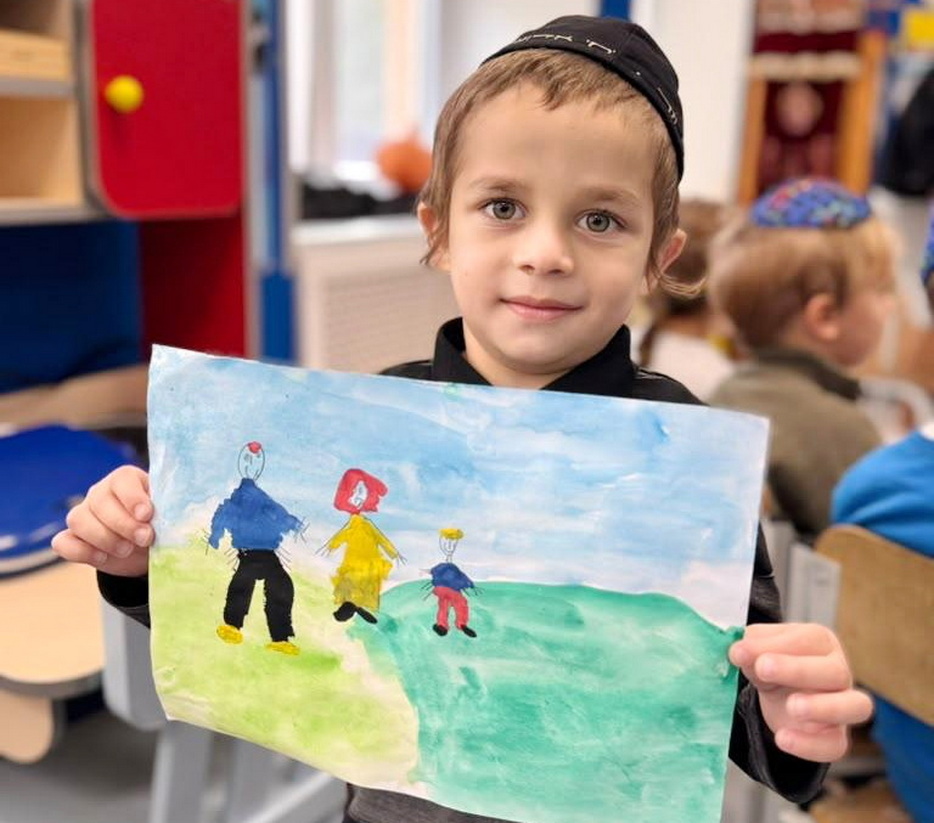
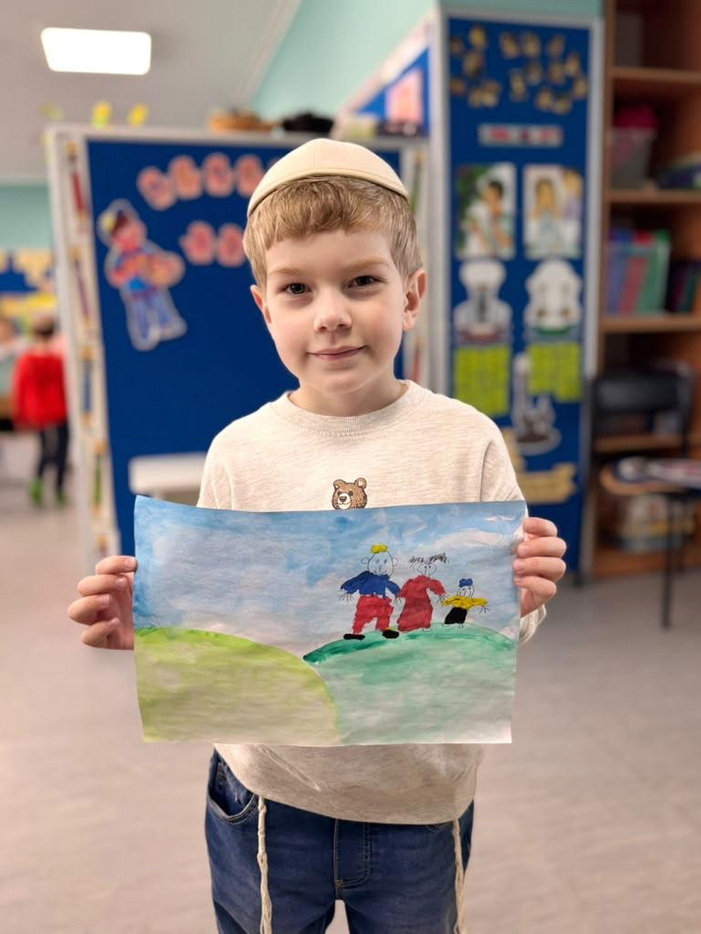
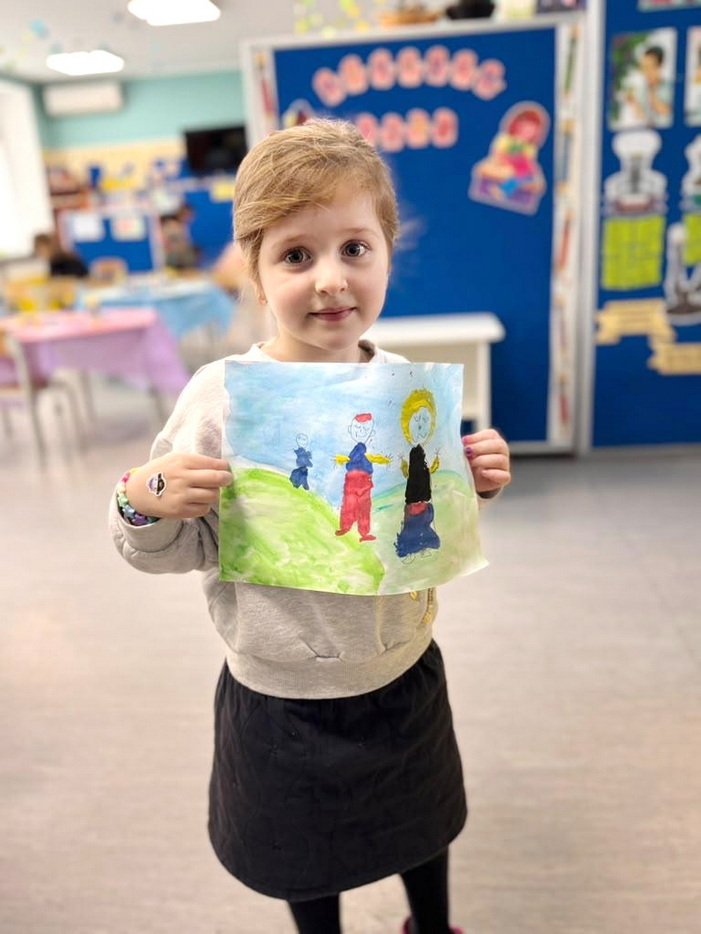
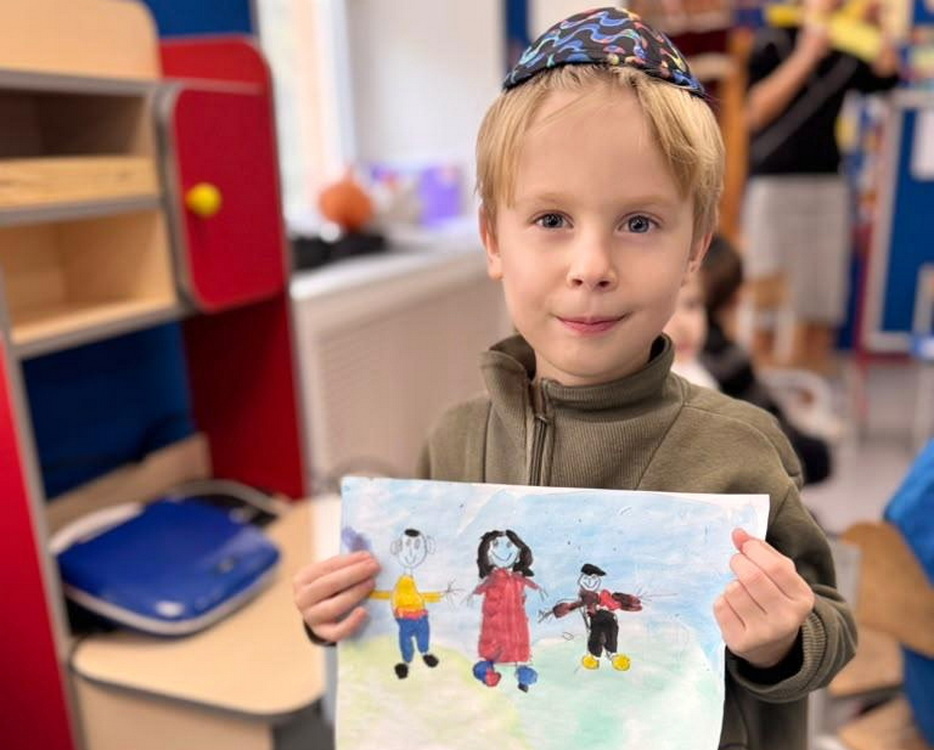
An important part of the thematic week was the art classes, at which the children were able to convey their idea of the family through creativity. In one of the classes, the children drew their family, and the work proceeded in several stages: first they prepared the background, then with a pencil they depicted their relatives, carefully drawing the figures, faces, hair, and other details, and after that they colored the clothing with gouache. Each drawing became a kind of family portrait, in which the child could depict the people most precious to them.
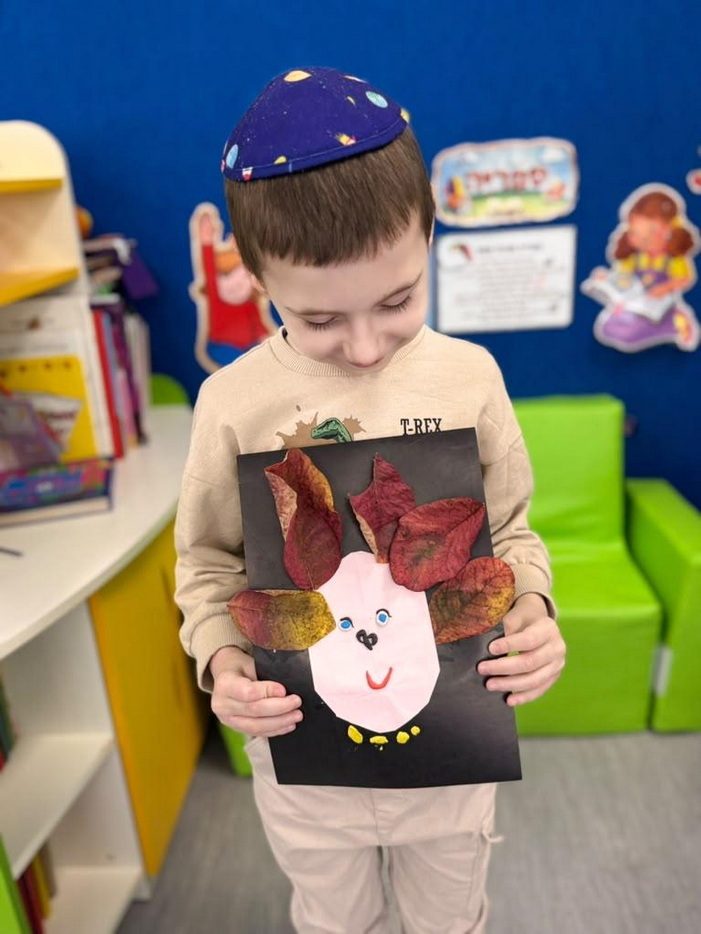
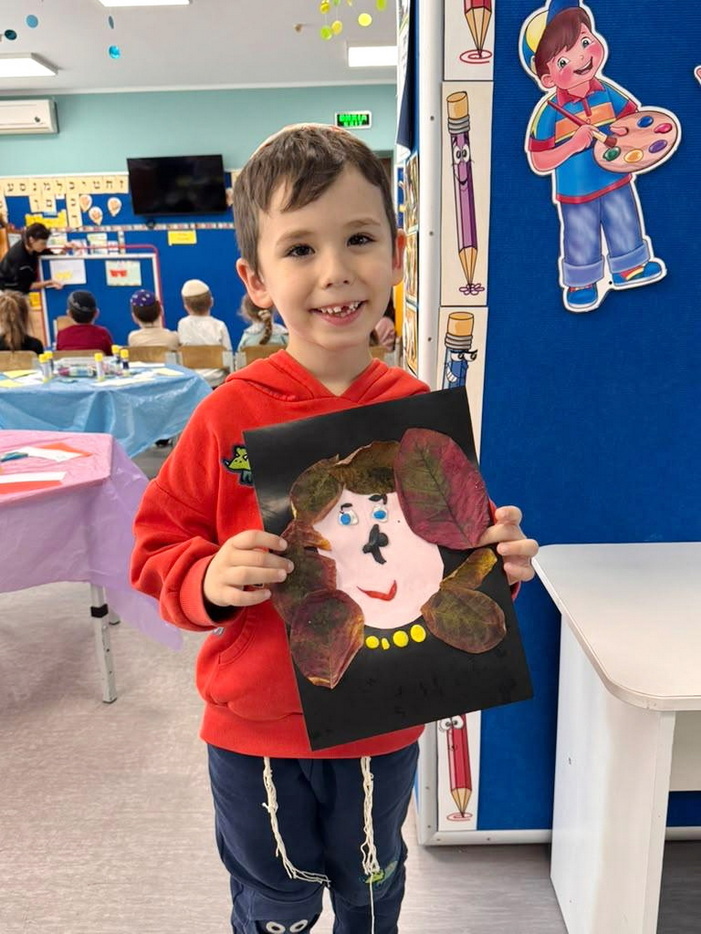
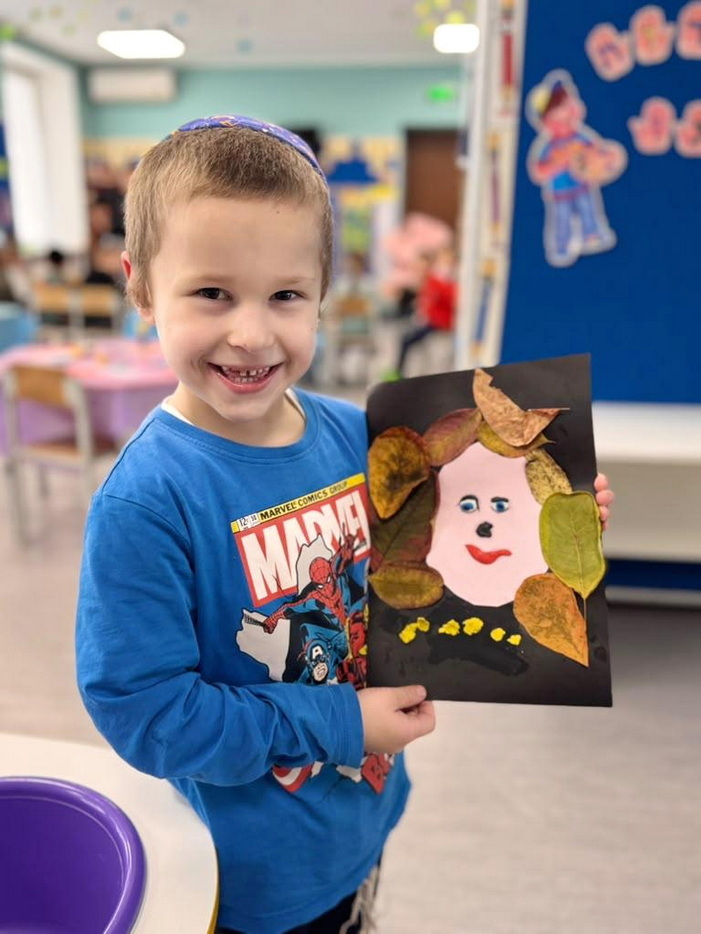
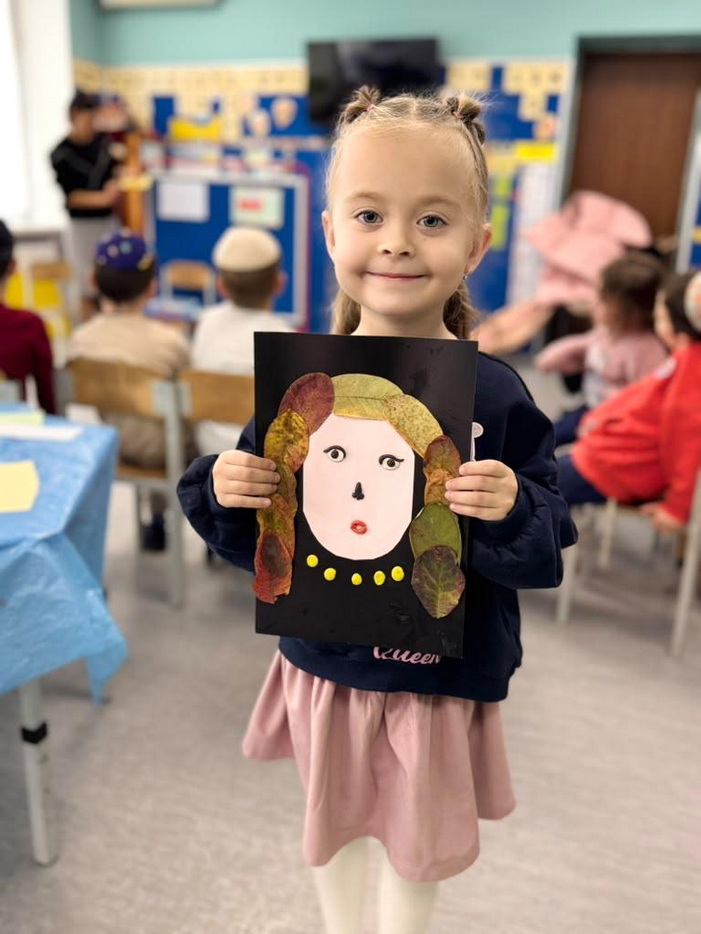
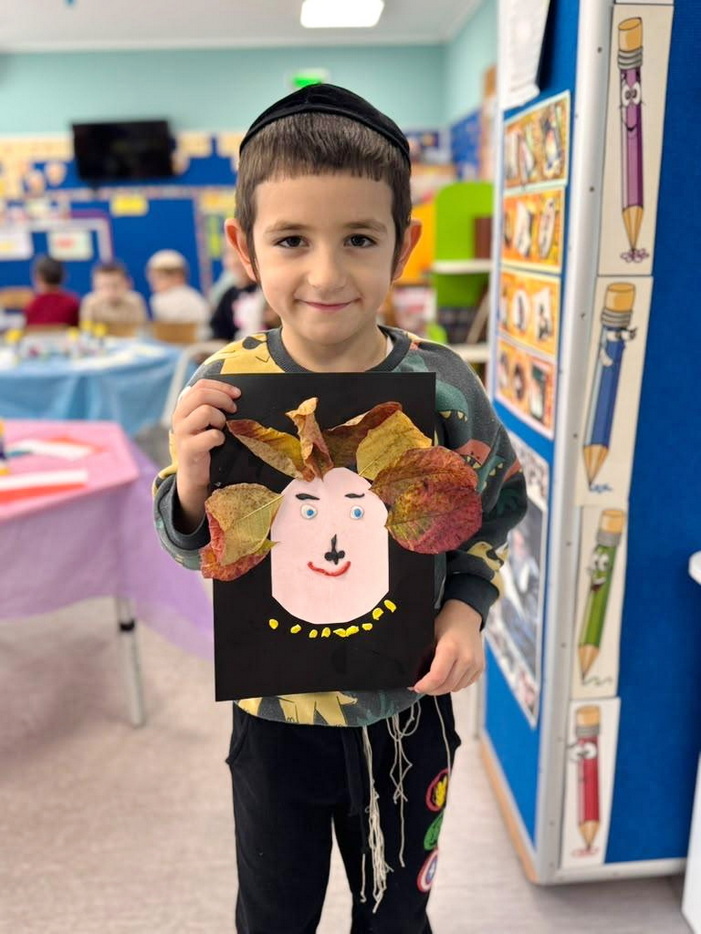
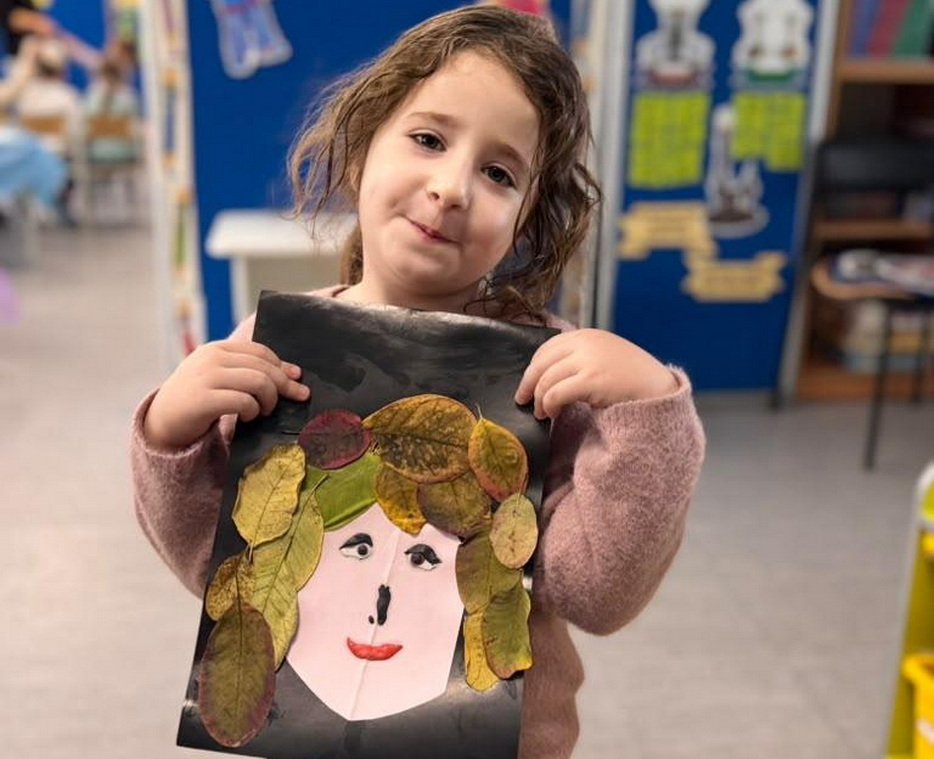
Another creative class was dedicated to mothers. To create their portraits, the children used autumn leaves, which had been previously gathered, laid out, straightened, and slightly dried. Thus natural materials became part of the artistic work, helping to combine observation of the environment with the expression of love and attention to mother.
The theme of the family became a natural continuation of the children’s acquaintance with the Jewish home, to which the previous week had been dedicated. If at that time the children were learning how a home is arranged and which Jewish attributes are found in it, now at the center of their attention were the people who fill this home with love, care, and traditions. For it is precisely in the family that a child first becomes acquainted with the Jewish way of life, learns about the role of the father and mother, sees the fulfillment of mitzvos, and assimilates the traditional family order, in which from generation to generation are passed down not only the customs but also the ideas of family duties and responsibility.
“The family is the first world that opens up to a child, and it is precisely in it that the child receives their first ideas about the relationships between close people,” noted preschool teacher Malka Averbukh. “But one of the most important tasks of a Jewish preschool lies in ensuring that every child not only learns about the family but also has a clear idea of what it should be according to the Torah and Jewish tradition. The children learn about the special purpose of the father and mother, about their duties, about the mitzvos that define the family order, and gradually assimilate the values that must become the foundation of their own future family. This is precisely how we lay the foundations of proper Jewish education, and for the opportunity to fulfill this important mission, we sincerely thank the united and cohesive Jewish Community of Dnipro under the leadership of Chief Rabbi Shmuel Kaminezki.”