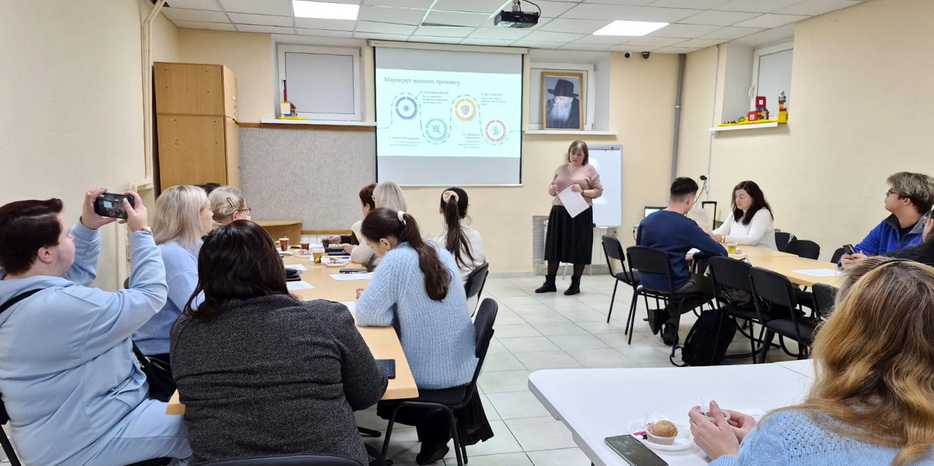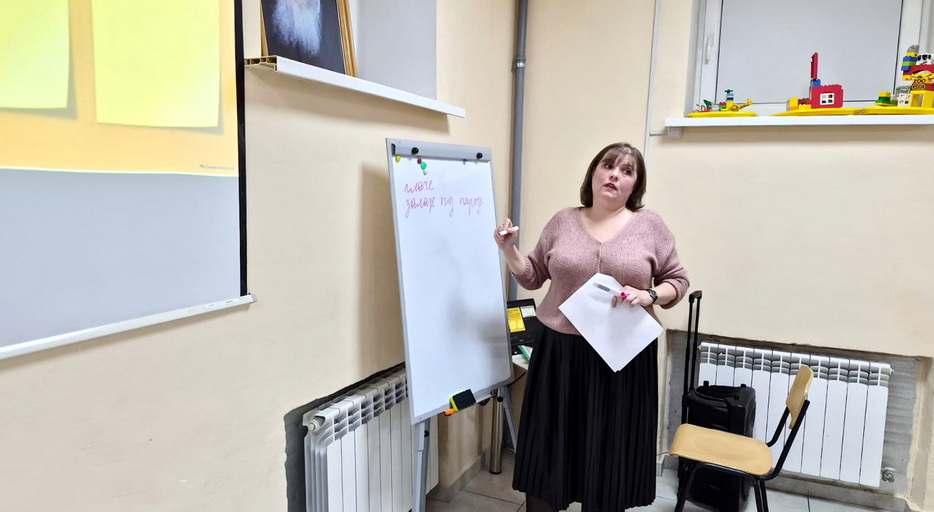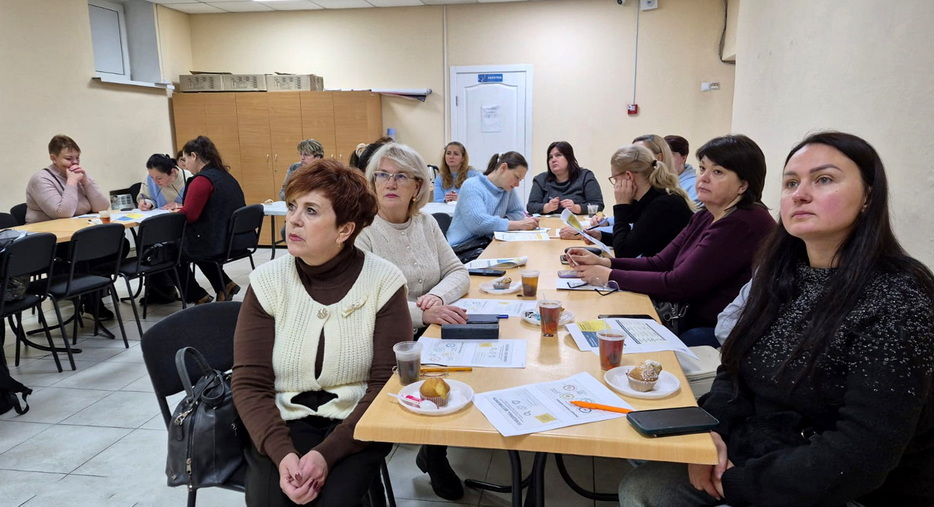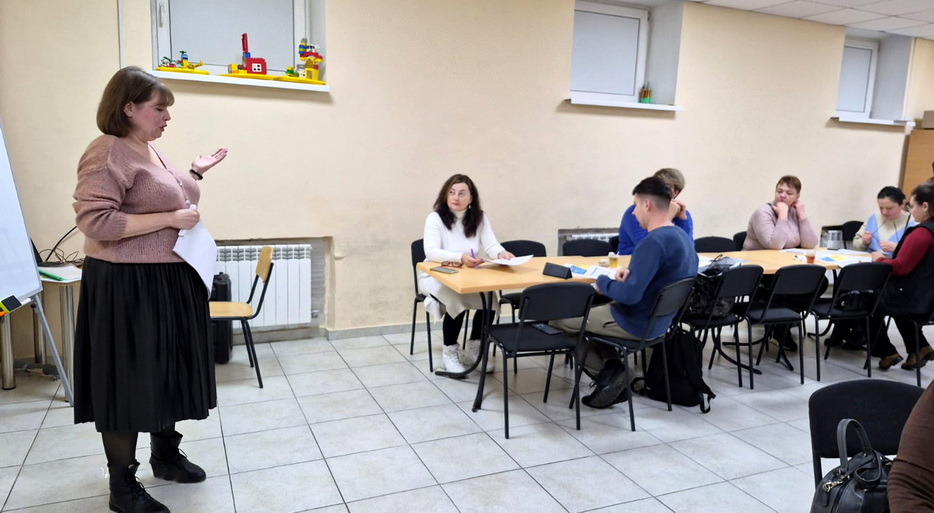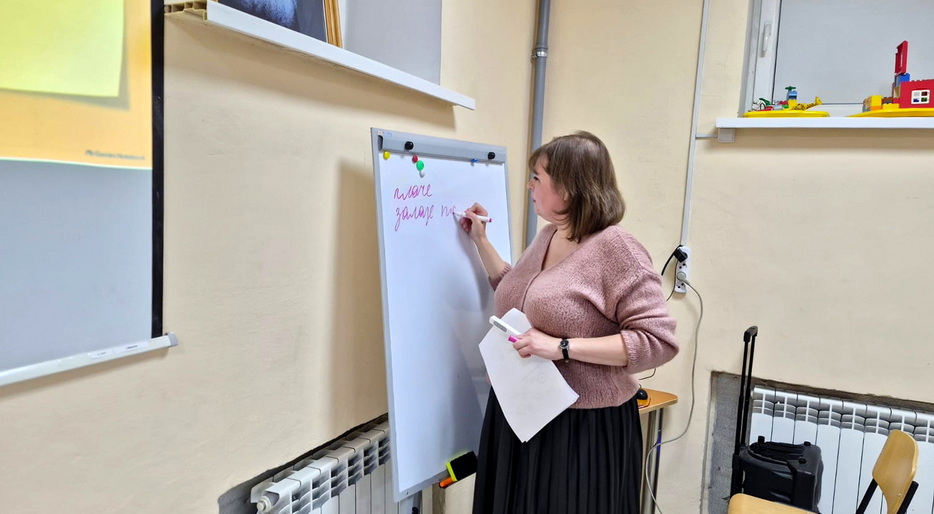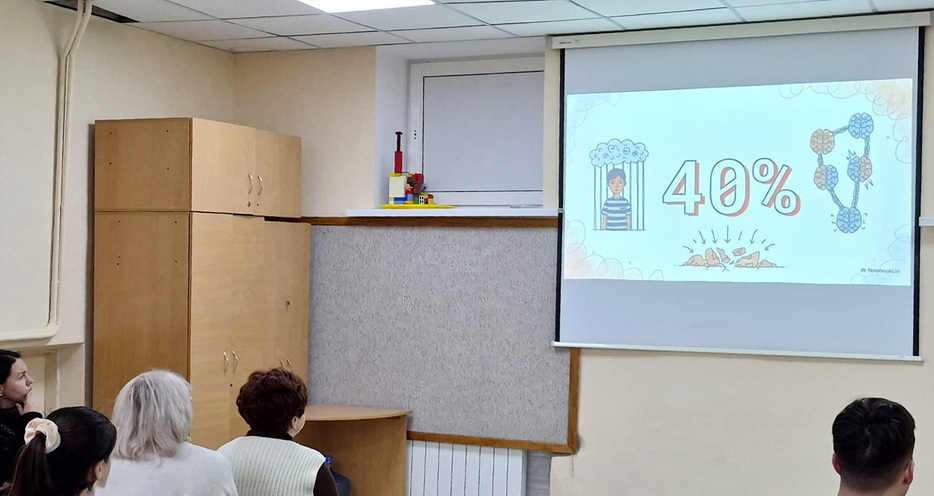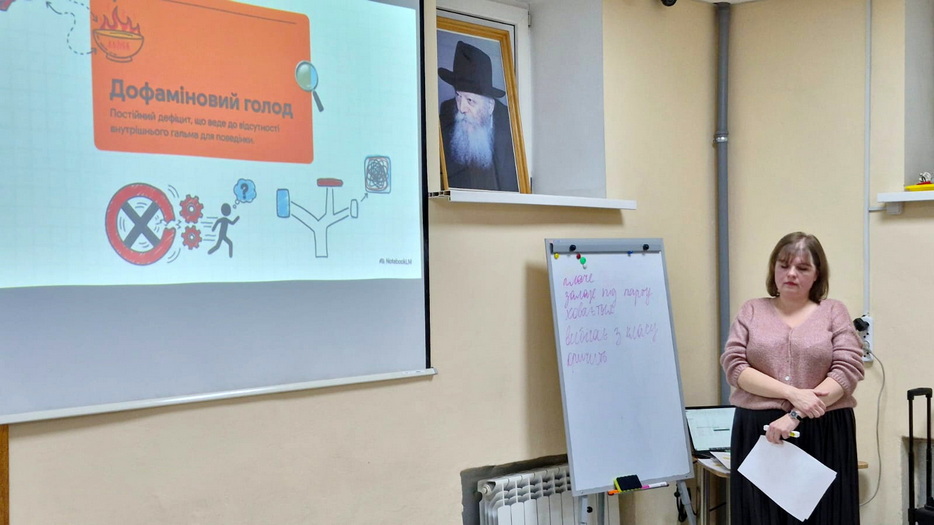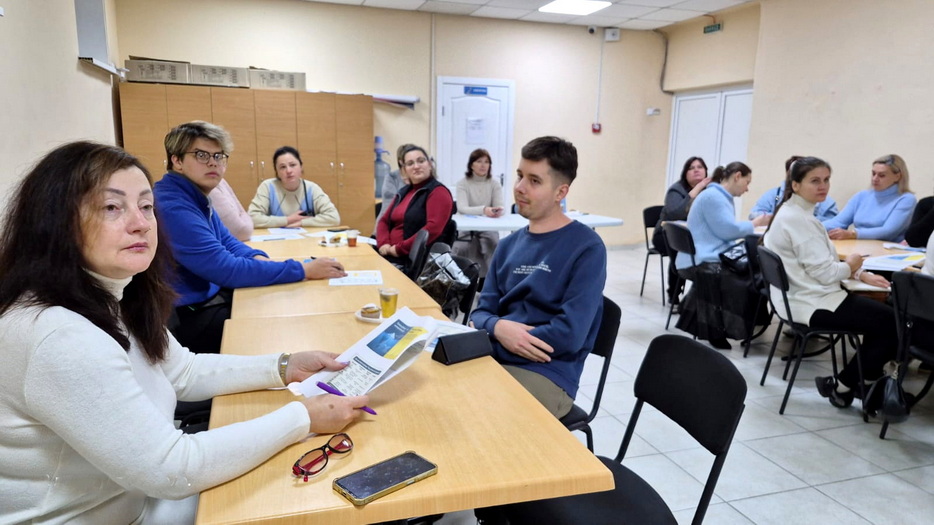




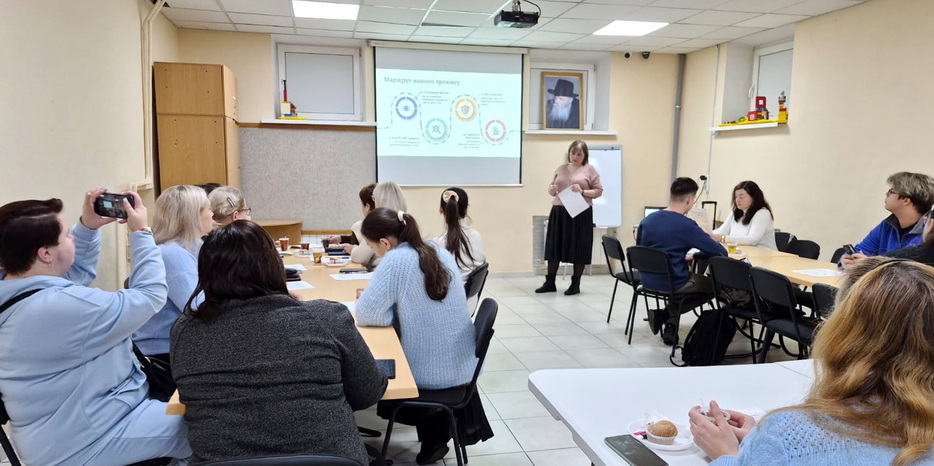
A highly significant event took place at the Jewish Lyceum No. 144 named after Levi Yitzchak Schneerson, a leading educational institution of the Jewish Community of Dnipro – a pedagogical workshop was held here for teacher assistants from various educational institutions of the city. It was attended by 27 specialists, and the gathering was conducted by the lyceum’s speech therapist teacher, Anastasia Popelishkina. The theme was how to understand the causes of a child’s challenging behavior, prevent difficulties, and choose the appropriate form of support.
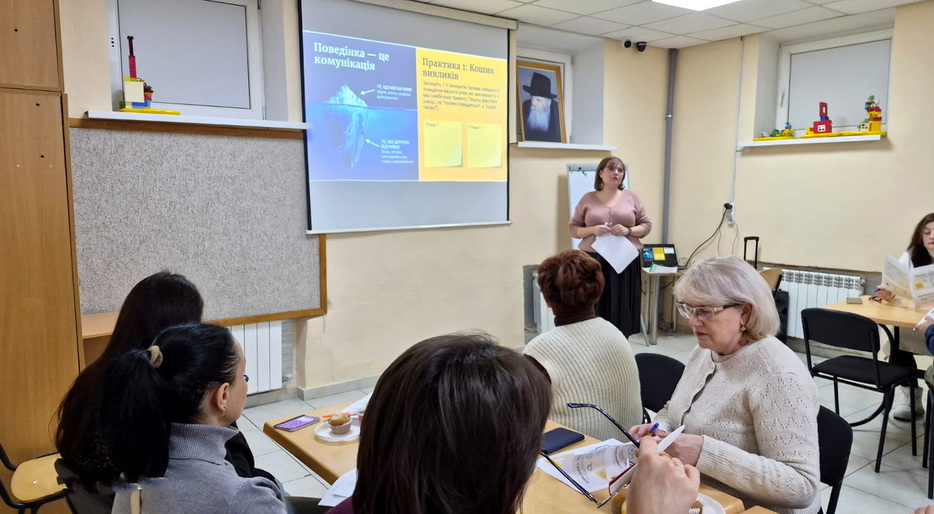
The workshop was titled “Behavior That Speaks. How to React, Support, and Prevent Destructive Manifestations.” Anastasia Popelishkina invited the participants to regard a child’s behavior not merely as an external problem requiring an immediate reaction but also as a possible signal about the child’s needs, experiences, or difficulties. Using examples from her own practice and video observations, she showed why it is important to distinguish between what an adult actually saw and the assessment they gave it.
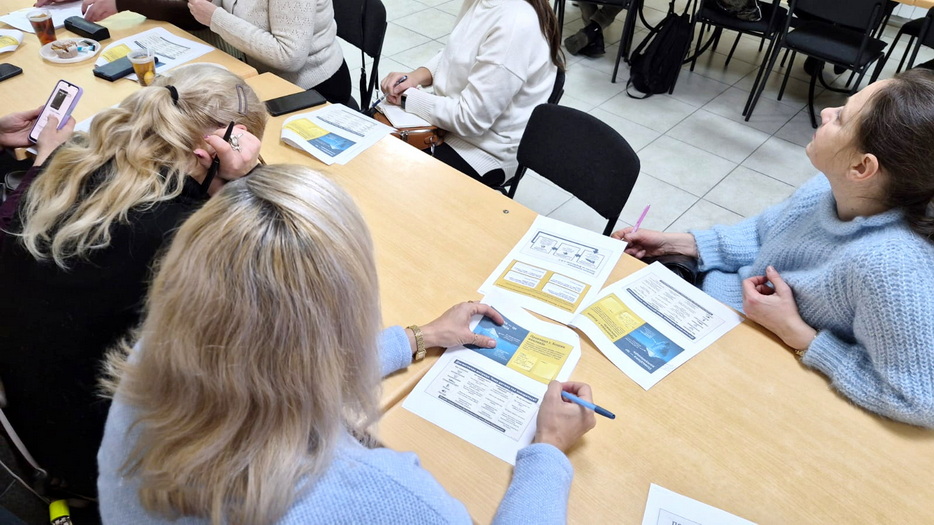
One of the workshop’s tools was the A–B–C scheme. It helps to consistently describe what happened before the child’s action, what exactly the child did, and how the people around reacted afterward. The participants also became acquainted with a diagnostic matrix for distinguishing intellectual, communicative, behavioral, physical, and sensory difficulties. During practical exercises, the assistants analyzed situations, sought possible causes of behavior, and discussed which actions of adults help a child and which may complicate the situation.
Separate attention was given to ways of preventing difficulties – a clear schedule, visual support, adaptation of tasks, the possibility of choice, and sensory breaks. They also discussed actions at the moment when a difficult situation has already arisen: observance of safety rules, calm communication, and support of the child without excessive pressure. An important part of this work remains the self-regulation of the educator, their ability to maintain calm and act consistently.
“It is important for our lyceum not only to create conditions in which every child can learn and receive the necessary support but also to share the accumulated experience with colleagues from other educational institutions of Dnipro,” noted the director of the Jewish Lyceum, Olena Krasnova. “This workshop helped teacher assistants discuss concrete professional tools together and reminded them of the main thing: before reacting to a child’s behavior, one must try to understand what stands behind it. We are able to develop such an attentive and professional educational environment thanks to the support of the united and cohesive Jewish Community of Dnipro under the leadership of Chief Rabbi Shmuel Kaminezki.”