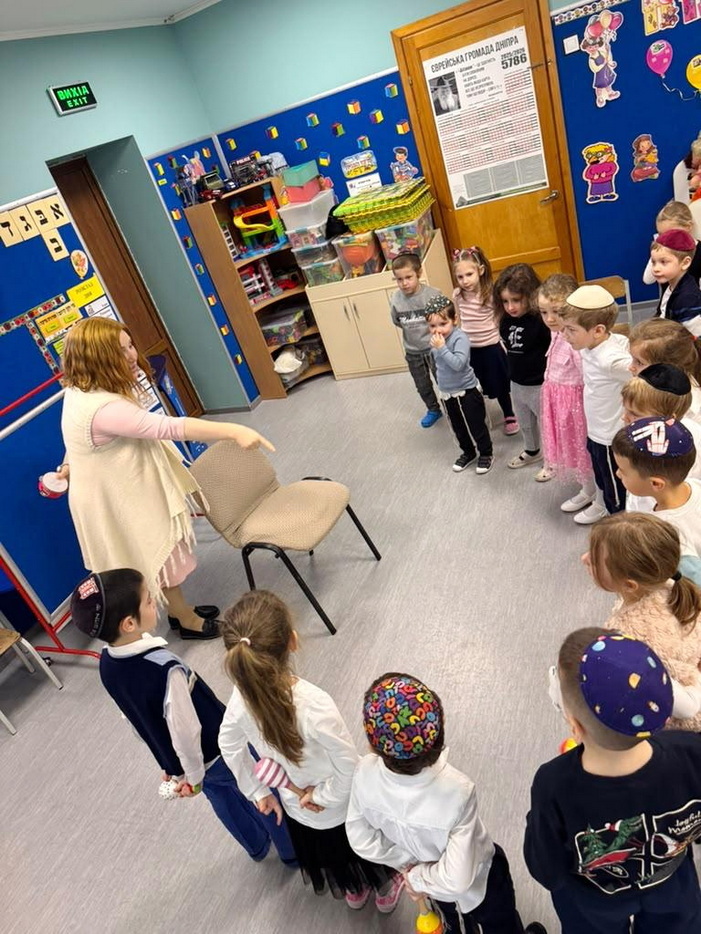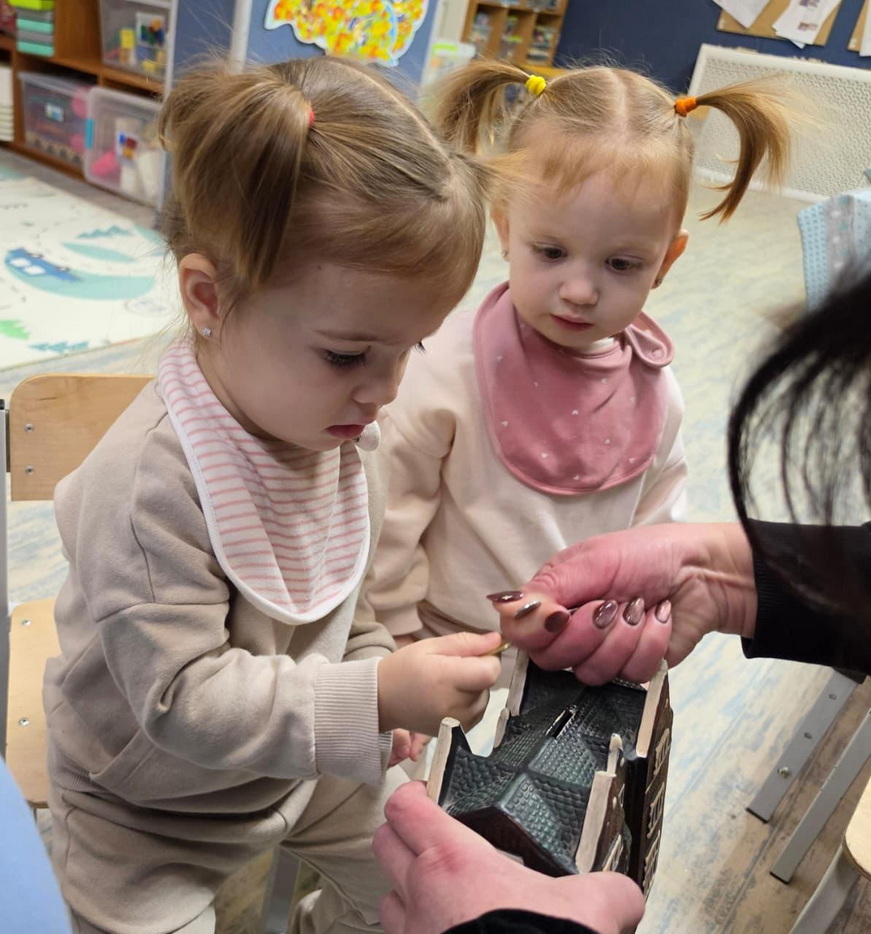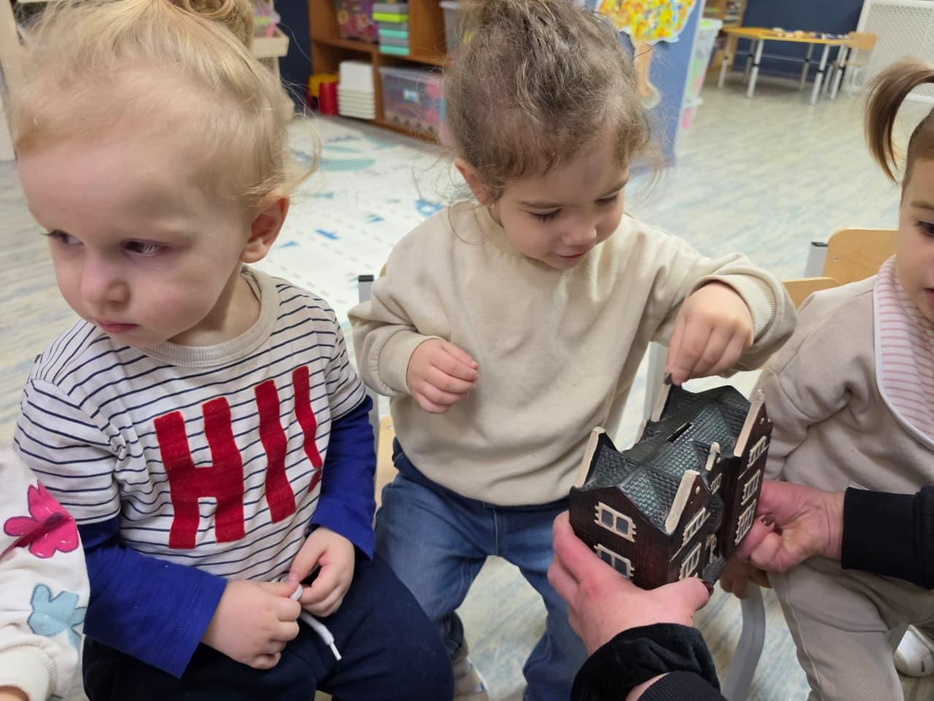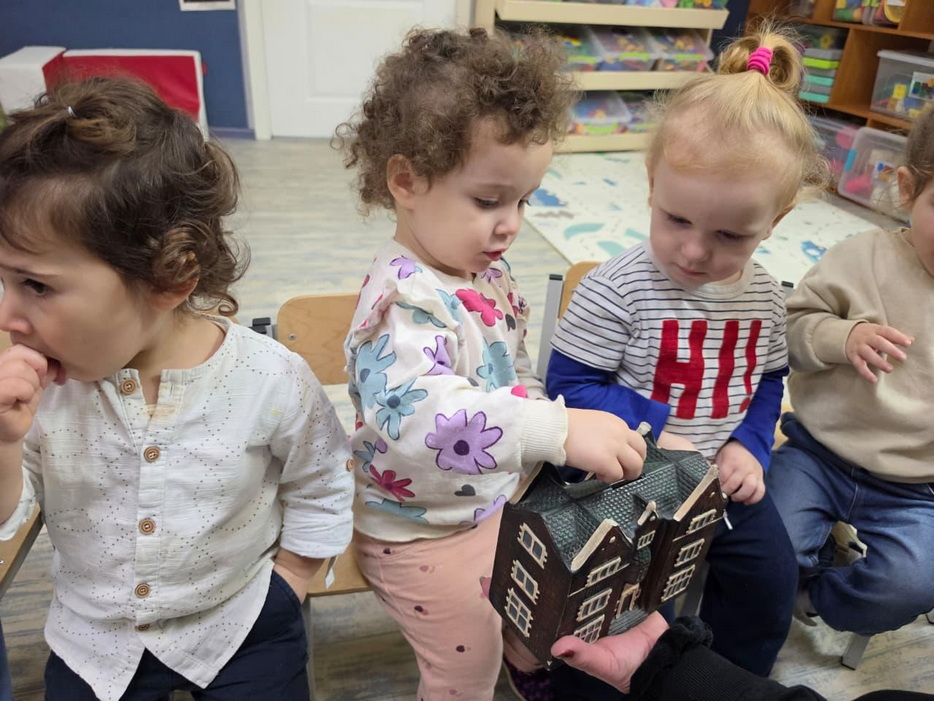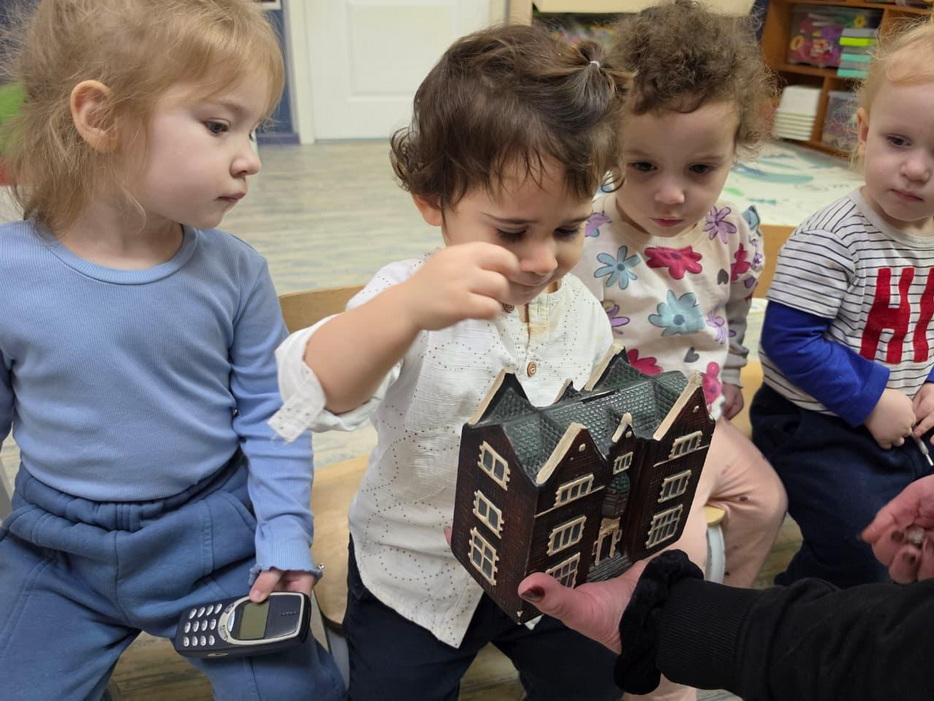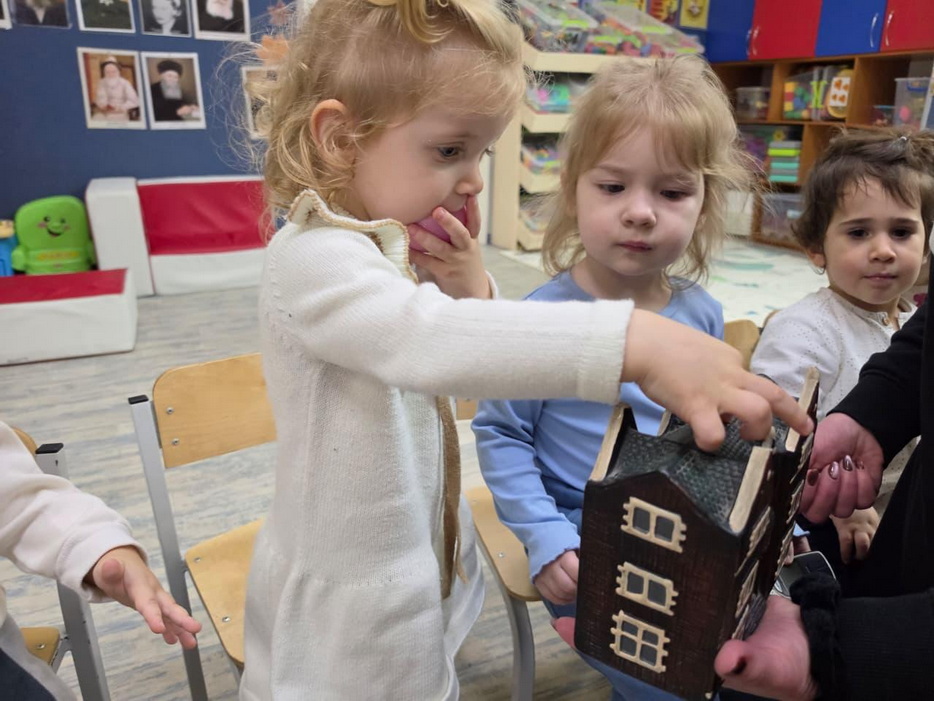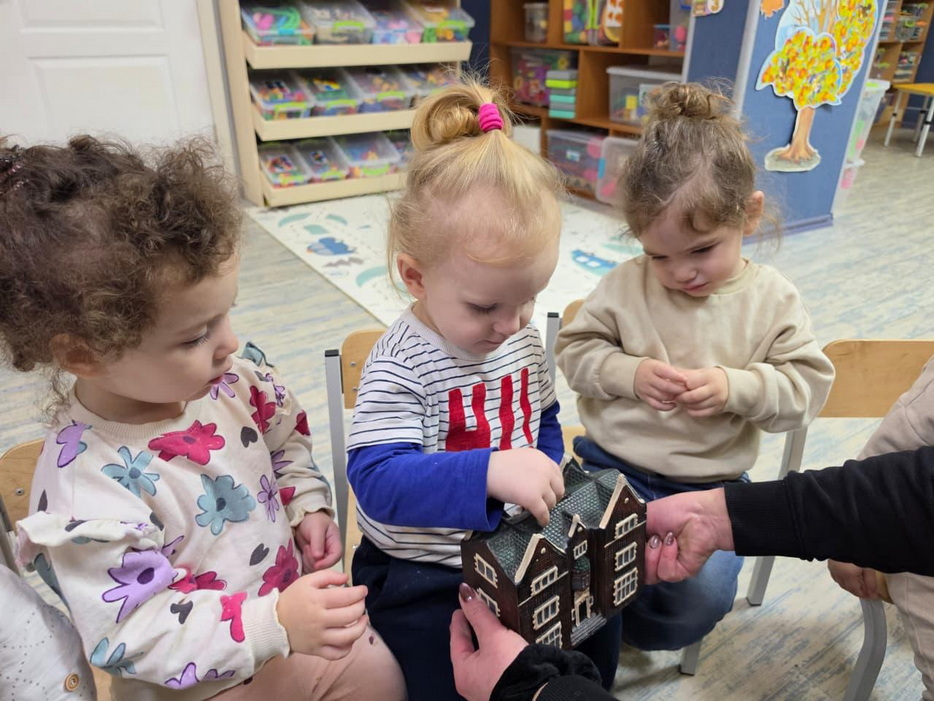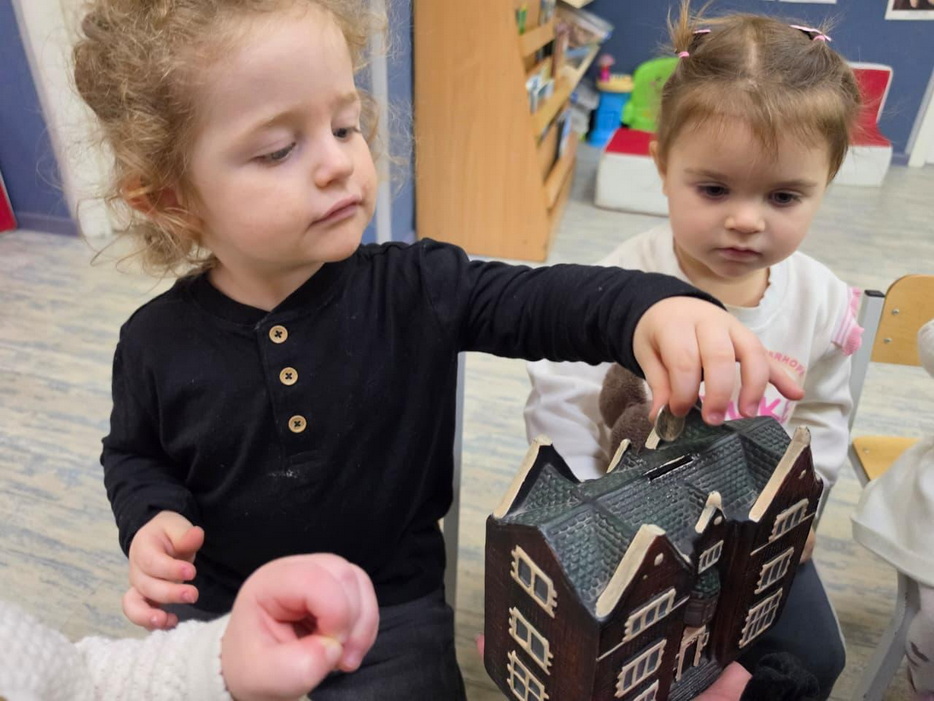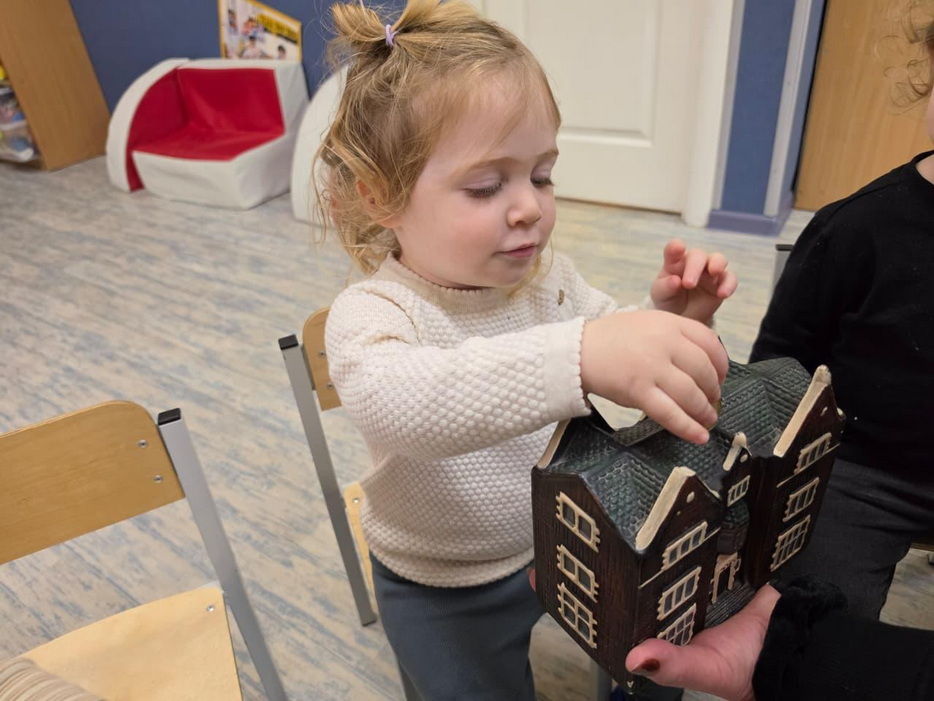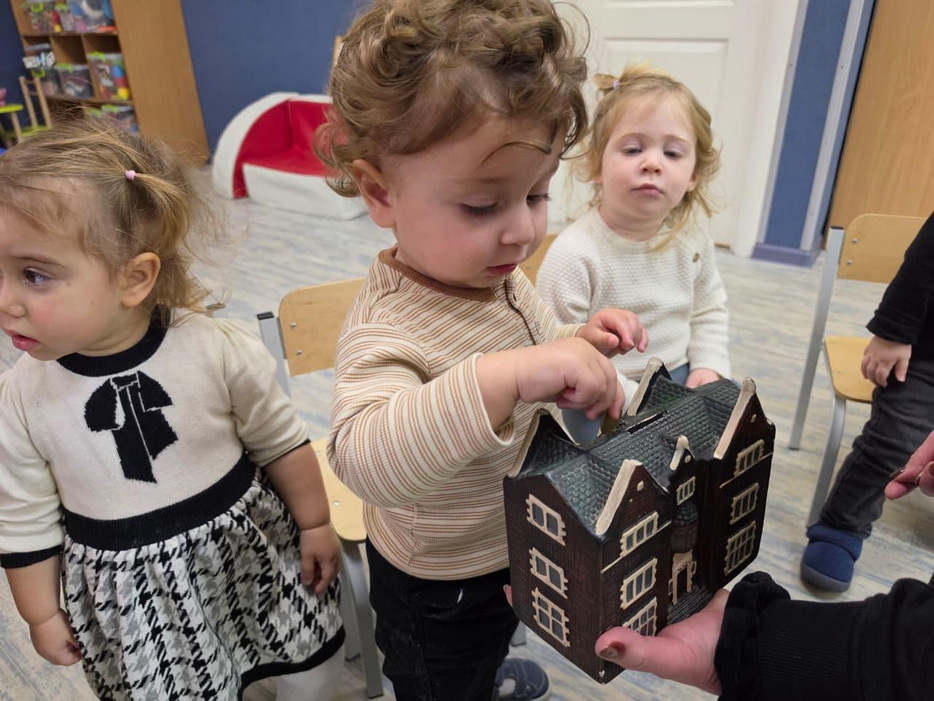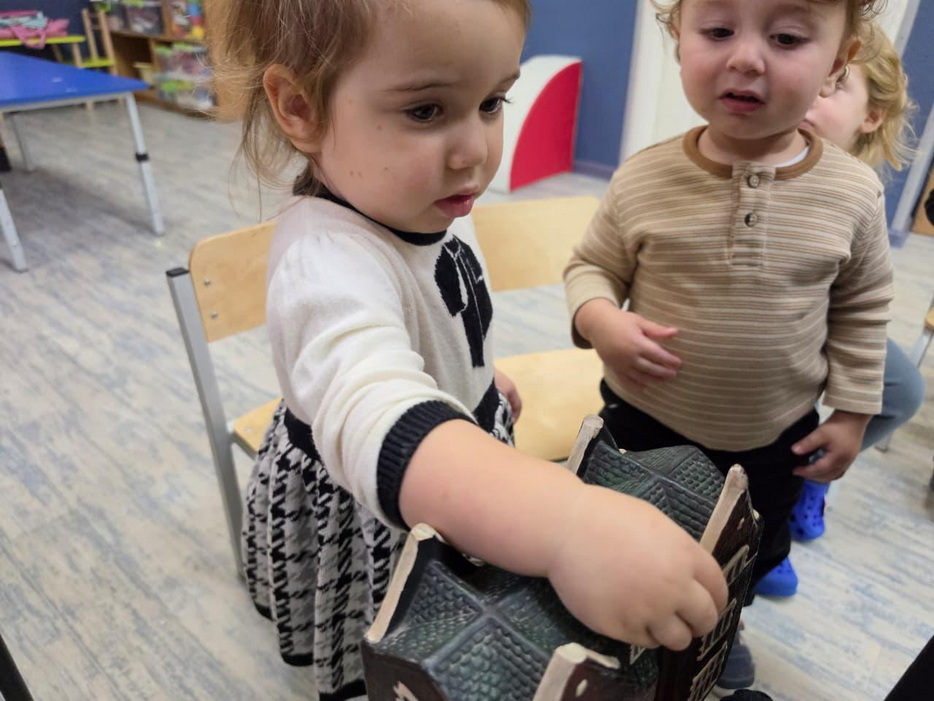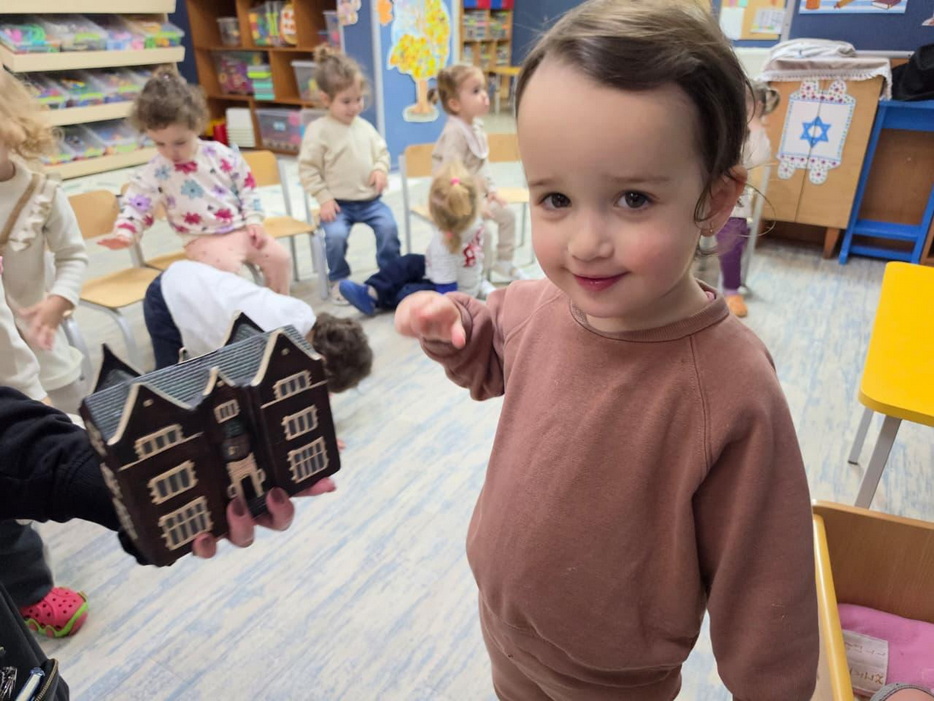




At the “Beit Cindlicht” children’s educational center, the flagship preschool institution of the Jewish community of Dnipro, themed classes were held dedicated to 9 and 10 Kislev – special dates in the Chassidic calendar connected with the Second Lubavitcher Rebbe, Rabbi Dov-Ber, known as the Mitteler Rebbe. Students of various age groups became acquainted with the history of Chabad through stories, dramatic productions, music, and other activities that enable even the youngest children to feel their belonging to Chassidic tradition.
On 9 Kislev, the birthday and yahrtzeit of the Mitteler Rebbe are marked, and on 10 Kislev – the anniversary of his Release from imprisonment. These dates hold a special place in the history of the Chabad-Lubavitch movement and provide an opportunity to tell the children about the succession of generations of Lubavitcher Rebbes, the significance of Torah study, and caring for every Jew.
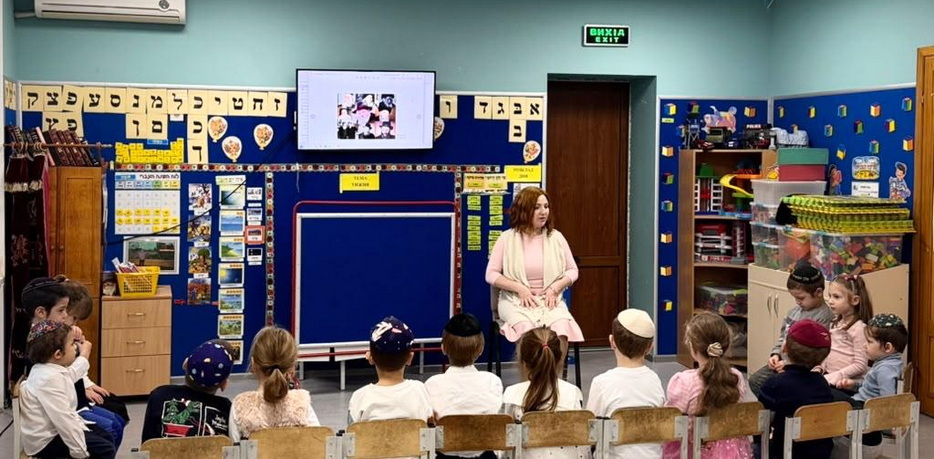
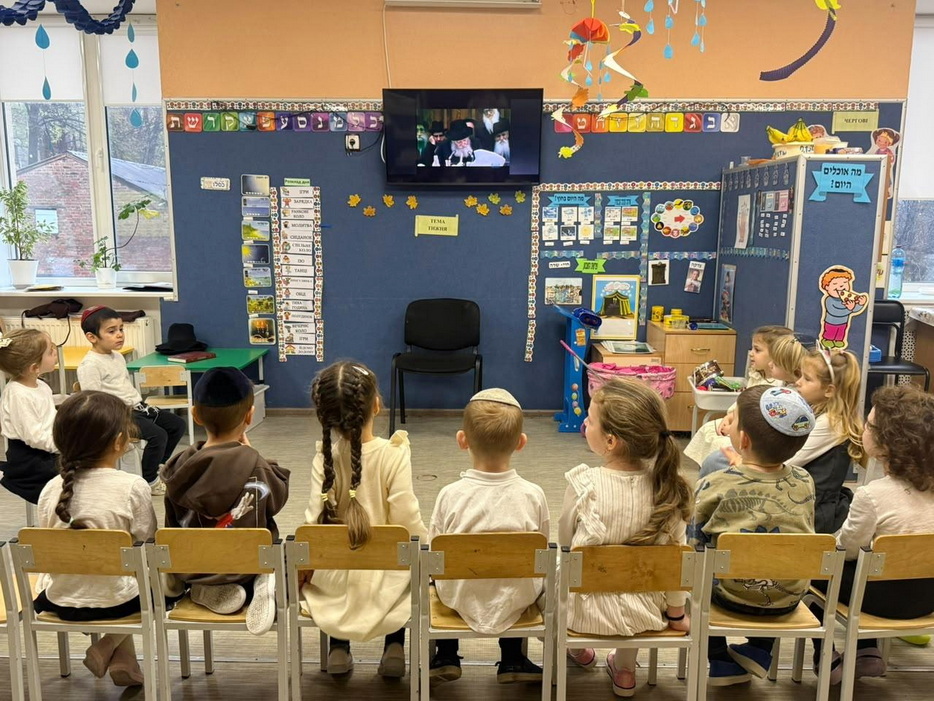
An important part of the program was the viewing of a video of the Head of our generation, the Seventh Lubavitcher Rebbe, Menachem-Mendel Schneerson. For the kindergarten students, such encounters with the image and teachings of the Rebbe are especially significant, helping them from an early age to establish a personal connection with the Rebbe and to perceive his directives as an important part of their lives.
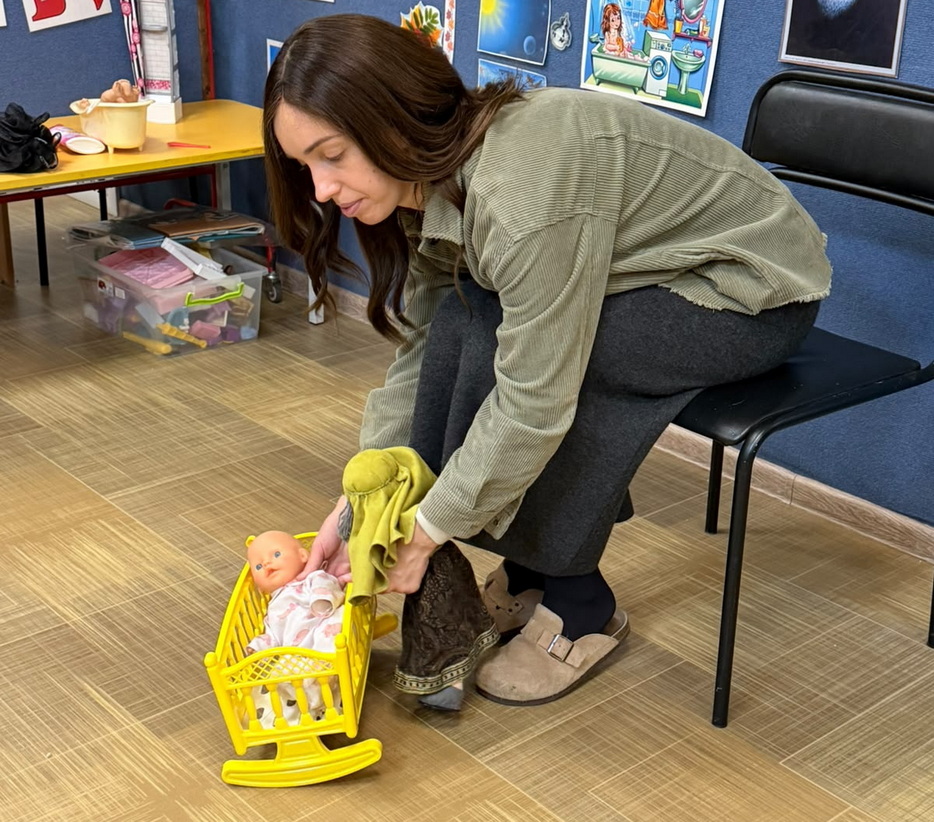
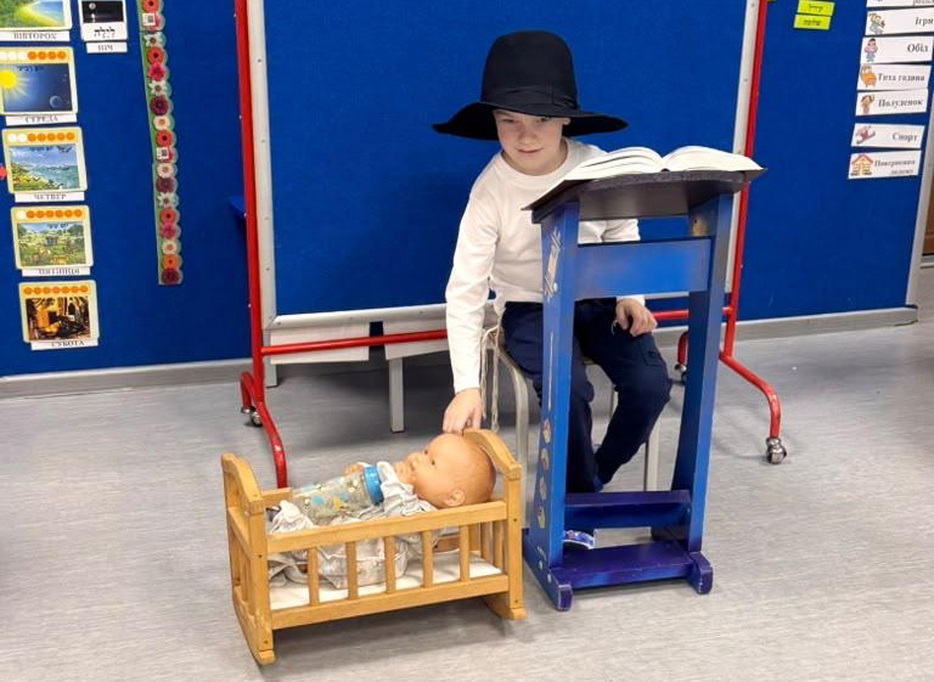
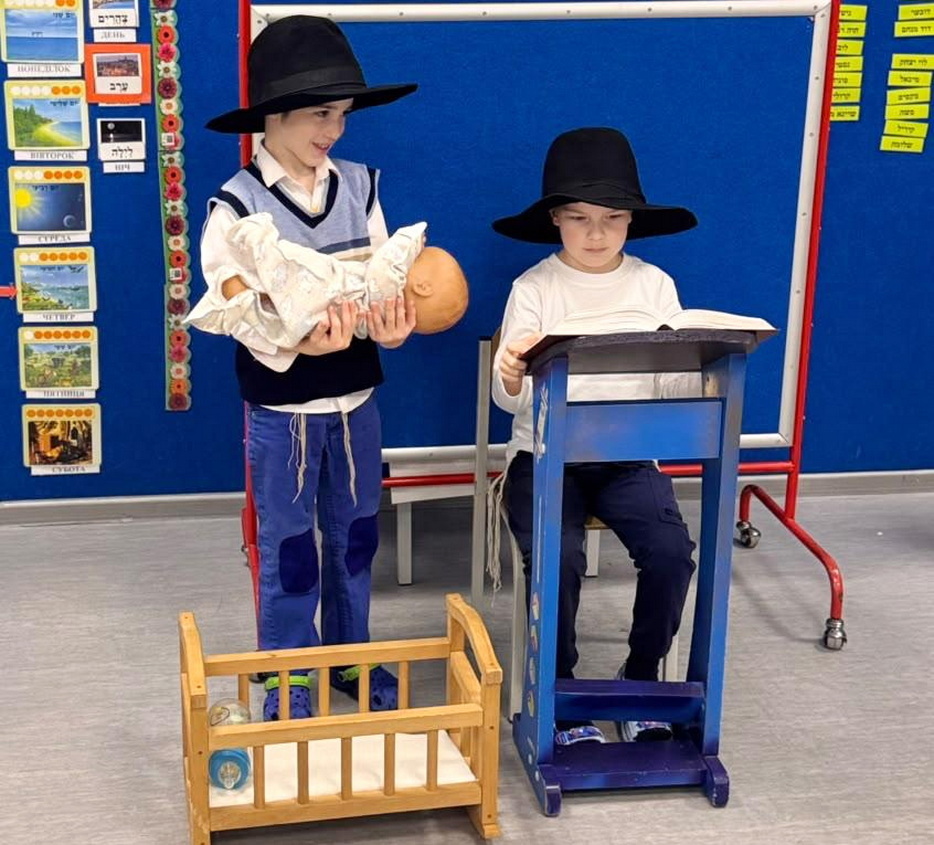
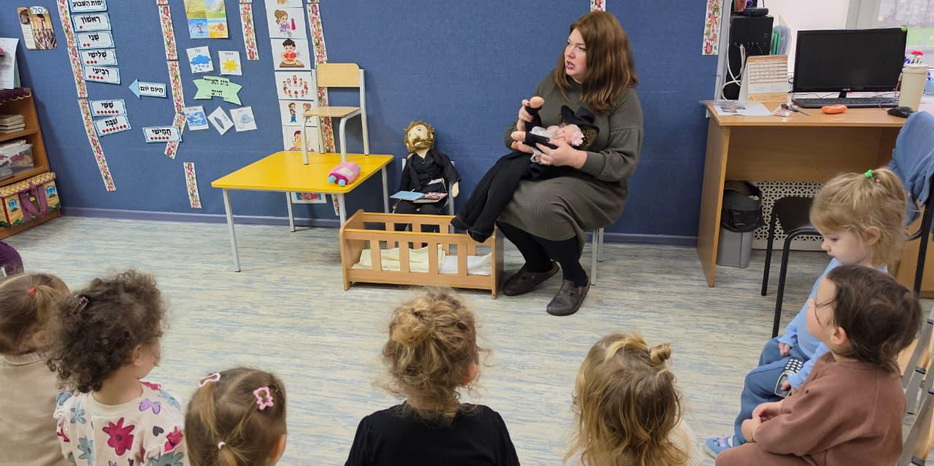
A special place in the classes was given to a dramatic production of the well-known Chassidic story about a child’s cry. According to this account, the Mitteler Rebbe once became so deeply immersed in Torah study that he did not hear the crying of his small son, who had fallen out of his cradle. His father, the Alter Rebbe, who was in another room, heard the child, interrupted his studies, lifted the little one, calmed him, and placed him back. Later he explained to his son that even the deepest immersion in Torah study must not prevent a person from hearing a child’s cry.
This story was recounted numerous times by the Seventh Lubavitcher Rebbe, Menachem-Mendel Schneerson. In particular, in a letter dated 13 Kislev 5723 (December 10, 1962), the Rebbe emphasized that its meaning is far broader than ordinary care for a small child. A person must be able to hear one who needs help, even if he himself is occupied with the highest spiritual matters. The Rebbe attached particular significance to the spiritual needs of Jewish children, who must be helped to find their connection with the Torah and their people. It was precisely this extremely important principle of Chassidic education that the children were able to internalize through a dramatic production accessible to their age.
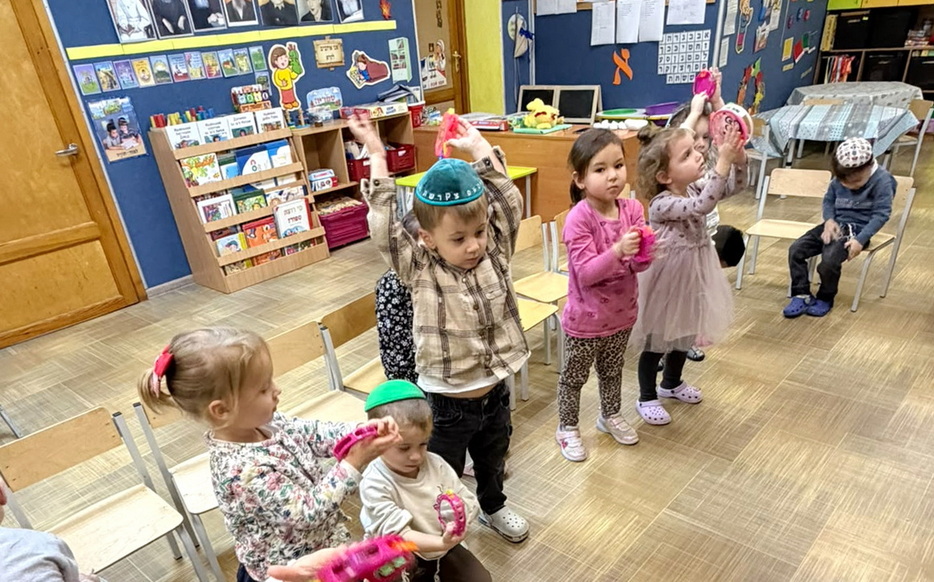
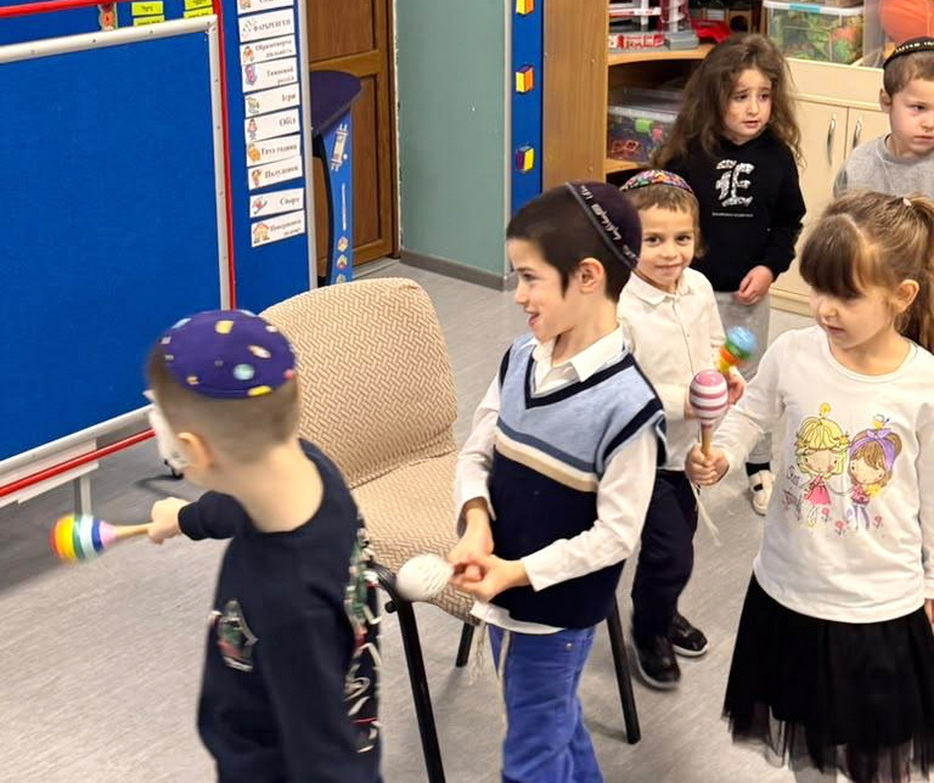
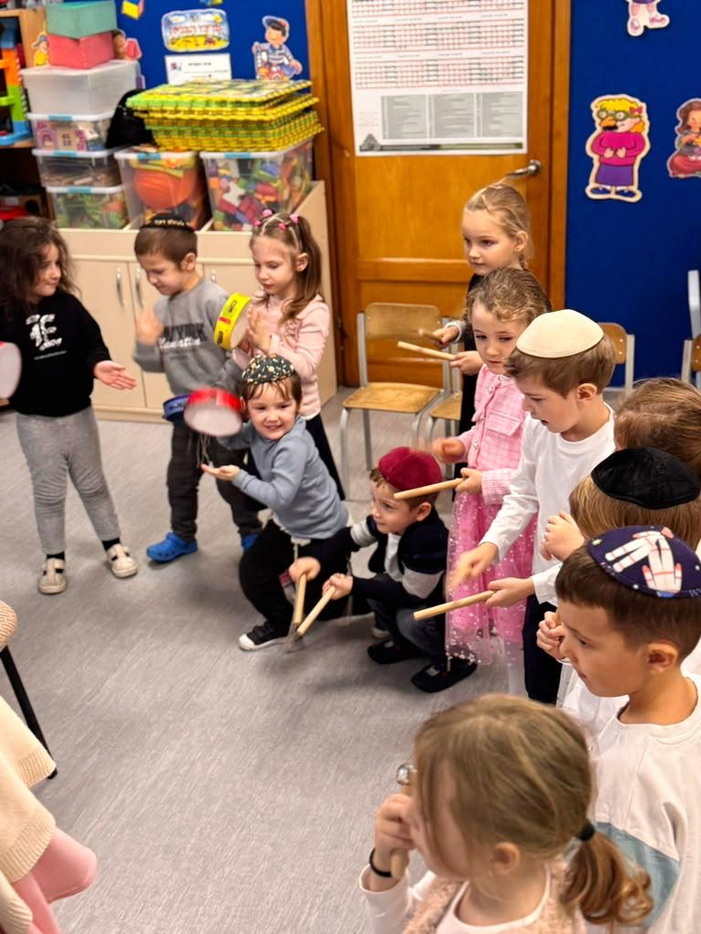
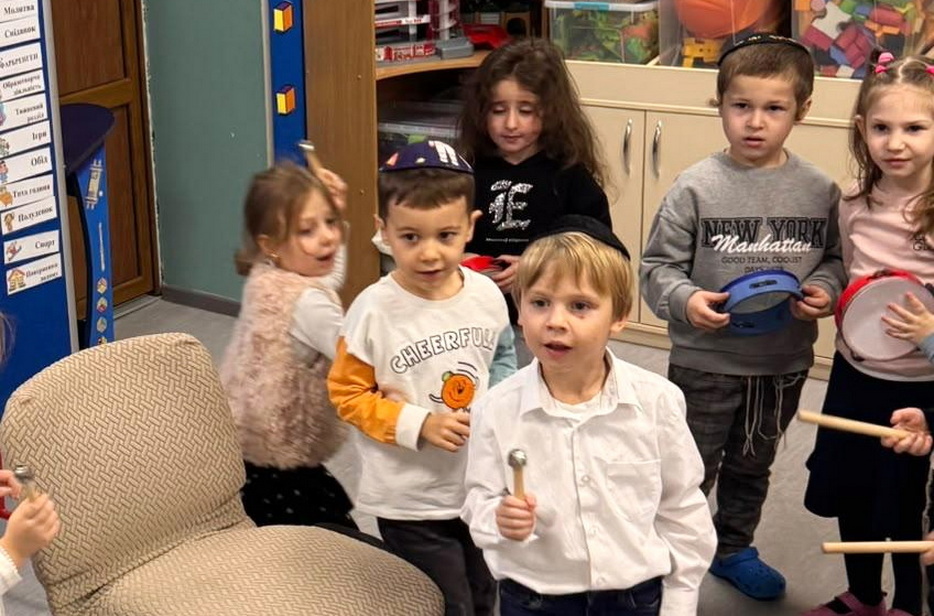
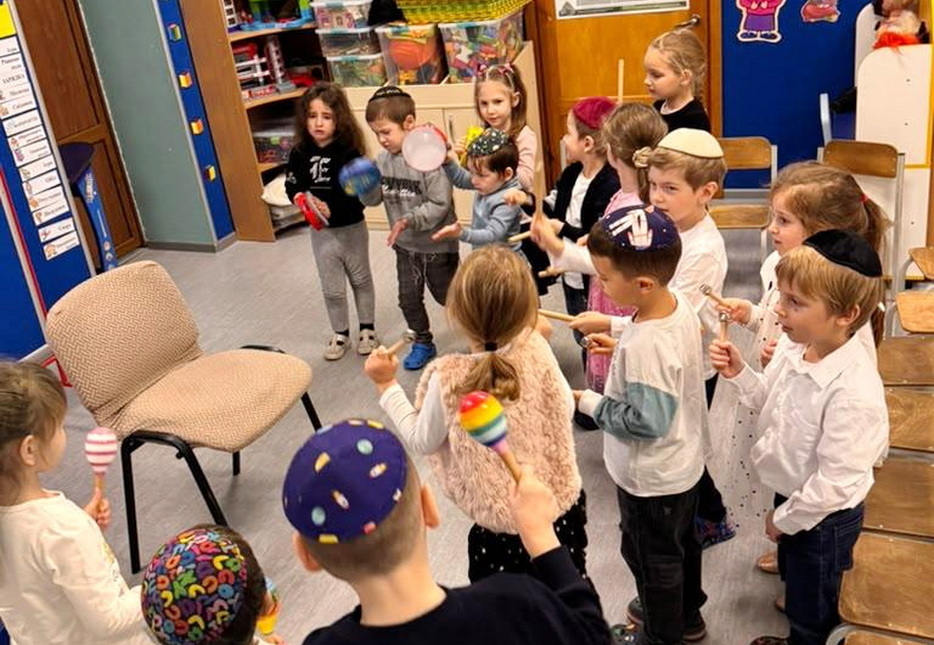
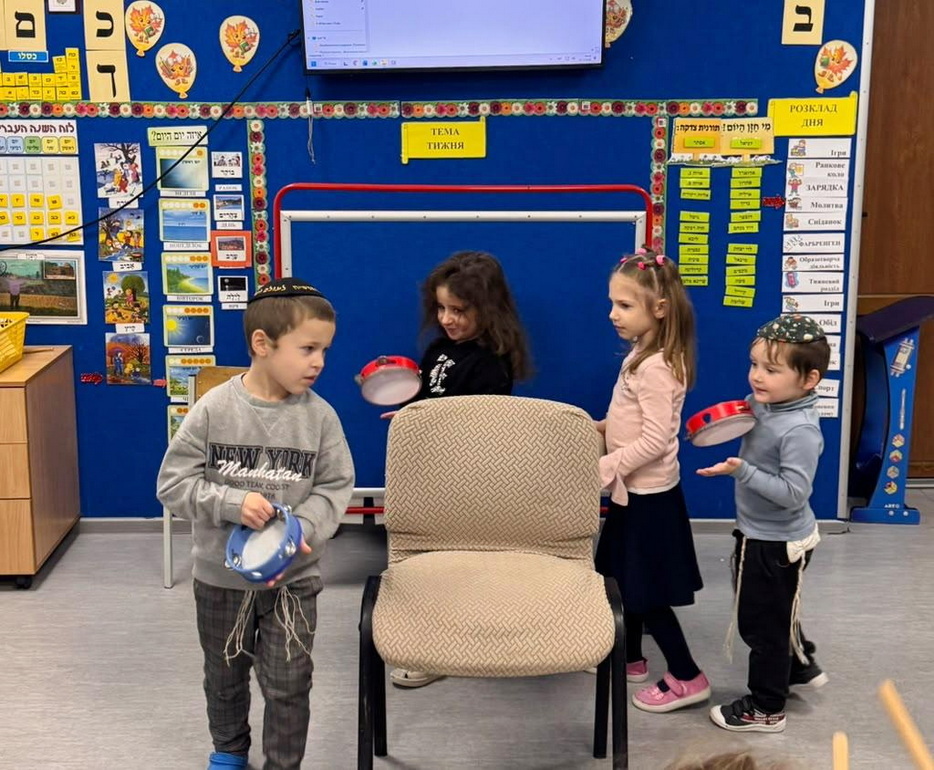
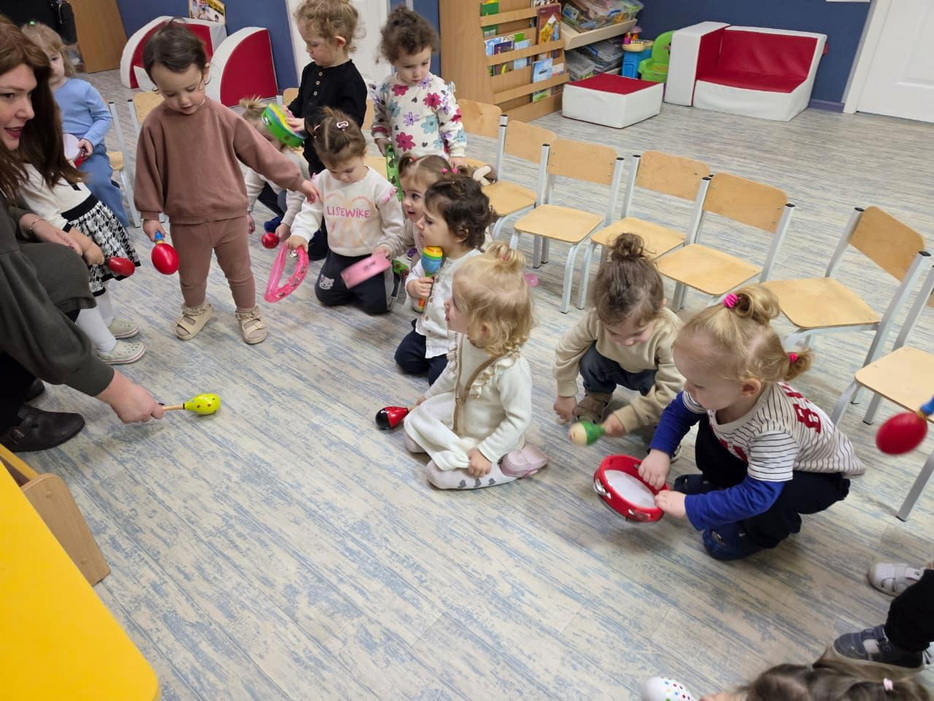
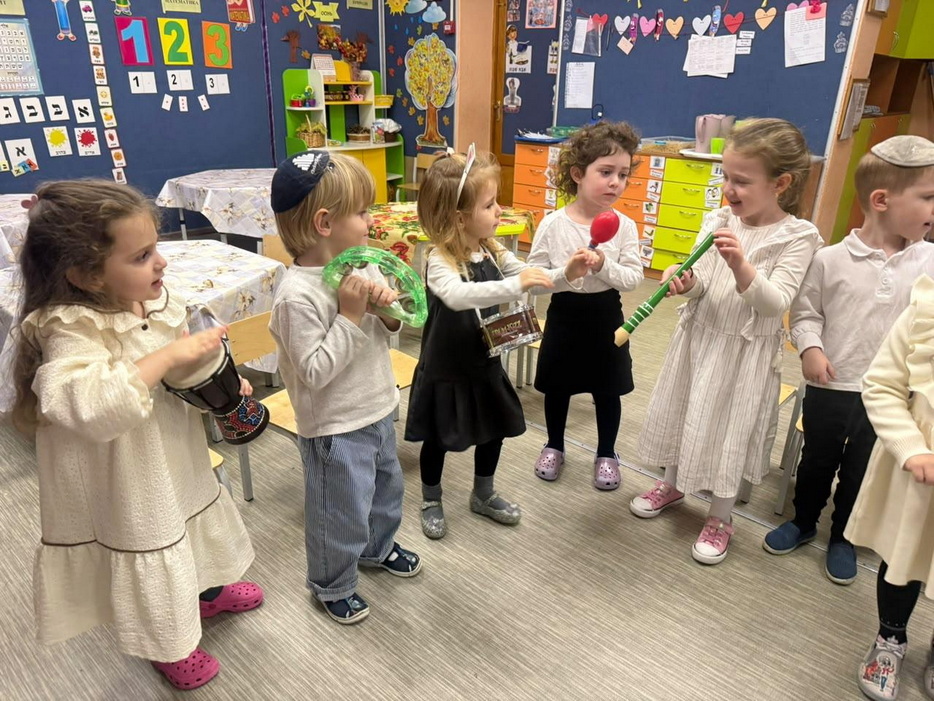
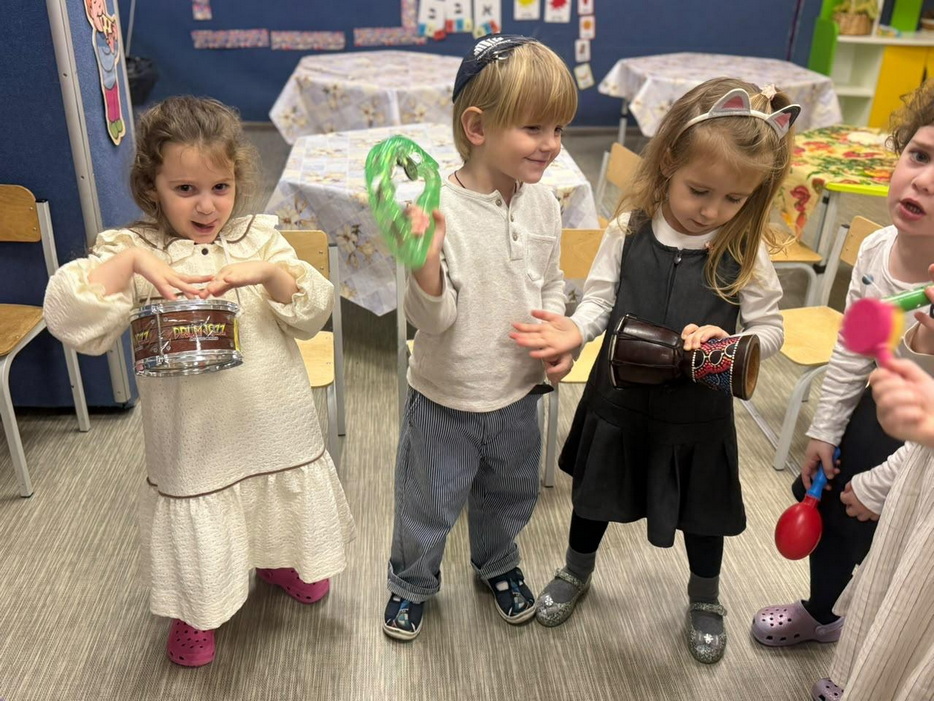
An equally interesting part of the program was the music classes. Students of various groups took part in a joint performance of traditional nigunim, using children’s drums, tambourines, maracas, and other percussion instruments. Music, movement, and shared games helped the children emotionally absorb the festive events, learn to act together, and express the joy connected with the important dates of the Chassidic calendar.
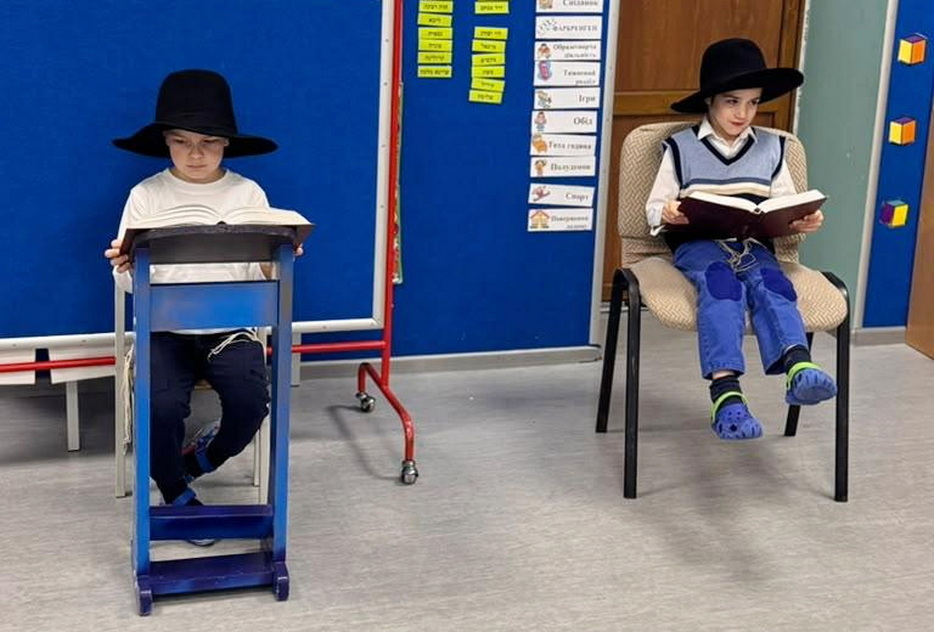
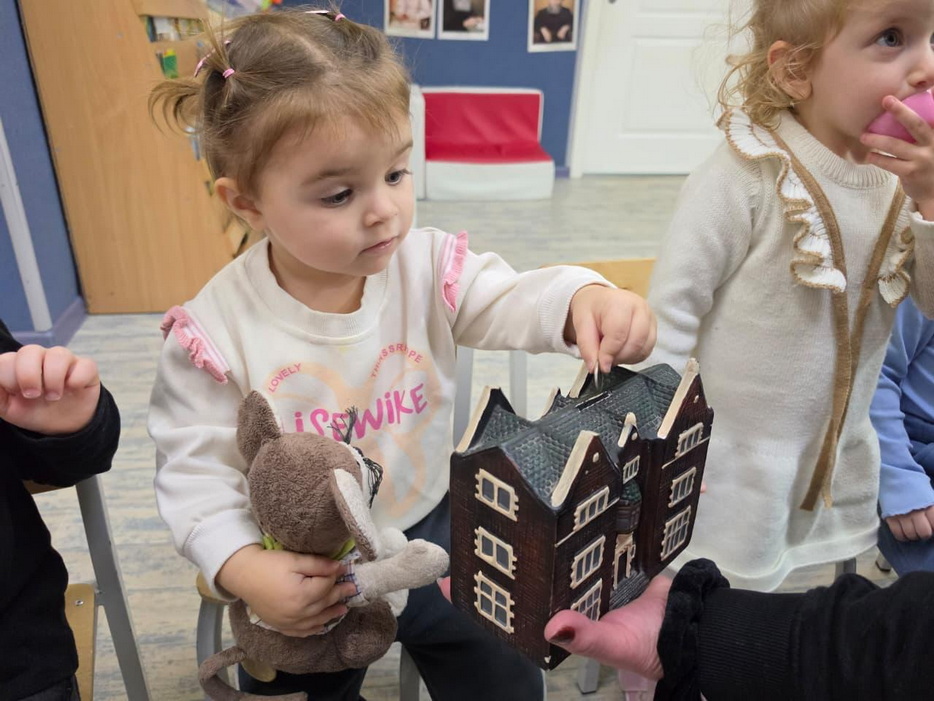
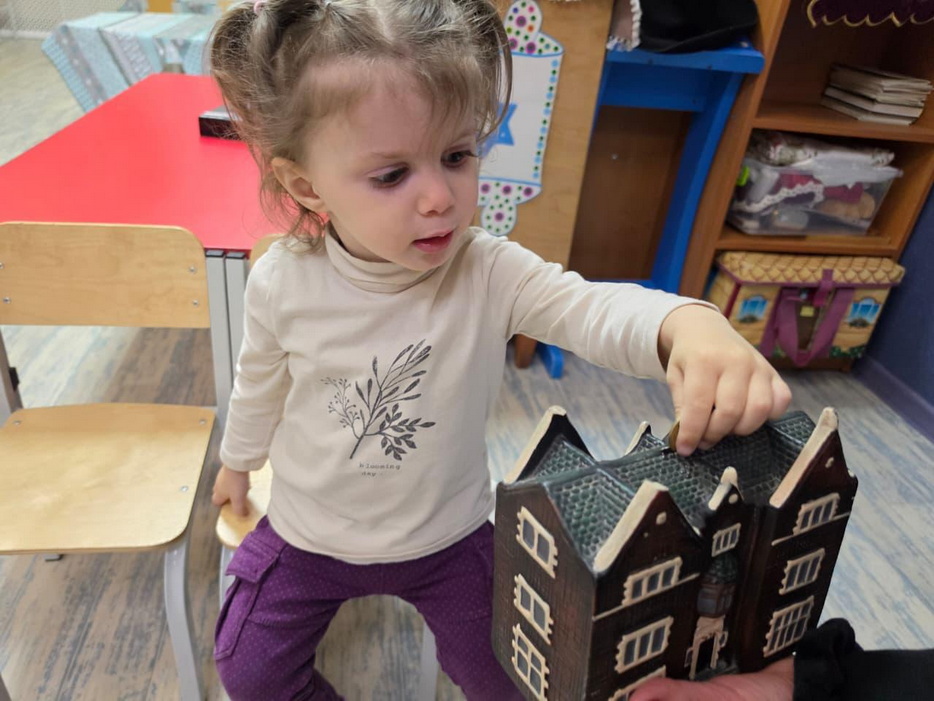
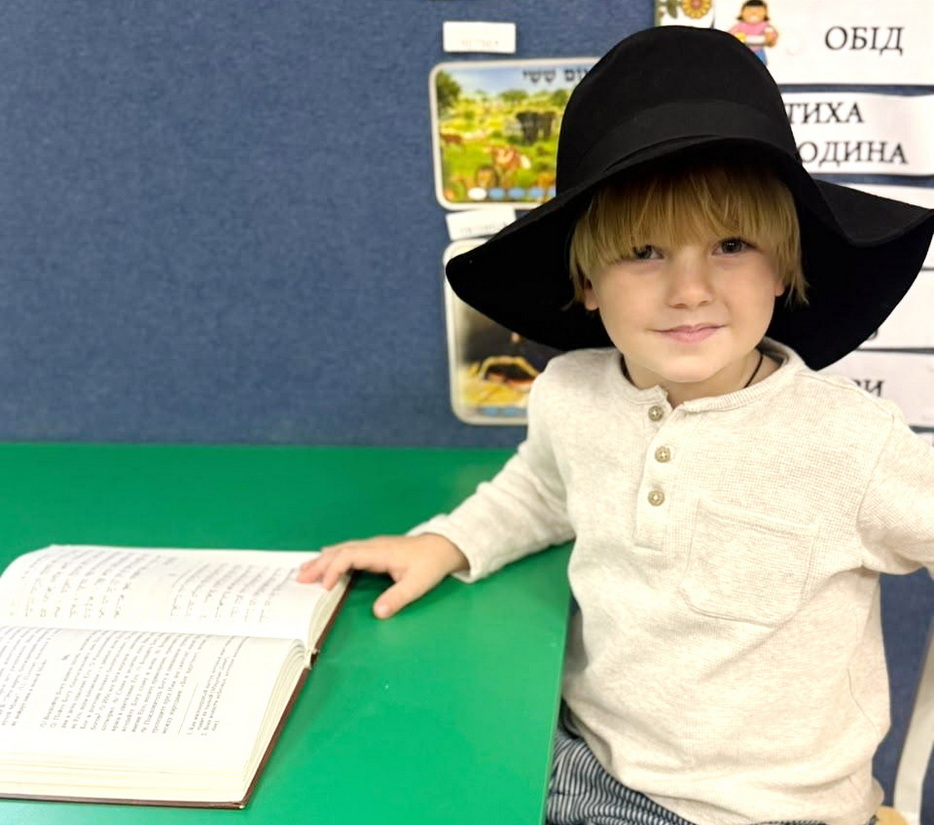
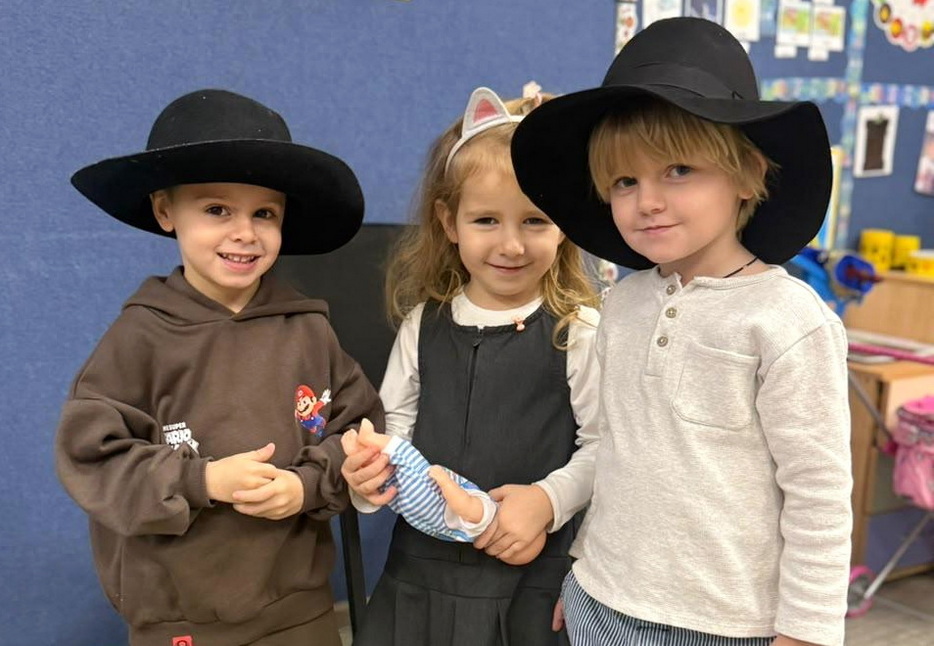
For the youngest students, introduction to the traditions took place in play form through a puppet show. The older children could not only listen to their teachers’ stories but also take part in the productions themselves, try on traditional Chassidic headwear, portray the study of Jewish books, and act out episodes from Chabad history. Thus the program combined familiarity with the history of Chassidus, the development of creative abilities, and the cultivation of Jewish values.
“It is very important to us that children from an early age not merely learn about the lives of the Lubavitcher Rebbes and mark memorial dates, but also understand what Chassidic tradition teaches us,” noted Malka Averbuch, a teacher at the kindergarten. “The story of the child’s cry shows how important it is to Chabad’s values to care for every Jew, and all the more so for a Jewish child, and we see precisely such care, attention, and constant support from the united and cohesive Jewish community of Dnipro under the leadership of Chief Rabbi Shmuel Kaminezki.”