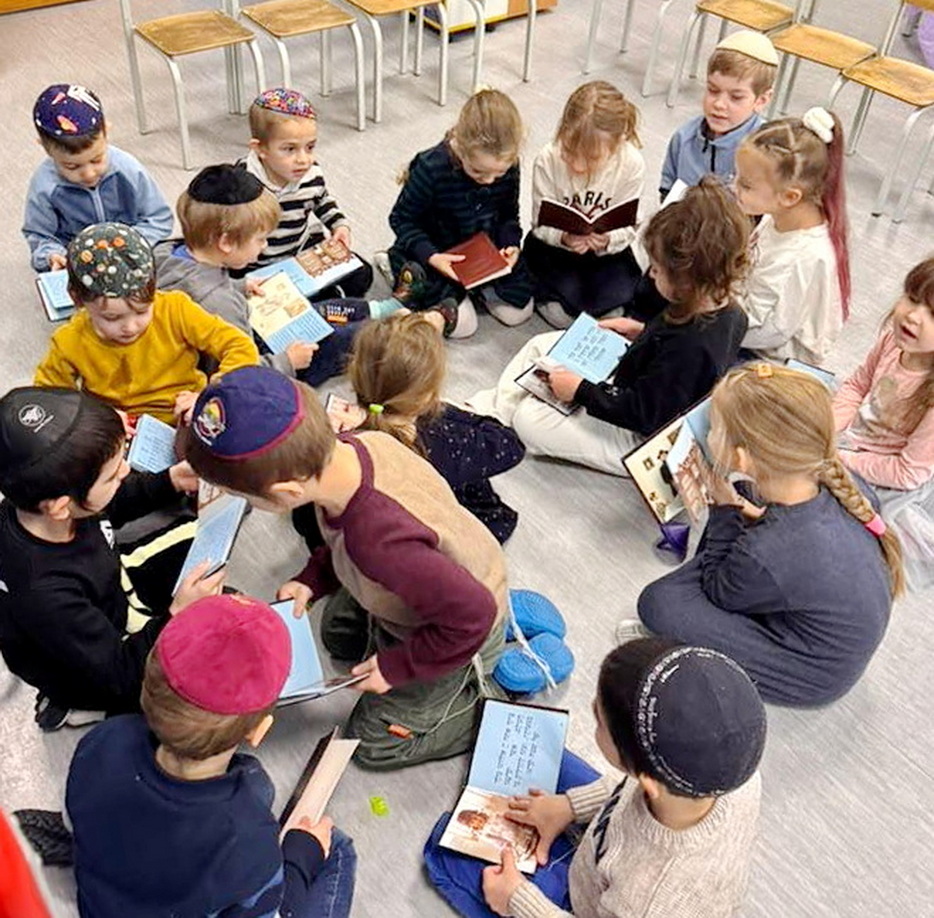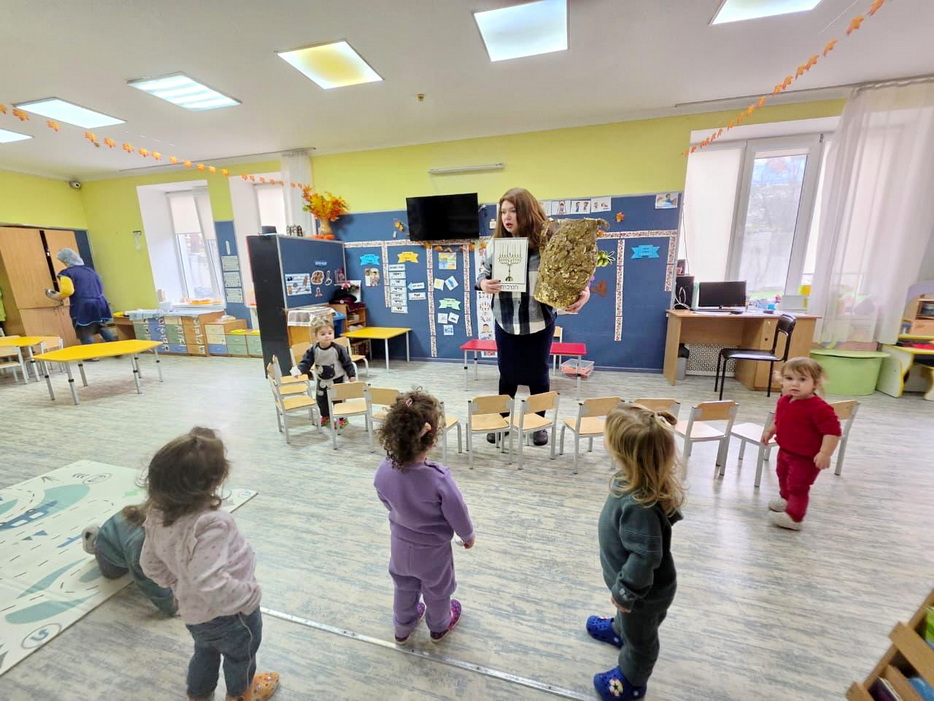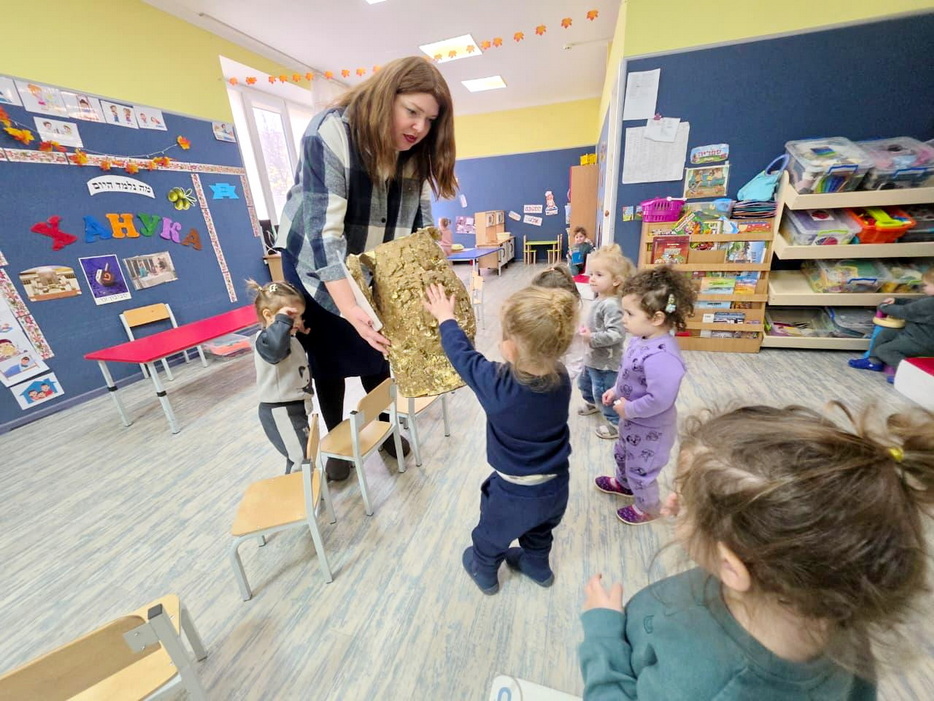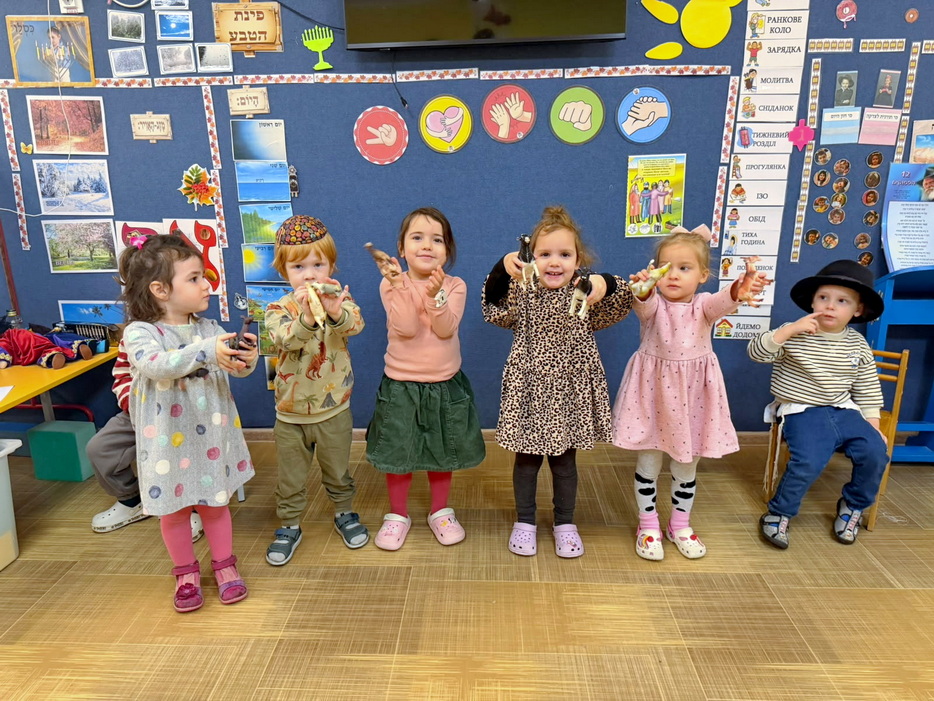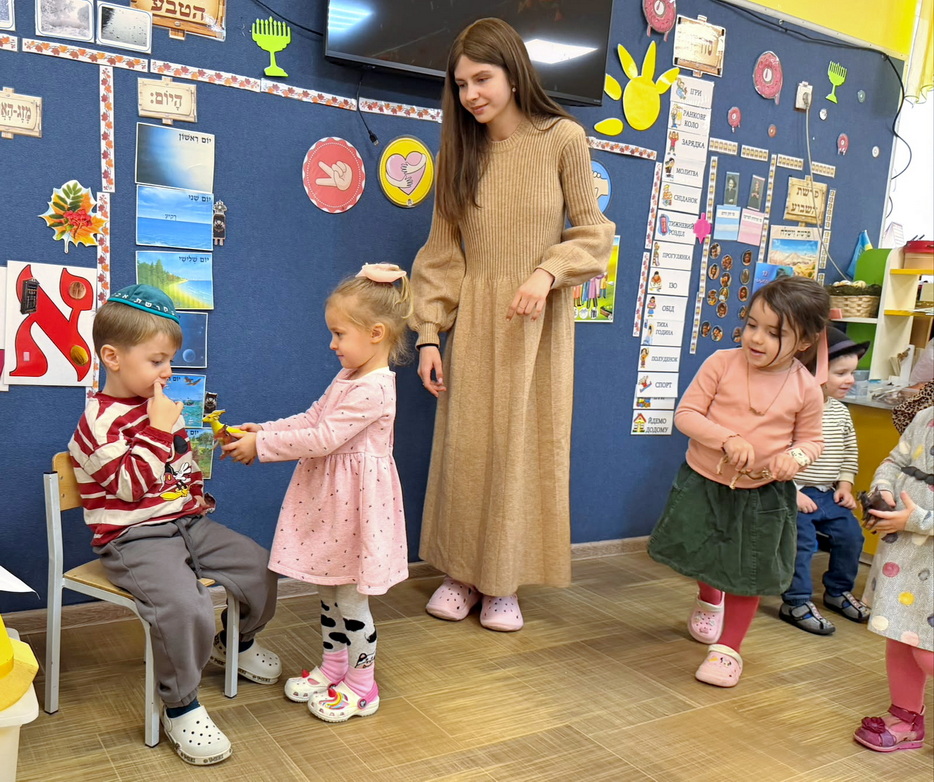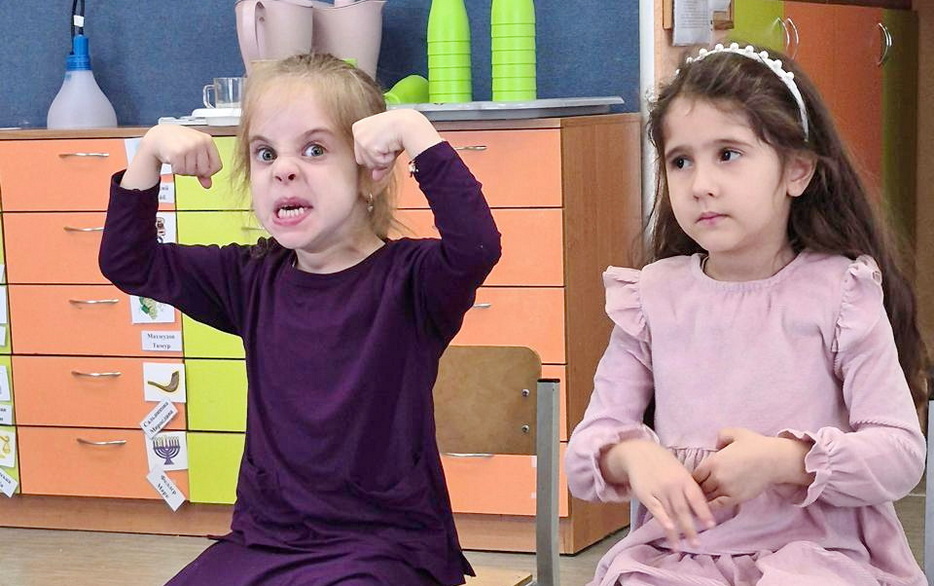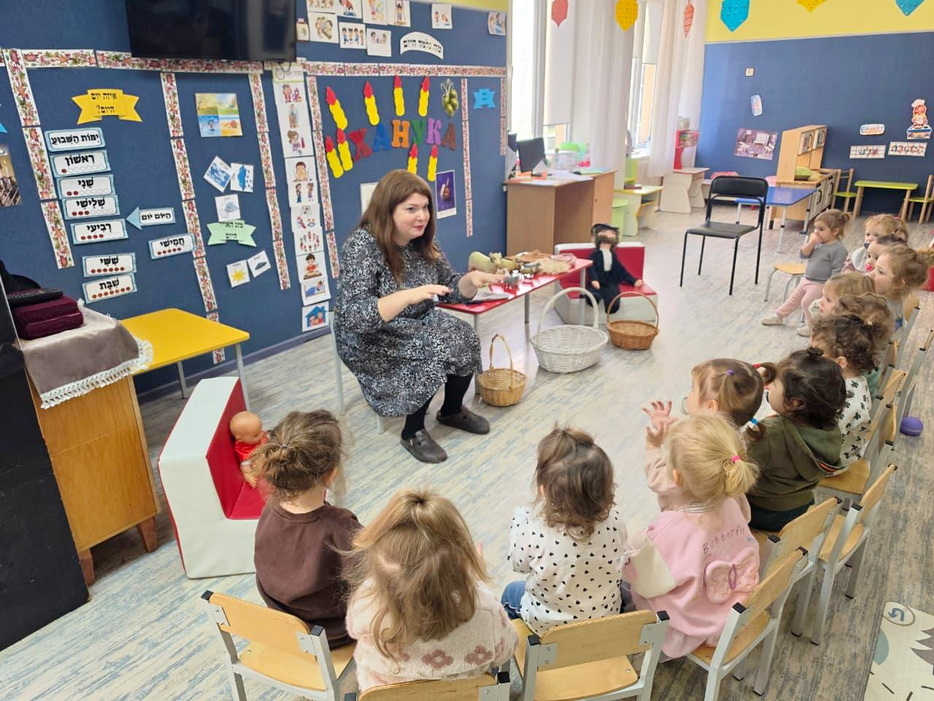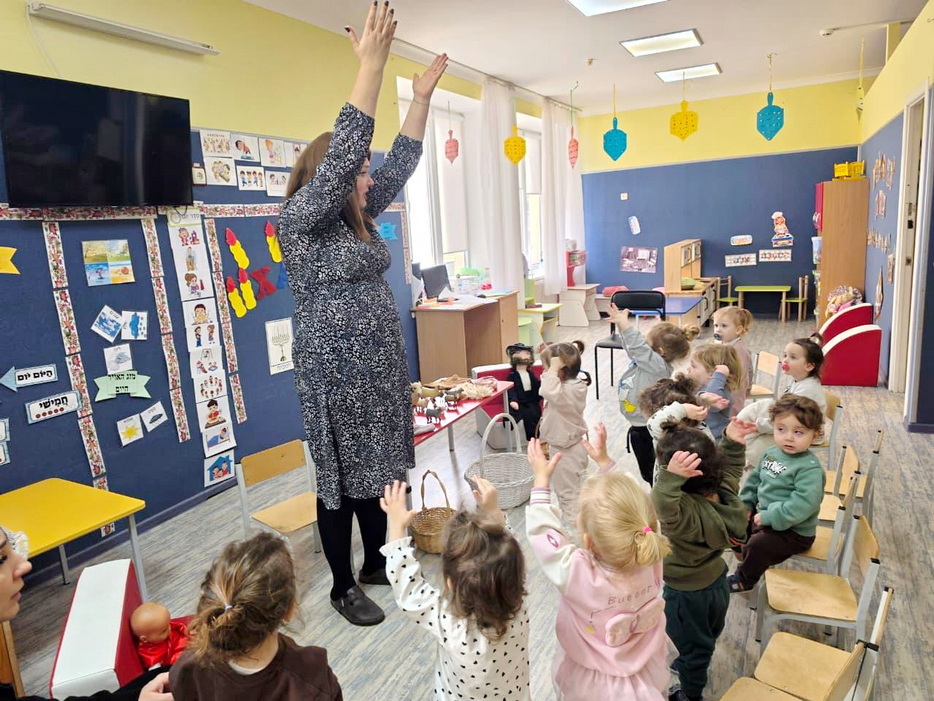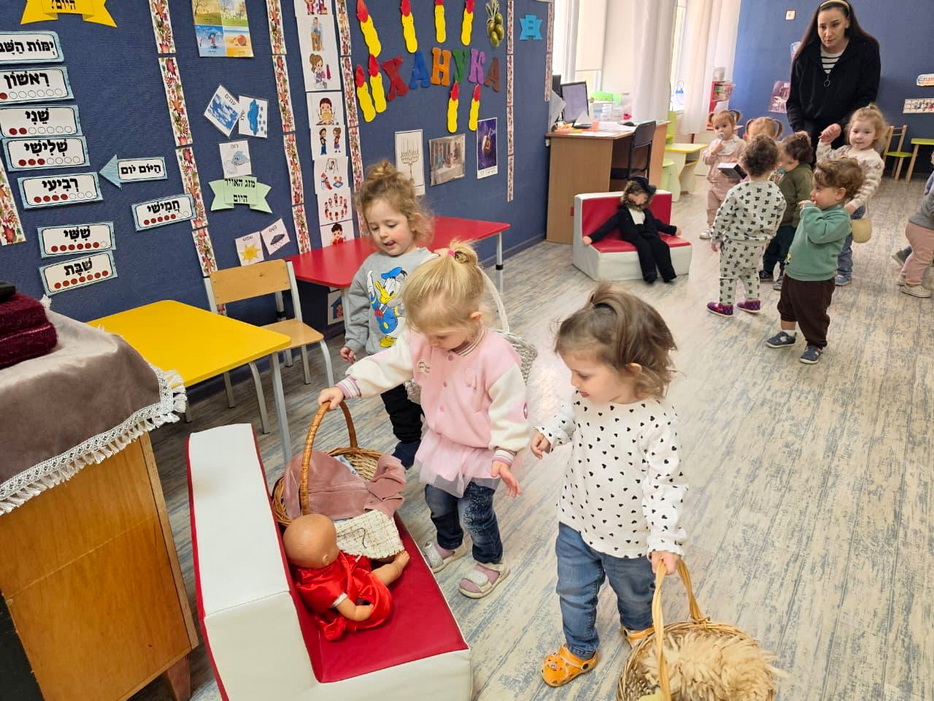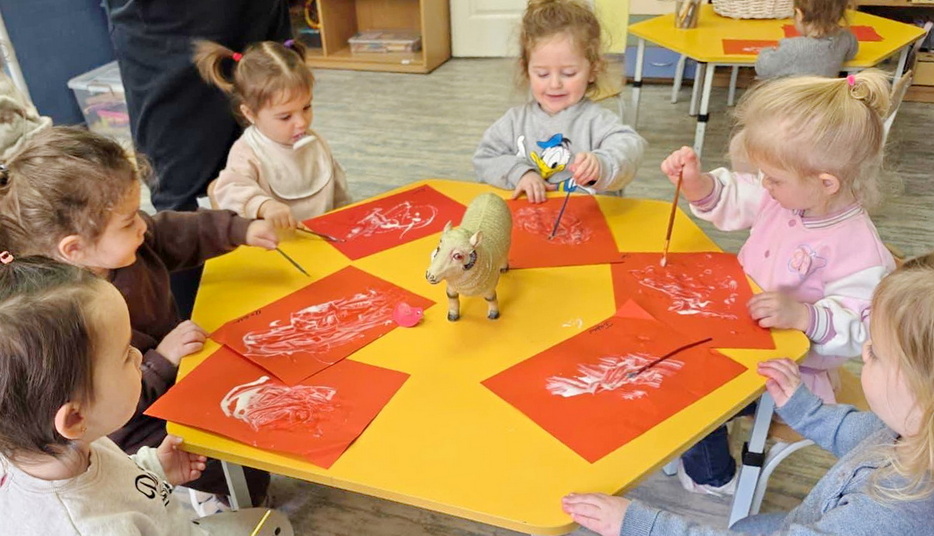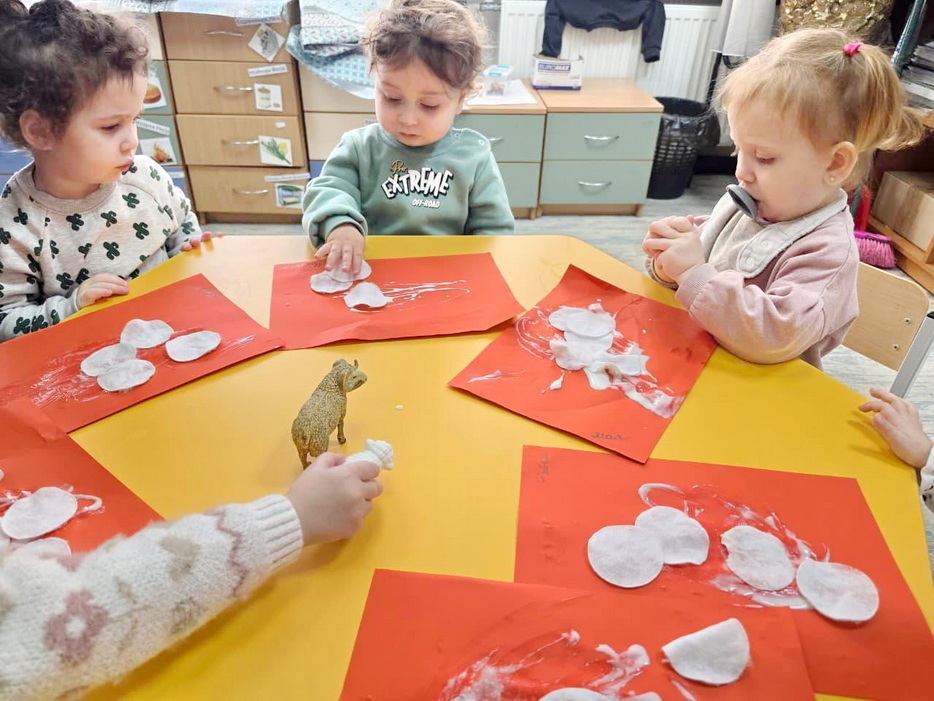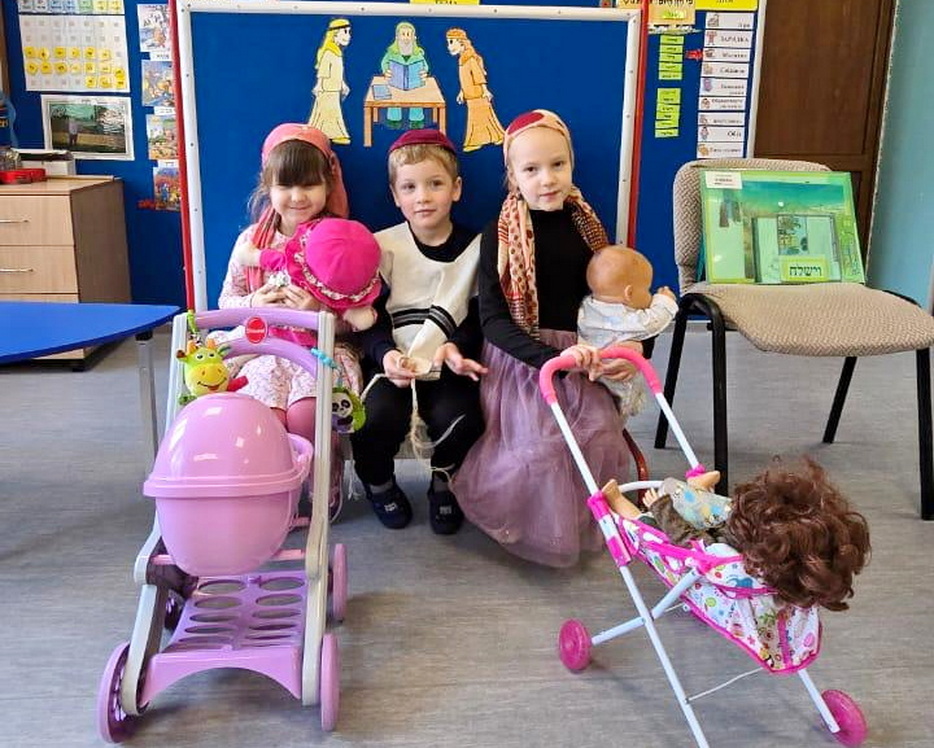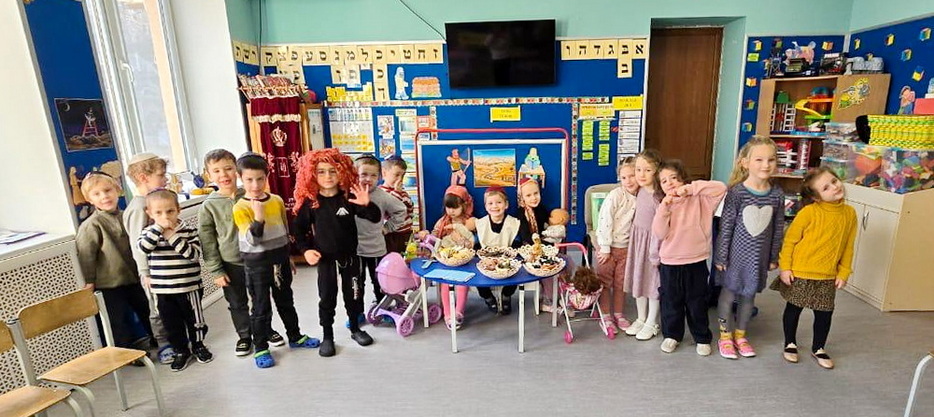




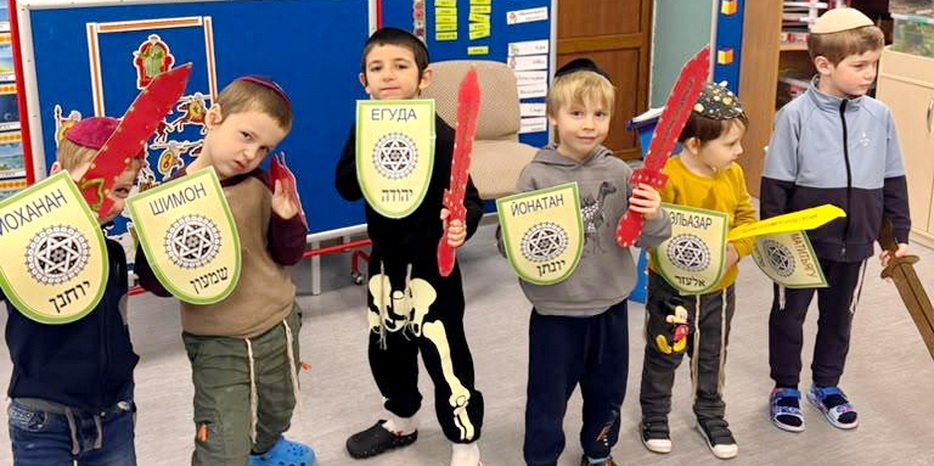
At the “Beit Tzinlicht” children’s educational center, the leading preschool institution of the Jewish community of Dnipro, classes were held dedicated to the weekly Torah portion “Vayishlach” and the beginning of preparations for the holiday of Chanukah. A special feature of these classes was the use of modern pedagogical methods that allow children not only to become acquainted with historical events but also to recreate them independently through playful reconstructions and object-based modeling.
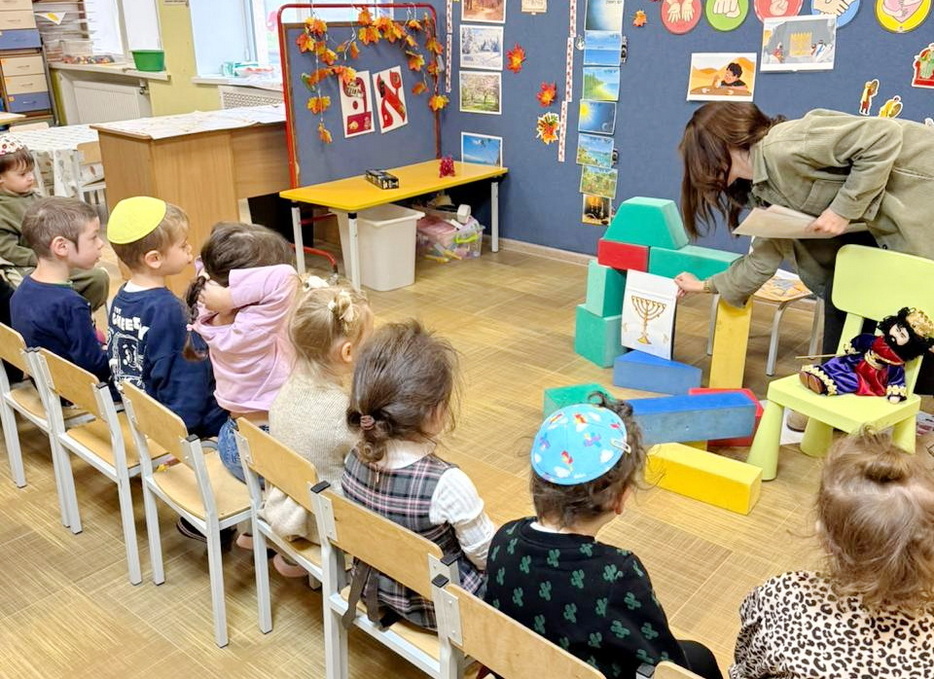
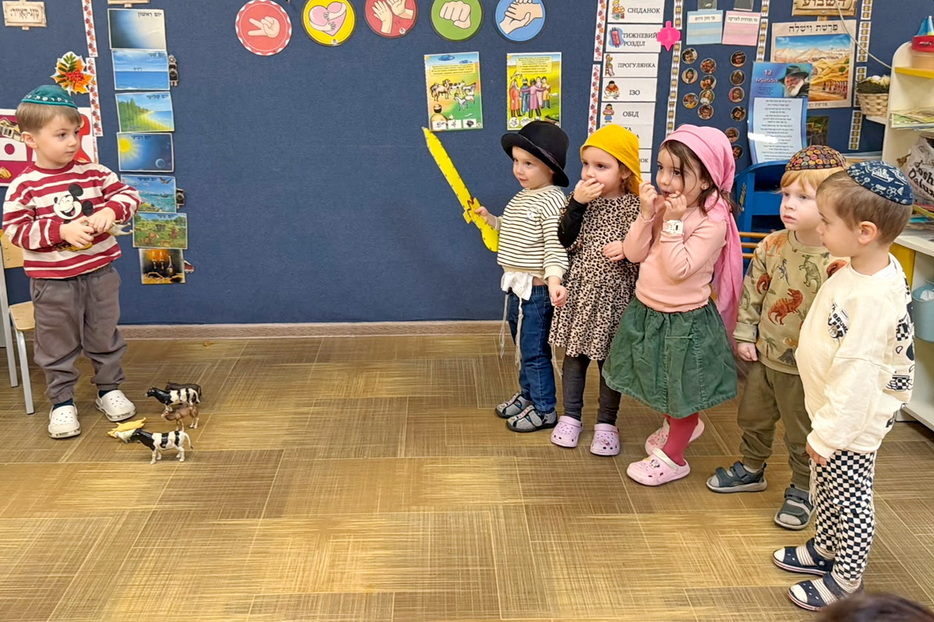
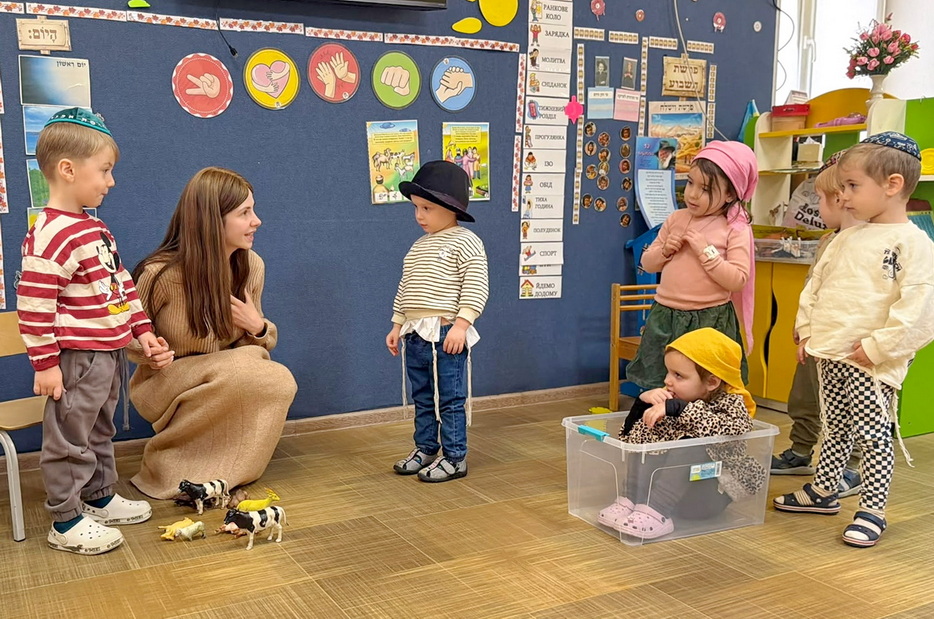
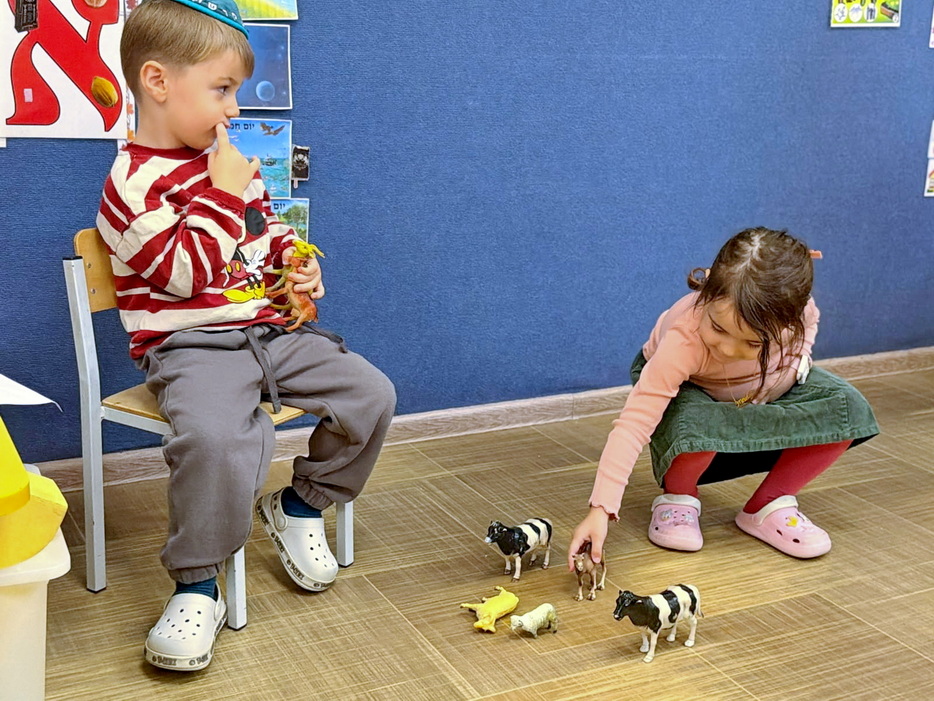
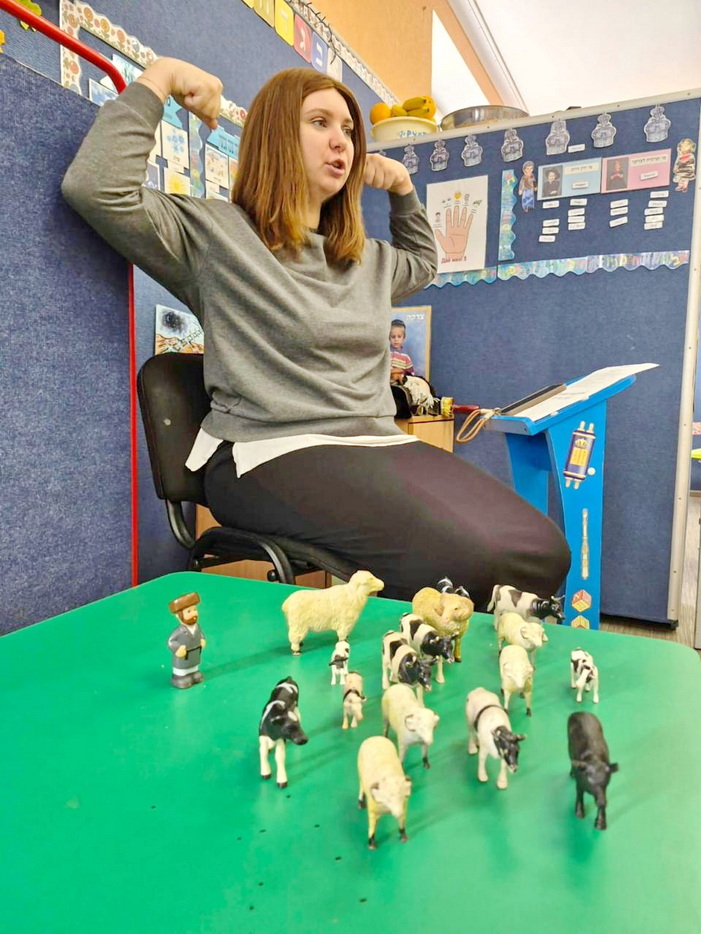
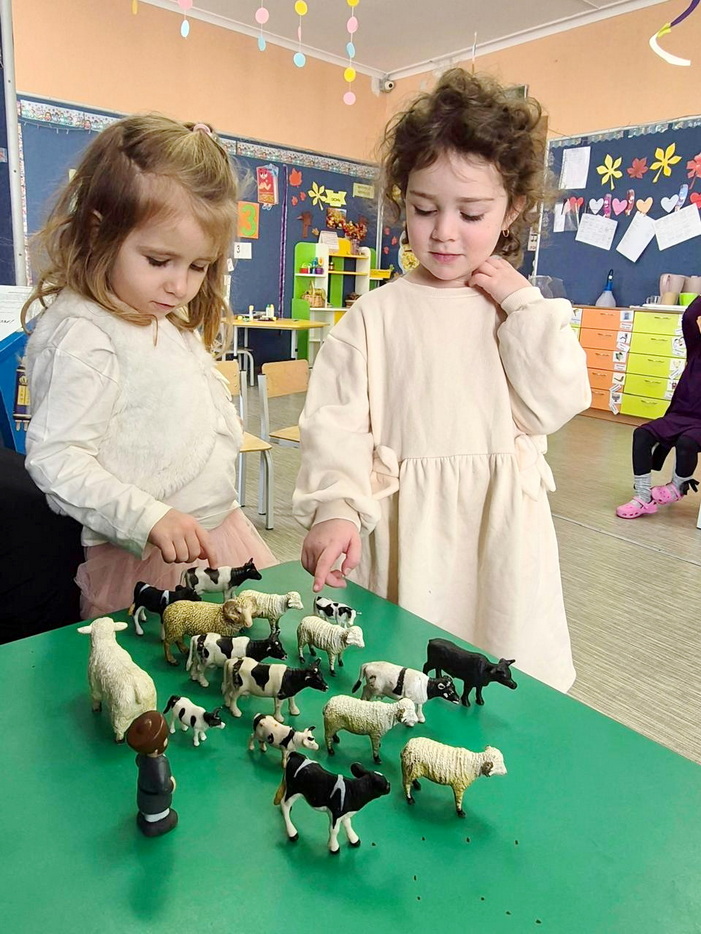
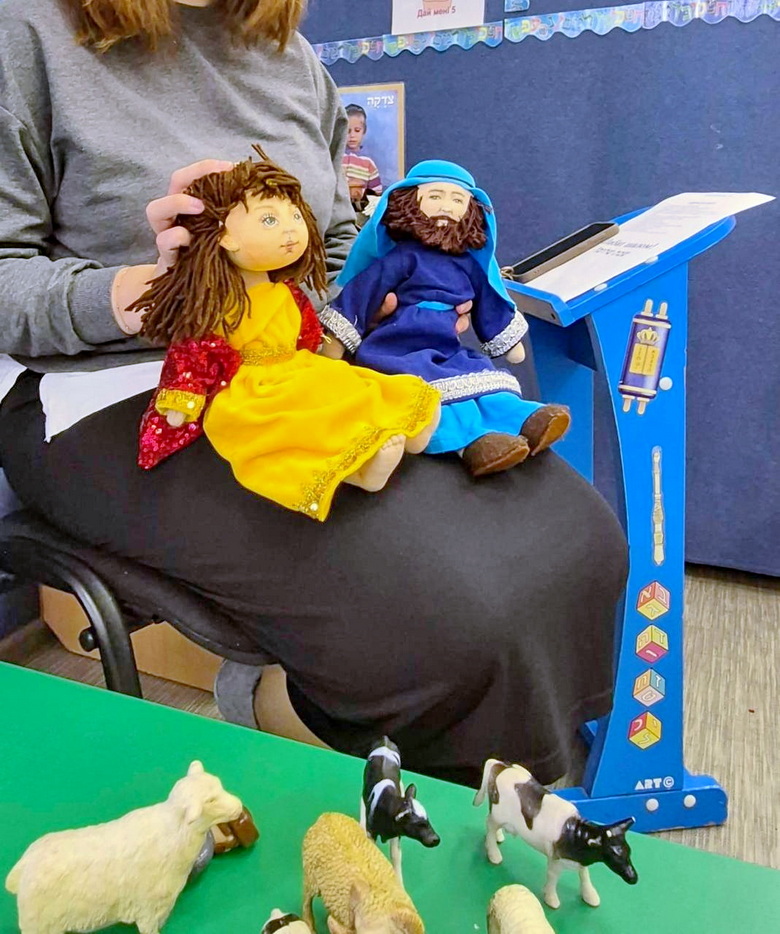
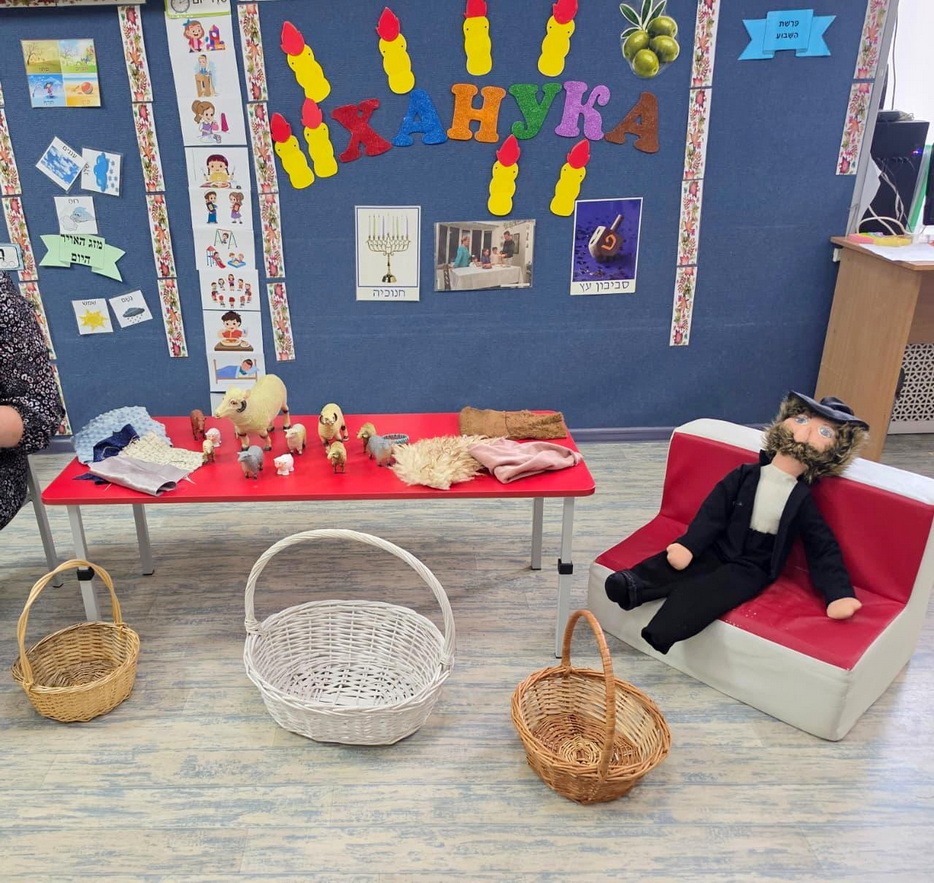
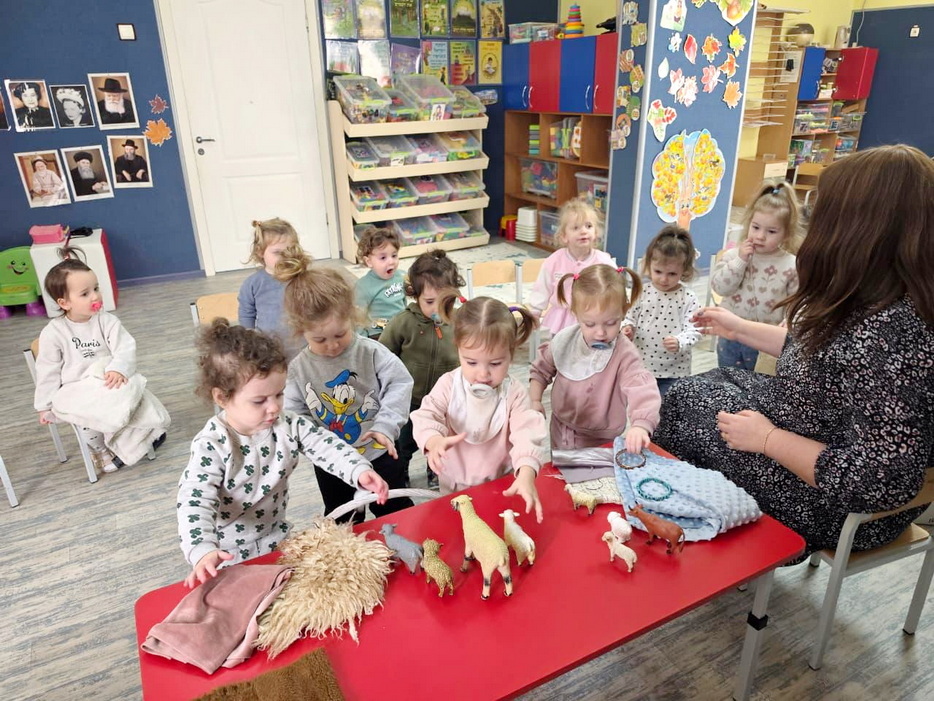
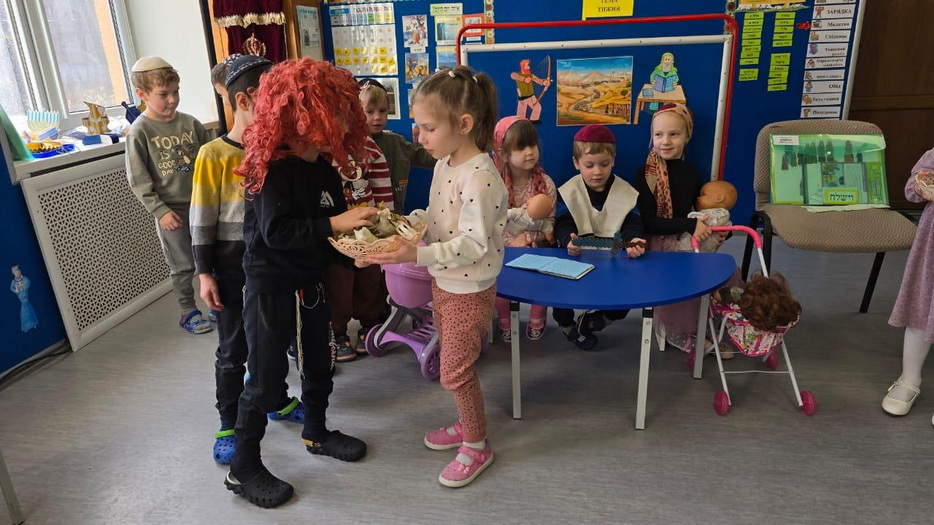
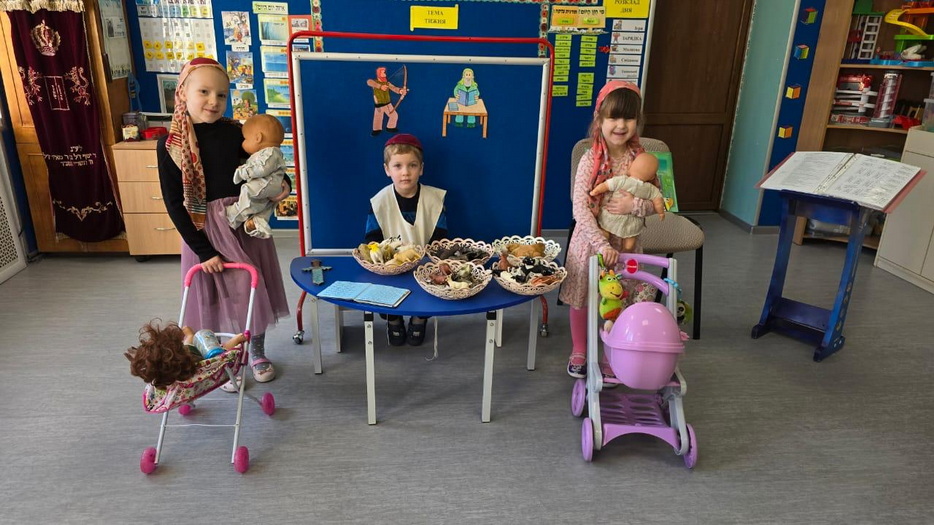
During the study of the weekly parsha “Vayishlach,” the students became acquainted with the story of Yaakov and Esav using figurines of the characters, animals, and other play materials. The children did not merely observe the teachers’ actions but themselves took part in creating scenes, arranged the figurines, modeled situations, and acted out individual episodes of the narrative. Thus they became not only listeners but also a kind of directors of the events, receiving the opportunity to independently recreate what they had learned from the account.
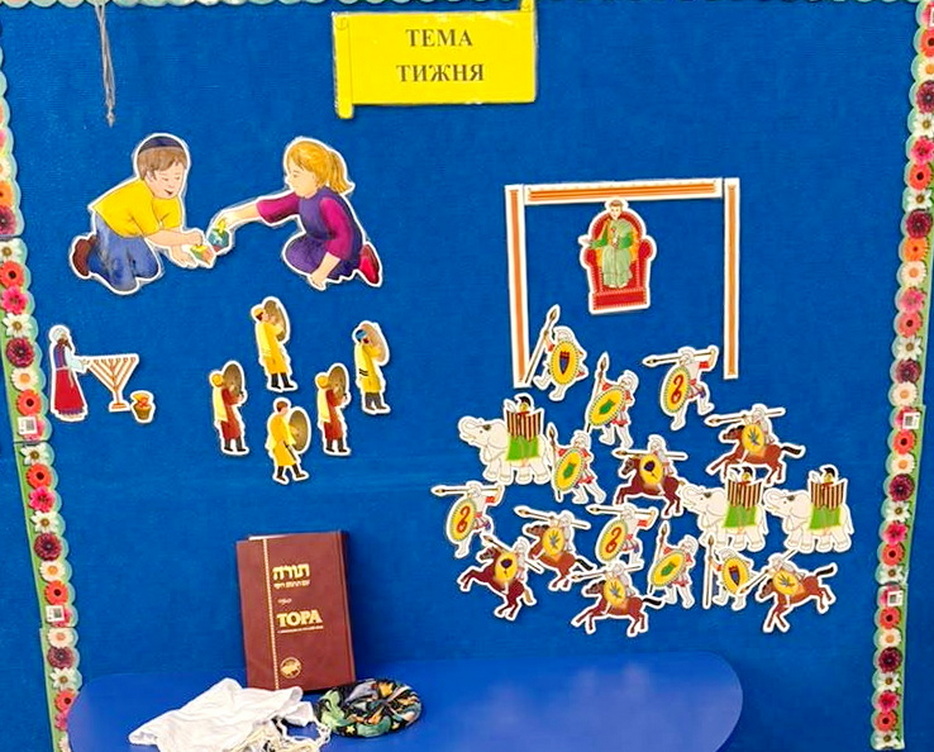
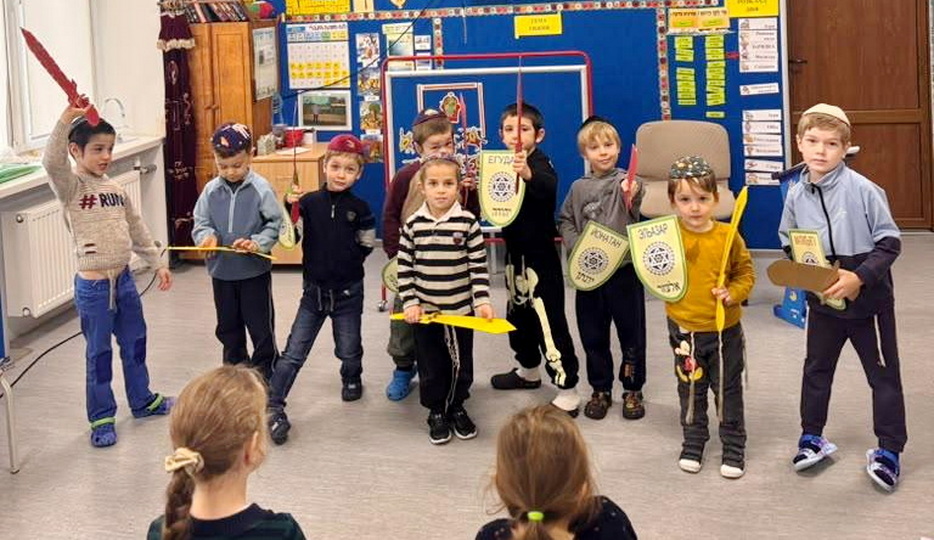
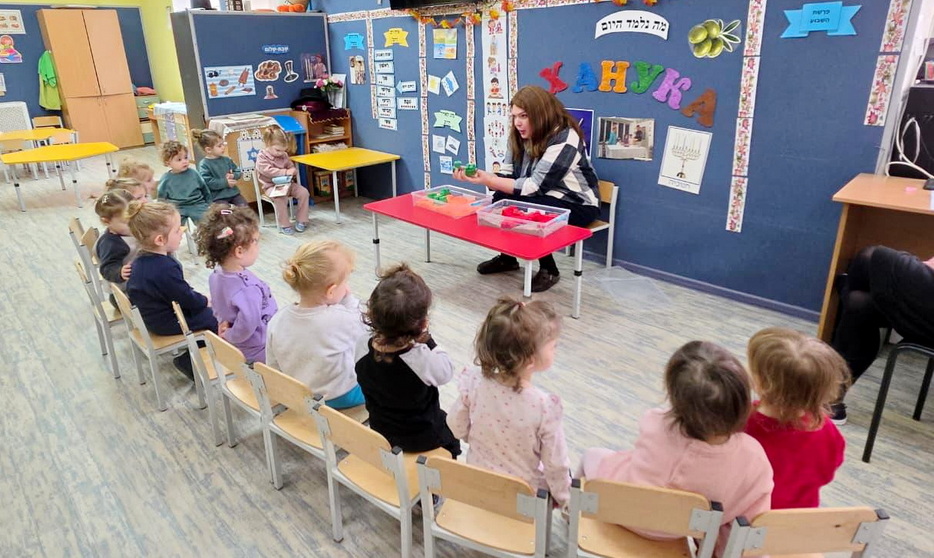
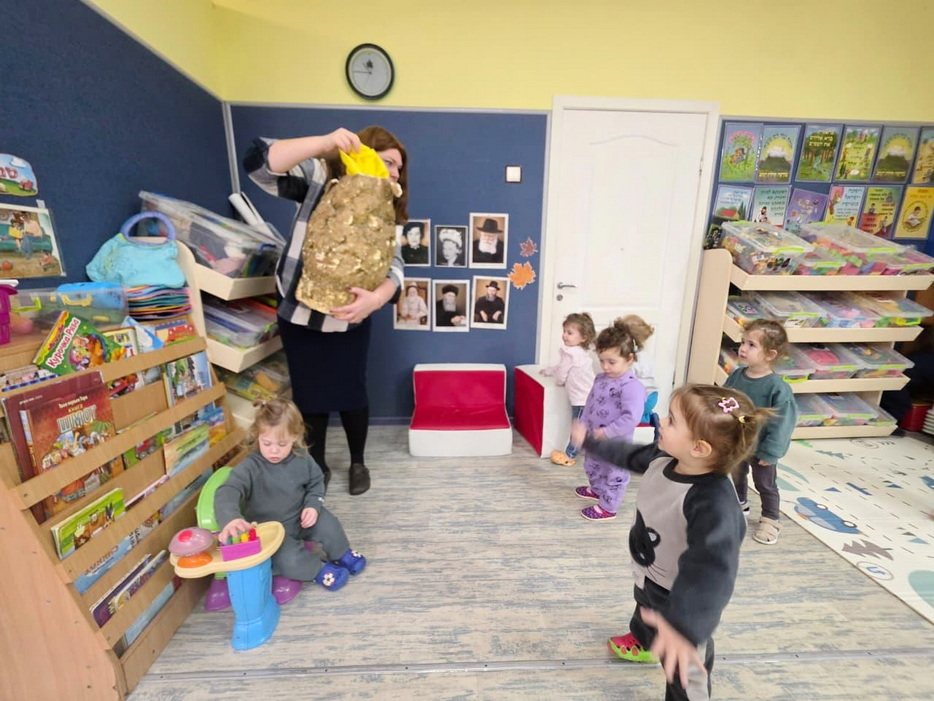
The same pedagogical approach was used during the first classes dedicated to the history of Chanukah. The teachers told the children about the confrontation of the Maccabees with the numerous Greek-Syrian army, about the liberation and purification of the Jerusalem Temple, and about the miracle of the small flask of pure oil, which should have sufficed for only one day but burned for eight days.
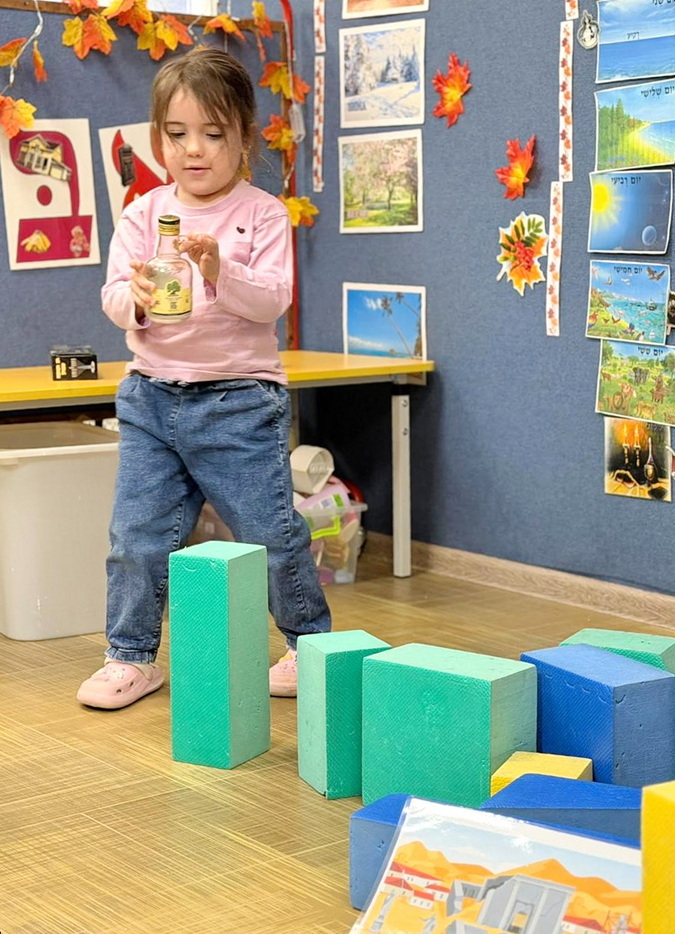
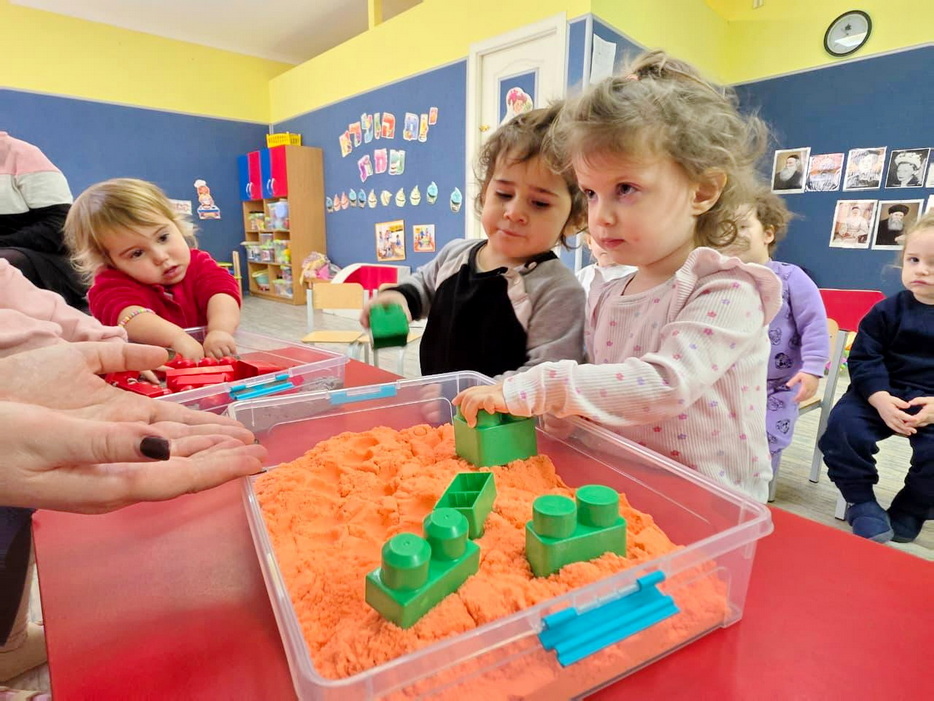
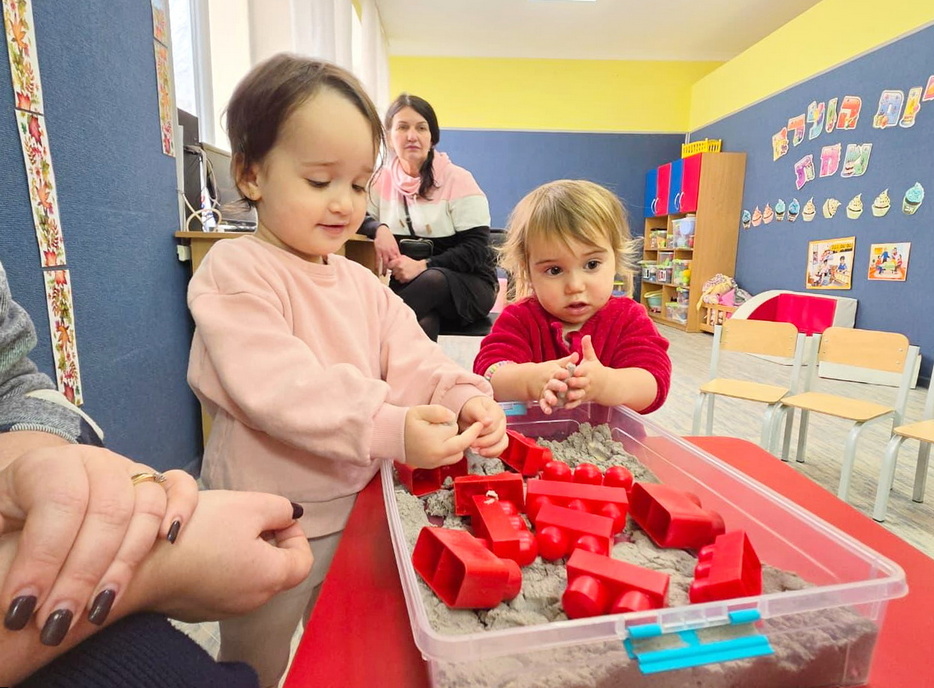
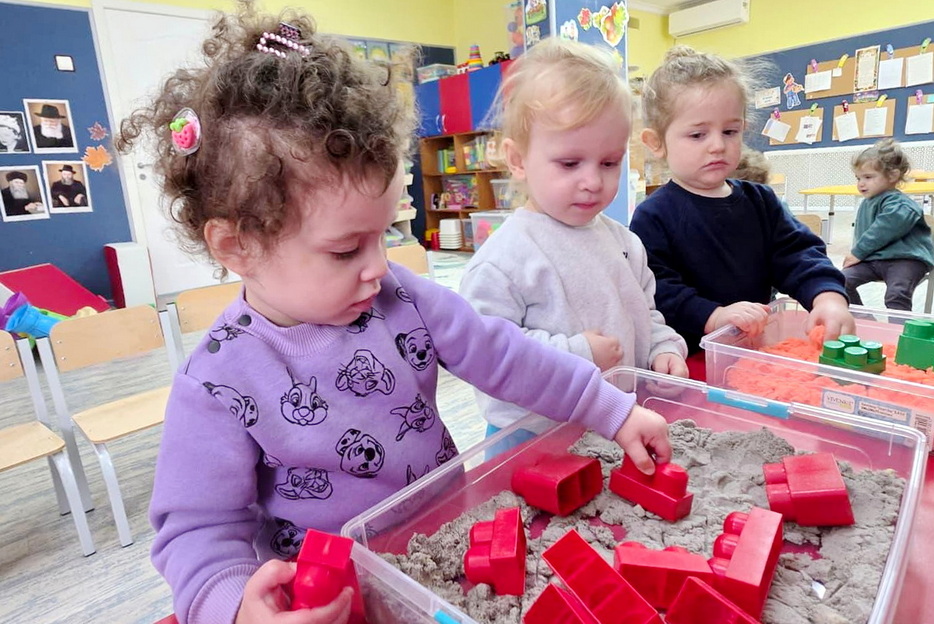
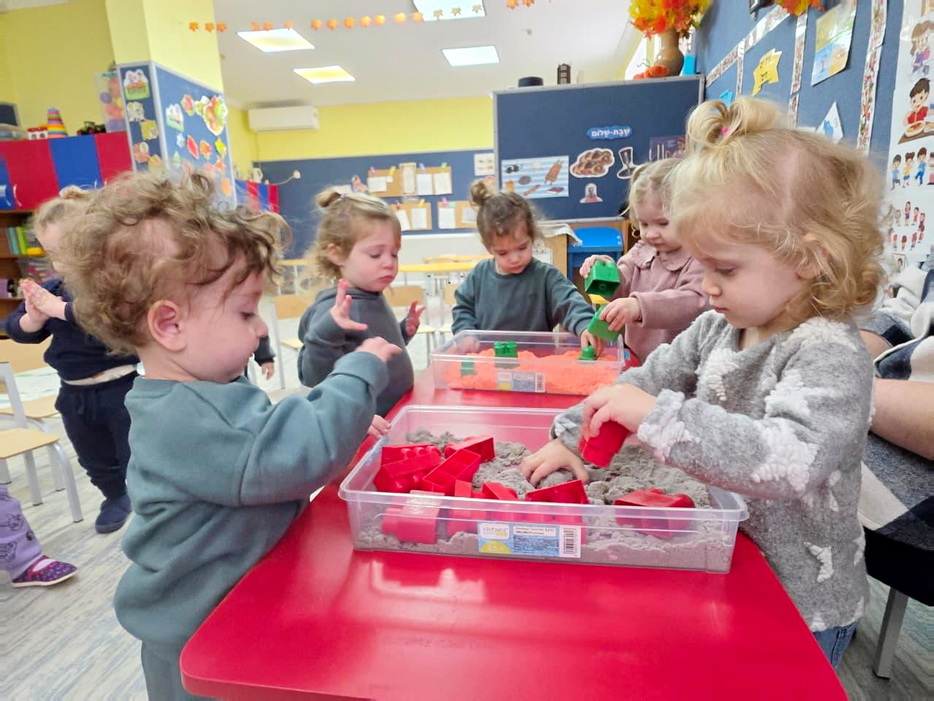
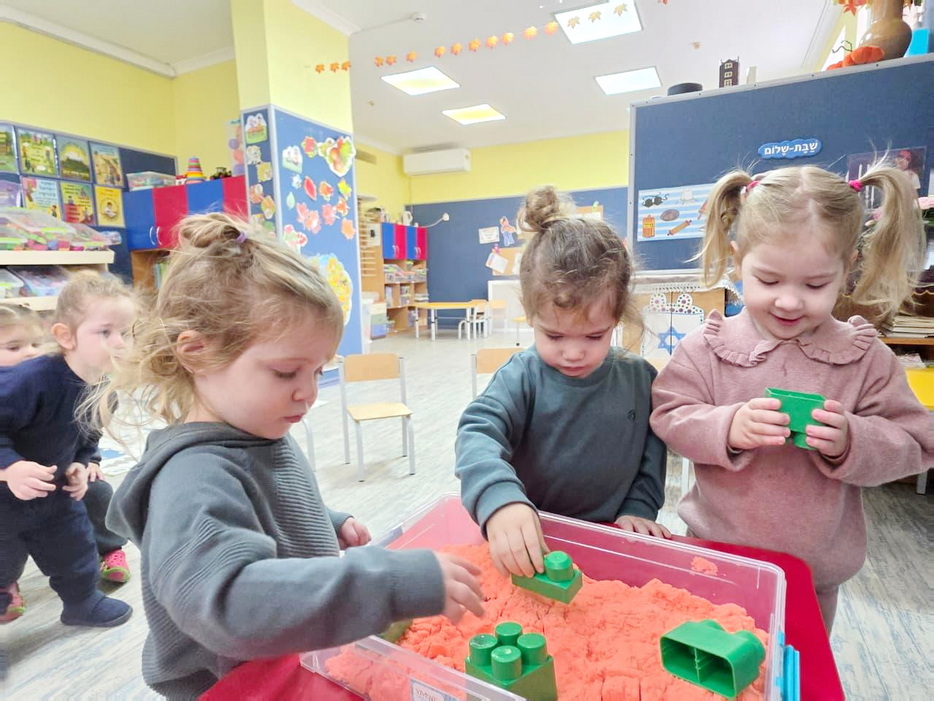
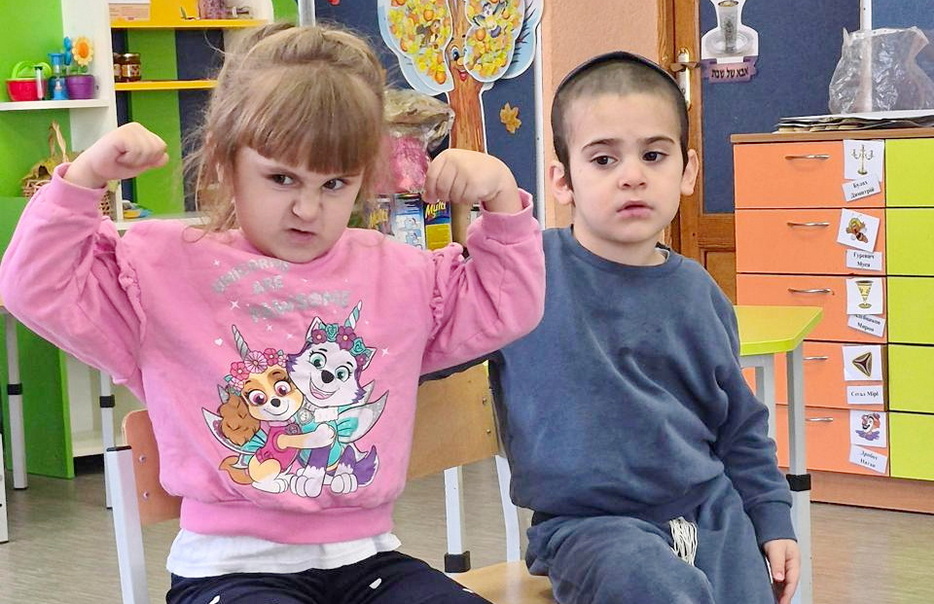
So that these events would not remain for the preschoolers an abstract historical account, the students themselves recreated them in play form. With the help of figurines and traces in the sand, they depicted the confrontation of the large and small armies, and then acted out the return of the Jews to the desecrated Temple. The children discovered the disorder, brought cleanliness, and found the vessel of oil, sequentially recreating the main episodes of the Chanukah story.
Another class was dedicated to the sevivon — the traditional Chanukah spinning top. The teachers told the children the legend of how, during times of persecution, Jews continued to study Torah, and when overseers appeared, they hid the sacred books and pretended to be merely playing. After becoming acquainted with this story, the students themselves played with the sevivon, joining a tradition that has been preserved for many generations.
Such a combination of narrative, dramatization, object modeling, and independent play activity allows various mechanisms of children’s perception to be engaged. Historical events acquire a vivid embodiment, and the cognitive assimilation of the material is reinforced by tactile sensations, motor experience, and the child’s emotional participation.
“At preschool age it is especially important that a child not only listen to an account but also have the opportunity to independently recreate its content, for the combination of cognitive perception with visual, tactile, and other sensory impressions helps one to comprehend more deeply and better remember the material studied, and when children themselves create play scenes, assign characters, and model events, they become active participants in the educational process, and the history of the Torah and Jewish traditions acquire for them a concrete, comprehensible meaning,” noted kindergarten teacher Malka Averbuch. “We strive for our students from an early age not merely to know Jewish history but also to feel their belonging to it, and for the opportunity to apply such pedagogical approaches, combining modern preschool education with traditional Jewish upbringing, we thank with all our hearts the united and cohesive Jewish community of Dnipro under the leadership of Chief Rabbi Shmuel Kaminezki.”