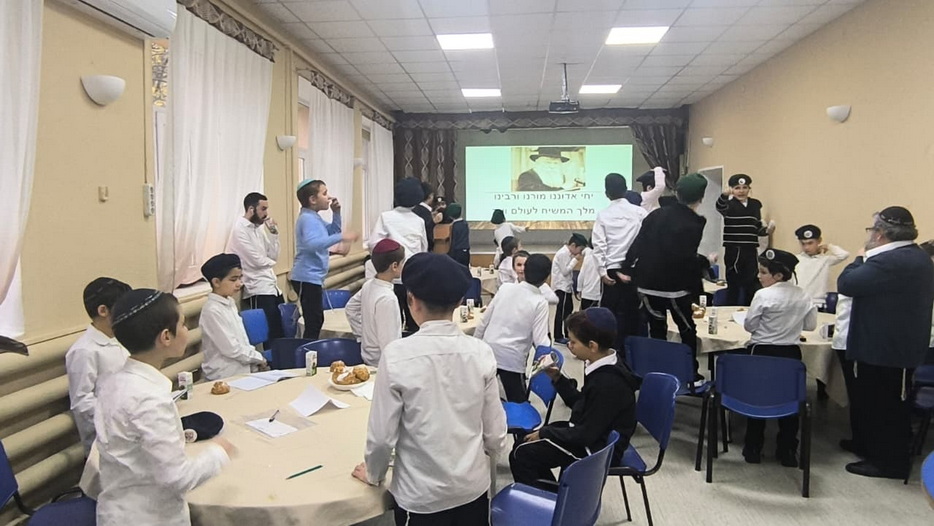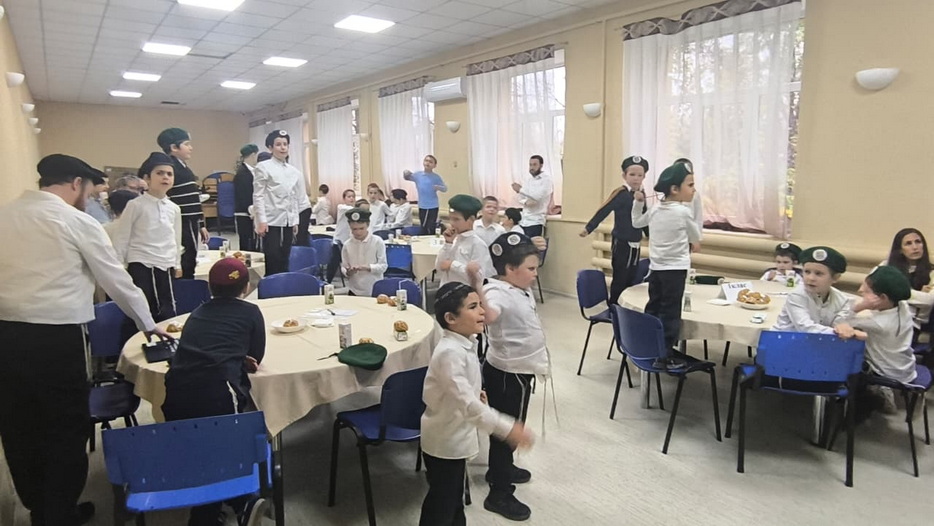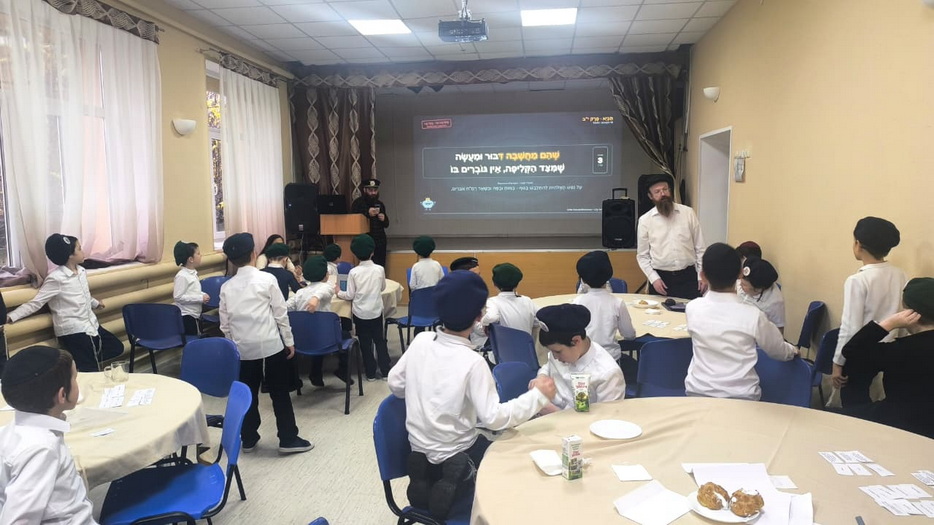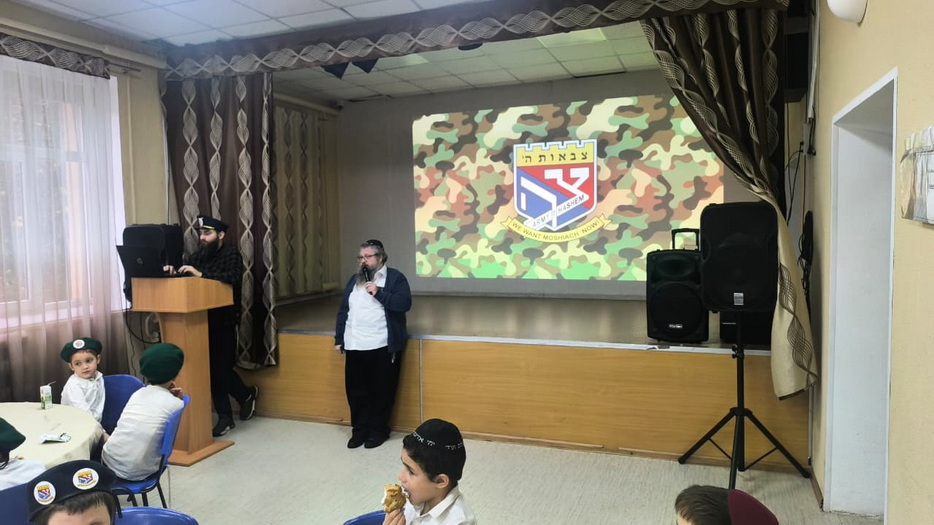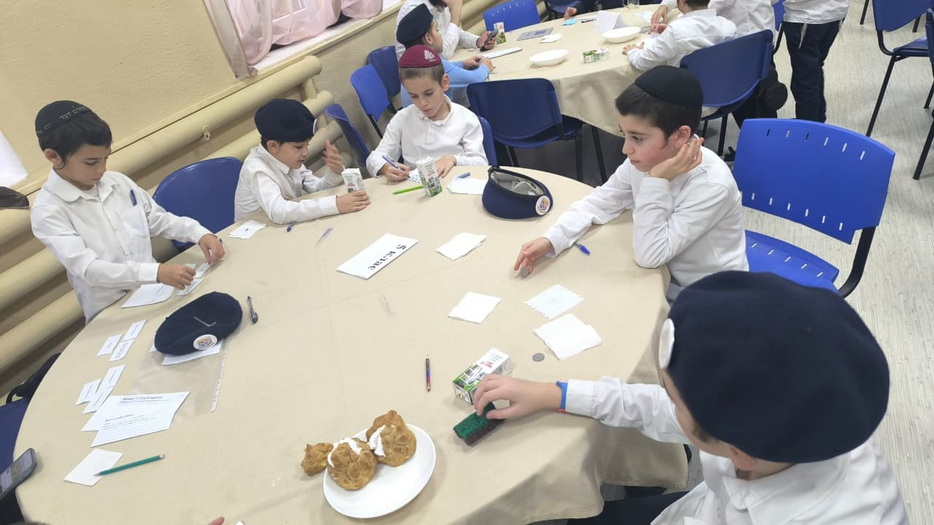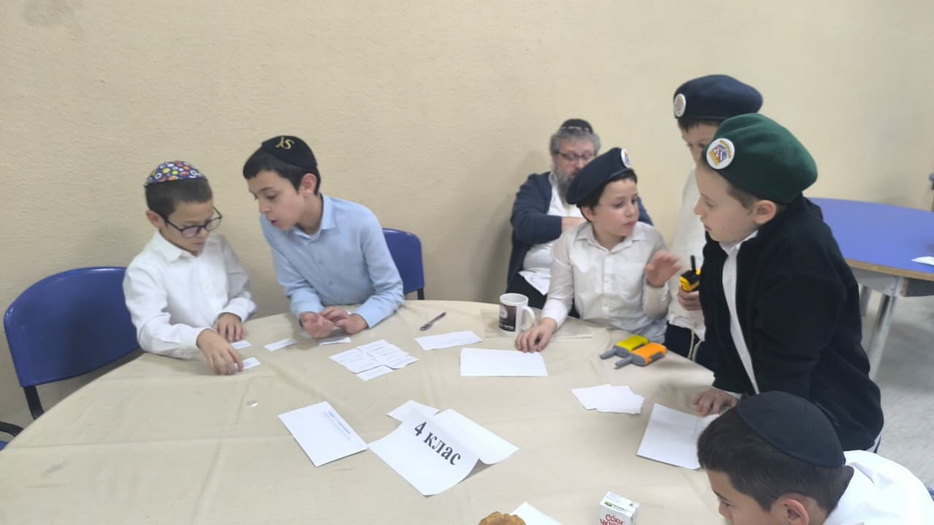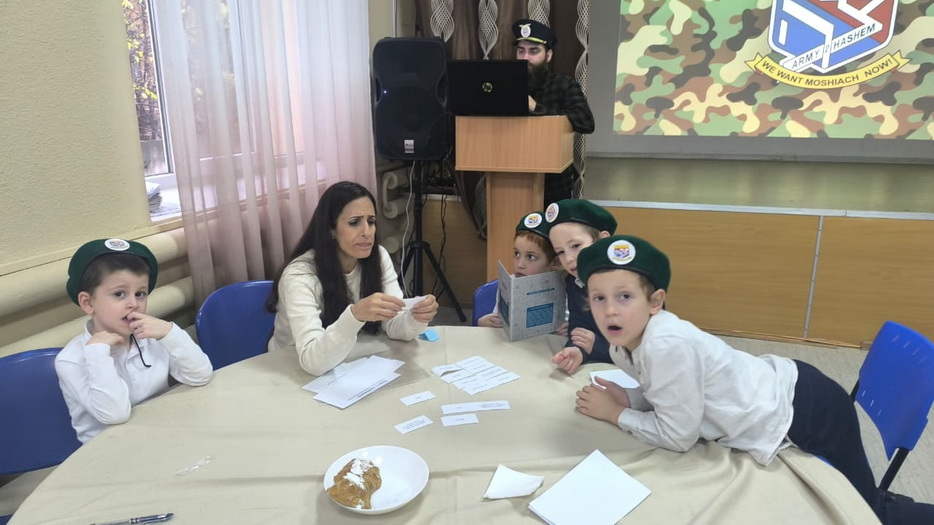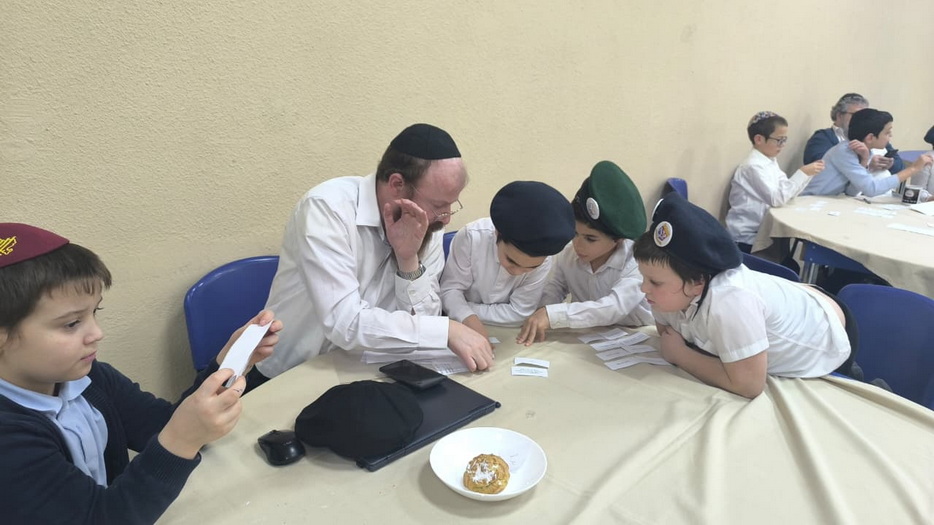




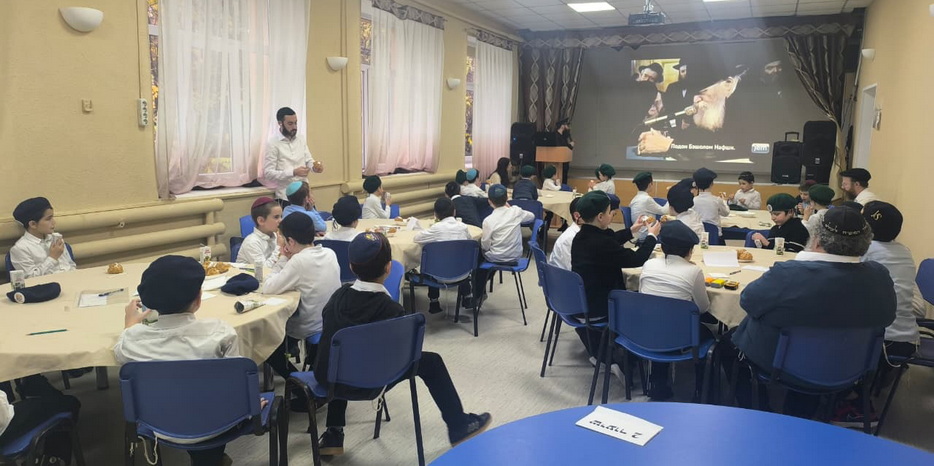
At the Yeshiva K’tana named after Rabbi Levi-Yitzchak Schneerson, the flagship educational institution of the Jewish community of Dnipro for boys, farbrengens were held dedicated to 9 and 10 Kislev – two special dates in the Chassidic calendar connected with the life of the Second Lubavitcher Rebbe, Rabbi Dov-Ber, also known as the Mitteler Rebbe.
The Mitteler Rebbe was the son and successor of the founder of the Chabad movement, the Alter Rebbe, Rabbi Schneur-Zalman of Liadi. 9 Kislev marks two dates in his biography at once – his birthday in 1773 and his yahrtzeit, the anniversary of his passing, in 1827. And on 10 Kislev, Chassidim mark the anniversary of his Release from Russian imprisonment, which took place in 1826 in Vitebsk, where Rabbi Dov-Ber was held under arrest following accusations brought against him by the Tsarist authorities. That day entered Chassidic tradition as the festival of the Mitteler Rebbe’s Release.
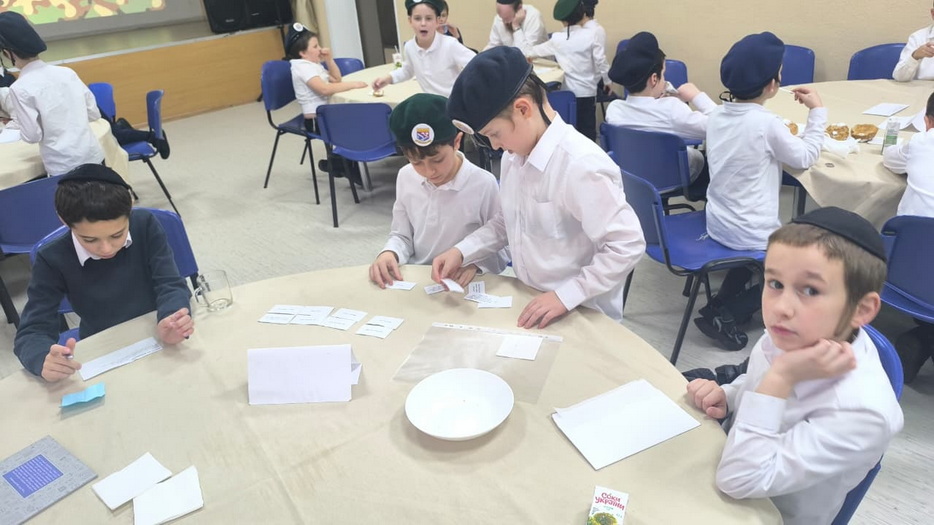
For the younger students of the Yeshiva K’tana, a large children’s farbrengen was held in the assembly hall. Rabbi Akiva Romanovsky told the boys about the history of 9 and 10 Kislev, about the life of the Mitteler Rebbe, and about the significance of these dates for the Jewish people. After the talk, the children took part in a themed game, “News of the Release,” which continued their introduction to the history of the festival.
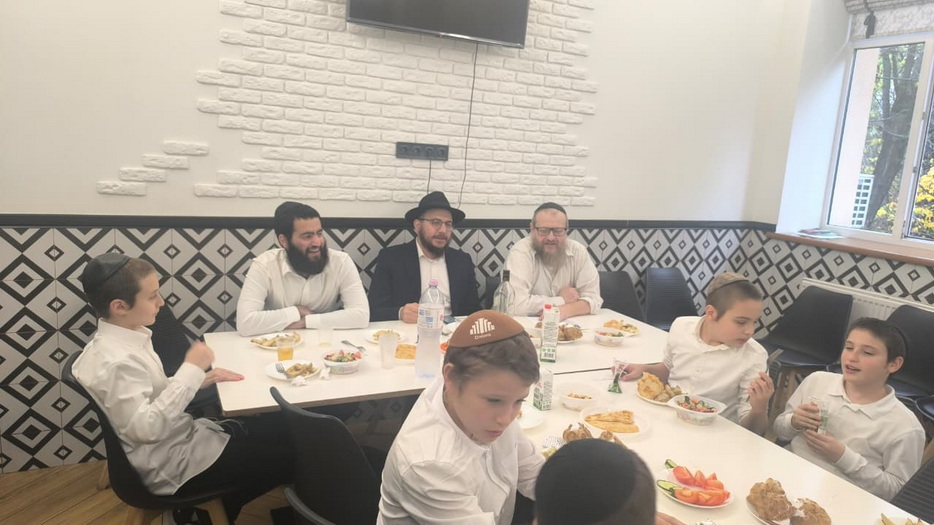
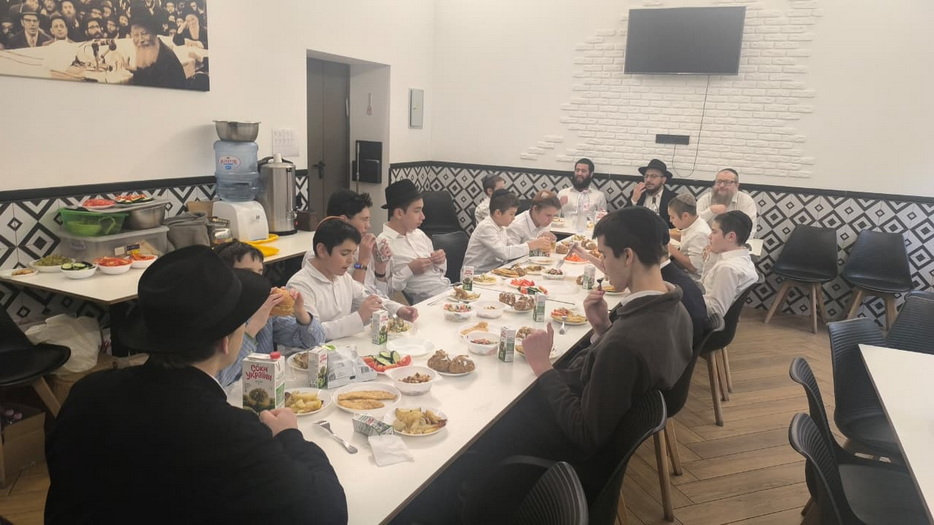
For the older students, a separate full-fledged farbrengen was held with Rabbi Yomtov Shufotinsky. The gathering took place in the traditional format of a Chassidic farbrengen, which makes it possible not only to turn to historical events but also to reflect on their significance for Jewish life and spiritual education.
“Familiarity with the history of the Lubavitcher Rebbes is an extremely important part of our students’ education, for behind every memorial date stand events that help us better understand Chassidus and the traditions of our people,” noted Rabbanit Chana Segal, director of the Yeshiva K’tana. “We strive for the boys not merely to memorize dates and names, but also to feel their connection to this history, and such work becomes possible thanks to the constant care and support of the united and cohesive Jewish community of Dnipro under the leadership of Chief Rabbi Shmuel Kaminezki.”