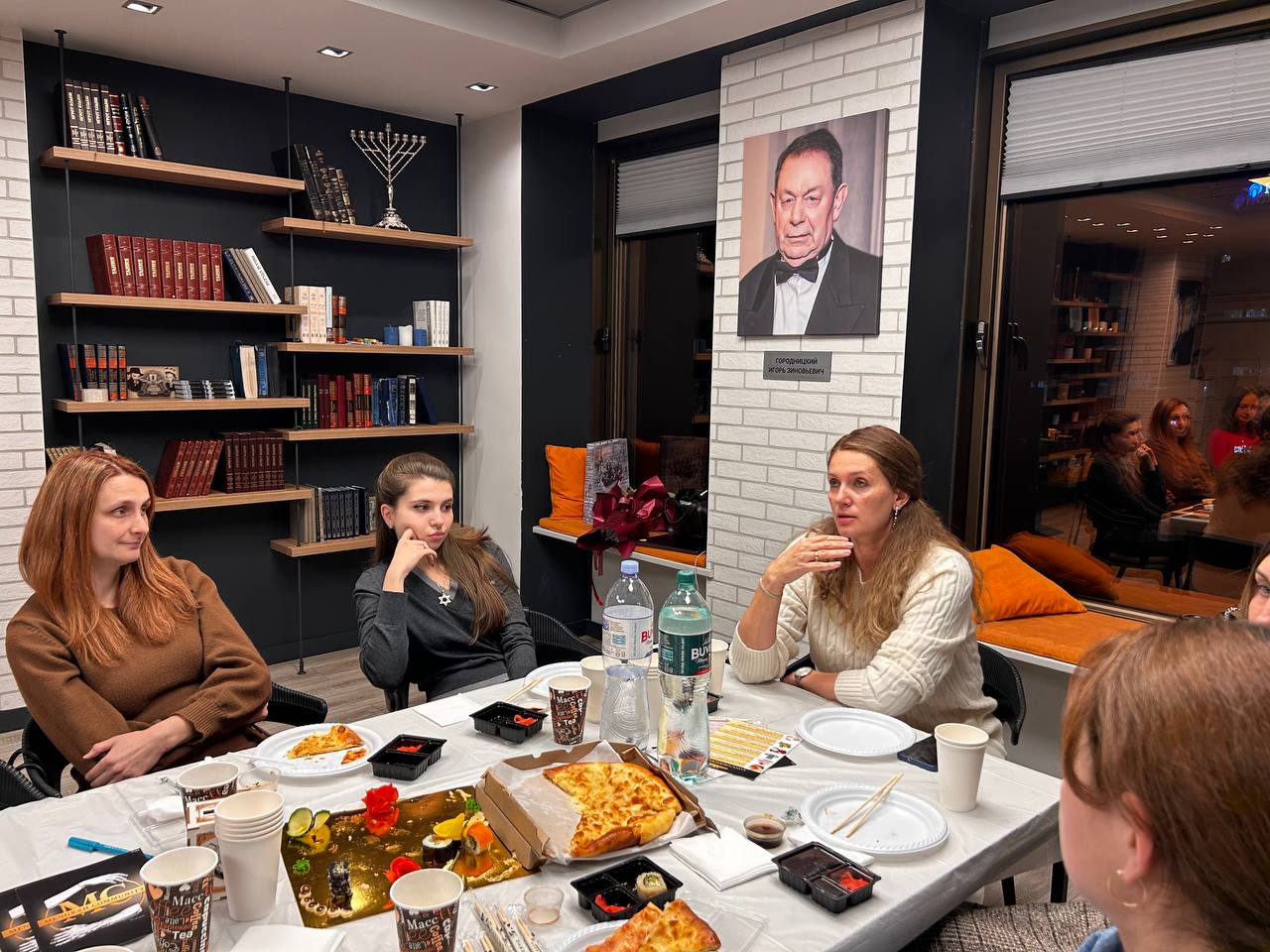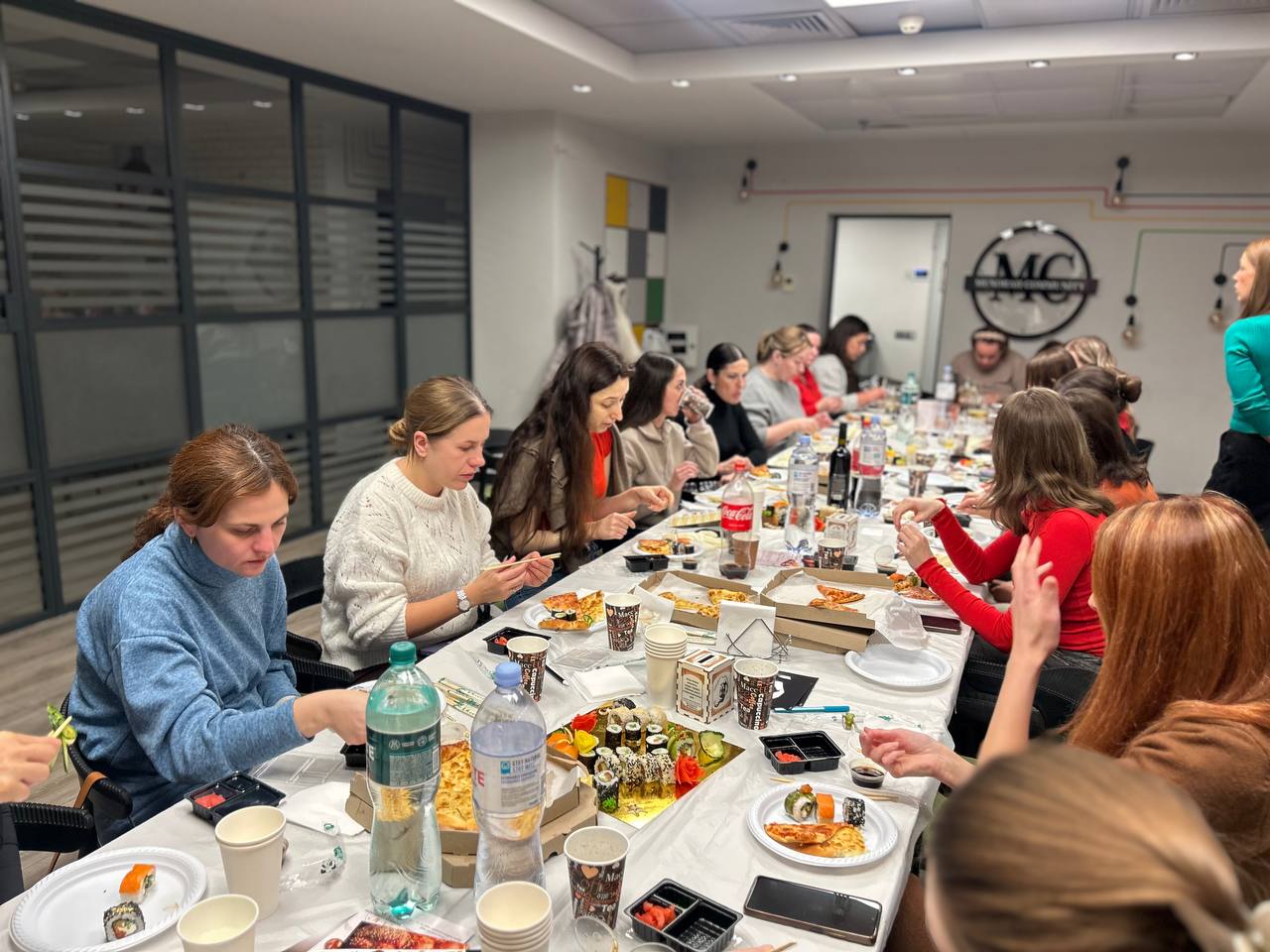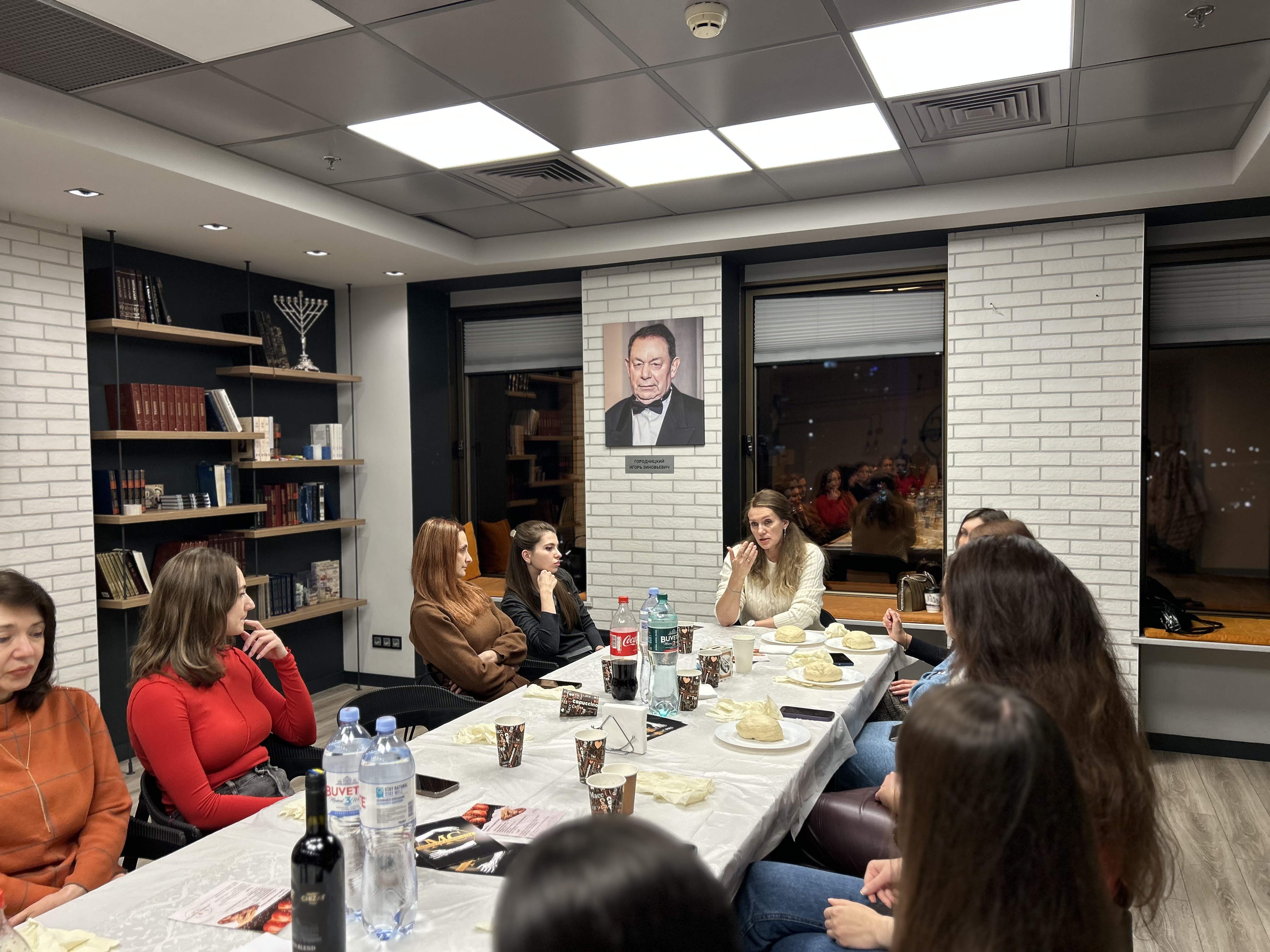





The “Menorah Community” youth project—part of the Jewish Community of Dnipro and flourishing thanks to the efforts of the Zislin family—recently hosted a Torah class for women. The session focused on the history of the Chabad Hasidic movement, its spiritual legacy, and the special significance of the month of Kislev within the Hasidic tradition.
Titled “Chabad: A History We Have Become Part Of,” the class was led by Rachel Pinkus. Participants explored the movement’s origins and its founder—the first Chabad Rebbe—and examined why the 19th of Kislev is celebrated as the “New Year of Hasidism,” as well as what this date signifies for anyone who identifies with the Hasidic tradition today.
Special attention was given to the founder of Chabad, Rabbi Schneur Zalman of Liadi—known as the Alter Rebbe—who developed a unique system of Hasidic thought rooted in a profound understanding of Divine wisdom and a conscious, intentional service to the Almighty. The participants learned about the history of the movement and its spiritual leaders, tracing how Chabad’s teachings have been passed down through generations and why they continue to exert a profound influence on Jewish life worldwide.
A key topic of the discussion was the significance of the 19th of Kislev—the day the Alter Rebbe was released from imprisonment in 1798—which is regarded in the Hasidic tradition as a pivotal milestone in the dissemination of Hasidic philosophy. The participants discussed why this date is known as the “New Year of Hasidism” and explored how the ideas revealed and developed by successive generations of Lubavitcher Rebbes help people today gain a deeper understanding of the Torah, recognize their own unique purpose, and fulfill the will of the Almighty.
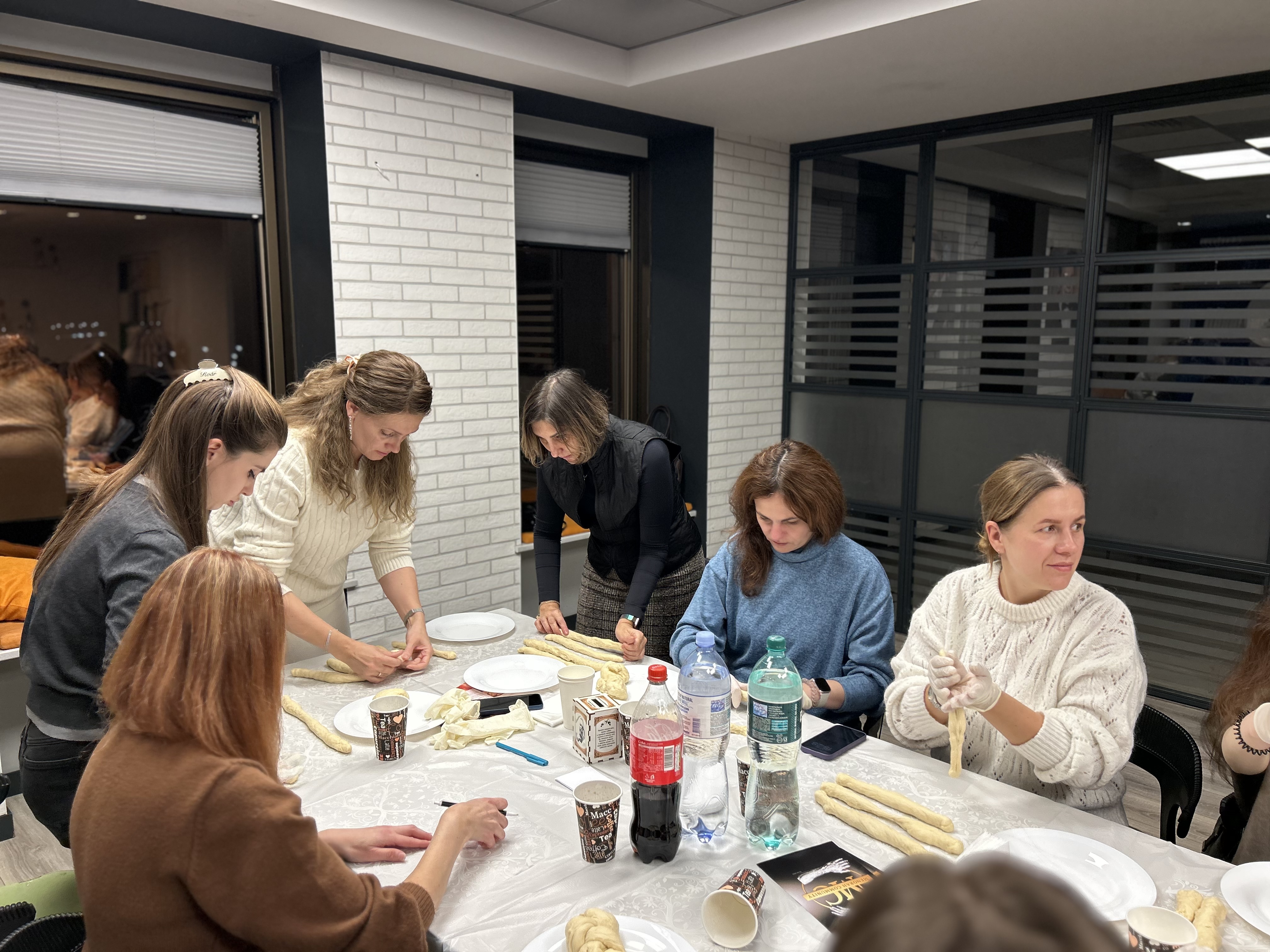
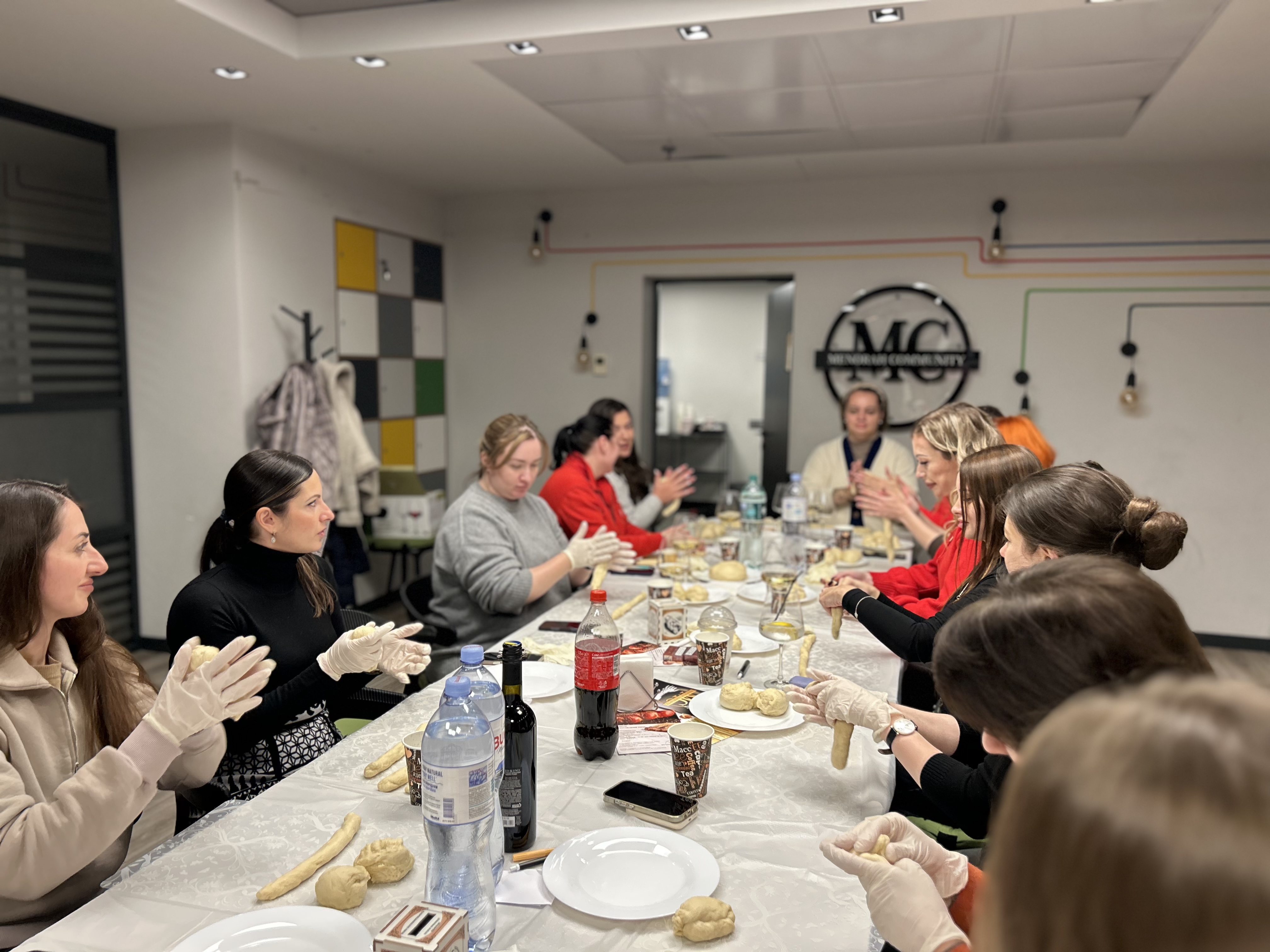
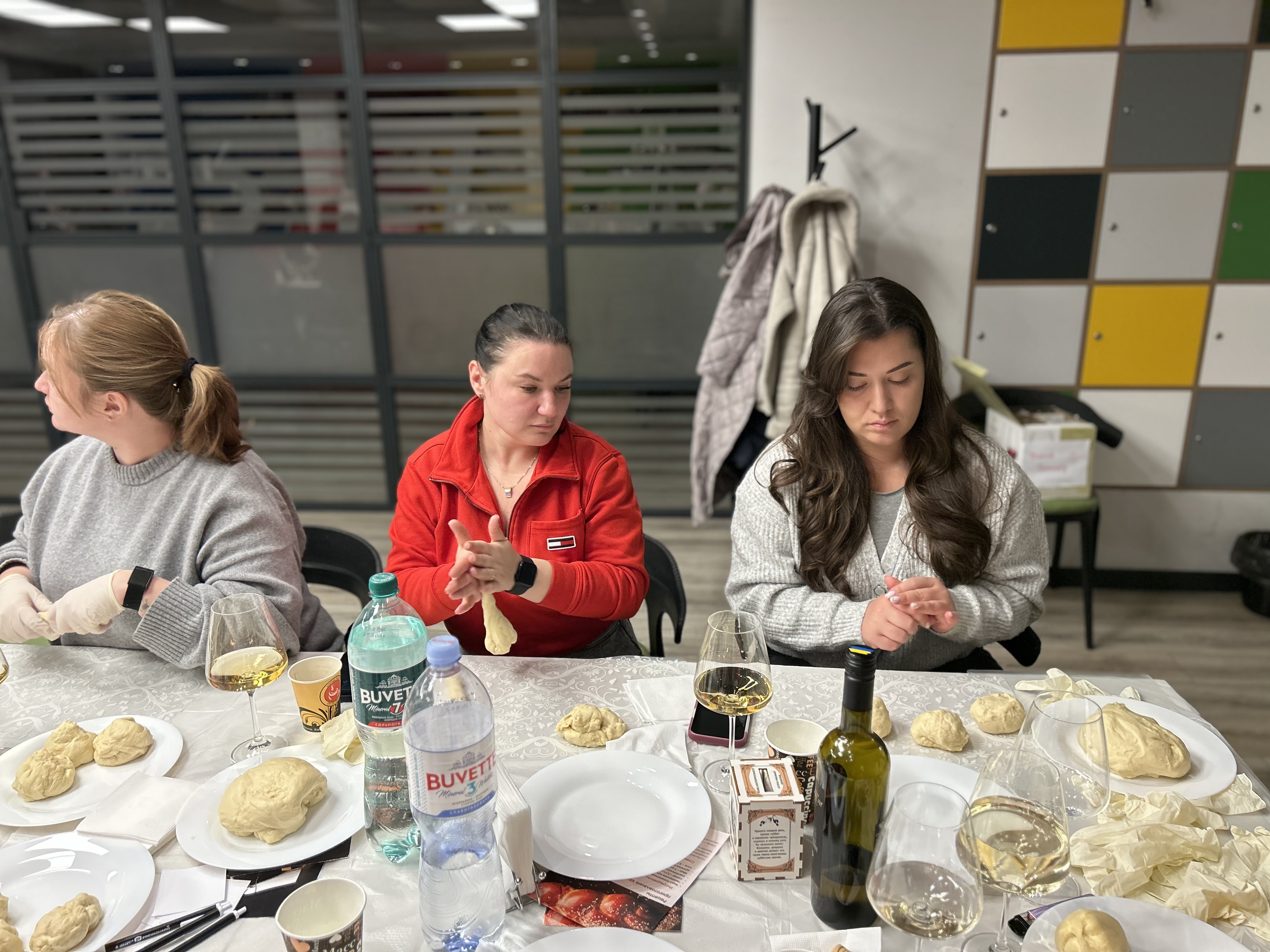
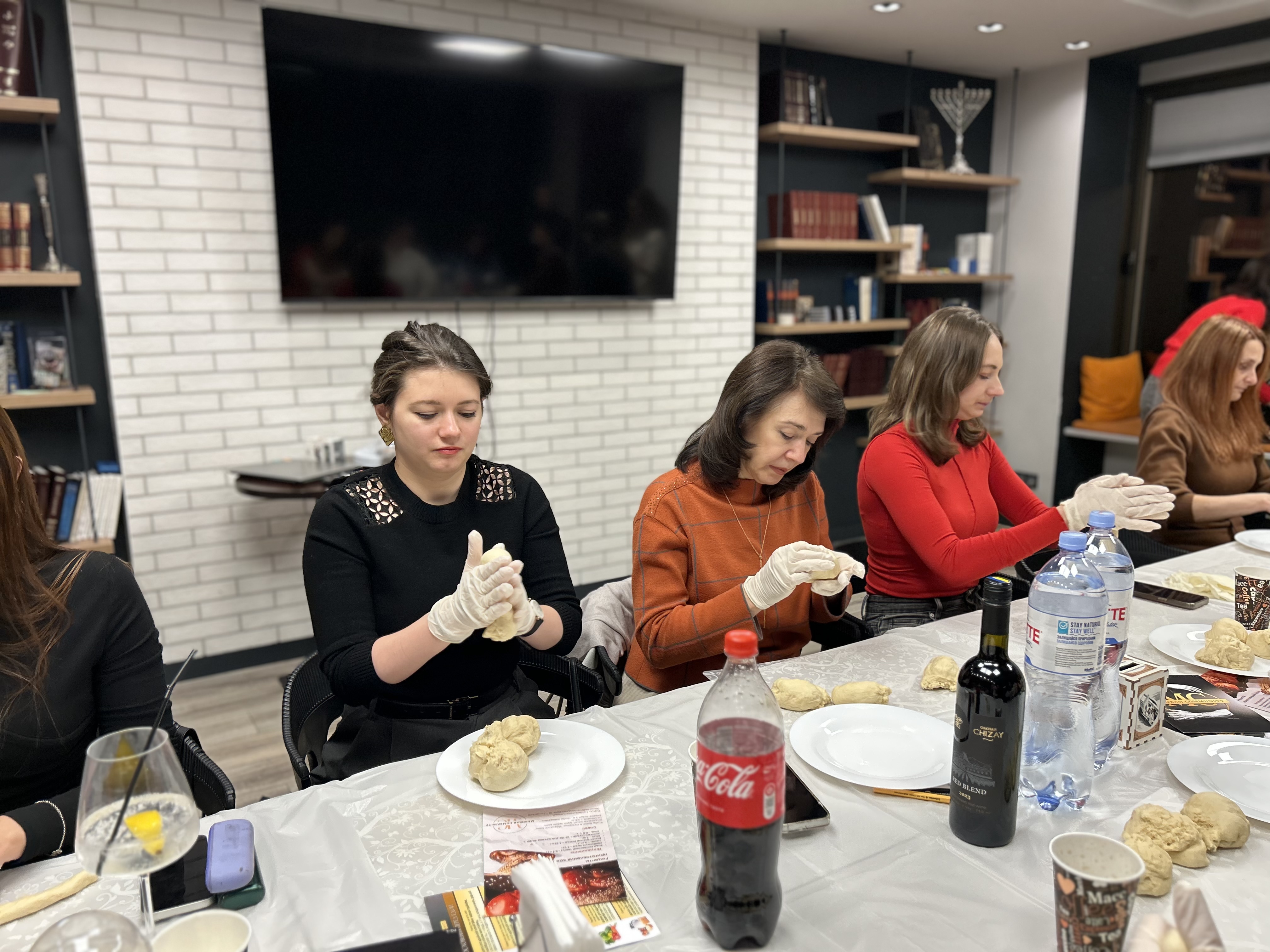
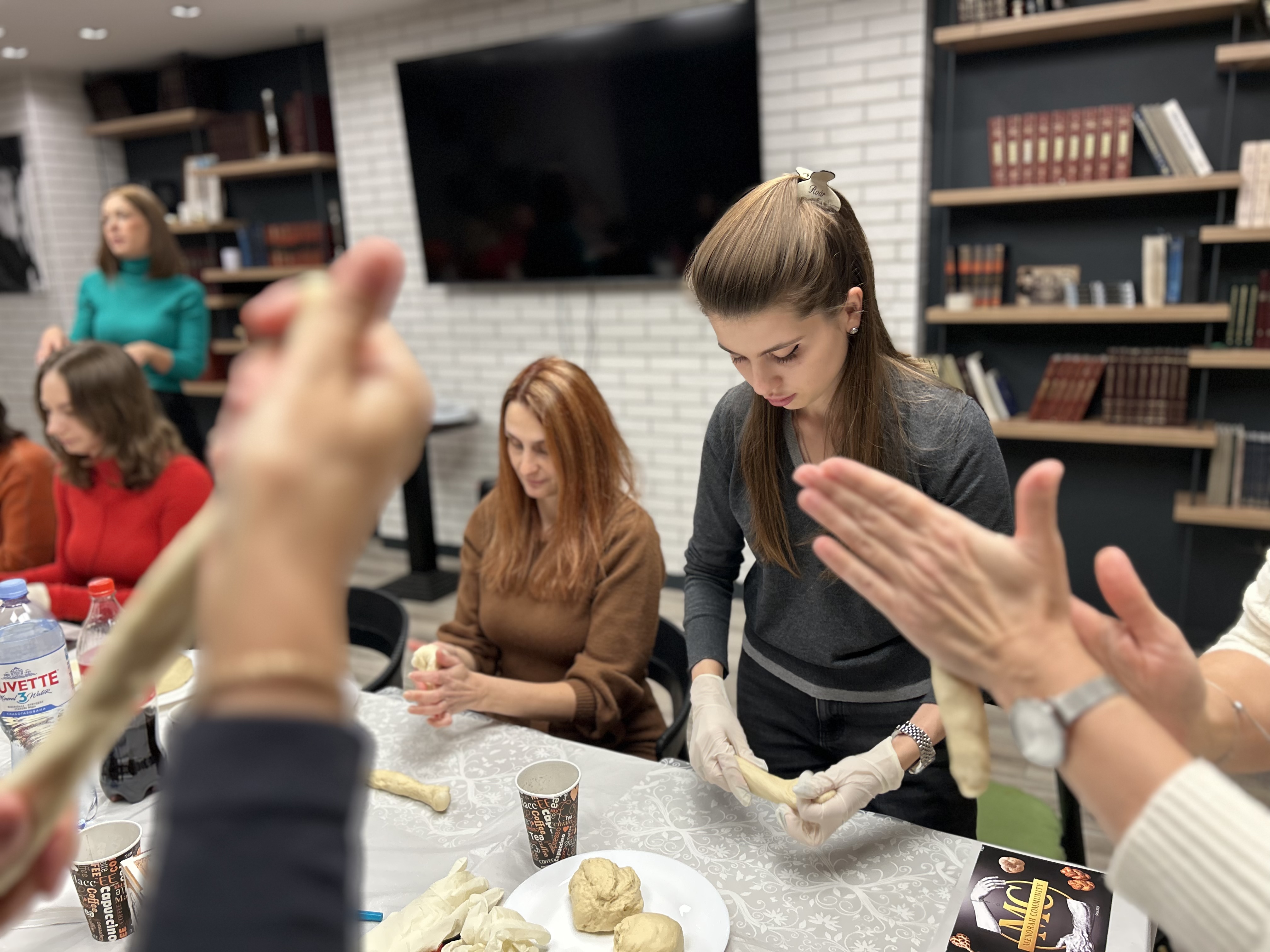
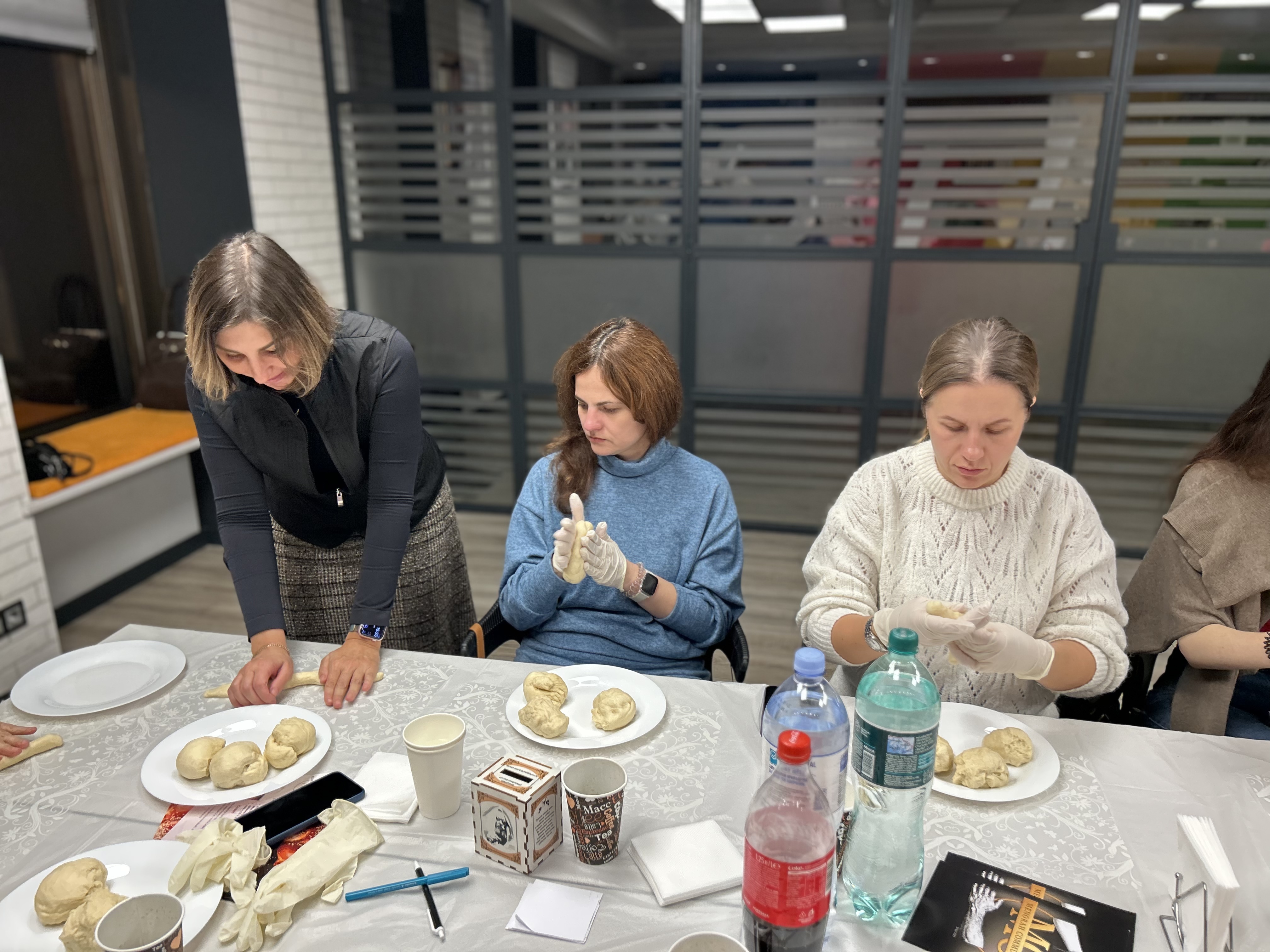
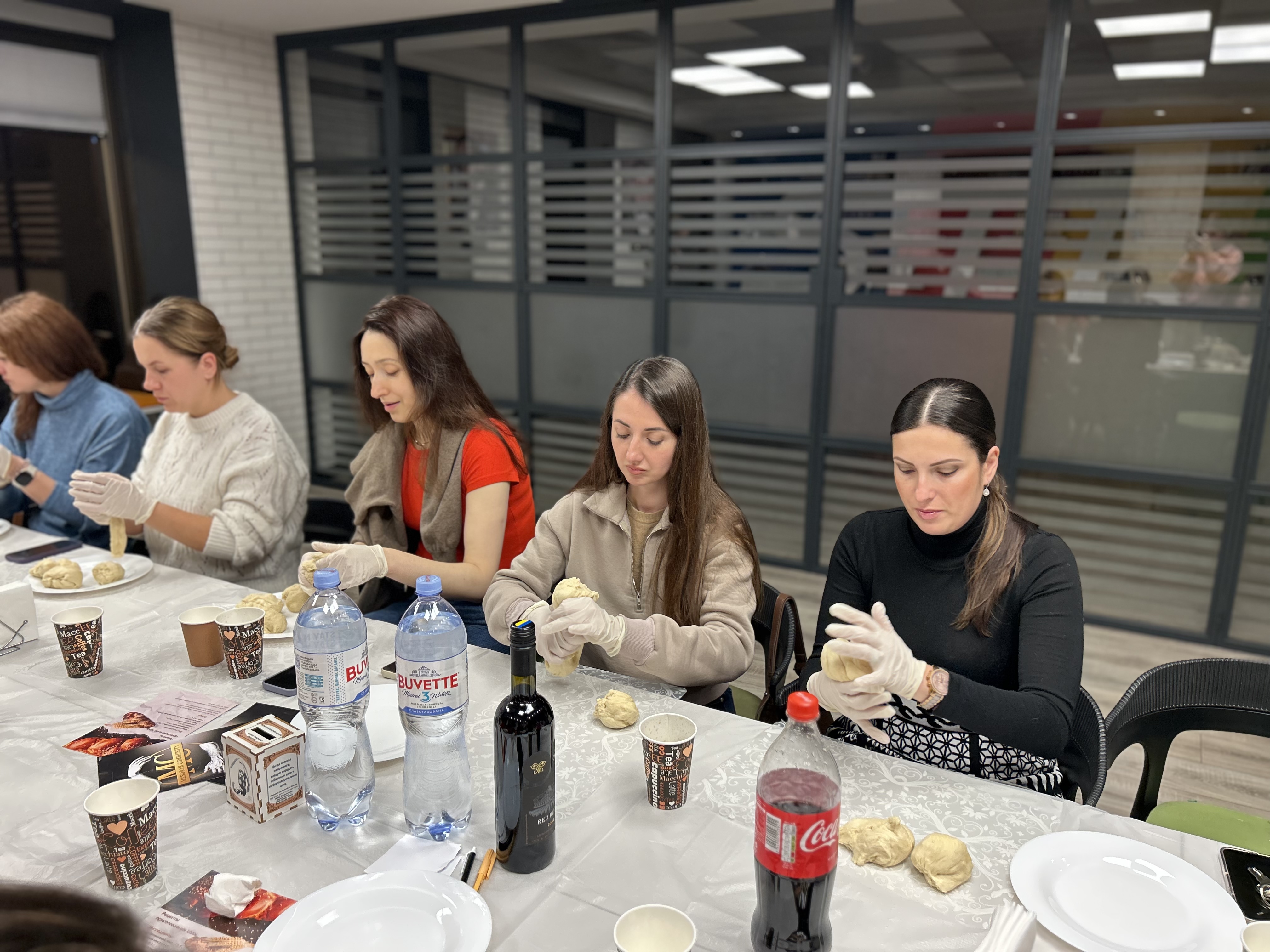
The educational portion of the gathering was complemented by a masterclass on baking traditional Jewish challah. The participants not only learned the nuances of preparing the dough and braiding the loaves, but also performed the *mitzvah* (commandment) of *hafrashat challah*—separating a portion of the dough—which holds special significance for every Jewish woman. In this way, the exploration of Chabad’s history and teachings found a practical expression through the fulfillment of a key Jewish commandment for women, one that bridges the gap between daily life and spiritual service.
“It is especially important to us that the young women who attend our Torah classes and participate in our project’s activities understand the great spiritual tradition they are becoming a part of,” noted Esti Zislina, co-director of the ‘Menorah Community’ project. “The history of Chabad, the legacy of our Rebbes, and the profound significance of the 19th of Kislev reveal that Hasidism is not merely a relic of the past; rather, it serves as a guide for daily service to the Almighty, the study of Torah, and the observance of mitzvot. When the knowledge gained is translated into practical mitzvot—as was the case with the separation of the challah—the connection to Jewish tradition becomes even deeper. We extend our heartfelt gratitude to the unified and cohesive Jewish Community of Dnipro, under the leadership of Chief Rabbi Shmuel Kaminezki, for the opportunity to introduce young women to this invaluable heritage and to spread the light of Hasidism.”