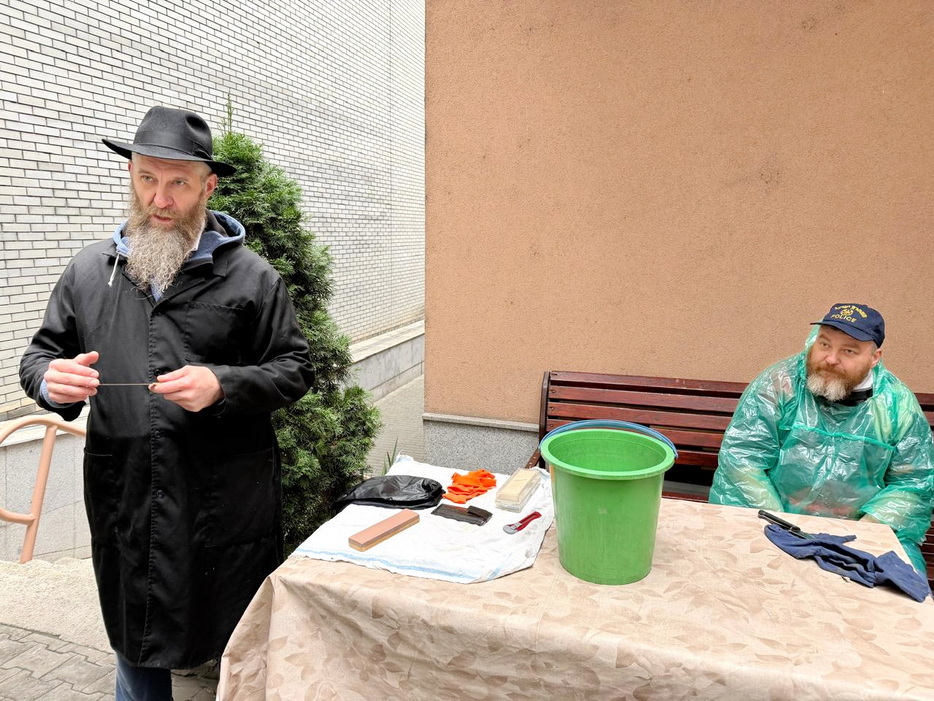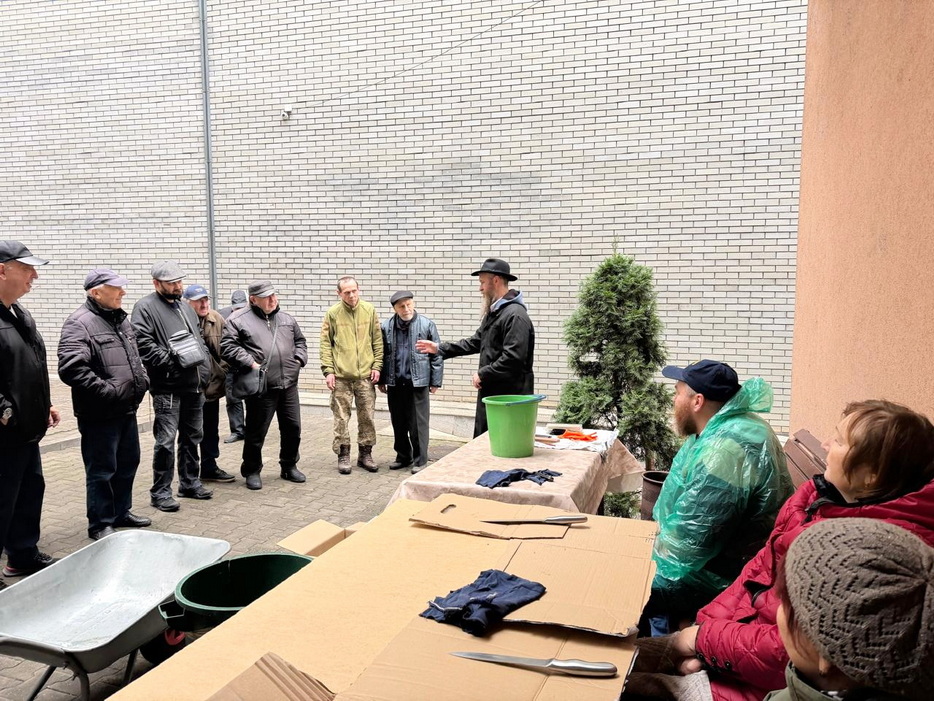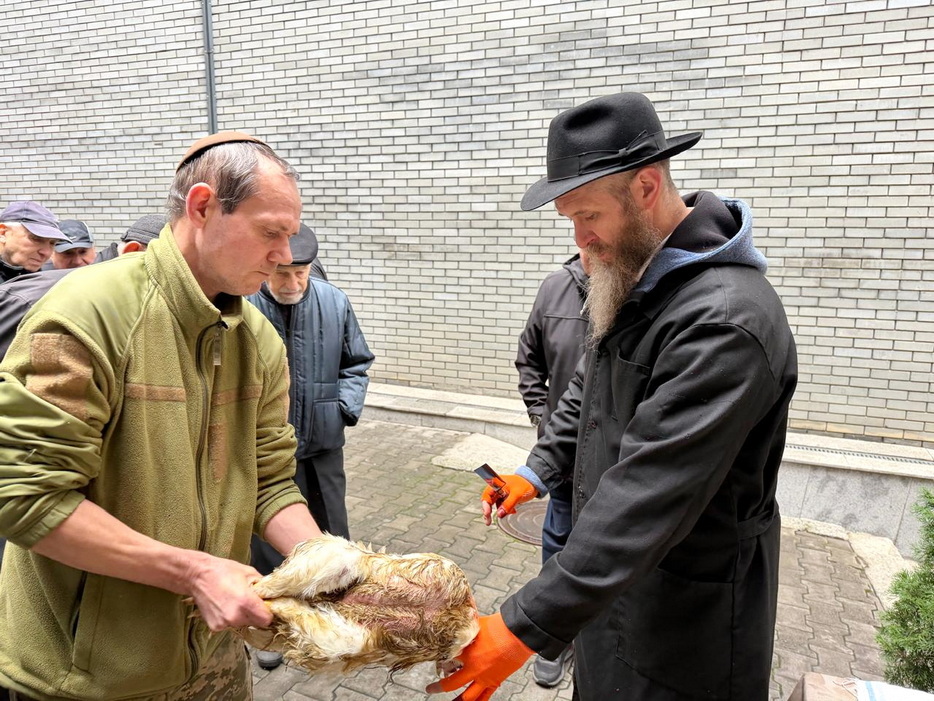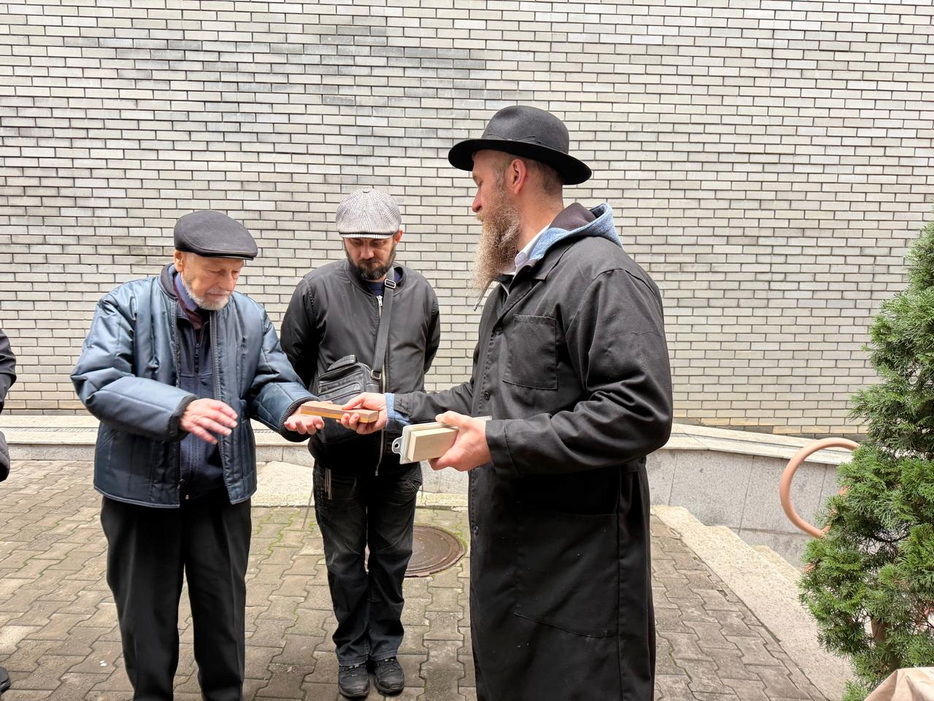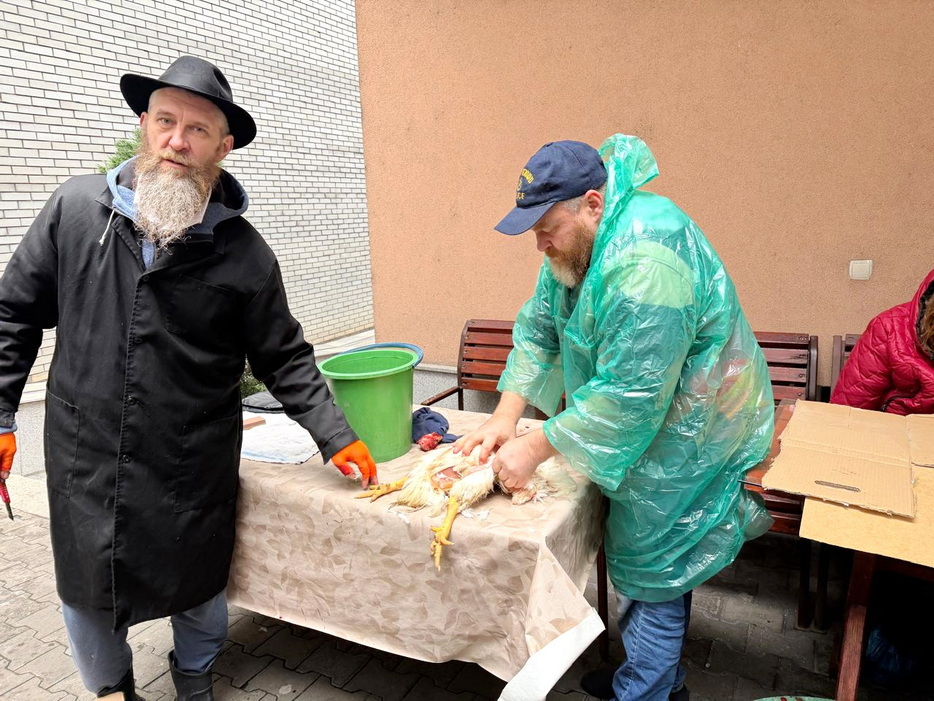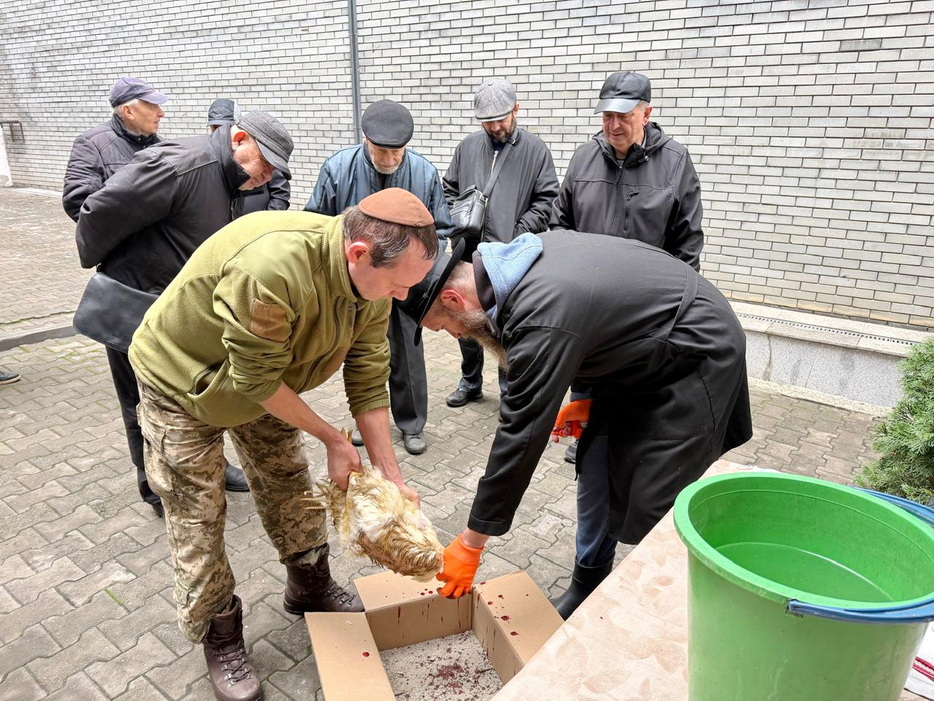




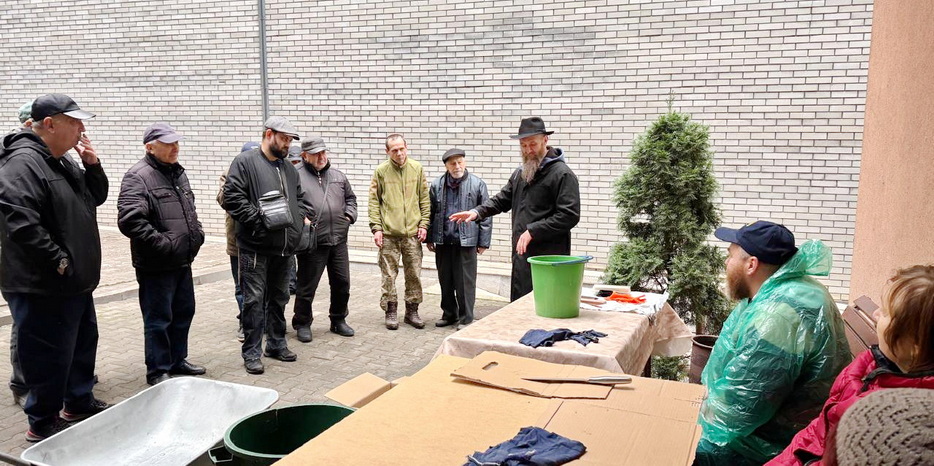
At the historic “Alter Shul” Synagogue, one of the synagogues of the Jewish Community of Dnipro, in whose building operates the “Good Future” rehabilitation center for people with difficult fates who require special attention, socialization, psychological and spiritual support, and adaptation, an unusual practical lesson on kashrus took place. Rabbi Adam Smilyansky visually demonstrated to the congregants of the synagogue and the wards of the center how shechitah is performed – the ritual slaughter of poultry in accordance with the laws of Jewish tradition – and which inspections are necessary for the meat to be considered kosher.
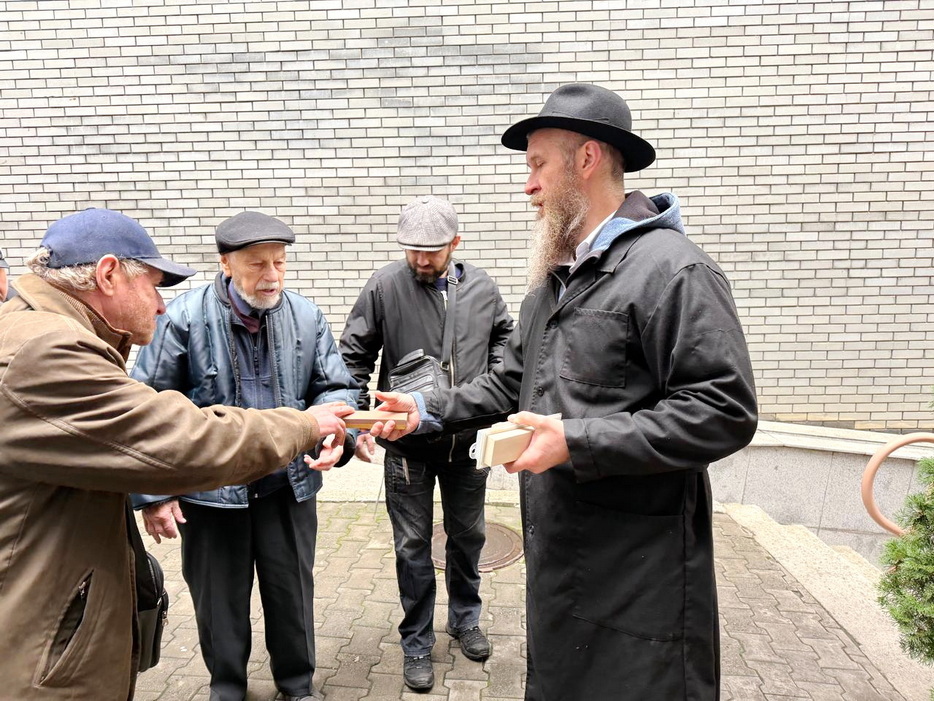
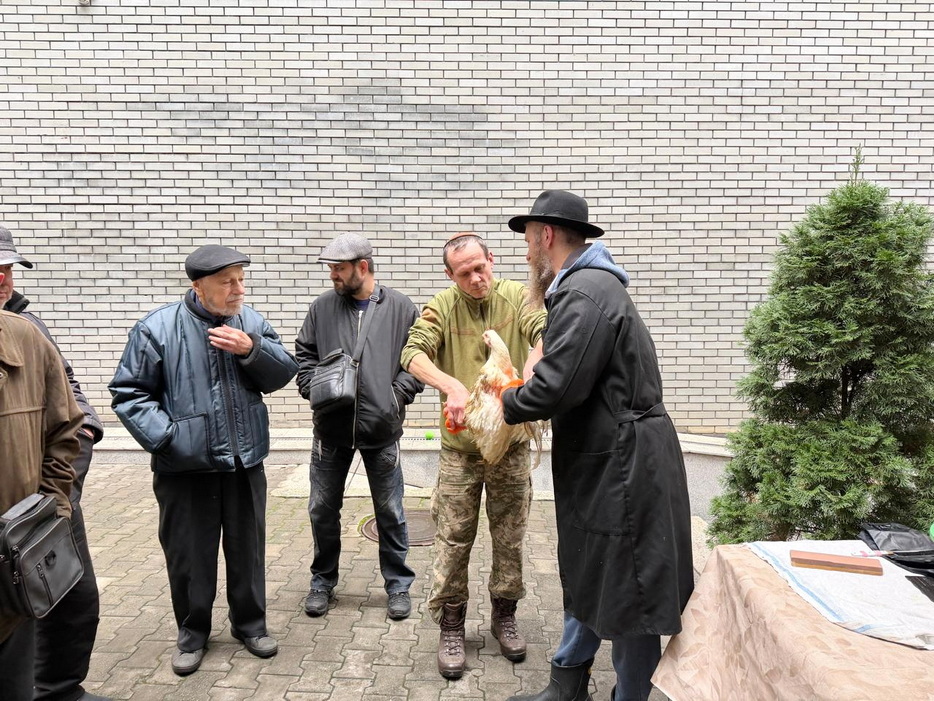
For the lesson, several chickens were prepared, on whose example the participants were able to become acquainted with the main stages of this process. First of all, Rabbi Adam Smilyansky showed the special knife for shechitah and explained why its blade must be perfectly sharp and smooth, without the slightest nicks. The participants also saw the special sharpening stones with the help of which such a knife is prepared, and then were able to observe the process of shechitah itself.
The next part of the lesson was dedicated to the inspection of the poultry after slaughter. The Rabbi explained why it is not enough to perform the shechitah correctly, for it is also necessary to make sure there are no injuries or signs of disease that could render the meat non-kosher. The participants saw how the internal organs of the poultry are examined, in particular the lungs, as well as how the integrity of the tendons on the legs is checked. It was shown which injuries could become grounds for declaring the poultry non-kosher.
Separately, Rabbi Adam Smilyansky spoke about the subsequent stages of preparing kosher meat, in particular soaking and salting, necessary for the removal of blood. These procedures require a certain amount of time, so at the lesson they were explained orally, with the focus on the practical demonstration of shechitah and the subsequent inspections.
“We often hear the word ‘kosher,’ but far from always do we imagine how much knowledge, labor, and attention to the smallest details stand behind it, for it was important to us not merely to tell about the laws of kashrus but to give people the opportunity to see with their own eyes how they are fulfilled in practice,” noted Rabbi Adam Smilyansky. “Such lessons help our congregants and the wards of the center understand Jewish traditions more deeply, become aware that the observance of mitzvos concerns the most ordinary aspects of everyday life, and strengthen their connection to Judaism thanks to the constant care and support of the united and cohesive Jewish Community of Dnipro under the leadership of Chief Rabbi Shmuel Kaminezki.”