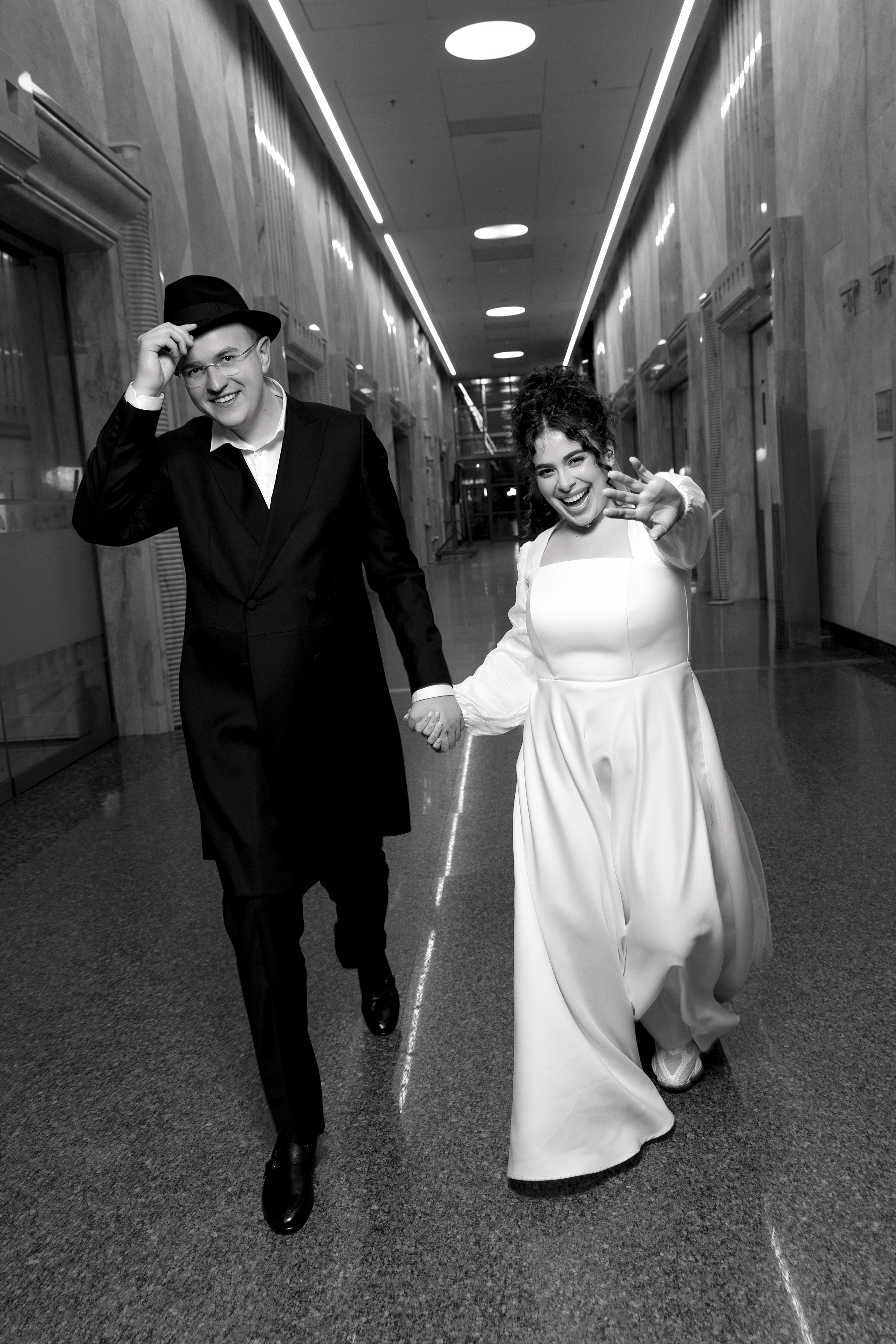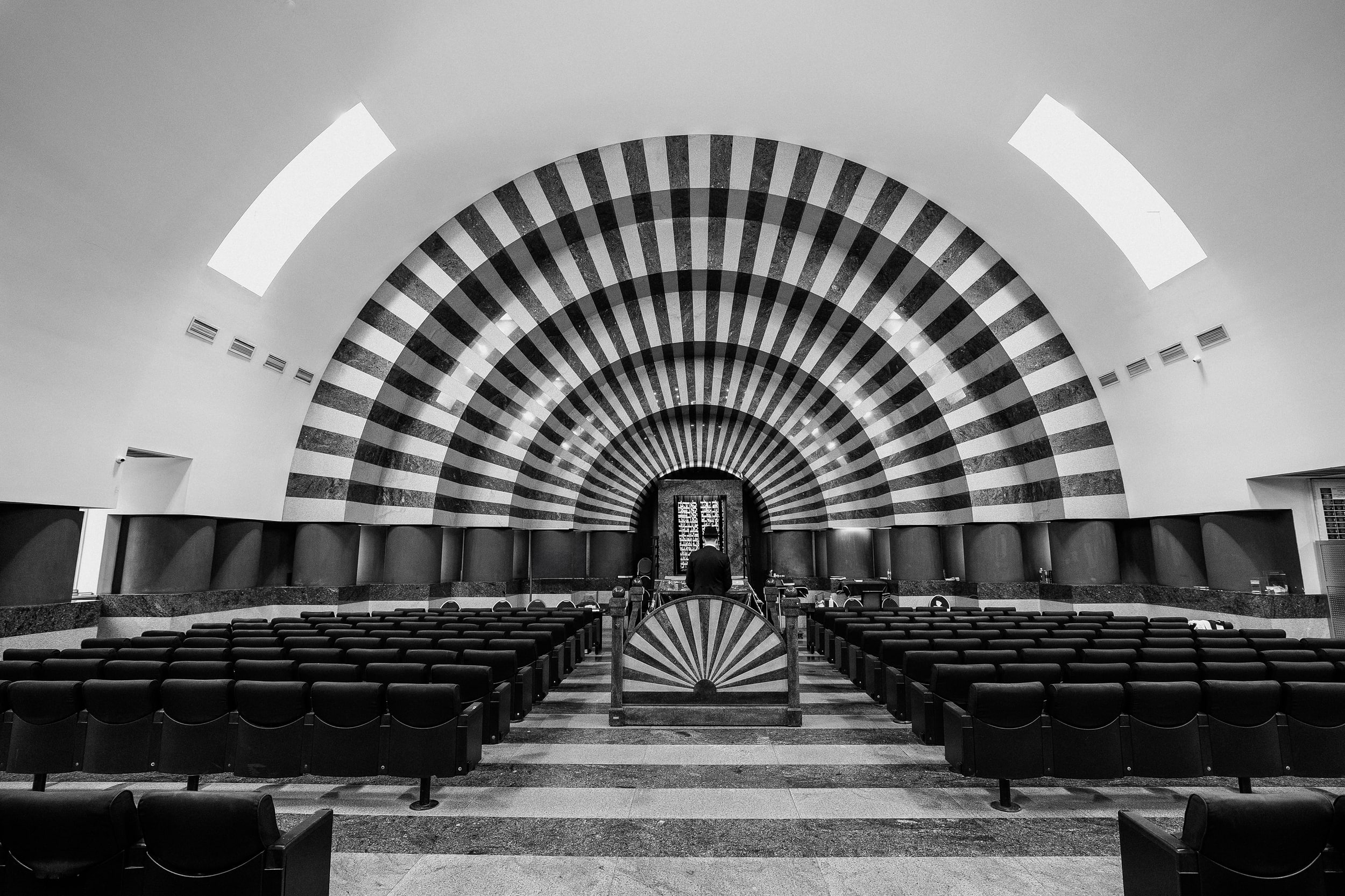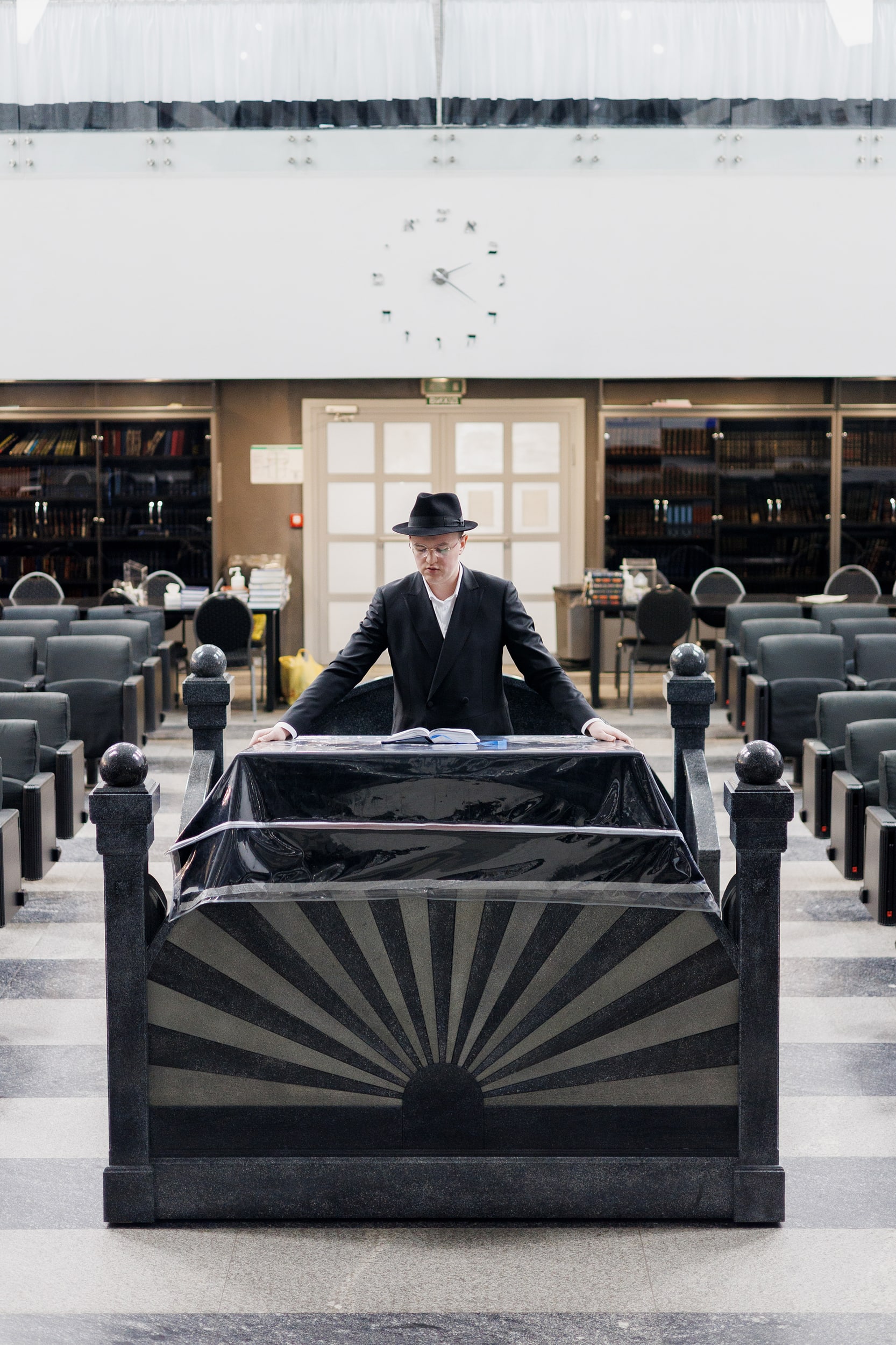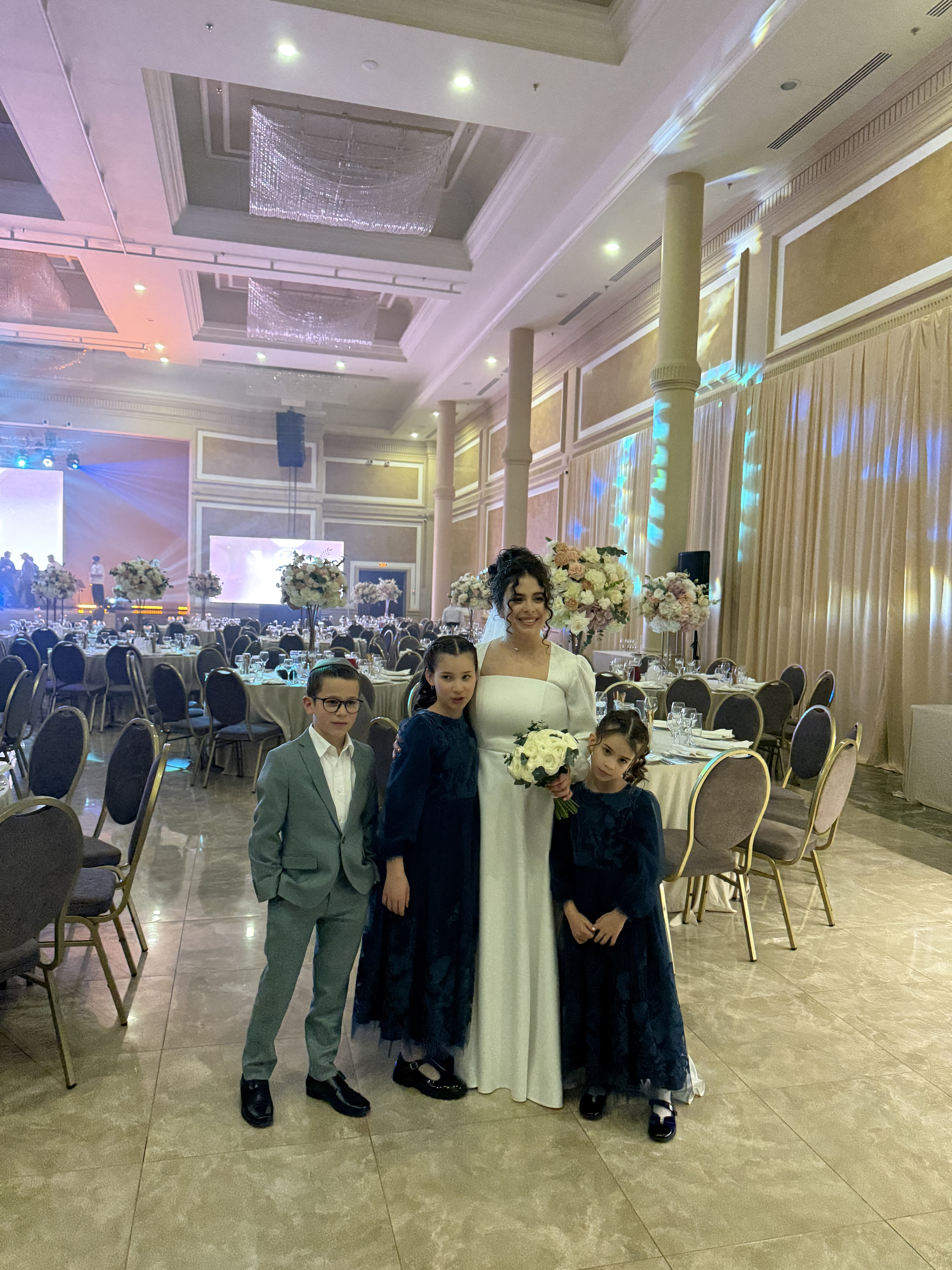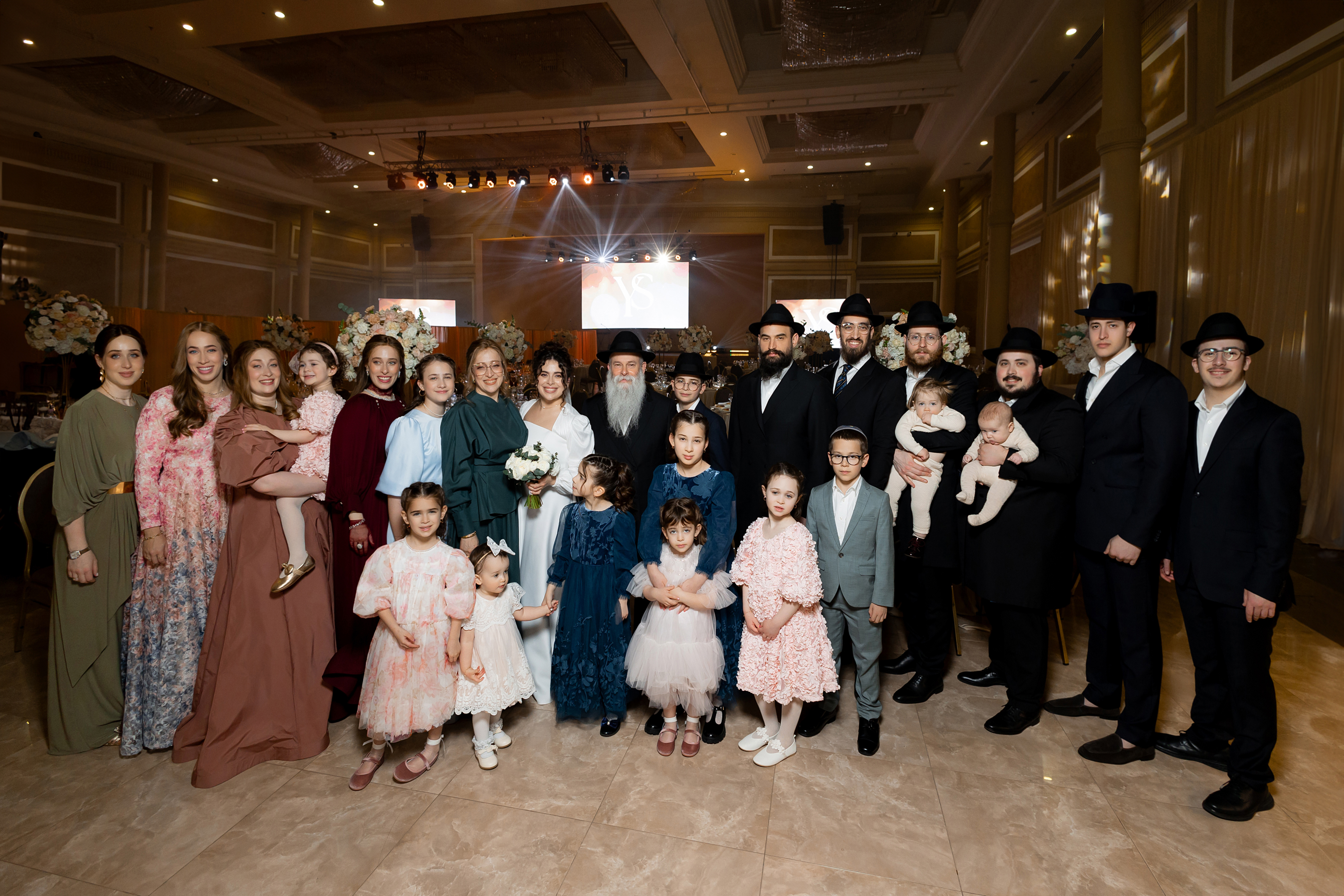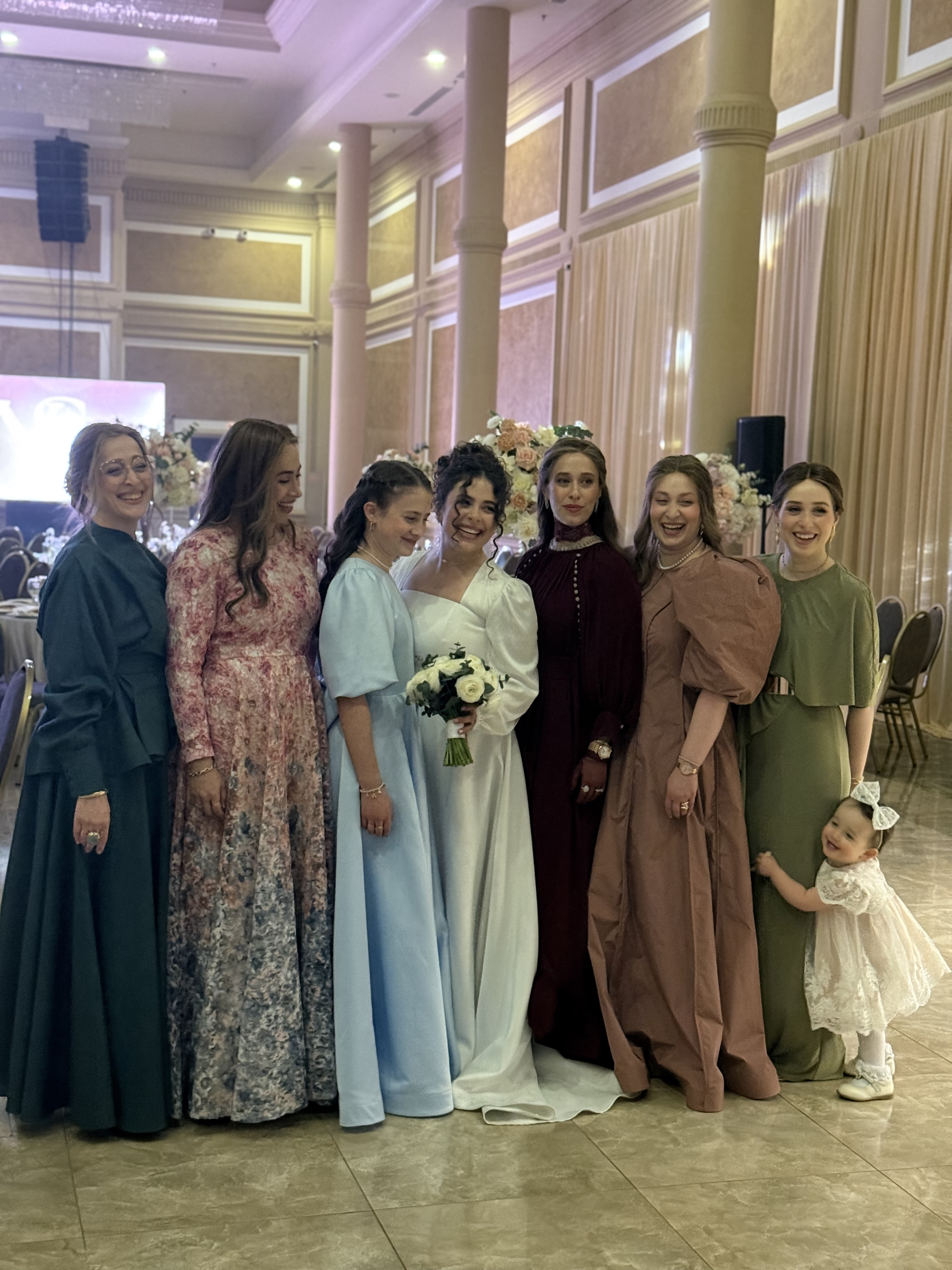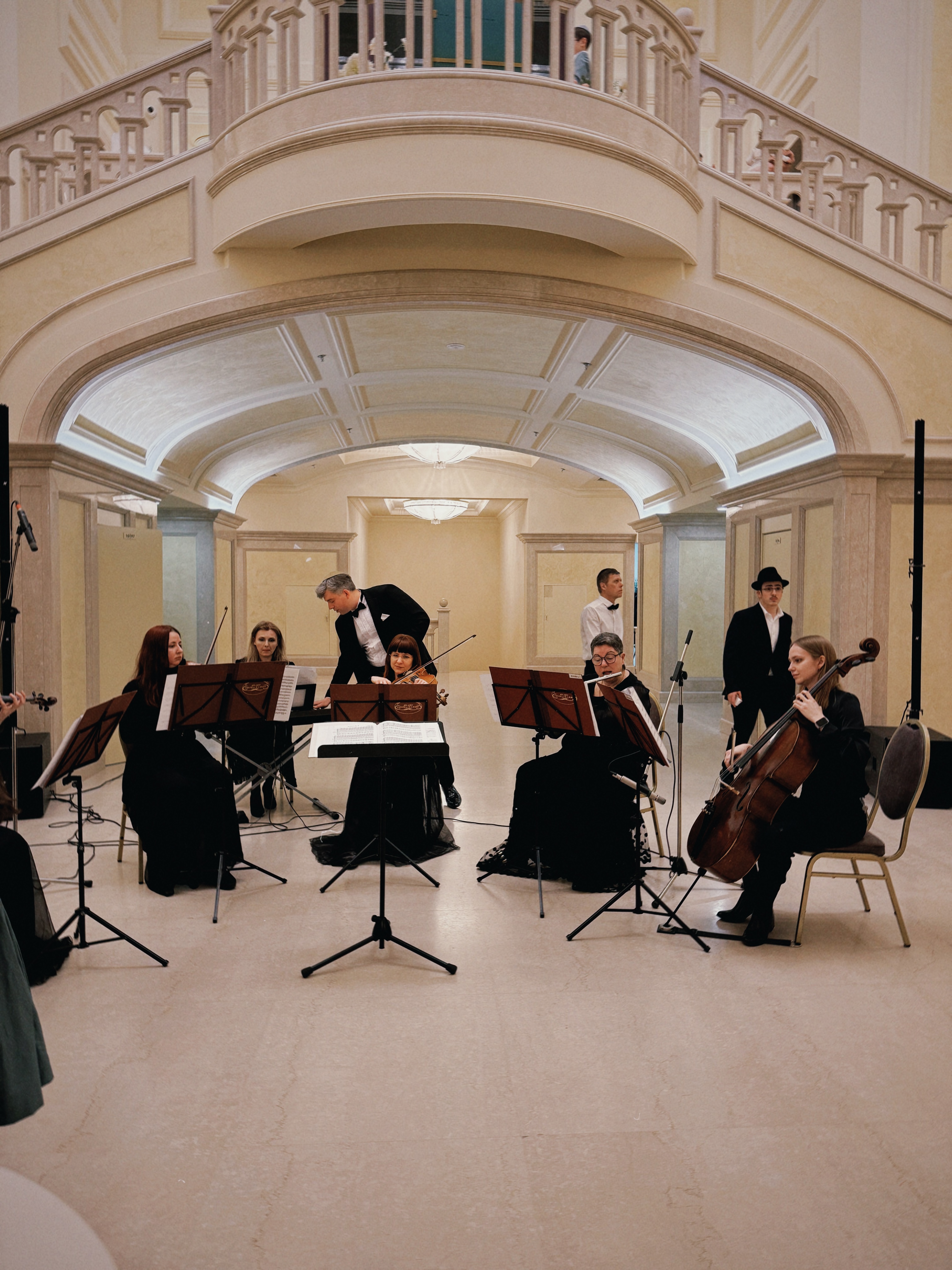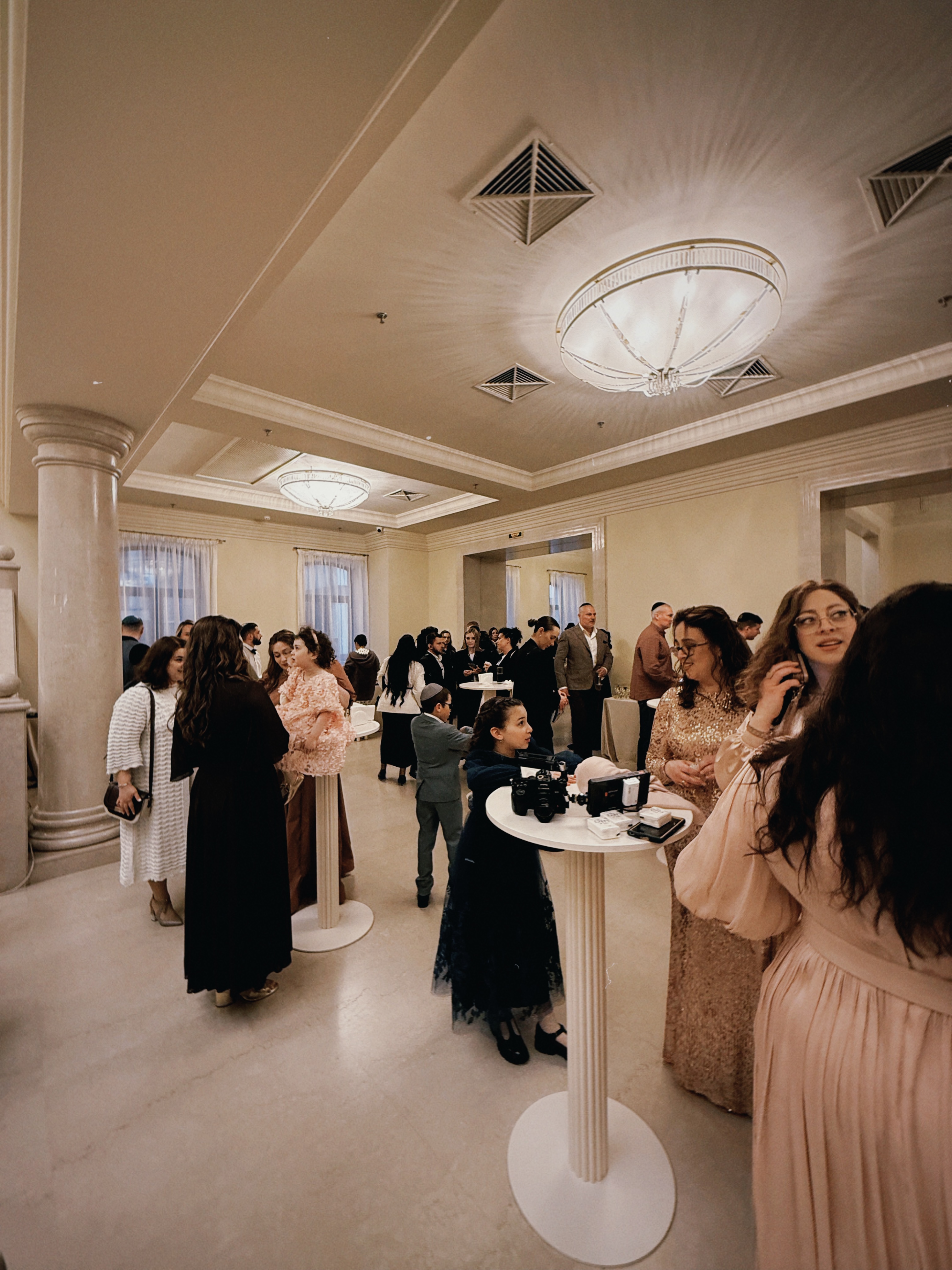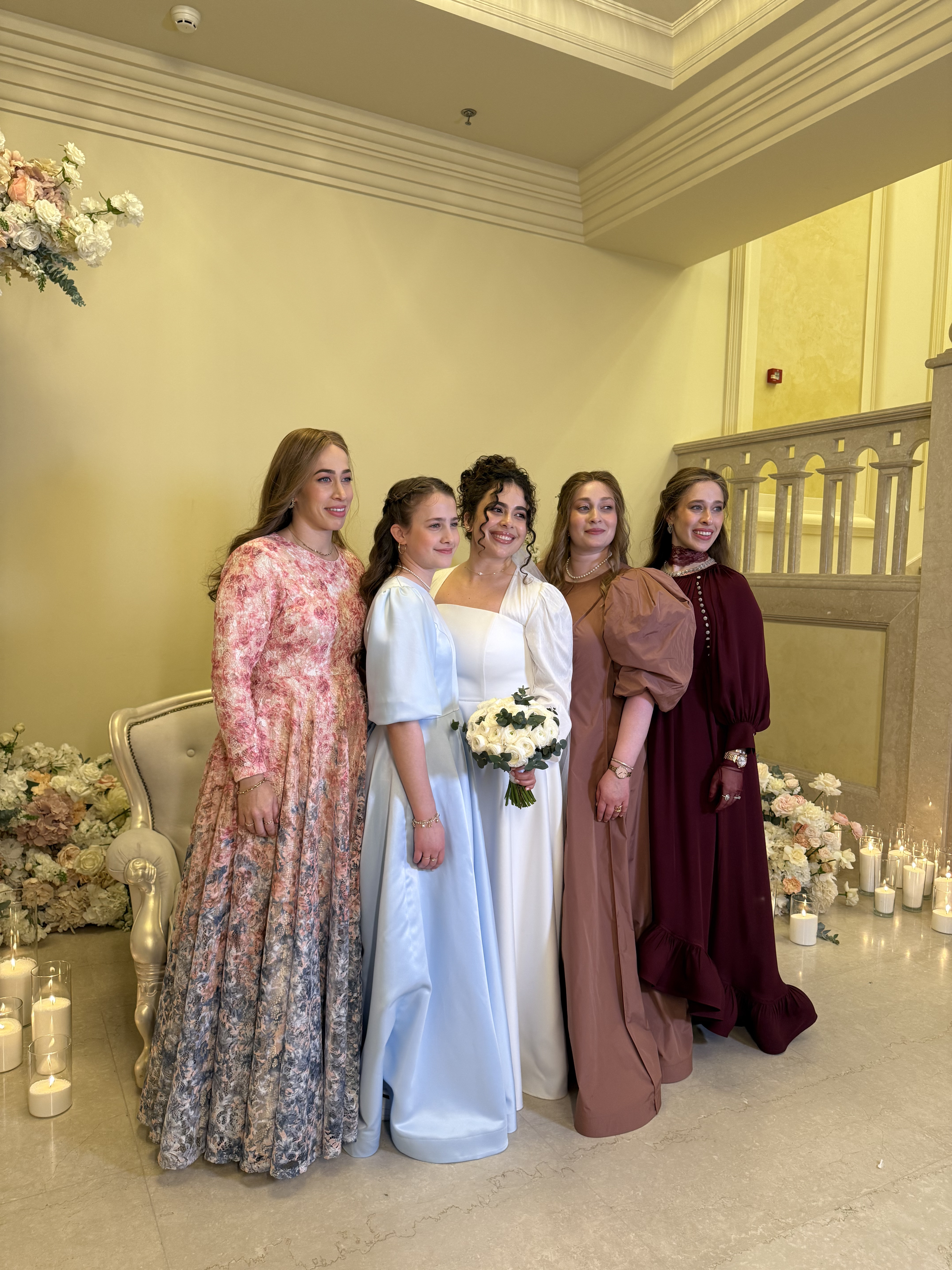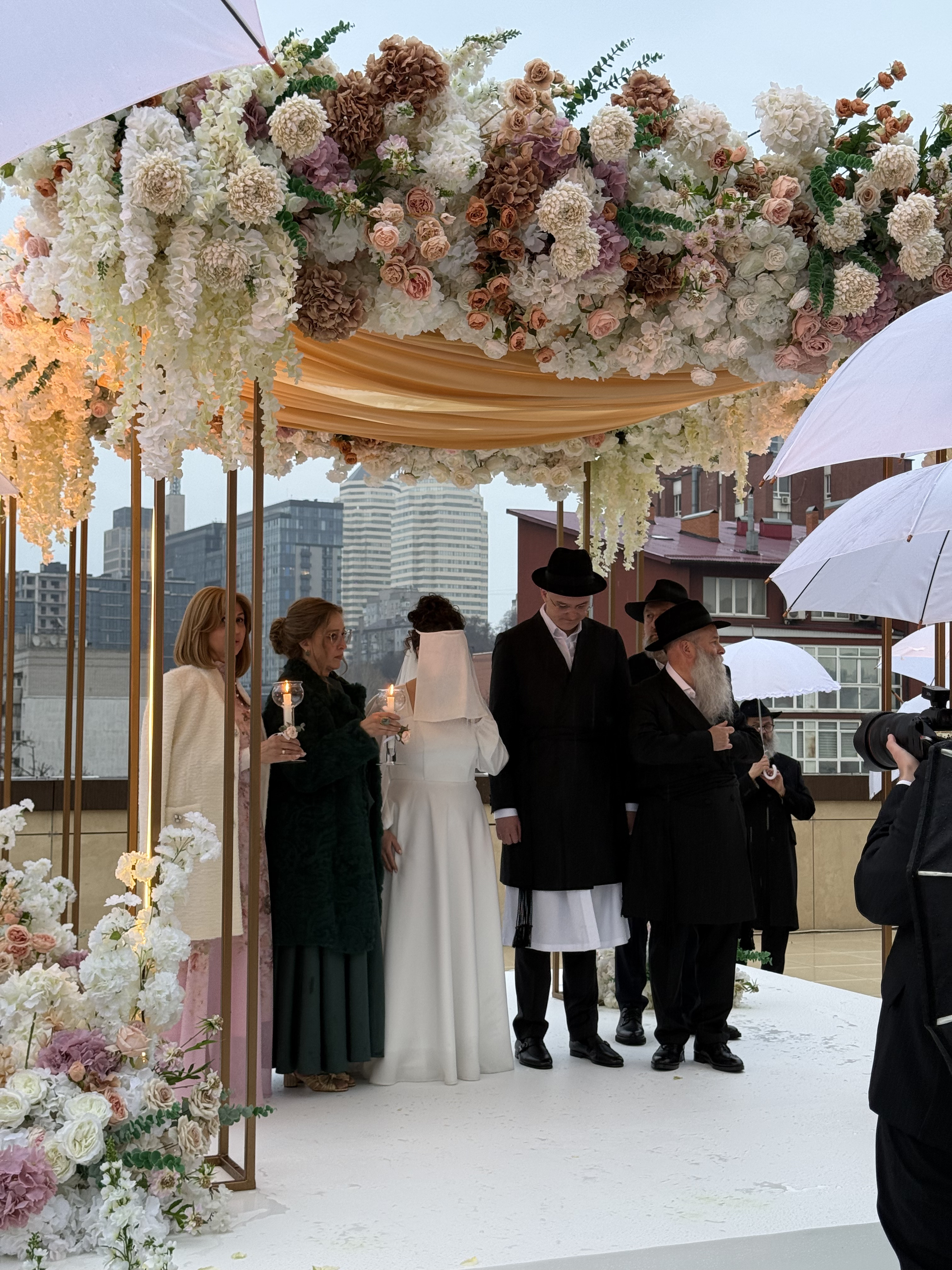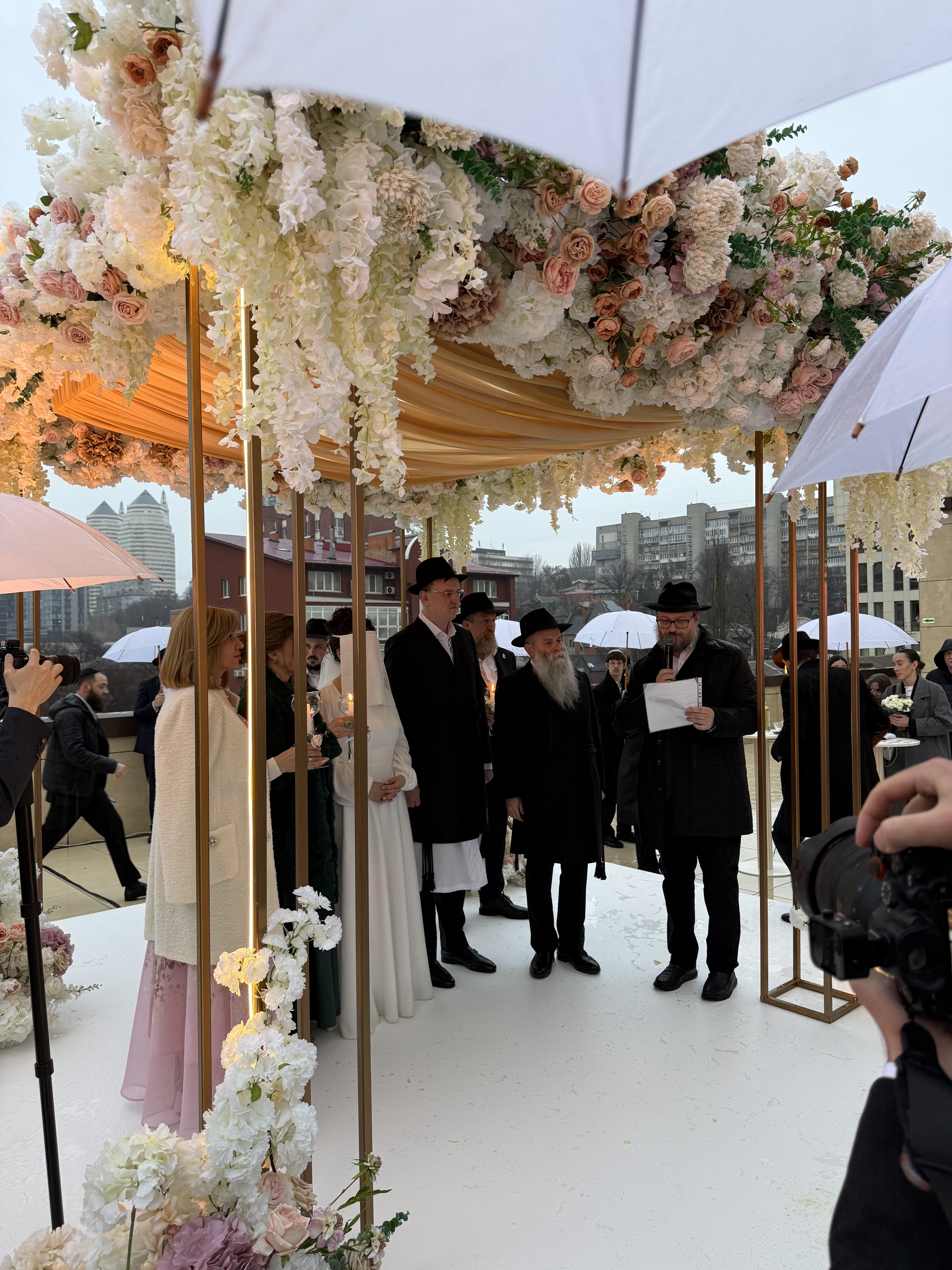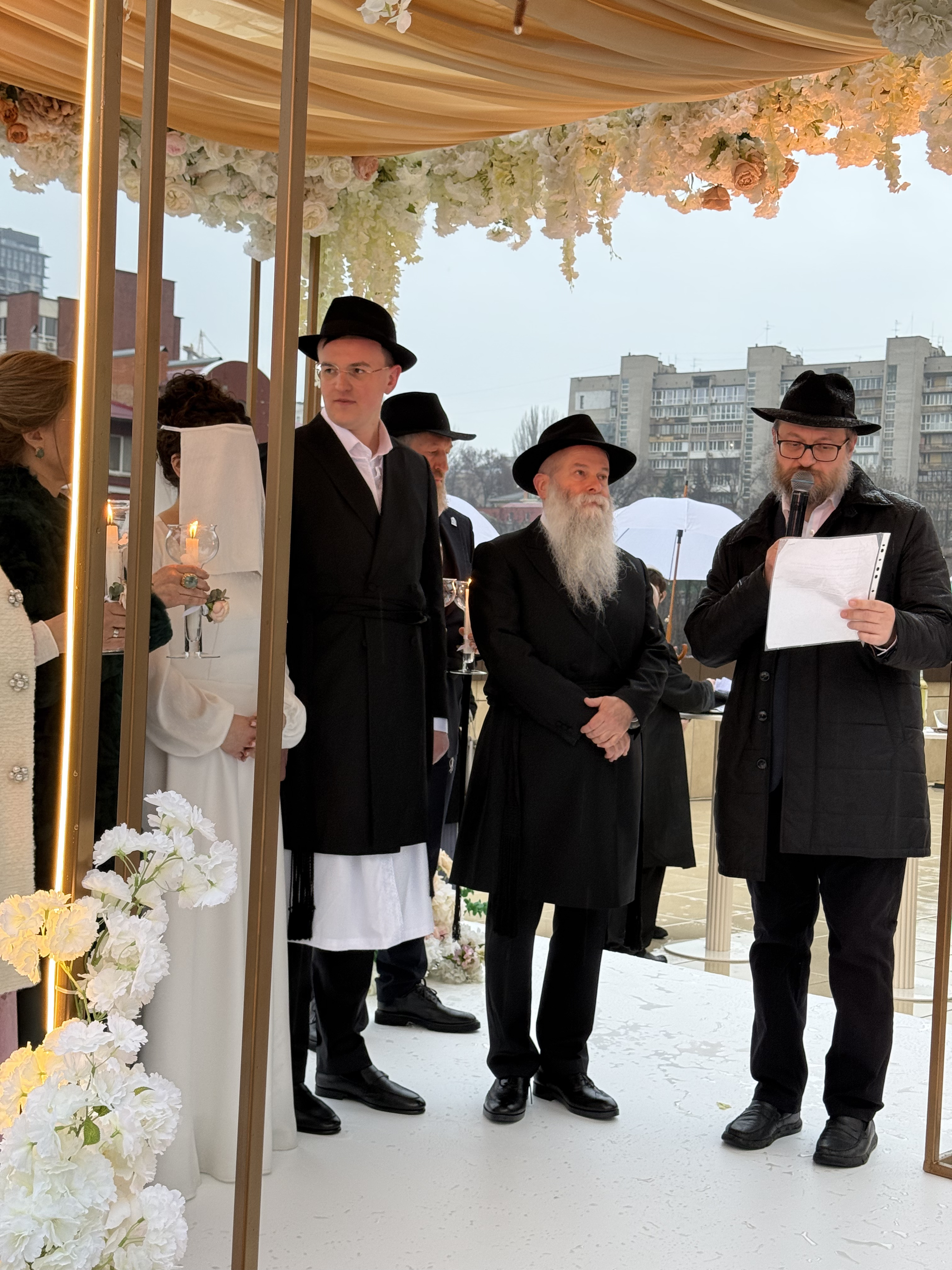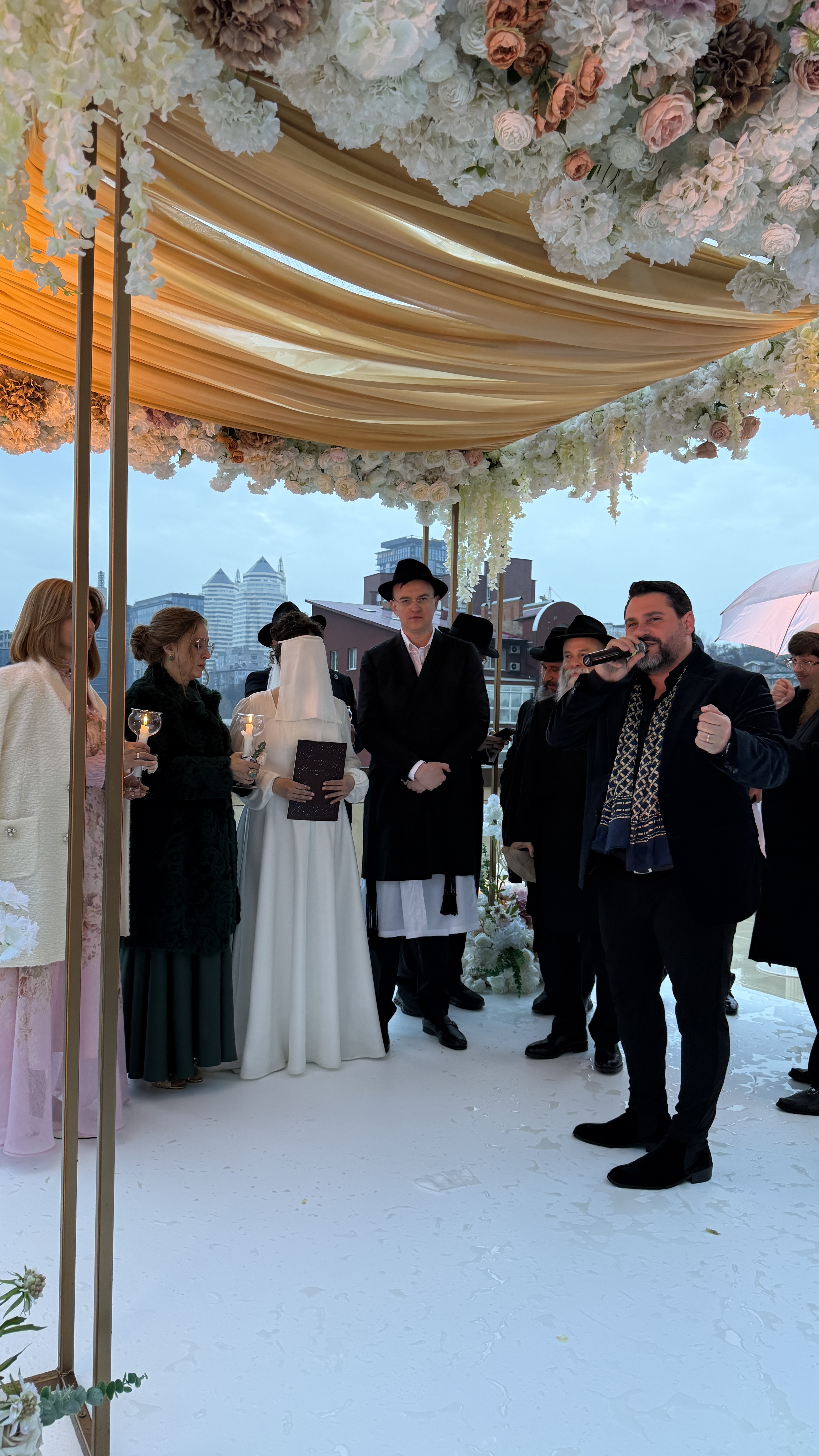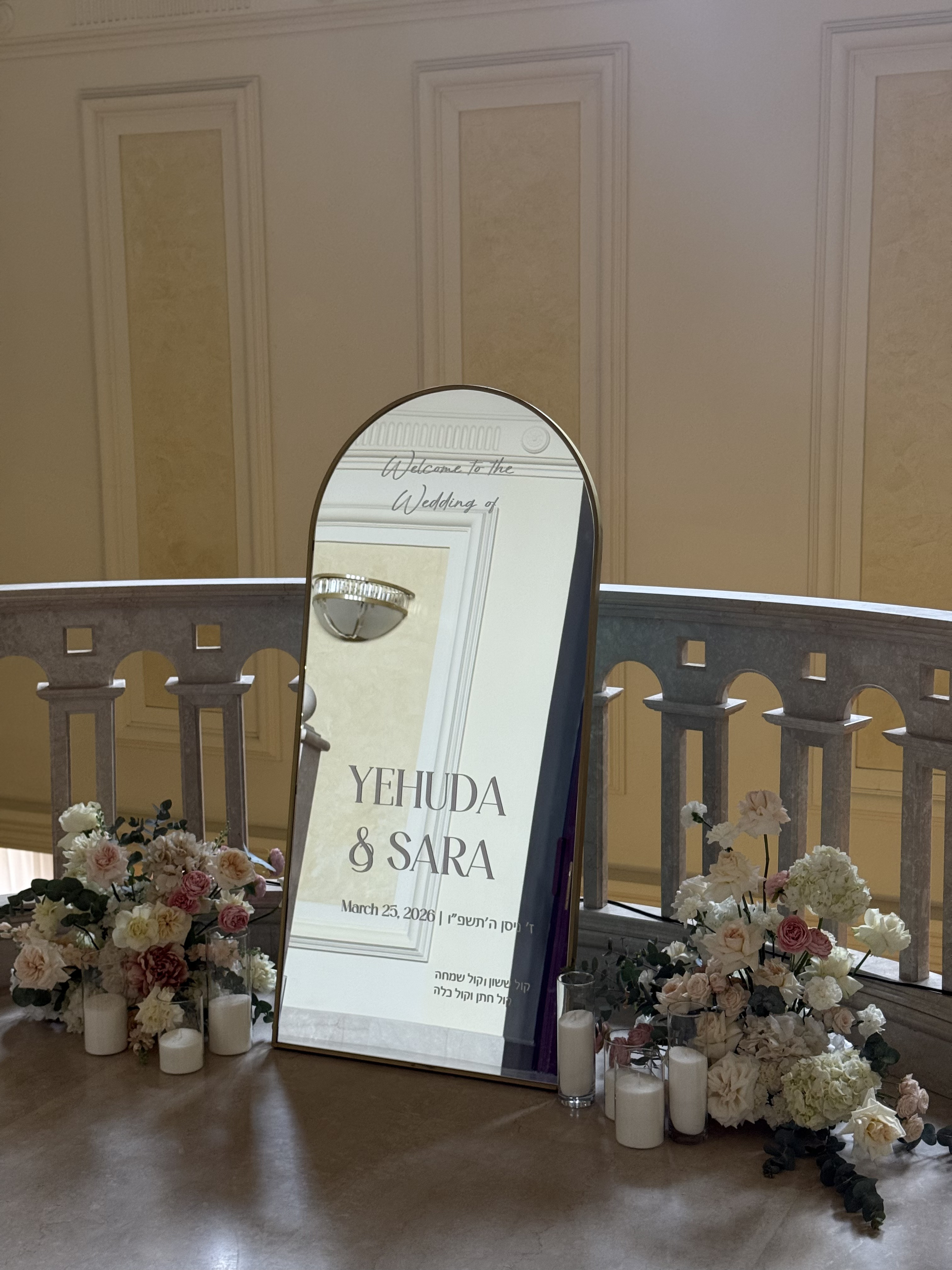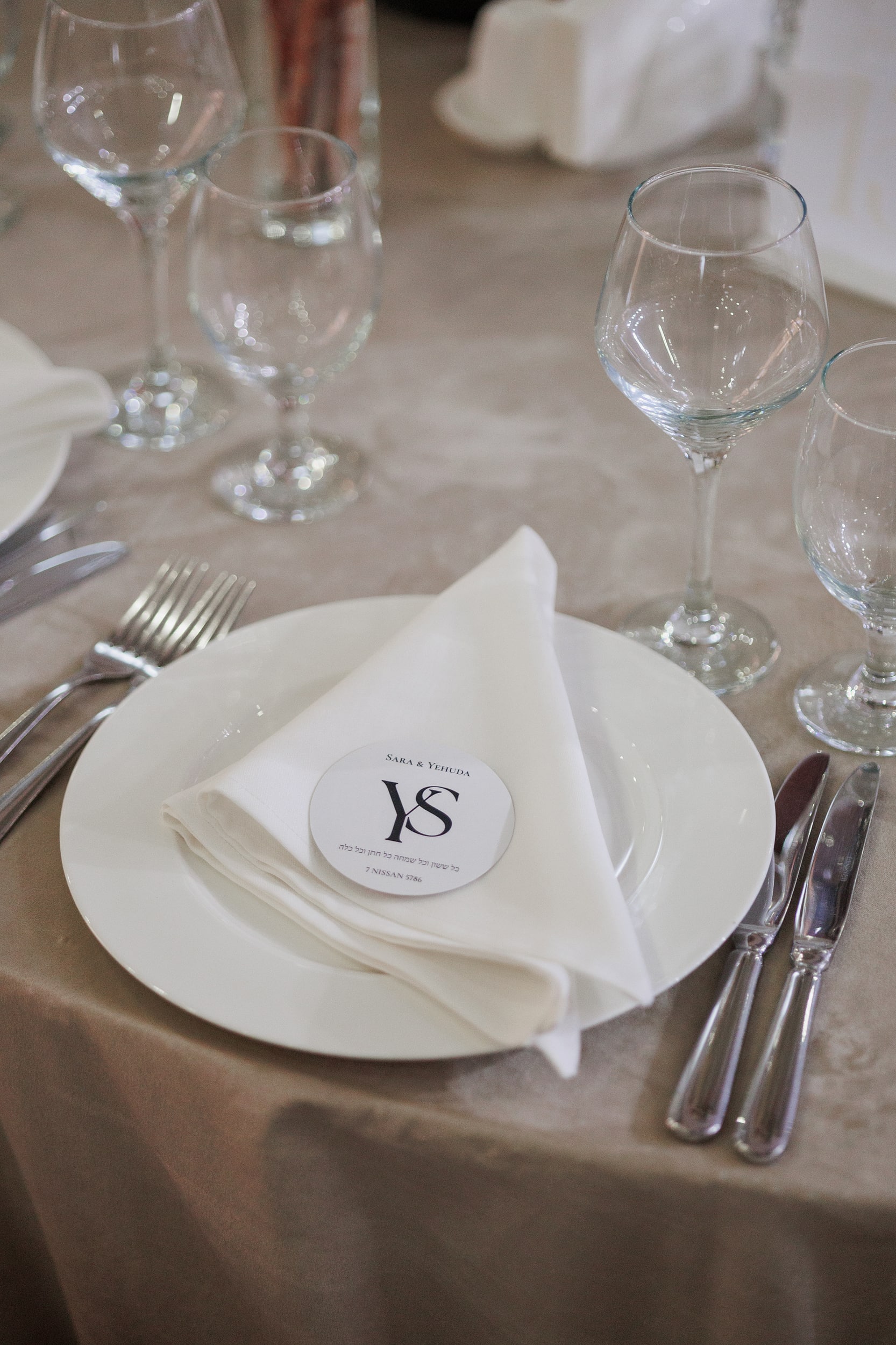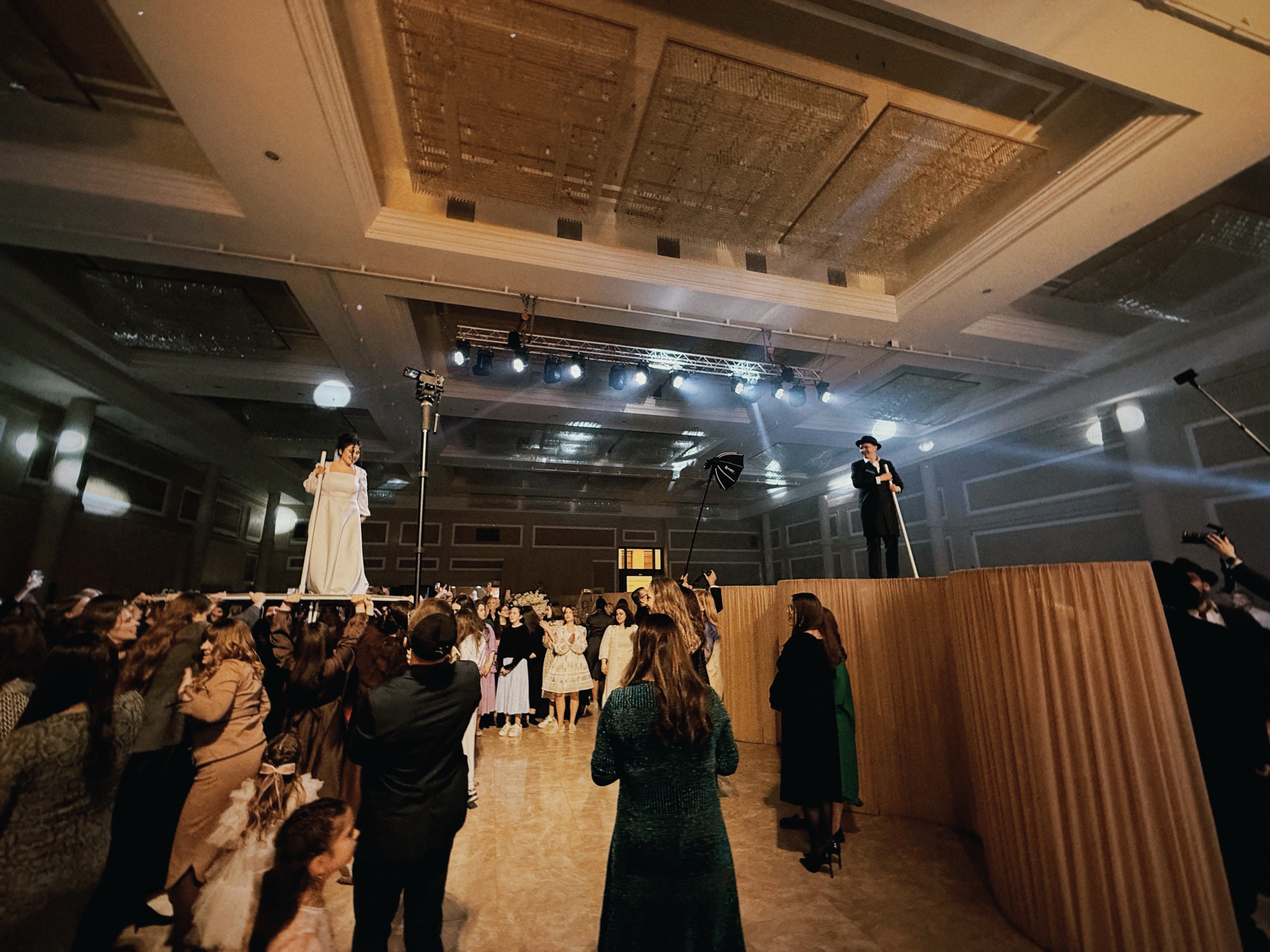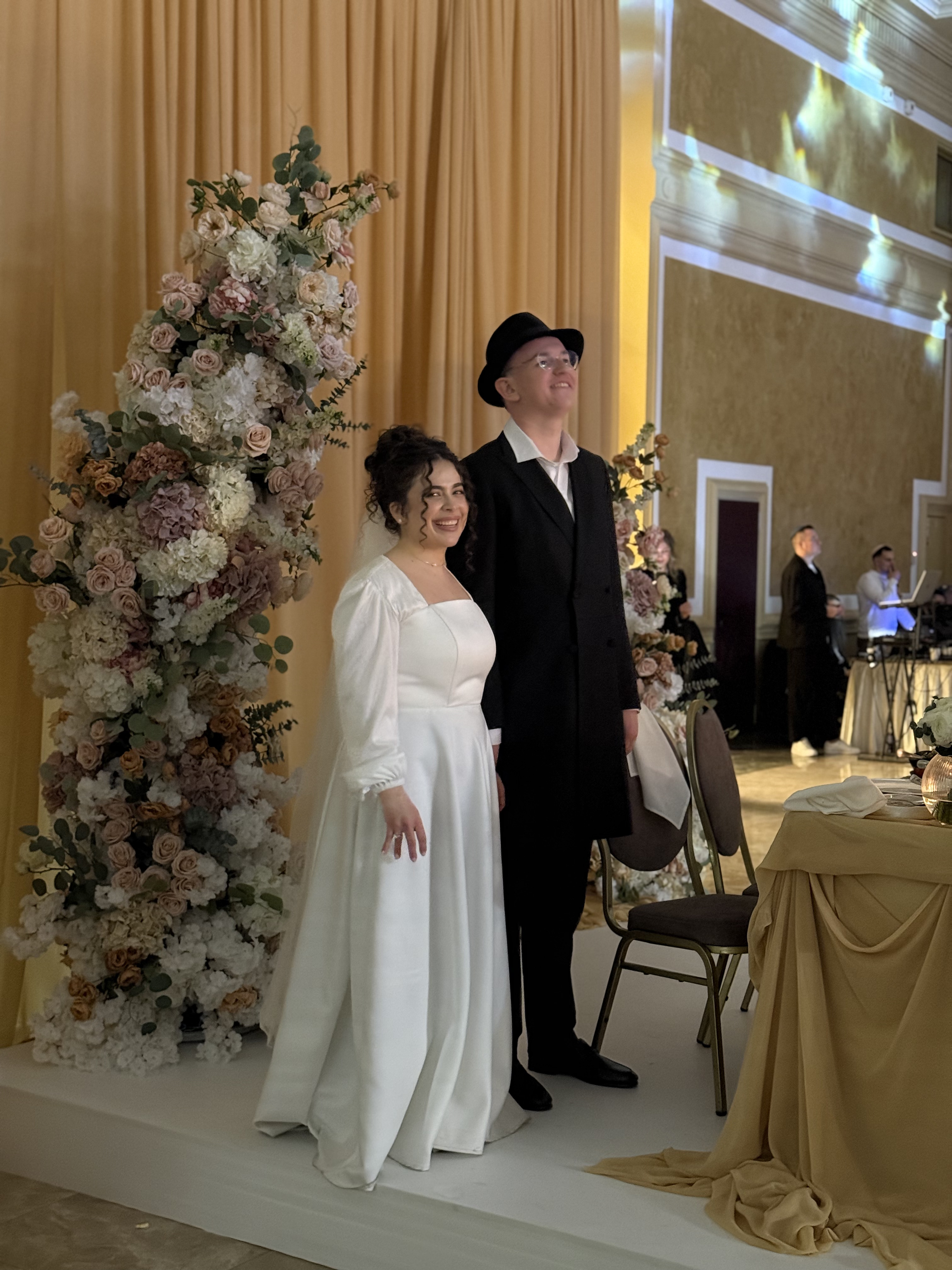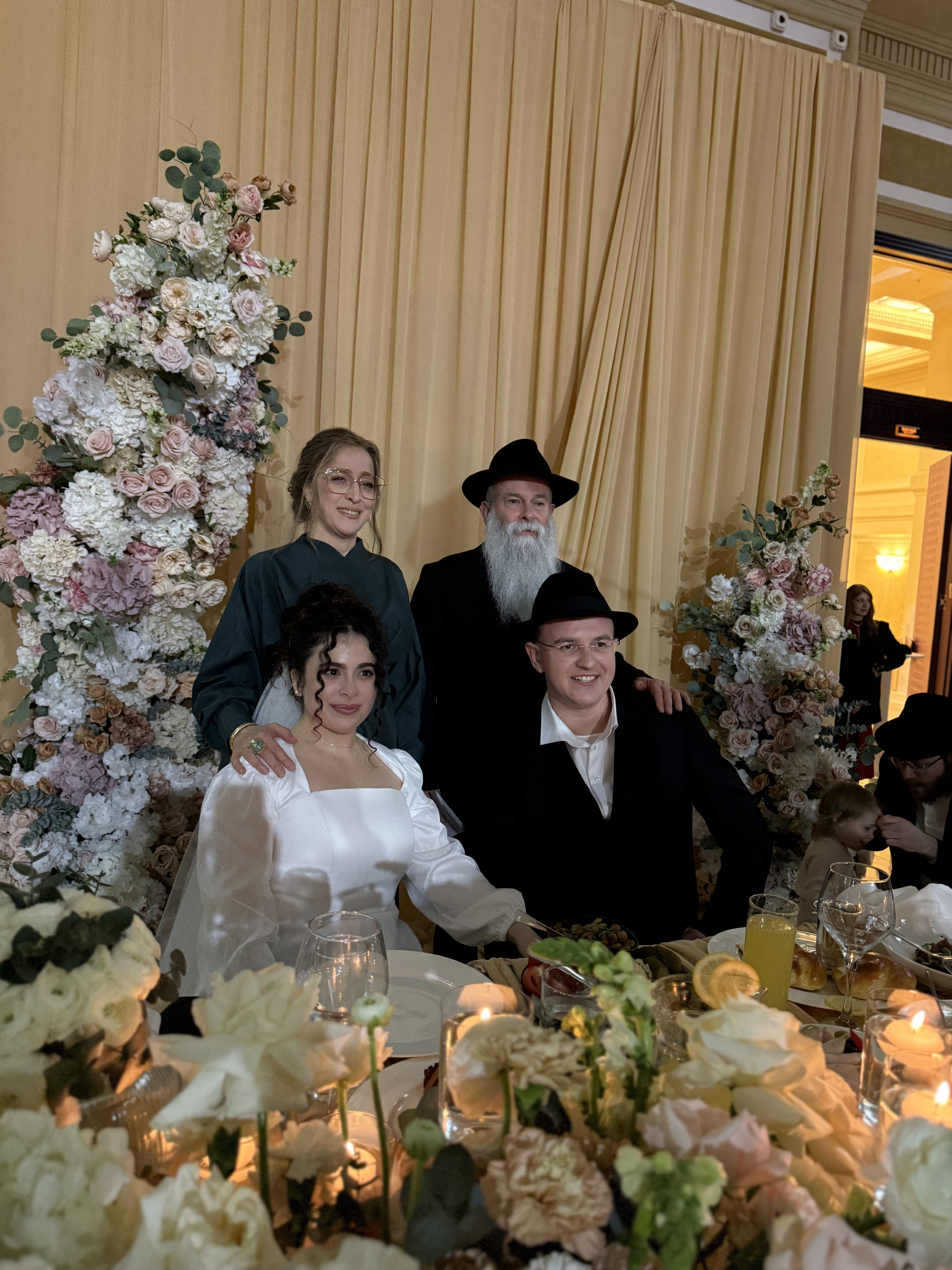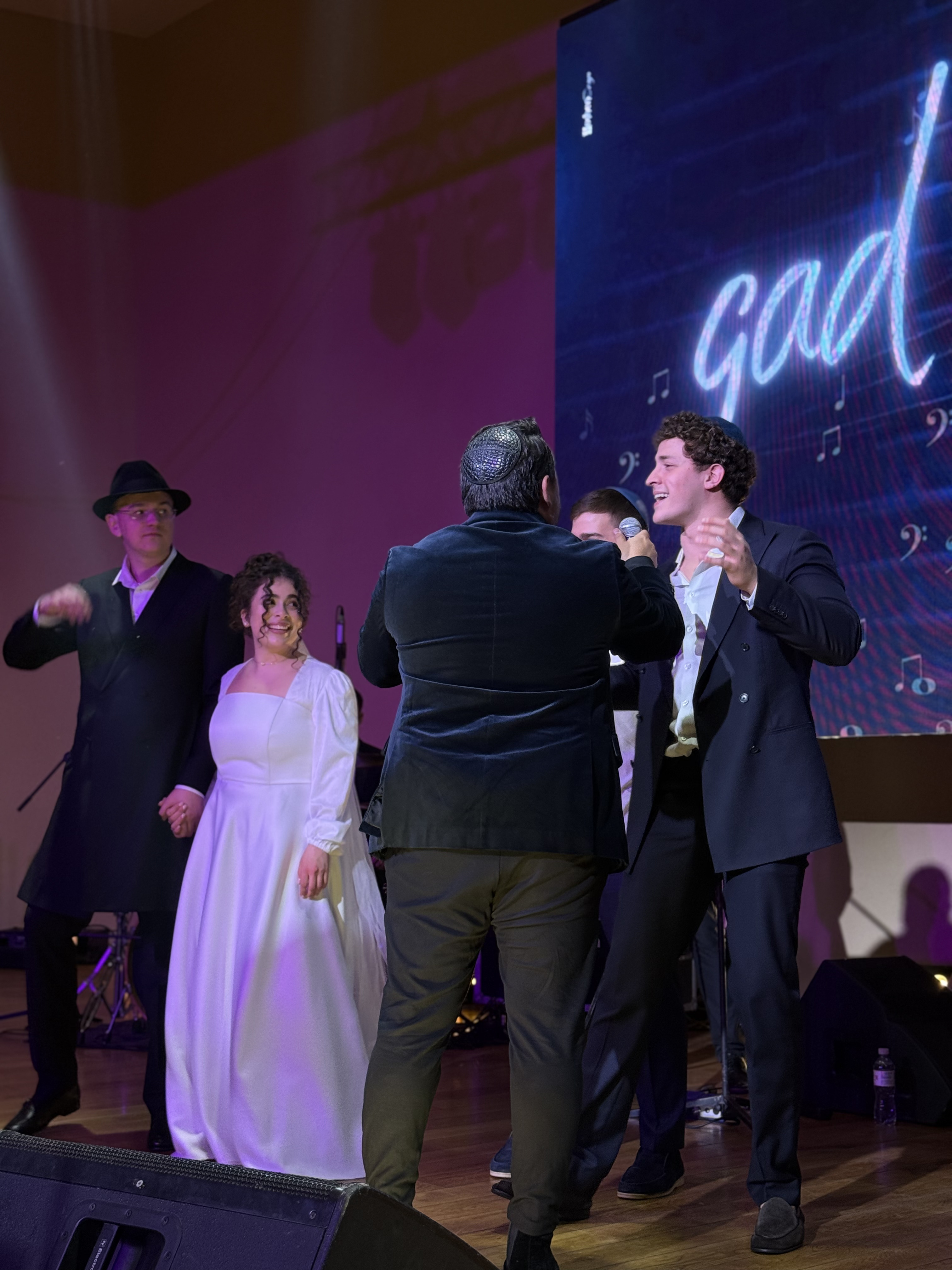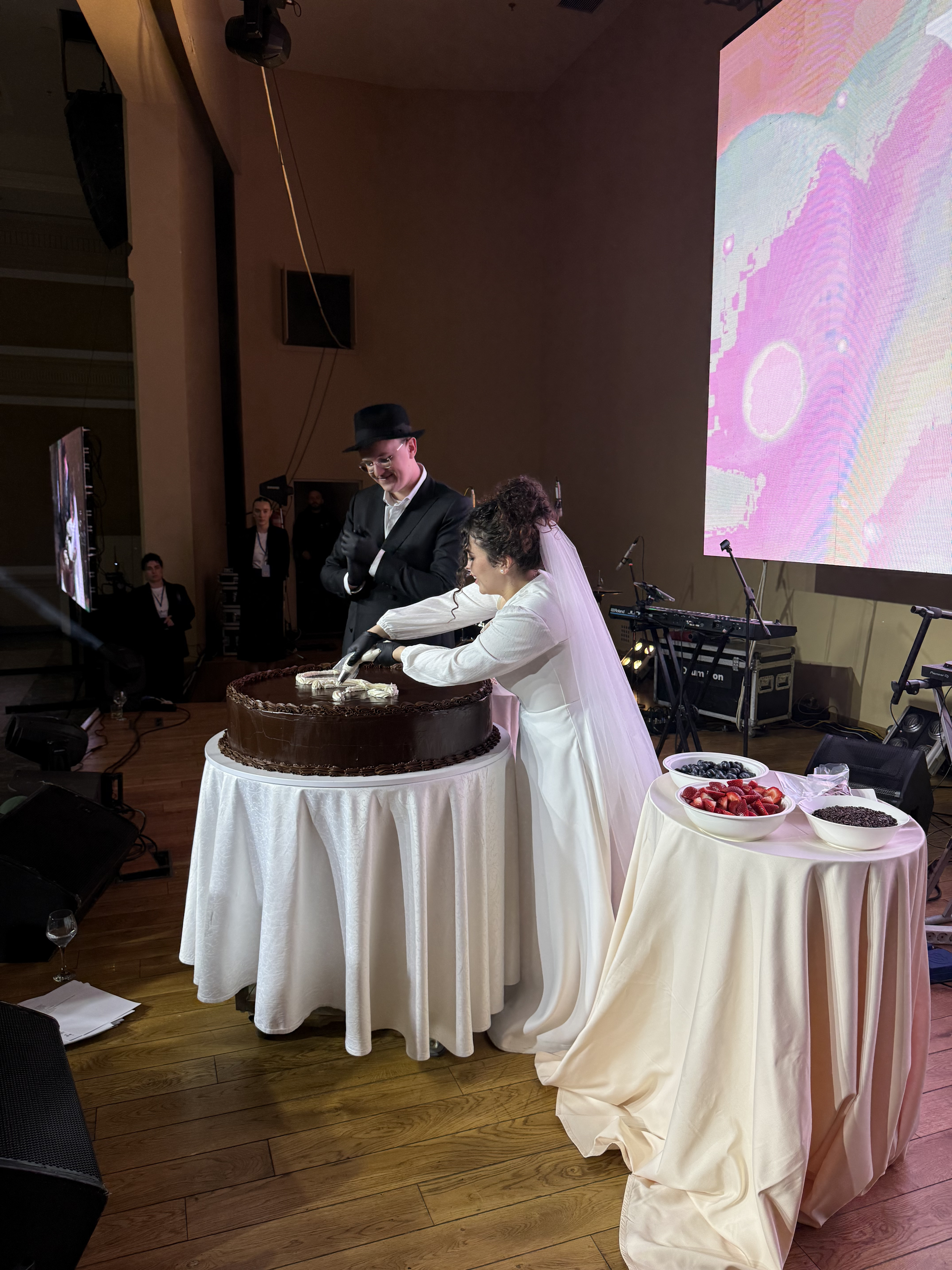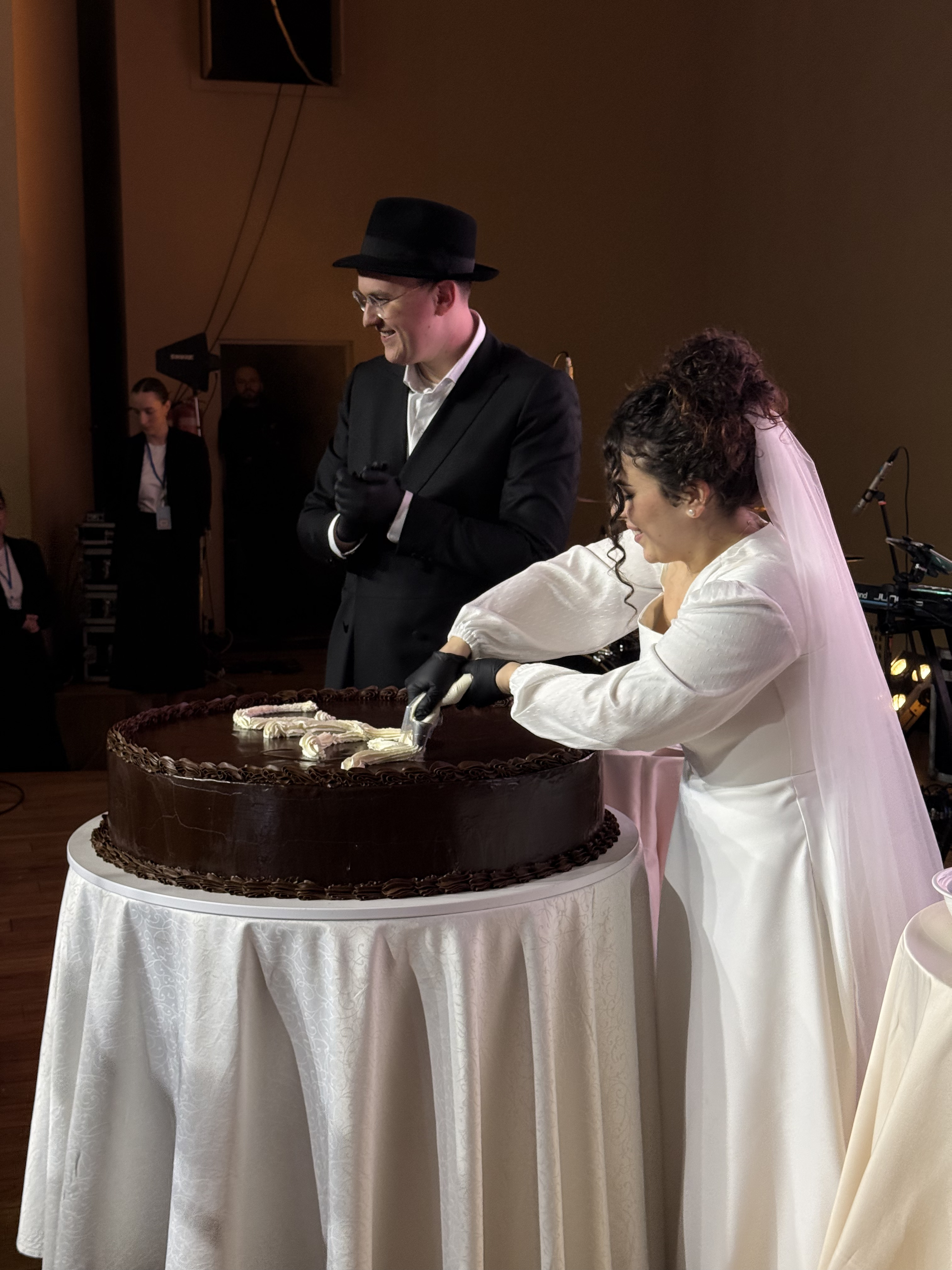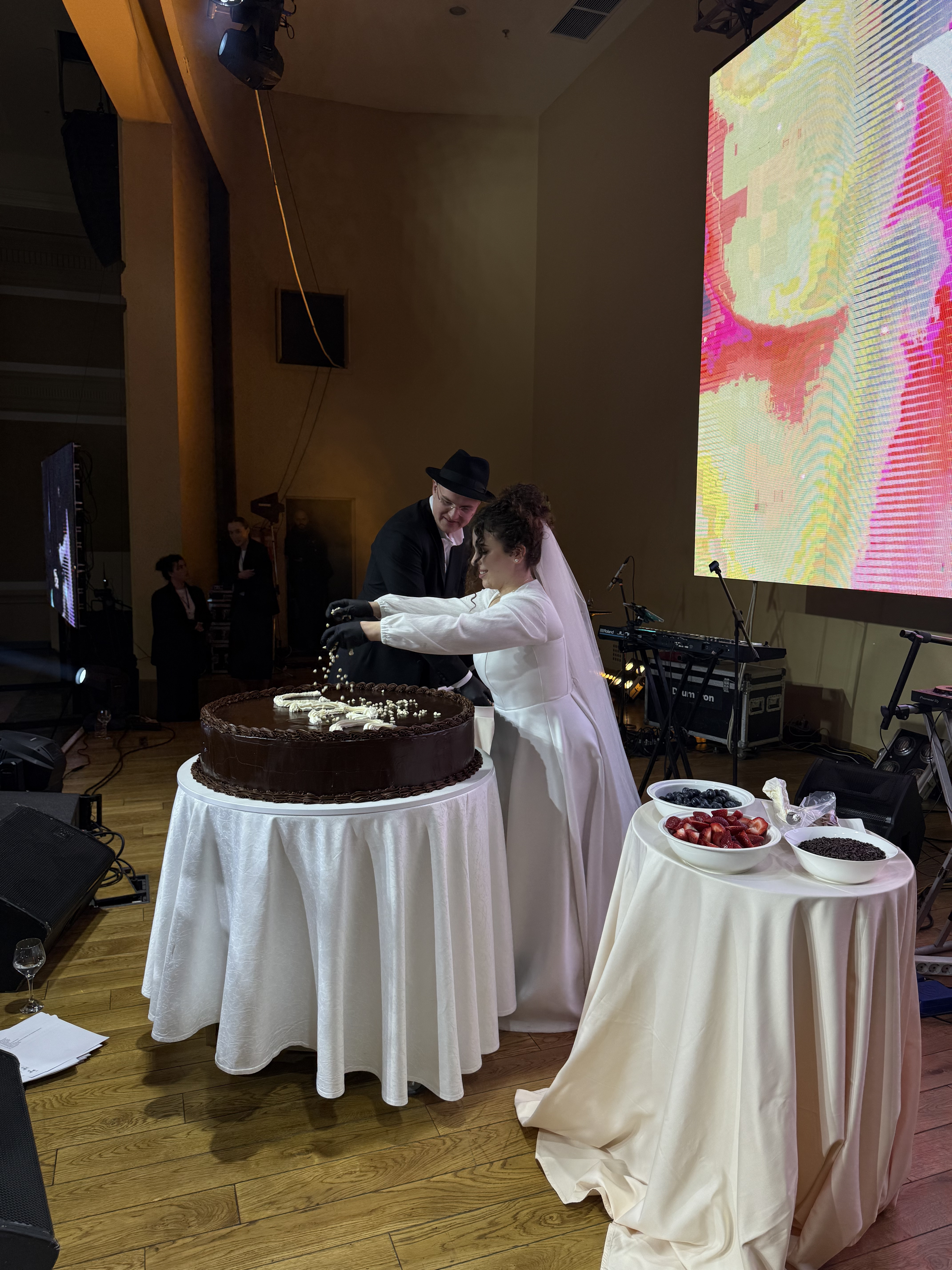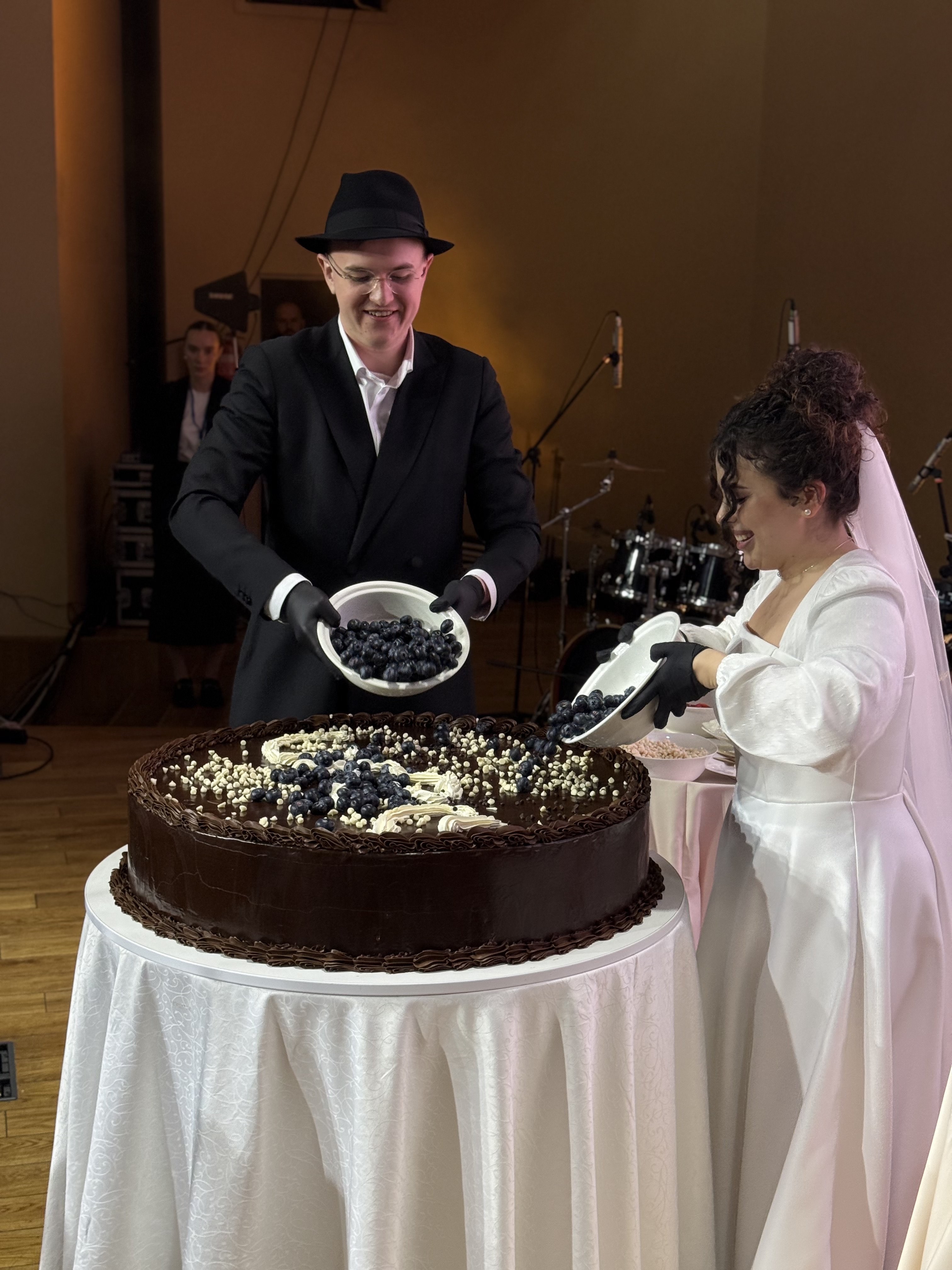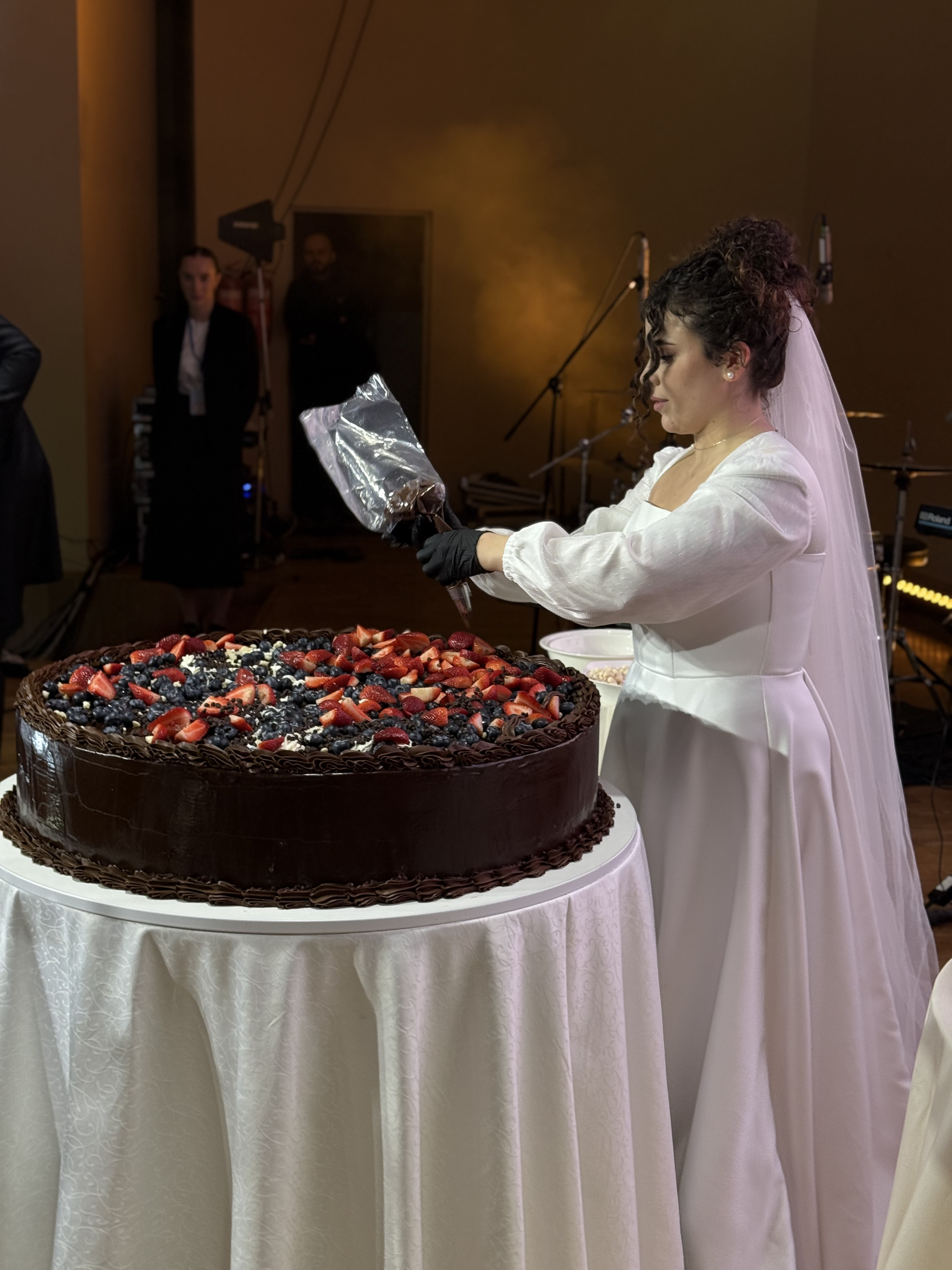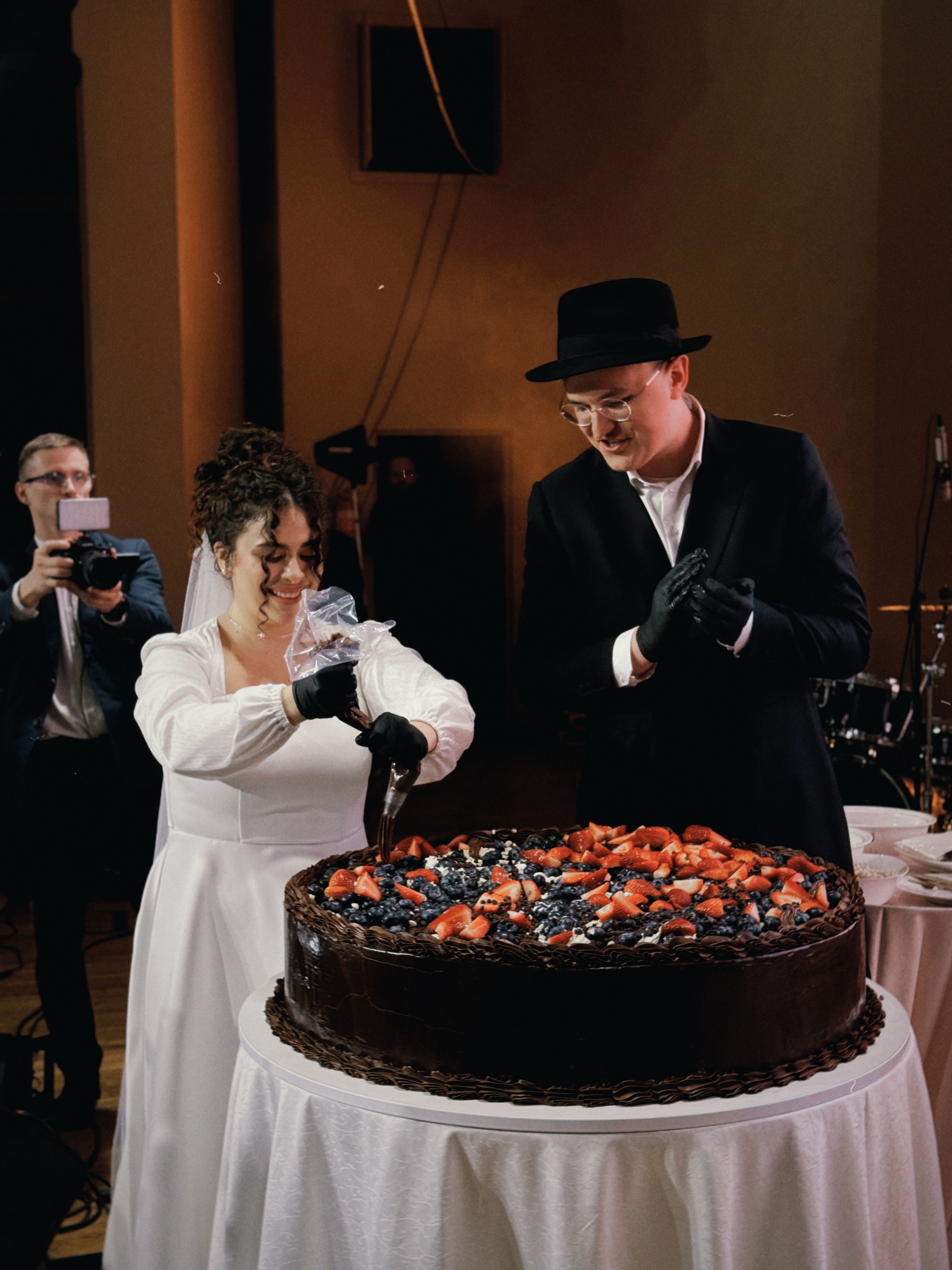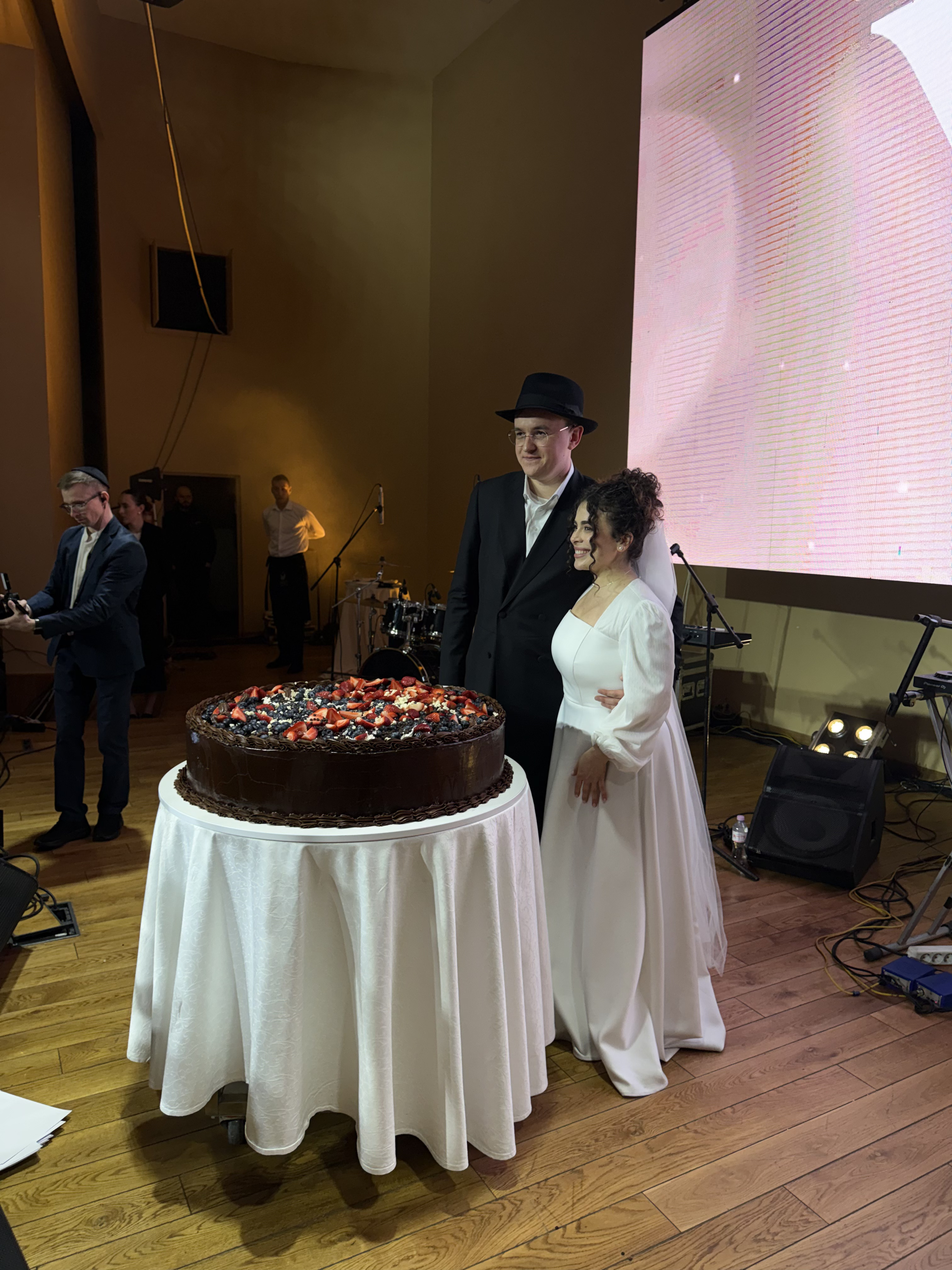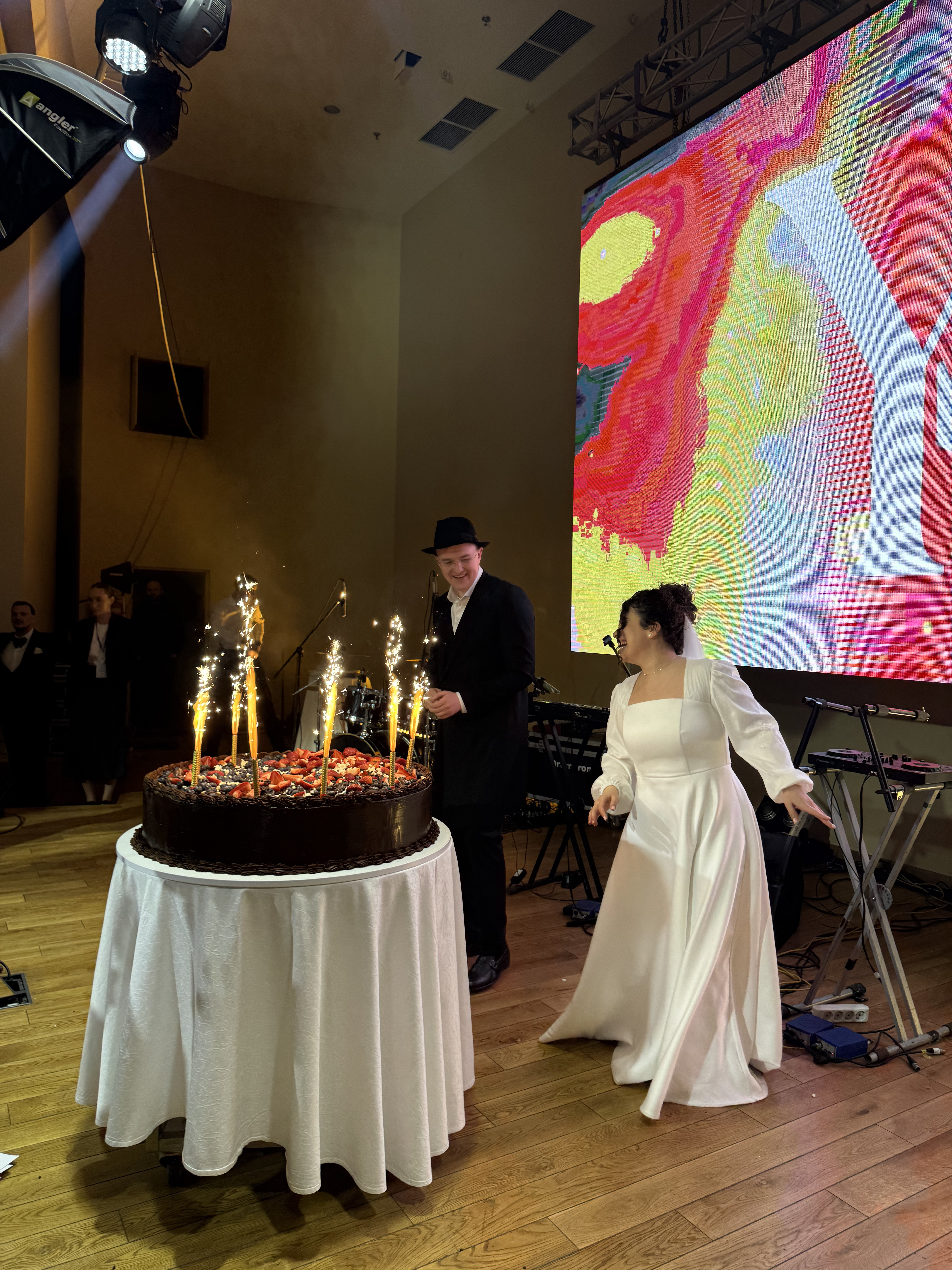




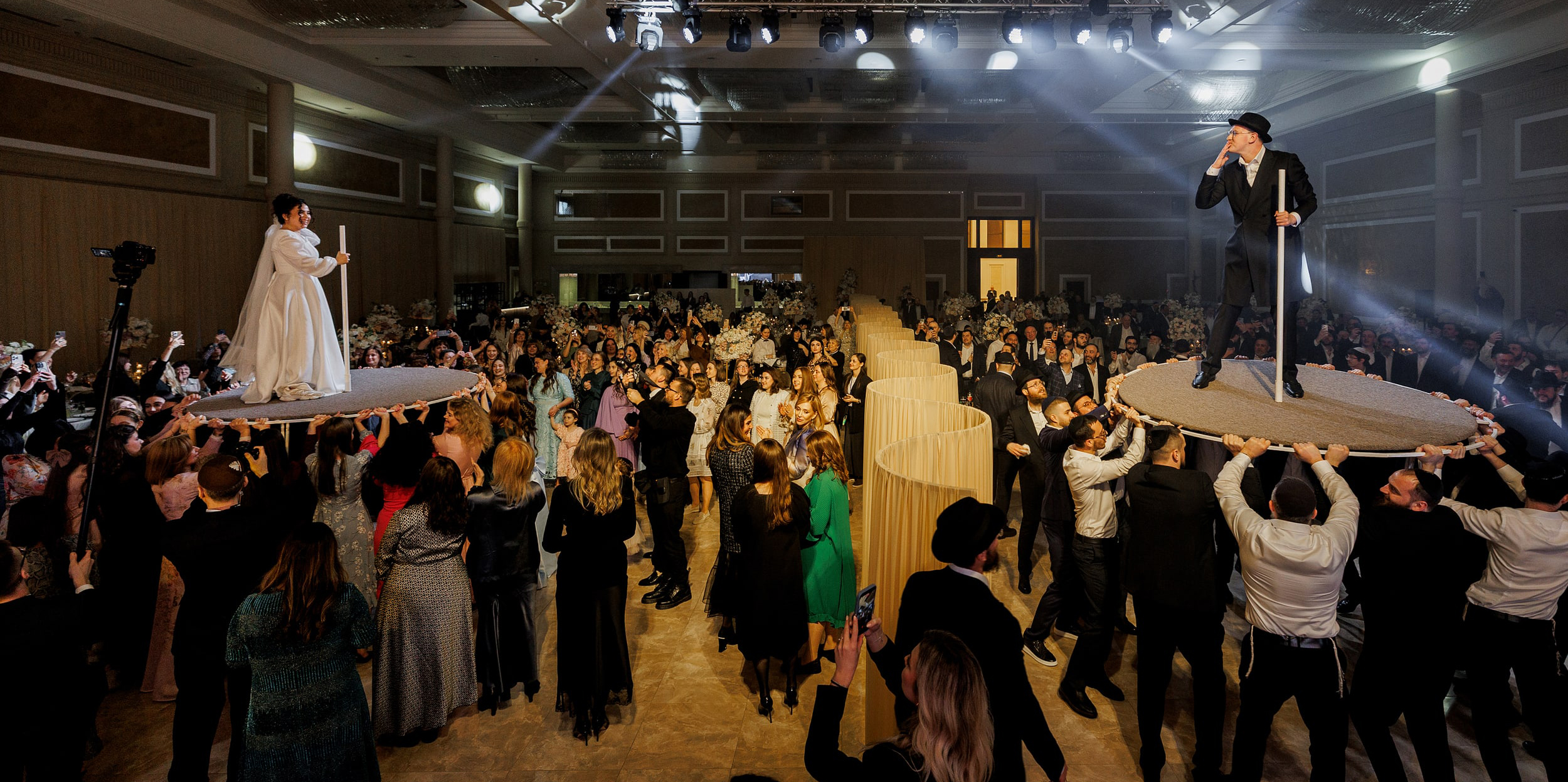
A Chuppah ceremony – the wedding of Sara Kaminezki, daughter of Chief Rabbi of Dnipro and the region Shmuel Kaminezki and Rebbetzin Chana, and Yehuda Kes, son of Dmytro and Olena Kes – took place in Dnipro. The wedding ceremonies were held at the world’s largest Jewish center, “Menorah,” in a family format with a close circle of invited guests.
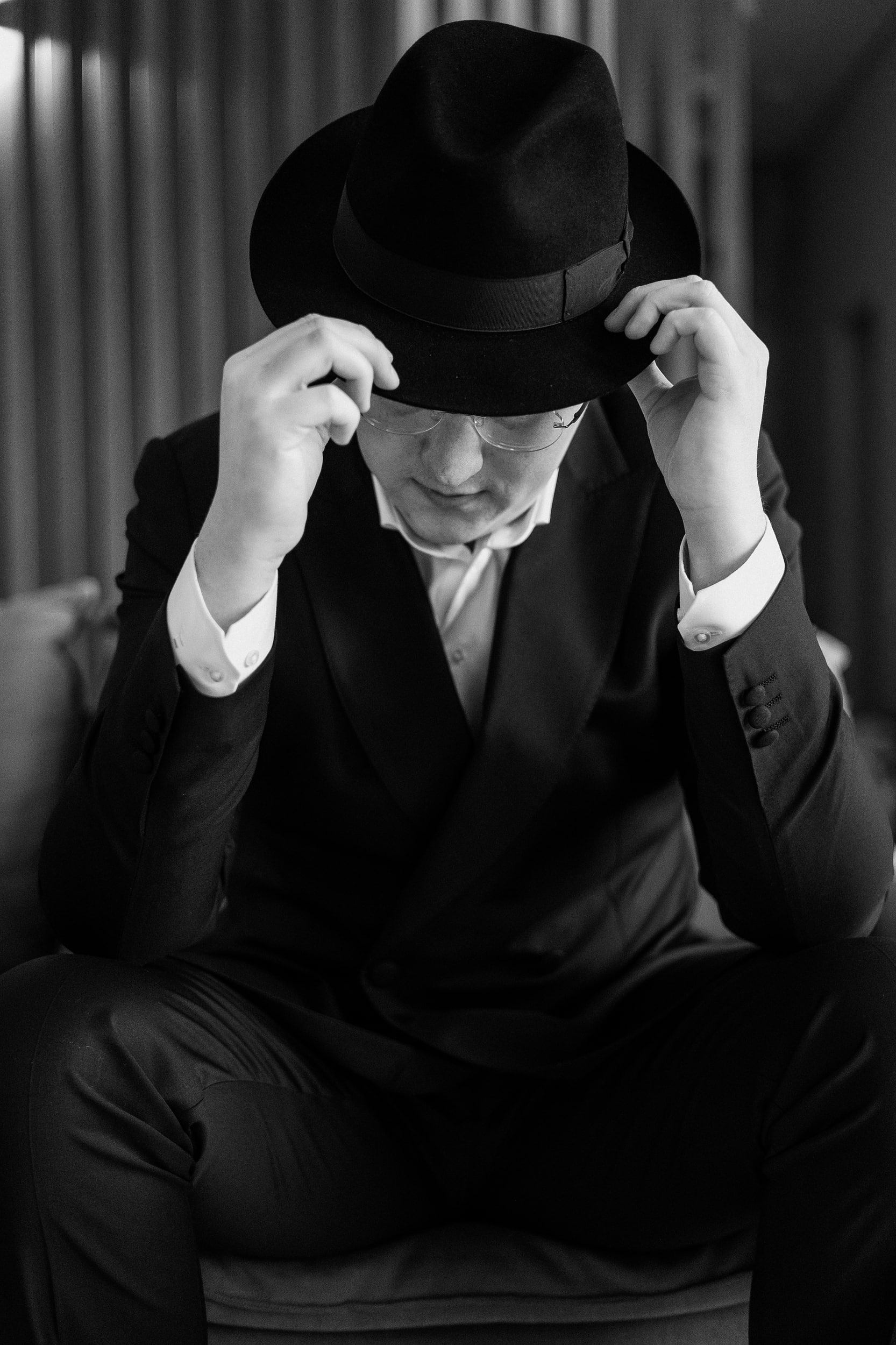
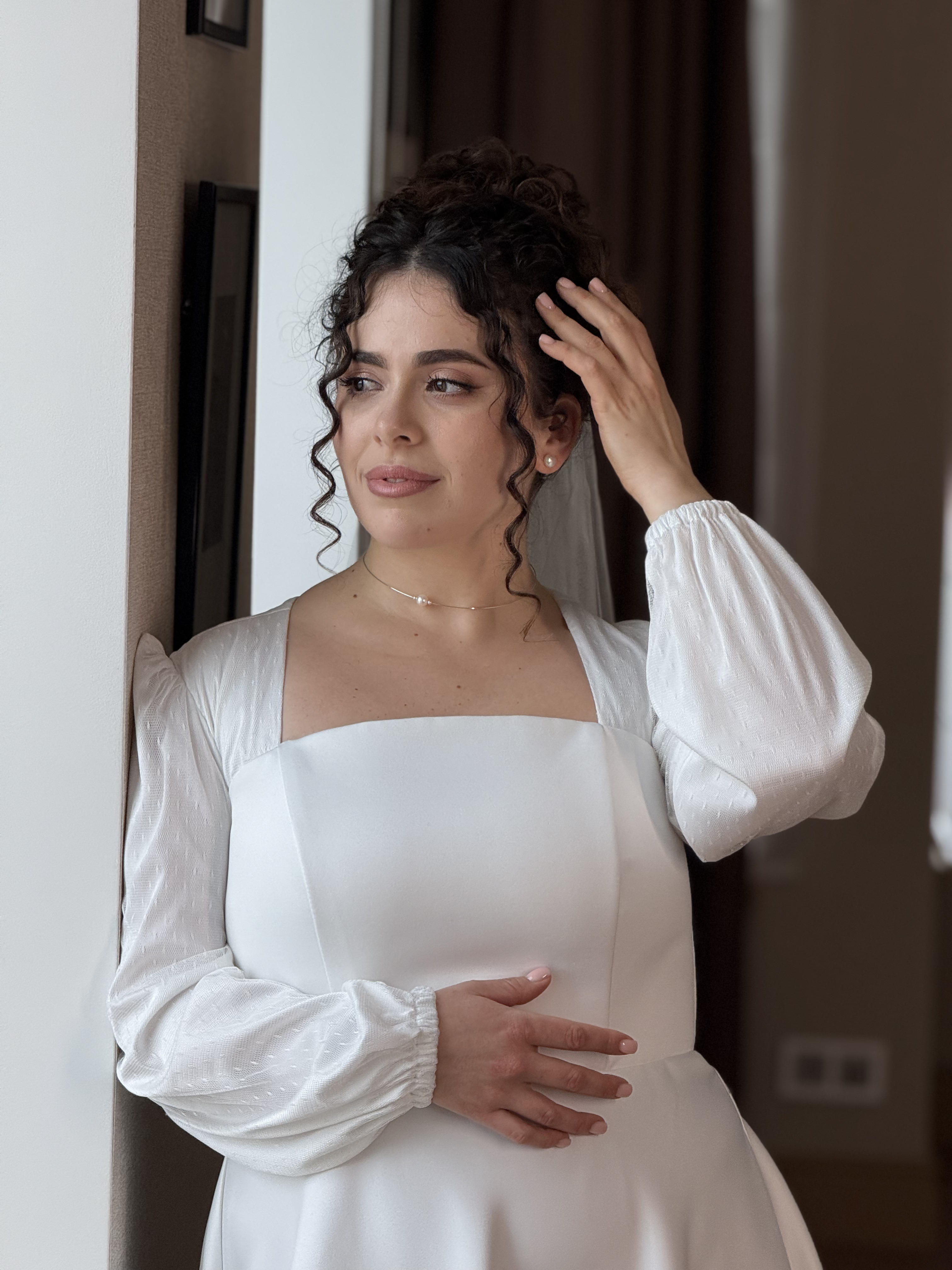
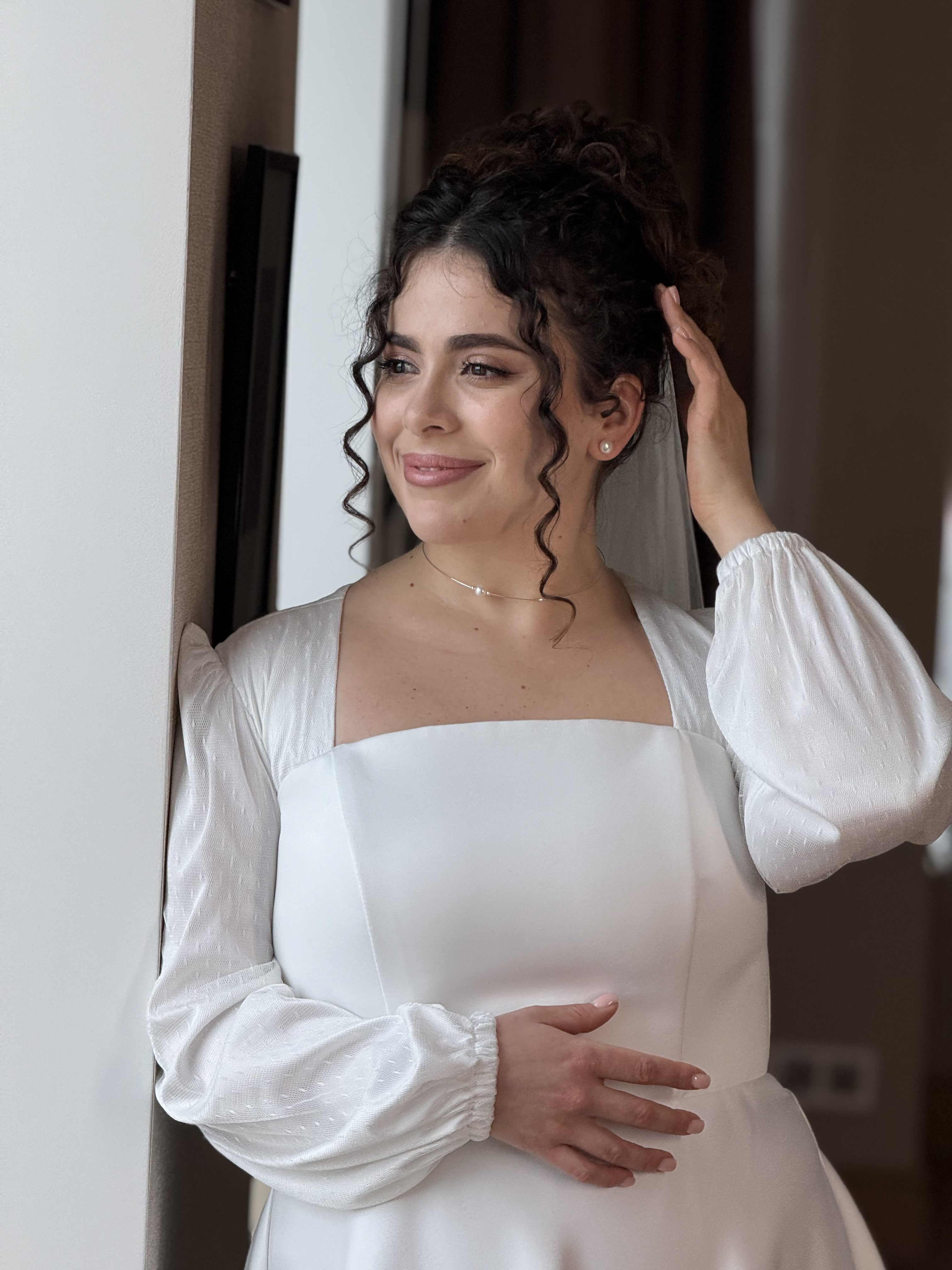
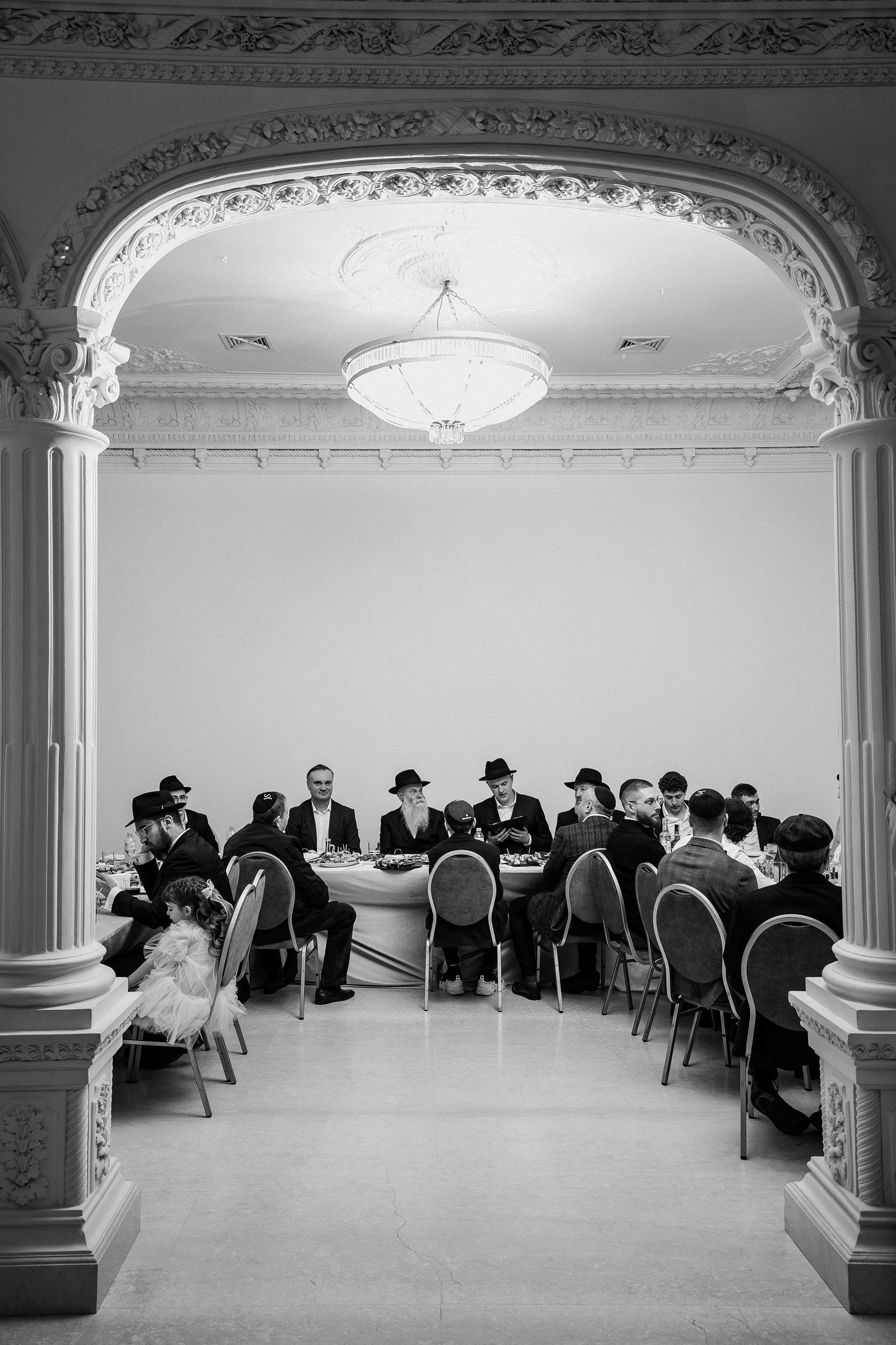
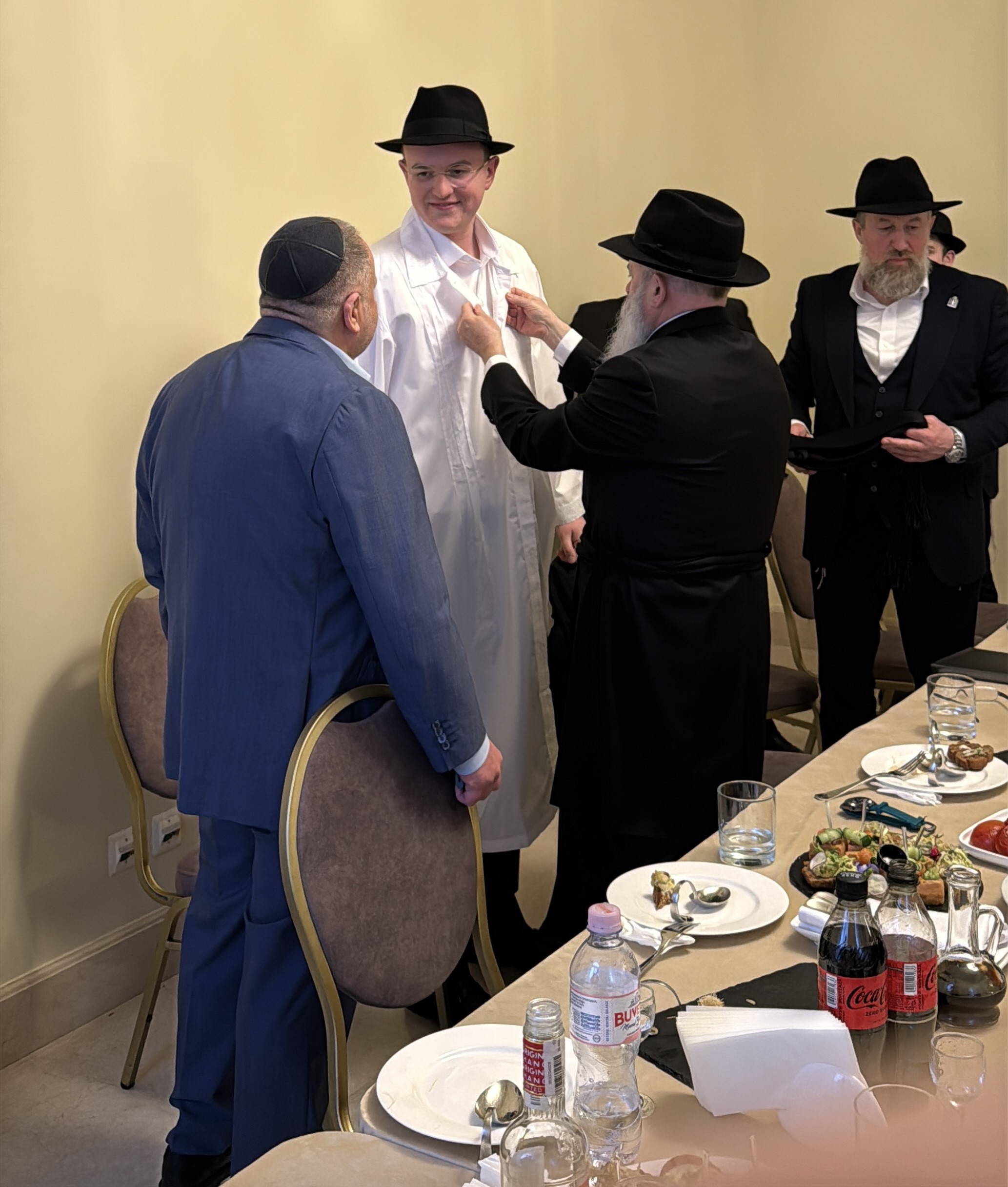
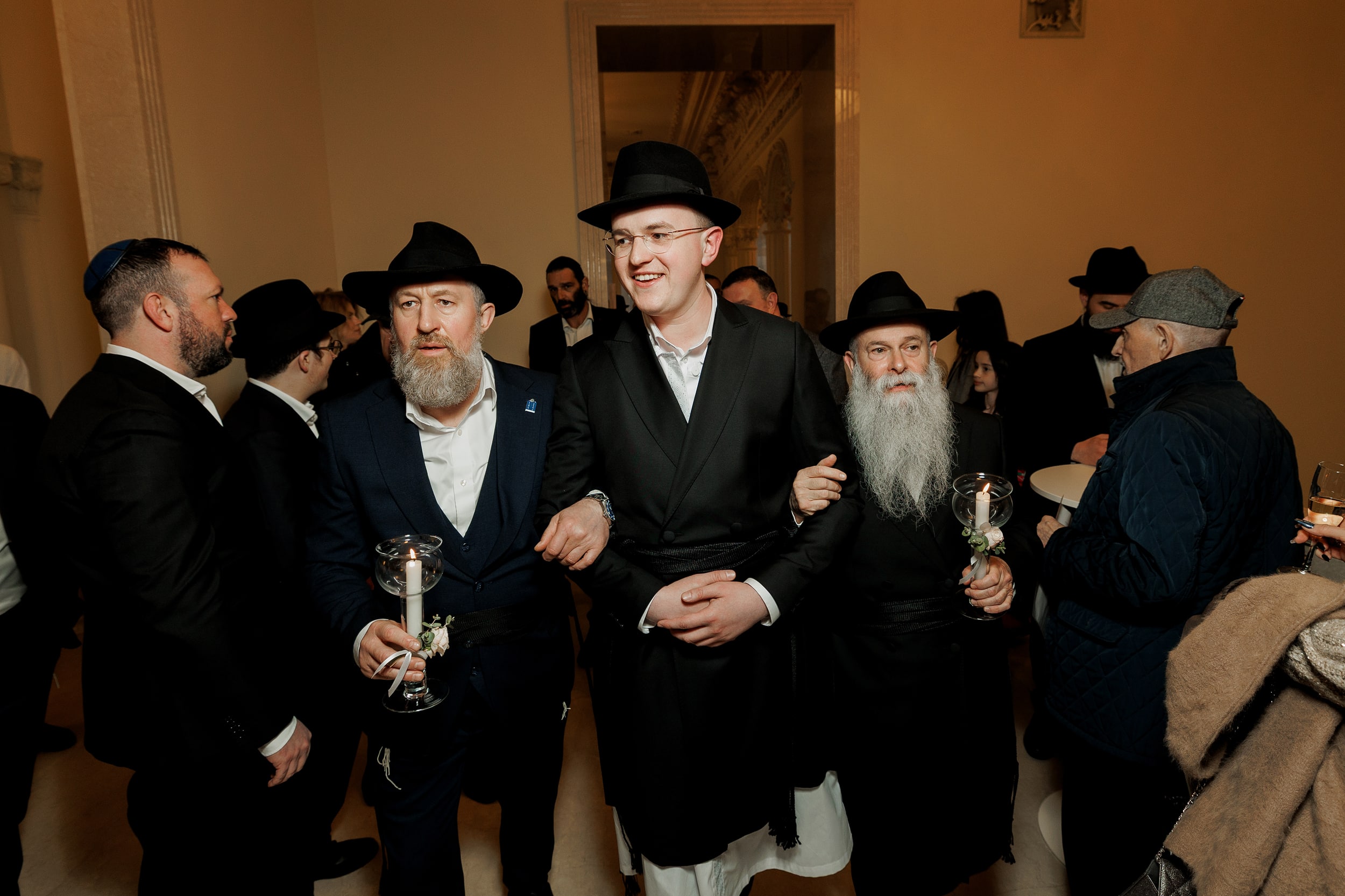
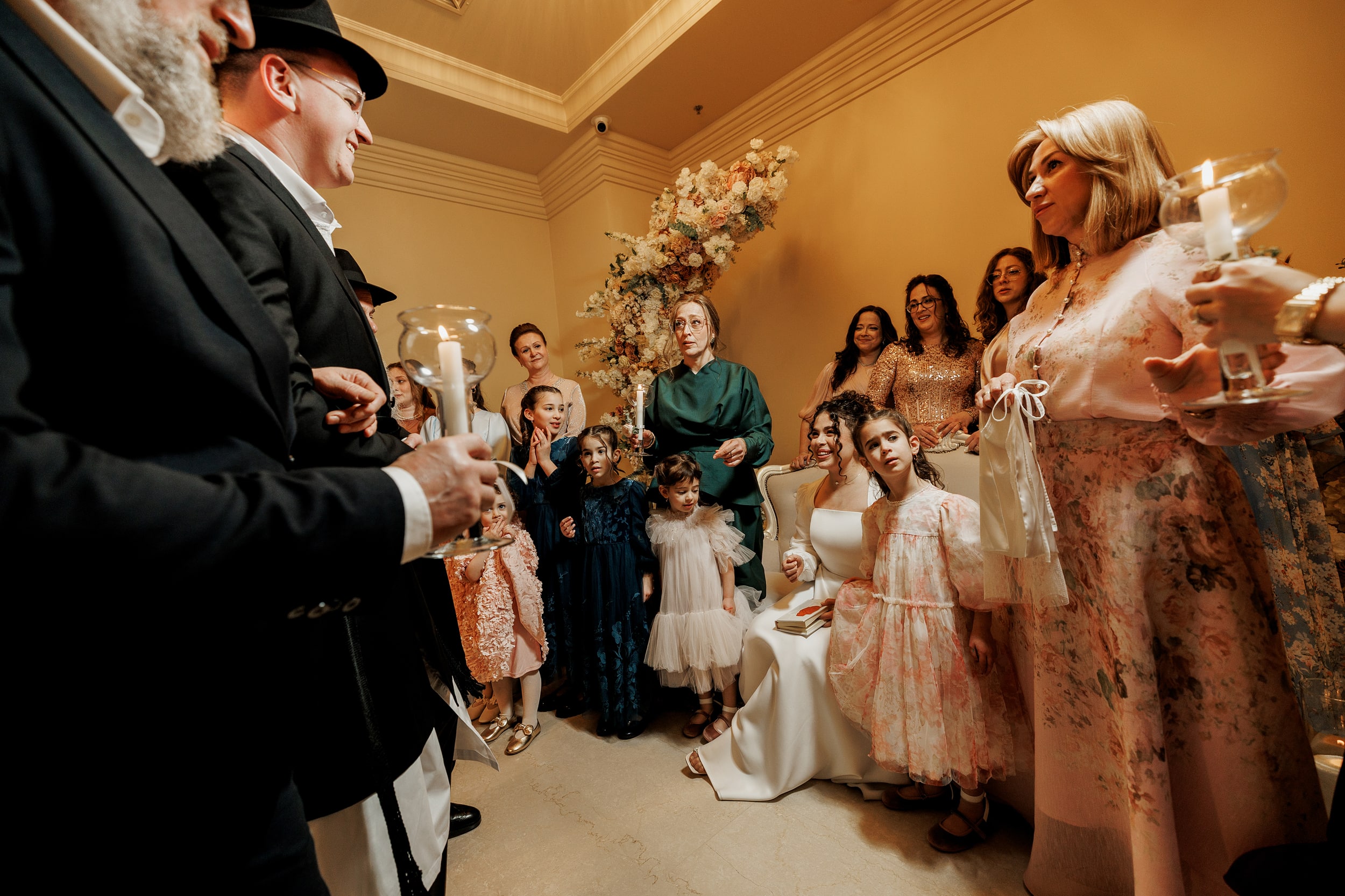
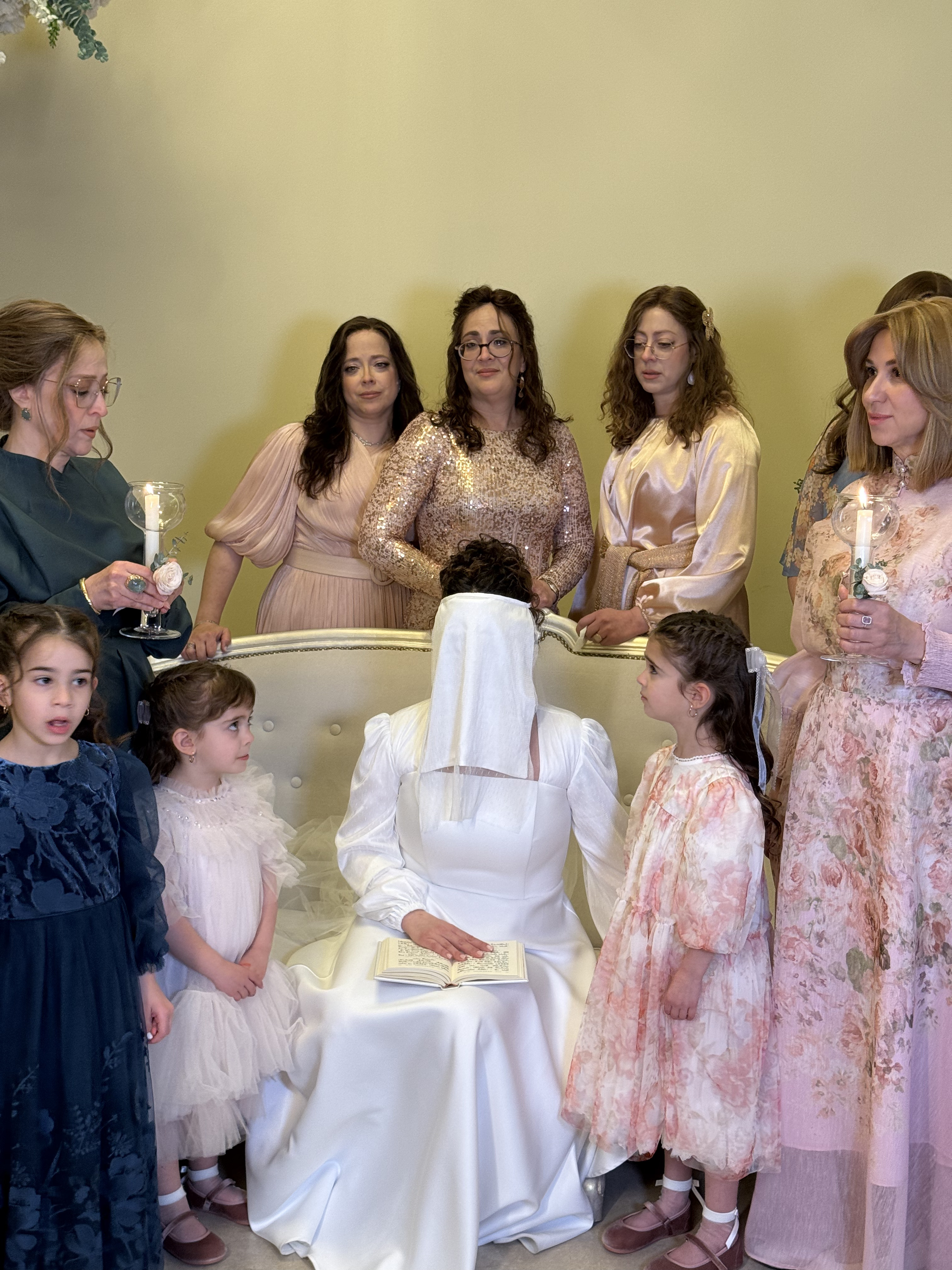
The first part of the wedding celebrations, “Kabbalas Panim,” was conducted according to Jewish tradition separately: the men welcomed the groom, while the women welcomed the bride, who sat on a special wedding throne, receiving congratulations from family and friends, reciting Tehillim, and offering blessings. The groom, surrounded by men, recited the maamar “Lecha Dodi,” thereby drawing the Almighty’s blessing for the creation of a new family. This maamar was first delivered in 1929 by the Sixth Lubavitcher Rebbe, Rabbi Yosef Yitzchak Schneerson, at the wedding of his daughter, the righteous Rebbetzin Chaya Mushka, to Rabbi Menachem Mendel Schneerson, who later became the Lubavitcher Rebbe.
From the very first moments, a special atmosphere of exaltation, joy, and inner light – characteristic of a true Jewish wedding – was palpable. On this day, as the Sages teach, the groom is like a king and the bride like a queen, and therefore every moment was filled not only with the happiness of loved ones but also with profound spiritual meaning.
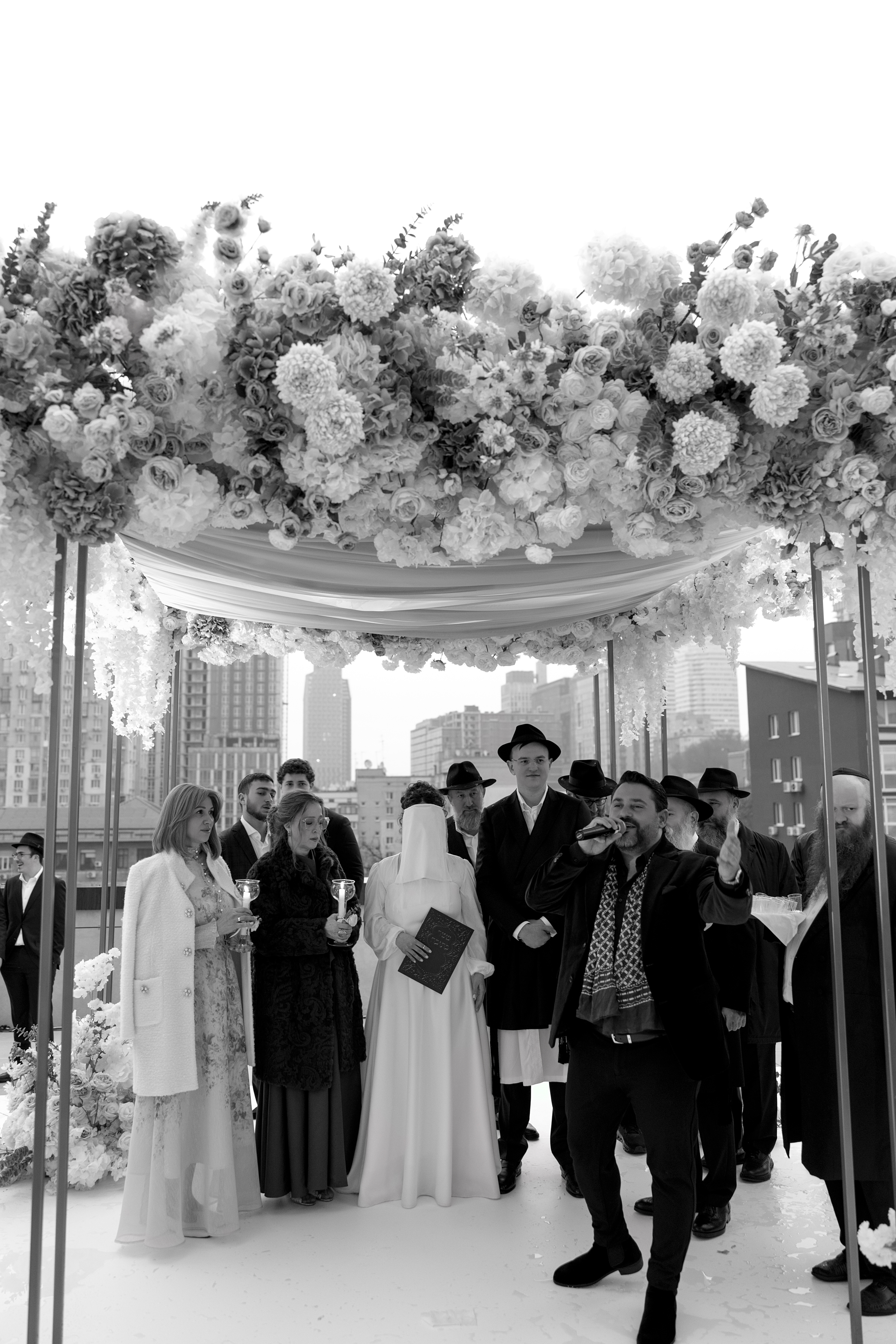
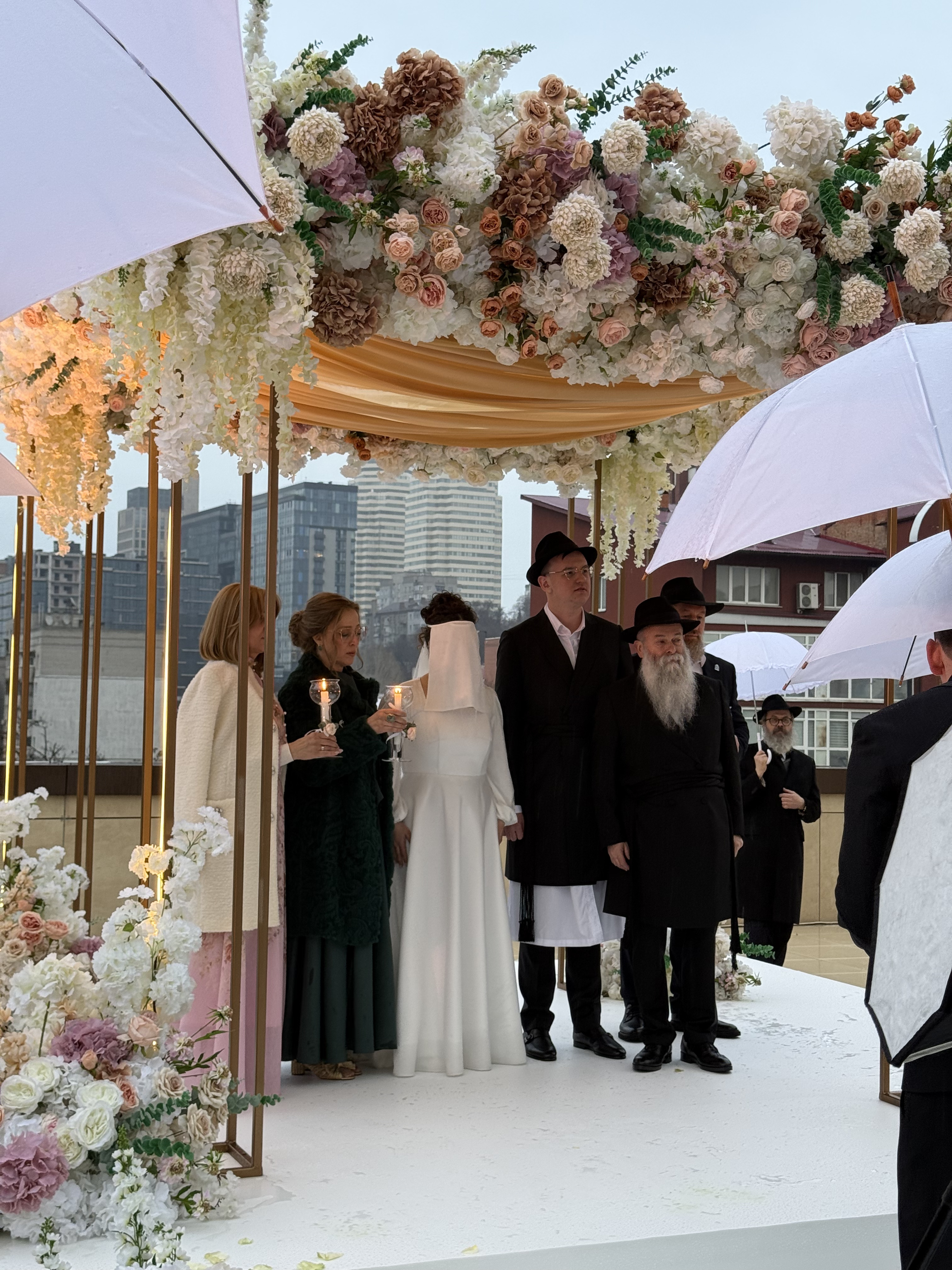
The central event of all the celebrations surrounding the marriage of Sara Kaminezki and Yehuda Kes was the Chuppah ve-Kiddushin ceremony, conducted by the bride’s father, Chief Rabbi of Dnipro and the region Shmuel Kaminezki.
Before the Chuppah began, one of the most moving moments of a Jewish wedding took place: the Bedeken ceremony. The groom, accompanied by the bride’s father, Rabbi Shmuel Kaminezki, and Rabbi Yaakov Sinyakov, approached the bride and lowered the veil over her face. This ancient custom emphasizes that the foundation of a Jewish family is not external impression but inner beauty, modesty, dignity, and spiritual depth.
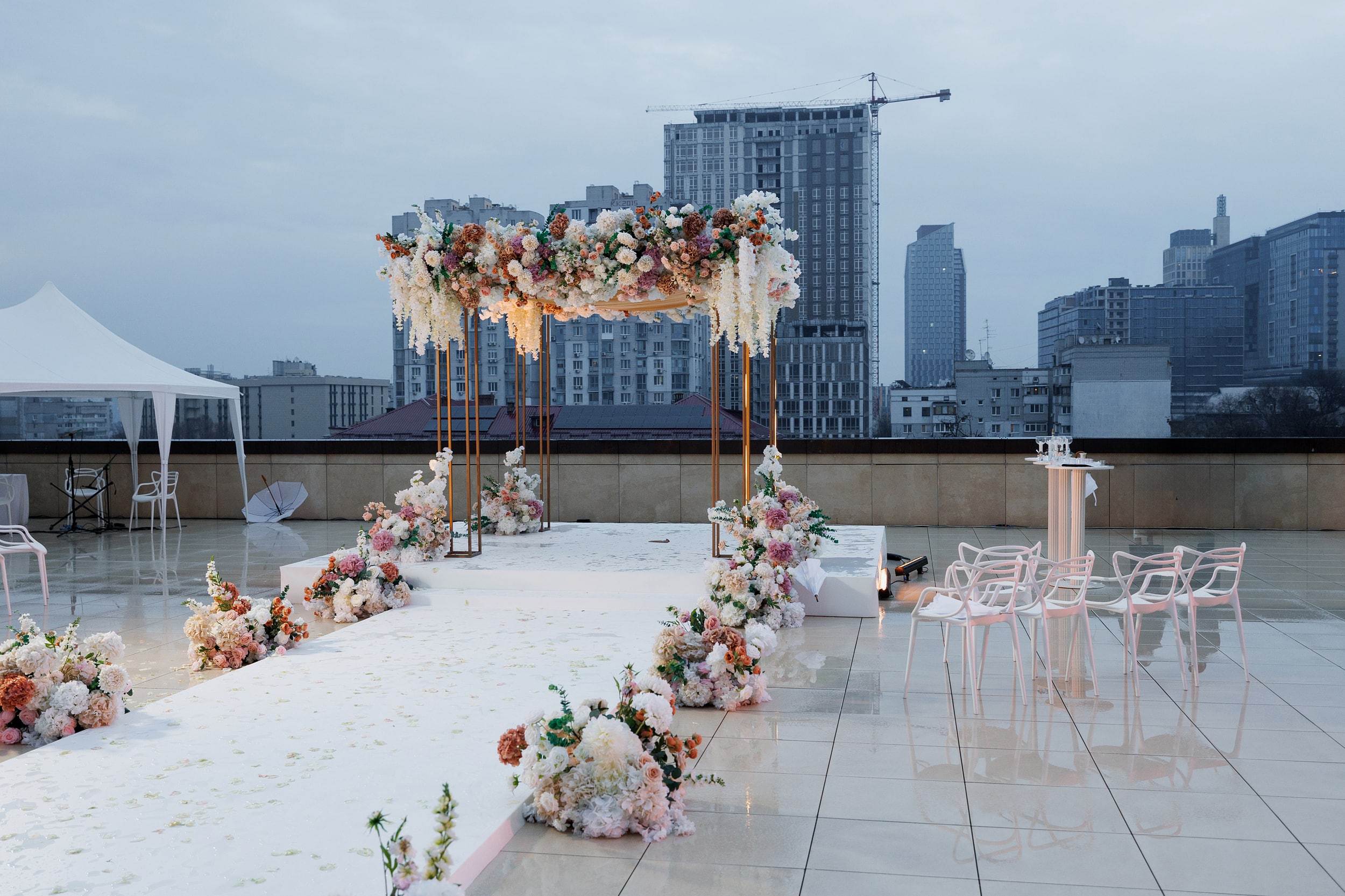
After this, the groom was led under the Chuppah first, followed by the bride, accompanied by her mother, Rebbetzin Chana Kaminezki, and Rebbetzin Ilana Chana Sinyakov. The escorts carried burning candles, symbolizing the light of Torah and the Divine blessing that accompanies the creation of a new Jewish home.
A particularly impressive moment of the ceremony was the seven circles the bride made around the groom. This ancient custom symbolizes the creation of a new unity, a new home, and a new world that the bride and groom will build together based on the eternal values of Torah, love, fidelity, and mutual responsibility.
The welcoming hymn for the young couple, “Mi Yadir,” was performed by the bride’s brothers – Reuven, Menachem Mendel, and Yosef Yitzchak Kaminezki.
The reading of a letter from the Lubavitcher Rebbe blessing the bride and groom made a great impression on the participants of the wedding ceremony. The letter was read by Rabbi Yisroel Aryeh Leib HaLevi Gurevich, and the translation was read by Rabbi Moshe Listengurt.
A special moment was also the priestly blessing (Birkas Kohanim), recited by Rabbi Sholom DovBer HaKohen Erentroy. This blessing, imbued with special sanctity, lent the Chuppah even greater exaltation and spiritual depth.
The validity of the ring and the legal force of the Kiddushin ceremony were attested to by the honored witnesses – Rabbi Mayer Tzvi Stambler and Rabbi Rafael DovBer Rutman. Thereafter, the groom, reciting the prescribed words, placed the wedding ring on the index finger of the bride’s right hand, consecrating her to himself according to the law of Moses and Israel.
Rabbi Moshe Leib Weber was invited to read the wedding contract – the Kesubah. This most important document, defining the spiritual, moral, and material obligations of the husband towards his wife, was solemnly proclaimed before all those present and then presented to the bride.
The seven wedding blessings – Sheva Brachos – were recited by honored guests. The first blessing over a cup of wine was recited by the bride’s uncle, Rabbi DovBer Lipsker, with its translation by Mr. Yoav Shaulov.
The second blessing, giving thanks to the Almighty for the creation of the world, was recited by the husband of the bride’s sister, Rabbi Shneur Zalman Futerfas, with its translation by Mr. Yitzchak Shraibman.
The third blessing, praising the Almighty for creating man in His image and likeness, was recited by Reb Dovid Bass, with its translation by Mr. Leonid Moiseyevich Livshits.
The fourth blessing, also praising the Almighty for the creation of man, was recited by Reb Shlomo Chertok, with its translation by Mr. Moishe Zendel.
The fifth blessing – a prayer for the restoration of Jerusalem and the Holy Temple – was recited by Reb Levi Sharinov, with its translation by Mr. Yitzchak Fridman.
The sixth blessing, expressing the hope that the love of the bride and groom will be like the love of Adam and Chava in Gan Eden, was recited by Reb Igal Rogovoy, with its translation by Mr. Fedir Tkachman.
The seventh and final blessing – a prayer for the speedy arrival of the complete and final Redemption and the coming of the righteous Moshiach – was recited by Reb Nathan Zolotarevsky, with its translation by Mr. Chaim Zaidner.
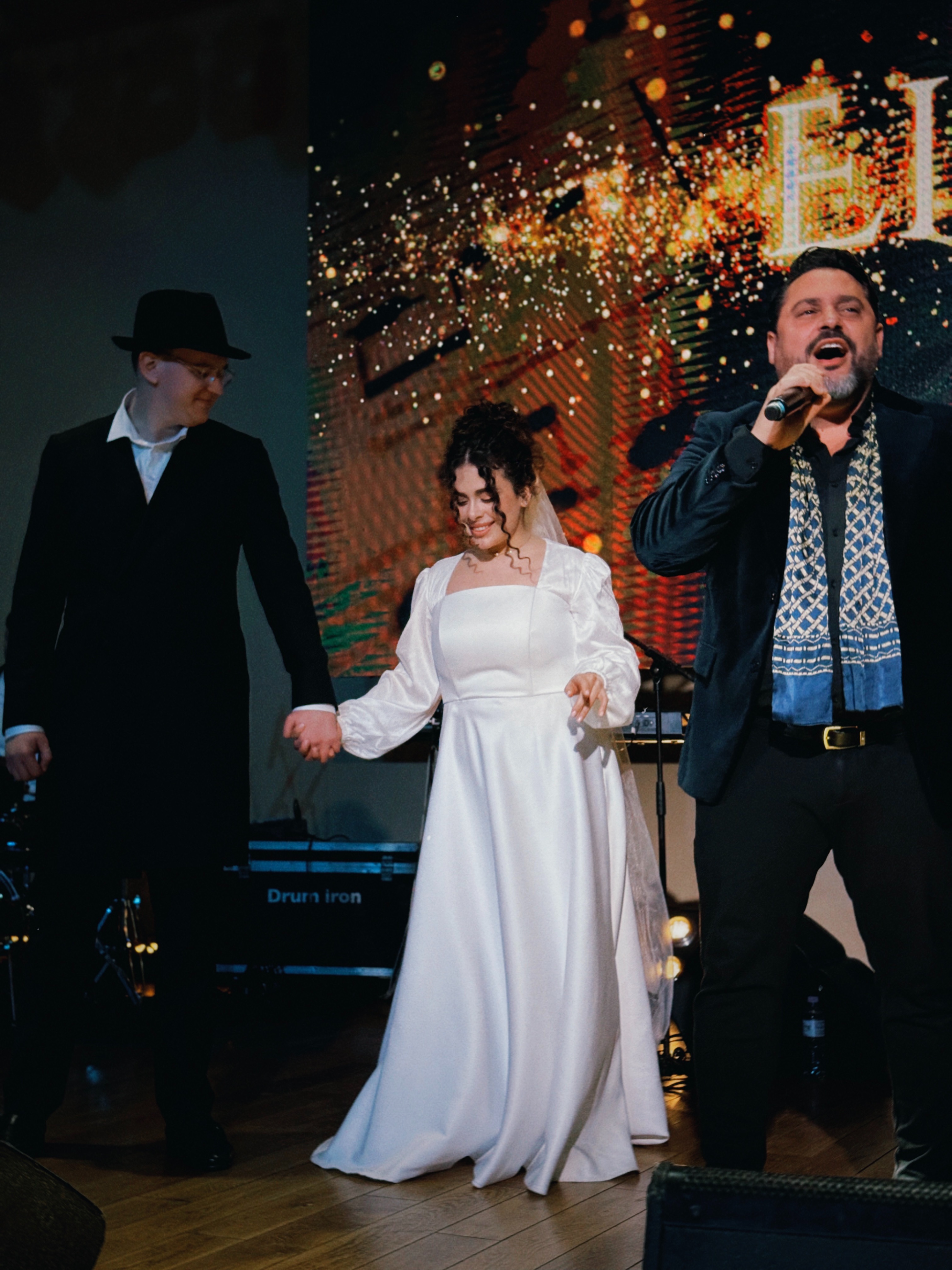
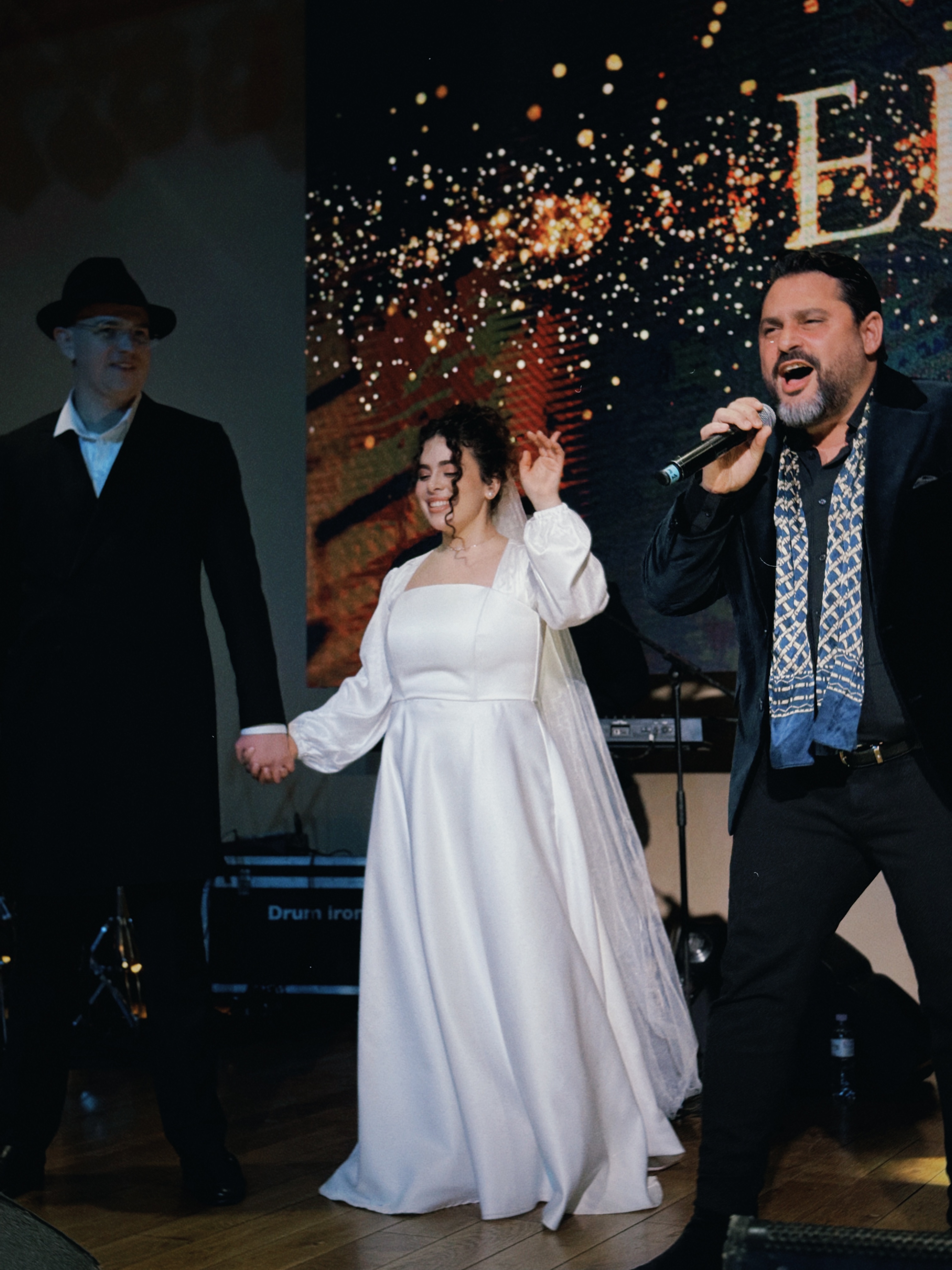
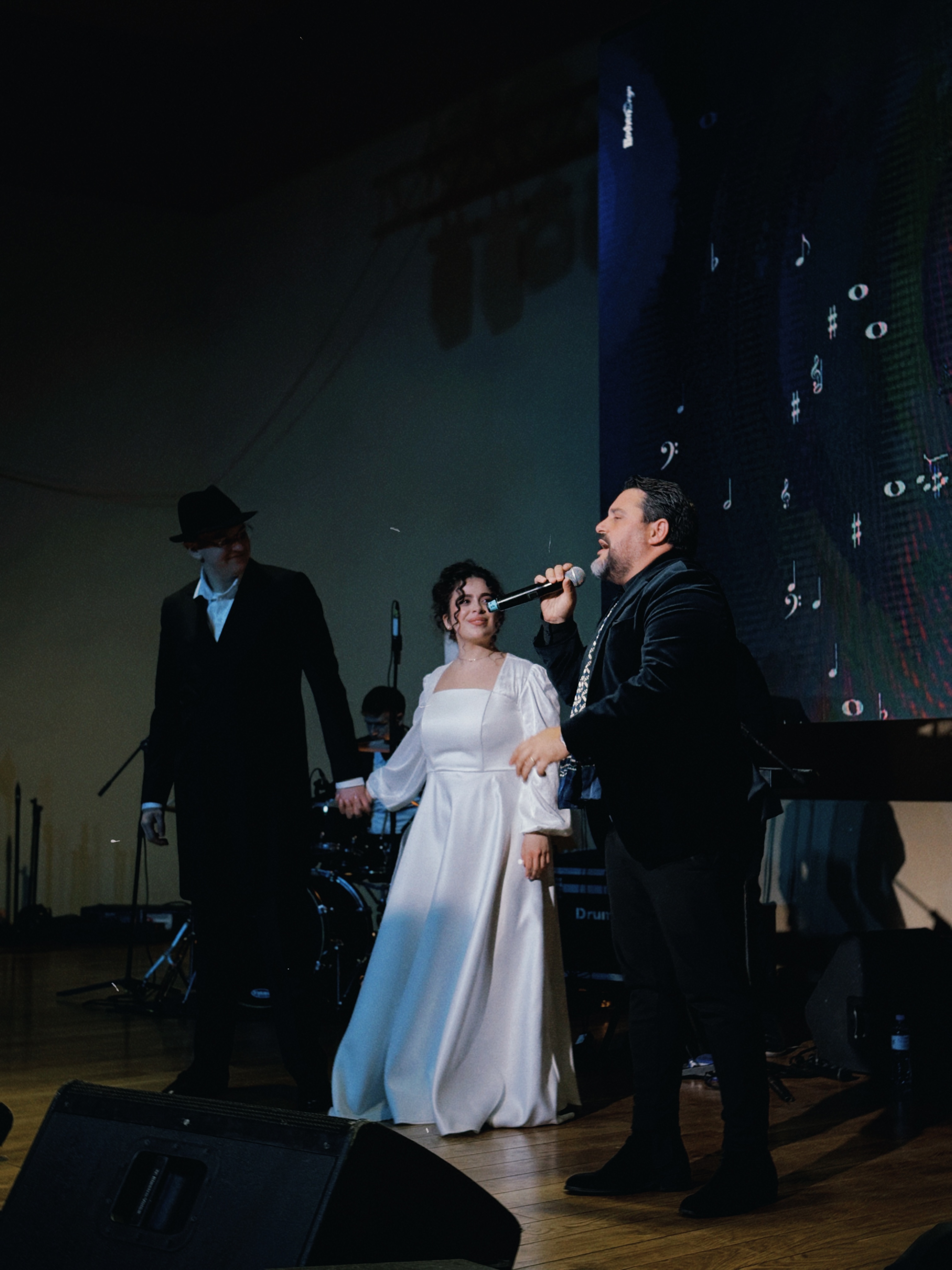
Even at the most exalted moment of Jewish joy, Jews do not forget Jerusalem and the destroyed Temple. Before the breaking of the glass, the moving song “Im Eshkachech Yerushalayim” was performed by the renowned singer Gad Elbaz.
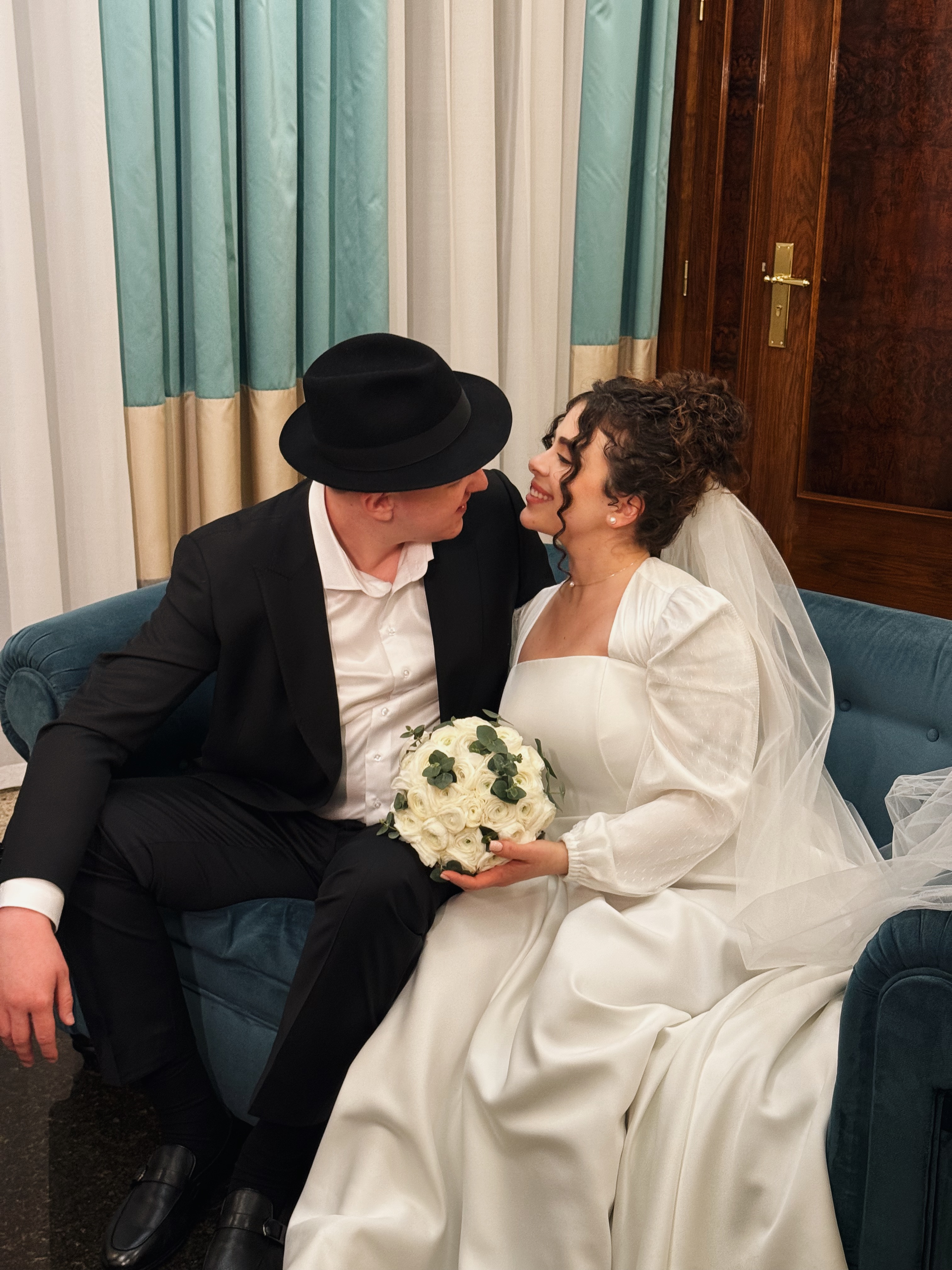
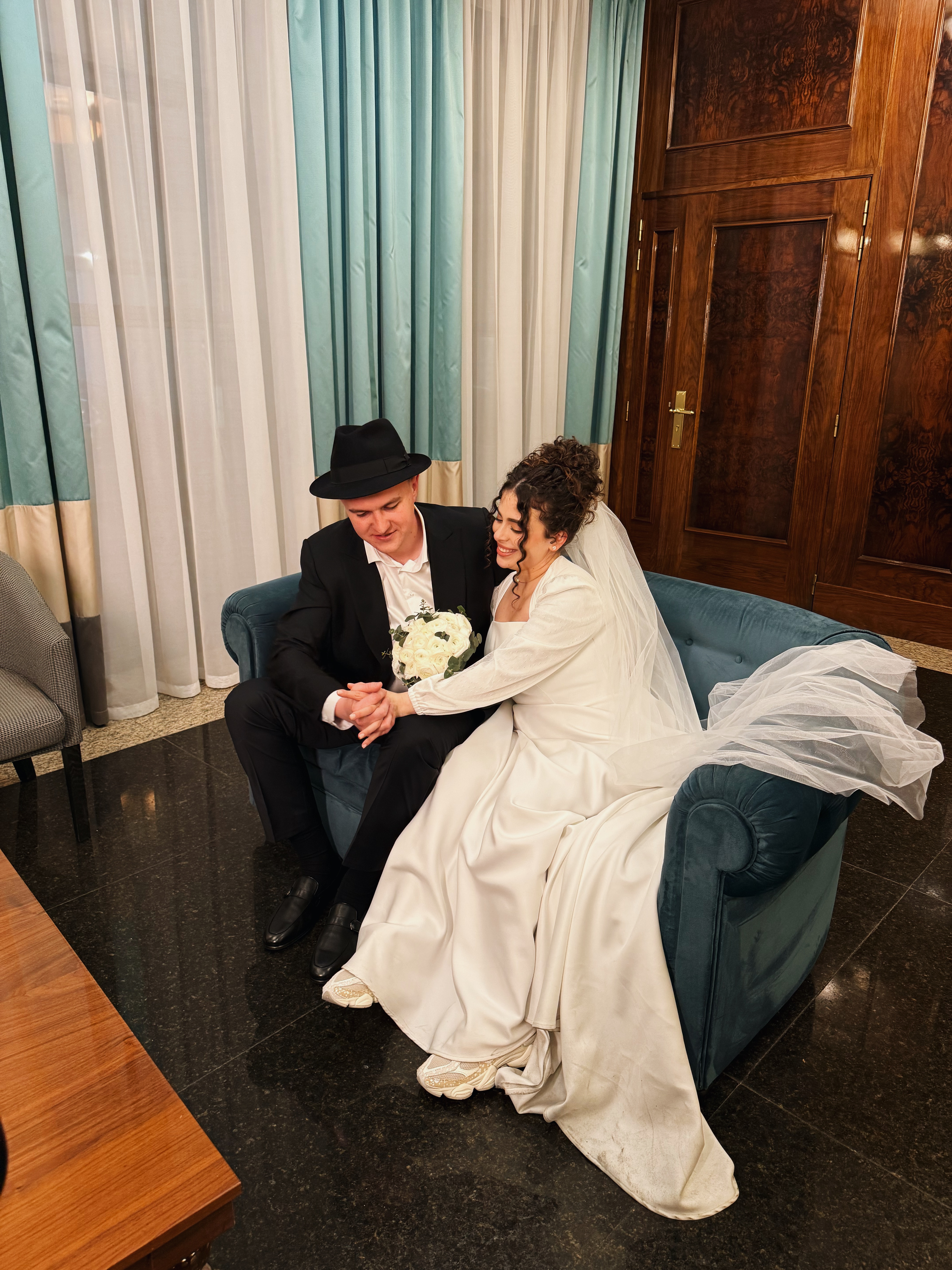
Concluding the ceremony, the groom, according to tradition, broke the glass, and all those present joyfully exclaimed “Mazel Tov!” Thereafter, the bride and groom proceeded to the yichud room, accompanied by the honored witnesses, while the guests were invited to the wedding feast.
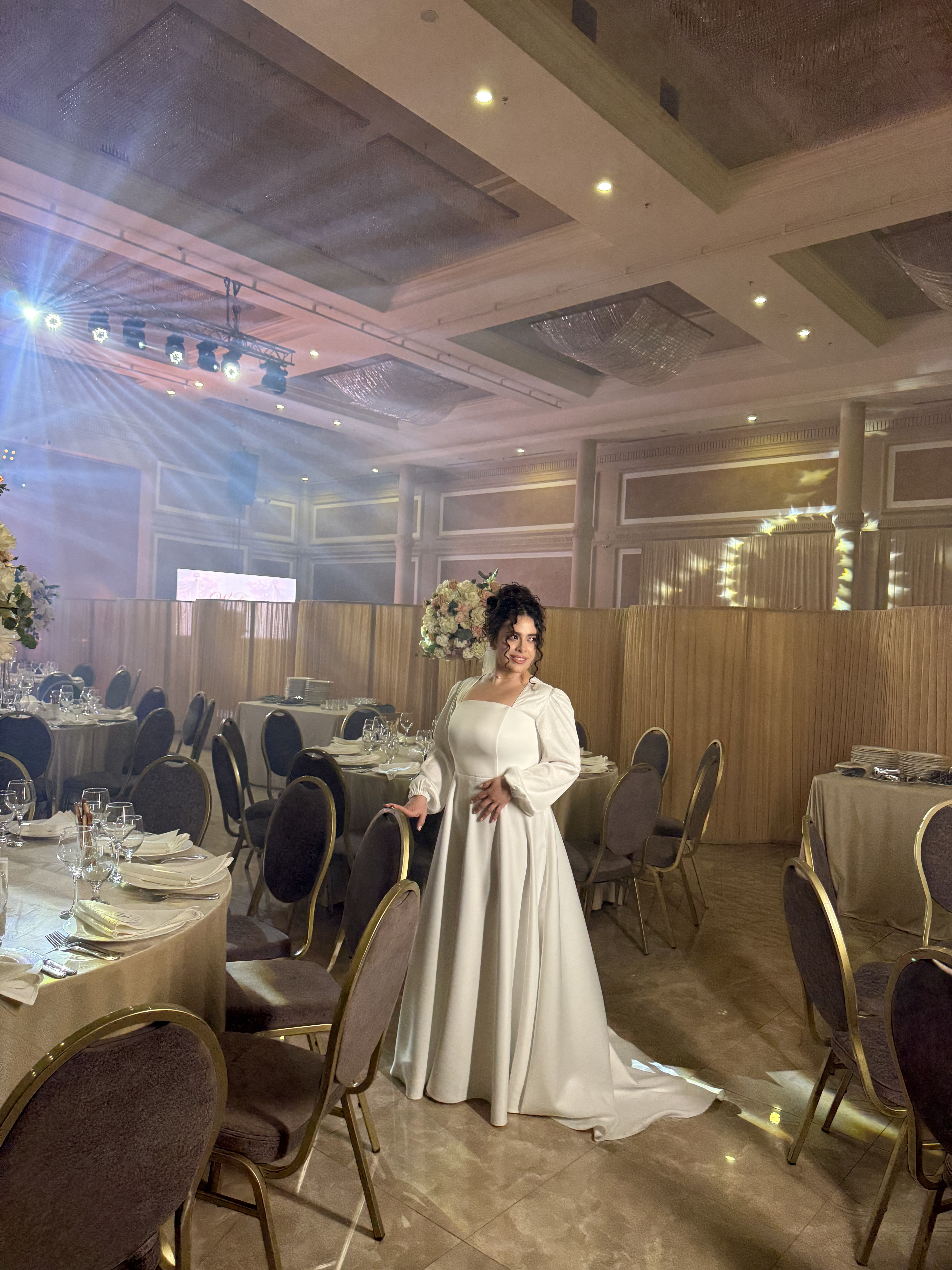
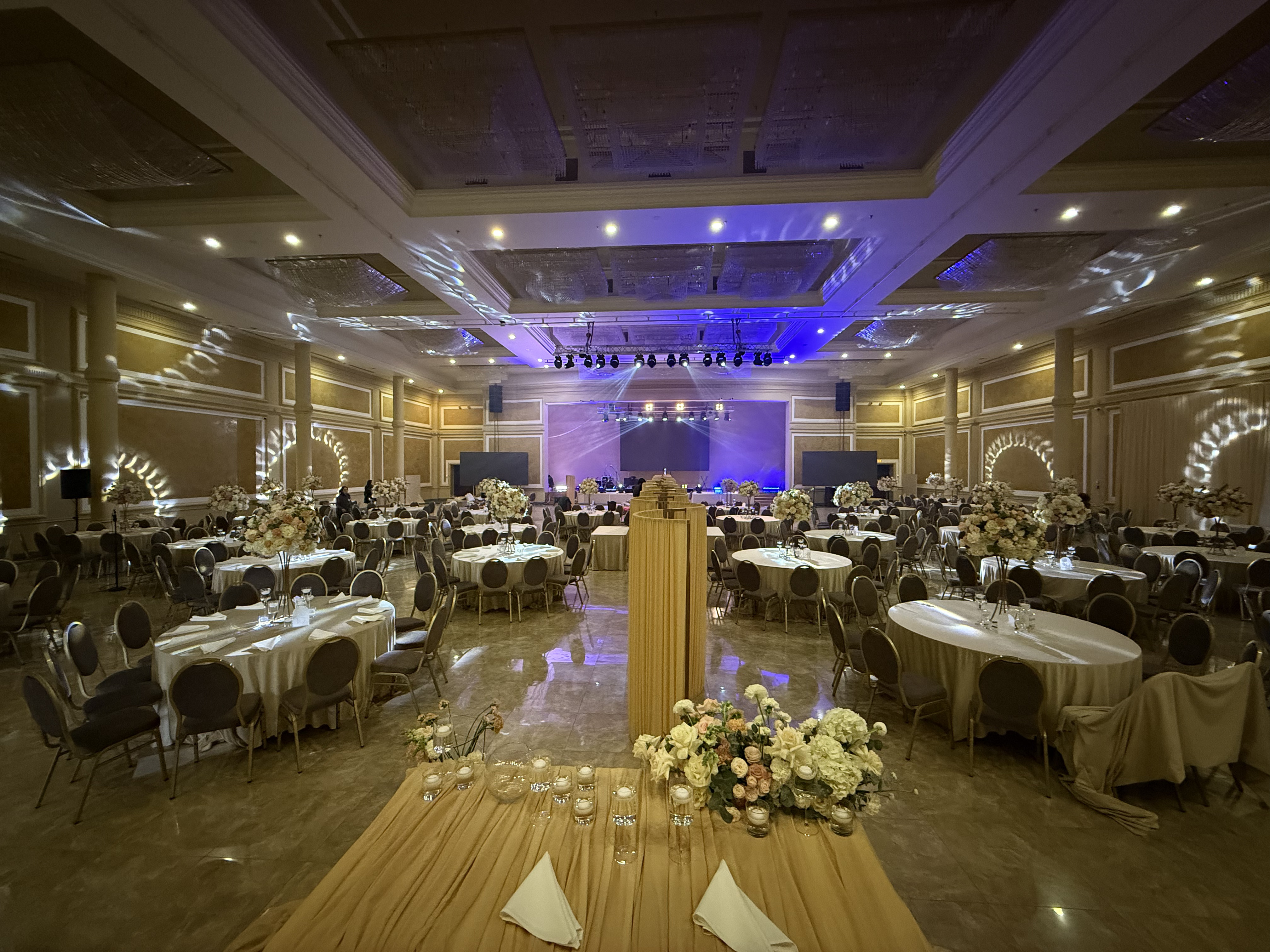
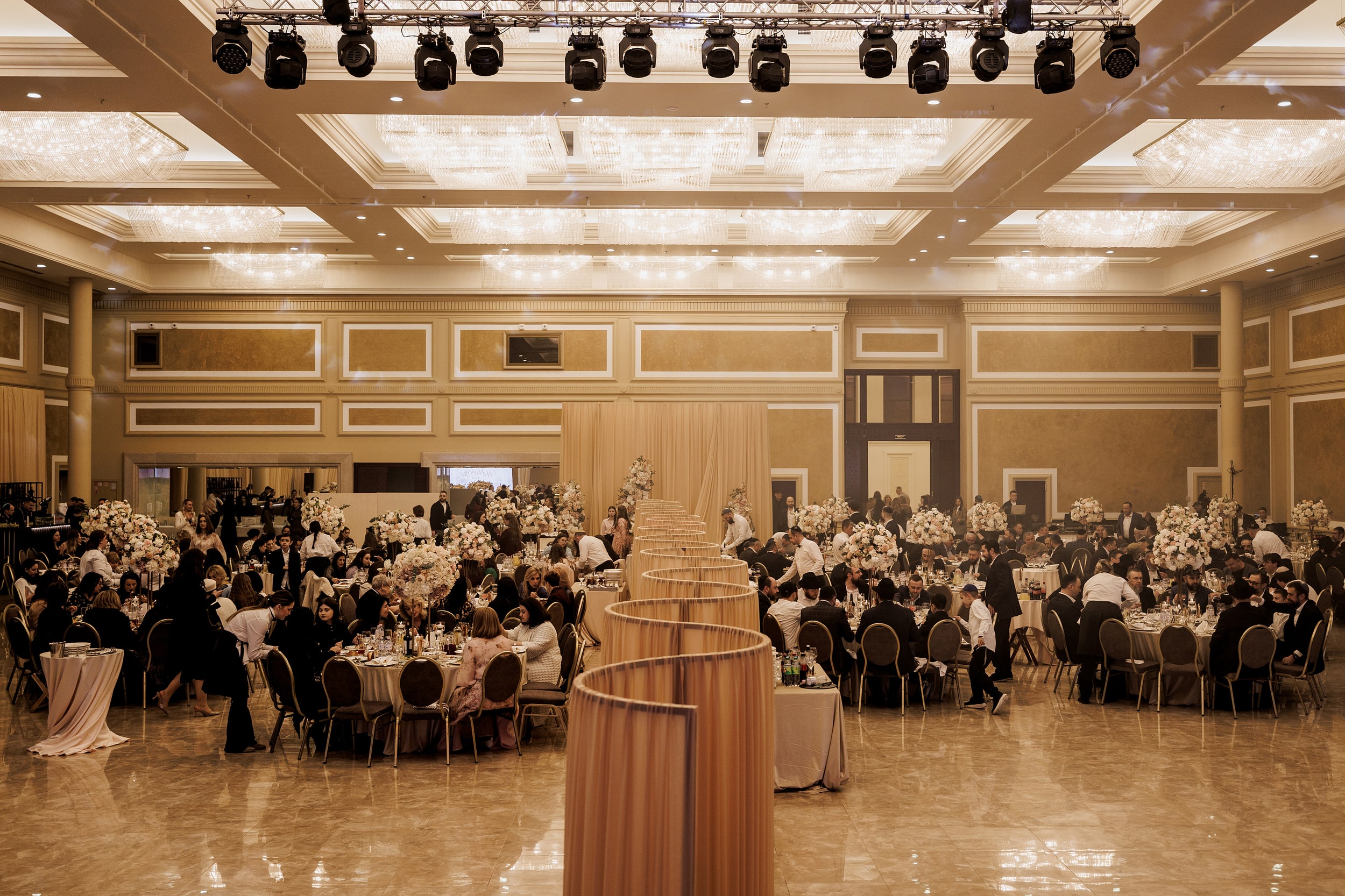
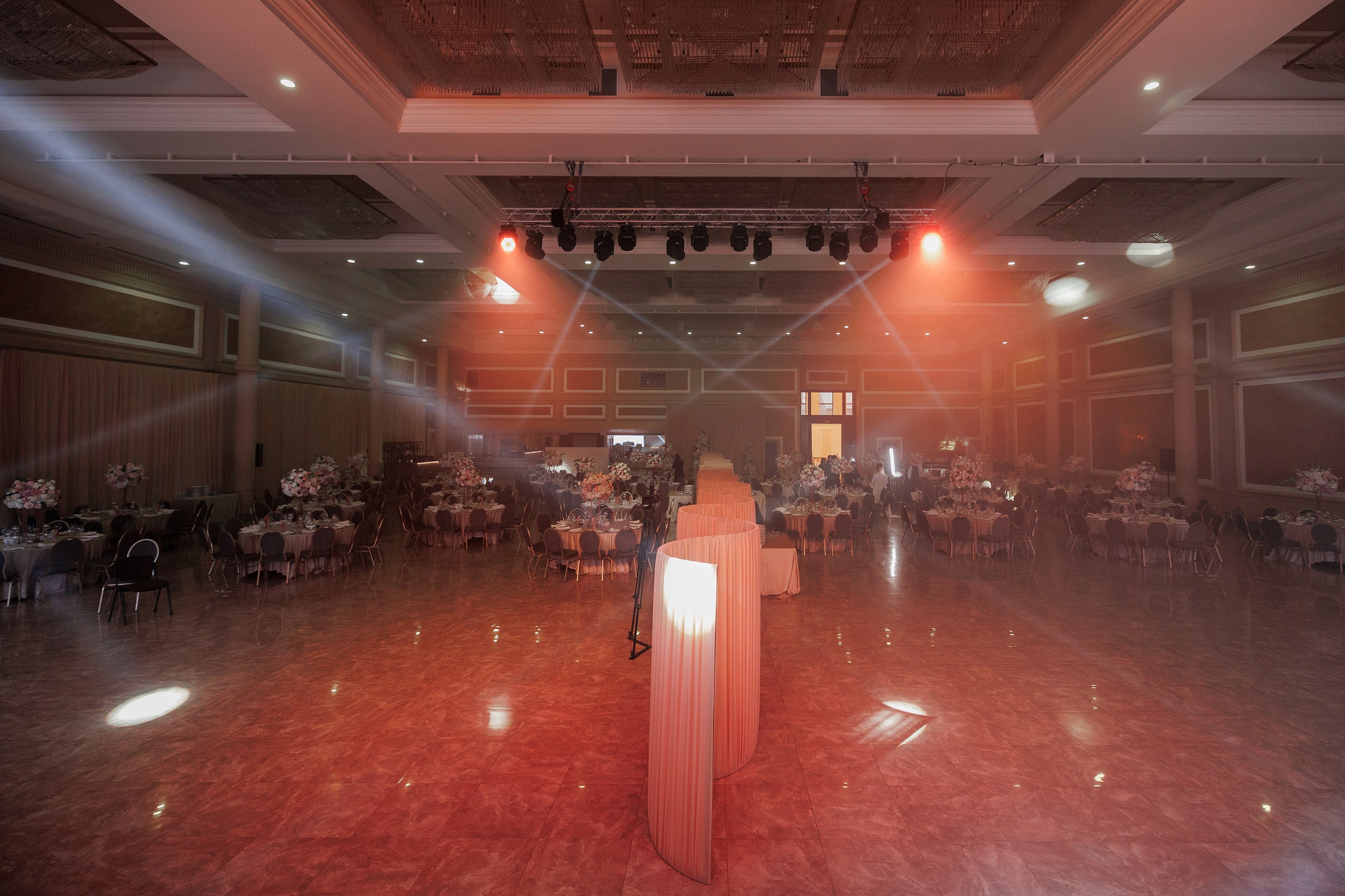
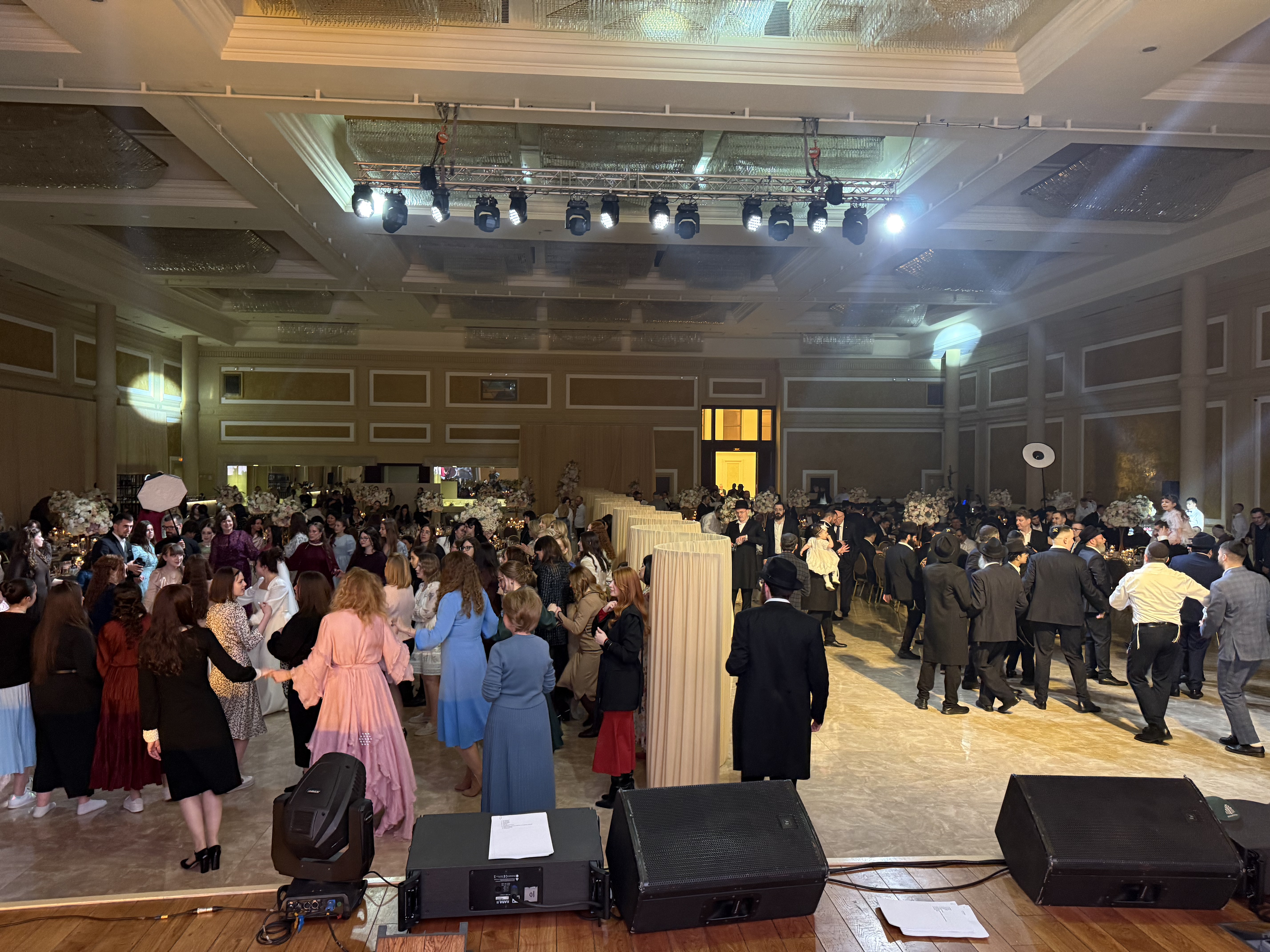
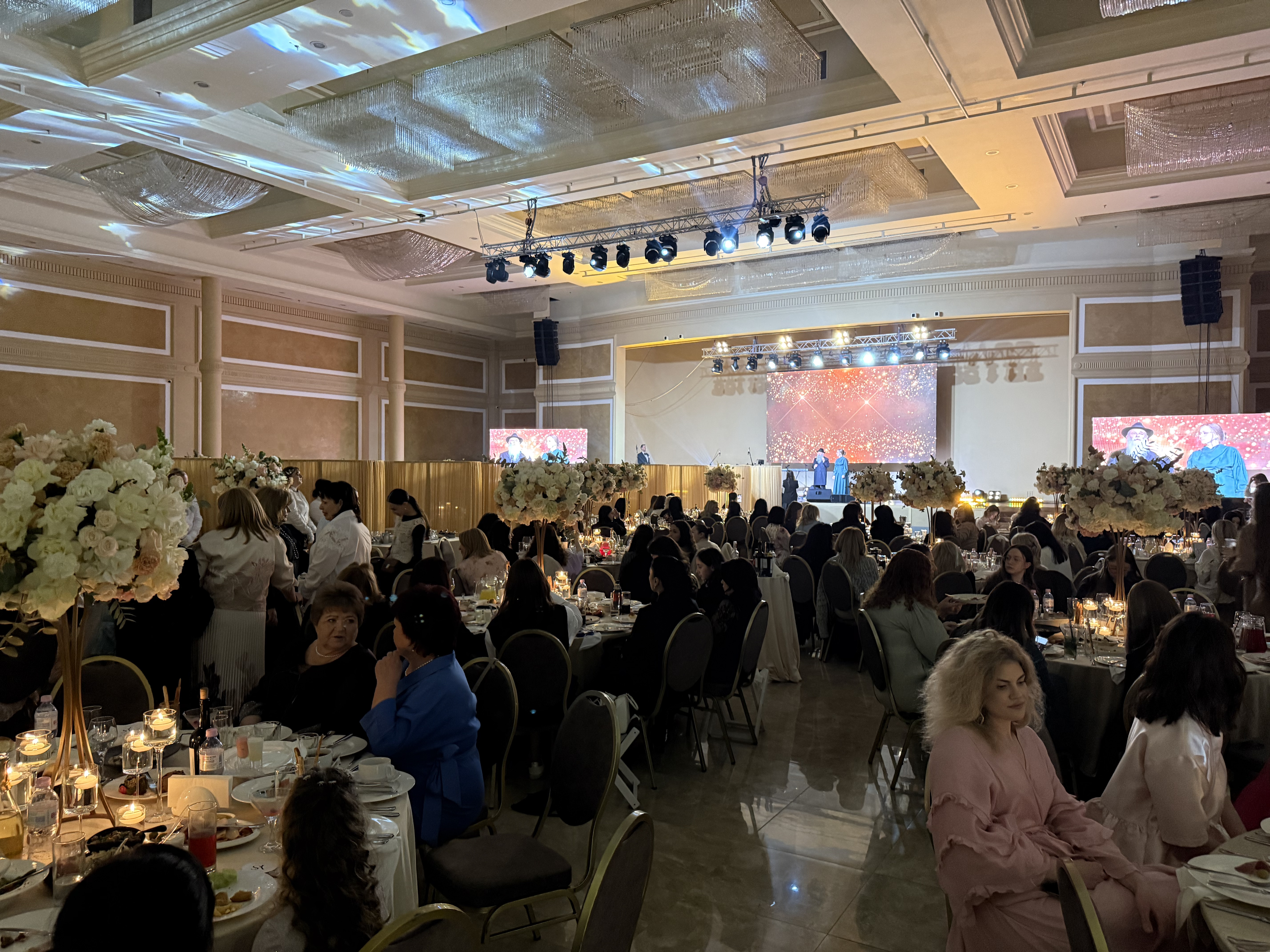
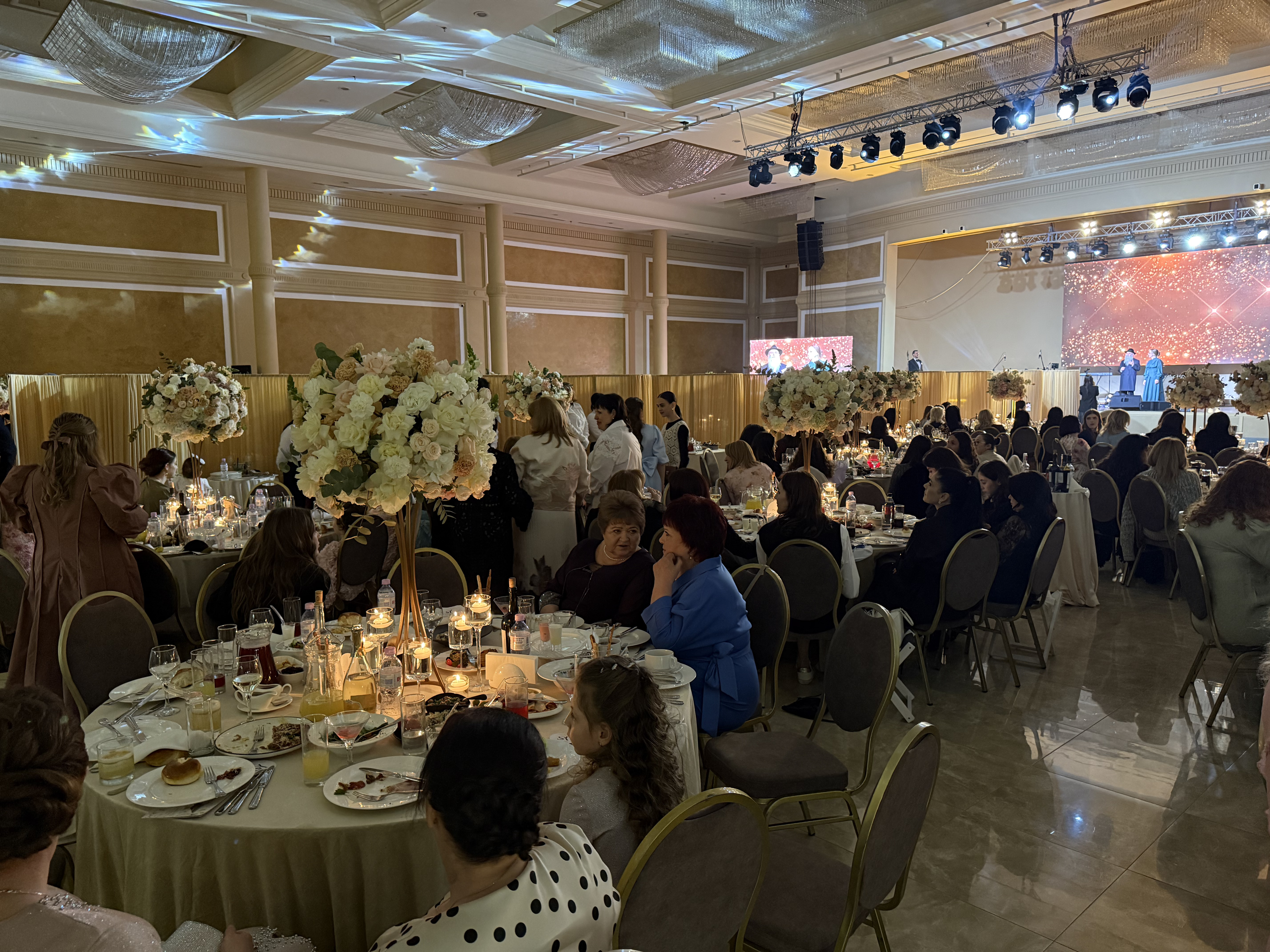
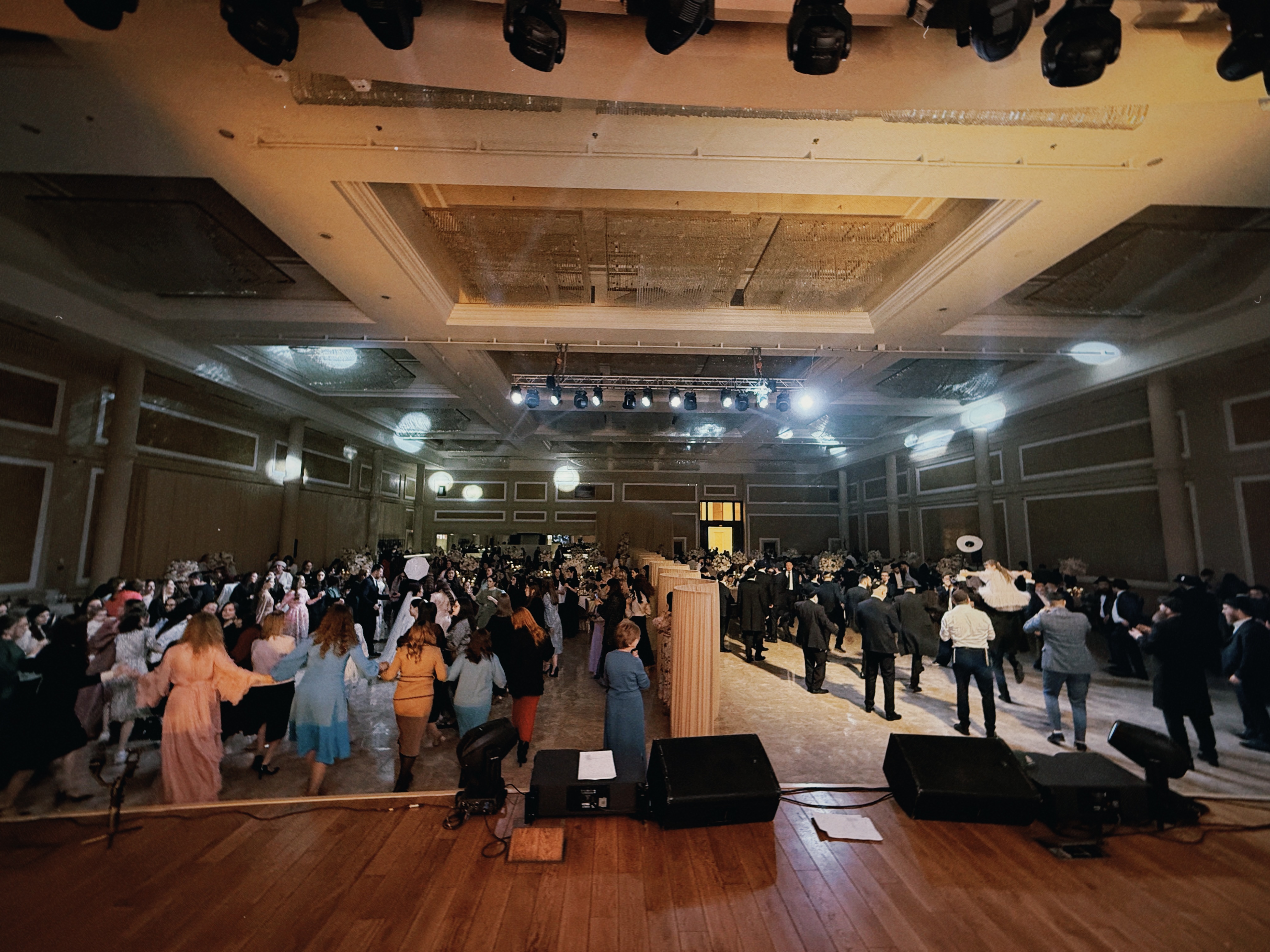
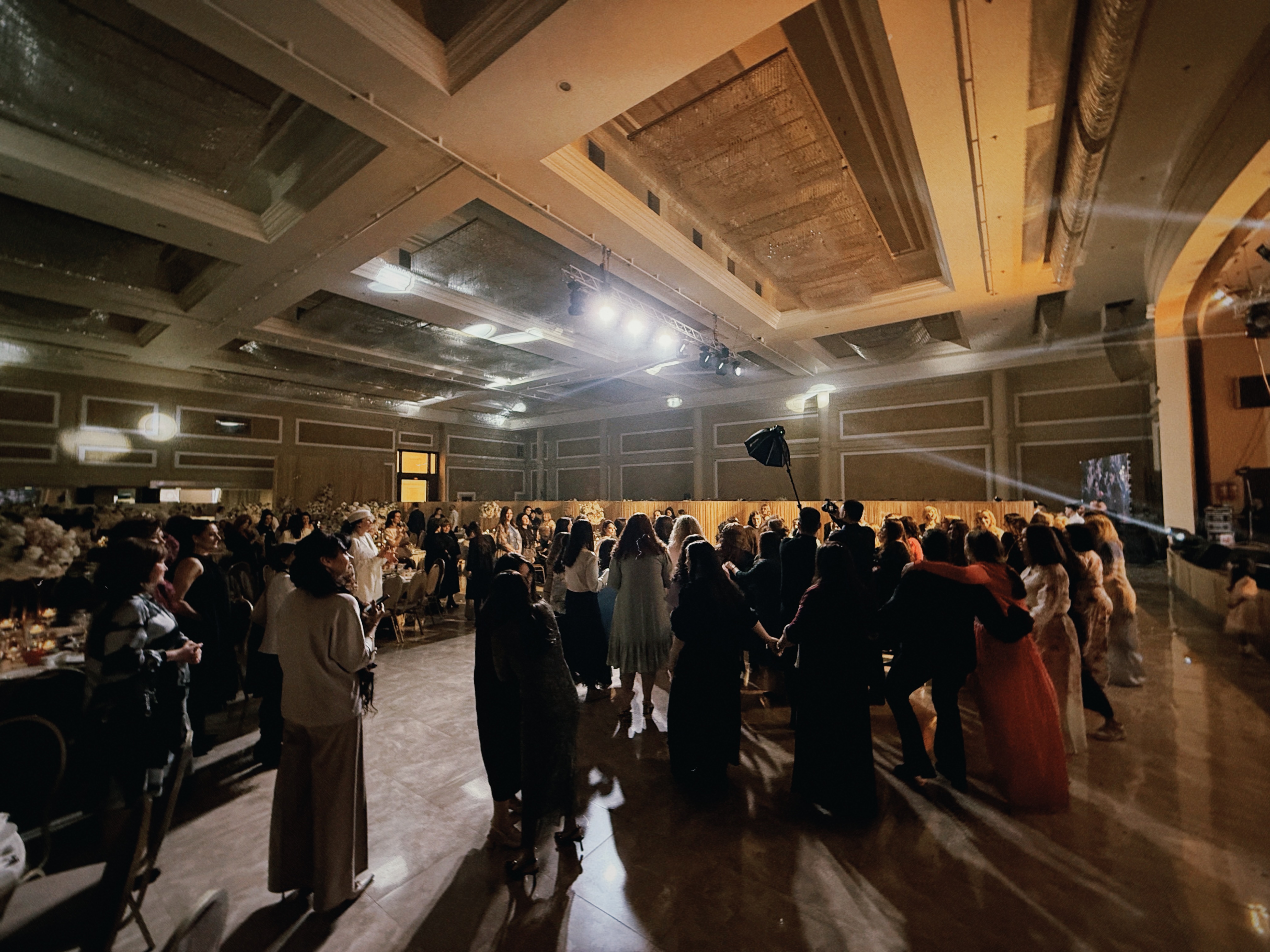
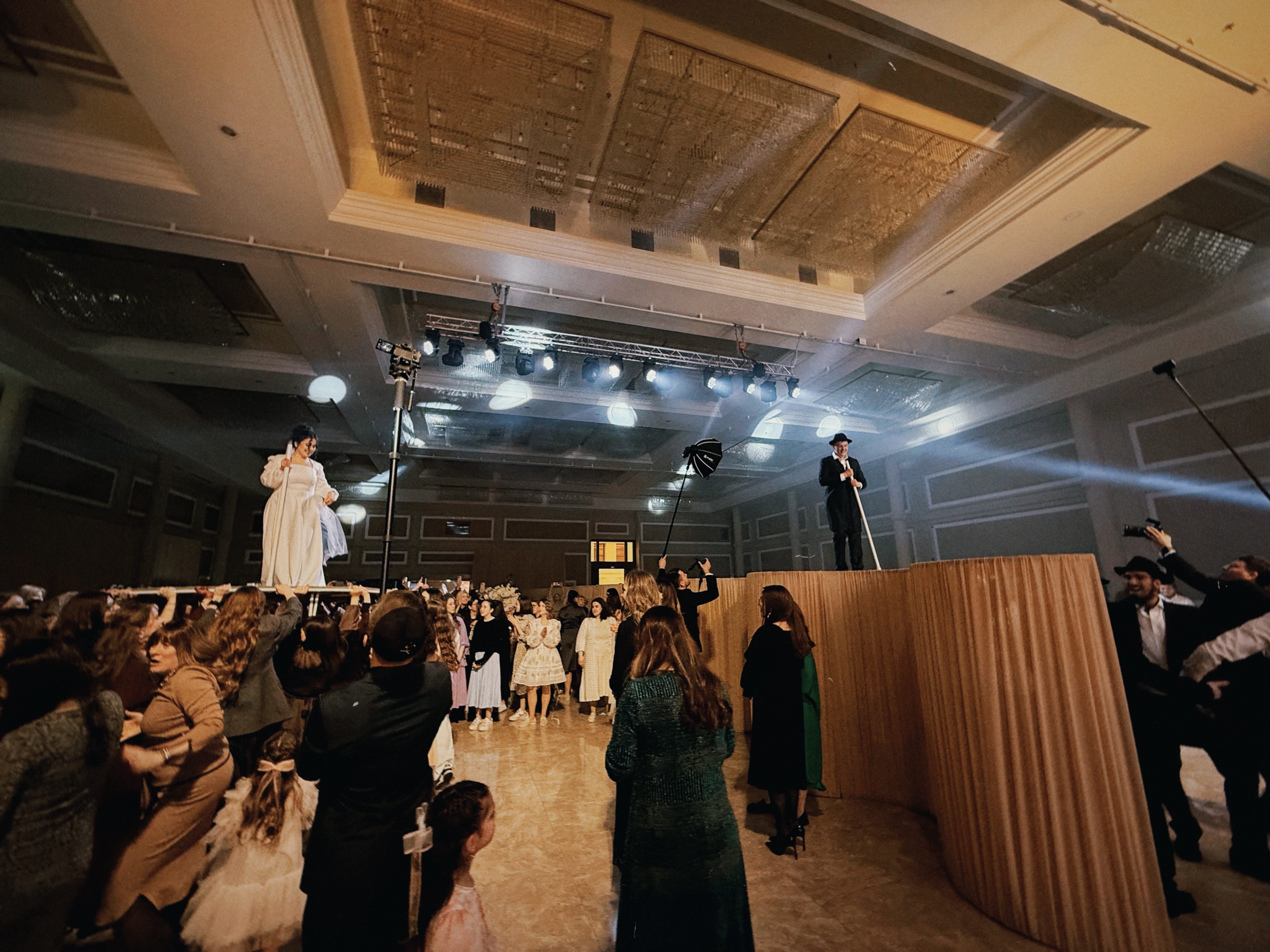
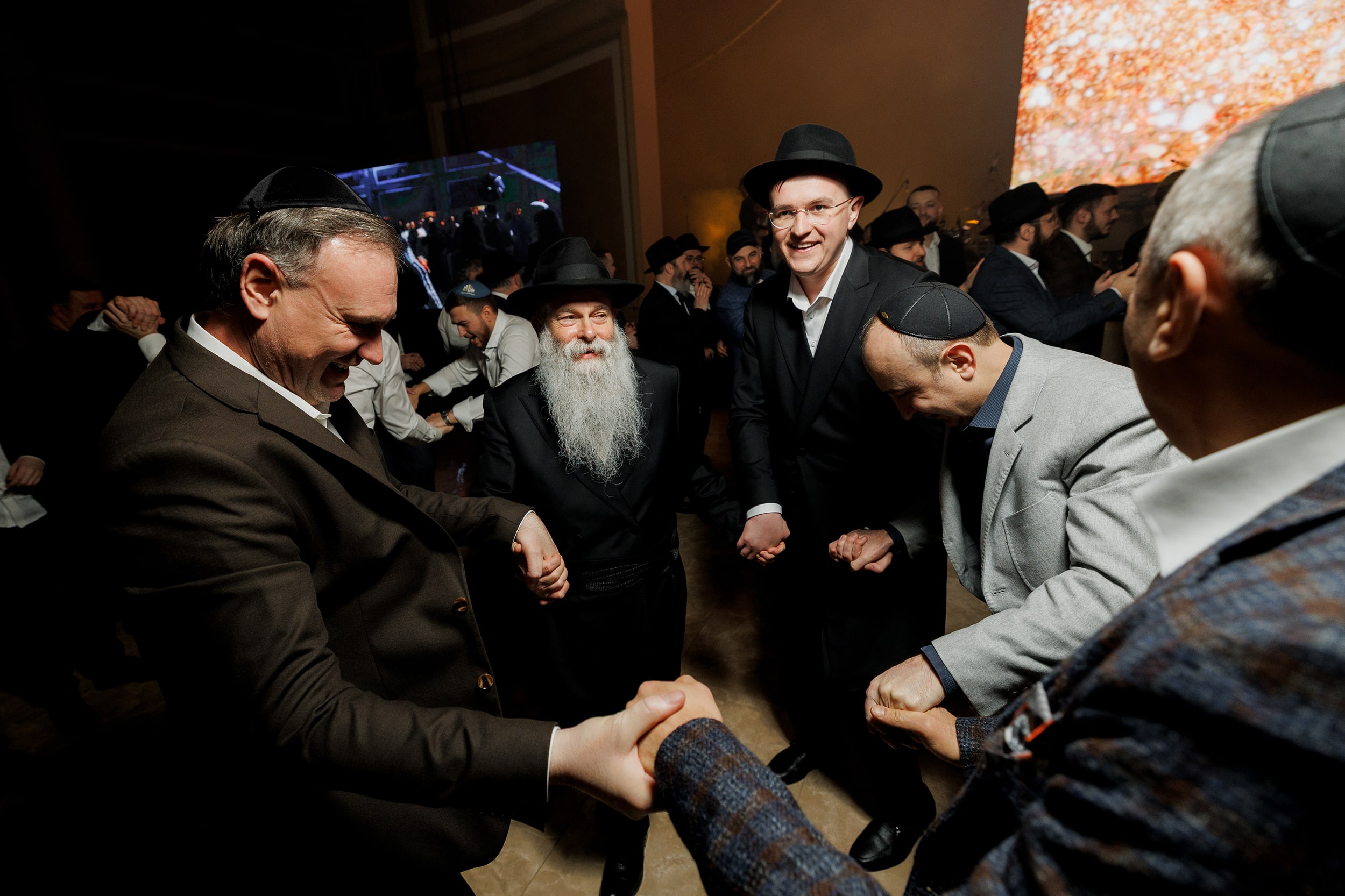
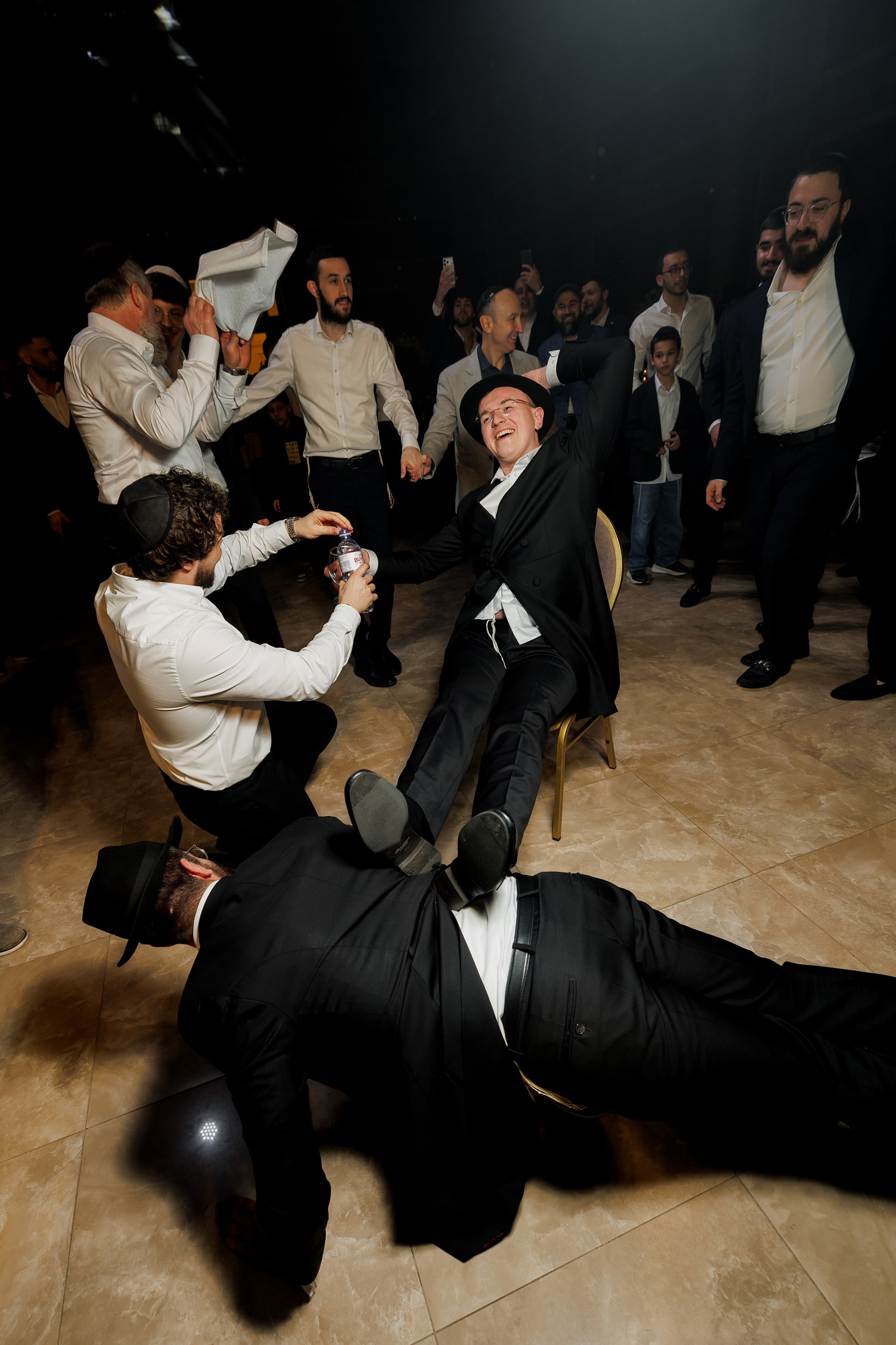
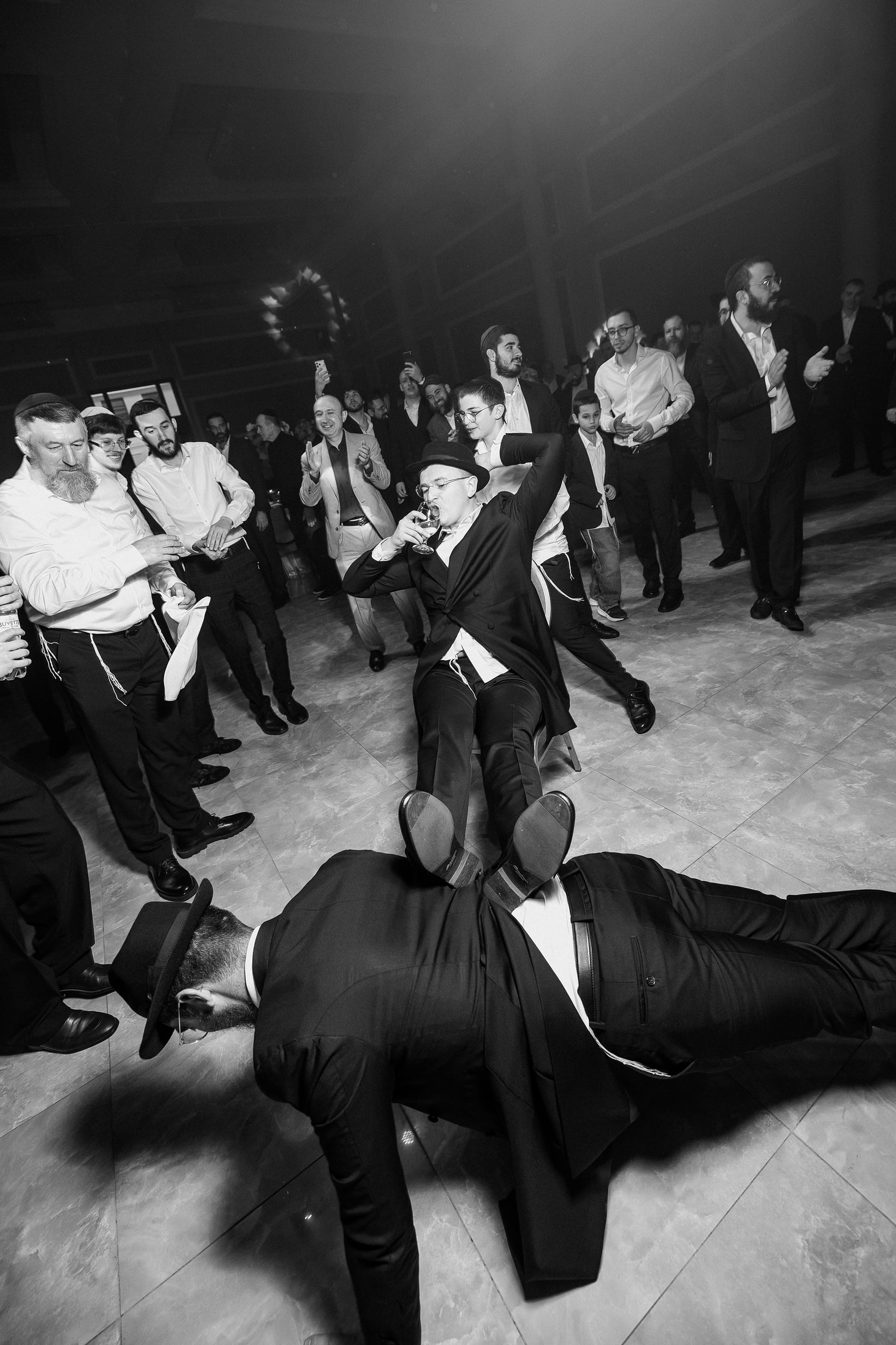
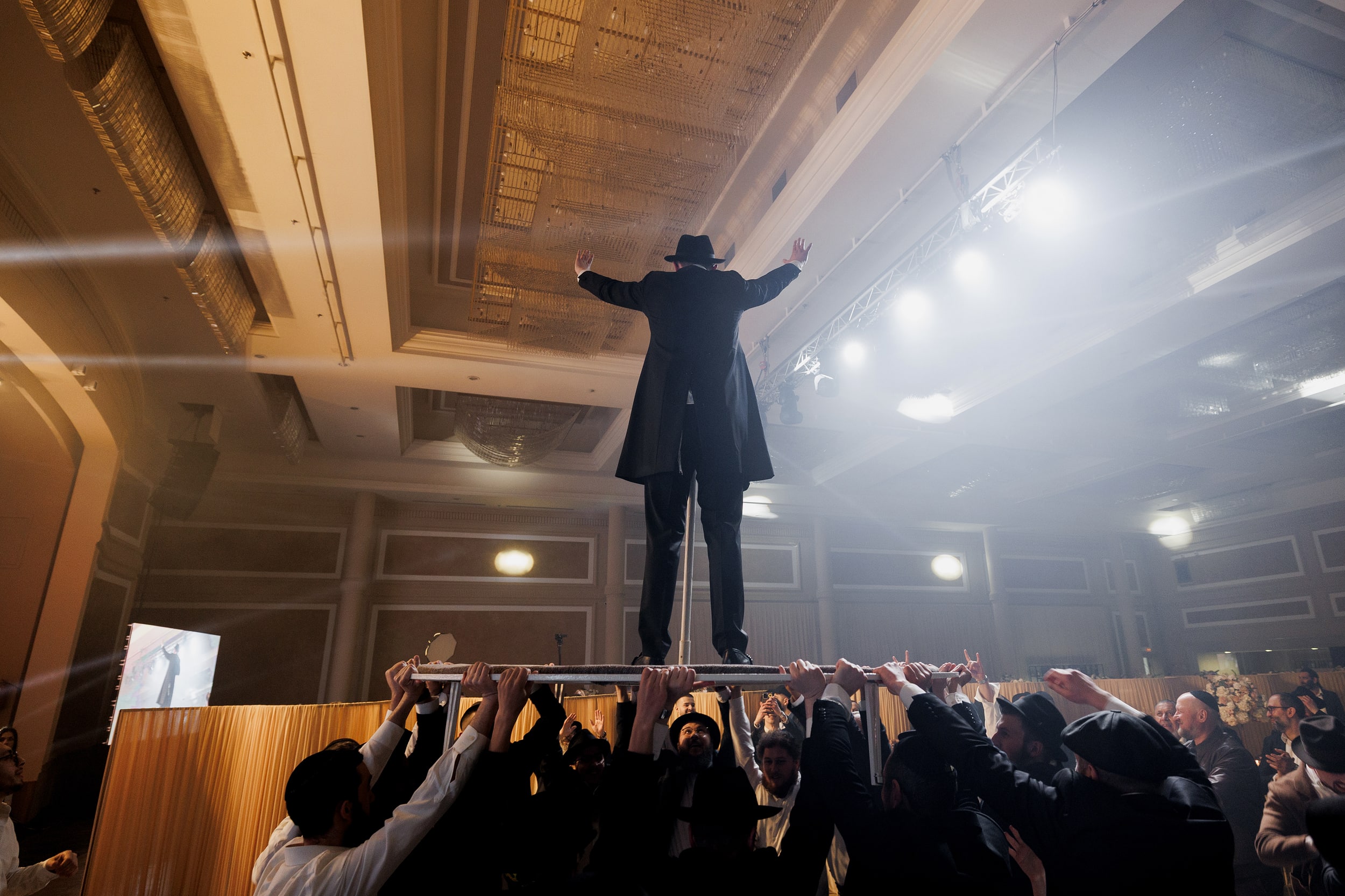
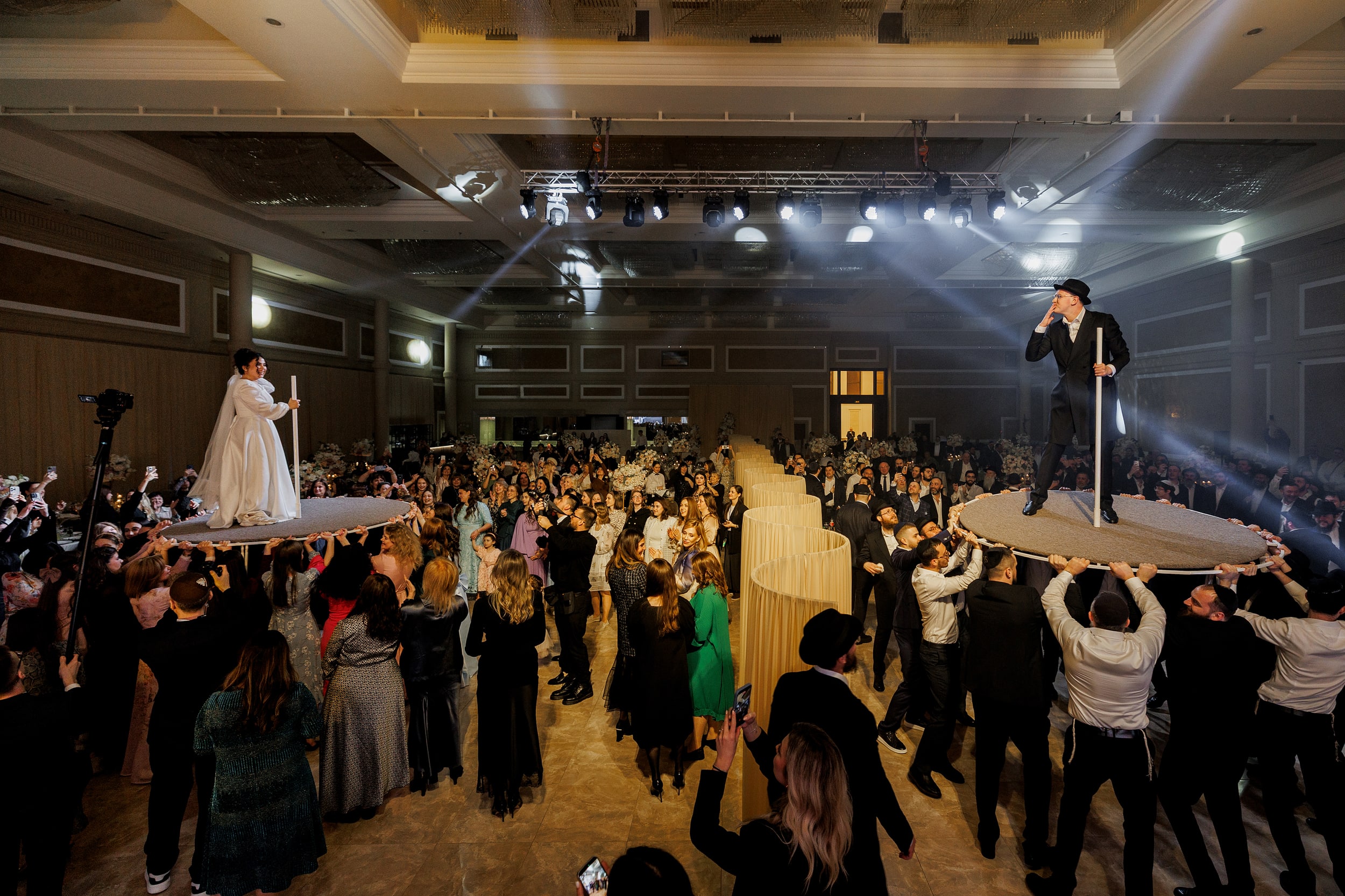
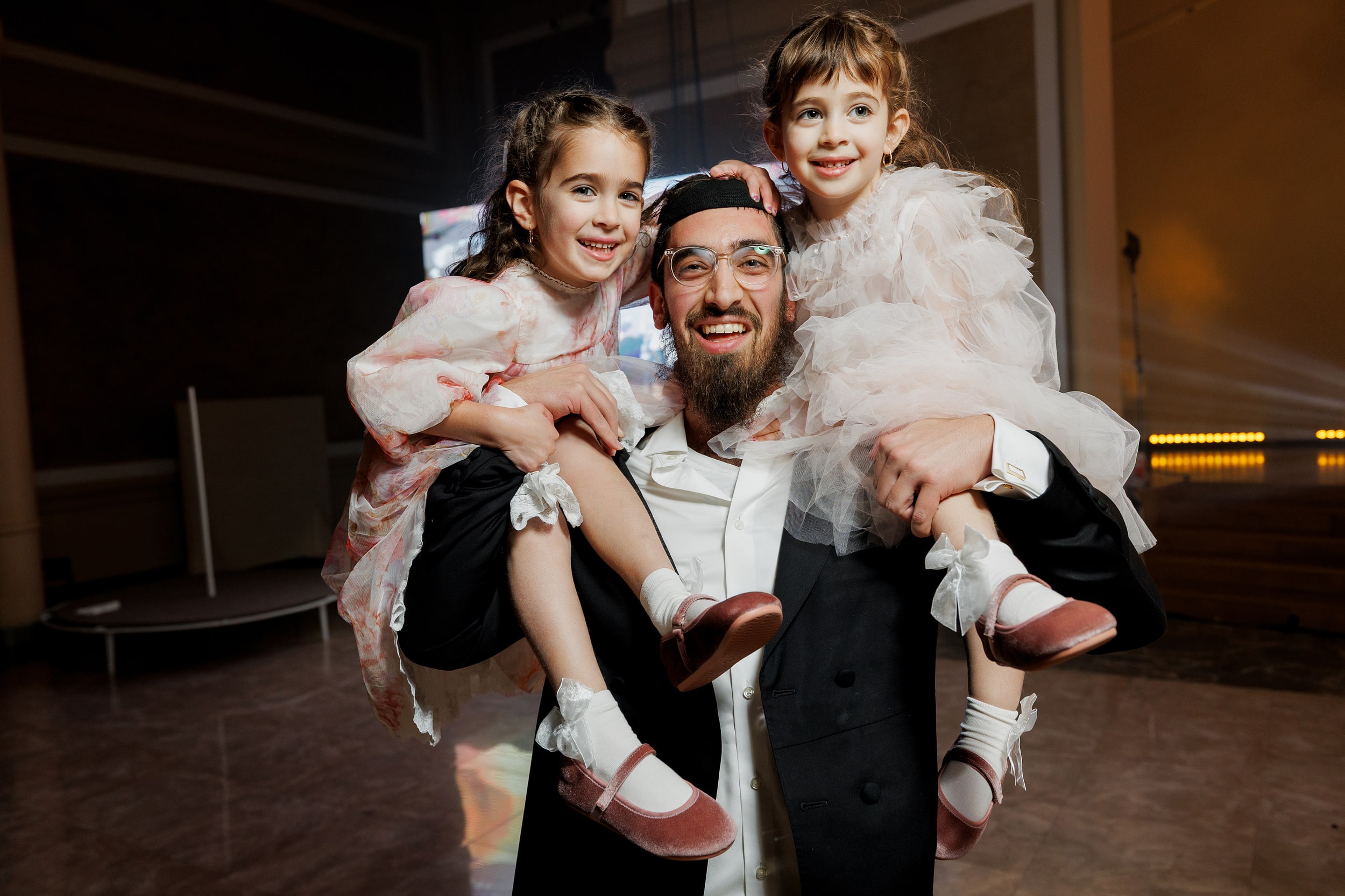
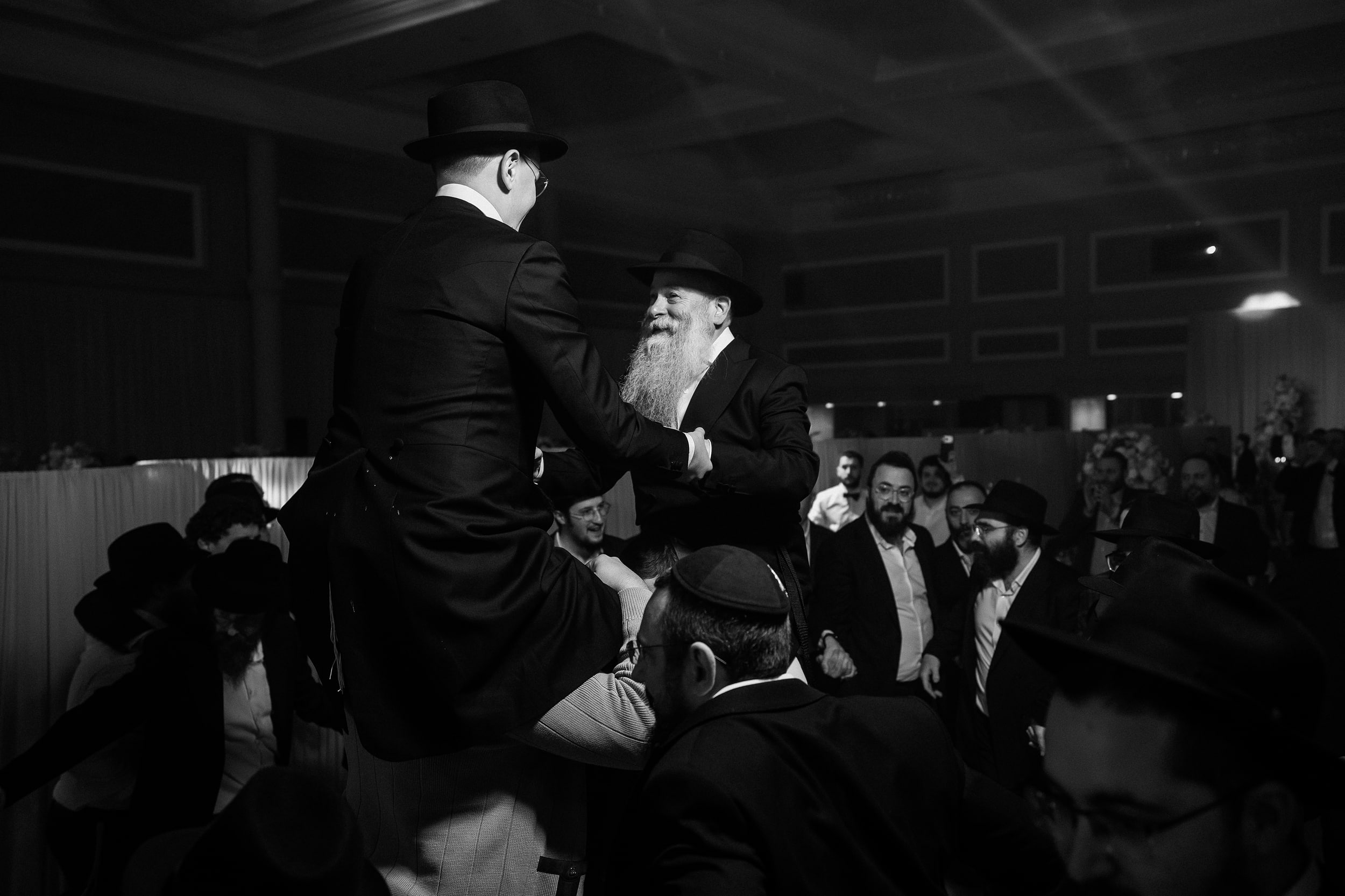
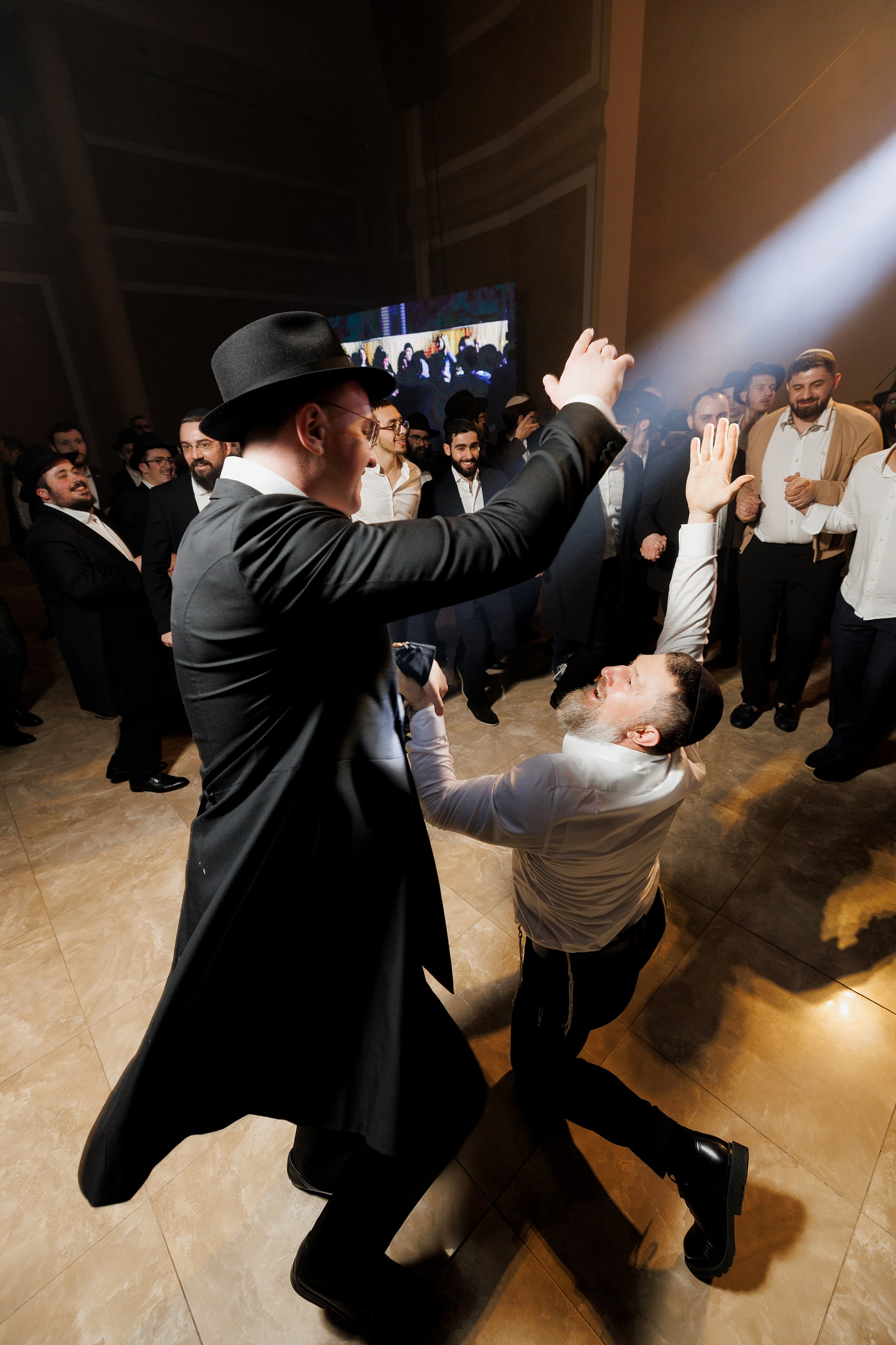
The festive banquet was a fitting continuation of the great celebration. Joy, music, heartfelt congratulations, warm smiles, dancing, and an atmosphere of genuine Jewish happiness filled the hall. The celebration was truly inspiring and filled with that special light that is born when a new home is established within the Jewish people, and it became an important event in the history of the united and cohesive Dnipro Jewish Community.