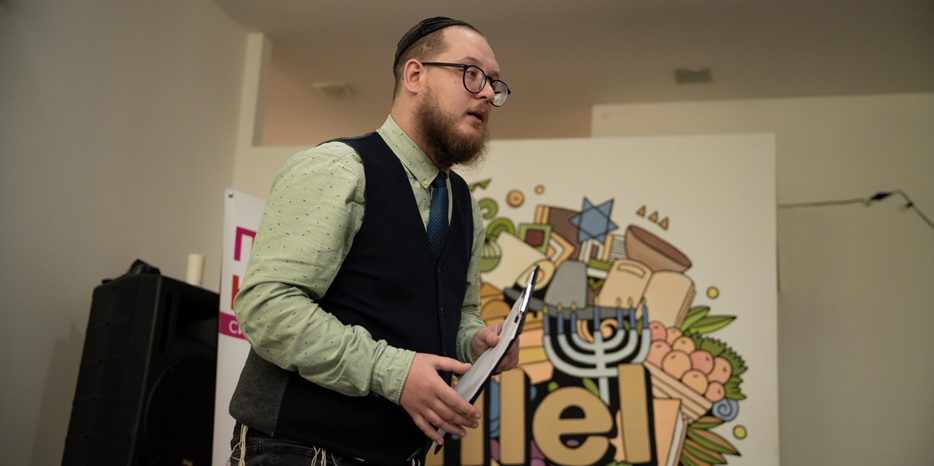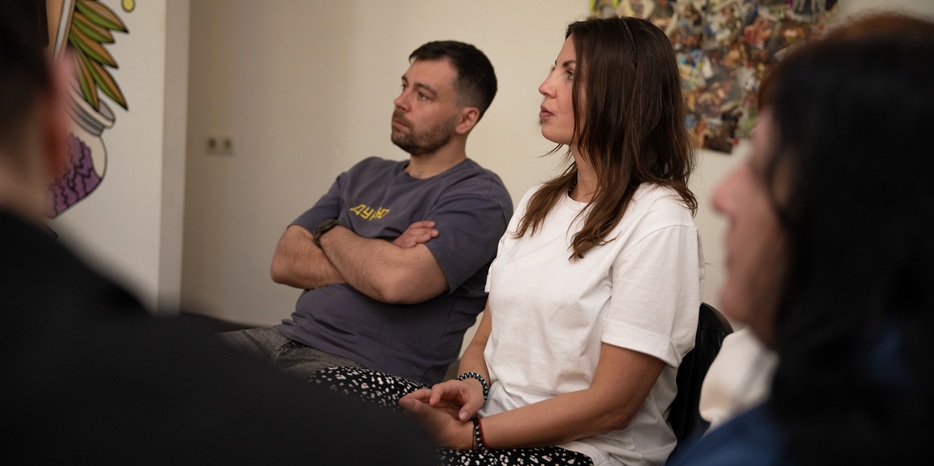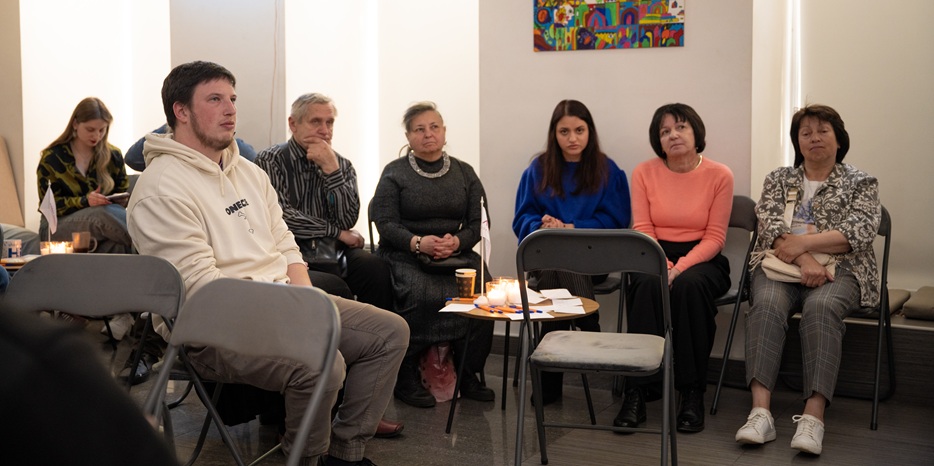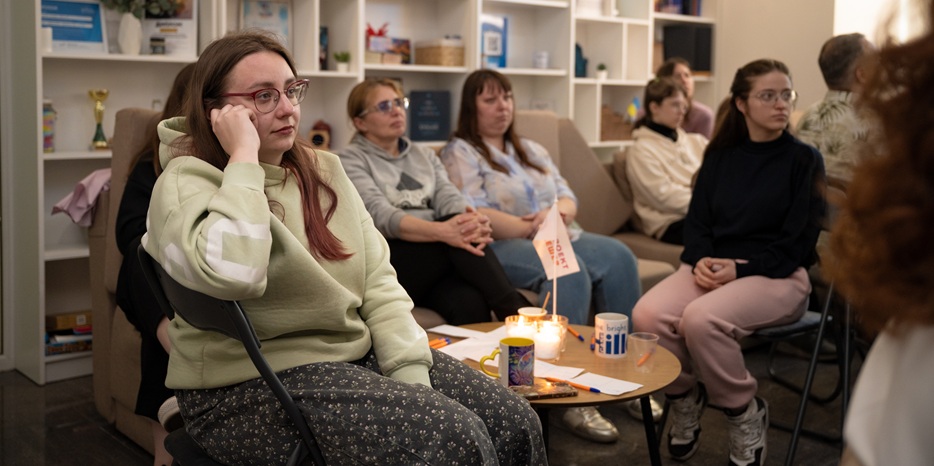




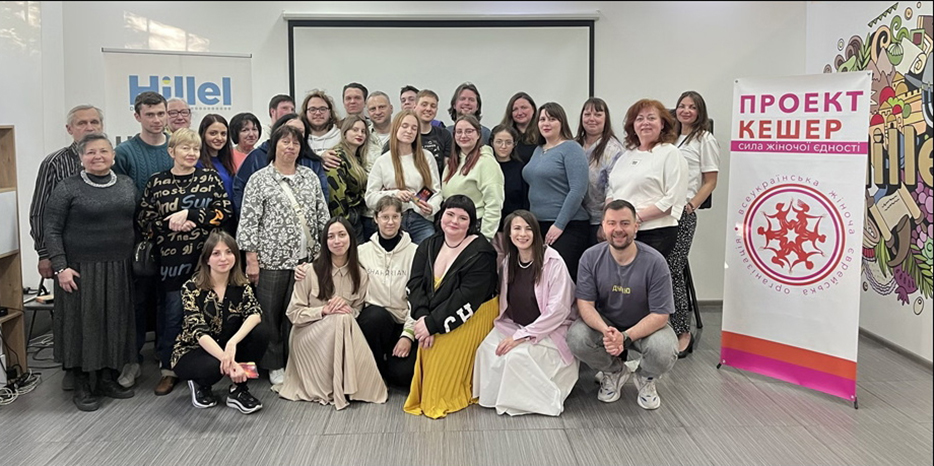
The Hillel Jewish Student Cultural Center, together with Moishe House Dnipro and with the support of Project Kesher in Ukraine, held a warm and atmospheric gathering called “Lamp Evenings.” The theme of the event was “Nigunim: Music of the Soul” – a unique layer of Jewish spiritual culture that unites people through melody, emotion, and communal singing.
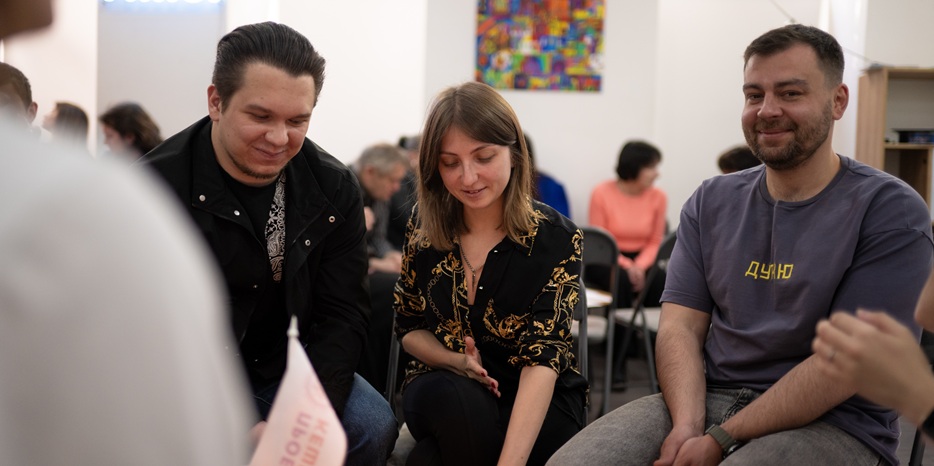
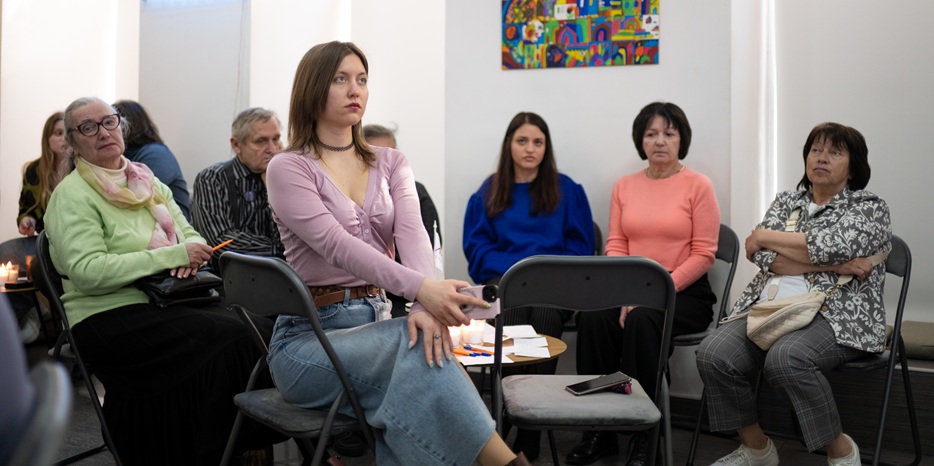
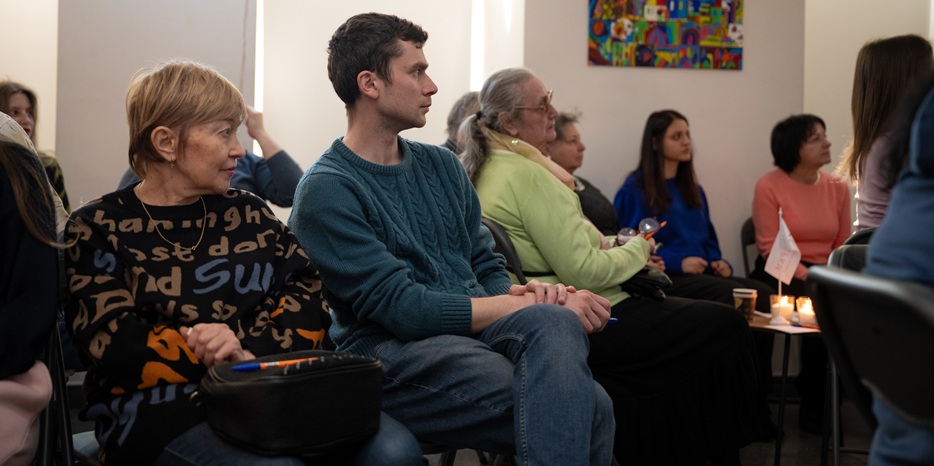
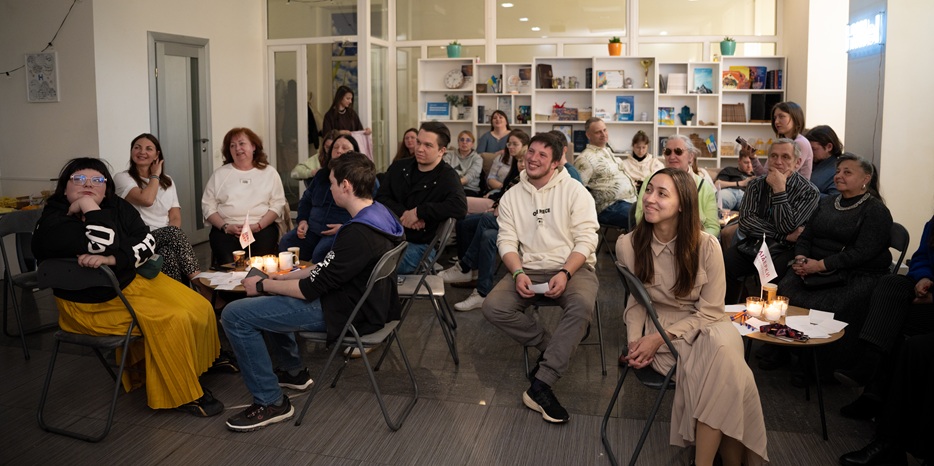
On this evening, representatives of different generations and organizations of the Dnipro Jewish community gathered in the event space. Students came with their parents, friends brought friends, and the atmosphere of the gathering became truly familial – sincere, open, and filled with live dialogue.
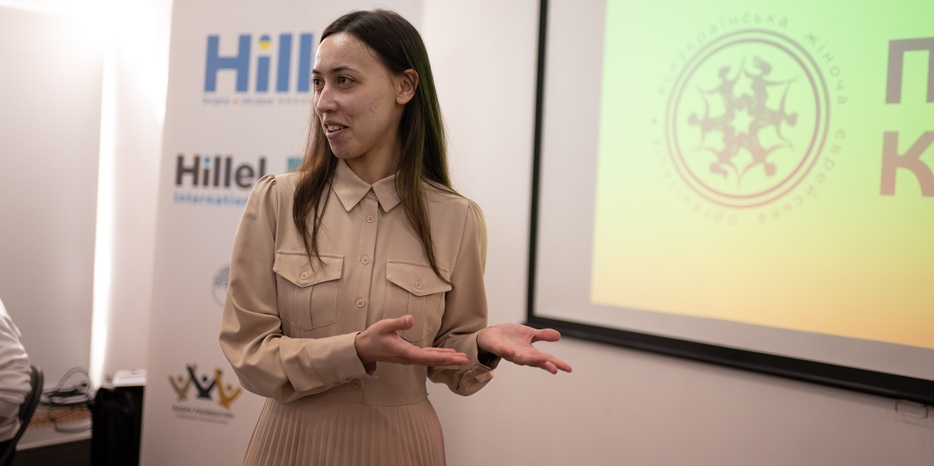
At the beginning of the event, participants had the opportunity to get to know one another and learn more about the activities of Project Kesher in Ukraine. A presentation of programs for developing women’s leadership and supporting Jewish communities was given by Anna Altshuler, a graduate of the “Leaders: Next Generation” program.
A special part of the evening was the lecture by invited speaker Mykola Bulanyi, a historian and member of the Jewish community. He introduced the participants to the phenomenon of nigunim – traditional Chassidic wordless melodies that convey a person’s spiritual state through music and communal singing. Participants learned about the emergence of Chassidism on the territory of modern Ukraine in the 18th century, the role of the Baal Shem Tov in shaping the spiritual tradition, and the importance of music in the development of Chassidic culture. Special attention was paid to the stories of famous nigunim, their symbolism, and their spread among Jewish communities in Eastern Europe.
After the lecture, participants, together with Alona Kolpina, director of Hillel JCC, studied and sang well-known nigunim. The communal singing created a special atmosphere of unity, where music became a language understandable to everyone without words.
The evening concluded with an open discussion on the role of music in shaping cultural memory, identity, and a sense of community. For many participants, this gathering became a space for reflection, new discoveries, live communication, and new acquaintances.
“We thank everyone who shared this atmosphere with us!” says Alona Kolpina. “This project was made possible, in part, thanks to the support of the united and cohesive Dnipro Jewish Community under the leadership of Chief Rabbi Shmuel Kaminezki, which consistently develops a culture of responsibility, mutual support, and care for one’s neighbor.”