



In the final days of 2025, the Museum “Memory of the Jewish People and the Holocaust in Ukraine” received a number of unique artifacts as gifts. They were contributed to its collections by esteemed members of the Dnipro Jewish Community – Eliezer (Oleksandr) Hoshkovych and the Deputy Secretary of the Dnipro Rabbinical Court, Rabbi Avraham Yosef Yitzchak Karshenbaum.
The Deputy Director of the Jewish Museum, Dr. Yehor Vradii, warmly thanked the donors for the unique exhibits, which will become an important part of the Museum’s collections. They will be carefully studied and documented by the staff before being used for scholarly work and as part of the Museum’s permanent and temporary exhibitions.
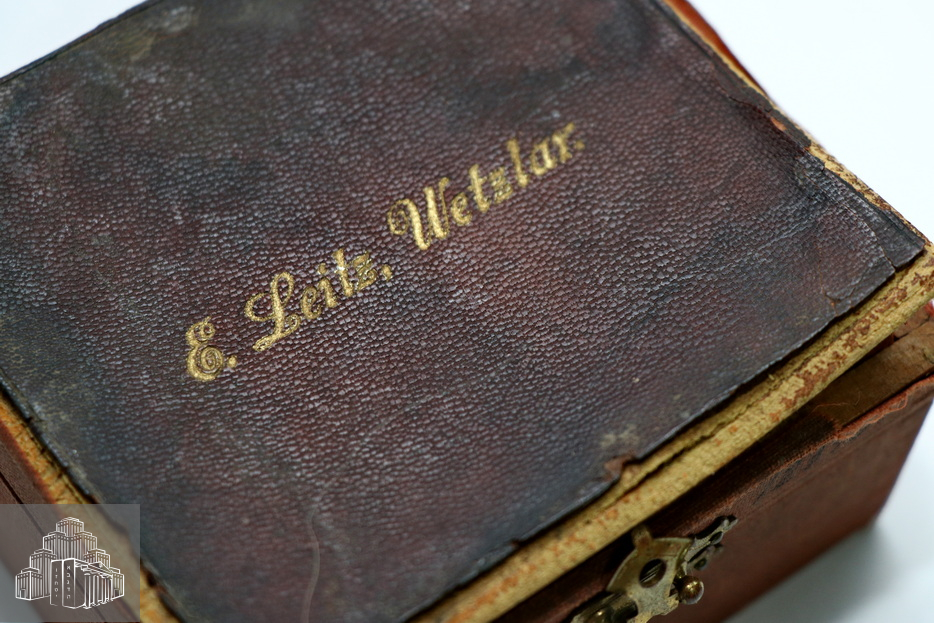
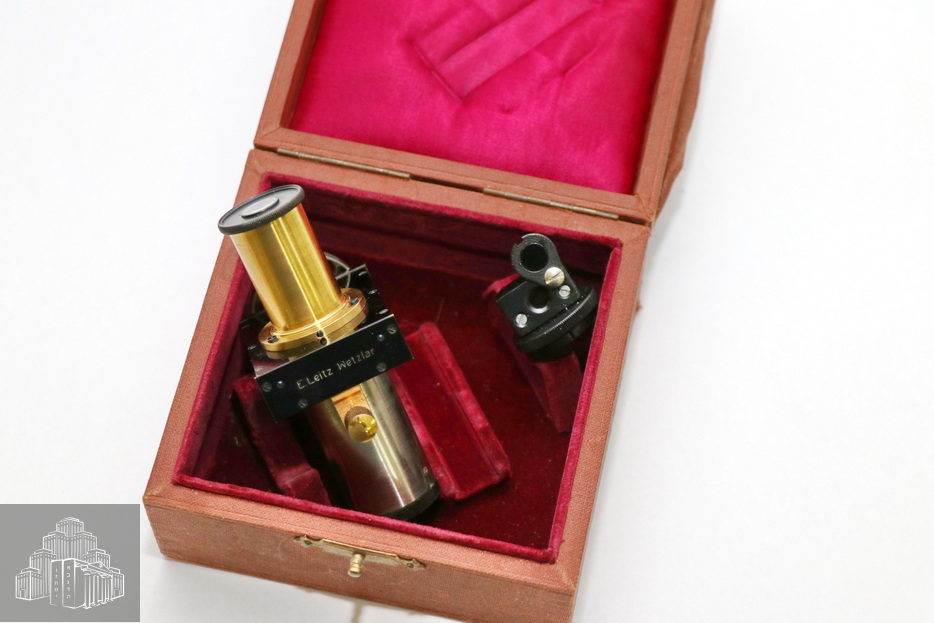
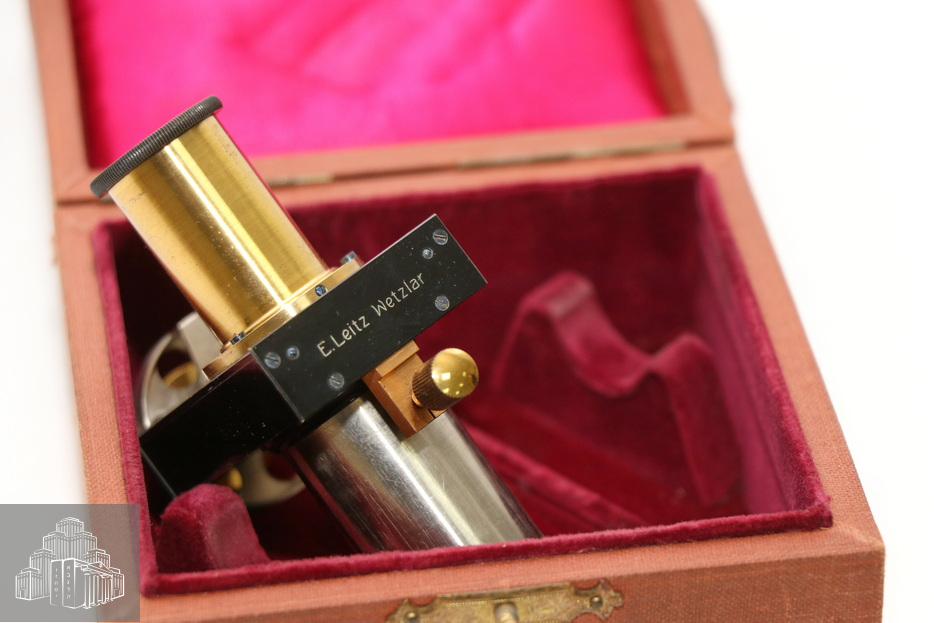
“Among the new additions to our museum’s collections are several rare scientific and measuring instruments, each with significant historical and research value,” museum researcher Daria Yesina told our website. “One of the most interesting artifacts is an original microscope eyepiece from the firm ‘E. Leitz, Wetzlar,’ housed in a case with gold embossing. This is a product of the famous German optical company, founded in 1849, which later became the world-renowned brand Leica. It played an important role in the development of microscopy, precision optics, and photography, and its headquarters are still located in Wetzlar, Germany.
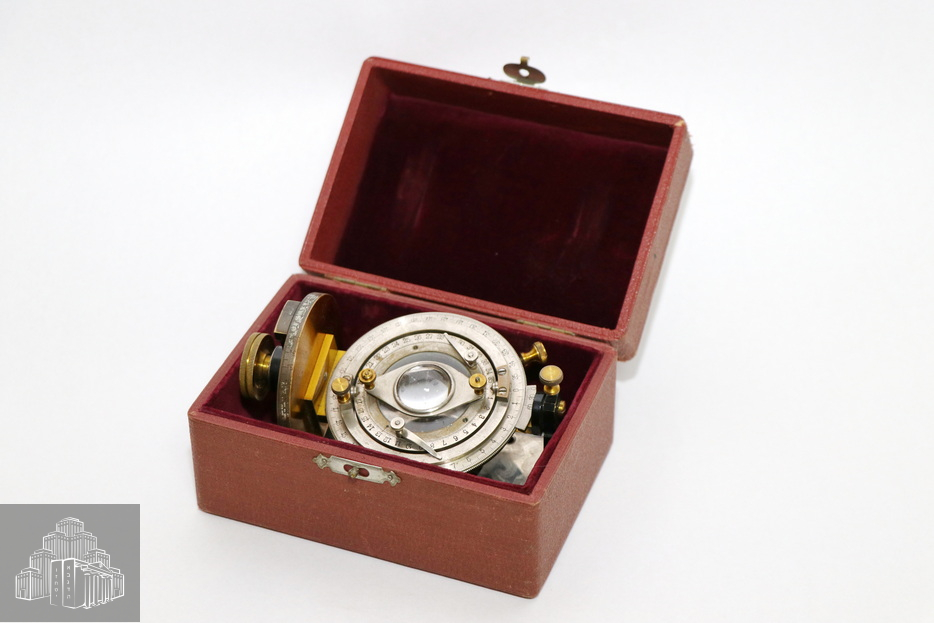
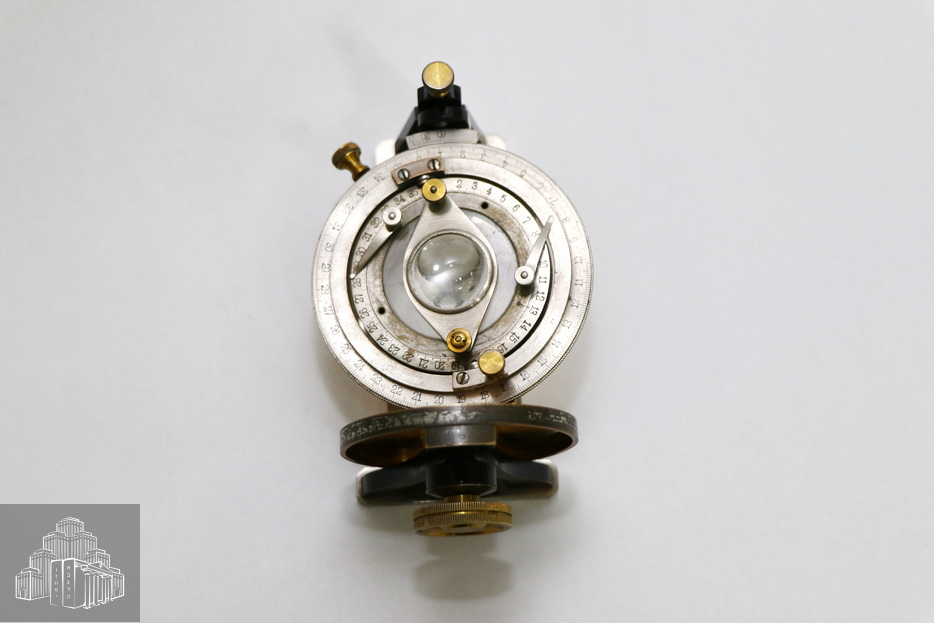
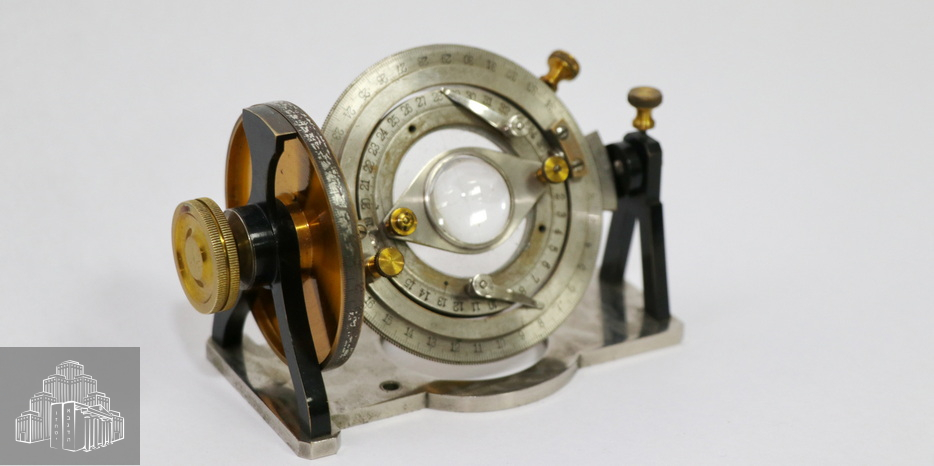
No less valuable is a universal Fedorov stage, a measuring instrument used in polarizing microscopy to determine the optical properties of crystals. It was created by scientist Yevgraf Fedorov in 1891; the design was later improved by the author himself, and in 1929, the American researcher Richard Conrad Emmons added a fifth axis of rotation. Until the 1960s, such instruments were actively used in scientific practice. However, today only a few specialists know how to work with them, making this artifact especially rare.
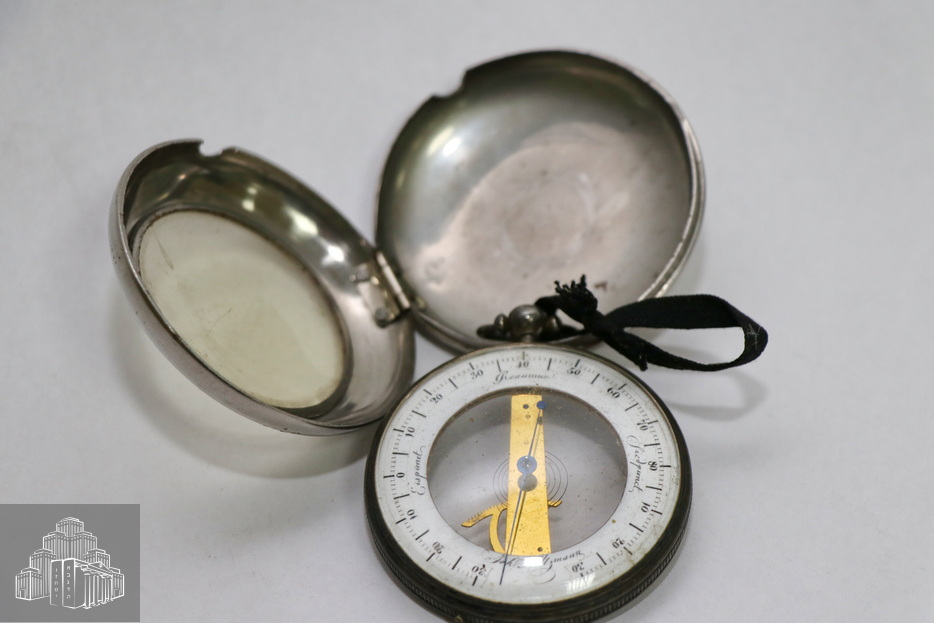
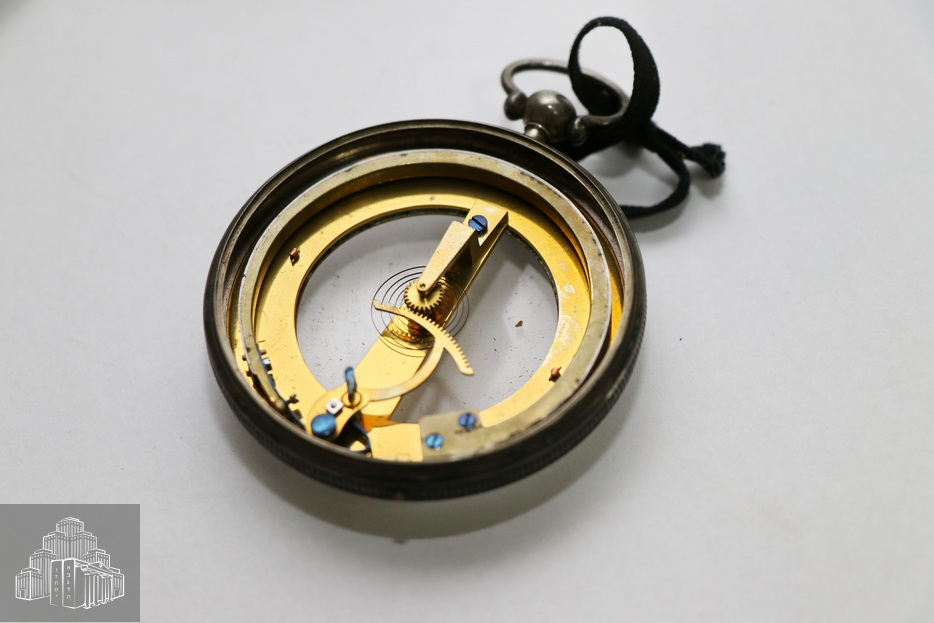
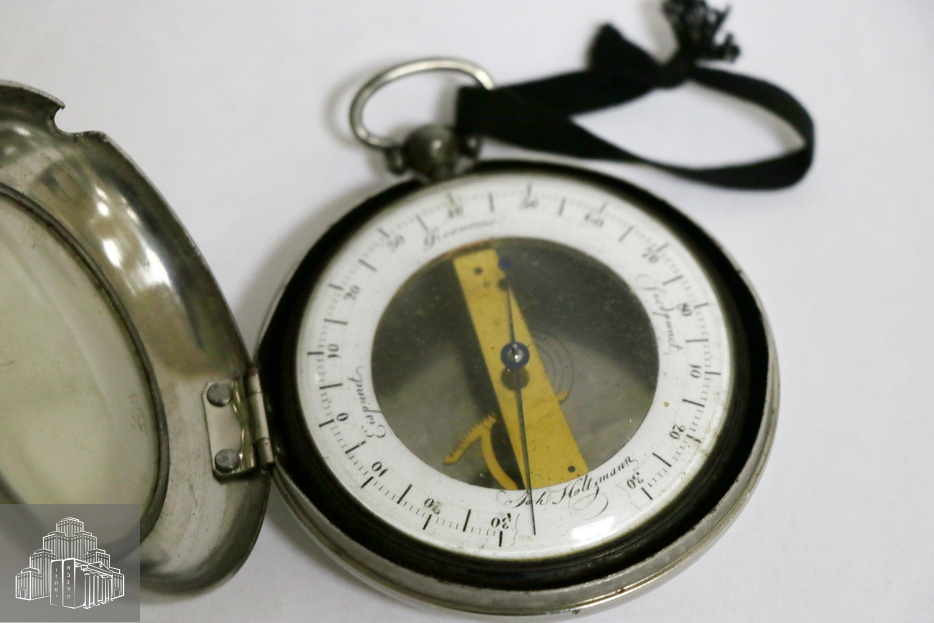
An antique pocket barometer made by the firm of the Austrian watchmaker Johann Holzmann, who worked in Vienna at the end of the 18th to the beginning of the 19th century, also arrived at the Museum. This is an aneroid barometer, which measures atmospheric pressure without using liquid, thanks to the deformation of its body, which transmits movement to the instrument’s needle.
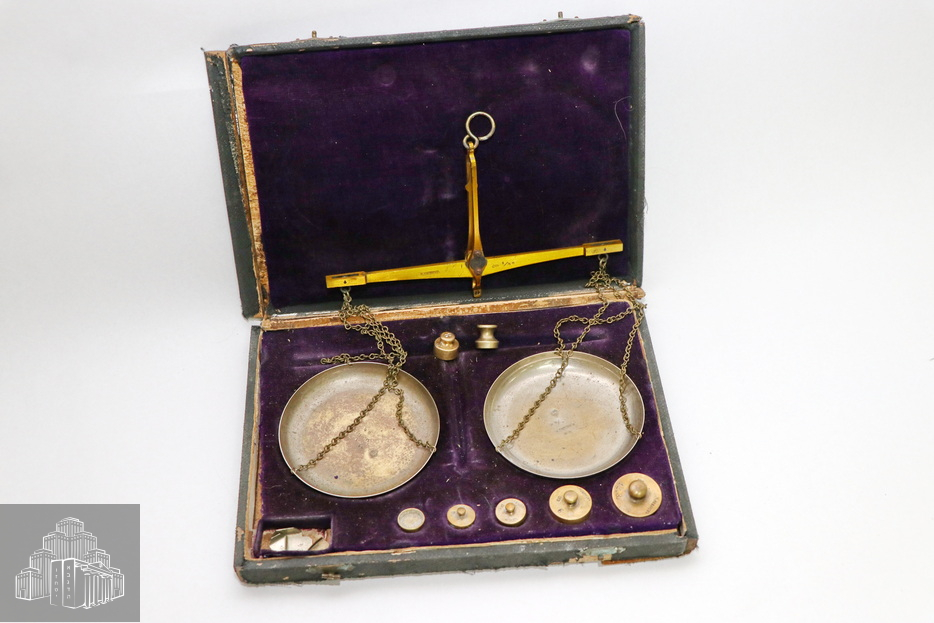
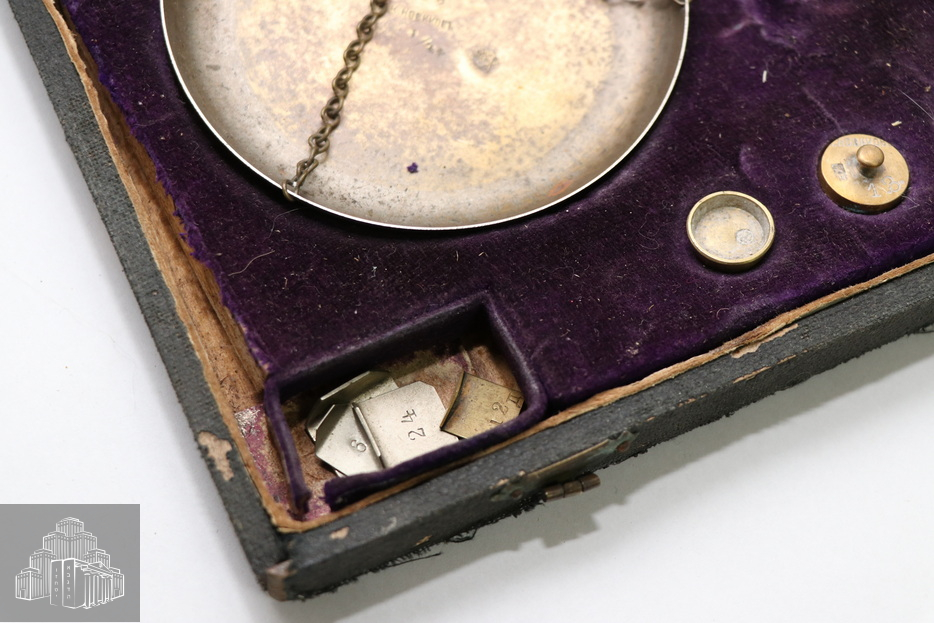
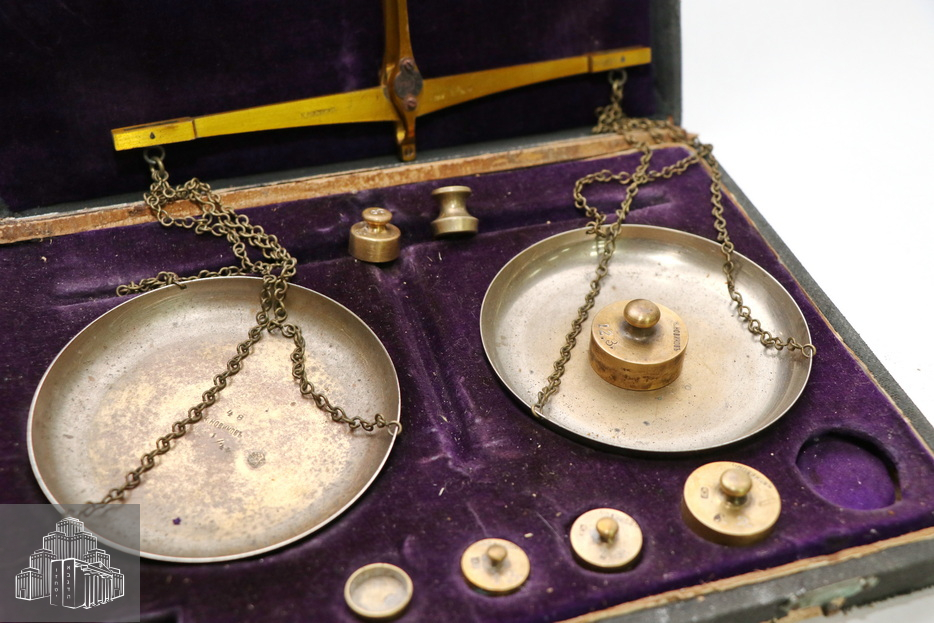
Another important artifact is a set of laboratory (or jeweler’s) scales from the late 19th century, made in the workshop of K. Novikov, a manufacturer of scales and weights. Their special value lies in the fact that not only have the scales themselves survived to this day, but also their original factory box and a complete set of weights.”