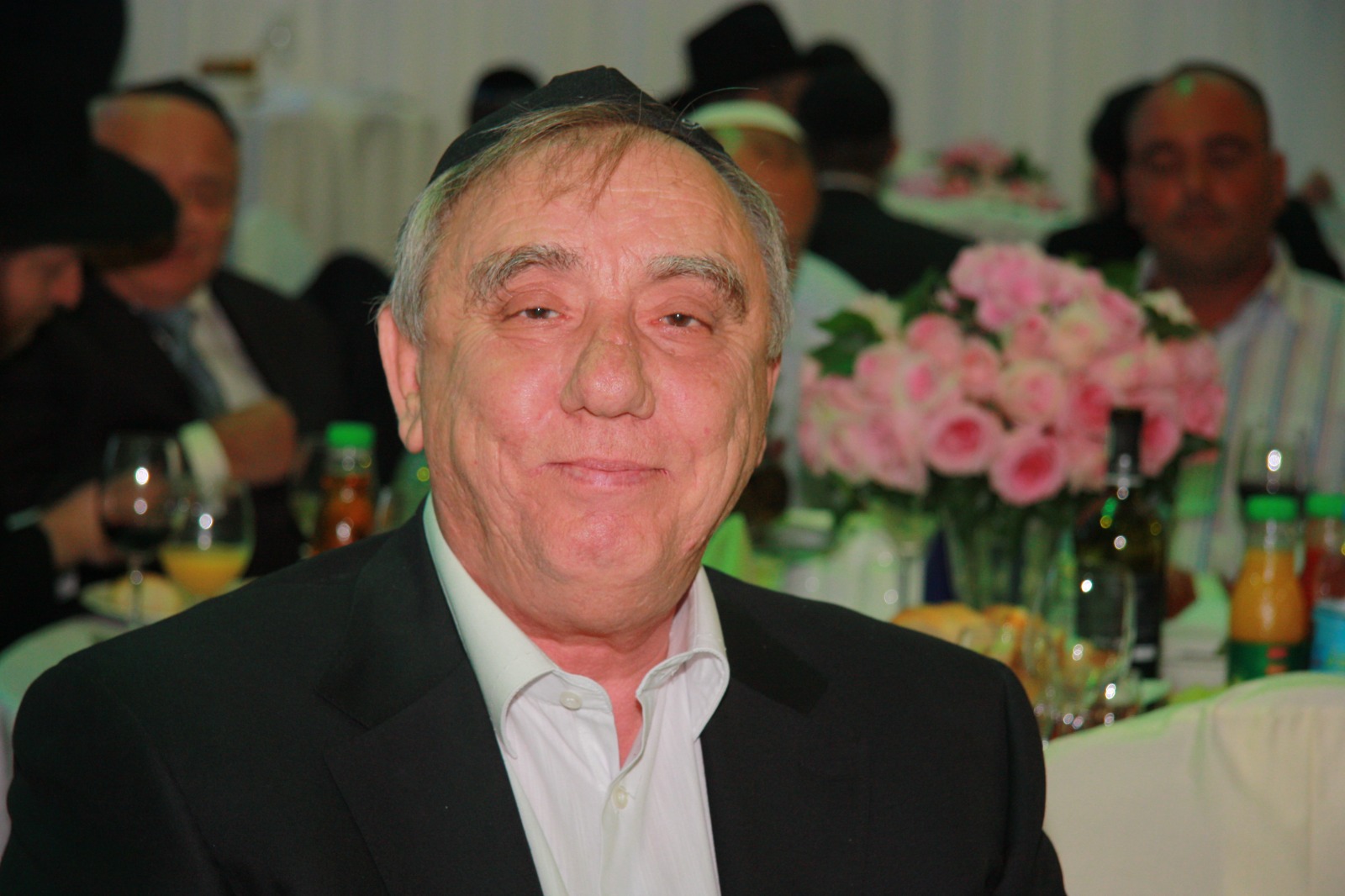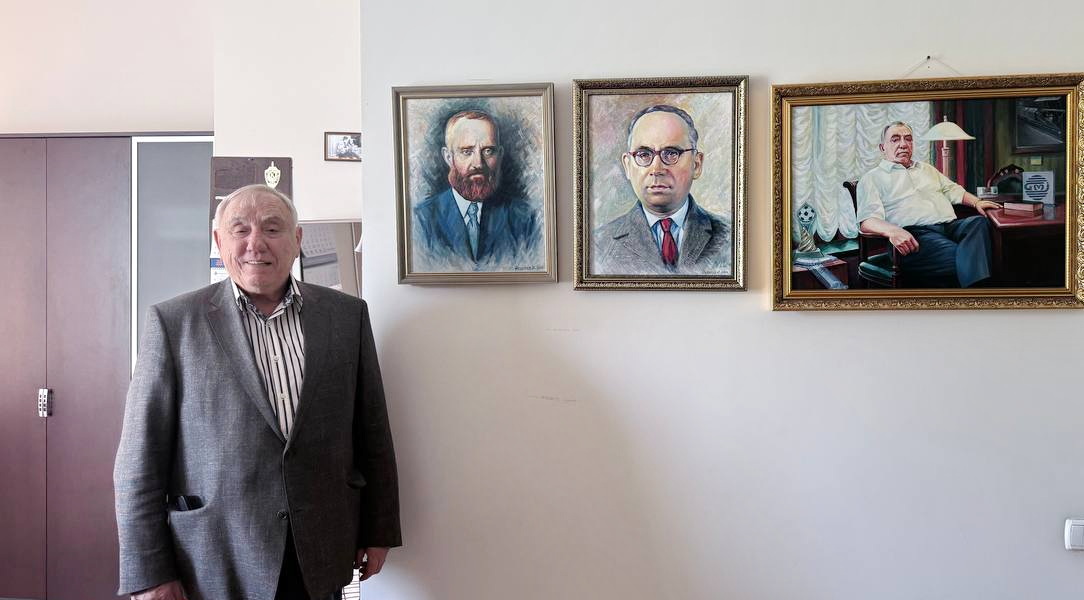




Sometimes the path to memory begins unexpectedly – with a single word that surfaces from the depths of childhood recollections. That is what happened to renowned businessman and philanthropist Oleh Moiseyovych Pertsev, a respected member of the Dnipro Jewish Community who has actively participated in its life for many decades and consistently supported it. During a business trip to Western Ukraine, he suddenly recalled the name of a town – Lyakhovtsi – from which his father’s side of the family originated and which was listed on his father’s birth certificate.
“Something clicked in my head,” recalls Oleh Moiseyovych. “I told the driver: check Lyakhovtsi on the navigator. It turned out that now it is Bilohir’ya. We looked at the map and decided to go there.”
This childhood name became the starting point of a great journey to restore and preserve the memory of innocent victims of a terrible tragedy – a tragedy that had always been remembered in the family but remained only a part of family memory, and now became a tangible mission. However, the work of perpetuating the memory of the innocent victims of the Holocaust was continued by Oleh Moiseyovych. This process was initiated by his father, Moisey Yosypovych Pertsev, who back in 1974 succeeded in erecting a monument at the site of a mass Jewish grave. He raised funds among former residents of Lyakhovtsi across the USSR and, navigating numerous approvals and obstacles, managed to have the monument installed. For the family, this was not merely a story of the past – it was a duty to those who became innocent victims of genocide.
The once-small shtetl of Lyakhovtsi is today the urban-type settlement of Bilohir’ya in the Shepetivka district of Khmelnytskyi region, located on the very border of Ternopil region. It was renamed in 1946, in an attempt to erase even toponymic reminders of Poland and of life before Soviet occupation.
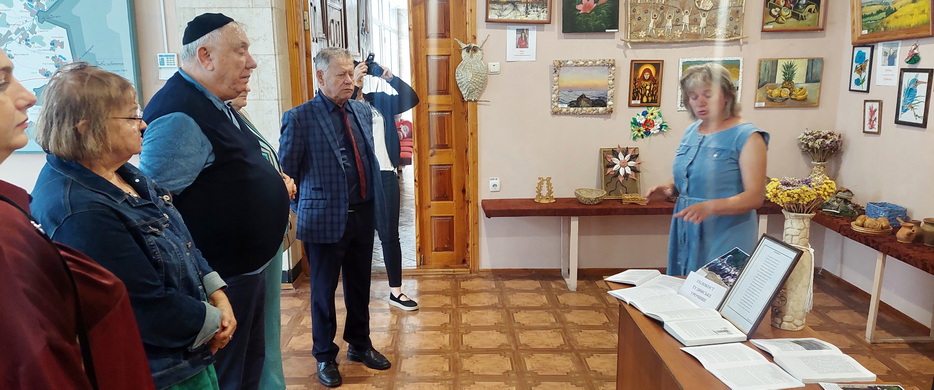
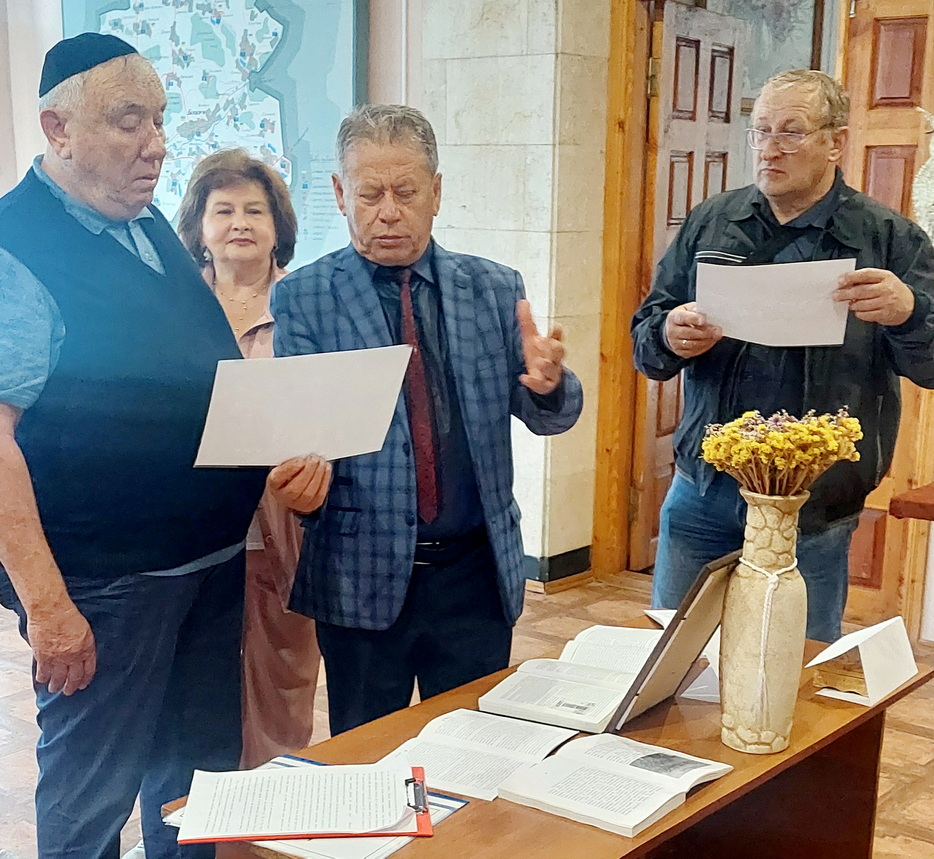
It turned out that the monument erected on his father’s initiative had been preserved, that the local community cares about preserving memory, remembers the tragedy of the Jewish community, and tries to assist in its memorialization. However, this is difficult work, complicated by numerous bureaucratic obstacles. It was then that Oleh Moiseyovych learned that Bilohir’ya has a museum dedicated to the tragedy of the destroyed Jewish community, and that a charitable foundation called “Kalynovyi Shlyakh” works on the issue of memory.
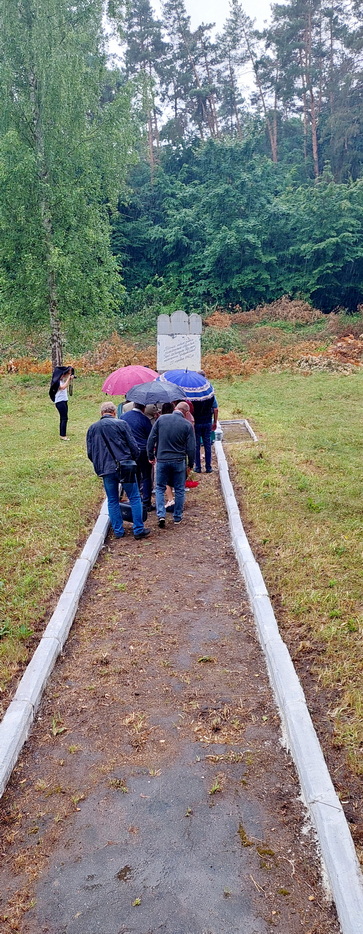
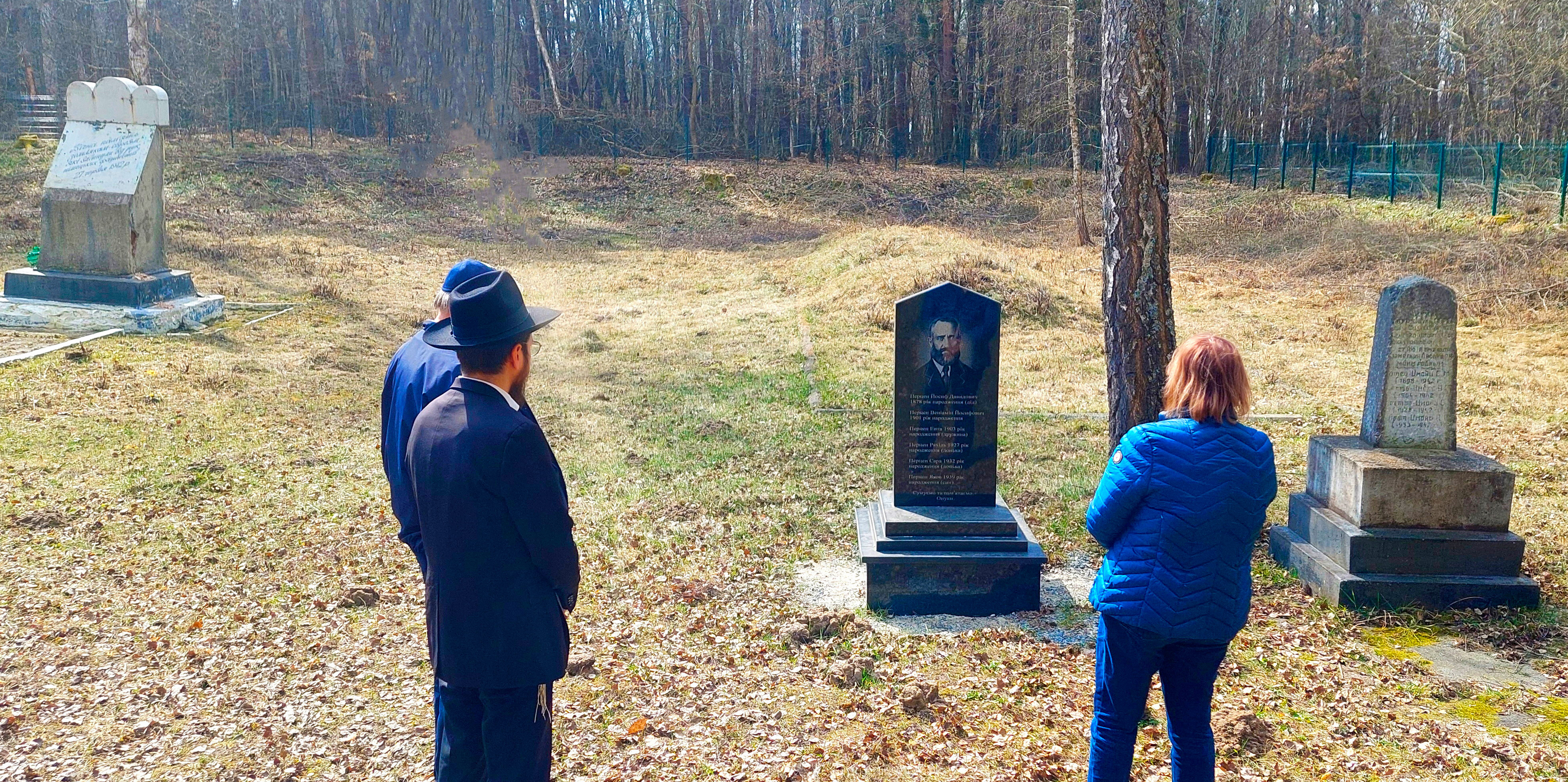
In Bilohir’ya, they remember well the terrible tragedy of 1941–1942, when the Nazis, during the German occupation, herded Jews from several surrounding settlements into a ghetto in Lyakhovtsi. According to preserved testimonies, there were approximately three and a half thousand people. On June 27, 1942, the people were told they were being resettled and were first being sent for earthworks. In truth, they were led to pre-dug trenches and shot. This site – a large clearing in the forest – still bears witness to one of the terrible pages of Holocaust history on Ukrainian soil. Yet, to this day, this mass grave has no official status, although the settlement council strives to preserve it as a place of memory.
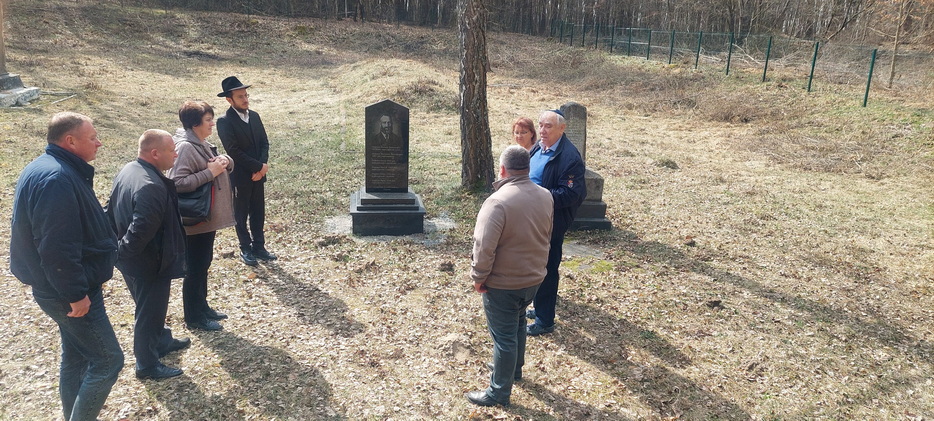
Oleh Moiseyovych decided to find out what could be done and what assistance could be provided in this noble cause – the memorialization of the execution site of the Jews of Lyakhovtsi and surrounding villages. In Bilohir’ya, Oleh Moiseyovych was received with great attention and respect. He was supported in this noble endeavor by the settlement head, Vasyl Melnyk; the secretary of the settlement council, Serhiy Zahorulko; the head of the “Kalynovyi Shlyakh” foundation, Mykola Khomenko; and the director of the local museum, Lyudmyla Melnyk.
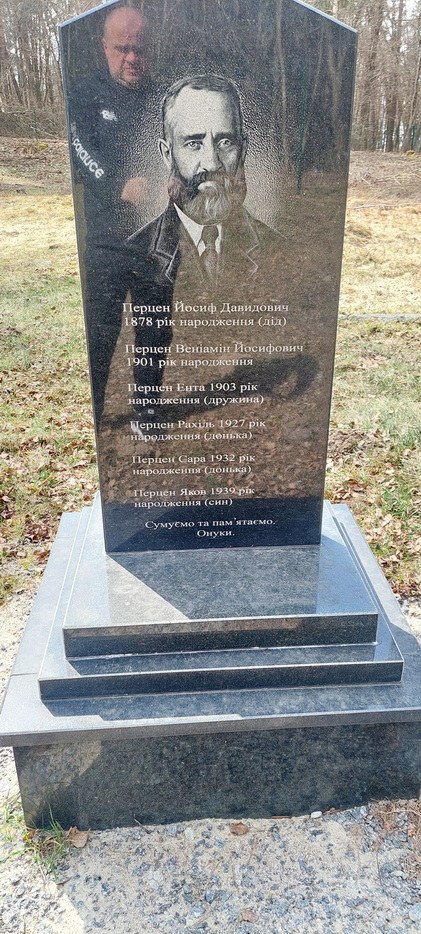
“When I stood in that clearing, I imagined how it happened – because it is impossible to comprehend this calmly,” says Oleh Moiseyovych Pertsev, with emotion. “Here, six members of my family perished – my grandfather, his eldest son, my uncle, together with his wife, and their three children. The youngest, Yasha, was only three years old, and no one knows whether he died from a bullet or was buried alive. It was just a clearing in the forest, not even fenced off. Memory and pain must have a material embodiment, because memory speaks louder than any numbers. The Holocaust is not just statistics. It is families, children, fates, names.”
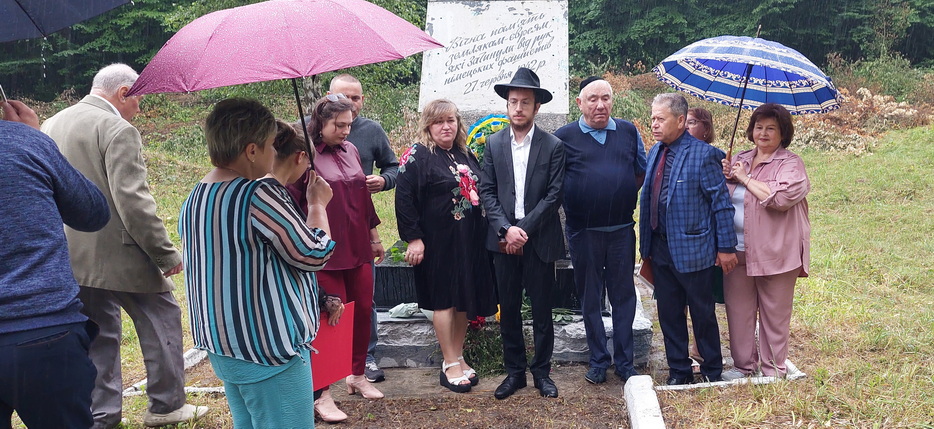
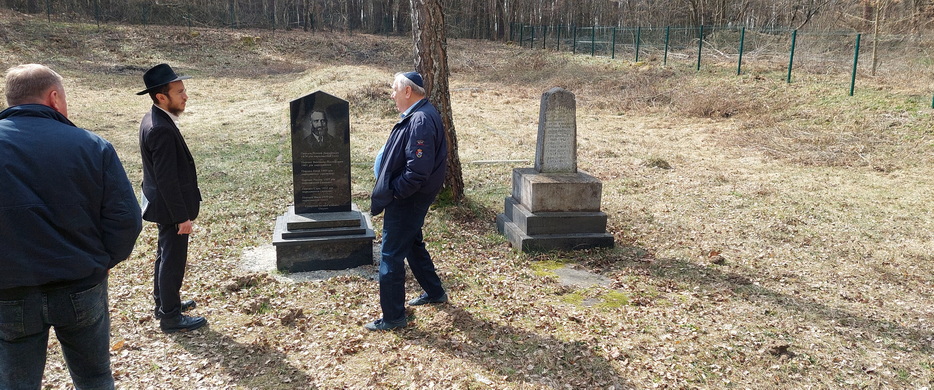
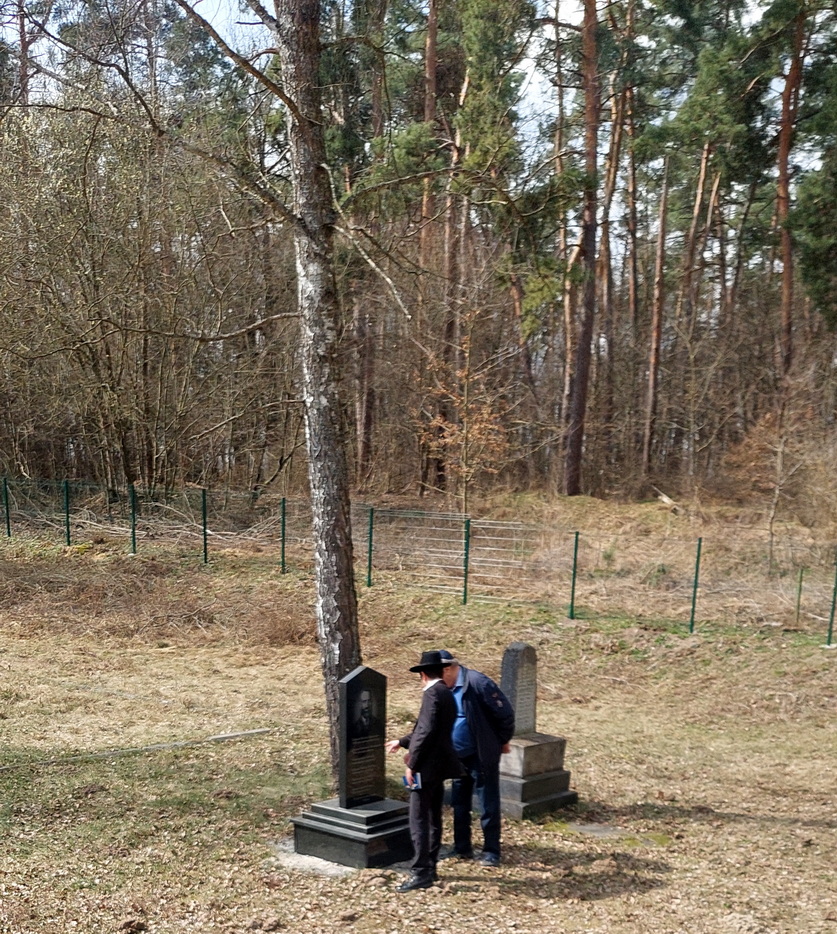
Oleh Moiseyovych Pertsev turned for help to the relevant museum and historical institutions. The Israeli memorial Yad Vashem provided information about those of the murdered Lyakhovtsi Jews whose names could be established – about one and a half thousand out of the three and a half thousand who were shot. Simultaneously, Oleh Moiseyovych undertook the construction of a fence around the mass grave. On his initiative and at his expense, a new fence approximately 180 meters long, with a gate, was manufactured and installed. The work was carried out by the company “GARANT METIZ INVEST,” founded and headed by Oleh Moiseyovych Pertsev. He also ordered a separate memorial marker for his murdered relatives – a simple stele in memory of the six members of his family. Additionally, Oleh Moiseyovych provided substantial financial assistance to the charitable foundation “Kalynovyi Shlyakh,” which supports the local museum and the work of preserving the memorial site.
“I do not know exactly where on this clearing my relatives lie; thousands of people are buried here,” says Oleh Moiseyovych Pertsev. “But I know that I am obligated to do something to preserve the memory of them and of the thousands of innocent victims who lie here, whose only fault was that they were Jews.”
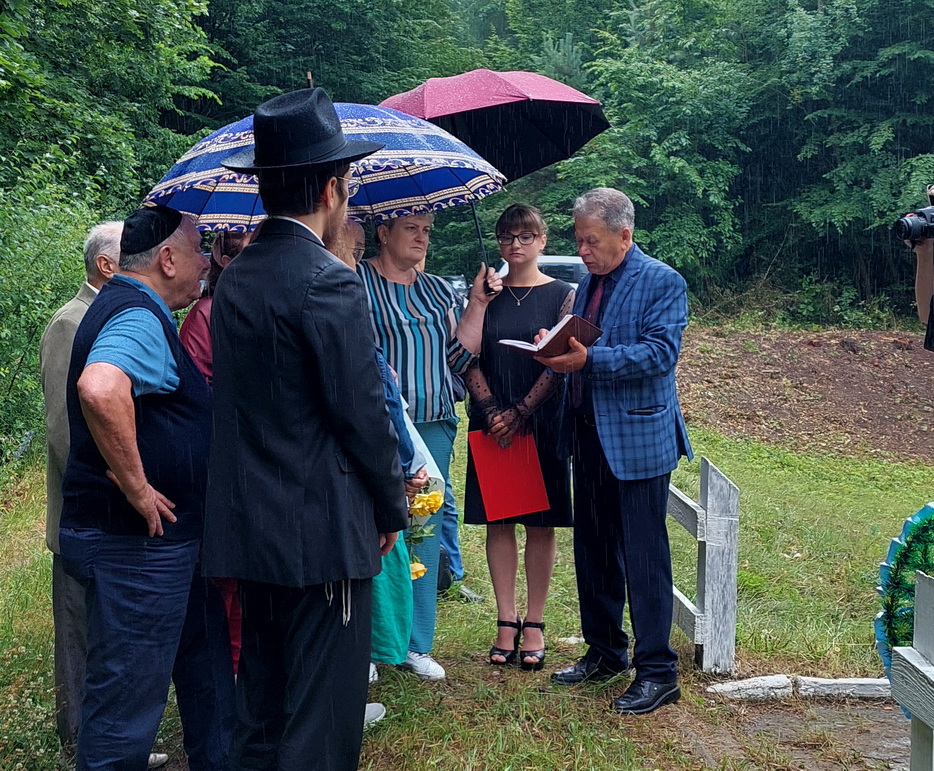
But Oleh Moiseyovych cared not only for the preservation of the site but also for the souls of those who perished in that clearing. At his invitation, the Chief Rabbi of Khmelnytskyi, Yosef Teitelbaum, came to Bilohir’ya. In the presence of the settlement leadership, he recited memorial prayers and conducted a mourning ceremony. After the installation of the memorial marker, Oleh Moiseyovych organized a meal in honor of the elevation of the souls of the deceased, which was also attended by local officials and residents. During the meal, further actions were discussed. According to the unanimous view of Oleh Moiseyovych Pertsev and the leaders of Bilohir’ya, this is only the beginning of a long and complex process.
The next stage is work to obtain official status for the mass grave or an official memorial zone, as currently it is formally considered an ordinary clearing belonging to the forestry territory.
“We need to ensure that this site is officially designated,” noted Oleh Moiseyovych Pertsev. “Then we can engage in its maintenance, seek assistance, and carry out the work on an ongoing basis.”
Oleh Moiseyovych Pertsev intends to draw the attention of Ukrainian and Jewish memorial and historical institutions to the status of the Holocaust site in Bilohir’ya, to appeal to the relevant authorities, and once the status is changed, to erect a proper memorial complex. He is confident that he will be supported in this by the major Jewish organizations of Ukraine and, above all, by his own Dnipro Jewish Community under the leadership of Chief Rabbi Shmuel Kaminezki.
“Sometimes one person is enough to start a great work,” emphasizes Oleh Moiseyovych Pertsev. “But thereafter, one must continue systematically, because this concerns us all. Many of us have heard about the places where their relatives perished, but descendants of those who were destroyed there are increasingly rarely visiting the former shtetls. Yet even one person can do something real. Go there. Find it. Put up a fence. Install a monument. Support a museum. Begin official memorialization work.”
The story of Oleh Moiseyovych Pertsev is precisely about this. About the fact that people can be destroyed, but memory cannot – as long as there is at least one person ready to take responsibility for it.