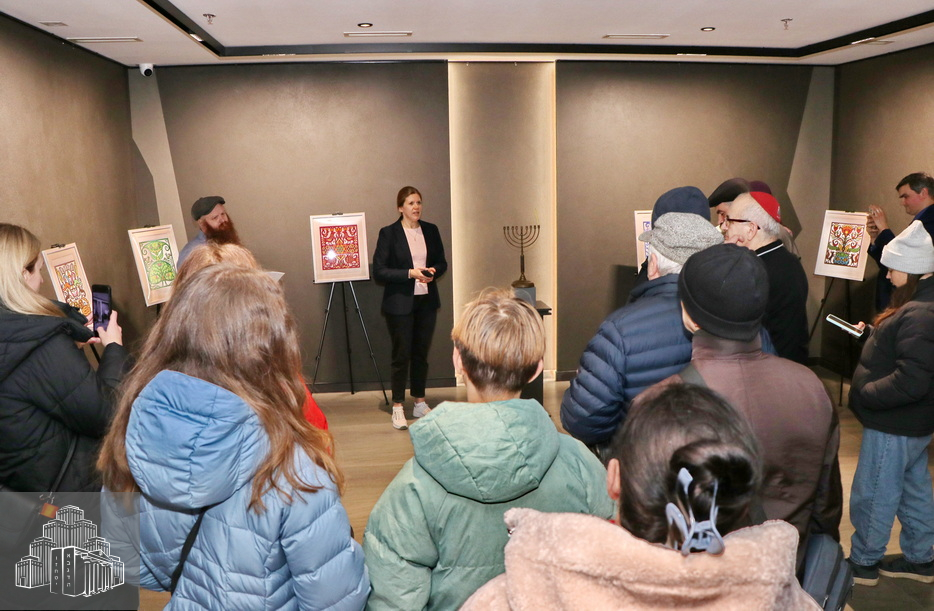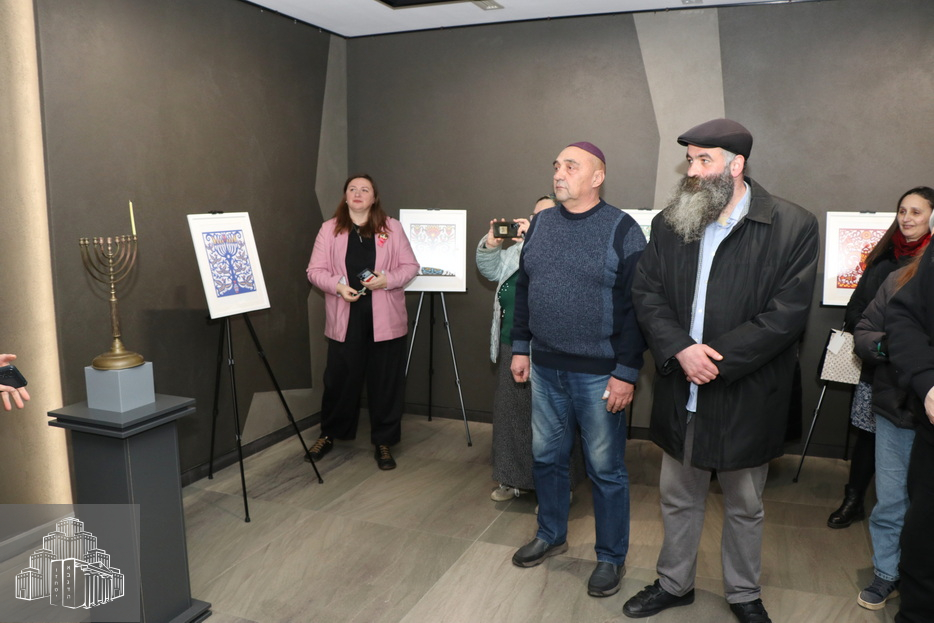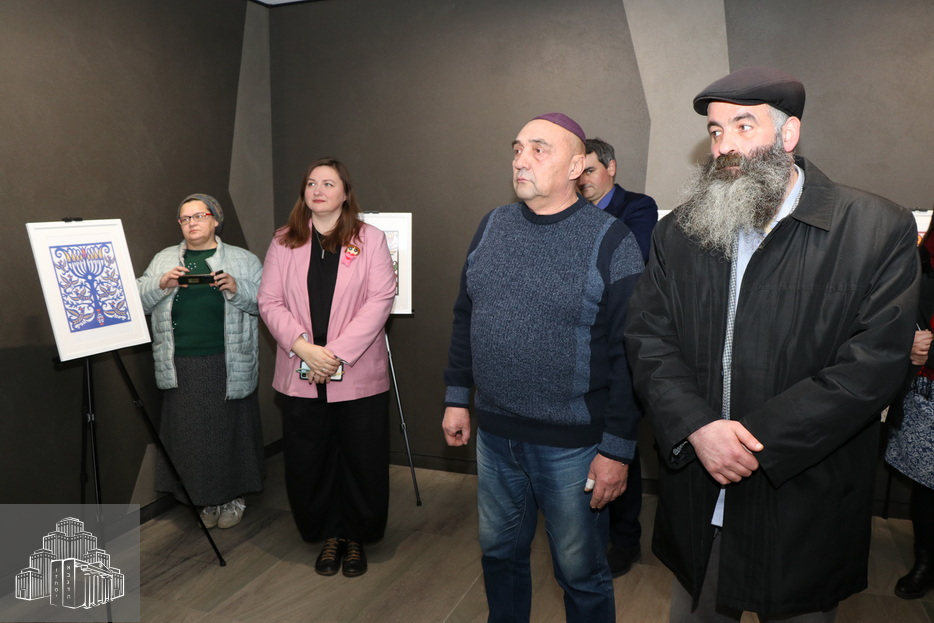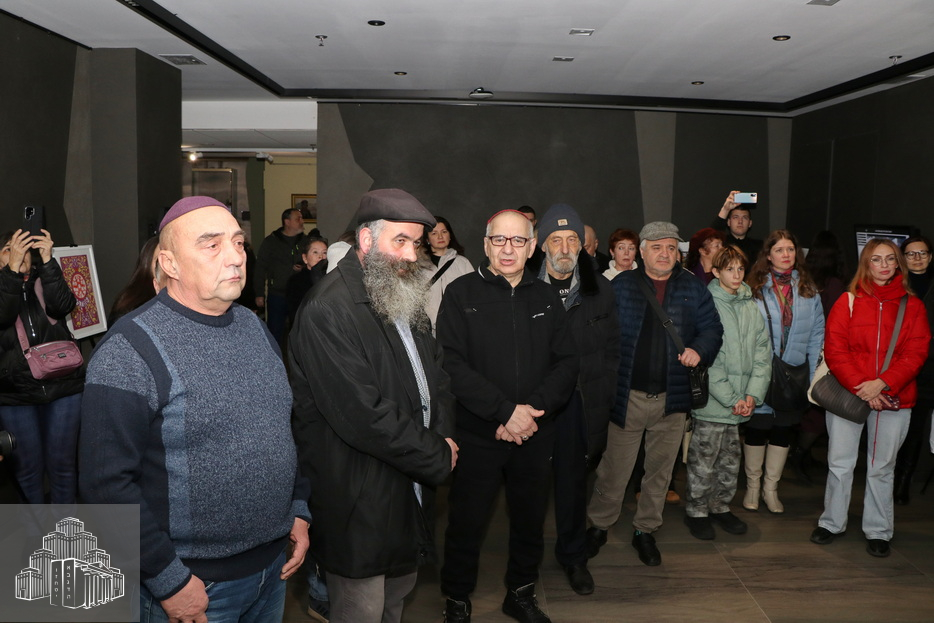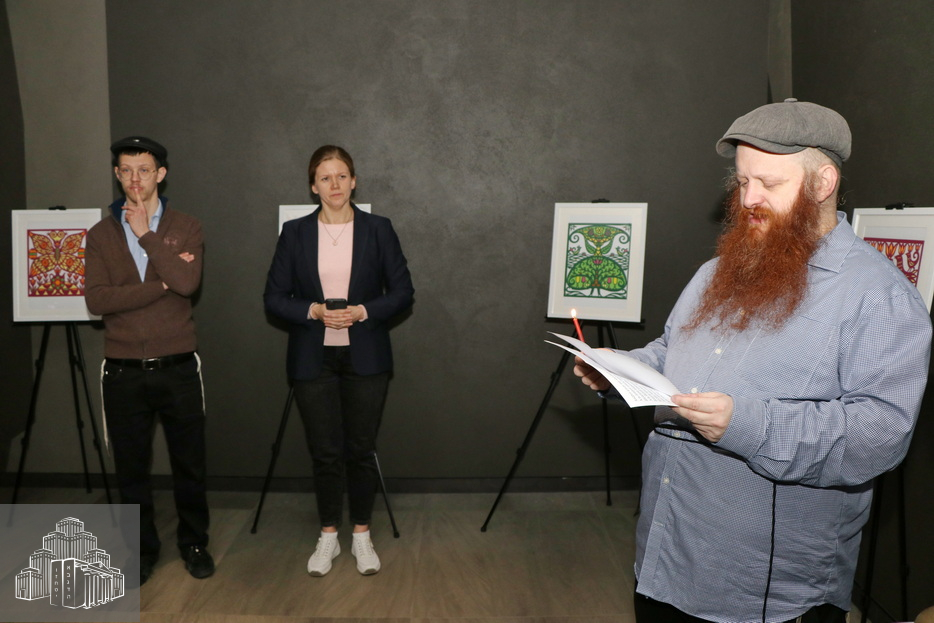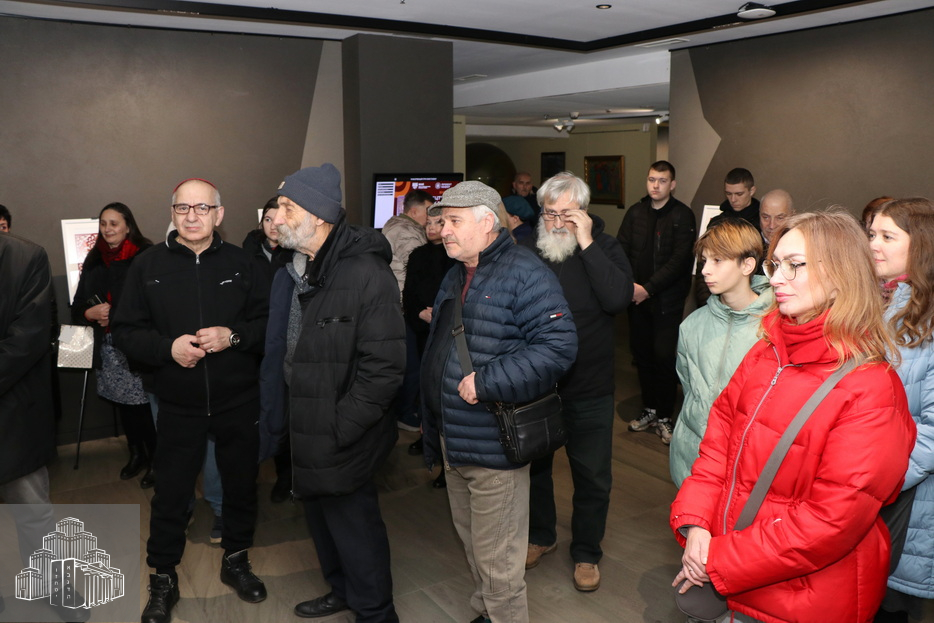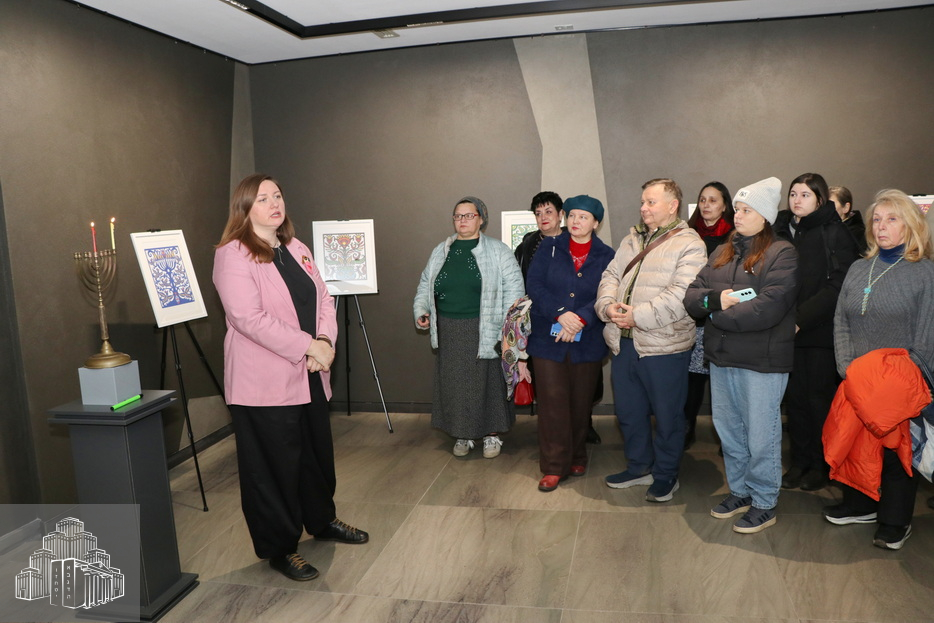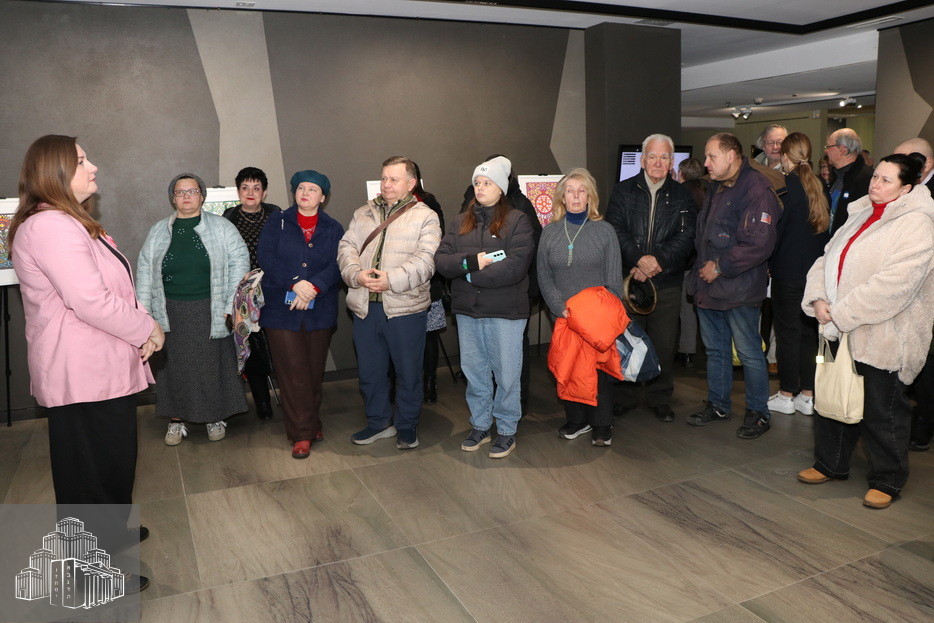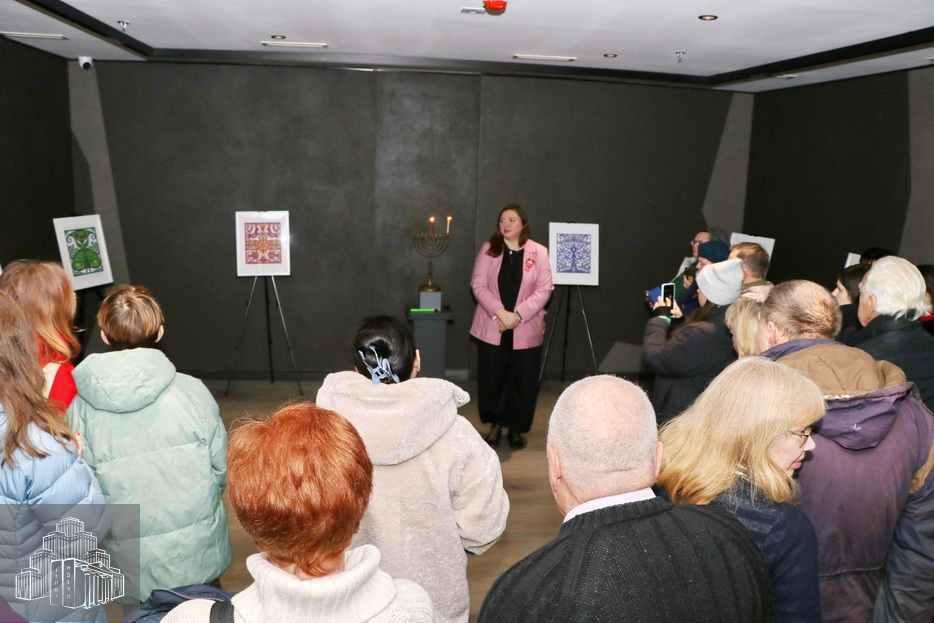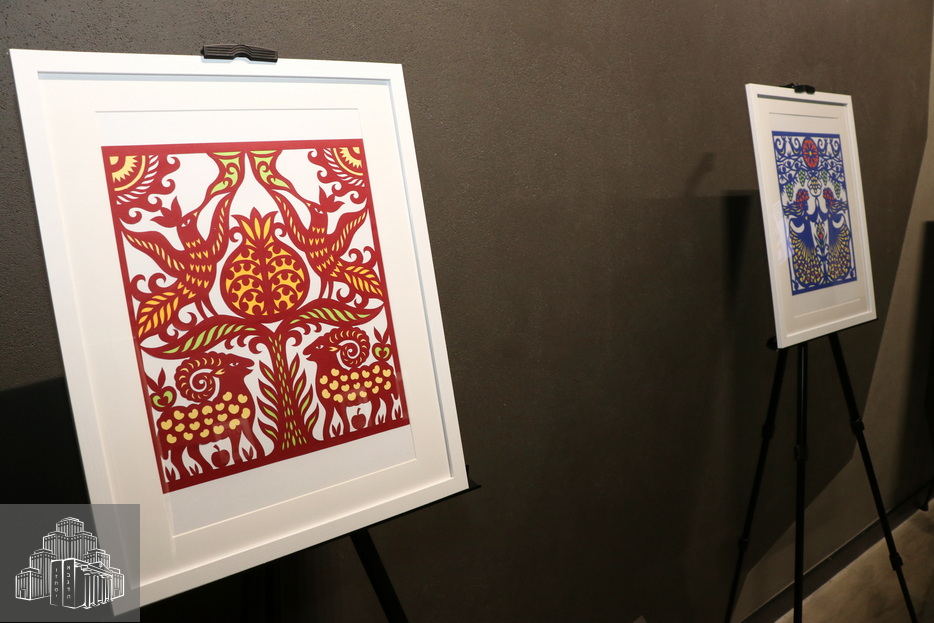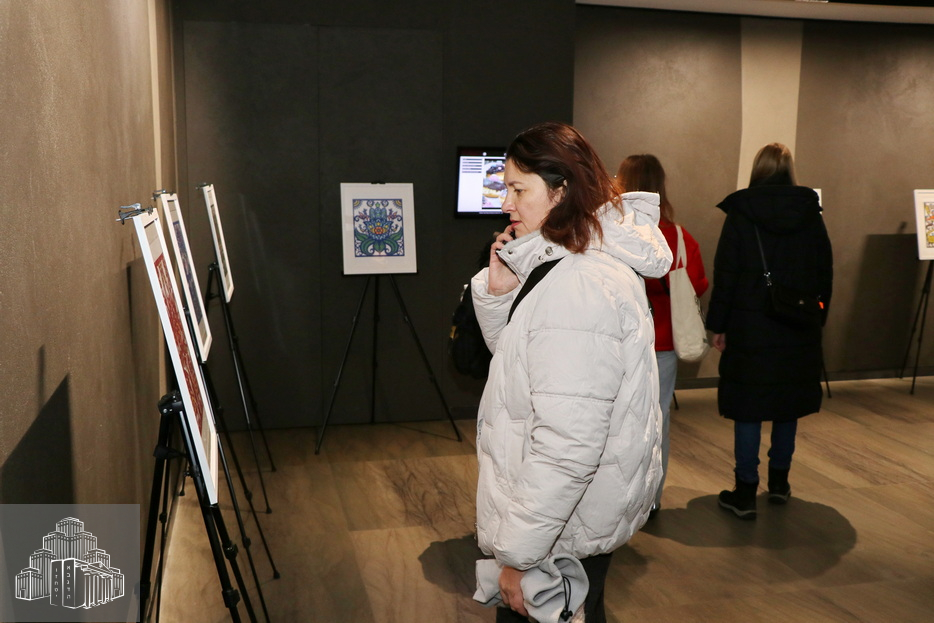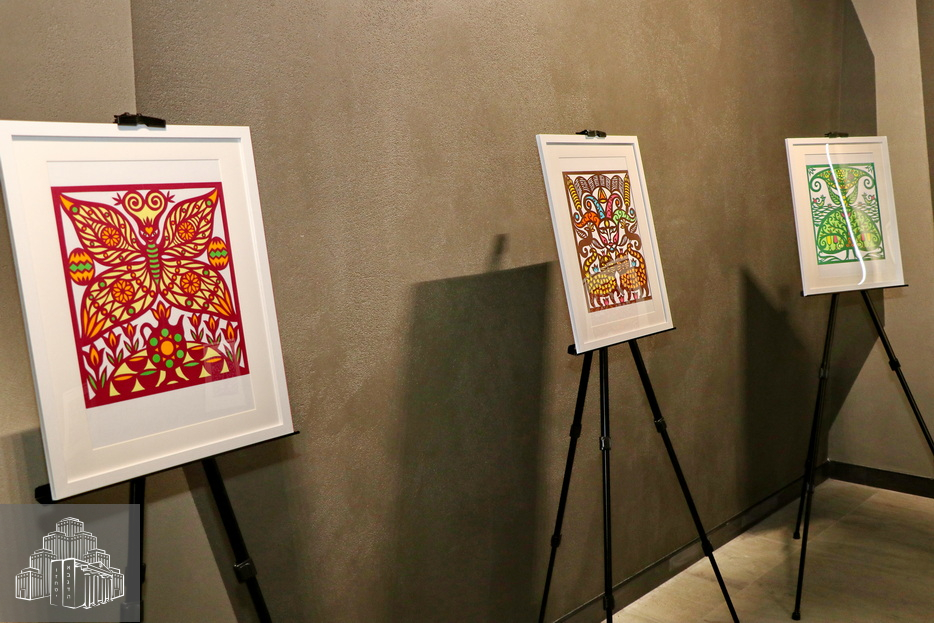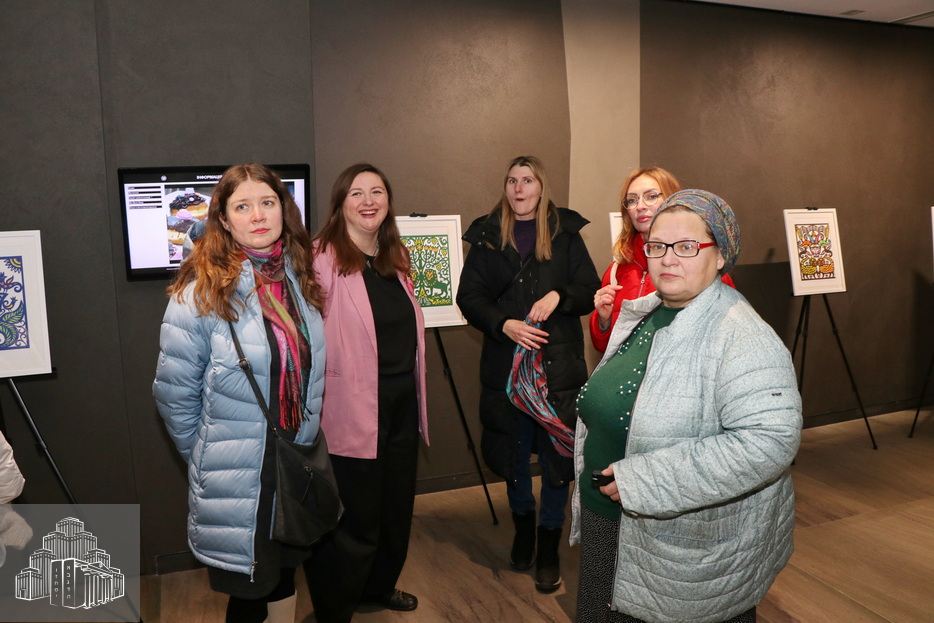




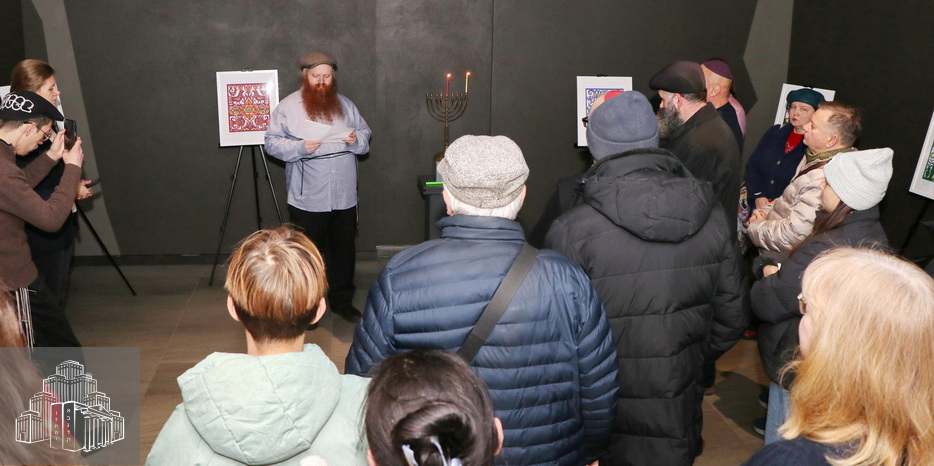
The opening of the new exhibition “Art and Memory on Paper,” dedicated to the traditional Jewish art of reizele (papercutting) and vibrant Ukrainian-Jewish calendars, was timed to coincide with the beginning of the eight-day holiday of Hanukkah at the Dnipro museum “Jewish Memory and Holocaust in Ukraine.”
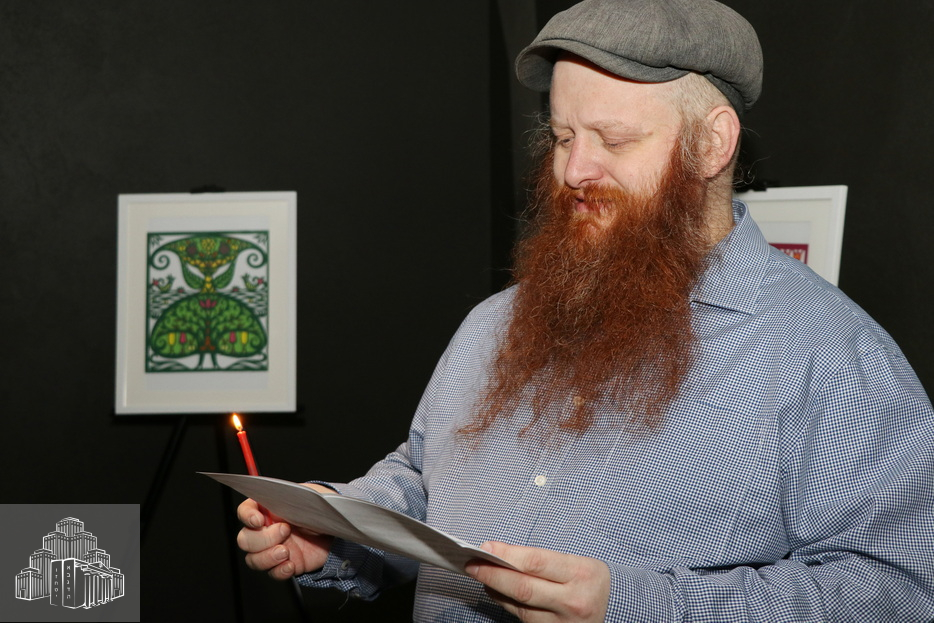
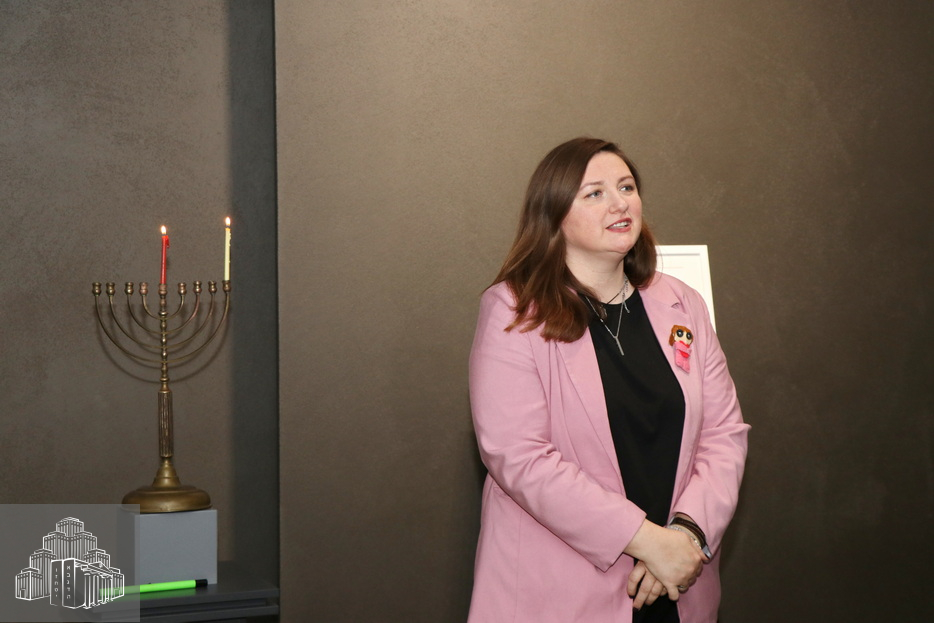
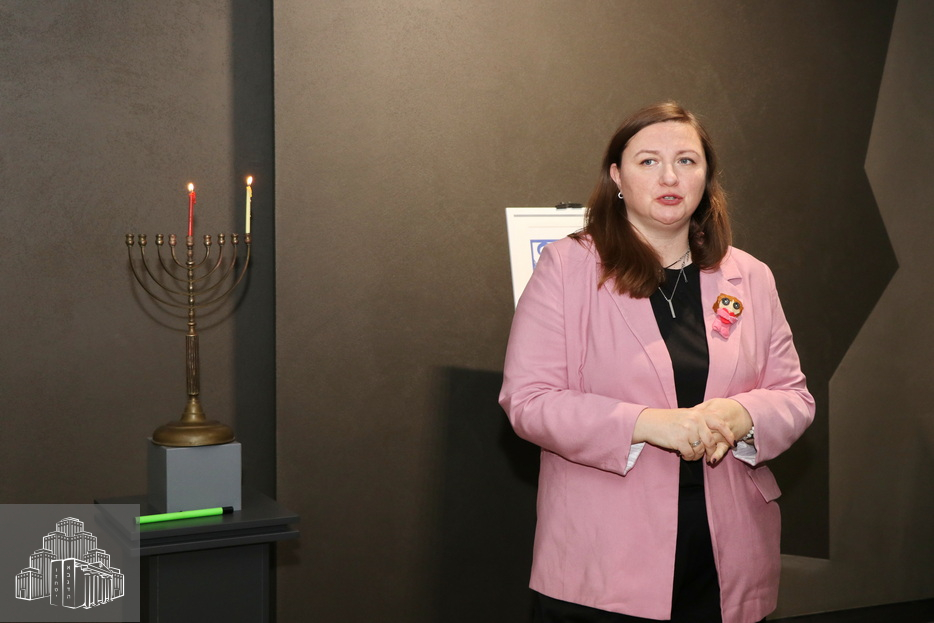
The event was opened by the Museum’s Director, Dr. Iryna Radchenko, who told the attendees about the upcoming holiday of Hanukkah and its significance in Jewish tradition. She emphasized that for the first time, the lighting of Hanukkah candles would take place within the Museum’s walls. “In times when it seems that darkness surrounds us from all sides and hope for better times is dwindling, Hanukkah is a wonderful reminder that G-d expects faith and hope from us,” noted Ms. Radchenko.
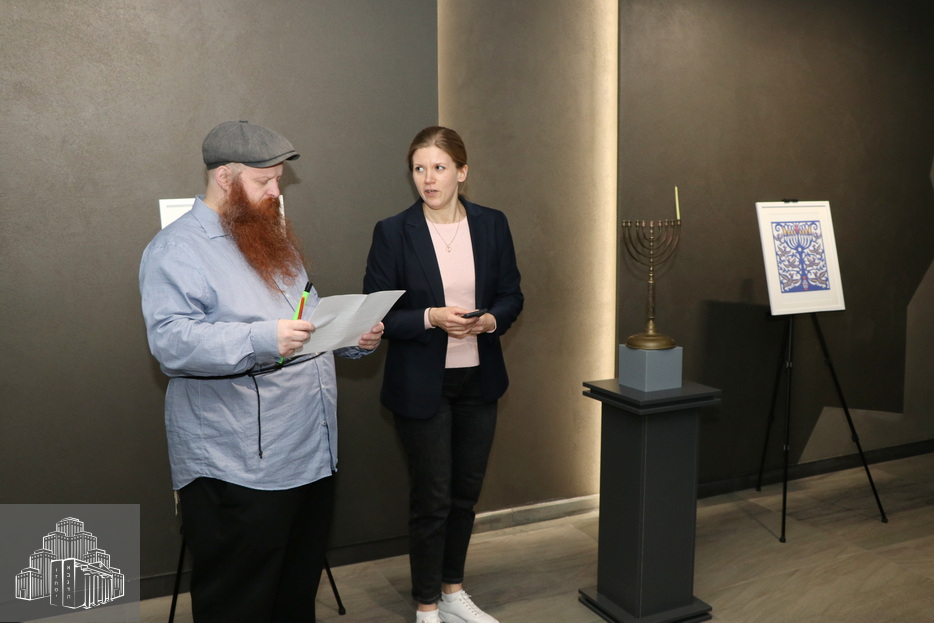
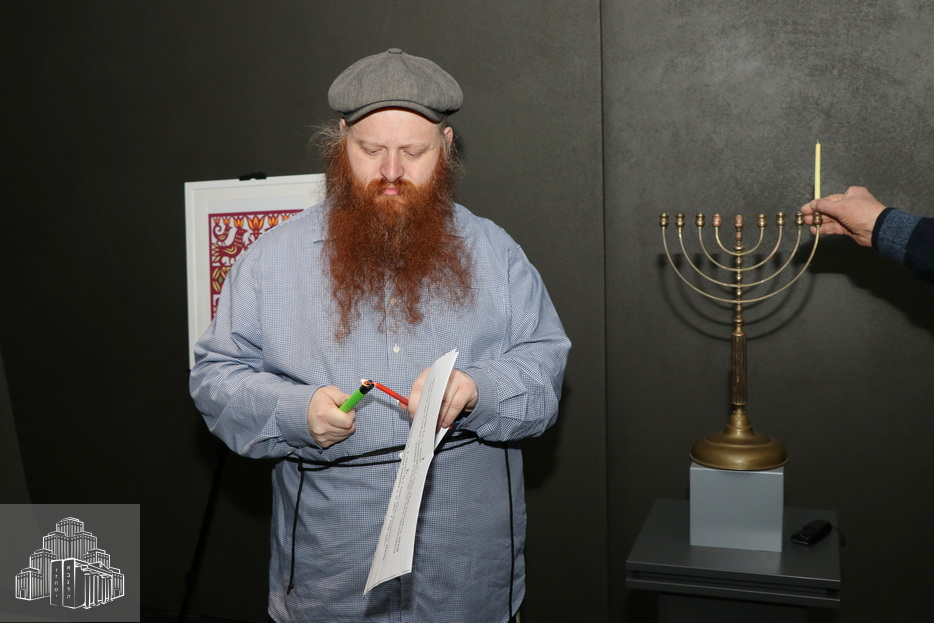
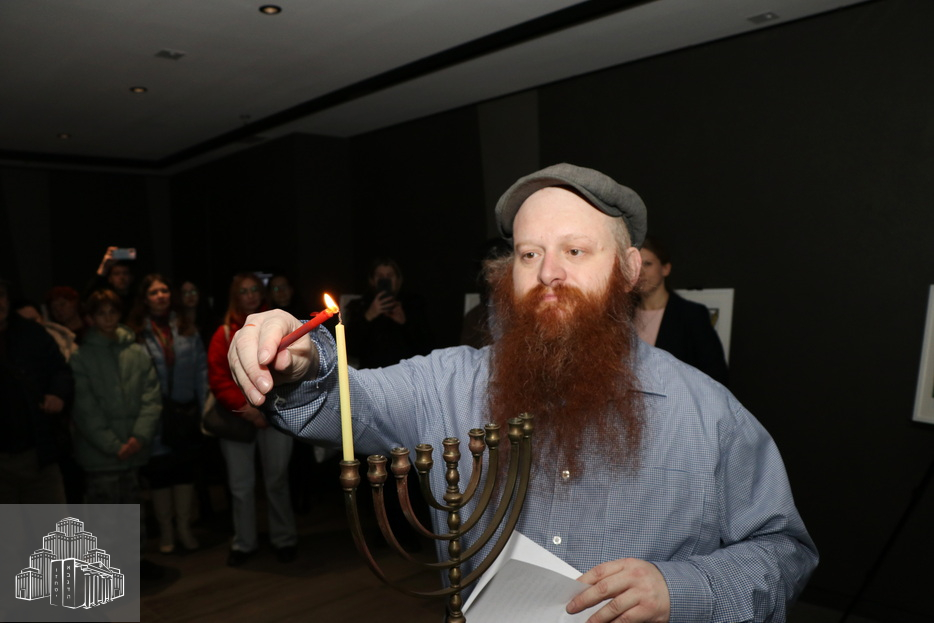
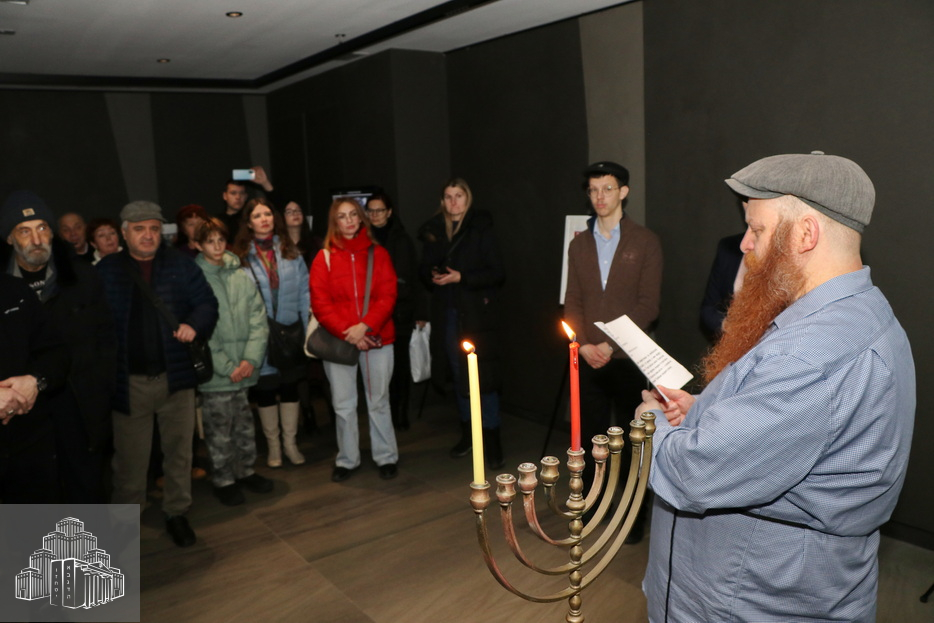
The ceremonial lighting of the hanukkiah in the Jewish Museum was conducted by the Deputy Secretary of the Dnipro Rabbinical Court, Rabbi Yosef Yitzchak Karshenbaum, who recited the three blessings of the first day of Hanukkah and lit the first candle on the hanukkiah installed in the Museum’s third exhibition space, dedicated to processes in Jewish life after World War II and contemporary events.
Following the lighting of the first Hanukkah candle, the exhibition was opened. Olena Kolpakova, the regional manager of the “Project Kesher” and curator of the “Ukrainian-Jewish Calendar” project, presented the exhibition, showcasing the works of the well-known Bukovinian artist and member of the National Union of Artists of Ukraine, Hanna Fochuk. It was she who created the reizele for the Ukrainian-Jewish calendar, blending Ukrainian and Jewish motifs.
Visitors learned about the history of these artworks and the symbolism embedded in the paper patterns, as well as received much interesting information about each month of the Jewish calendar. The audience, sometimes with surprise, discovered how Ukrainian and Jewish motifs are combined in these patterns, what symbols they preserve, and how reizele differs from vytynanka (traditional Ukrainian papercutting). In a warm, friendly atmosphere, a conversation took place about art, memory, and the dual cultural codes woven into paper.