



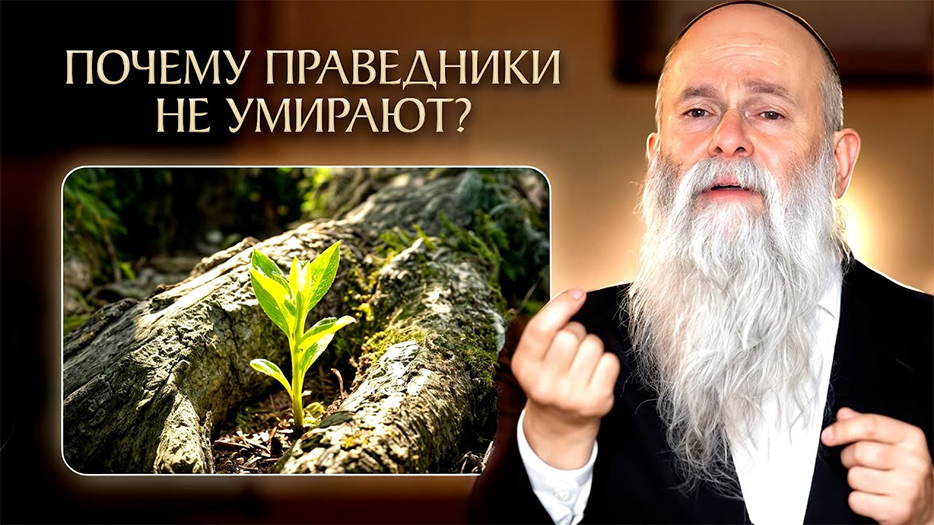
A new episode in the series of weekly lessons by Dnipro’s Chief Rabbi Shmuel Kaminezki, dedicated to the Torah portion “Vaigash,” has been released on the YouTube channel “Menorah.” At the heart of this lesson is a profound and yet very personal question: what does the expression “a living righteous person” truly mean in Jewish tradition?
The portion “Vaigash” describes the climactic moment in the story of Yosef and his brothers. After many years of separation and trials, Yosef reveals himself and asks, at first glance, a strange question: “Is my father still alive?”, although he knows for certain that Yaakov is alive. Why does the Torah put this question in Yosef’s mouth – and what kind of “life” is being referred to here?
In his explanation, Rabbi Shmuel Kaminezki draws attention to the language of the Torah and Jewish Law, where a righteous person is often spoken of in the present tense: not “he said,” but “he says.” This leads to the key idea of the lesson – a righteous person lives not only bodily. Their life continues through their spiritual legacy, deeds, teachings, and influence on other people.
The rabbi provides examples from the Torah and Jewish tradition, explaining why spiritual legacy cannot be “divided like property,” and why a person’s true life is measured not by biographical dates, but by how much their path continues to live on in others. The lesson raises important questions: Can a person’s influence be preserved decades after their passing? How to live so that “time does not bury you”? And what constitutes the true path to immortality from the perspective of the Torah?
This episode is addressed to everyone who contemplates the meaning of life, responsibility towards future generations, and how to maintain a connection with righteous individuals – not as figures of the past, but as a living source of inspiration and direction.
The new lesson is already available on the “Menorah” YouTube channel. Watch the video and share your reflections in the comments – let’s continue this important conversation together.