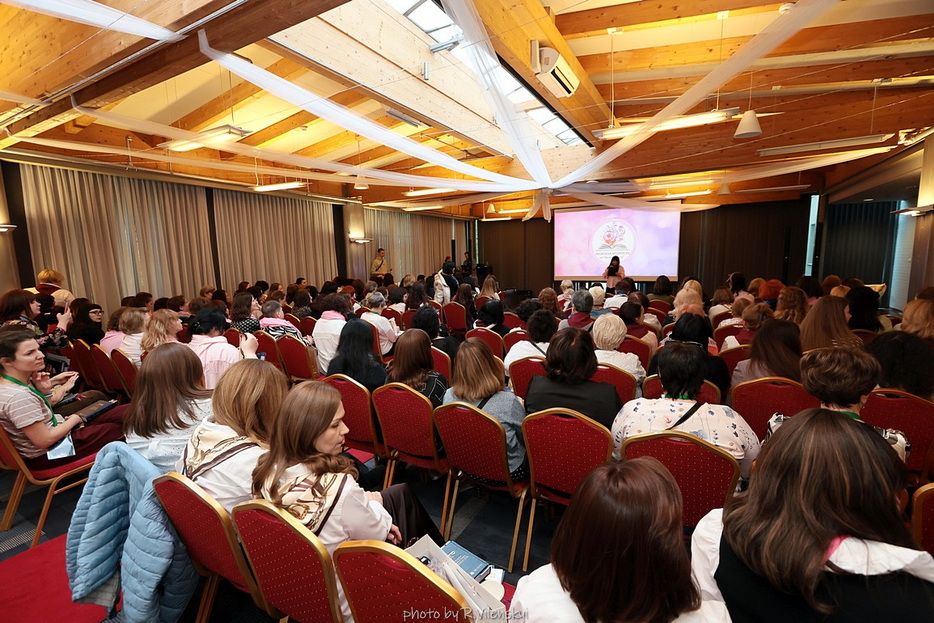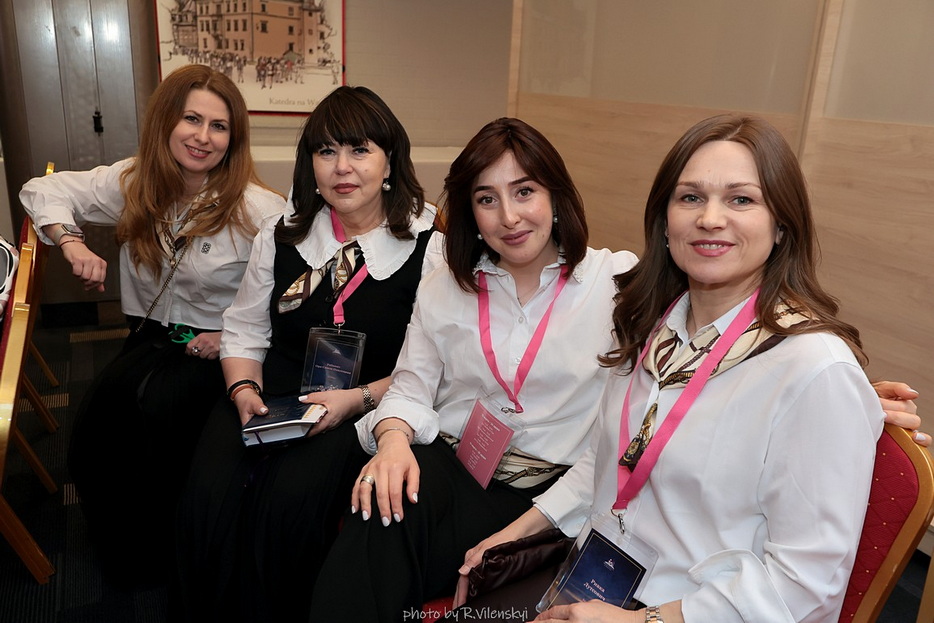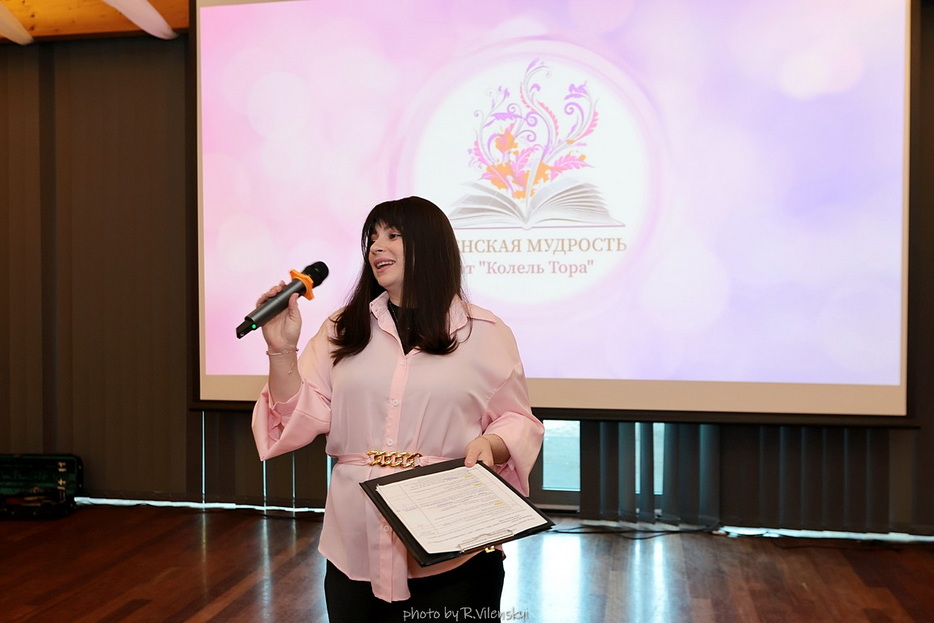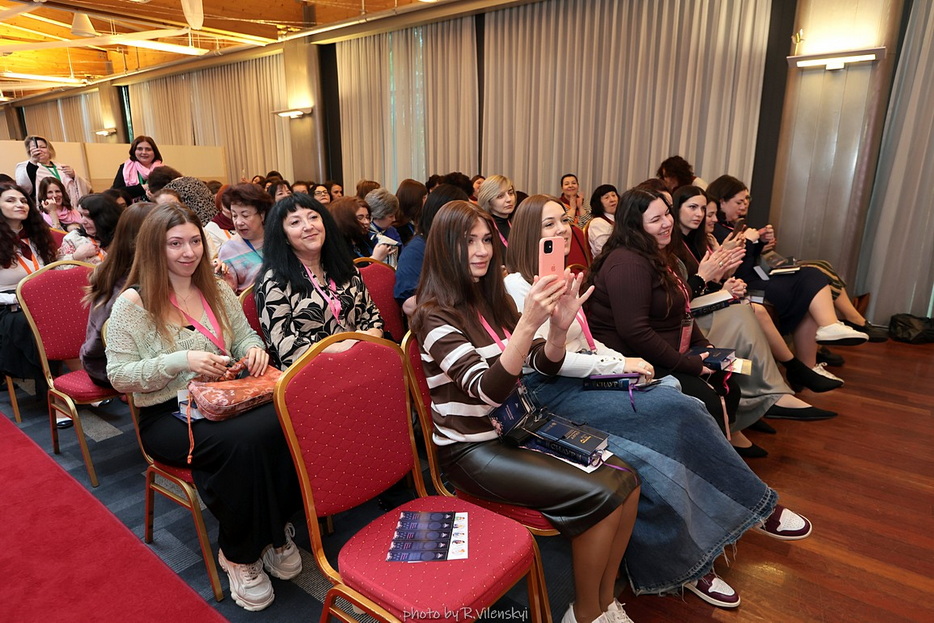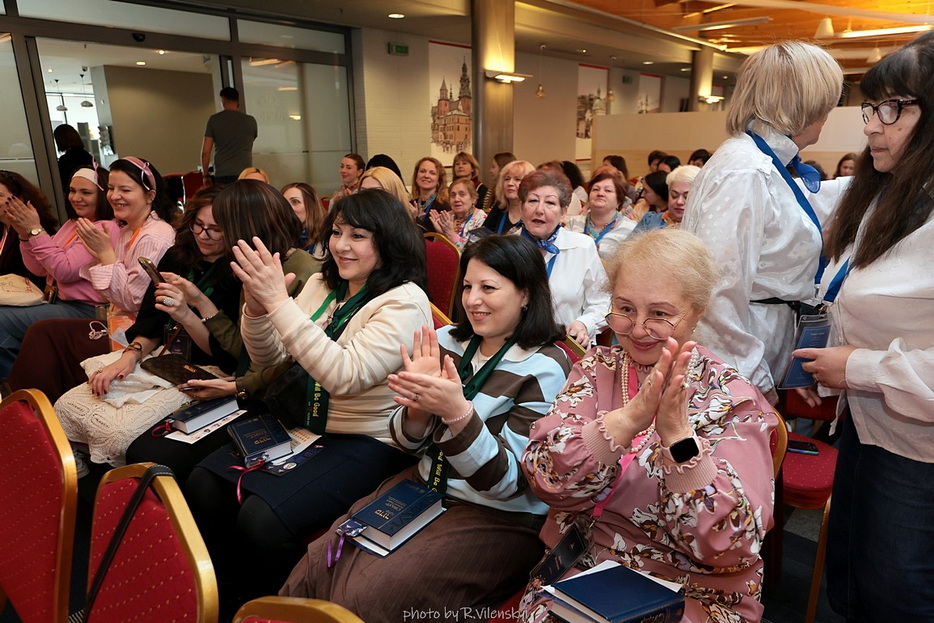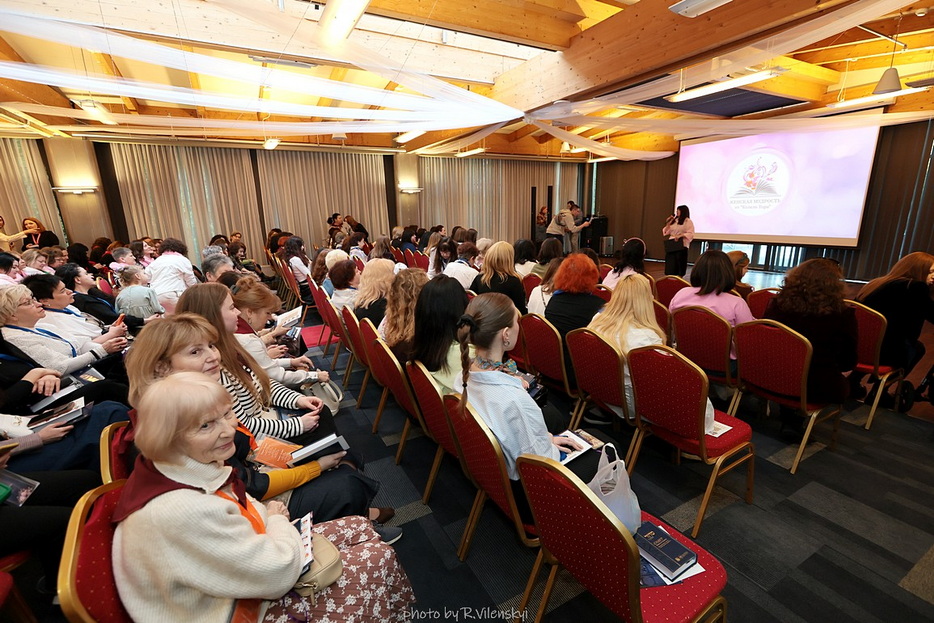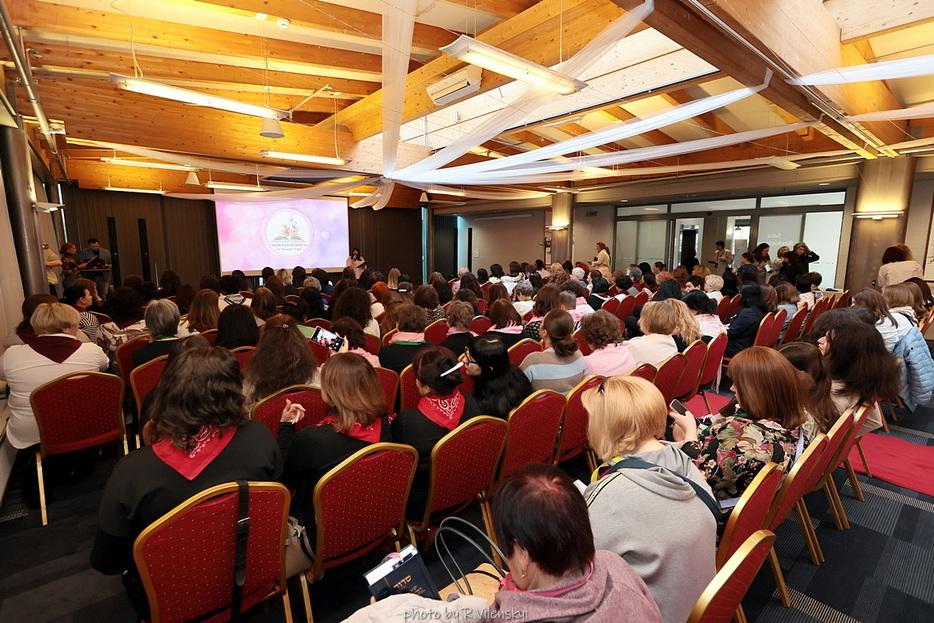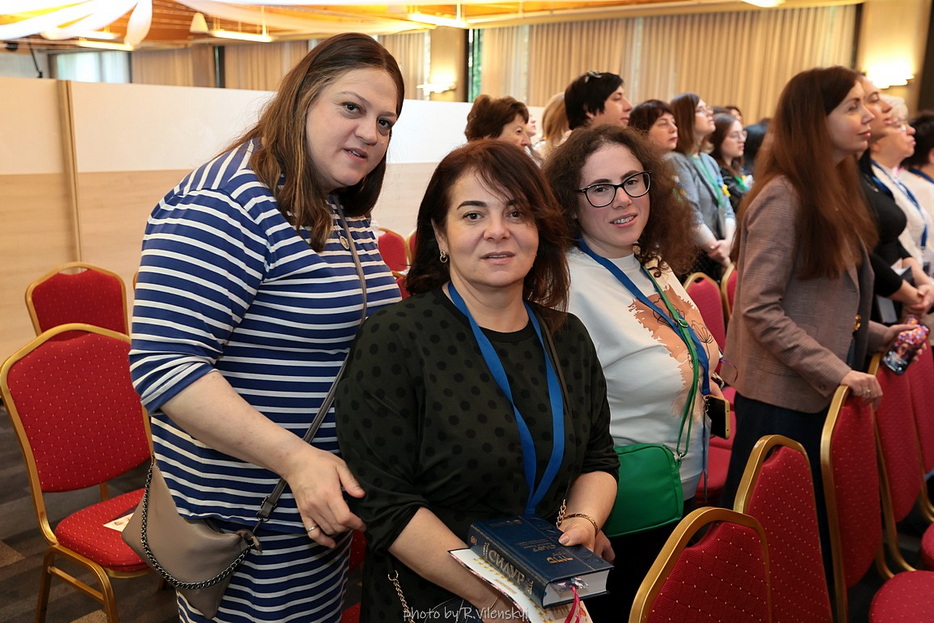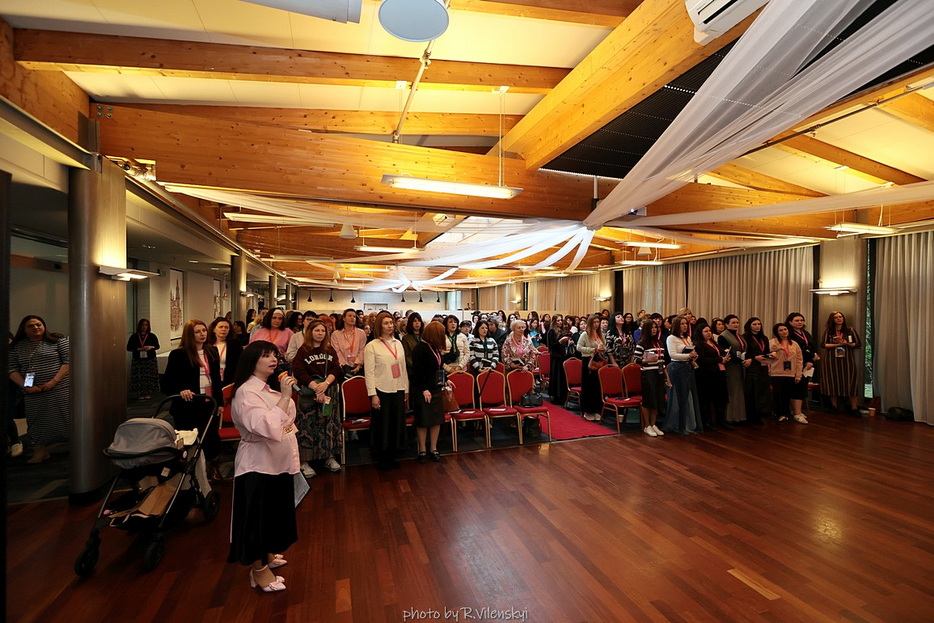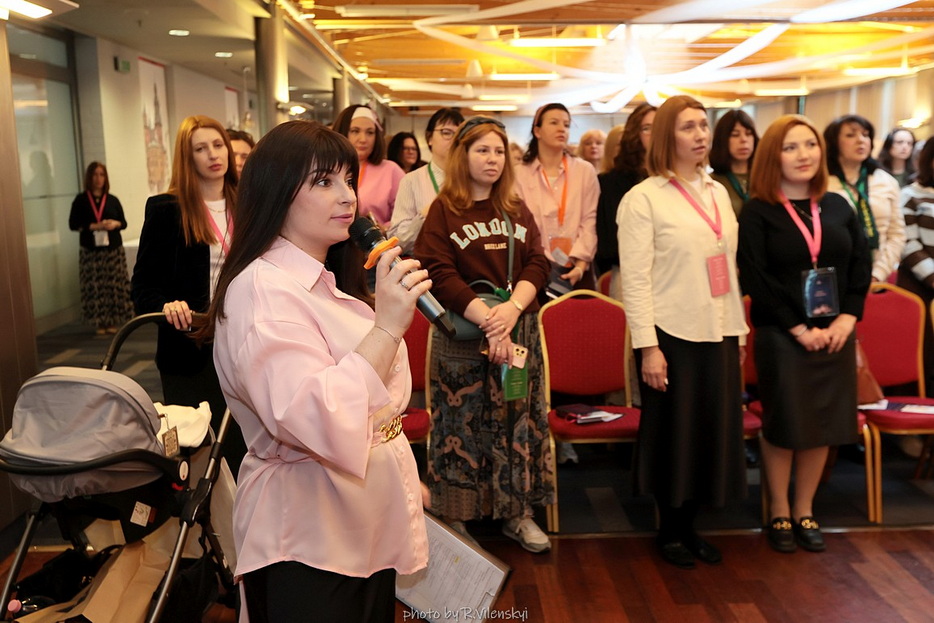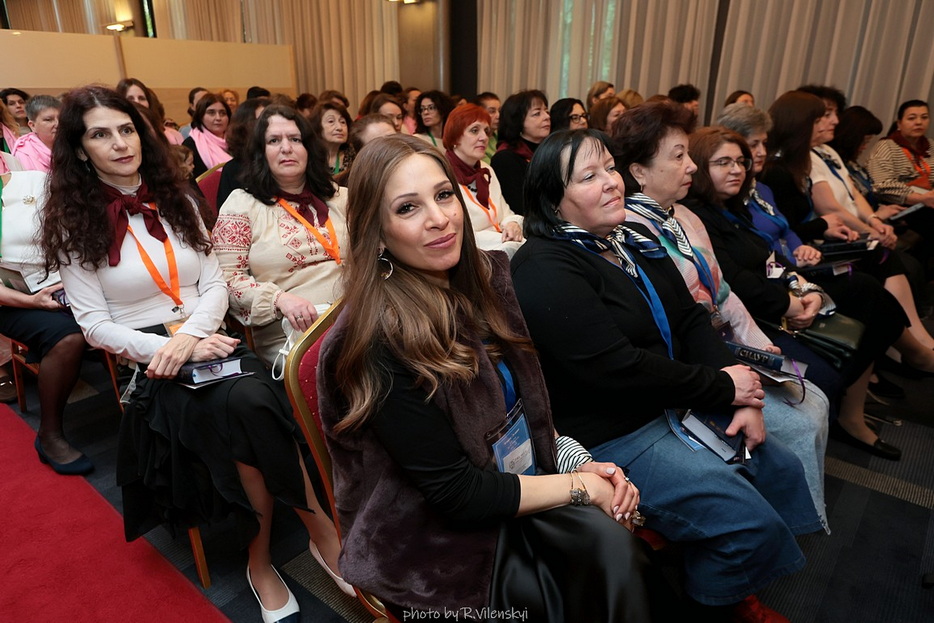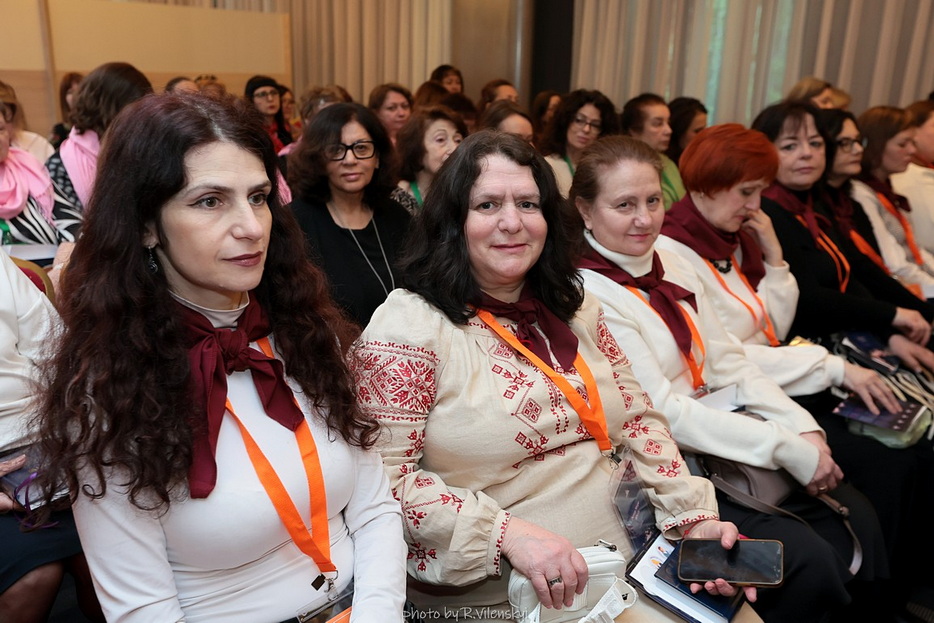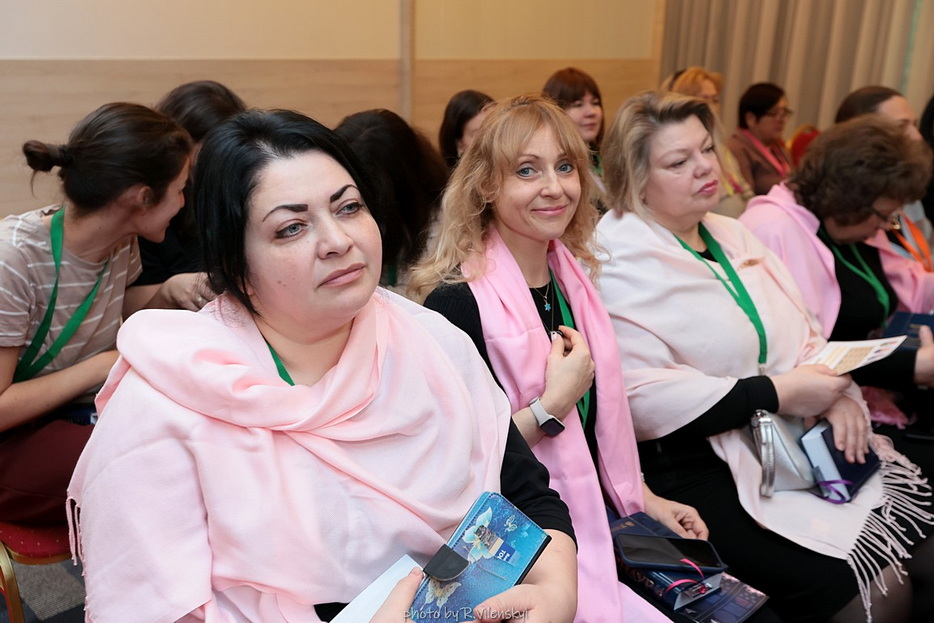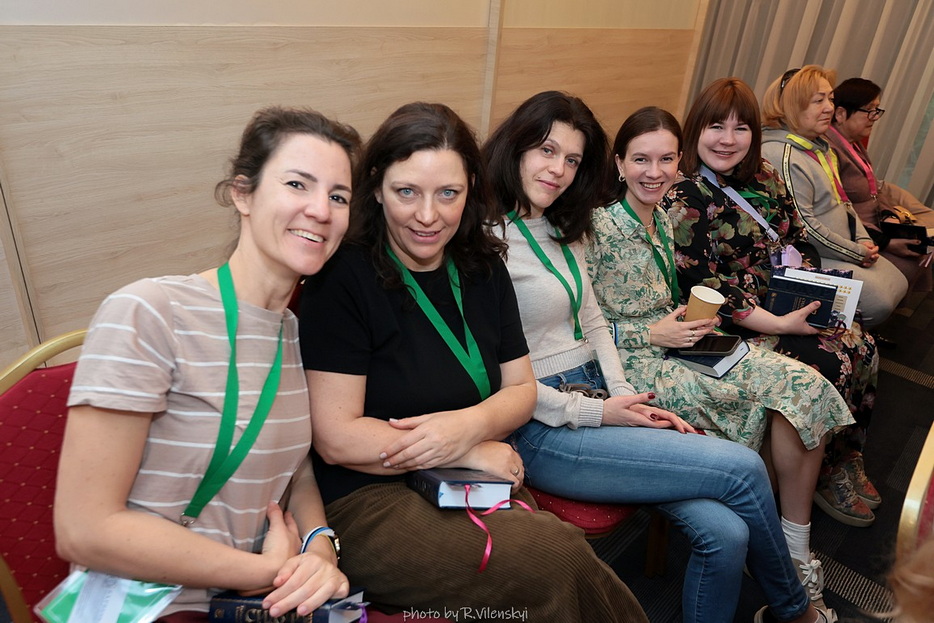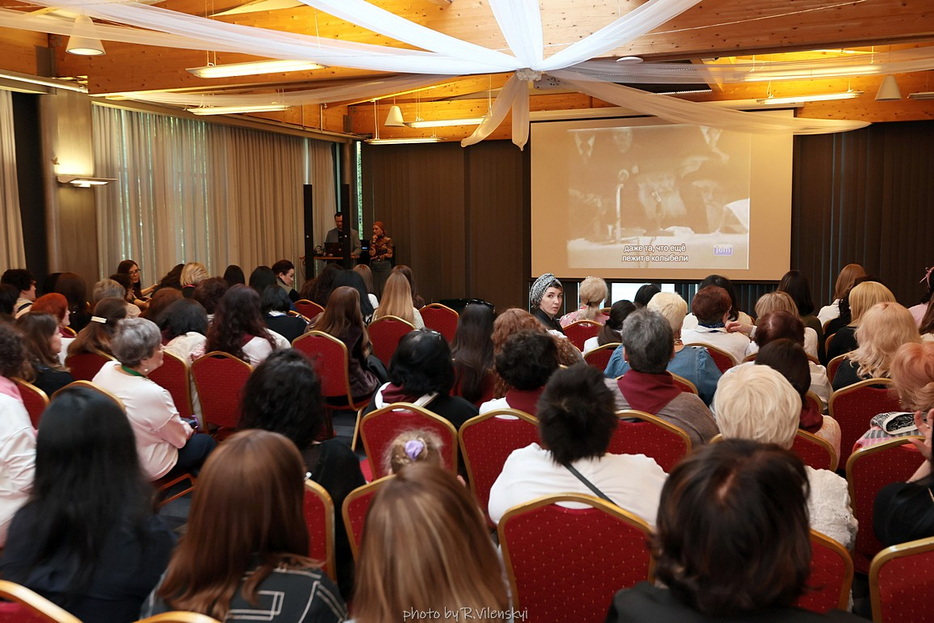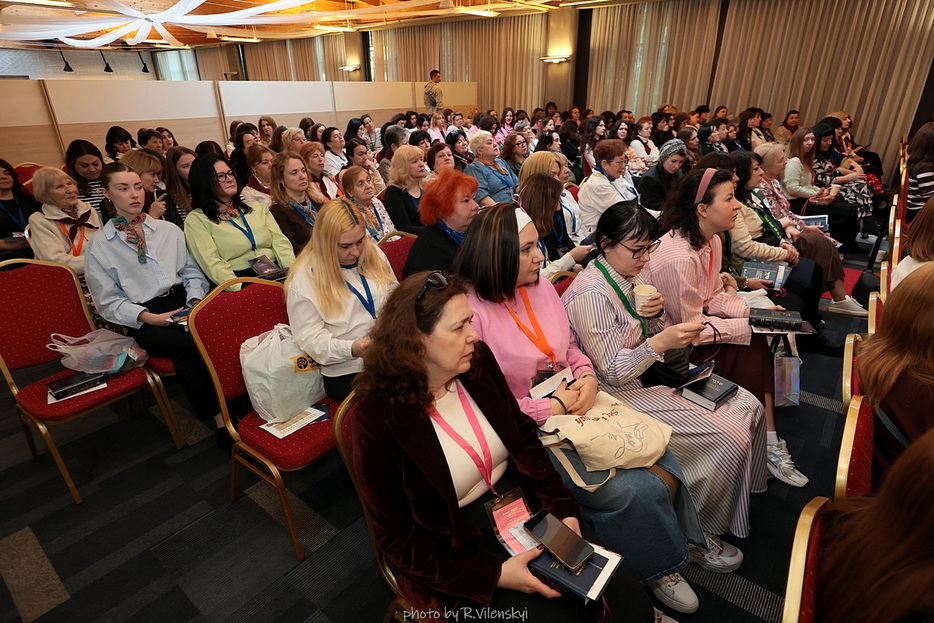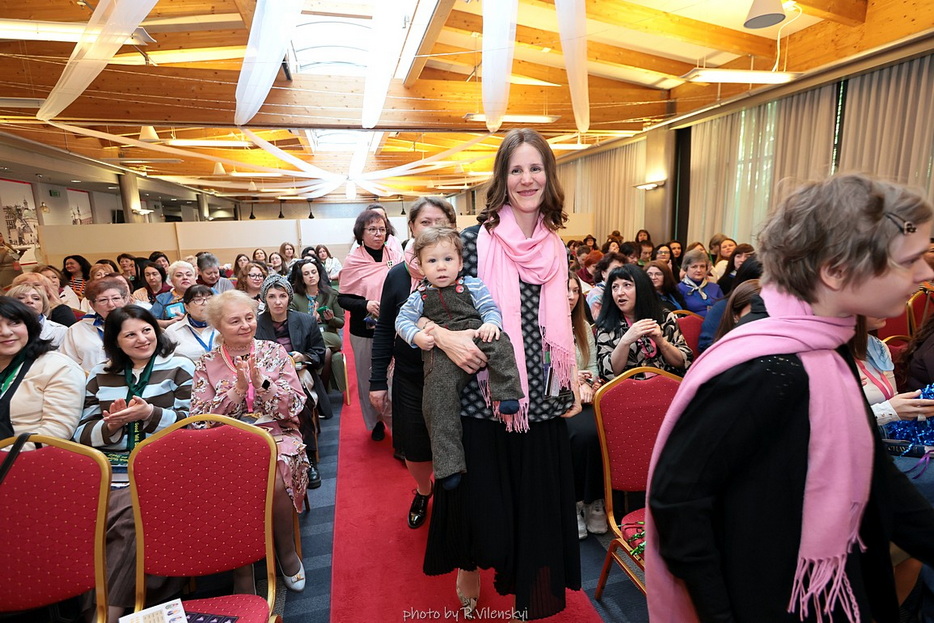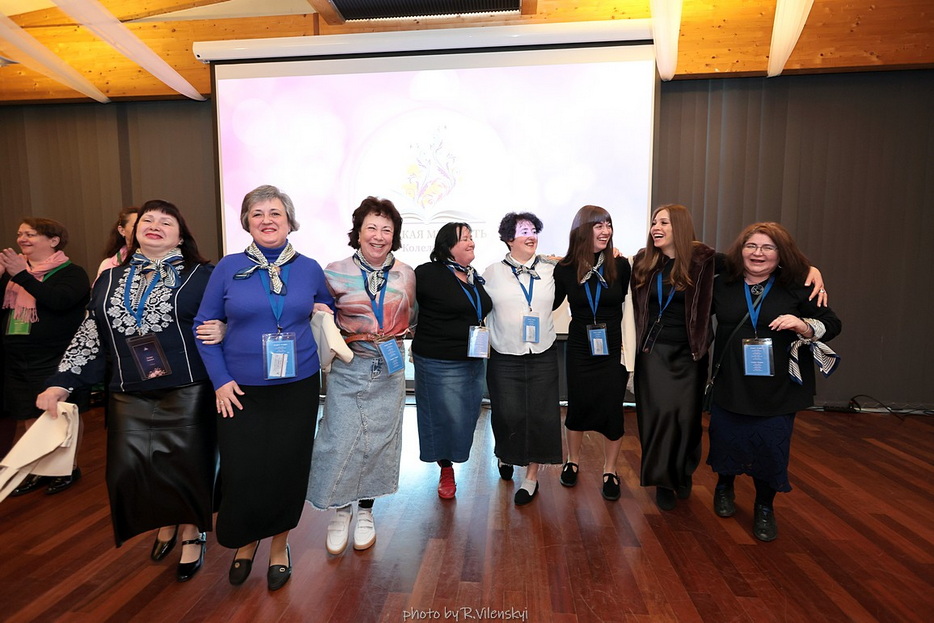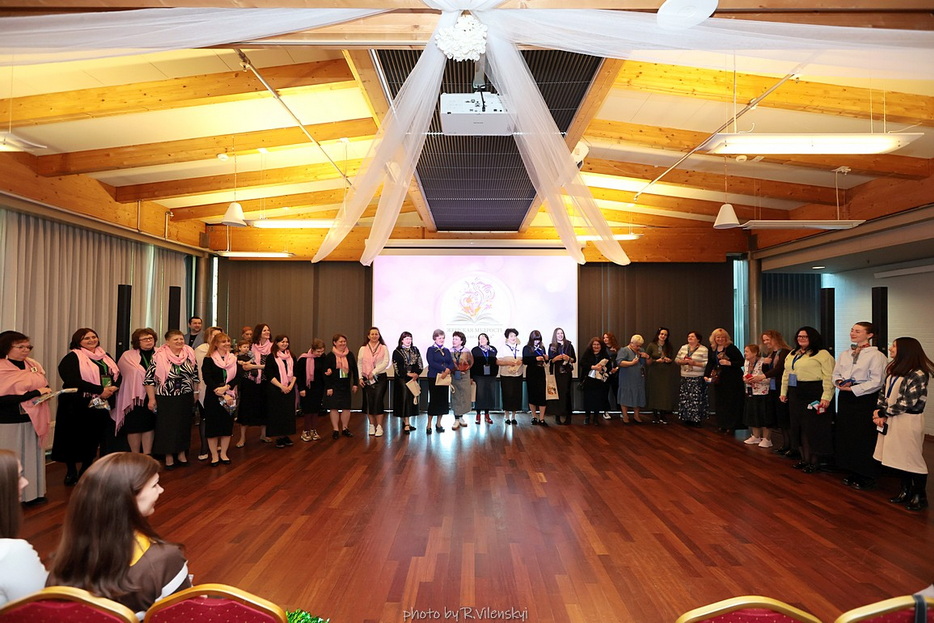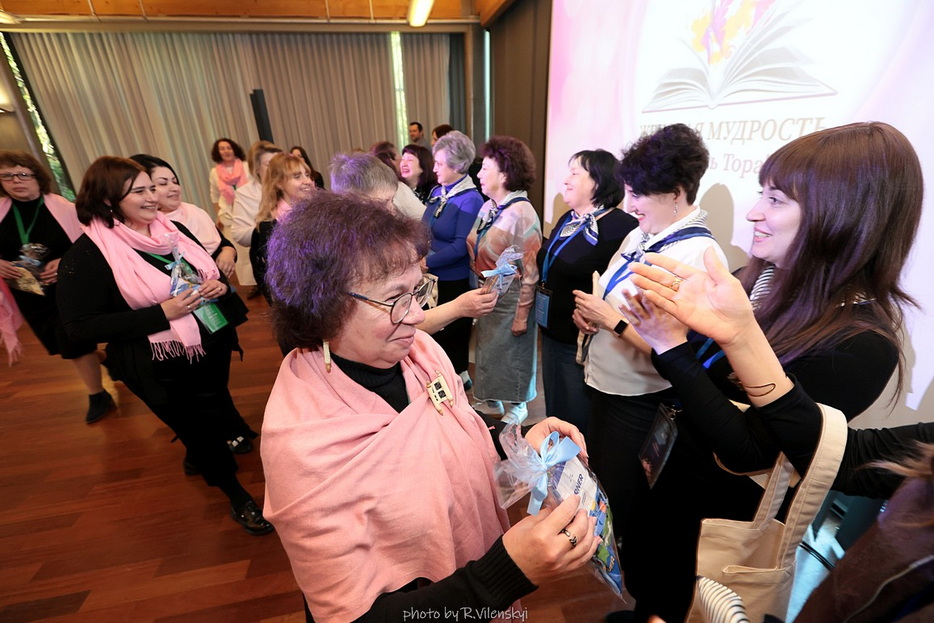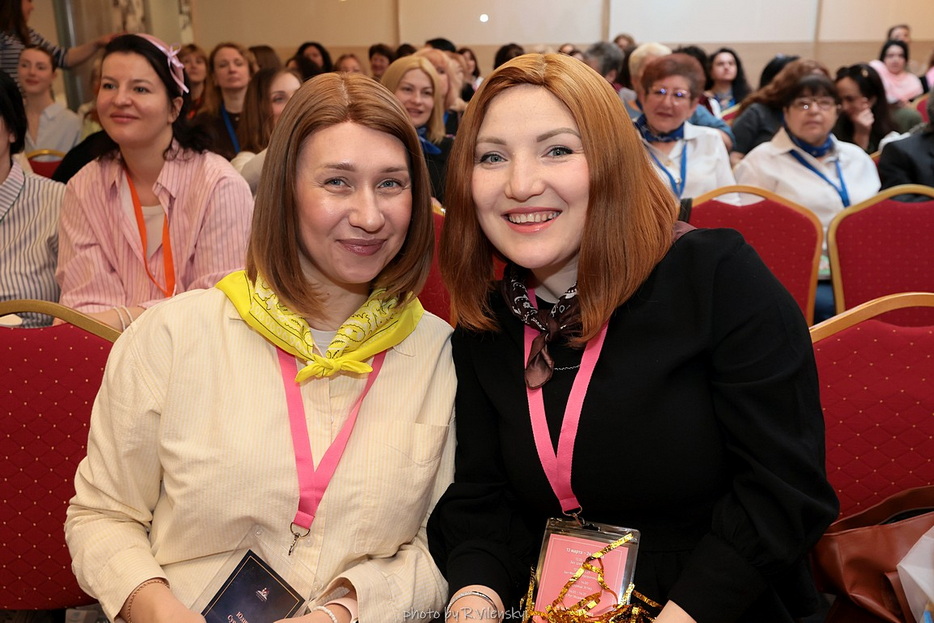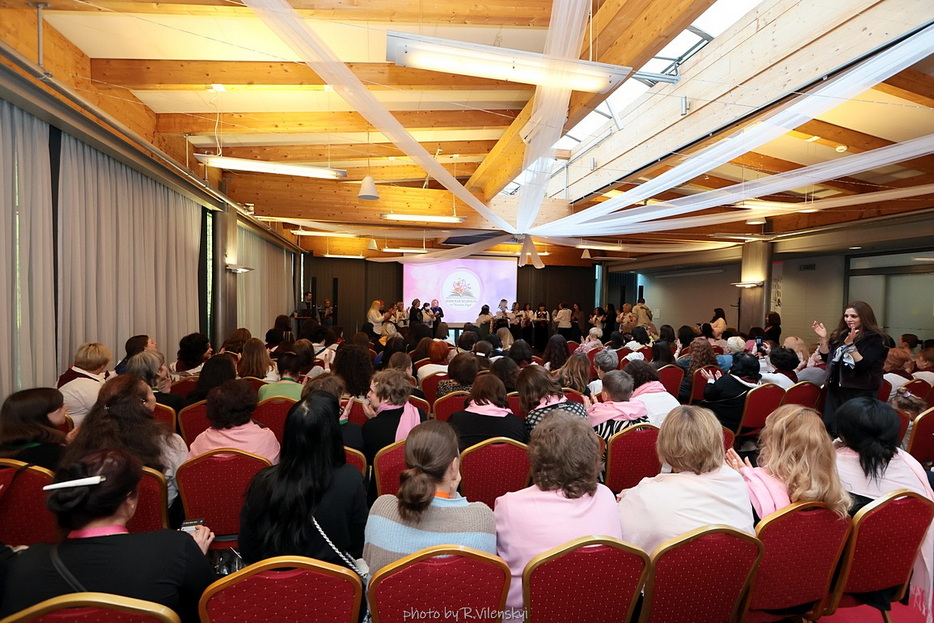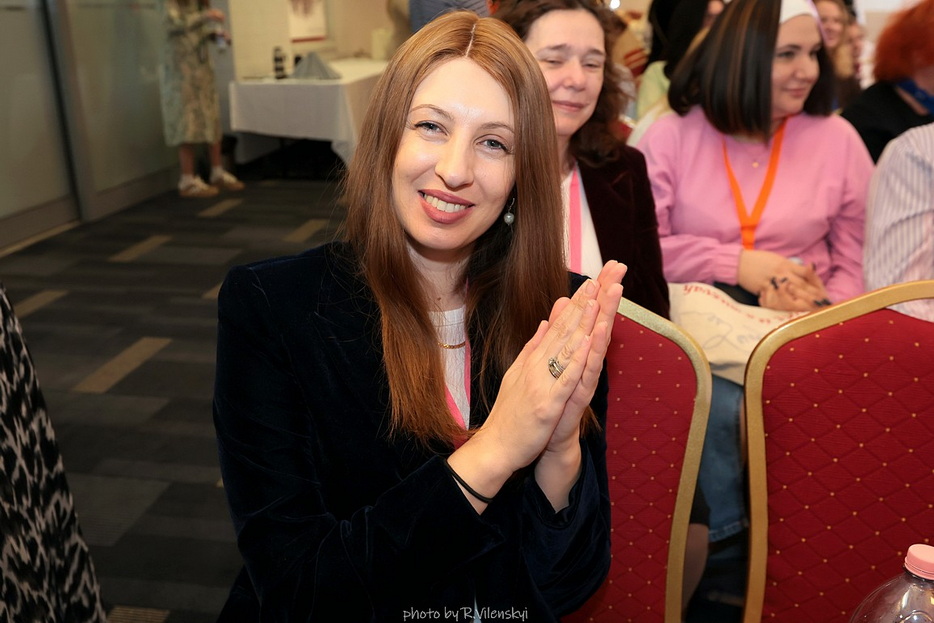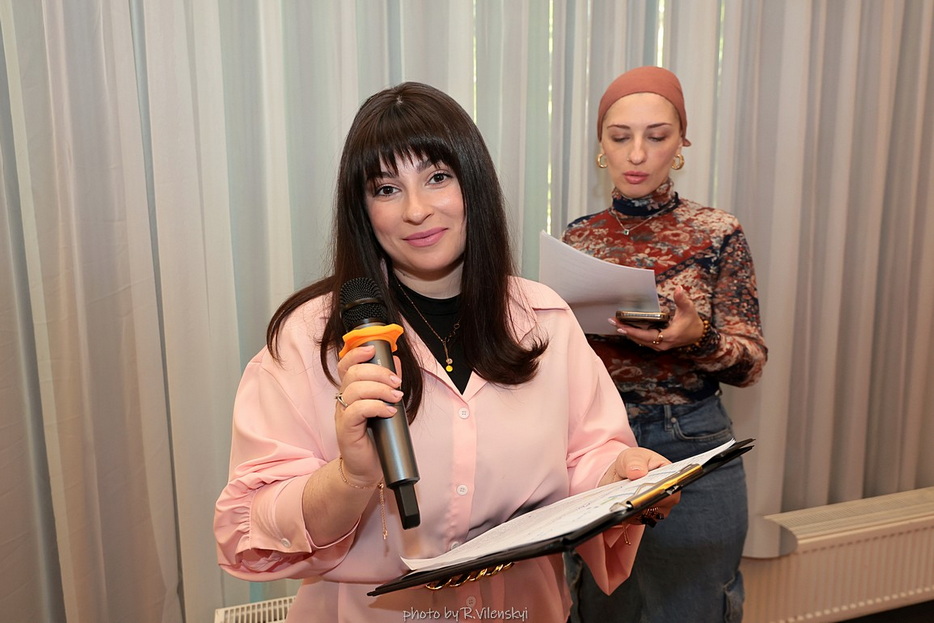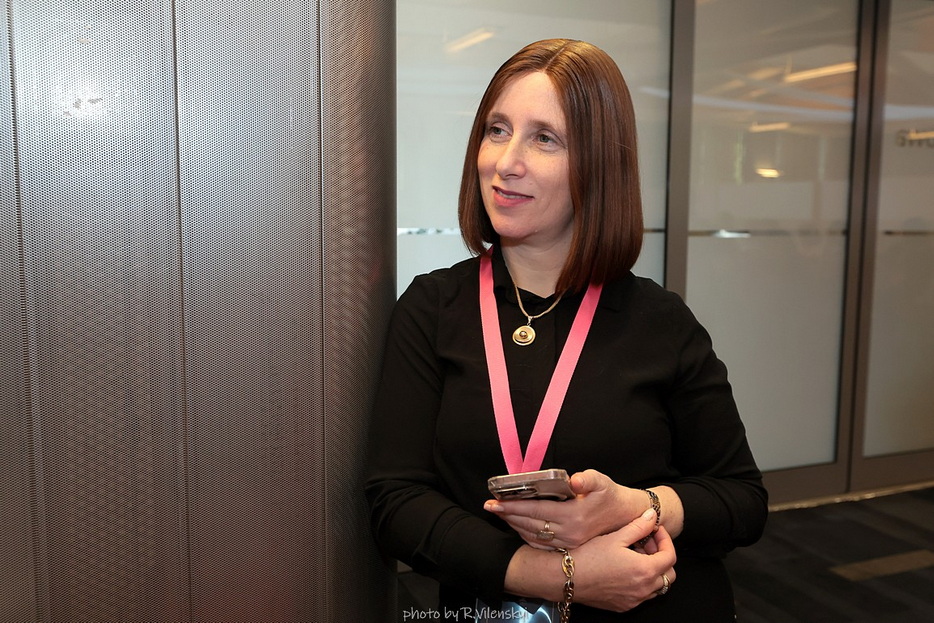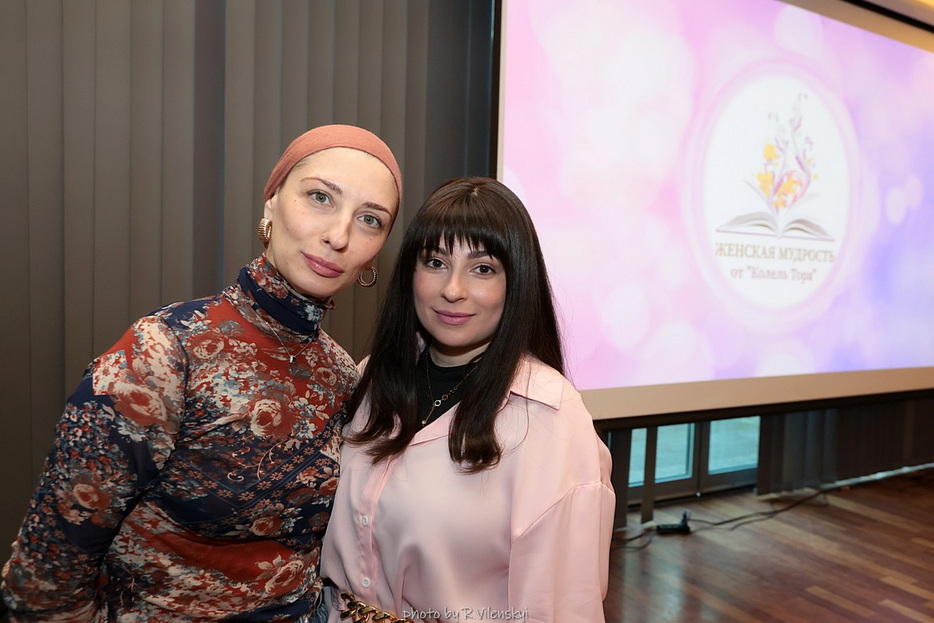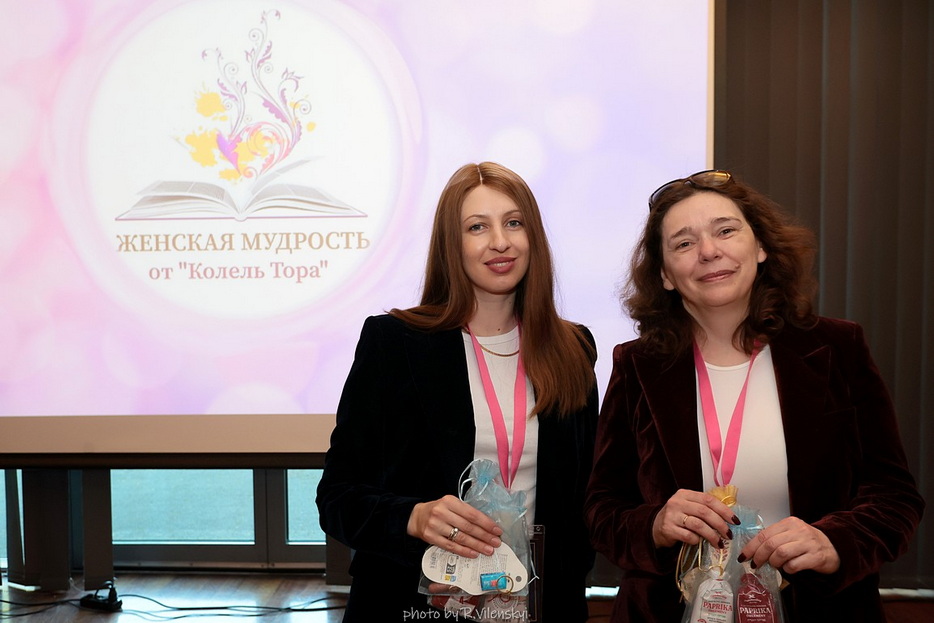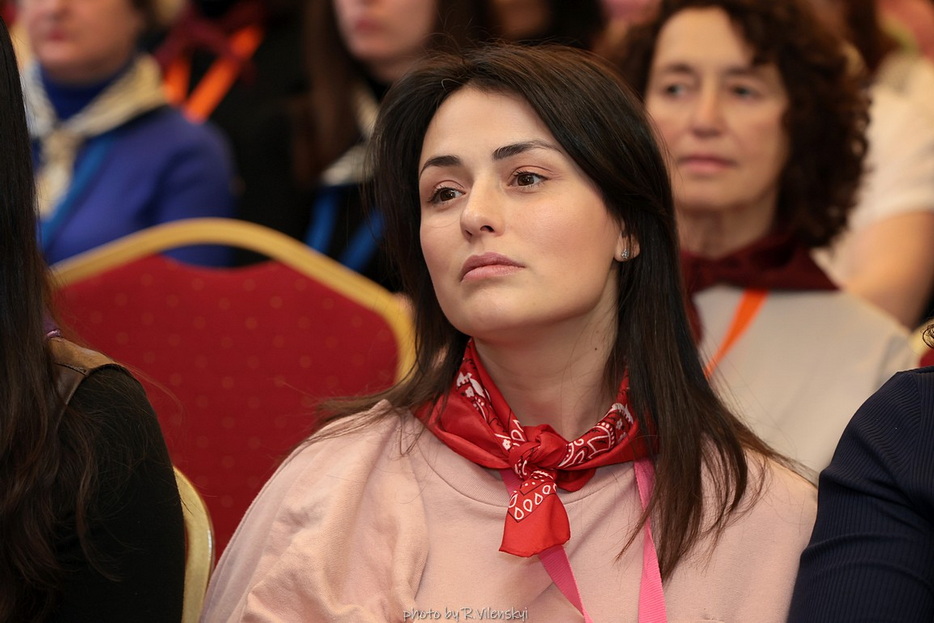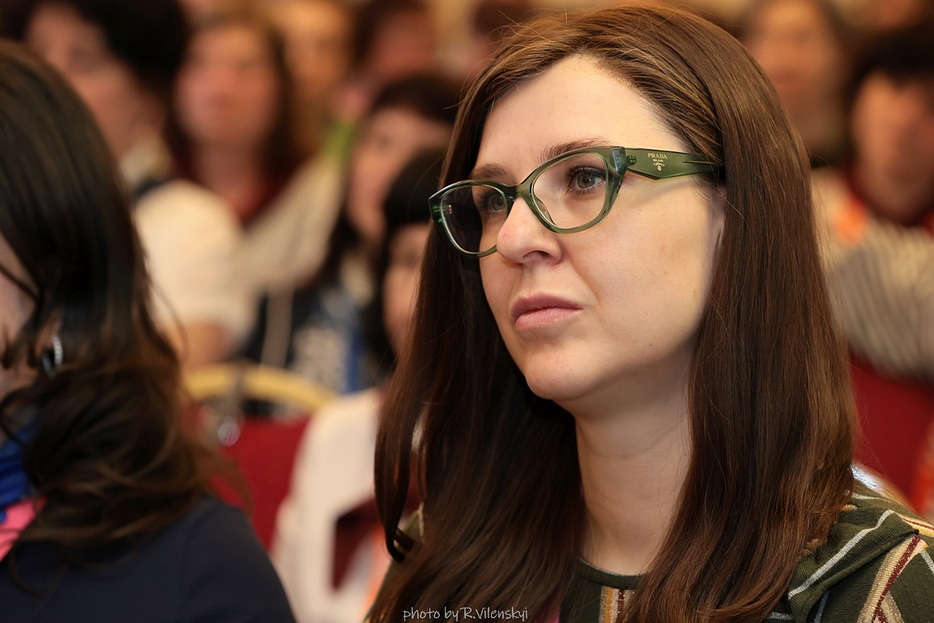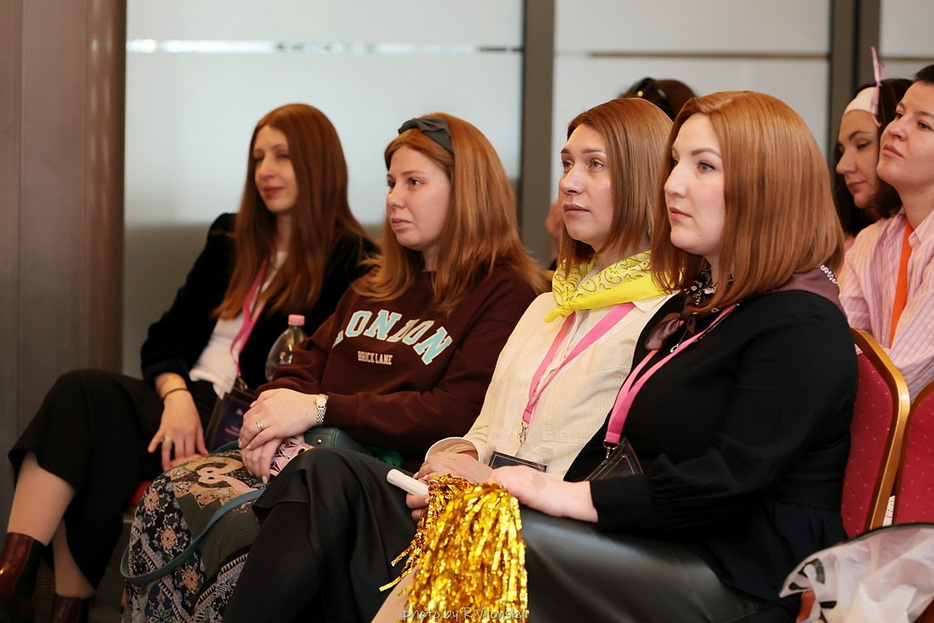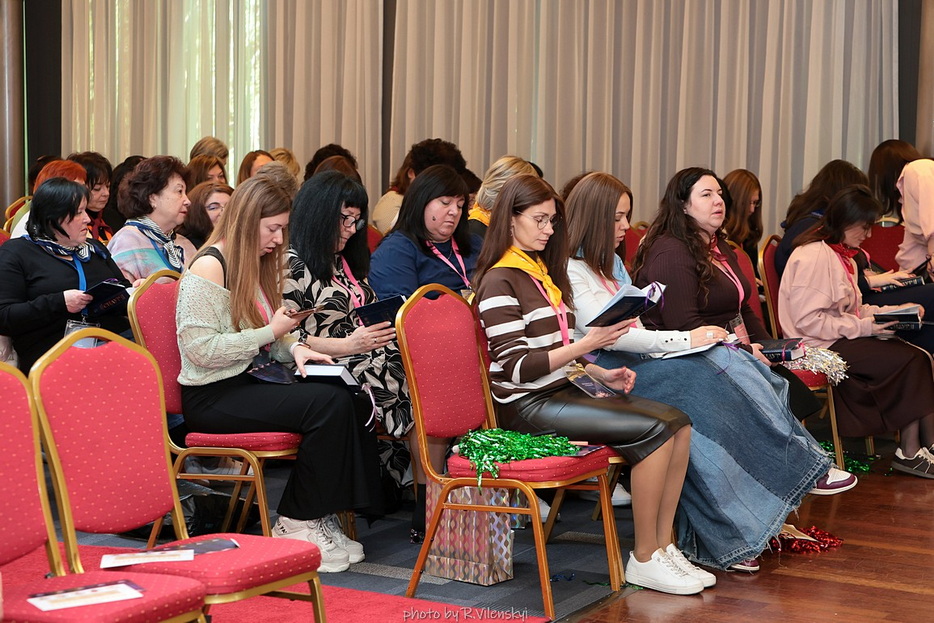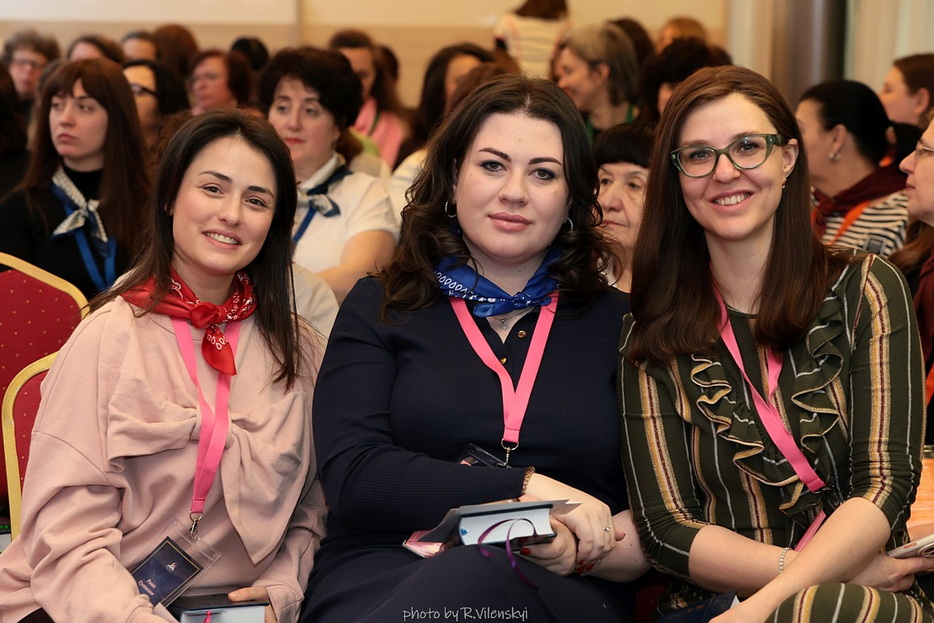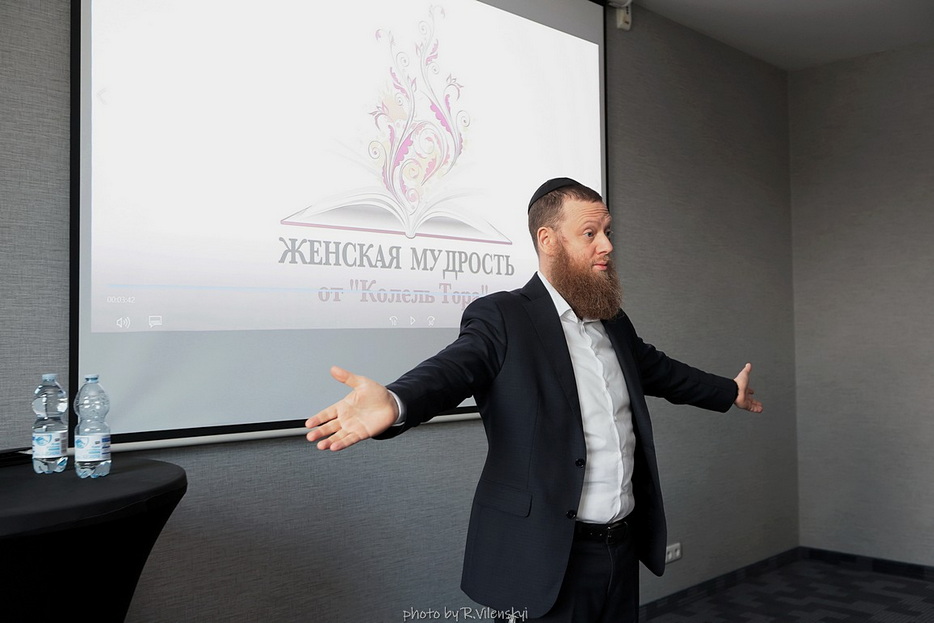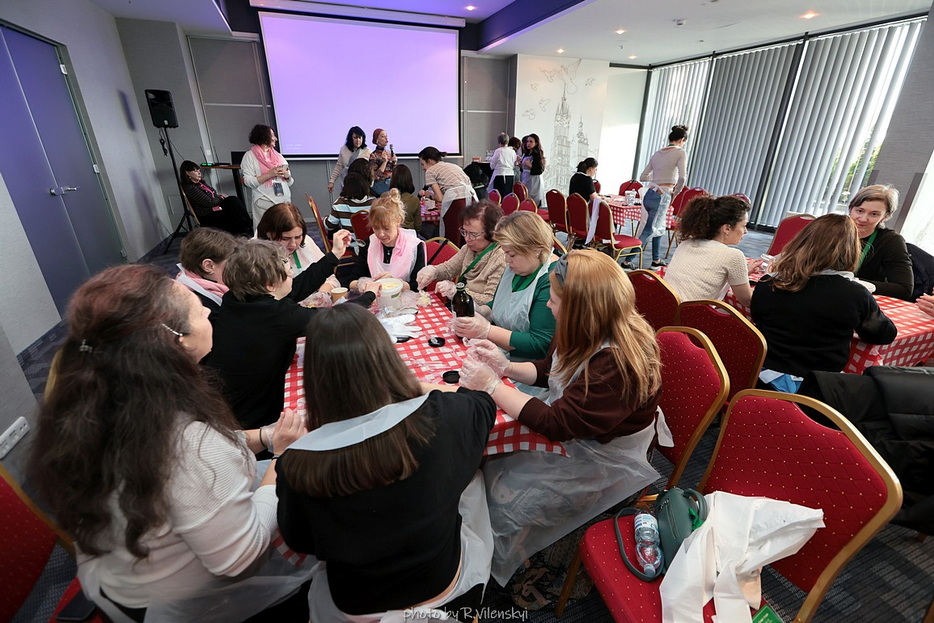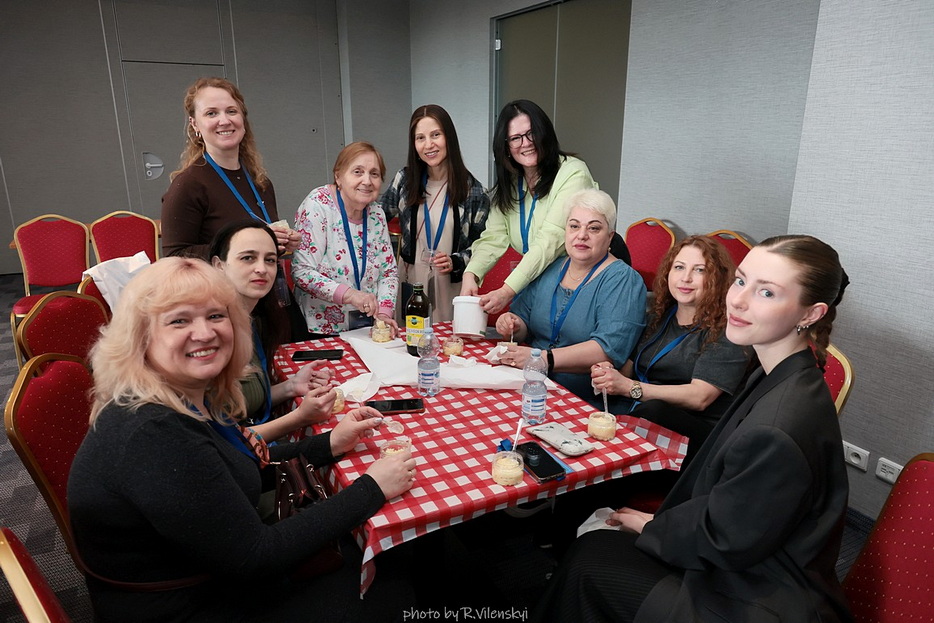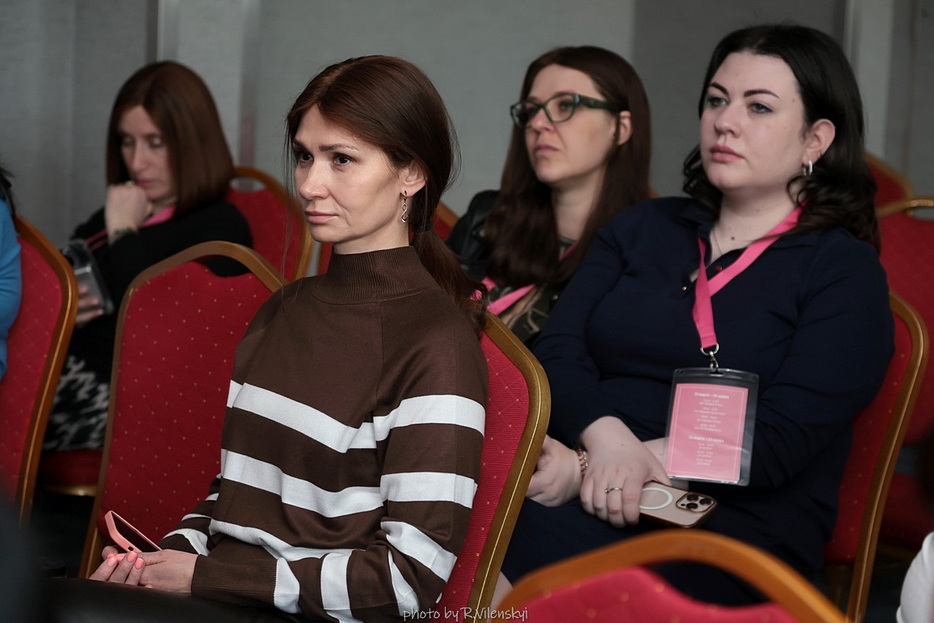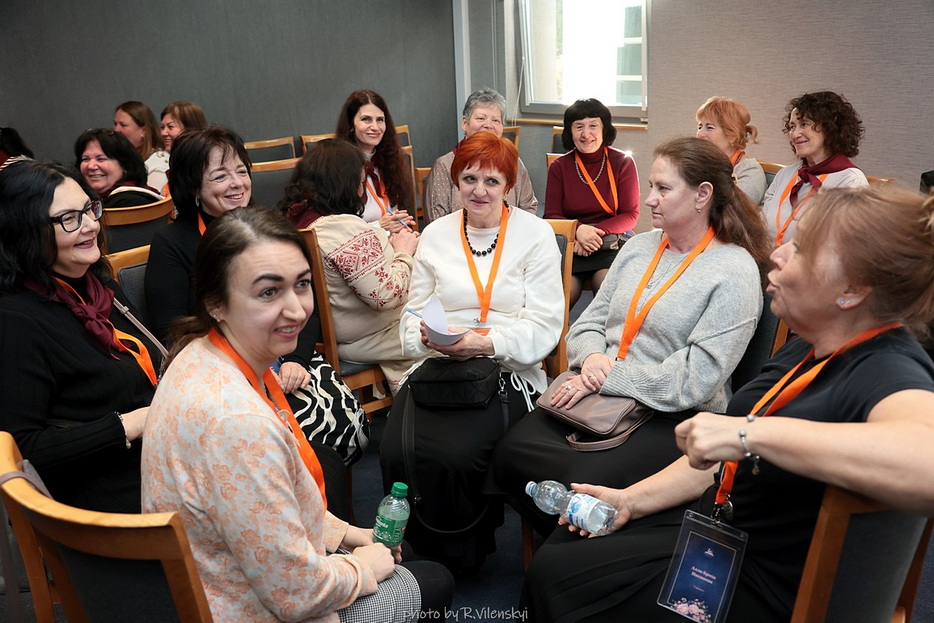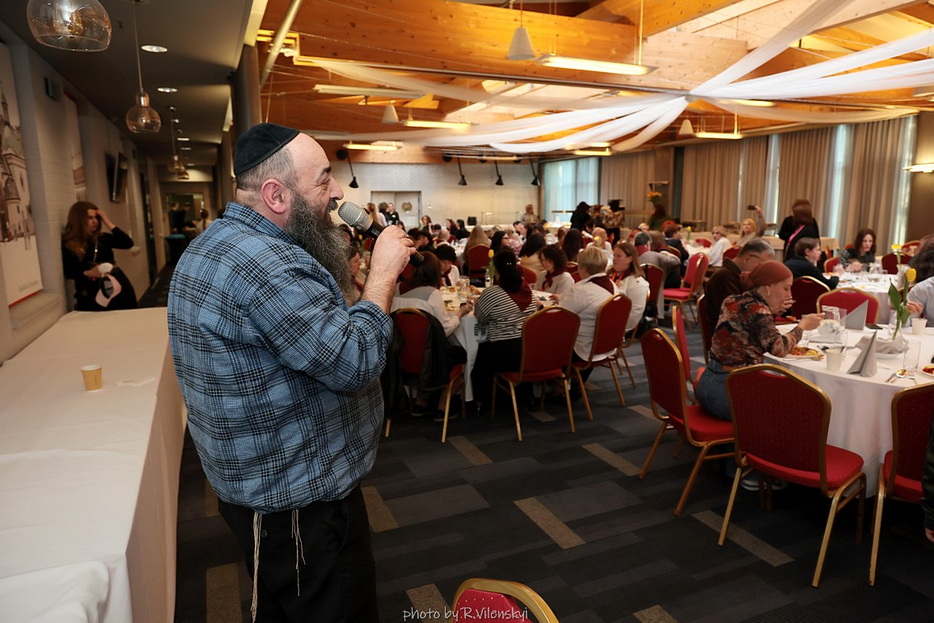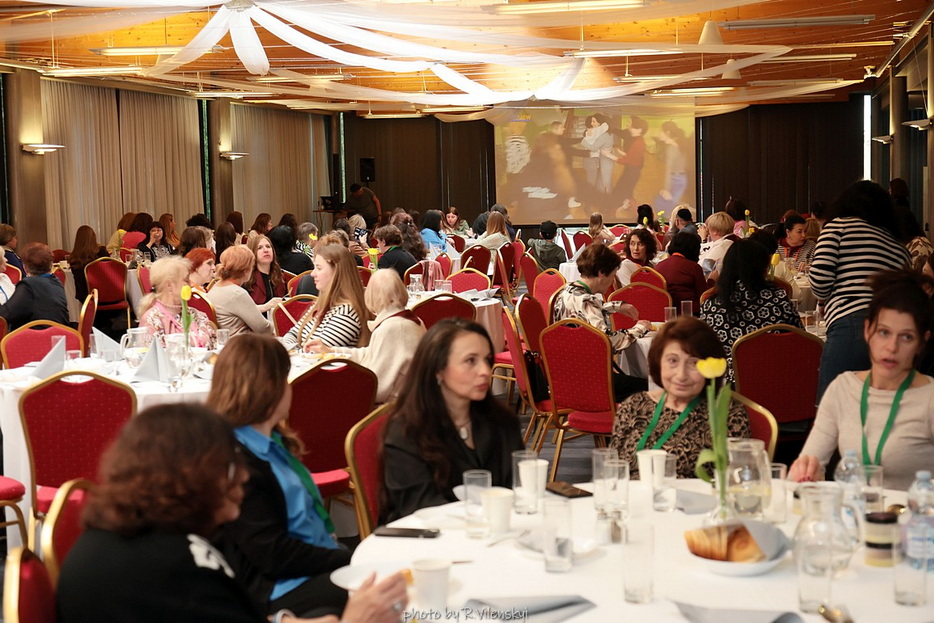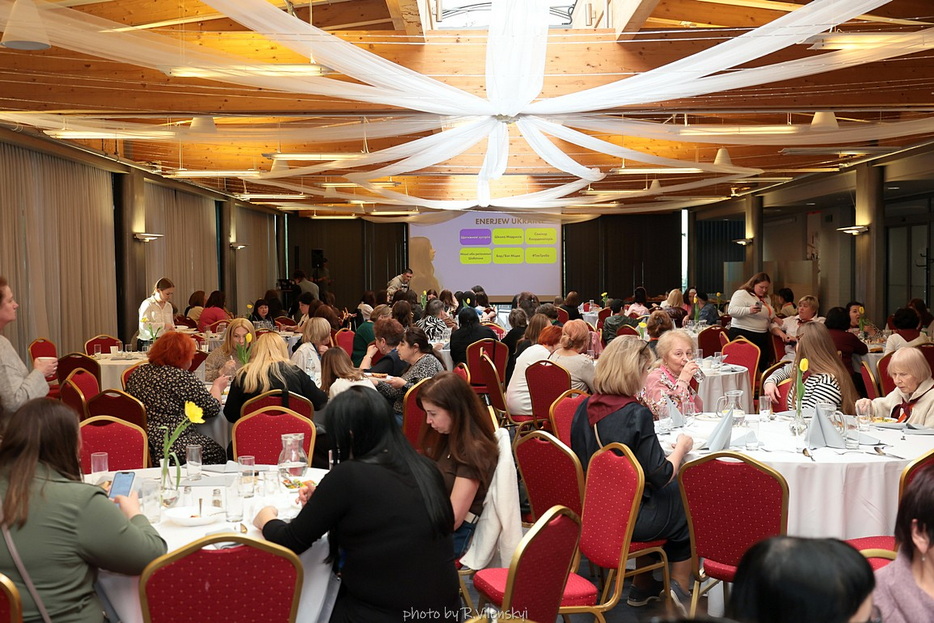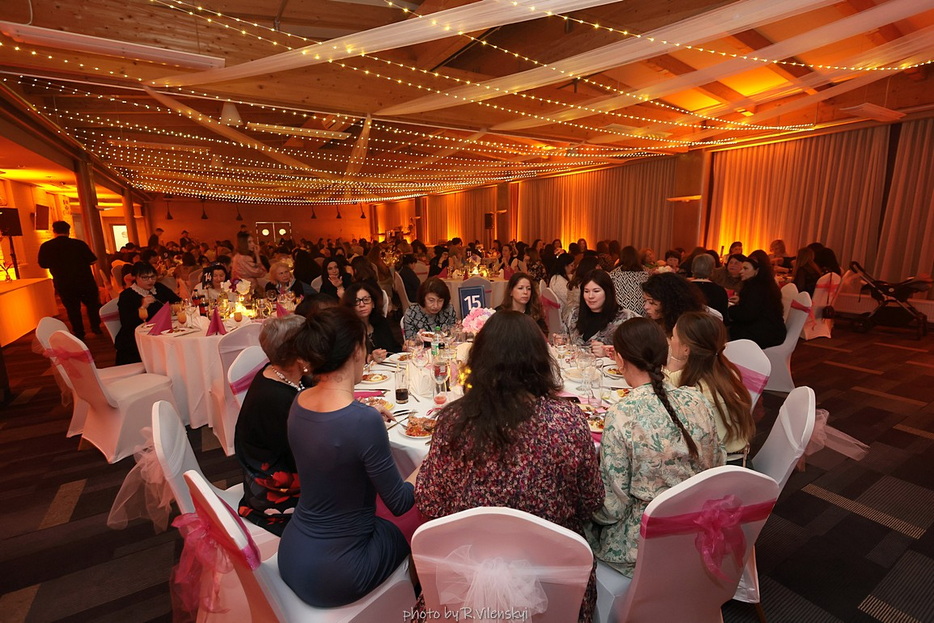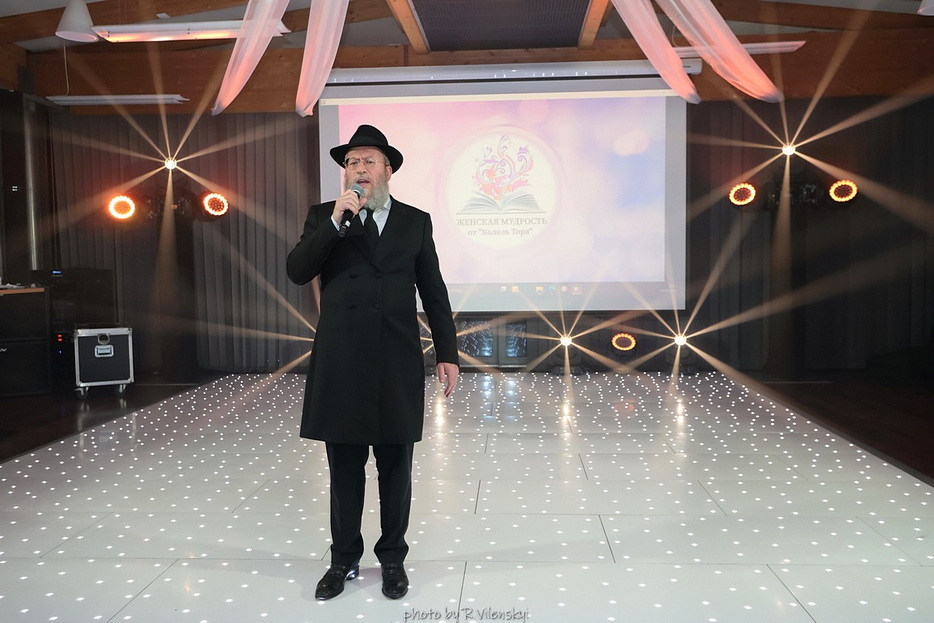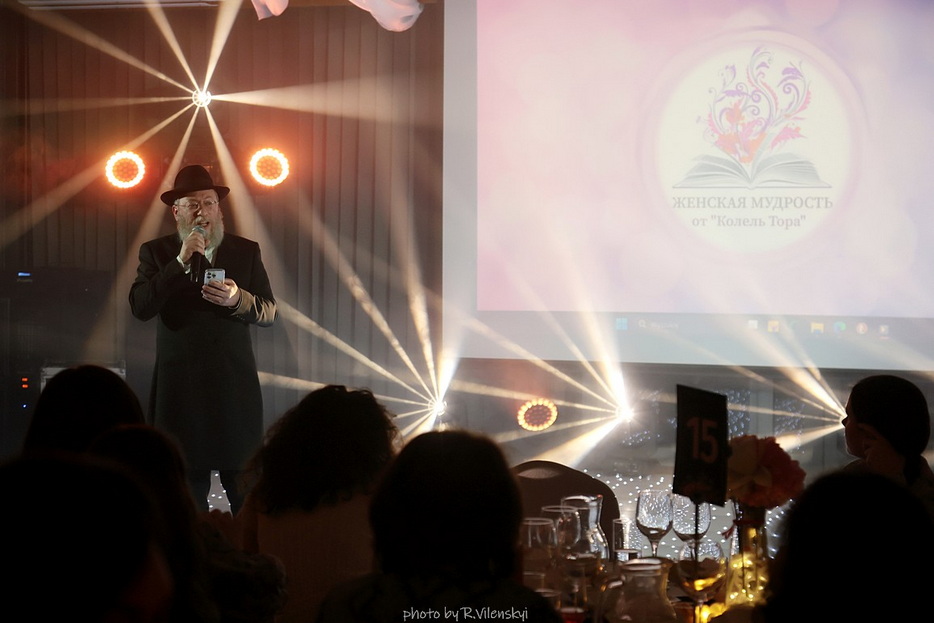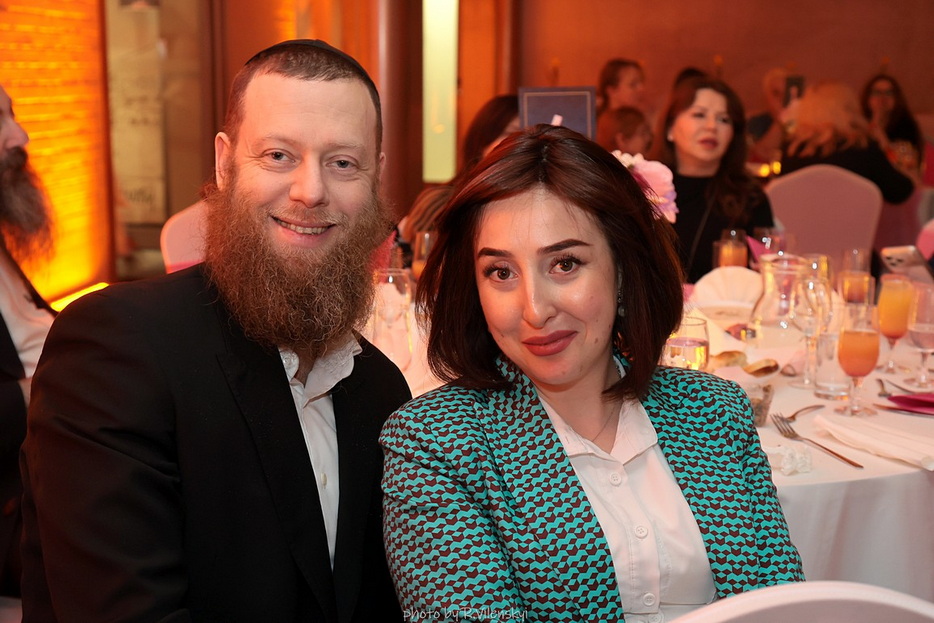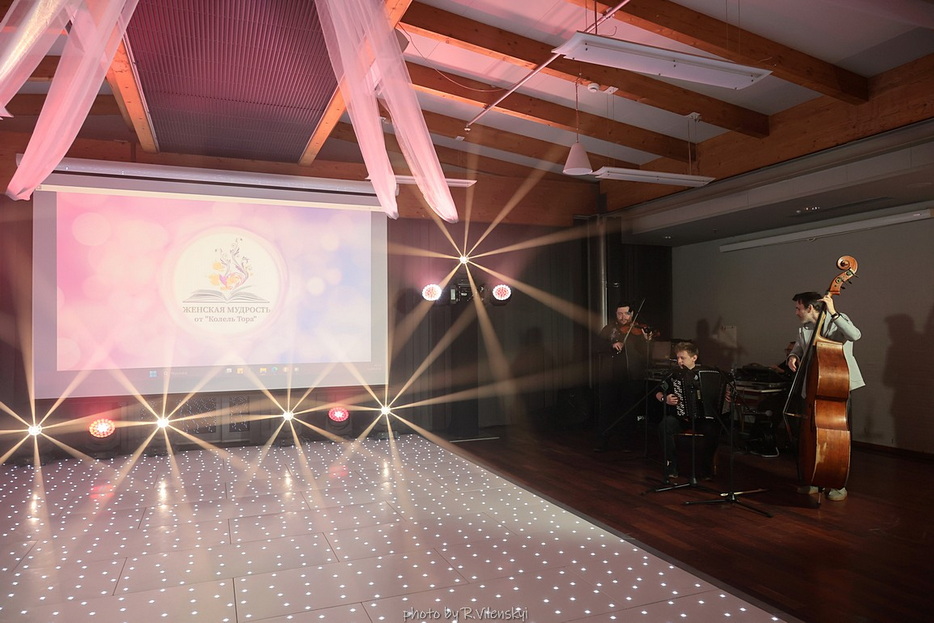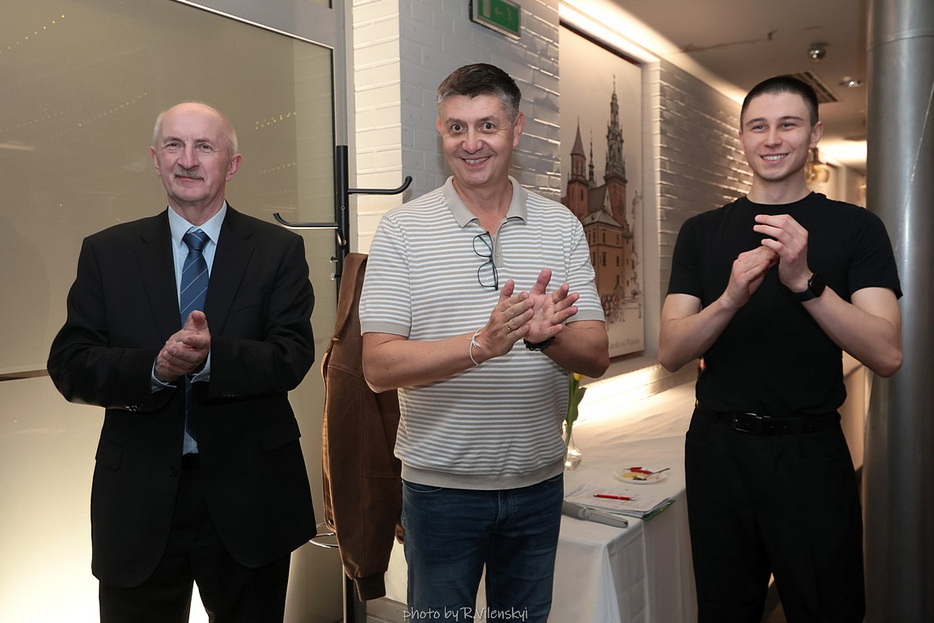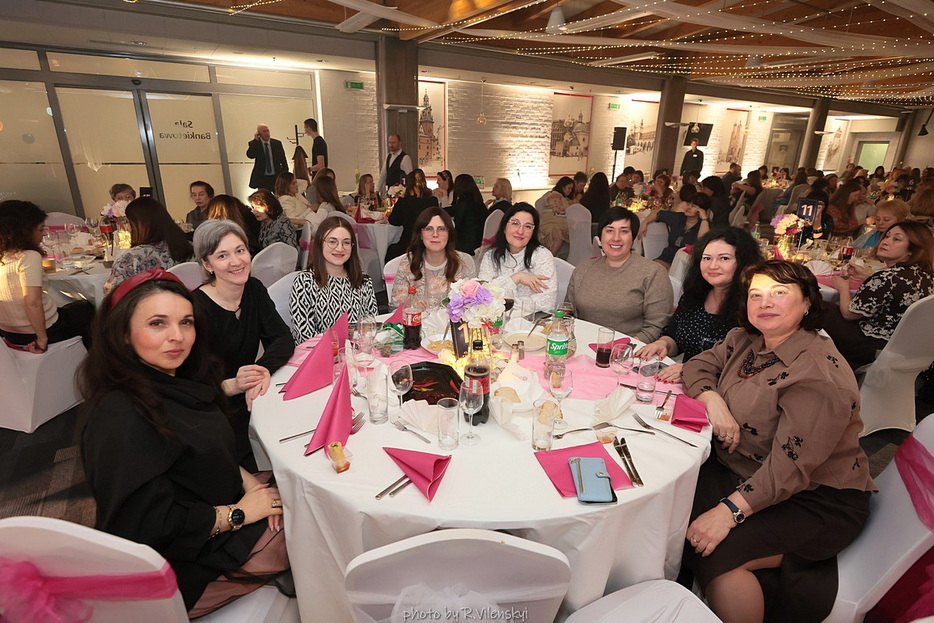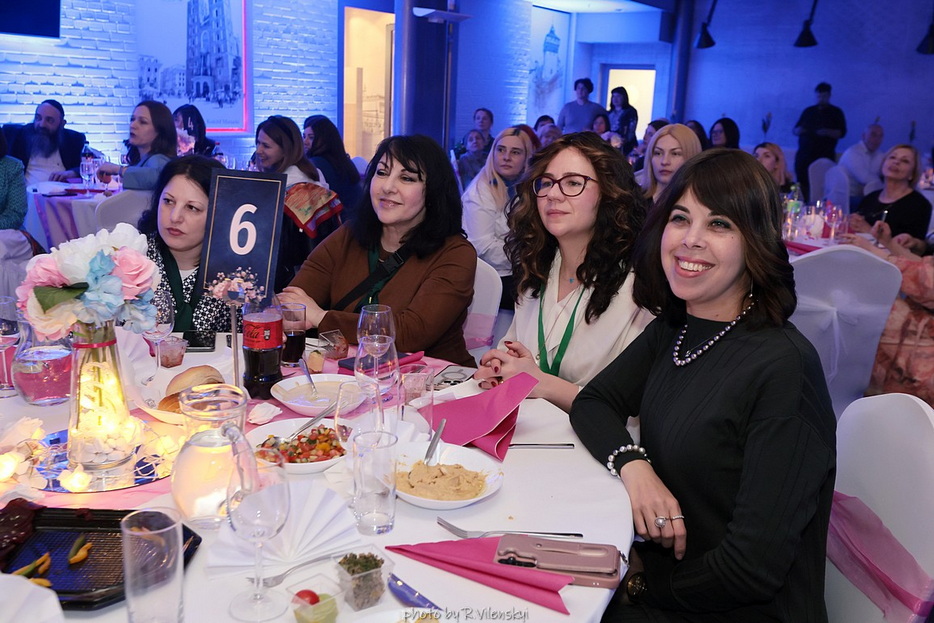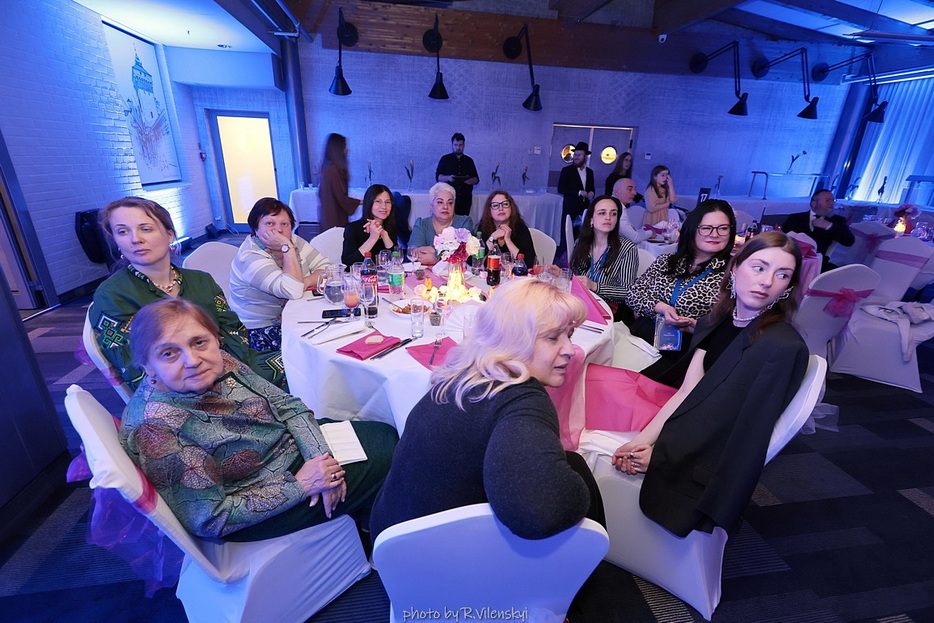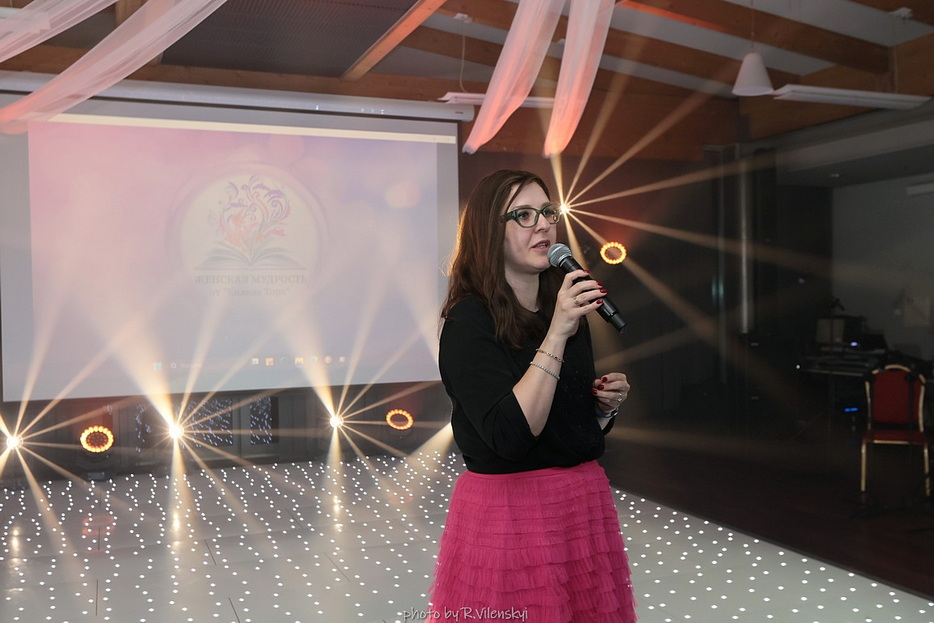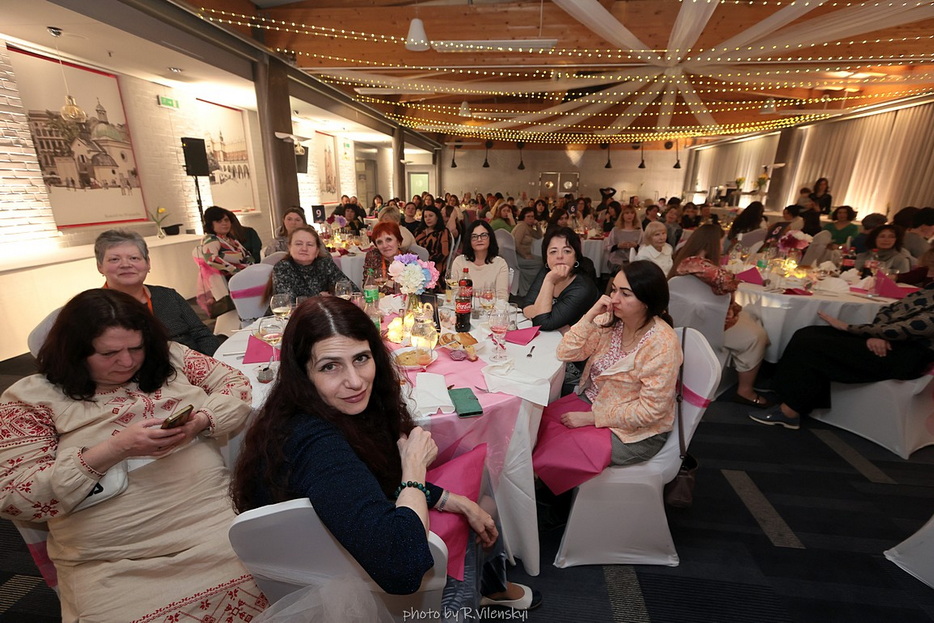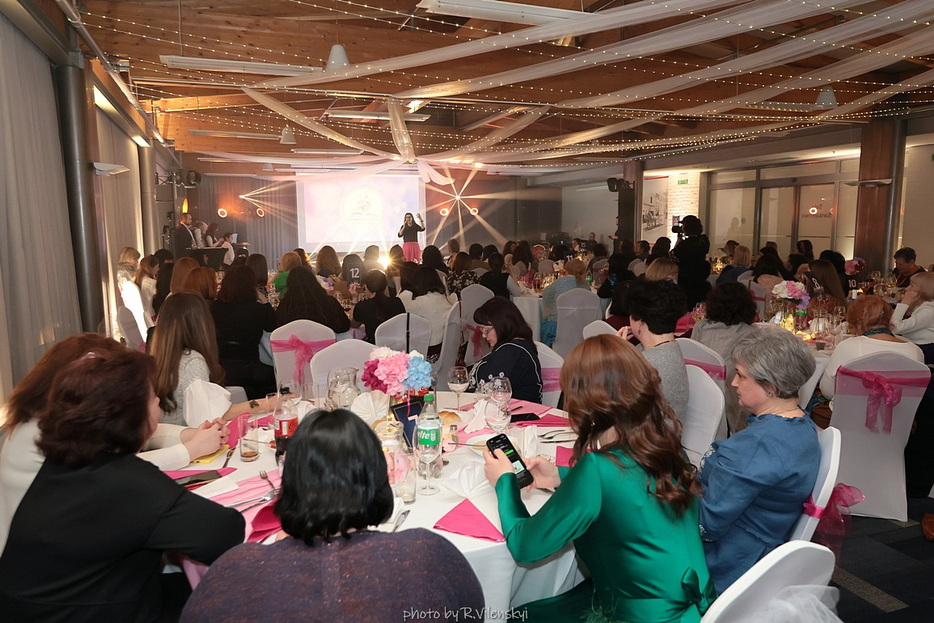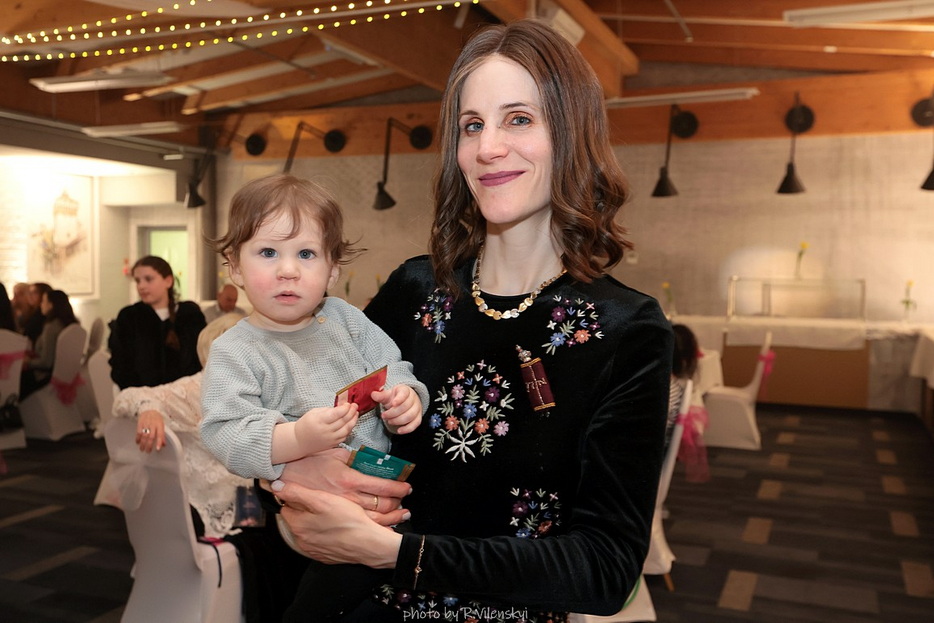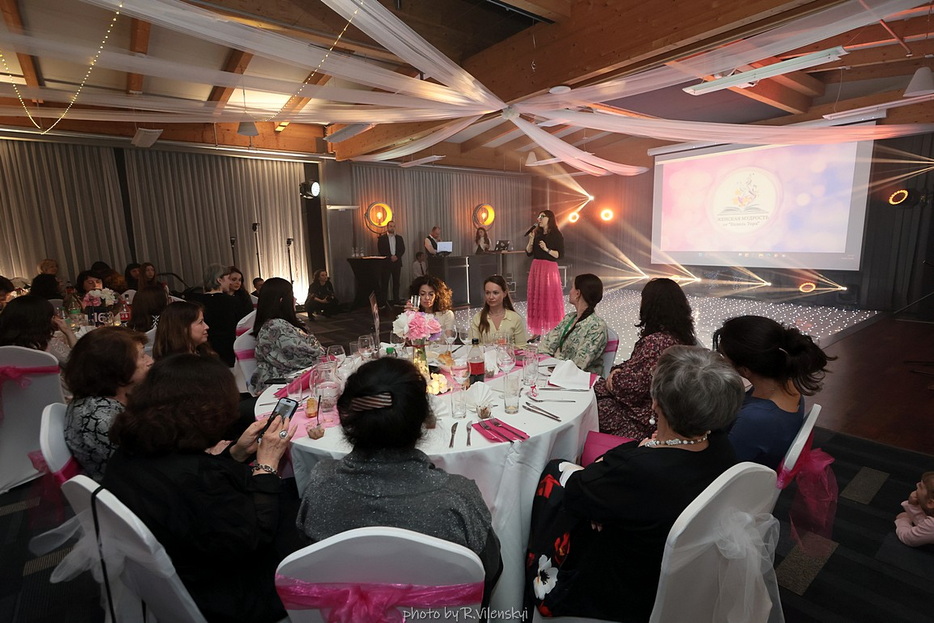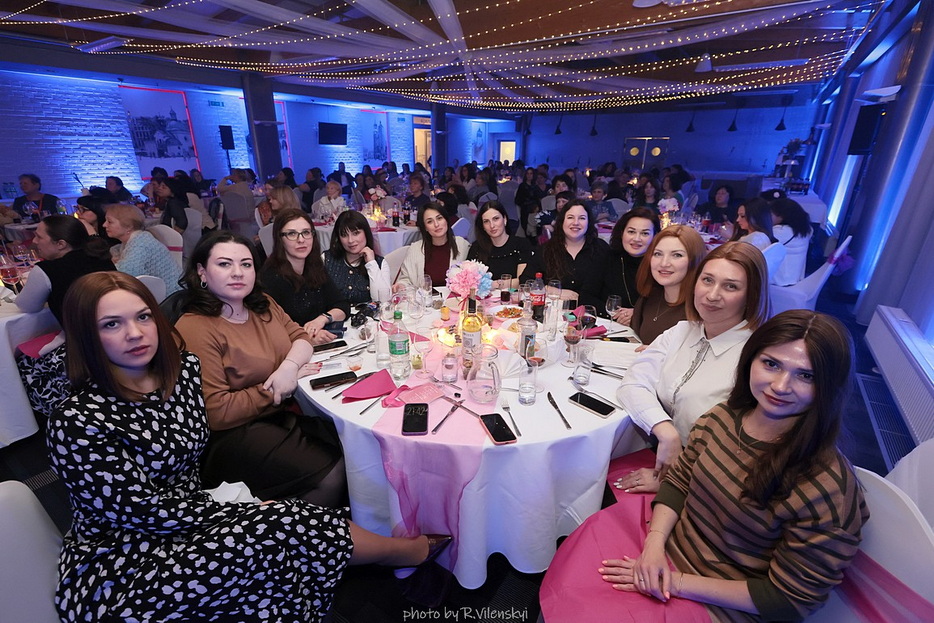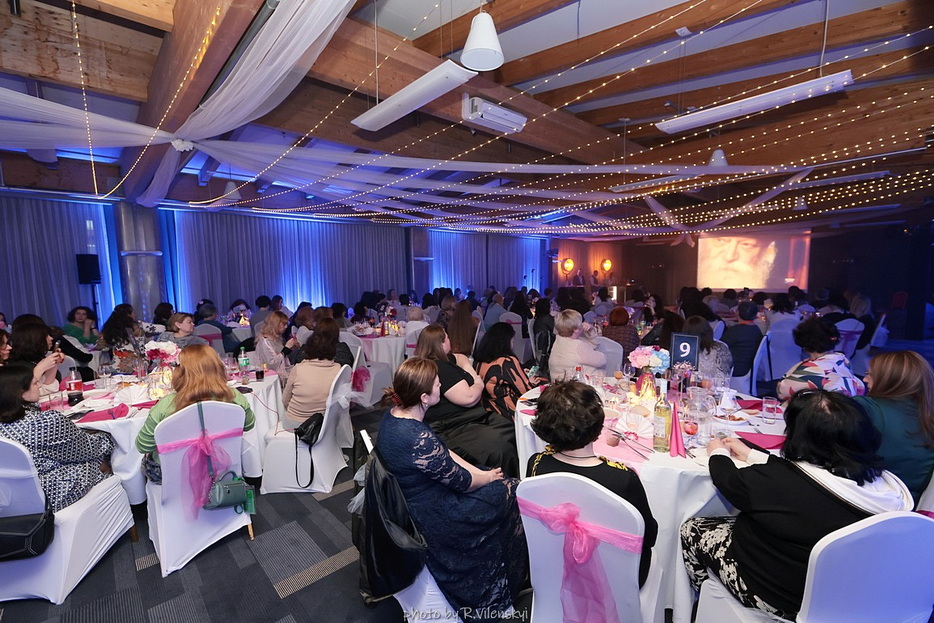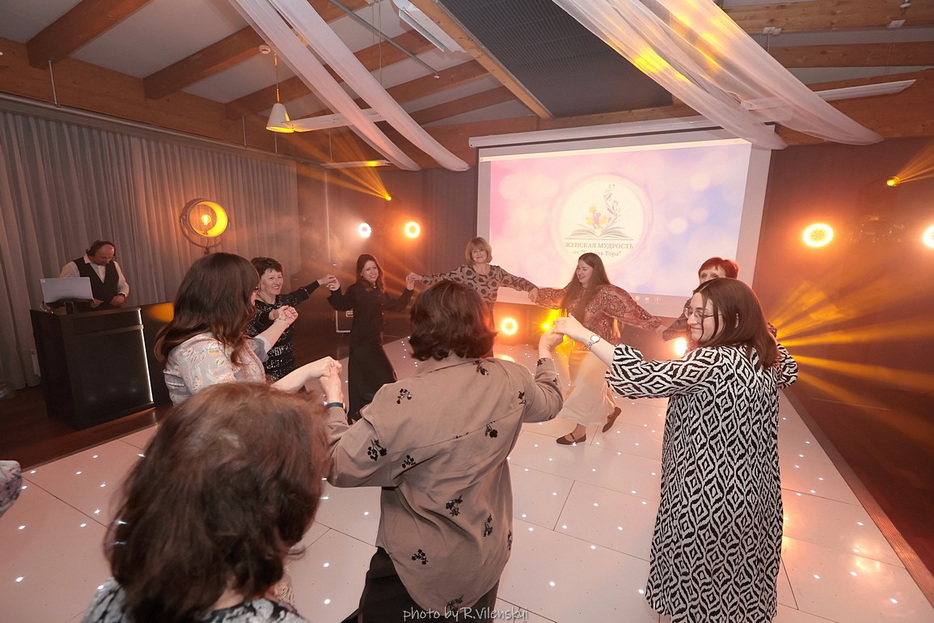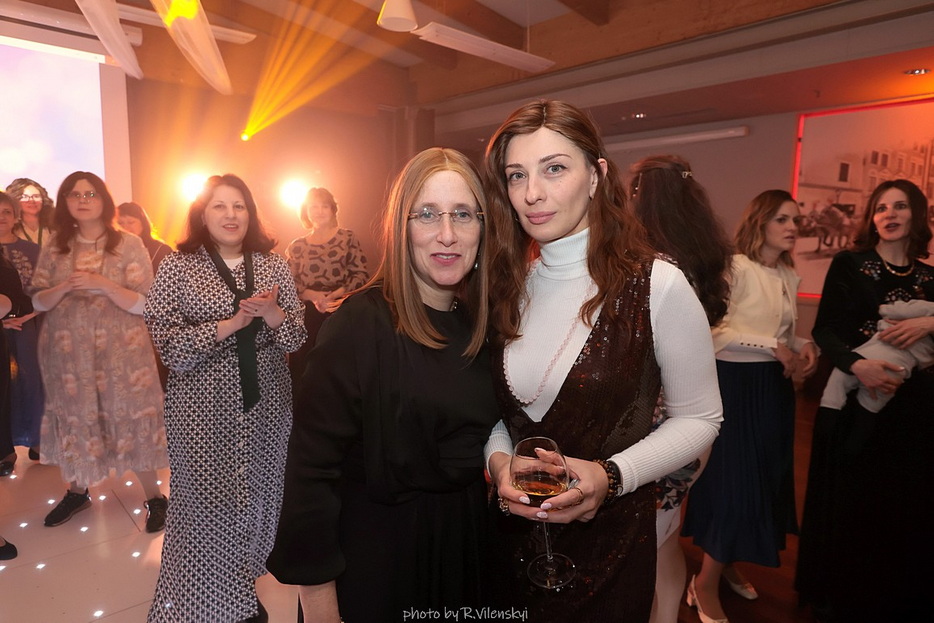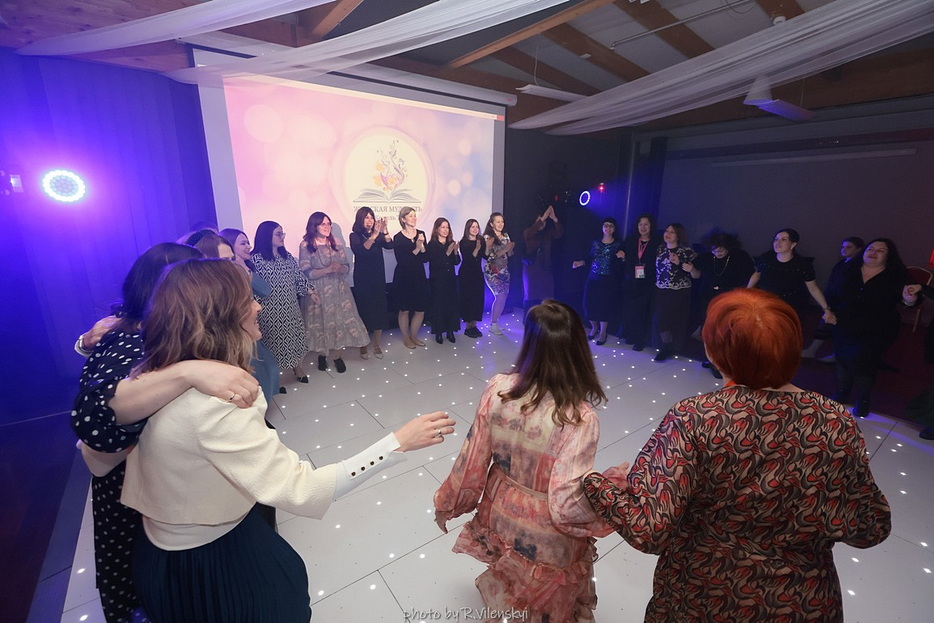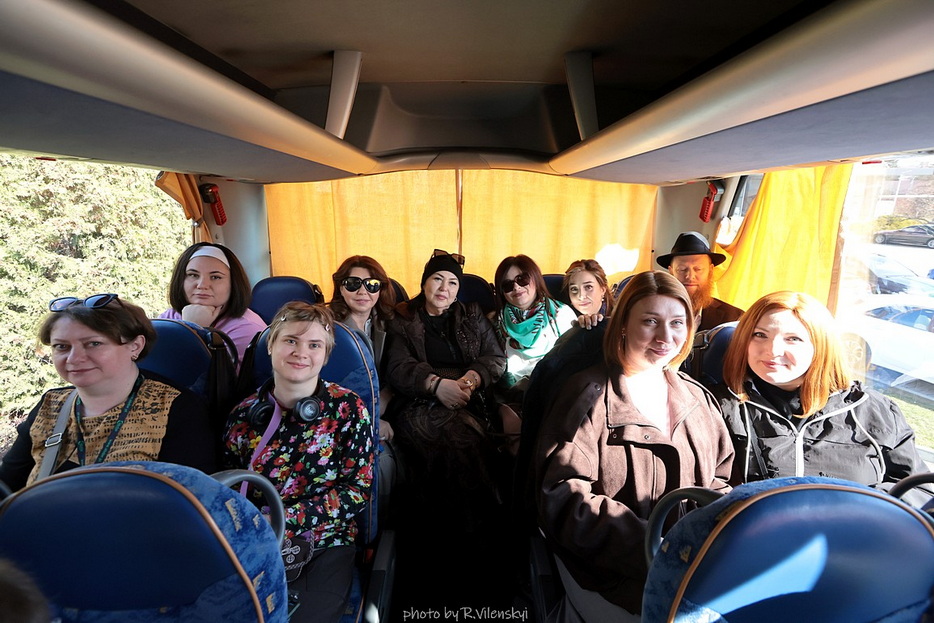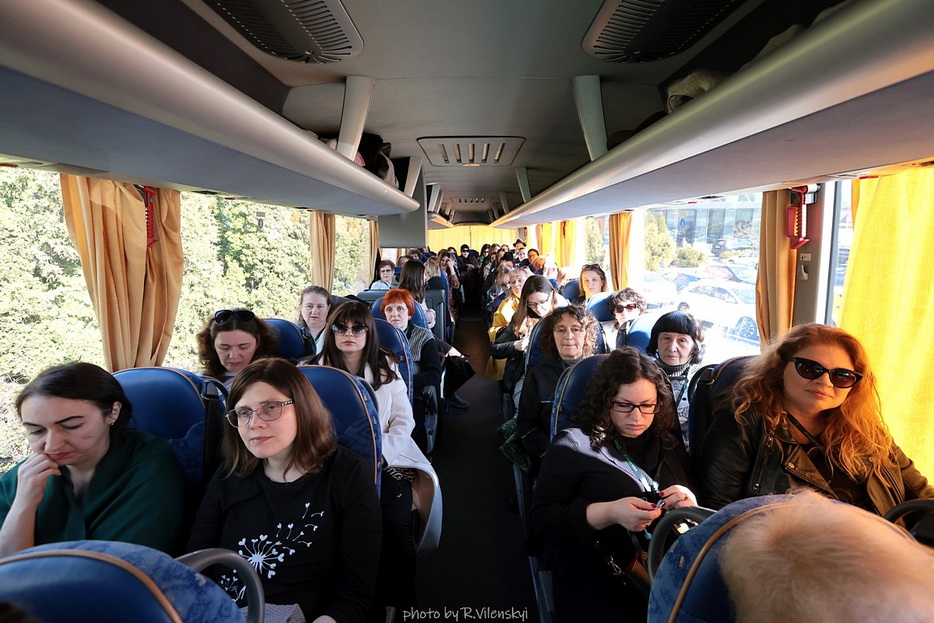




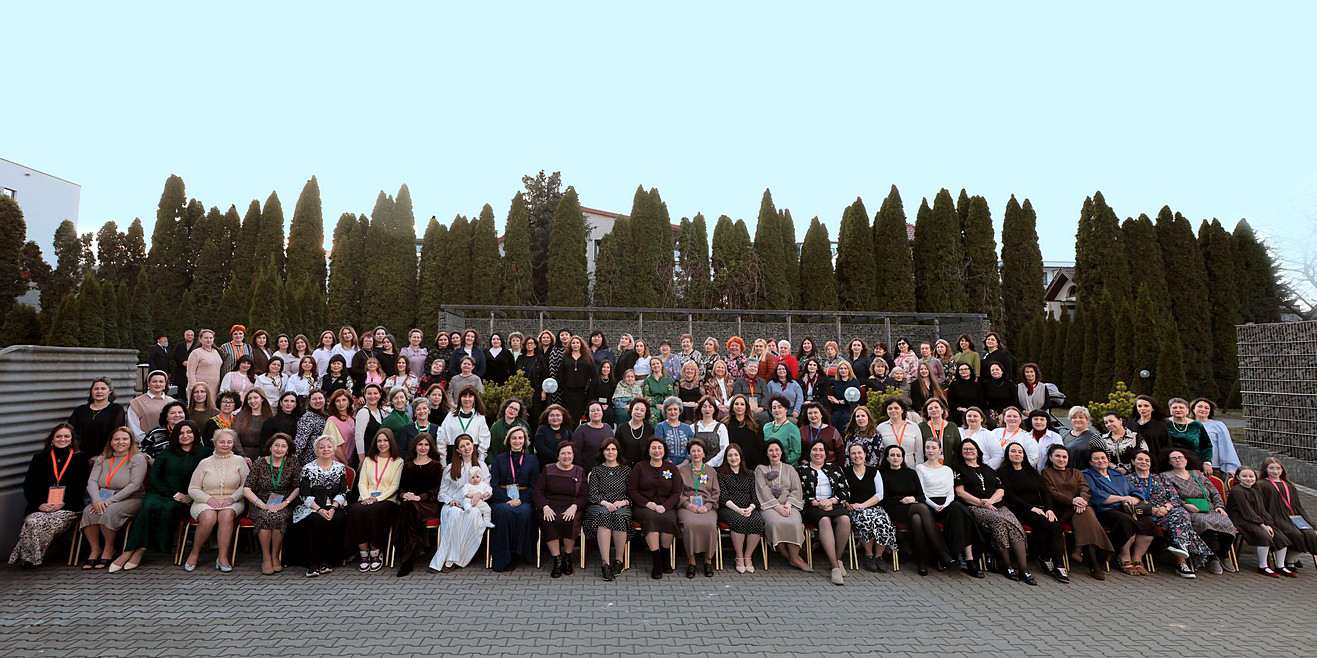
An international Shabbaton of the women’s division of the “Kollel Torah” project took place in Krakow, marking the tenth anniversary of the “Women’s Wisdom” program. It brought together approximately two hundred participants, transforming into a large-scale, multi-layered event that combined learning, the celebration of the Shabbos Queen, deep spiritual work, the Chassidic joy of achdus, and the relaxed camaraderie of friends, filled with positive emotions.
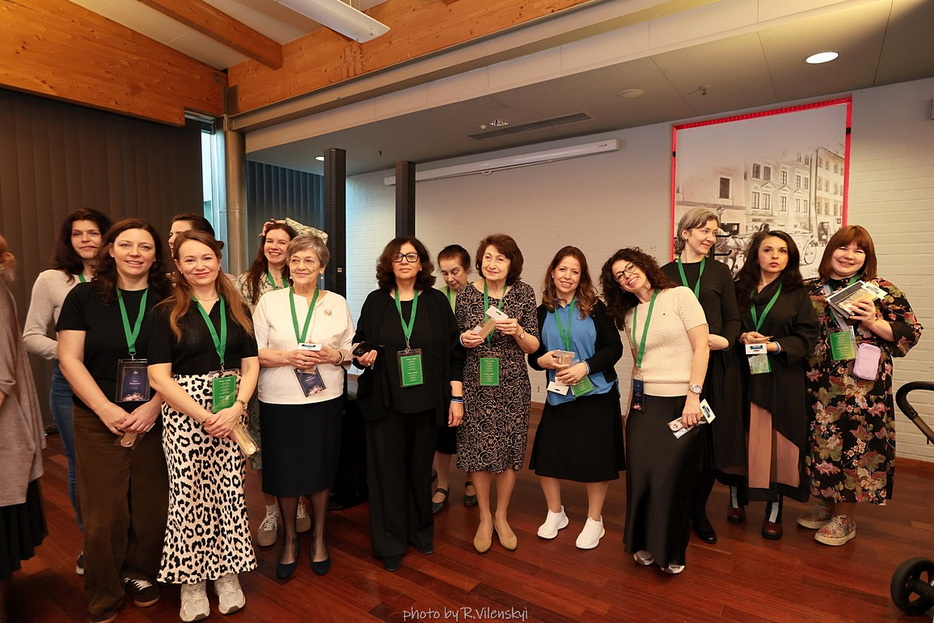
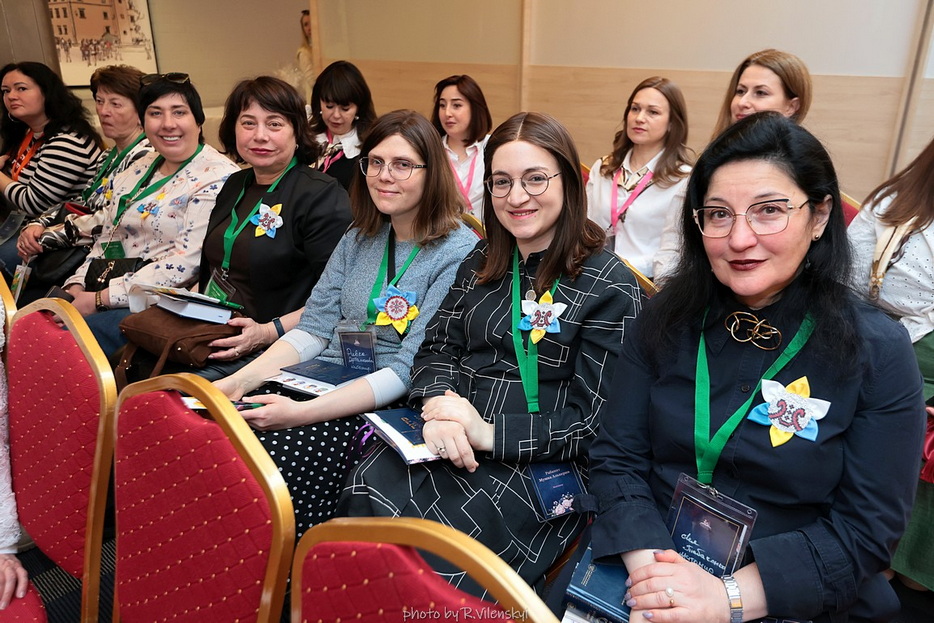
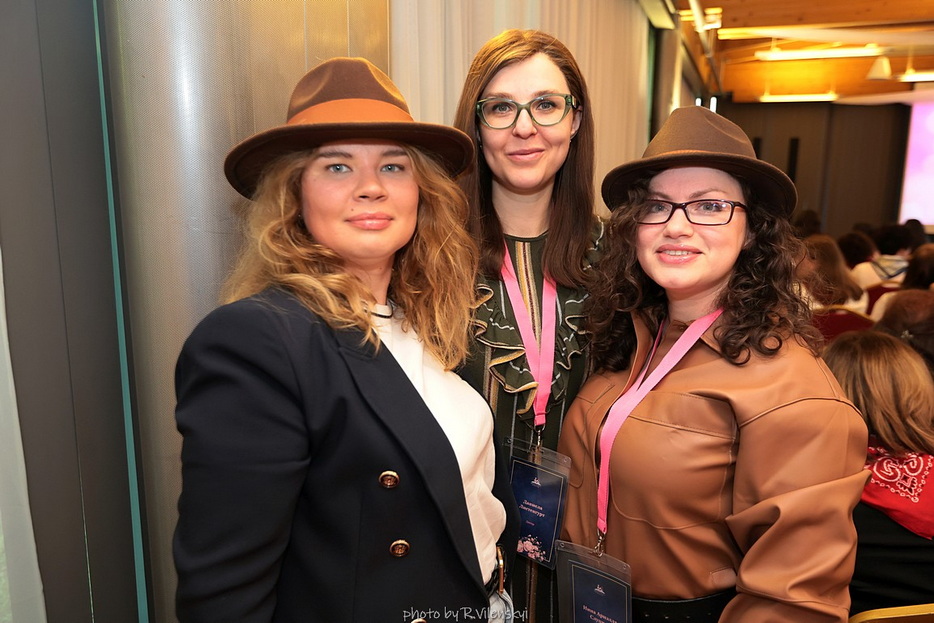
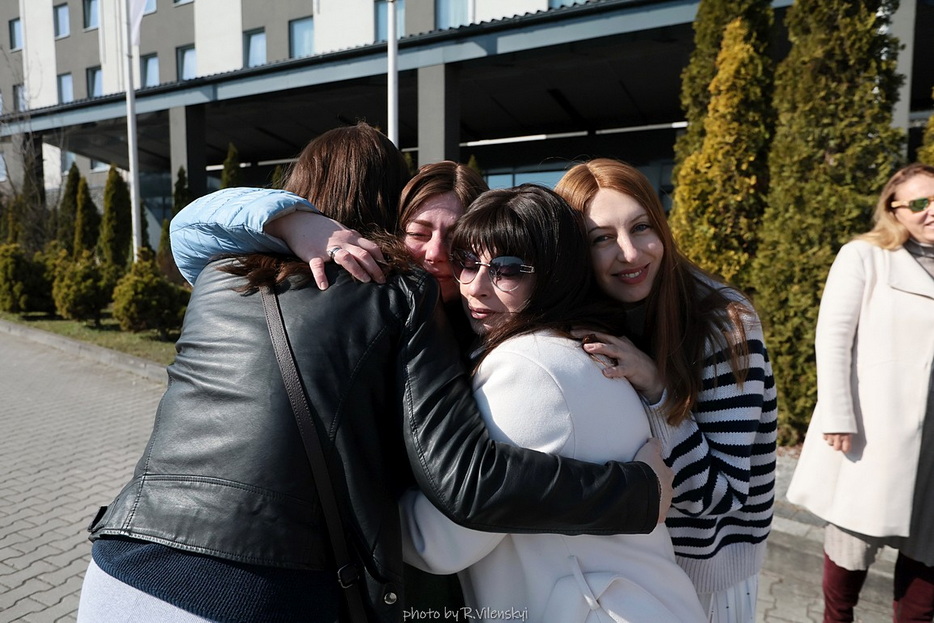
The Shabbaton gathered women from fourteen cities across Ukraine – from Dnipro and Kyiv to Uzhhorod and Chernivtsi – as well as from eight cities across Europe – from Tallinn to Limassol, and from Budapest to Berlin. Such broad geography created a special sense of a space where different countries and cities meet, yet a singular inner community is formed.
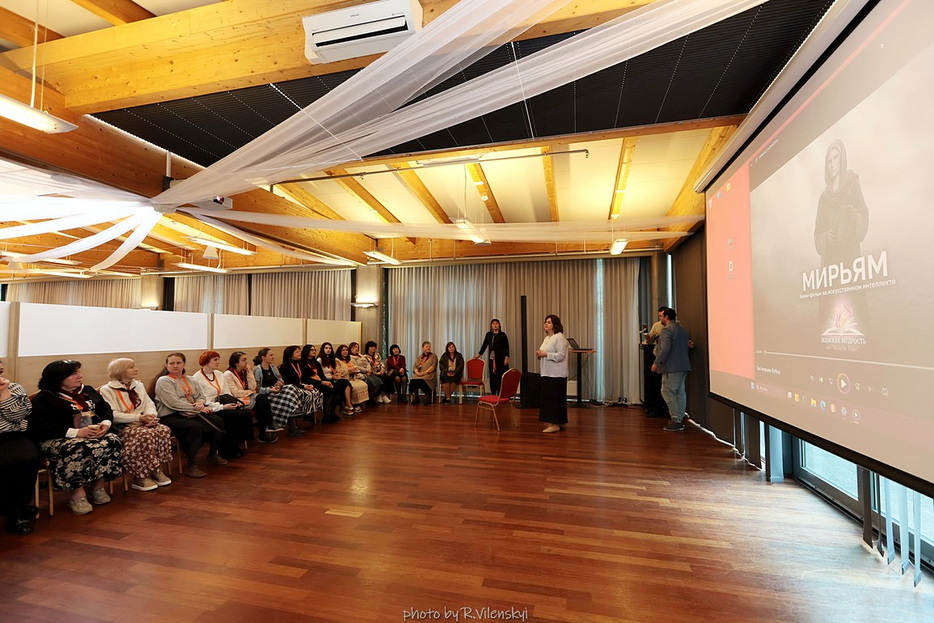
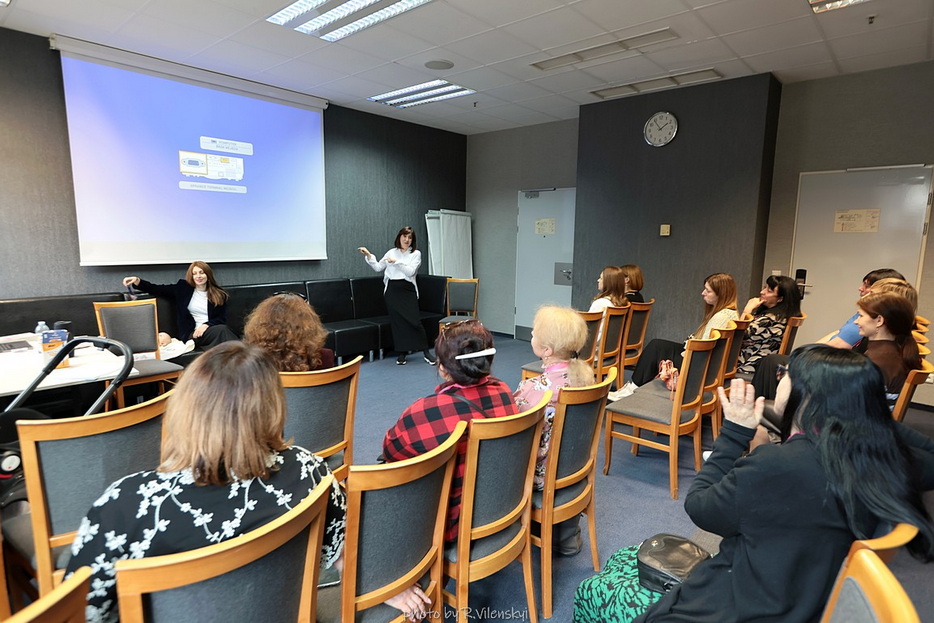
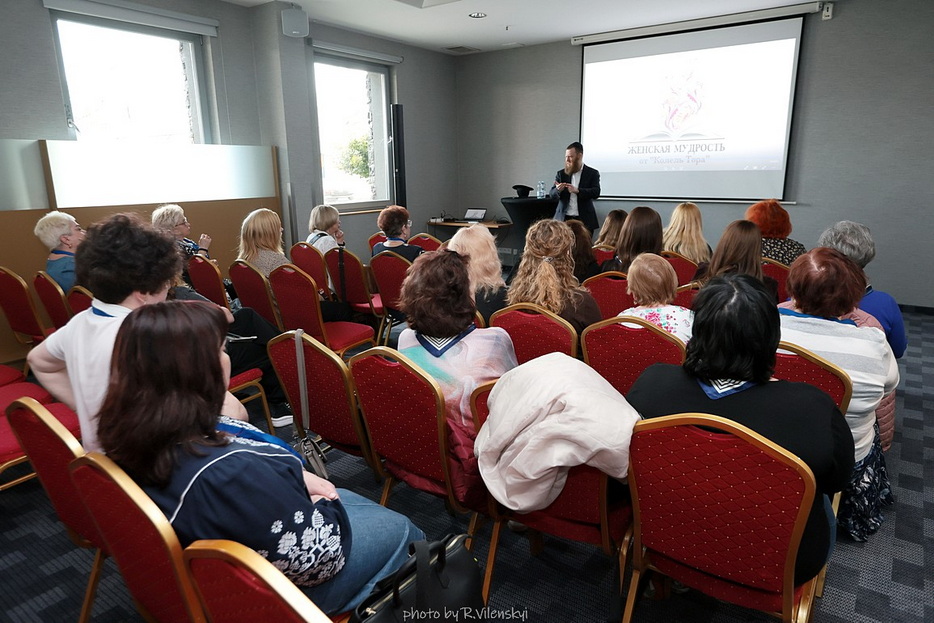
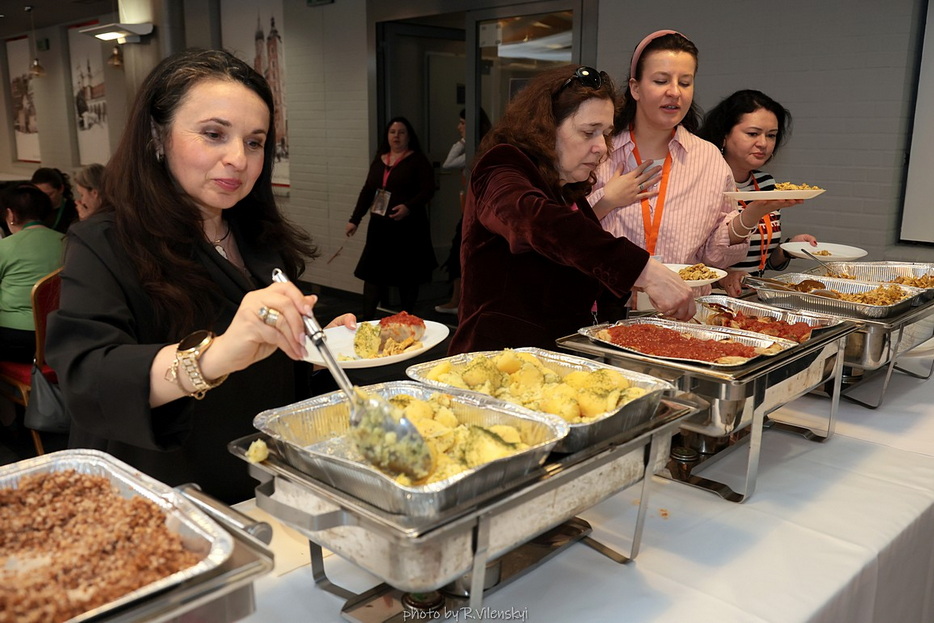
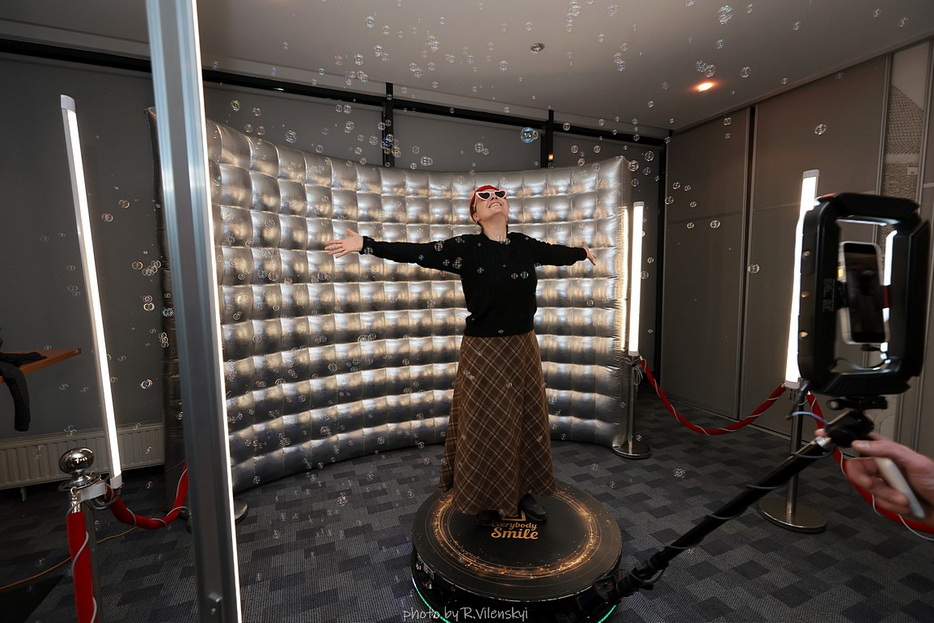
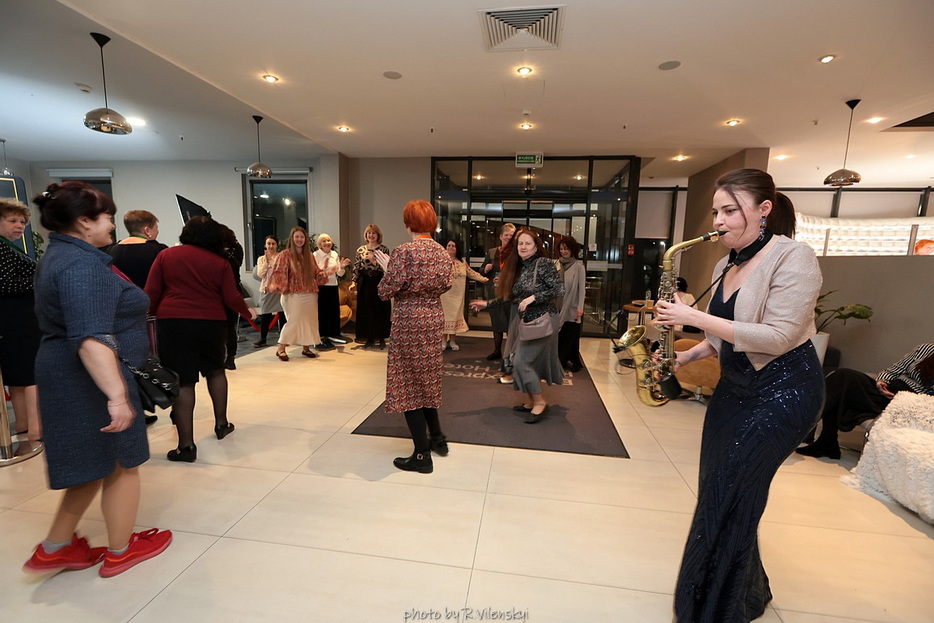
The program began on Thursday with the arrival of participants, registration, and the first communal meal, after which it immediately transitioned into the substantive part. The first significant event of the Shabbaton was a meeting with one of the leaders of informal Jewish education, Rabbi Elisha Gabriel Pavlotsky, who conducted a session entitled “A Compass for the Compass of Life.” This was followed by a lecture from the head of the Jewish Agency for Israel “Sokhnut” in Ukraine, Beni Hadad, titled “My Israel,” which offered a personal perspective on the connection to Israel and its role in the life of modern Jews. The participants were greatly impressed by meetings with representatives of two leading projects, Smart J and EnerJew, implemented by the organization JRNU (Jewish Relief Network Ukraine), which formed a significant part of the Shabbaton’s educational content.
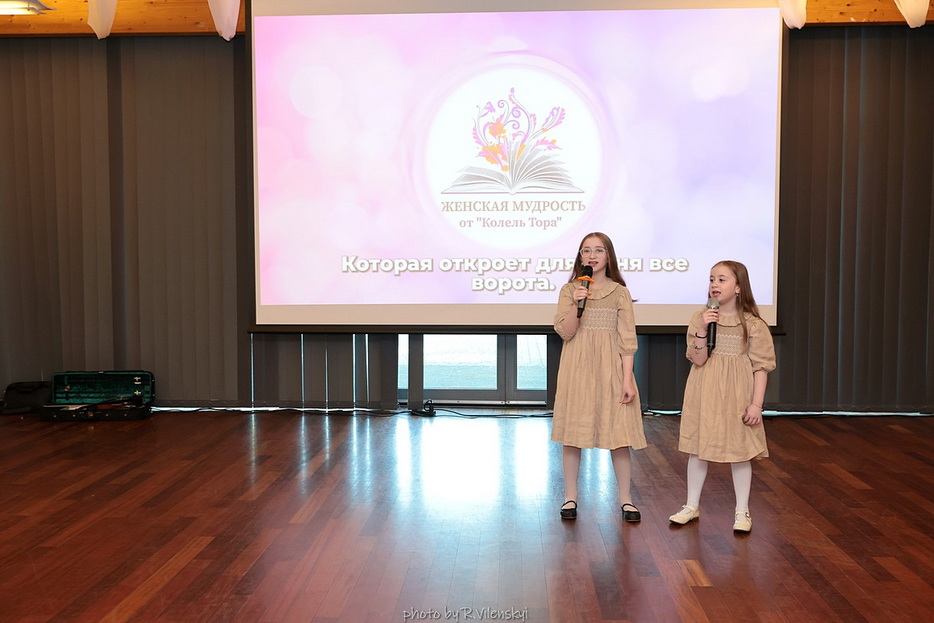
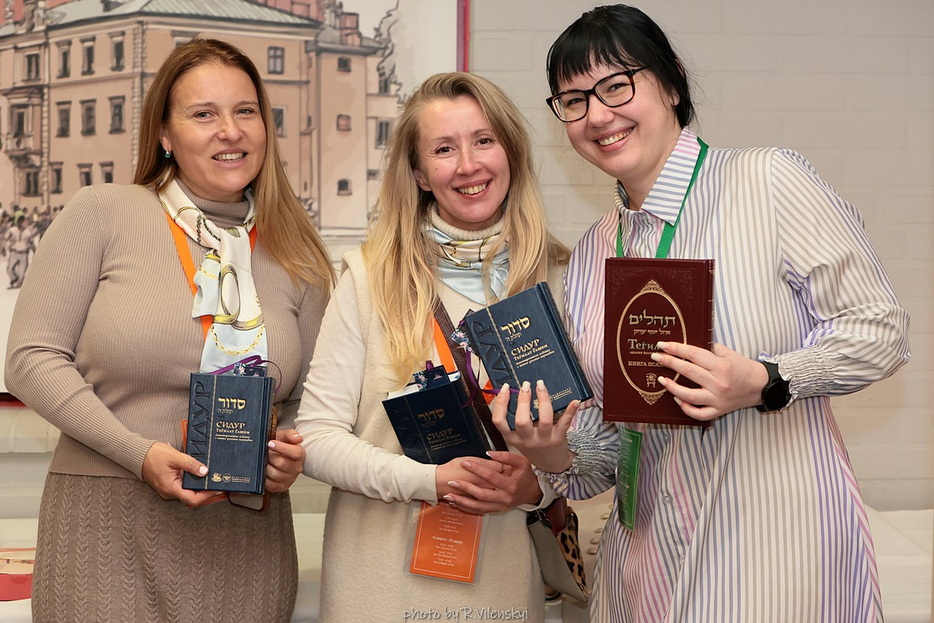
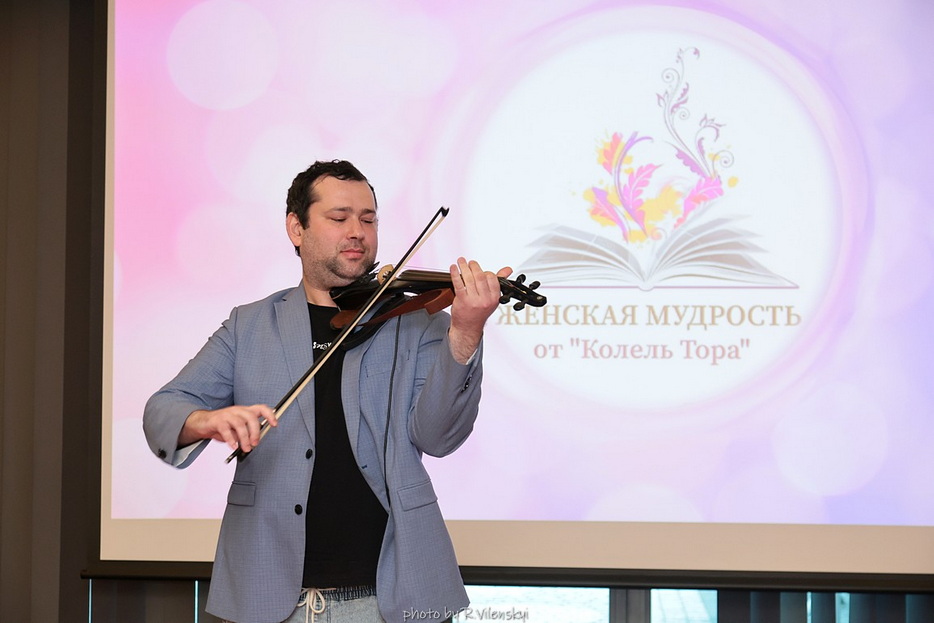
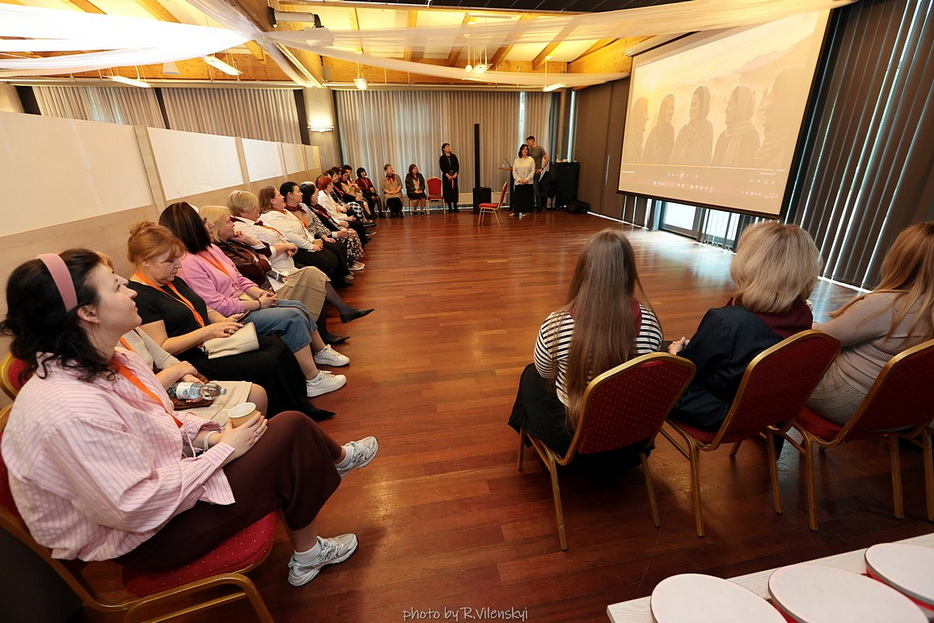
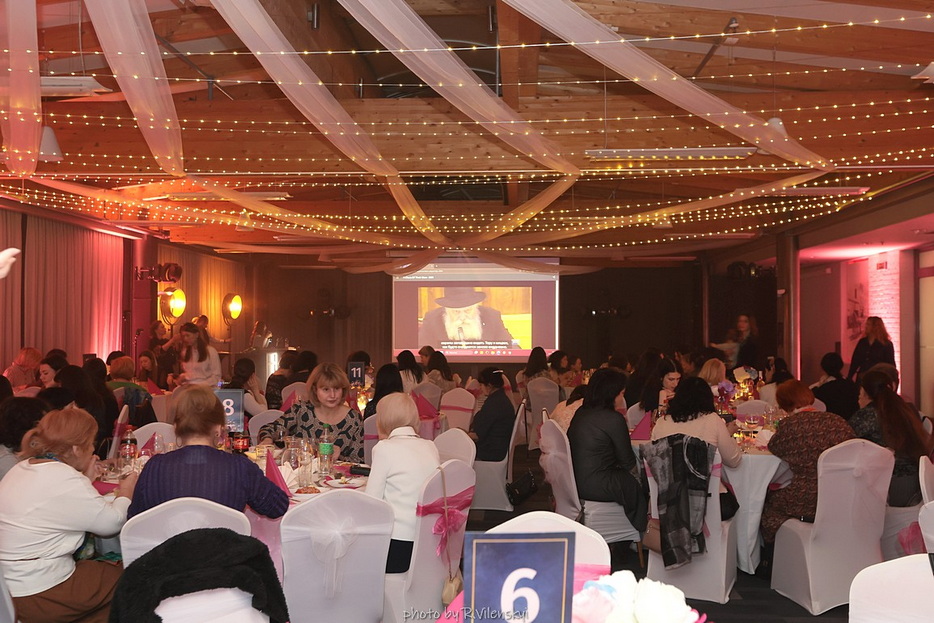
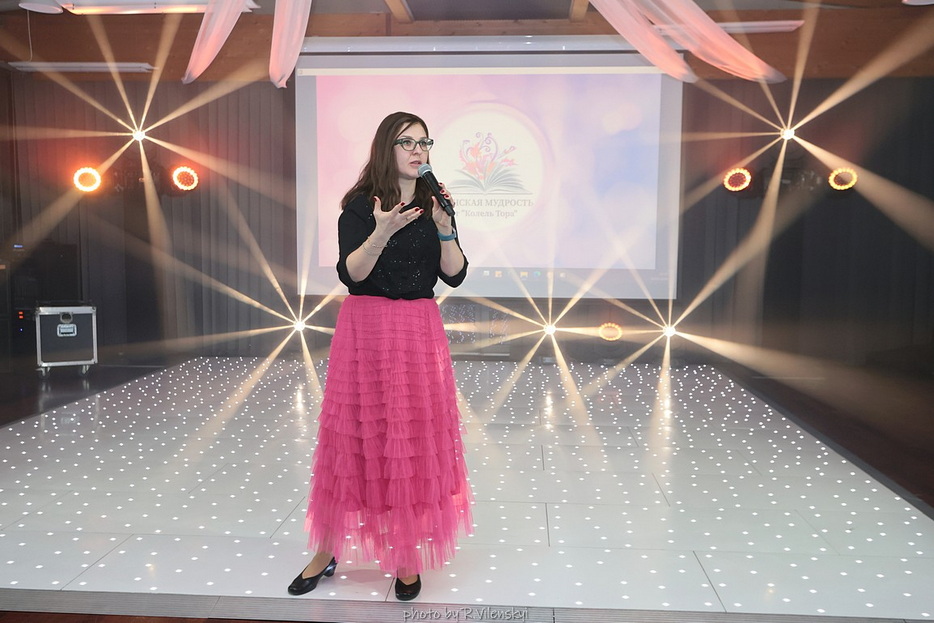
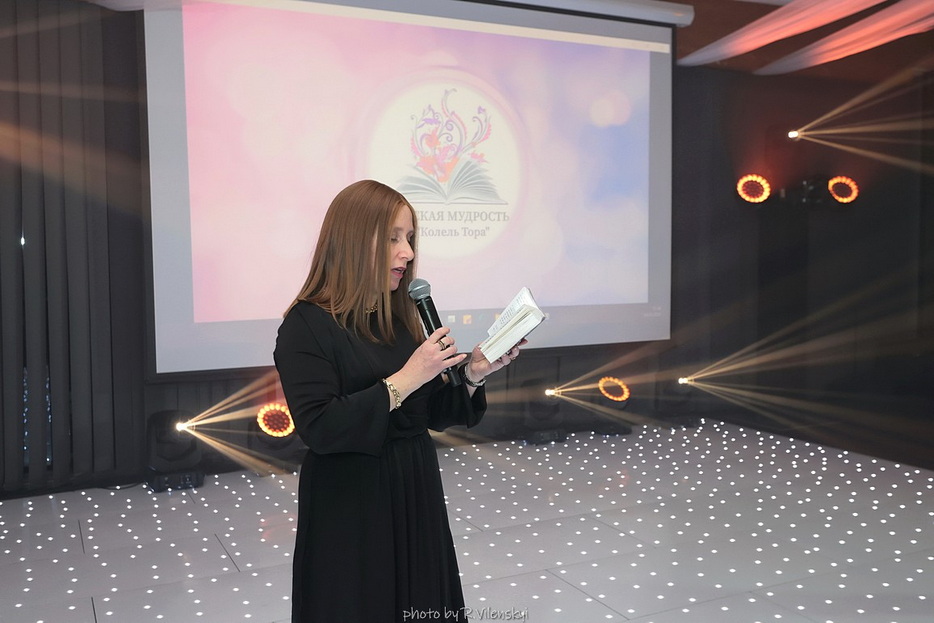
The following day was dedicated to the grand opening of the Shabbaton, which set the overall conceptual direction for the entire program, after which participants engaged in intensive educational work. The opening ceremony was structured as a cohesive theatrical performance, where every detail contributed to creating a unified spiritual mood. From the first moments, the hall was filled with a special atmosphere, with guests welcomed by live violin music, and each participant received a Siddur upon entry, which became not merely a gift but a symbol of personal connection to prayer and tradition. The central focus of the opening was a screening of a video of the Lubavitcher Rebbe on the power of prayer and the recitation of Psalm 124 in honor of the Leader of our generation. Musical performances, including one by young participants, and video segments dedicated to the theme of prayer, heightened this sense of inner unity and shared space.
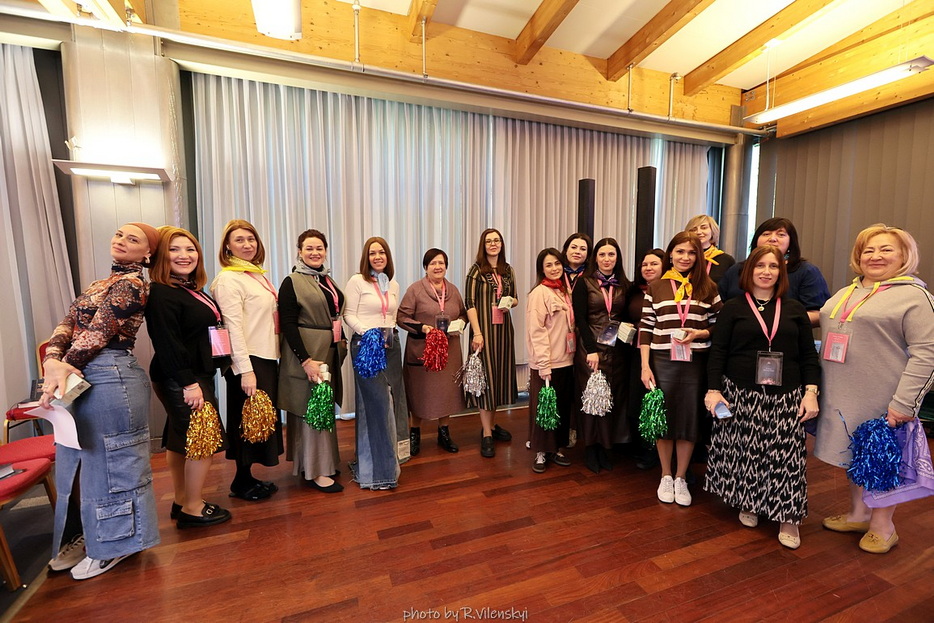
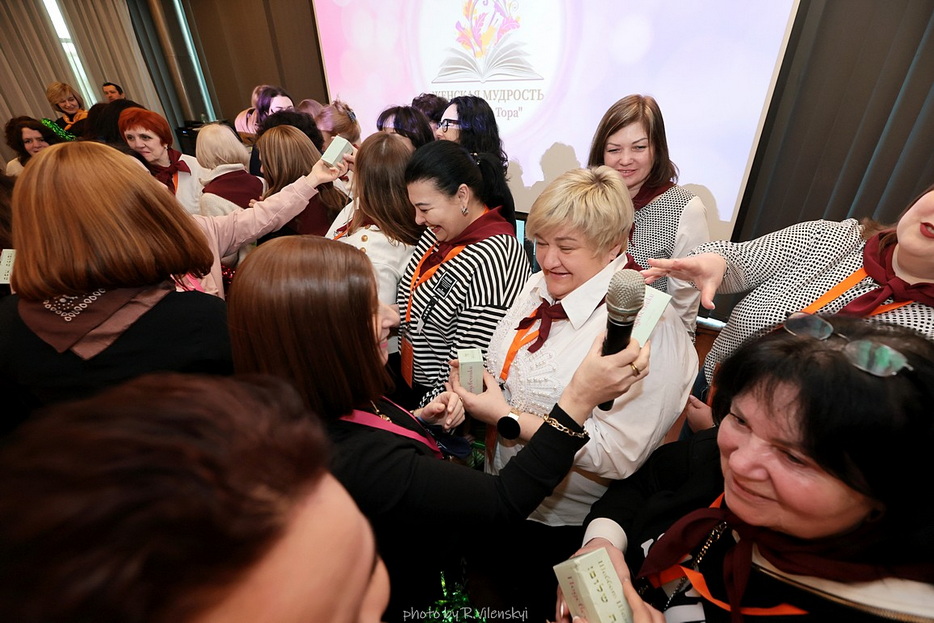
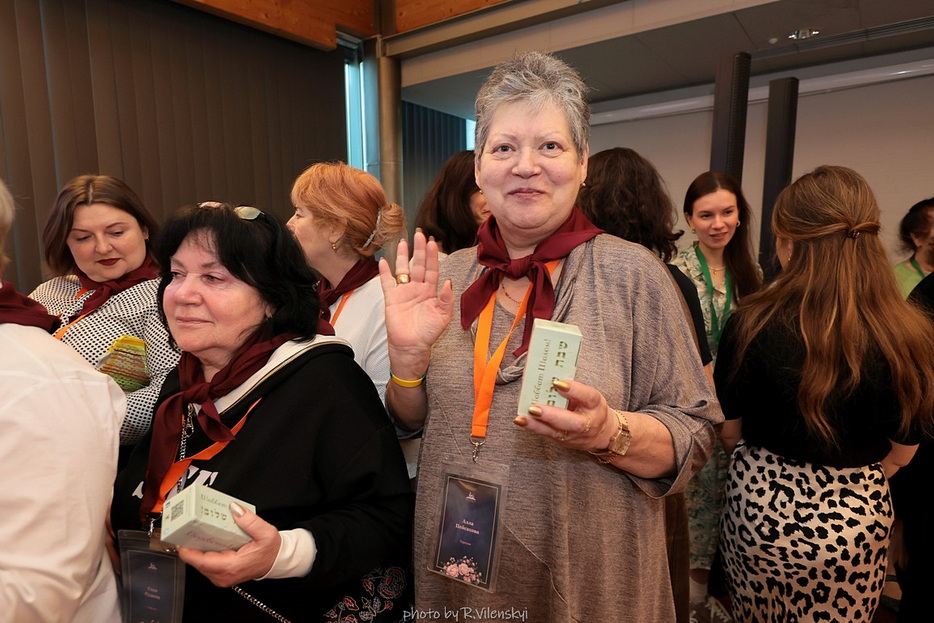
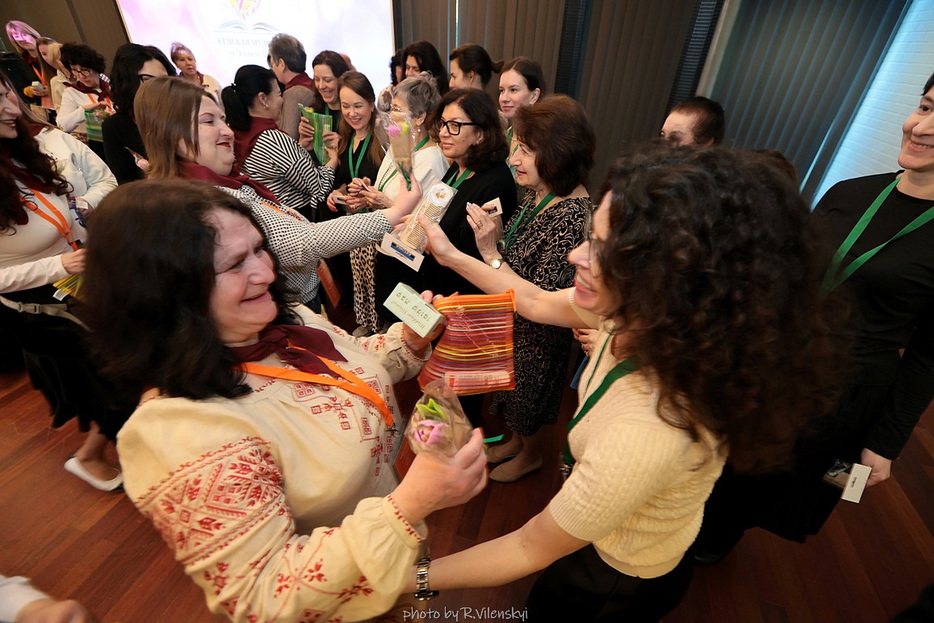
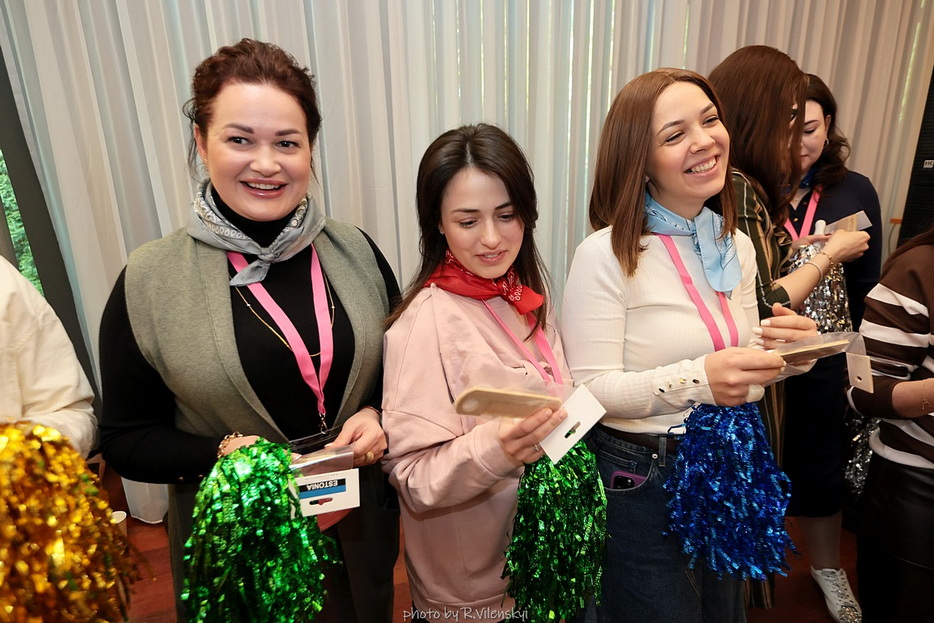
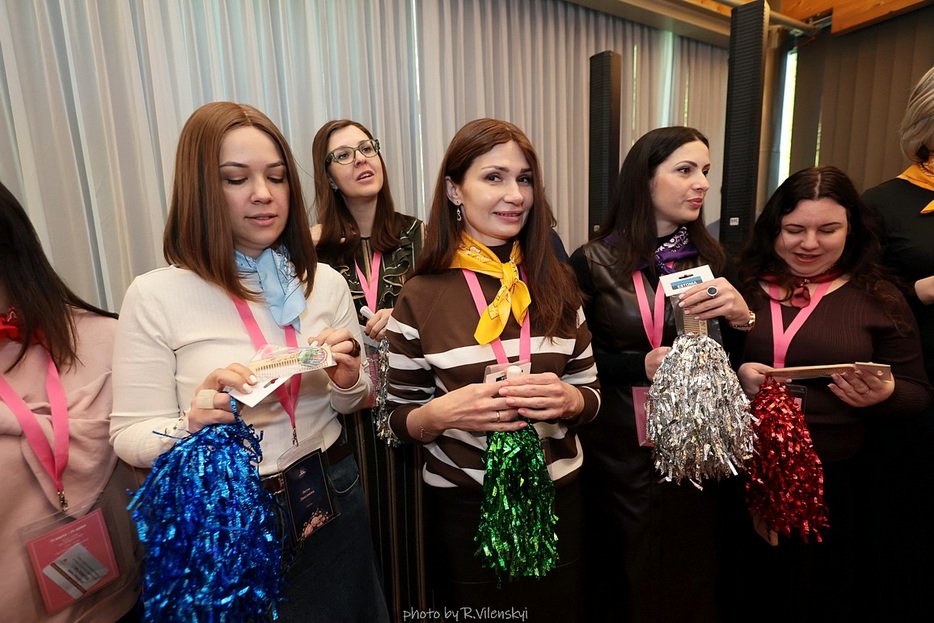
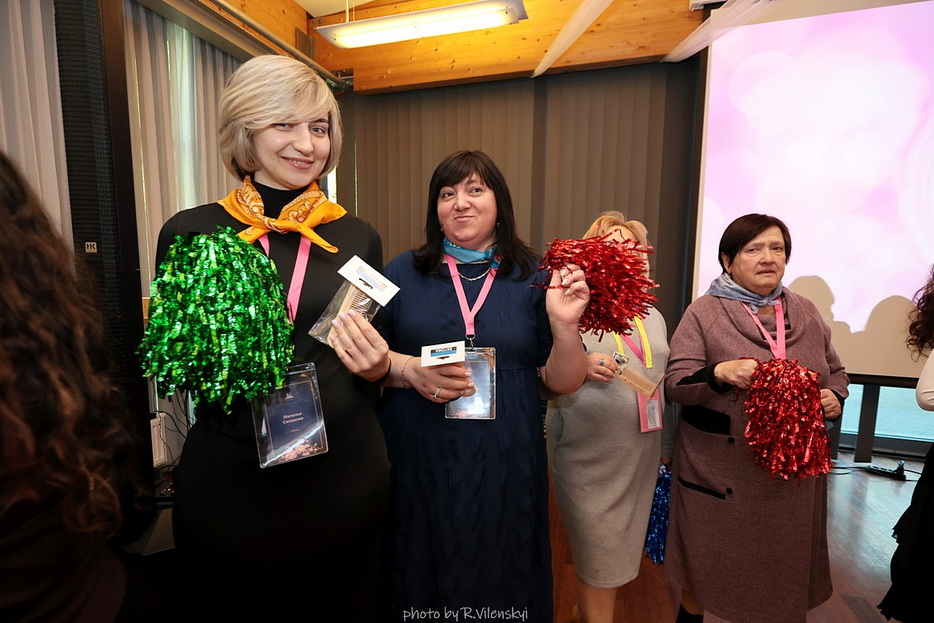
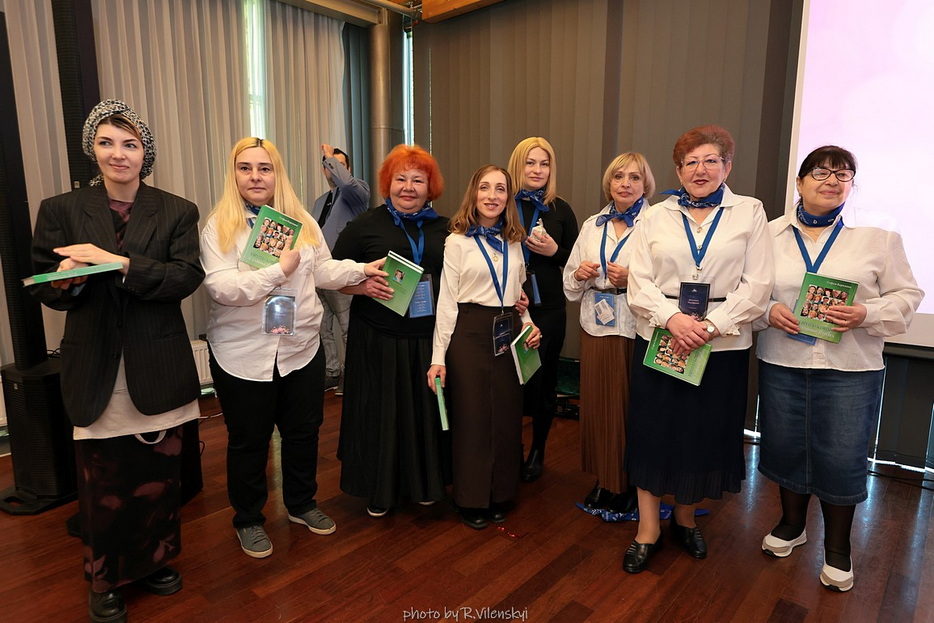
A deeply emotional moment of the opening was the presentation of women’s groups from different cities. To emphasize their unity not geographically but spiritually, they exchanged special gifts, serving as an analogue to the famous Roll-Call of the women’s Kinus in New York.
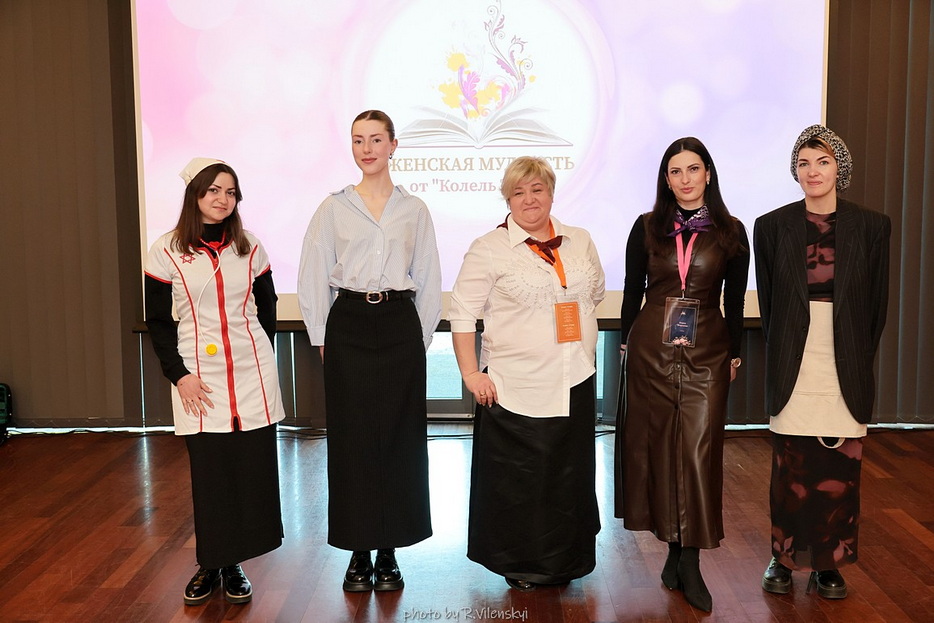
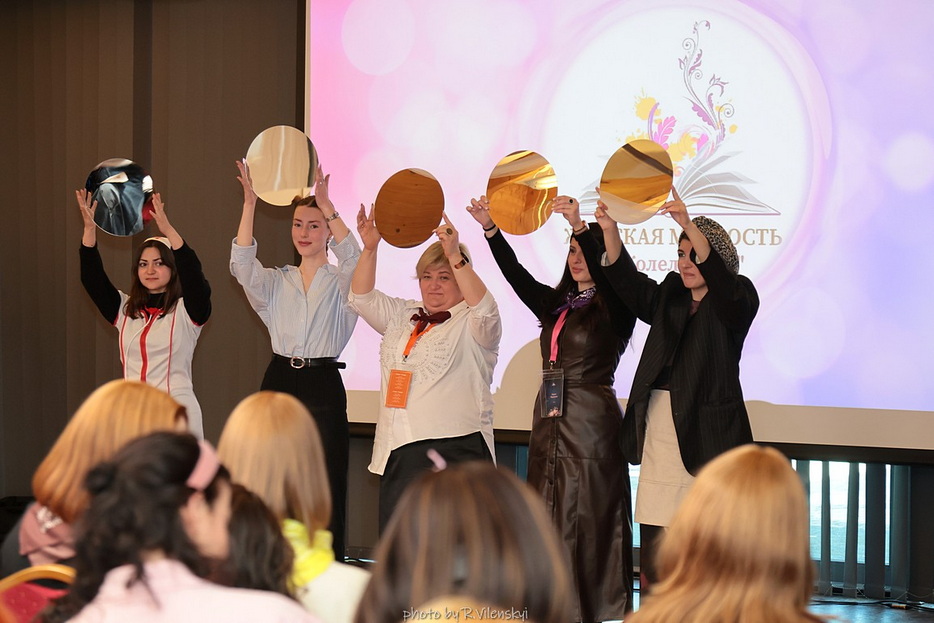
The culmination of the opening was an extraordinary and profoundly symbolic presentation. Through the images of “women of different roles” – from mother and mentor to professional, leader, and creative individual – the idea of the multifaceted nature of the Jewish woman was revealed. Gradually, it became evident that this was not about different people but about different expressions of the same person. The final moment, when participants were invited to see themselves in this “mirror,” transformed what was happening from a performance into a personal experience, establishing the central theme of the entire Shabbaton: women’s wisdom is already present within each person, and the task is to reveal it and carry it forward into life.
To conclude the opening, participants were briefed on the logistical aspects of the Shabbaton – the halls where various events would take place, the division into groups, the opportunity to choose participation in lectures, symposia, and interactive games – and were invited not merely to be observers and listeners but active participants and co-creators of the shared spiritual space.
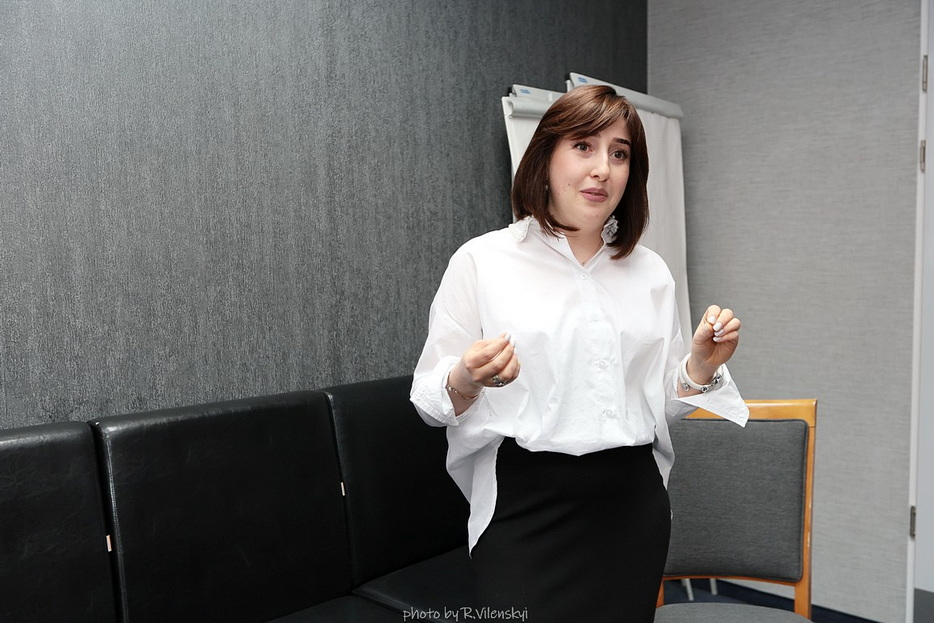
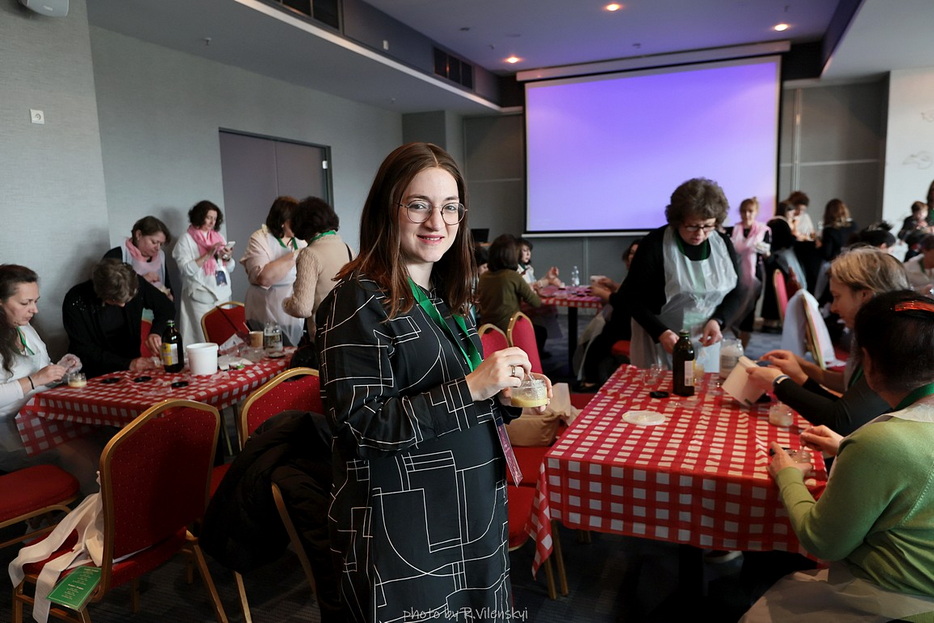
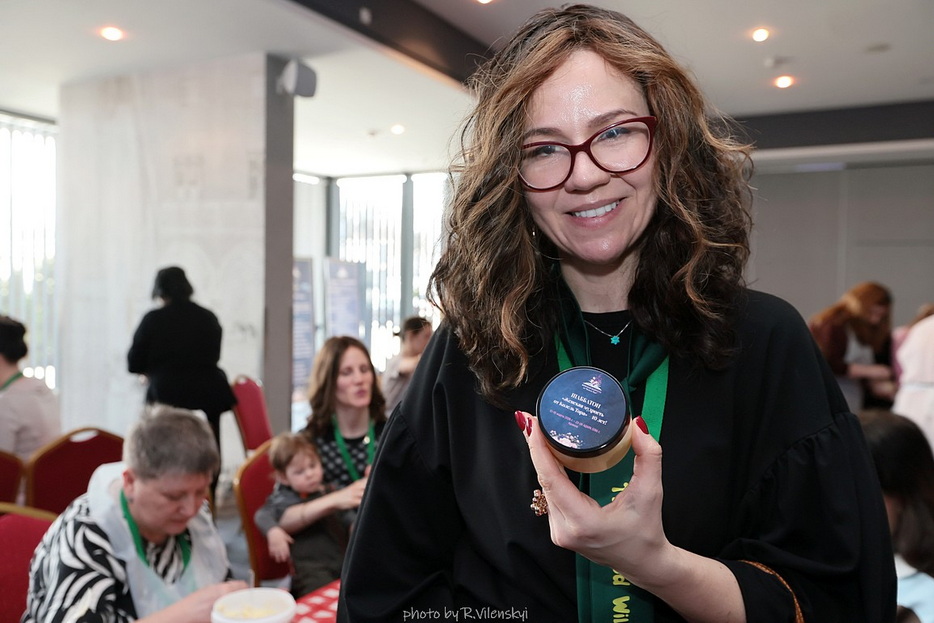
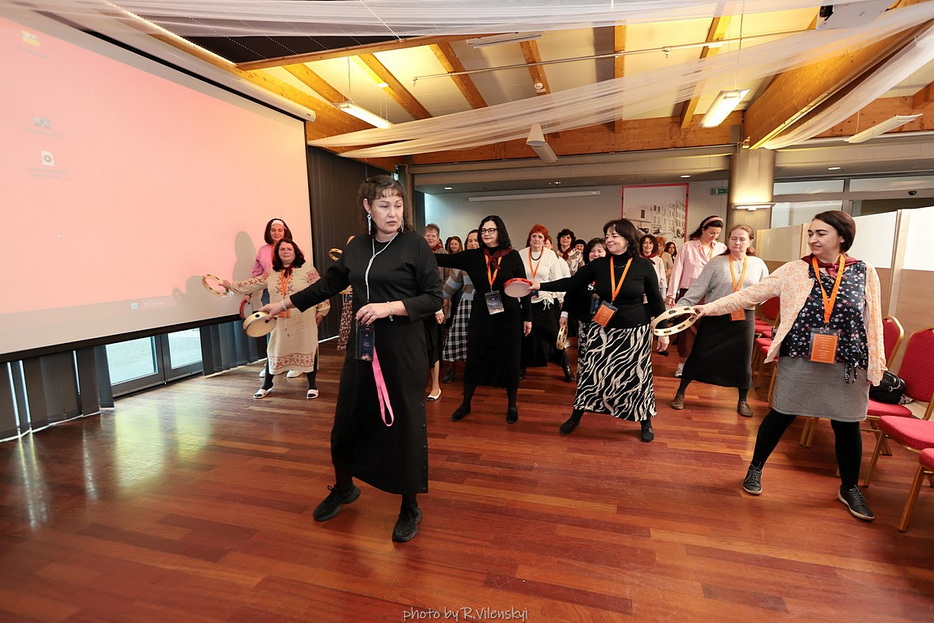
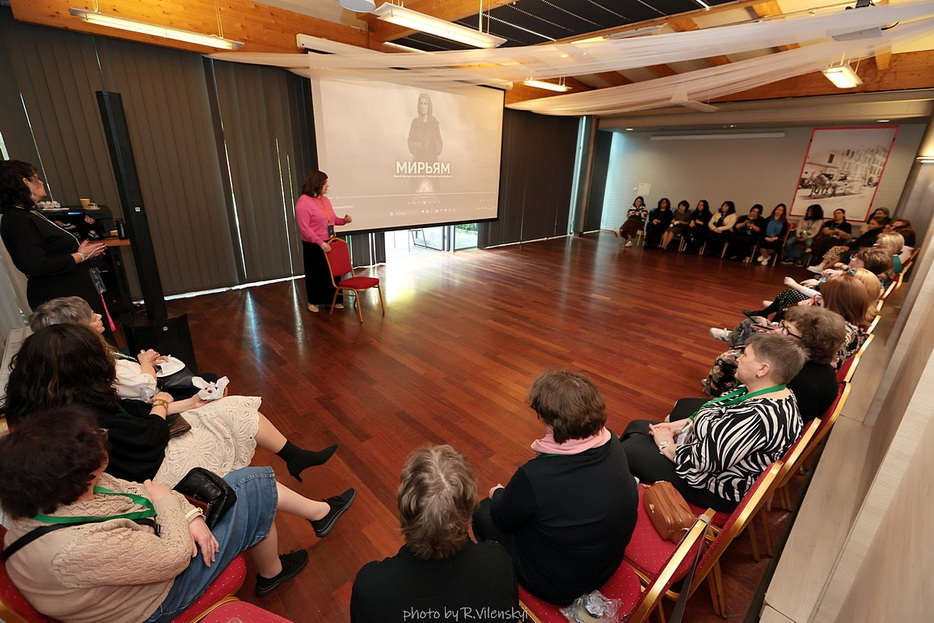
One of the most vibrant formats was the “Rooms in Rotation” – a special space where participants moved between themed rooms, each dedicated to the image of a remarkable woman and a particular aspect of feminine strength and wisdom. For instance, in the “Room of Miriam the Prophetess,” a lesson was given by Rebbetzin Miriam Moskovich from Kharkiv, along with a creative program featuring Tova Ruth and Michal Brochra, which included dancing with tambourines. In the “Room of Queen Esther,” Ora Pavlotsky from Berlin led a session on the importance of beauty, while Esther Leah Mayevskaya presented a practical workshop on making hand cream. In the “Room of Ruth the Moabite,” a lesson was given by Rabbi Elisha Gabriel Pavlotsky, and in the space “Shifra and Puah,” dedicated to the theme of feminine strength, Sheindel Pavlotsky led a session. This “Rooms in Rotation” format allowed for the integration of learning, practice, and personal experience of the themes being studied.
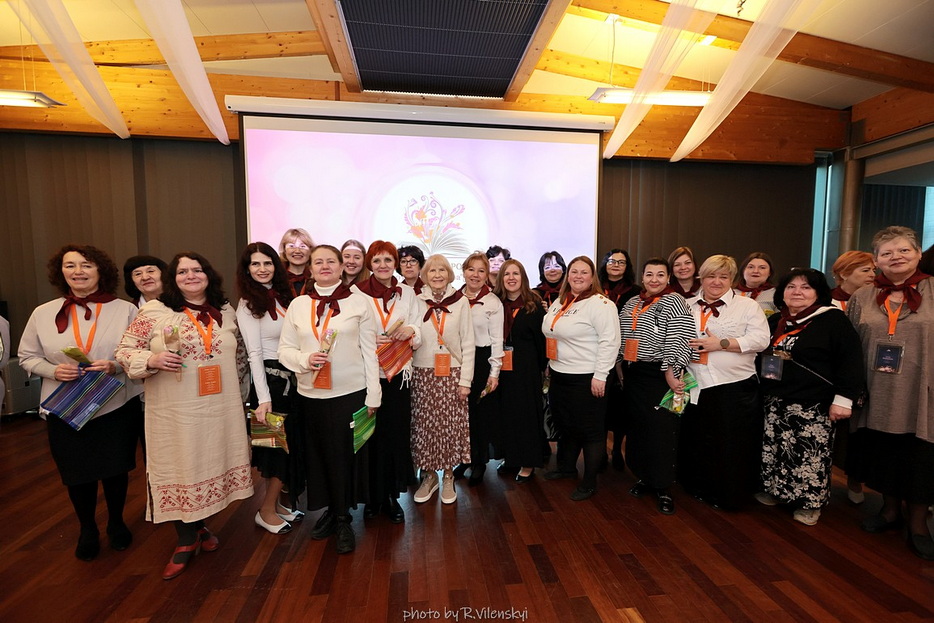
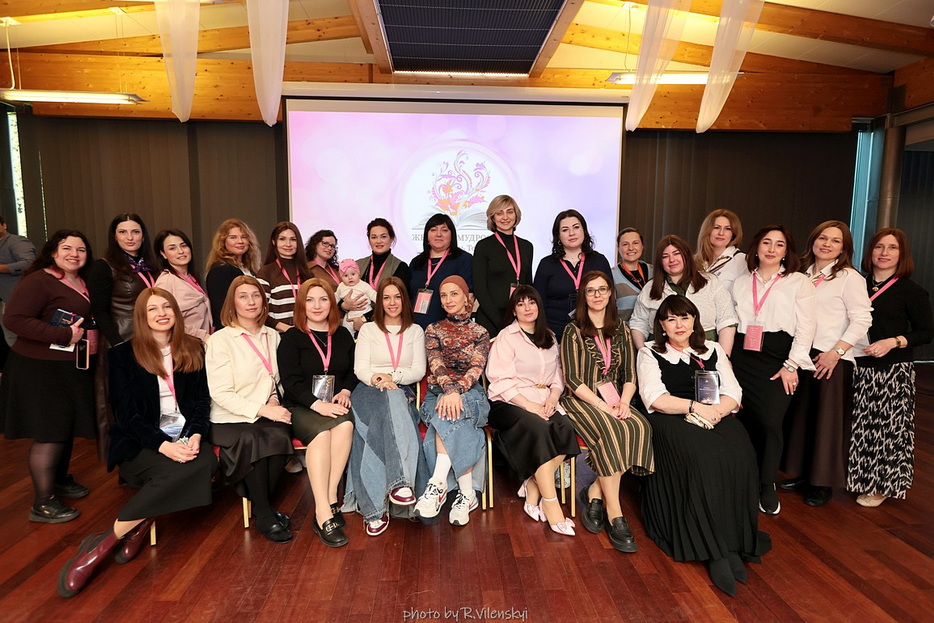
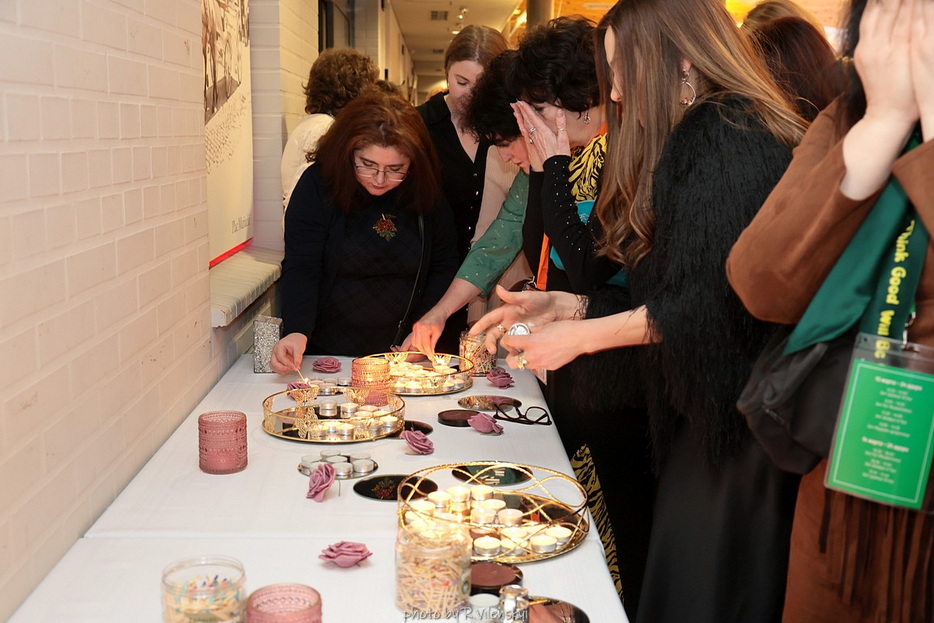
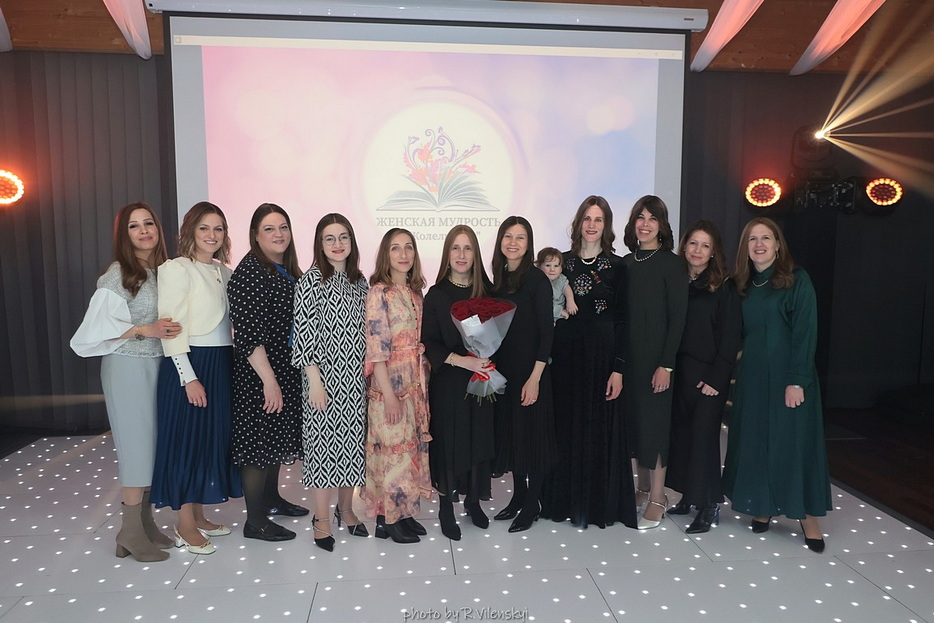
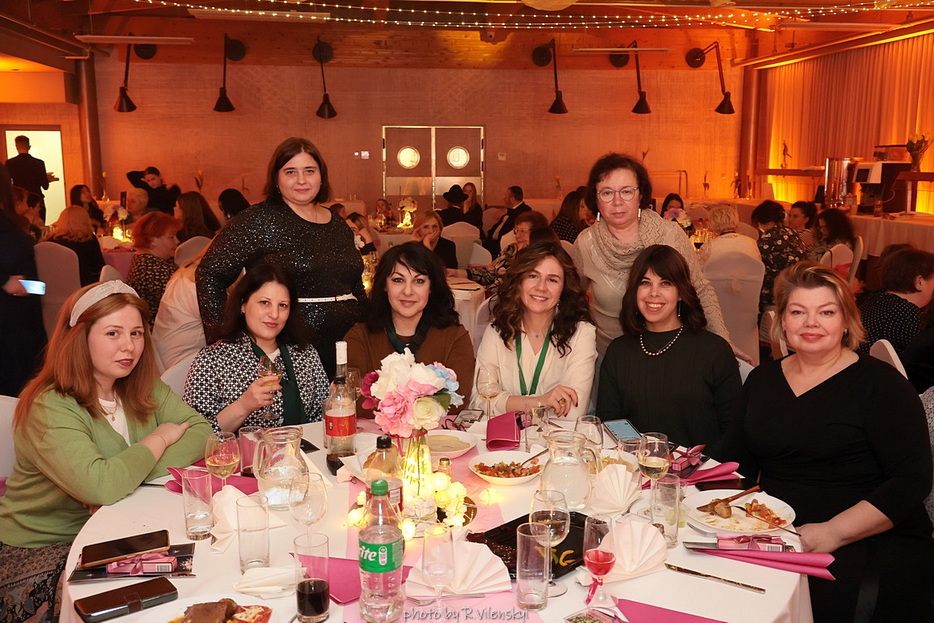
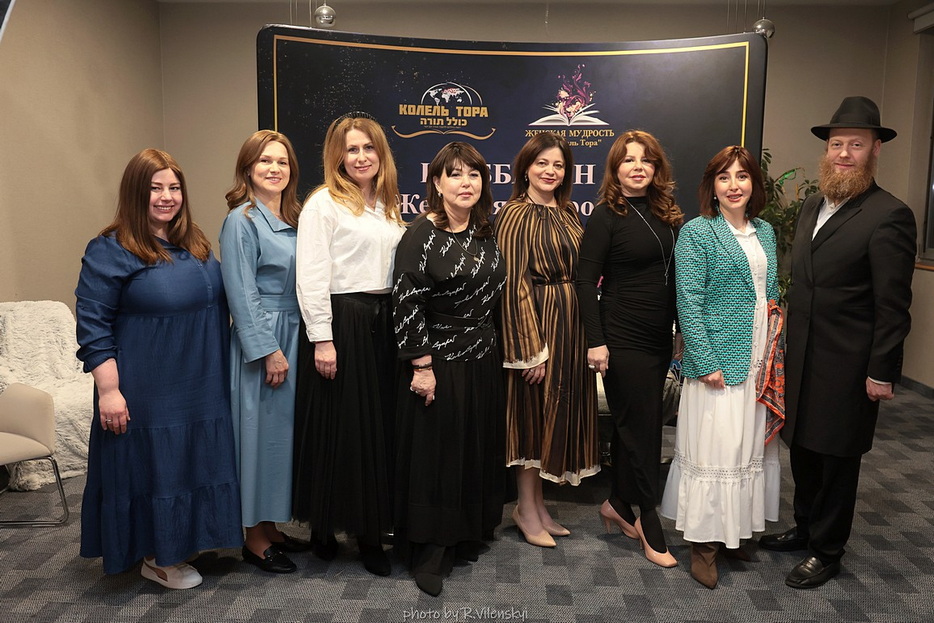
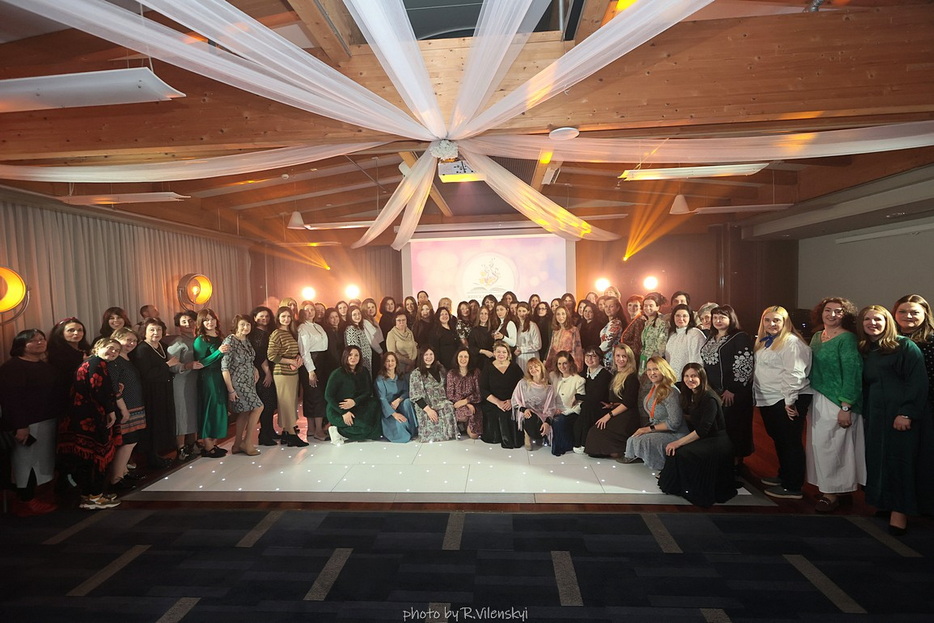
After a group photograph and personal preparations for Shabbos, a candle-lighting ceremony took place, and each participant accepted upon herself the mitzvos associated with this central day of the week. Then, all gathered festively dressed for a sumptuous meal in honor of welcoming Shabbos, followed by the opportunity to choose one of three farbrengens, each led by guests of the Shabbaton in different styles.
In the morning, participants engaged in chavrusa study in pairs, followed by the Shacharis morning prayer with a minyan and the reading of the Sefer Torah. During this service, fourteen participants received Jewish names, making it one of the most touching, emotionally charged, and memorable moments of these inspiring days in Krakow.
After the festive Kiddush, three parallel sessions took place: a lecture by Rabbi David Altman; a symposium in the form of an open dialogue with Rabbi Elisha Gabriel Pavlotsky and his wife Sheindel; and an interactive format called “Truth or Lie,” which allowed important topics to be discussed in a lighthearted manner.
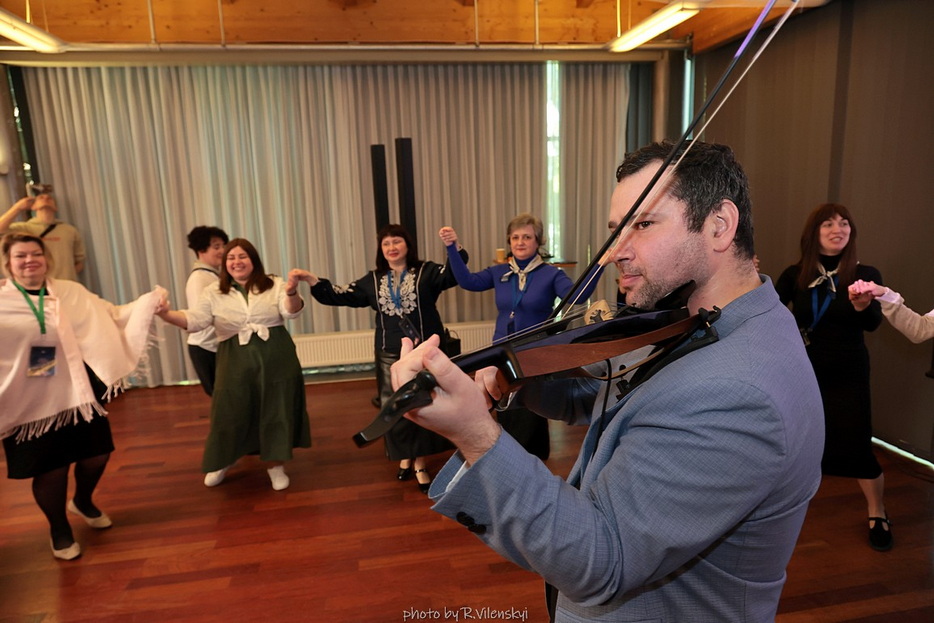
A special moment was the Seder Niggunim led by Mushka Alperin from Zhytomyr, uniting the participants in an emotionally intense experience that provided unforgettable moments of Chassidic joy and the pleasure of an atmosphere of achdus.
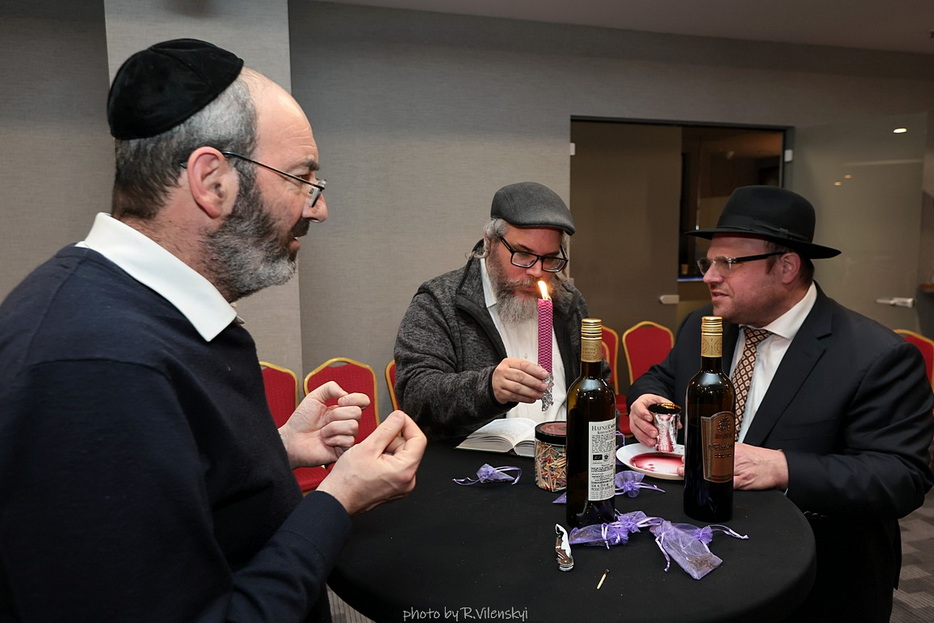
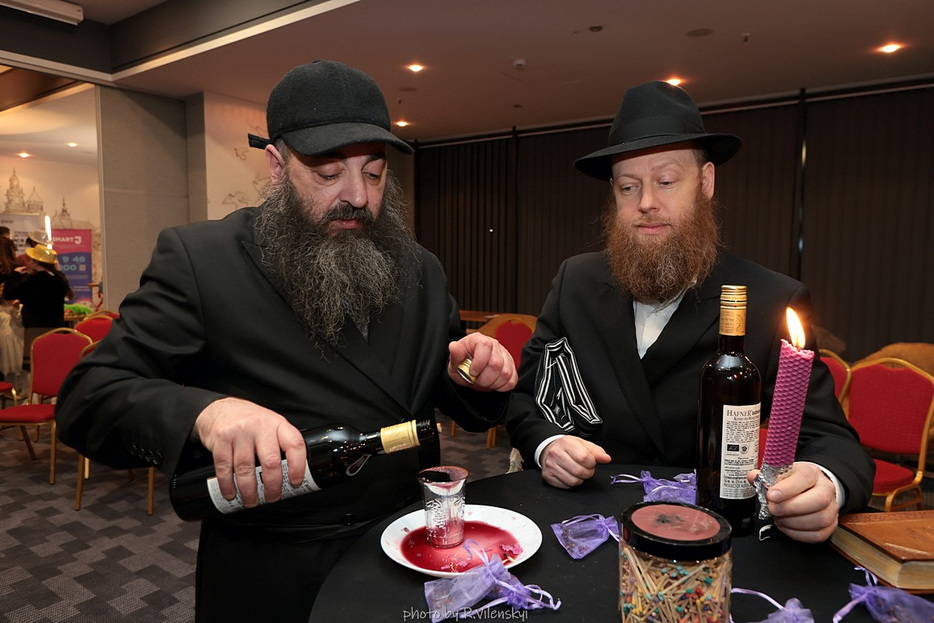
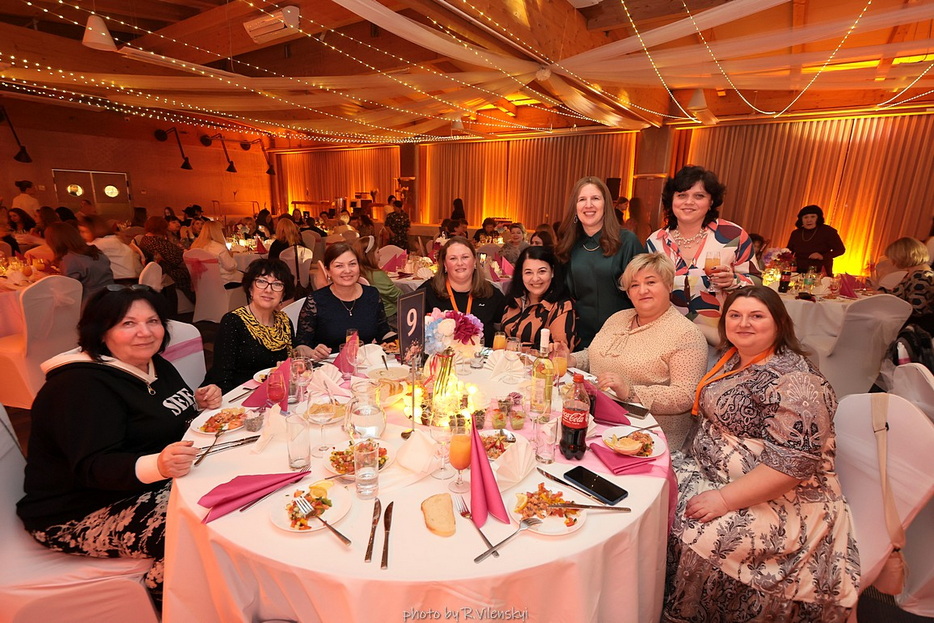
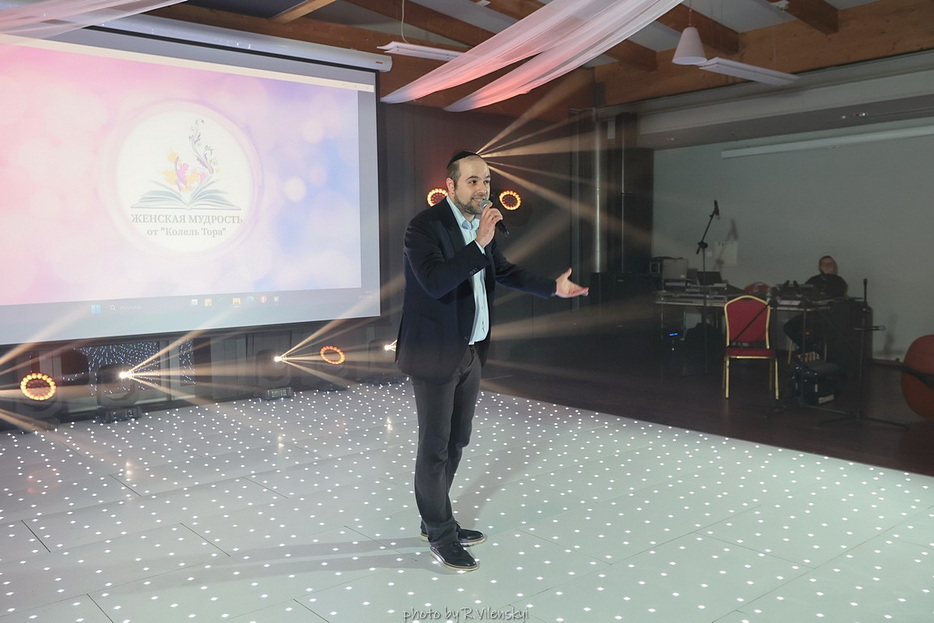
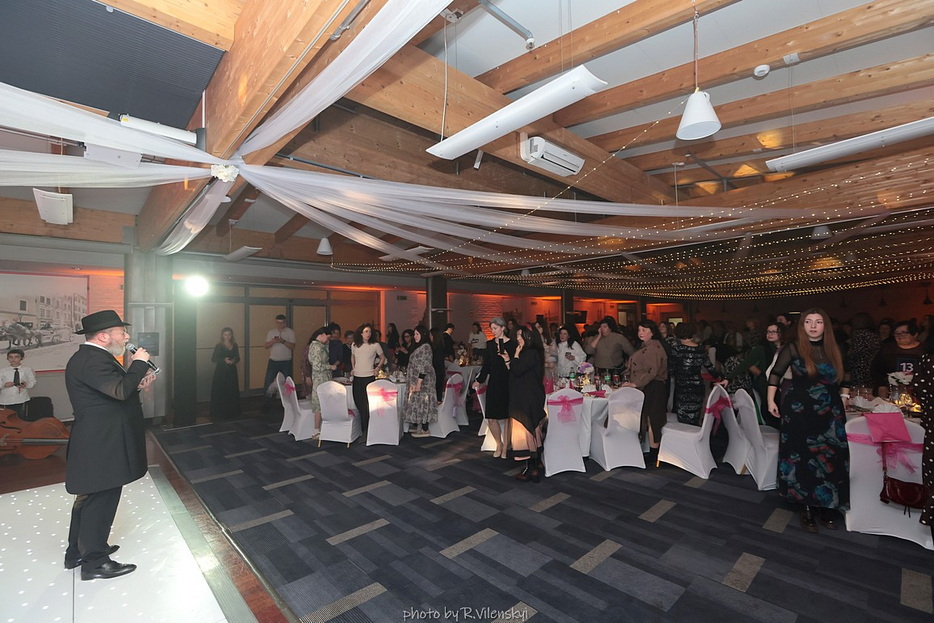
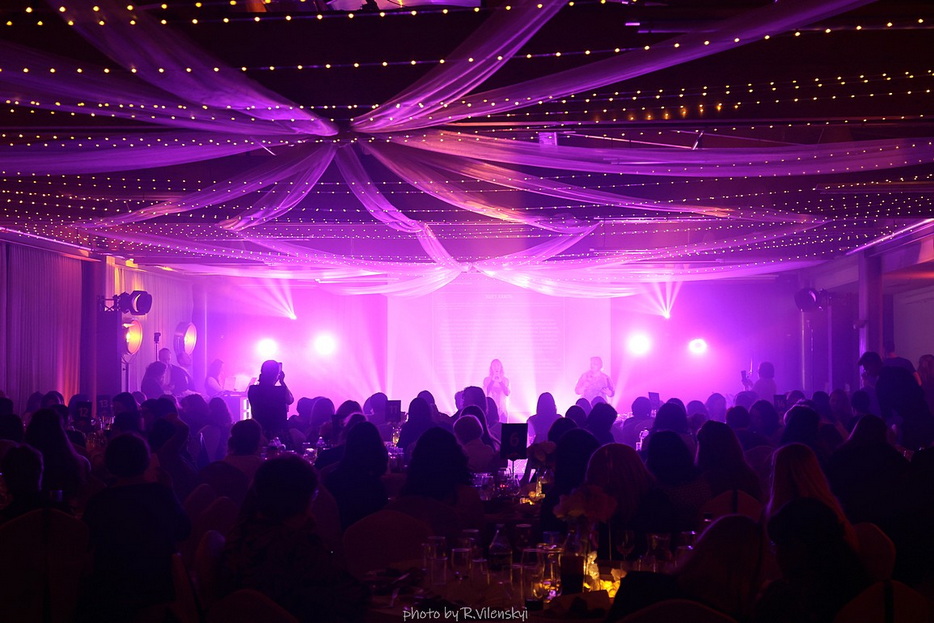
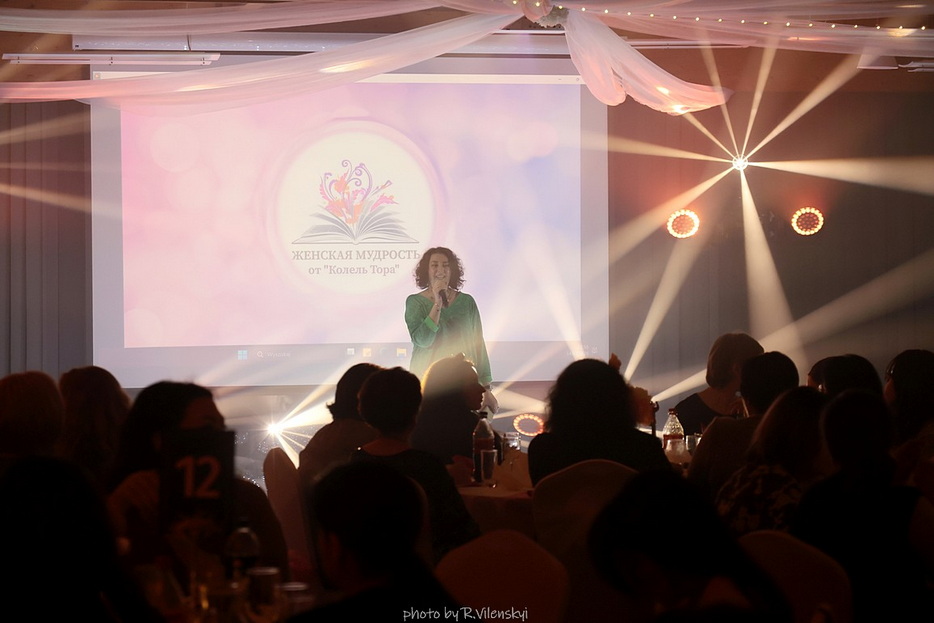
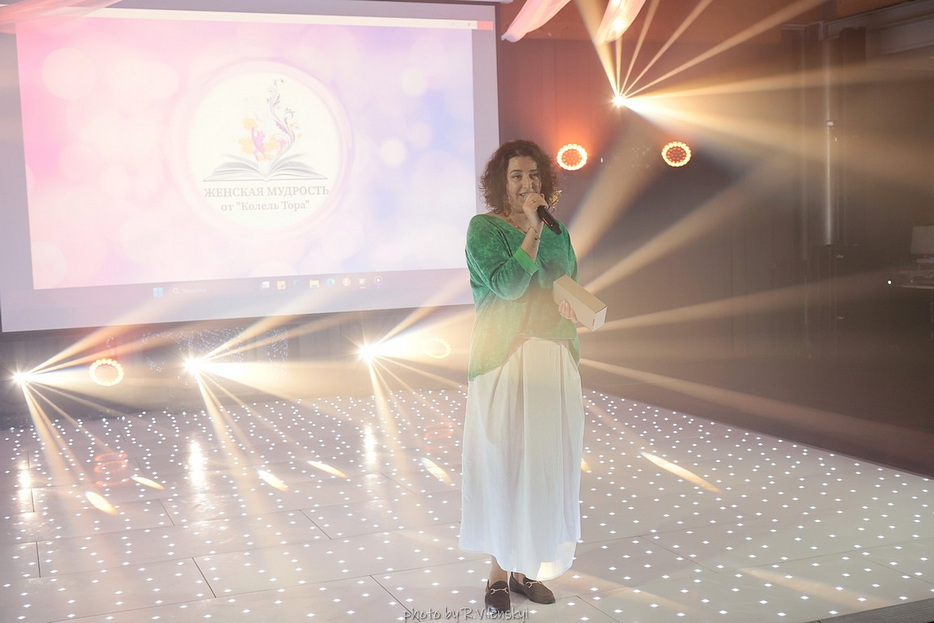
After Shabbos concluded and the Havdalah ceremony was performed, participants prepared for the final event – a festive gala evening that served as the culmination of several days of shared work and fellowship. The evening began with a video of the Rebbe. Then, introducing the theme of the tenth anniversary of the “Women’s Wisdom” program, the host presented an inspiring video showing how, through the program’s participants and the Rebbe’s shluchos, the world of Torah, Jewish tradition, and the light of Chassidus had reached diverse corners of Central and Eastern Europe.
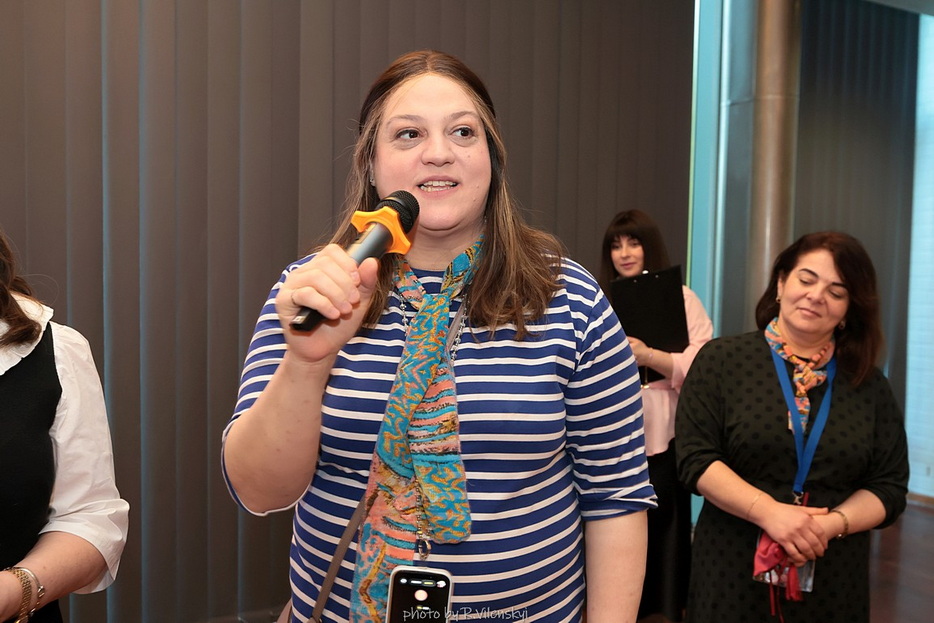
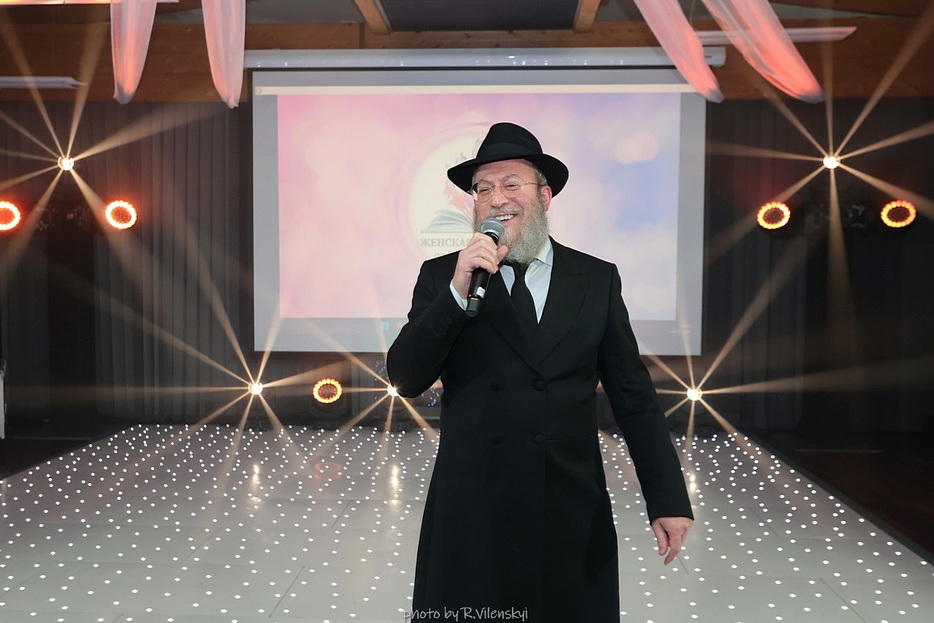
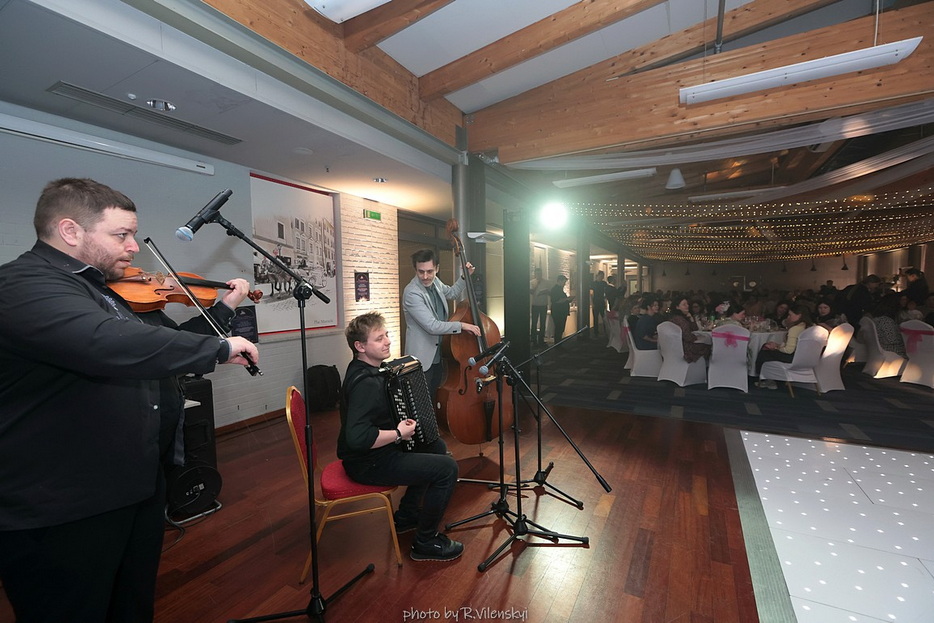
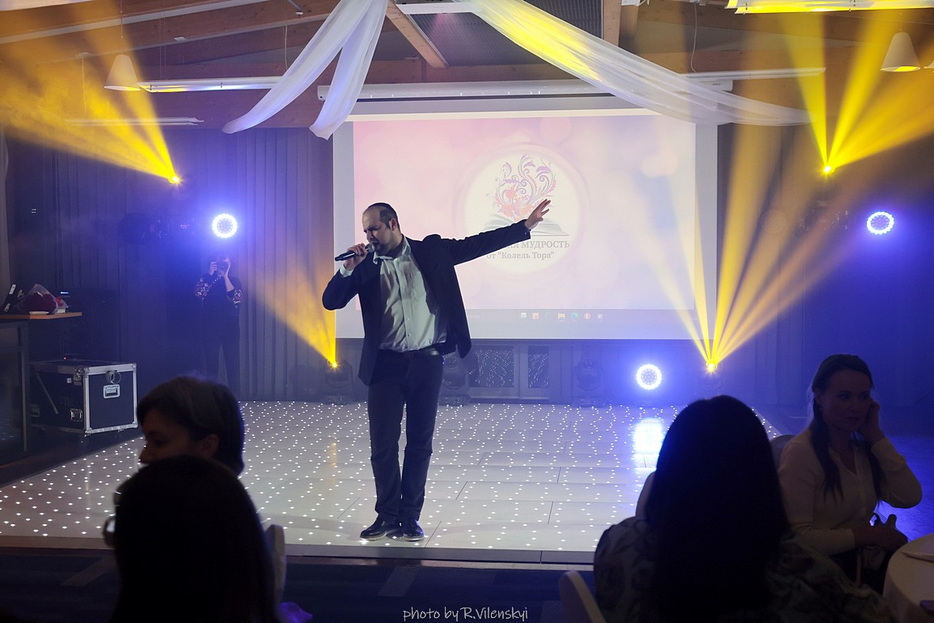
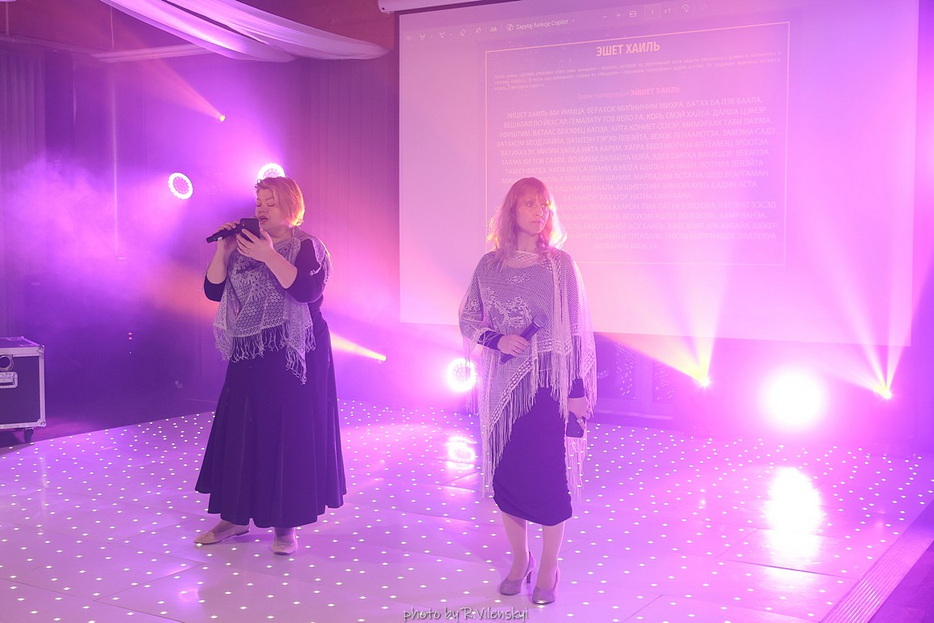
The central moment of the gala evening was the address by the program’s general director, Rabbi Moshe Leib Weber, who continues to realize the Lubavitcher Rebbe’s vision regarding the necessity of deep Torah study for women. His words set the framework for the entire evening, after which the atmosphere transitioned into a more emotional mode, from musical performances by klezmer musicians to video clips highlighting the program’s impact on participants’ lives.
A special segment was dedicated to Rebbetzin Chaya Mushka, discussed by Daniela Listengurt, who illuminated the significance of the date of 26 Adar and its connection to Chabad tradition. This thematic emphasis was continued through the communal recitation of Psalm 126 and a practical act of tzedakah, once again uniting participants in a shared spiritual action.
An important part of the evening was the sharing of participants’ personal experiences – through video segments, stories, and a creative works competition where women from various cities presented their poems, drawings, and other expressions of their individual journeys within the “Women’s Wisdom” program. This allowed everyone to see how the ideas expressed throughout the Shabbaton find real manifestation in life.
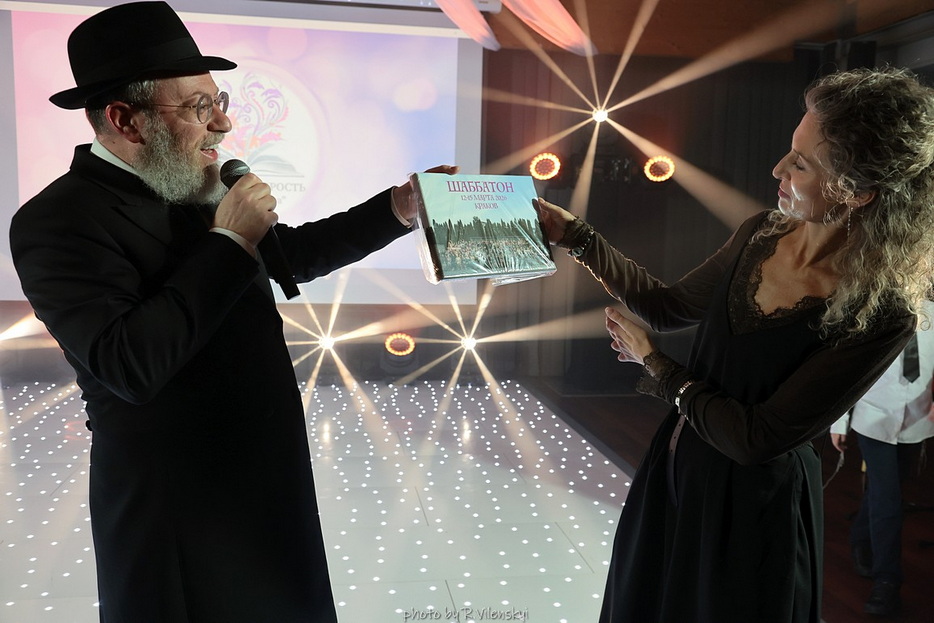
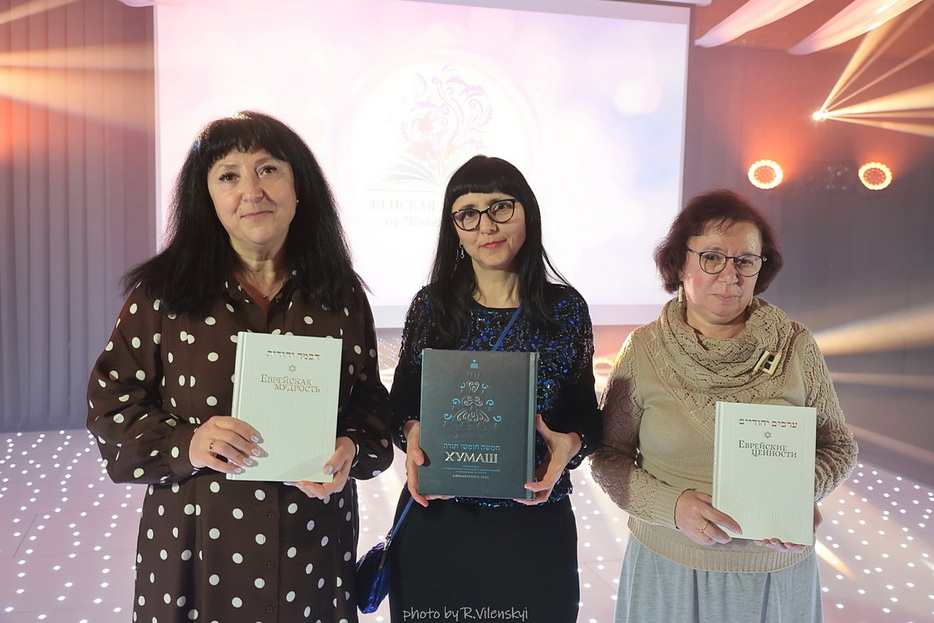
The culmination of the gala evening was a moment of gratitude – women educators who daily invest their strength, time, and heart into the development of Jewish life were invited onto the stage. They were presented with gifts and were themselves described as spiritual beacons, thanks to whom this work is made possible.
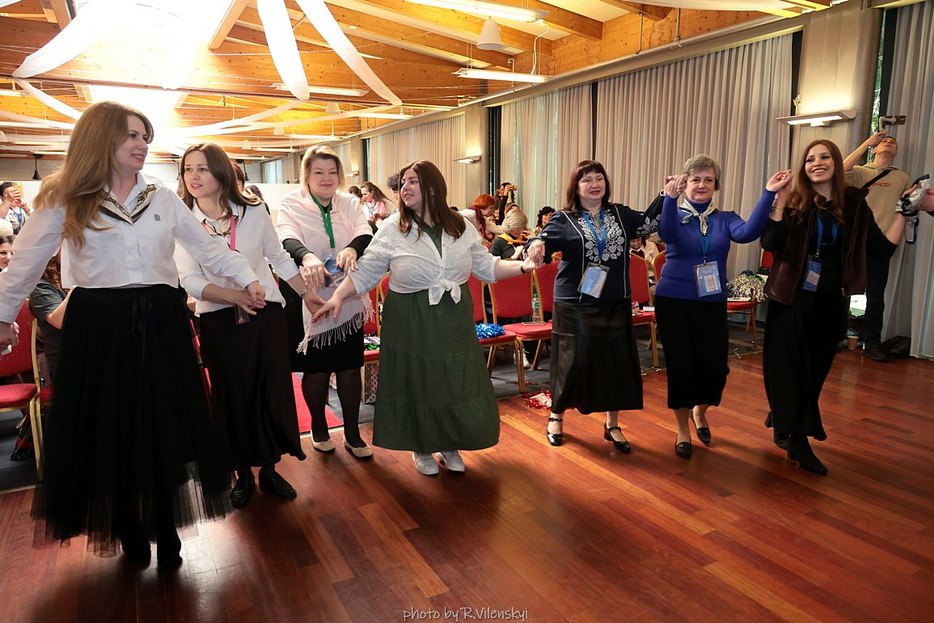
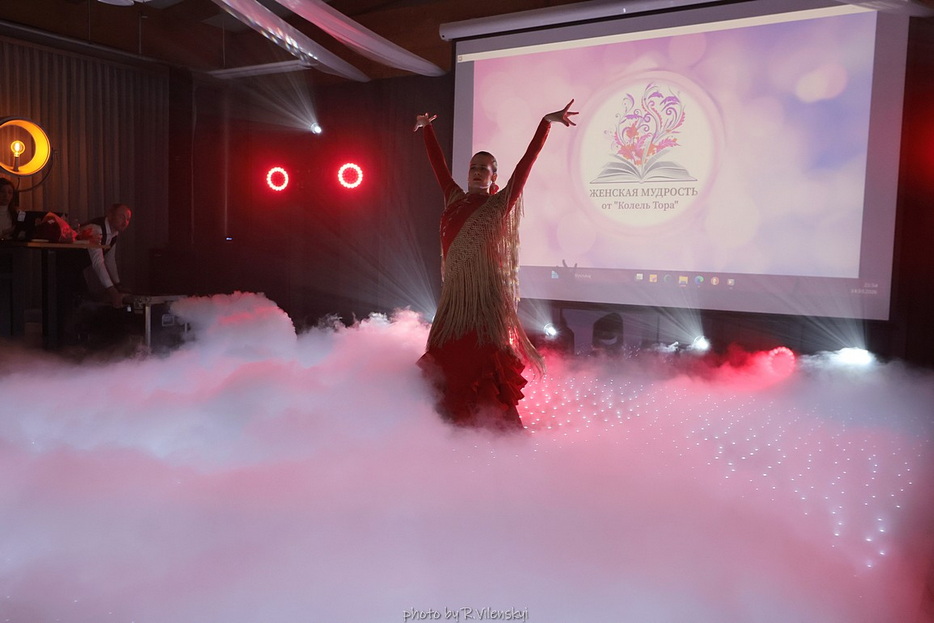
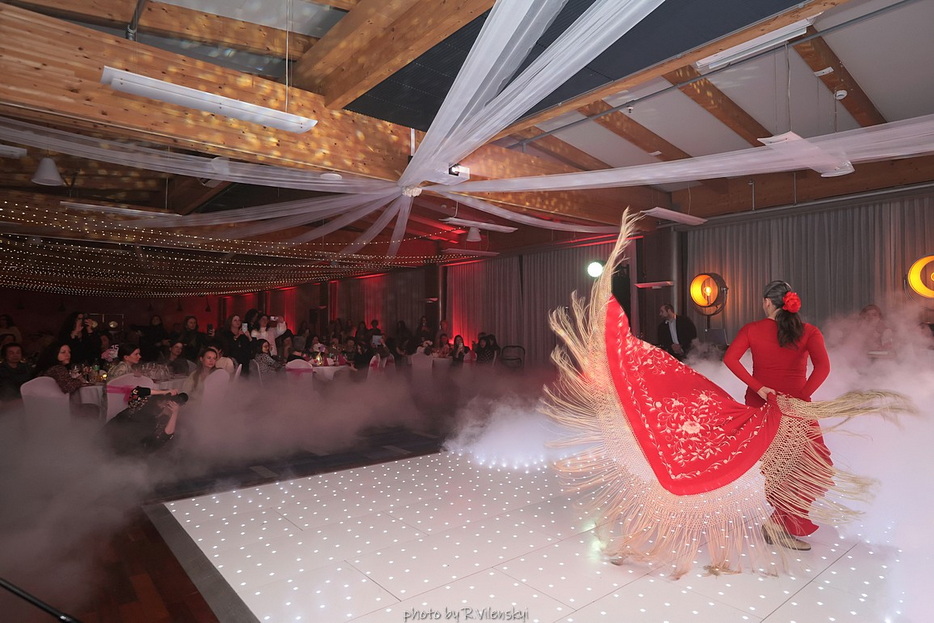
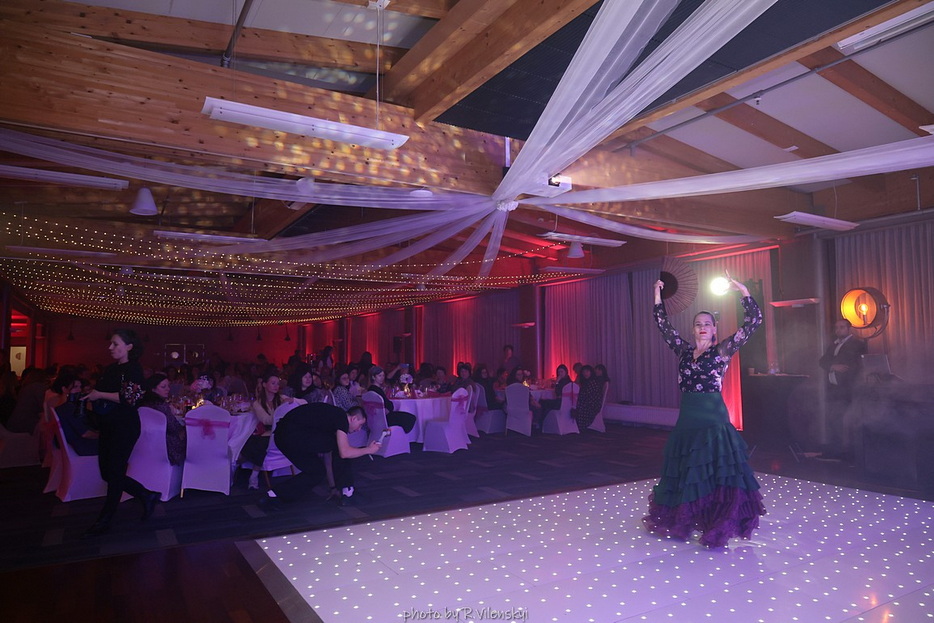
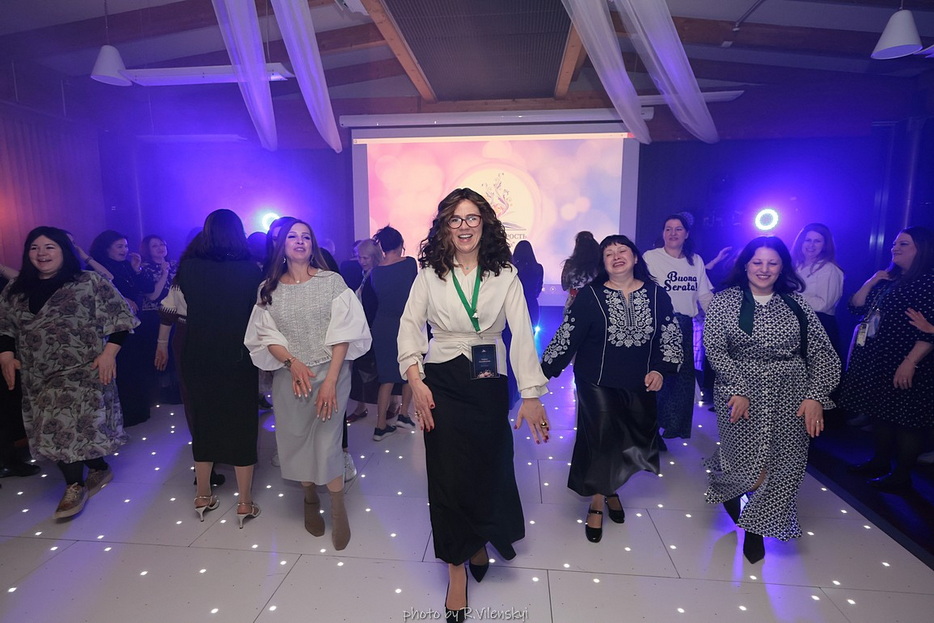
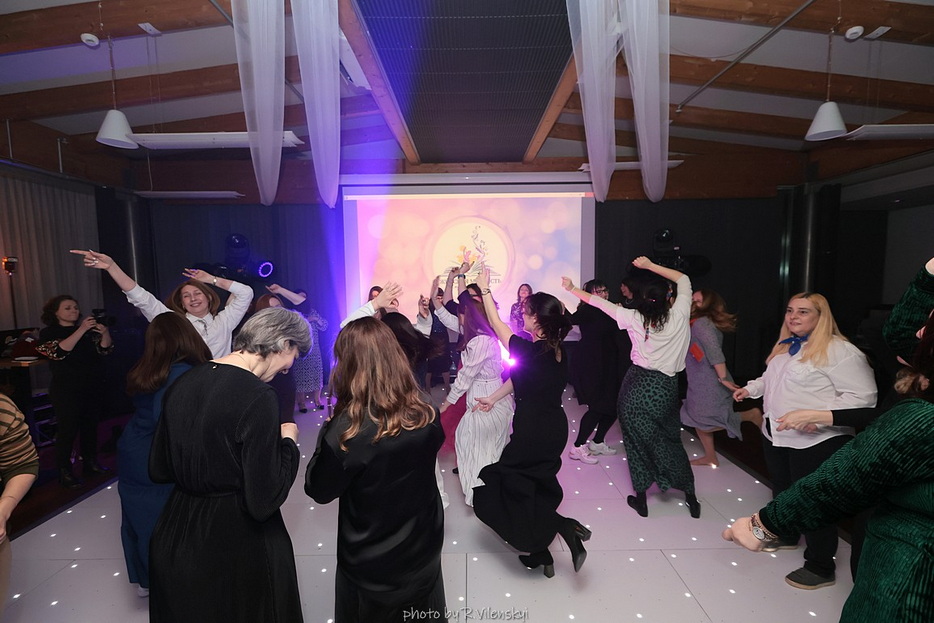
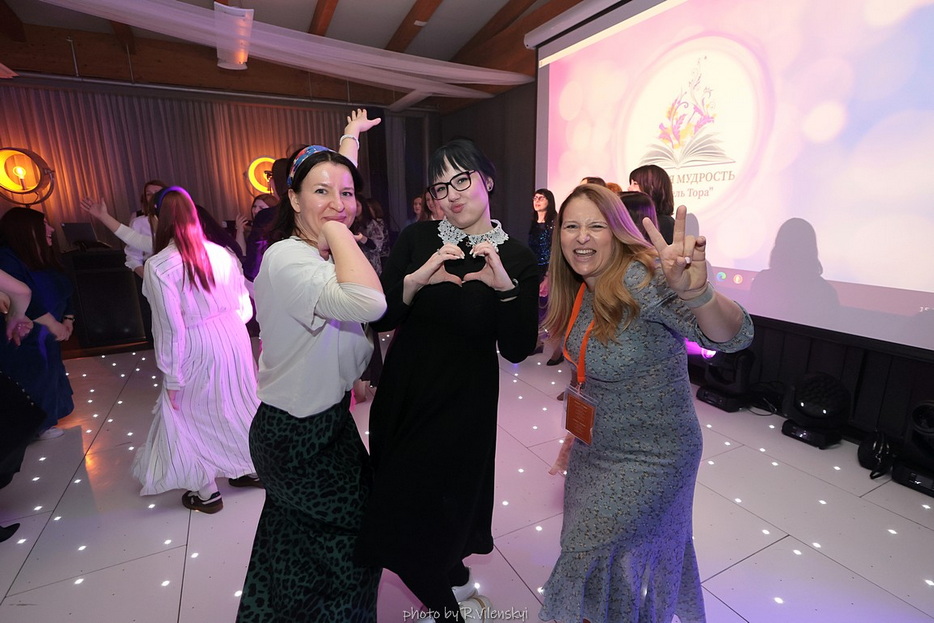
The evening concluded with a musical segment, dancing, and a collective joy that was no longer merely an element of the program but a natural extension of the inner unity that had formed over the course of the Shabbaton. The final emphasis was placed on the idea that ten years is only the beginning, and ahead lies the continuation of this path, which each participant carries with her into her life, thereby hastening the revelation of the righteous Moshiach and the complete and final Redemption.
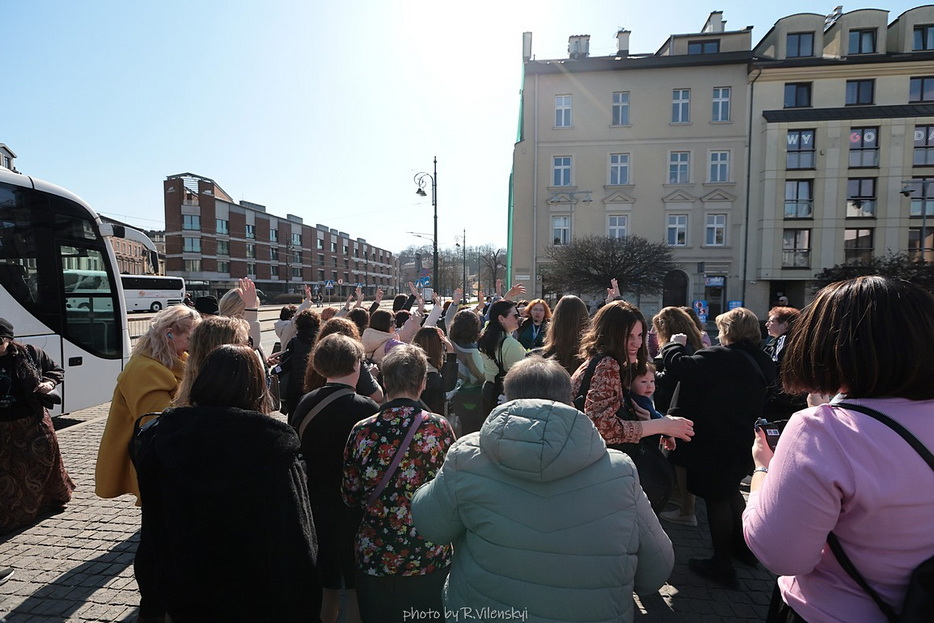
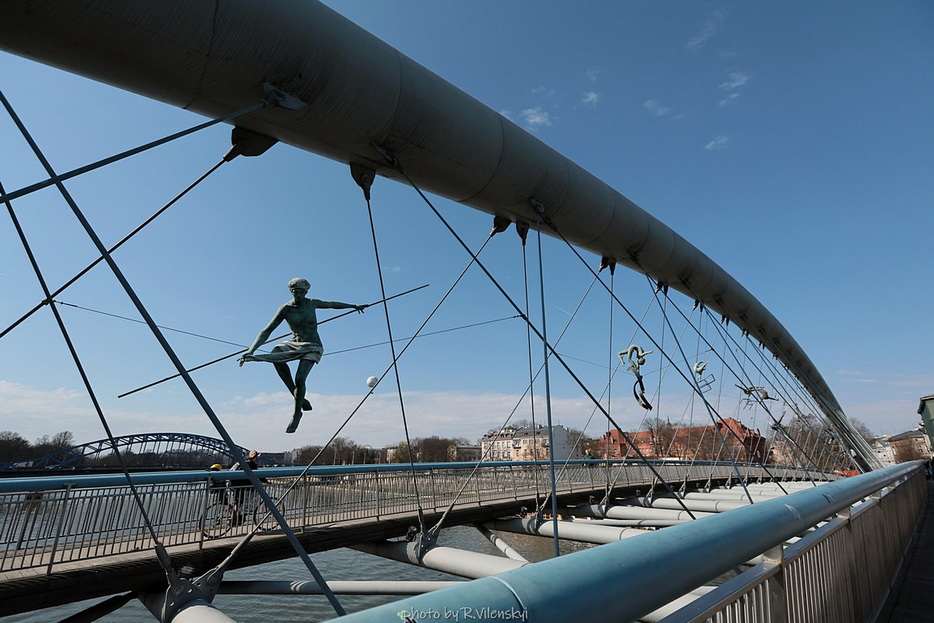
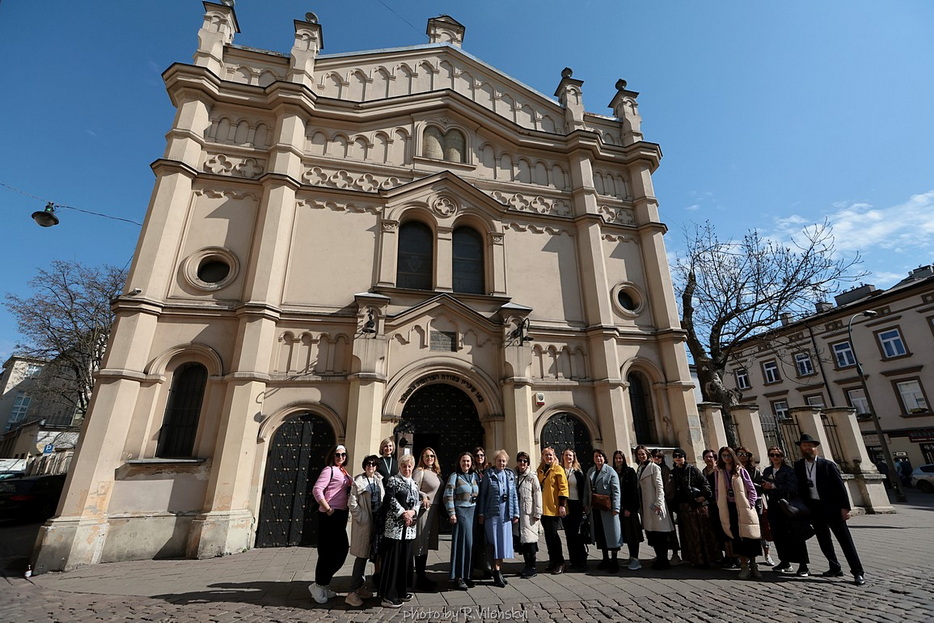
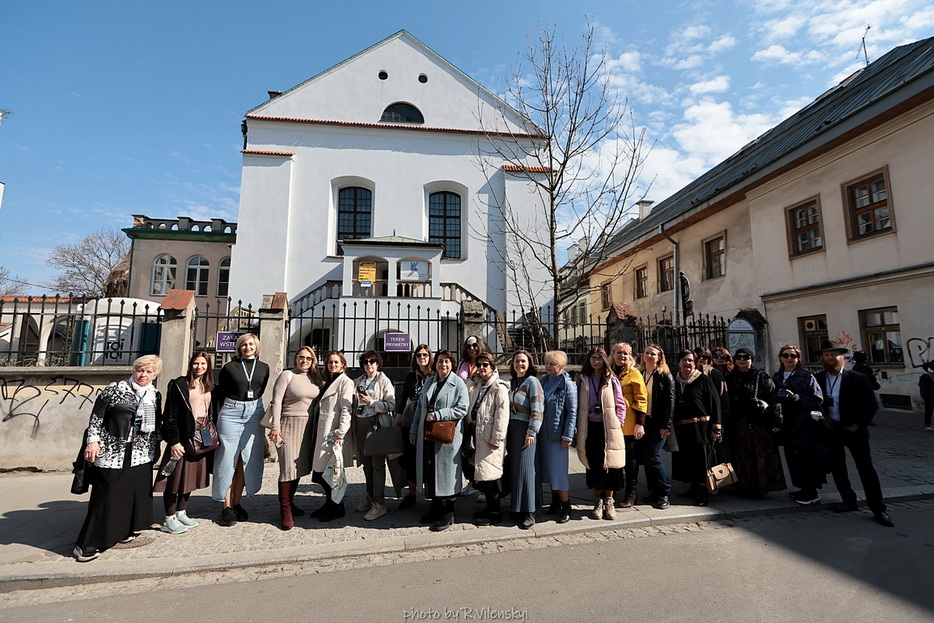
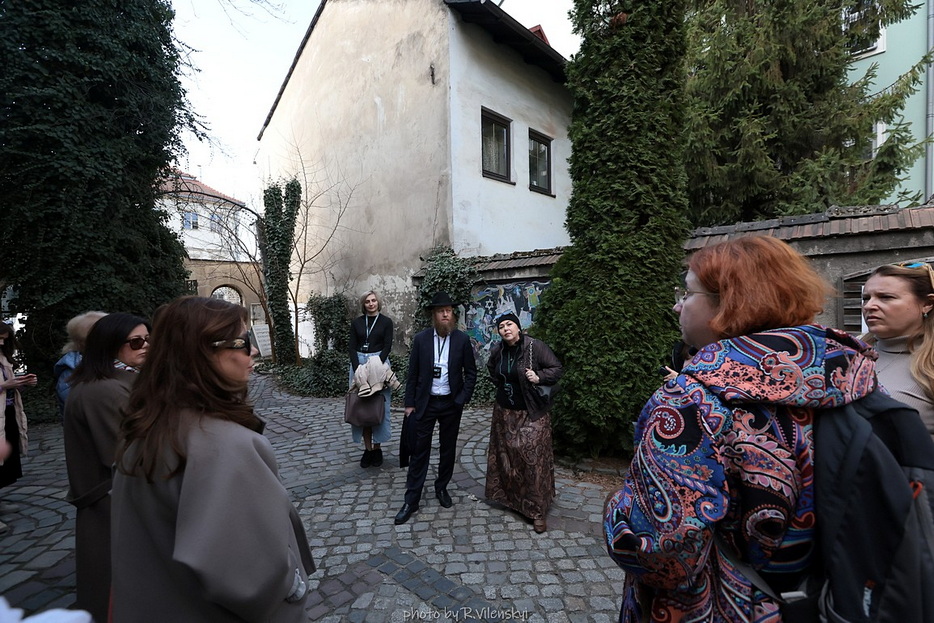
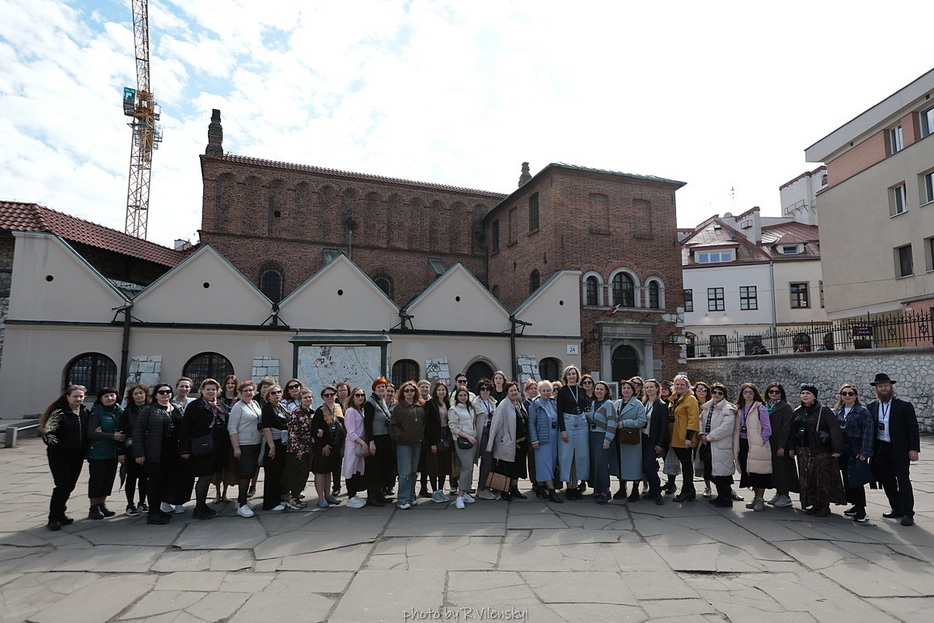
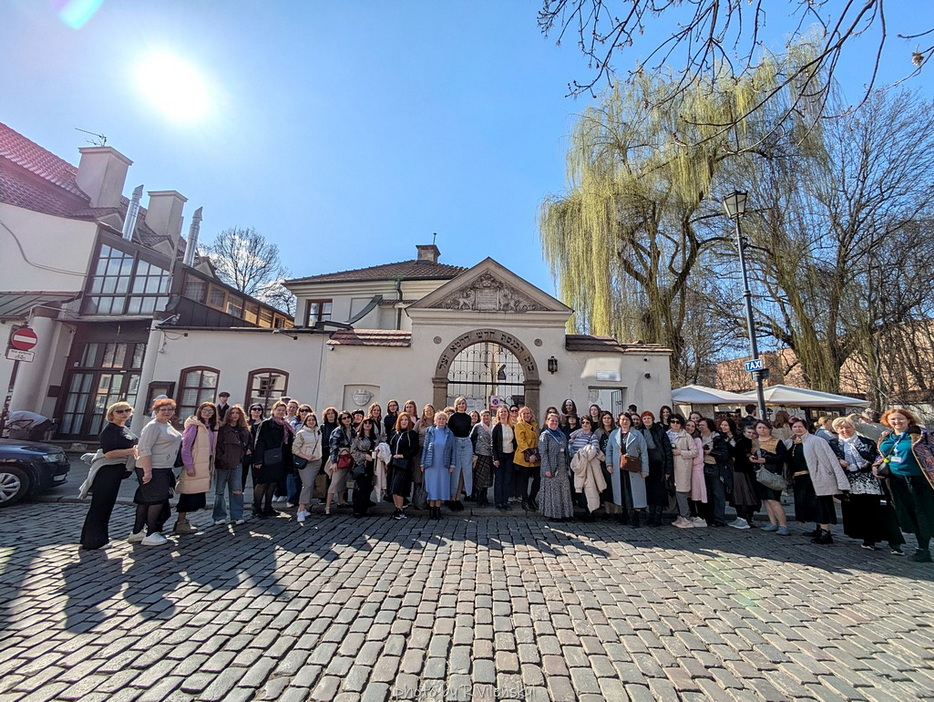
On the concluding Sunday morning of the seminar, participants were offered two optional excursions: one to the infamous death camp Auschwitz-Birkenau, and the other to the beautiful ancient Polish capital of Krakow, including a visit to the unique Jewish district of Kazimierz, which was once the center of Jewish life in the vast and influential Polish-Lithuanian Commonwealth.
“The Shabbaton was organized within the framework of the ‘Women’s Wisdom’ program under the leadership of Shoshi Weber and Leah Lipsker and was supported by the Ofek Israeli project, directed by Aryeh Abitbul. It became an important part of the process of Jewish revival that continues even in such challenging times as the present,” says Rabbi Moshe Leib Weber, director of the “Kollel Torah” project. “Key roles in its execution were played by JRNU leaders Rabbi Shlomo Neeman, Rabbi Shlomo Peres, and Rabbi David Mondshine. Special mention should be made of the importance of participation by local Jewish sponsors from various communities and the exceptional support provided to us by the Dnipro Jewish Community under the leadership of Chief Rabbi Shmuel Kaminezki. This Shabbaton became a unique platform where women from different countries of Europe could meet, talk, relax, and simultaneously receive inner strength and renewal. We are deeply grateful to all participants of the program, and especially to the Rebbe’s shluchos, who carry the light of Yiddishkeit and help Jewish women find the right path, illuminated by the light of Torah and Chassidus.”