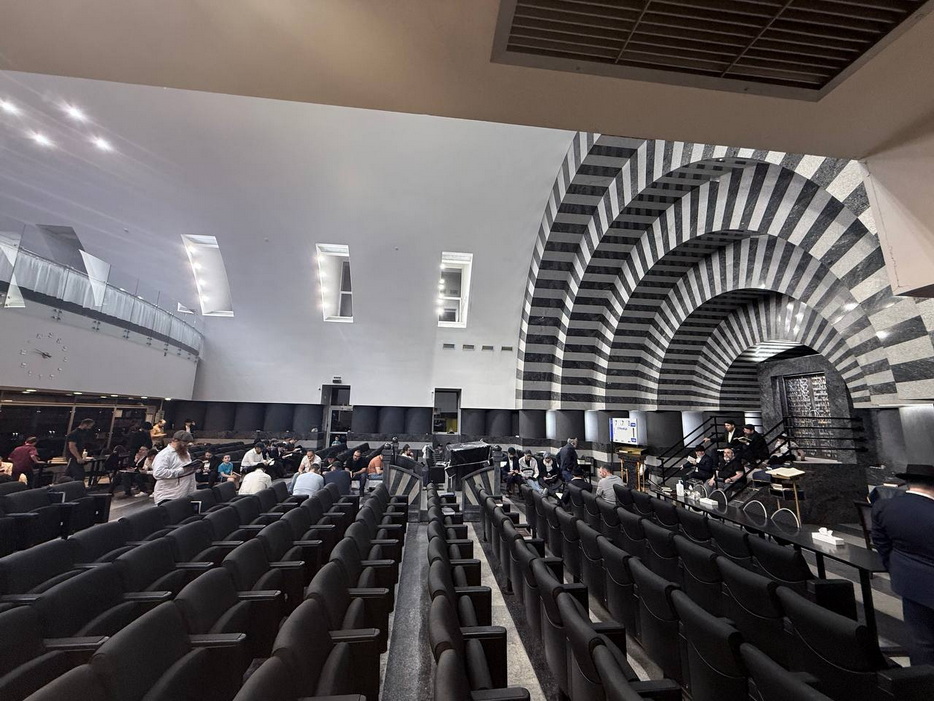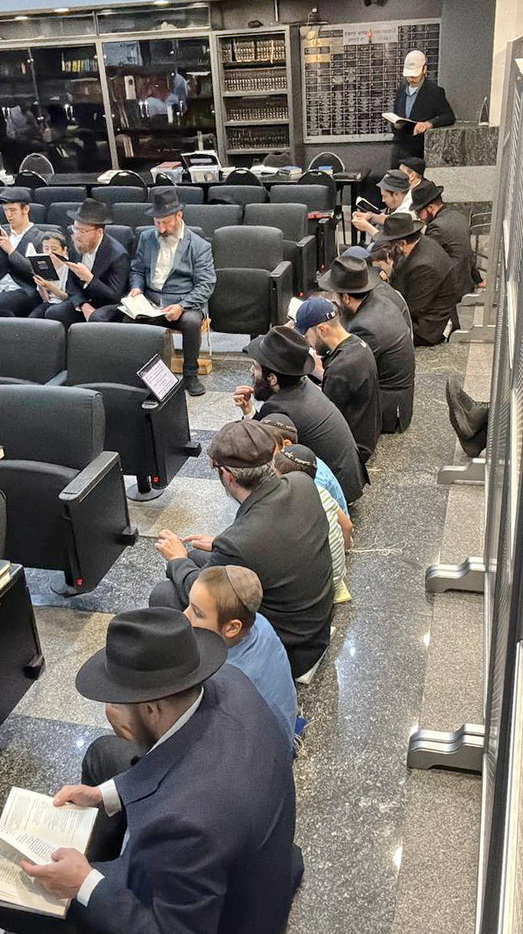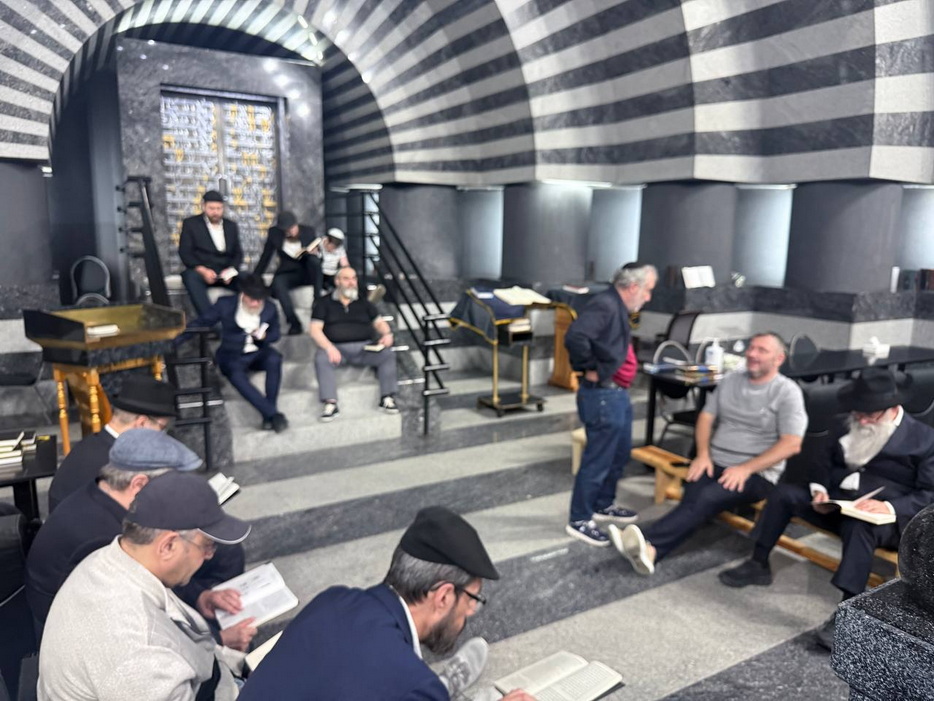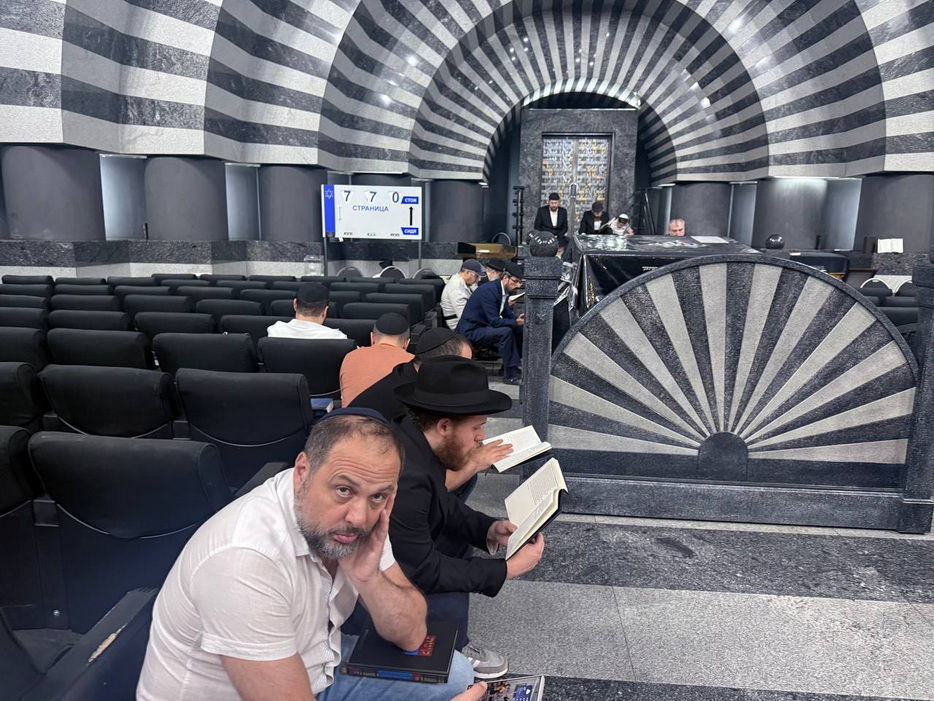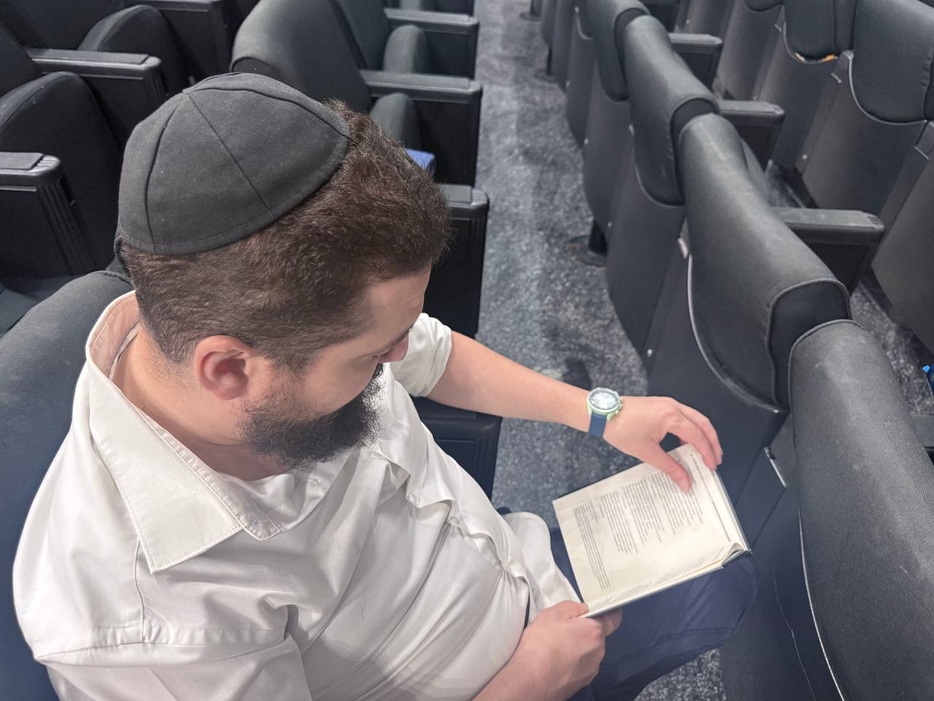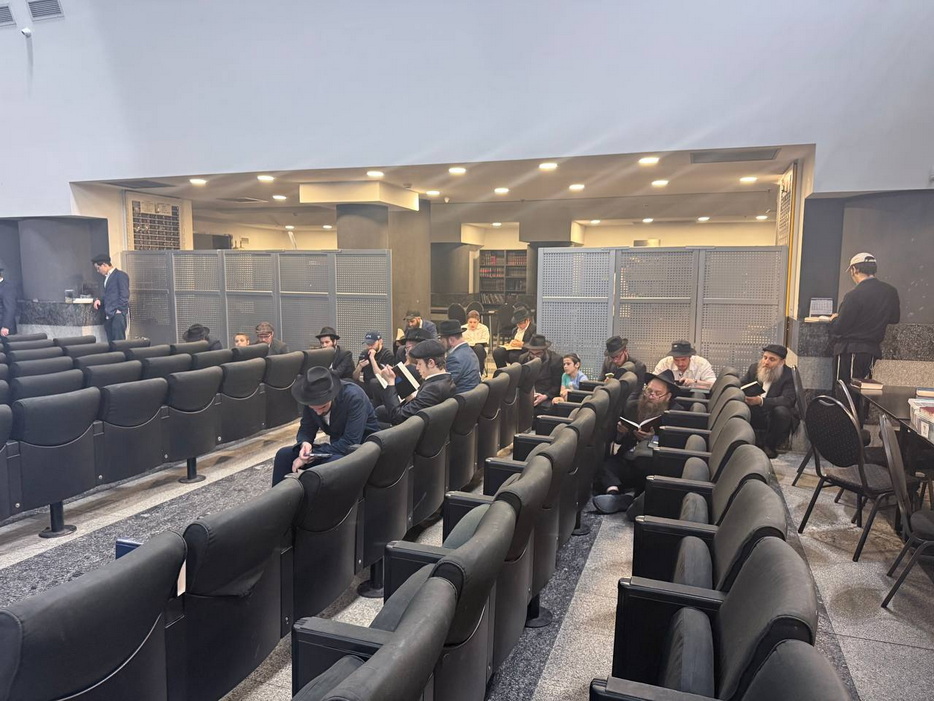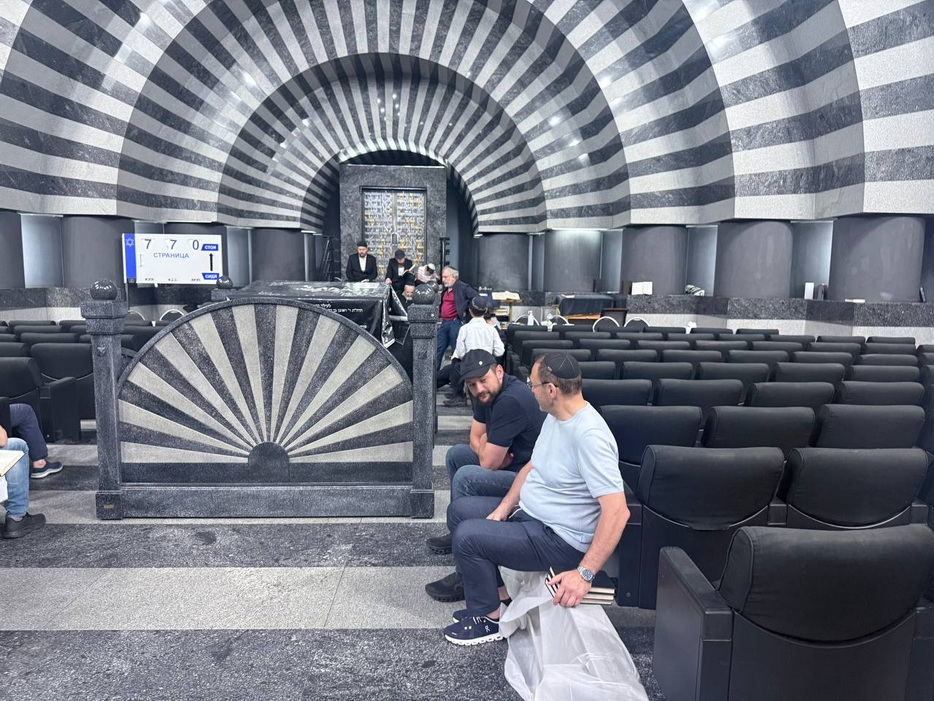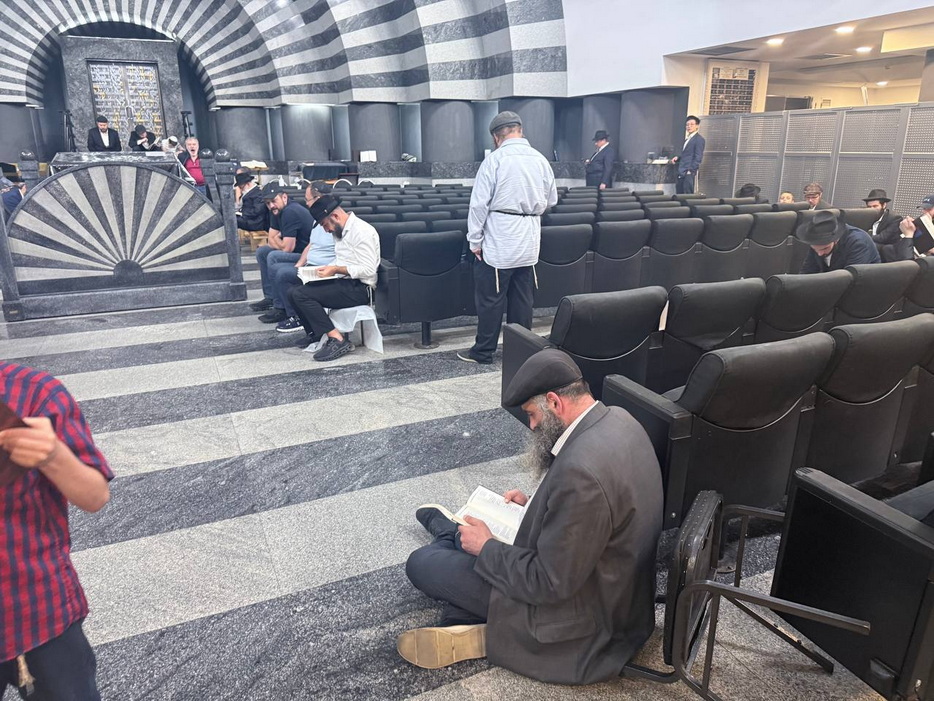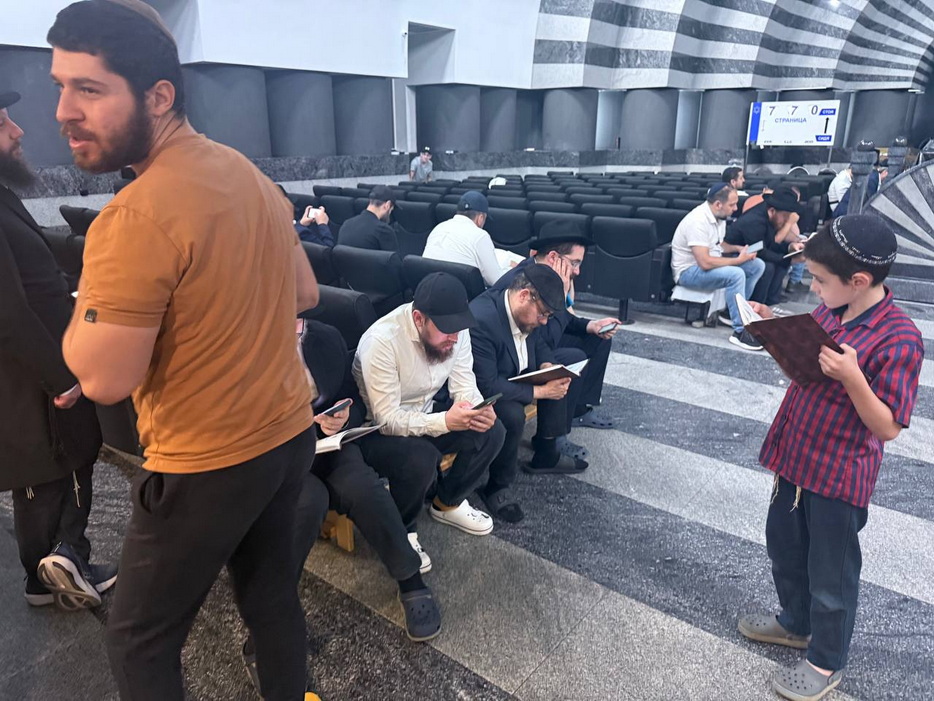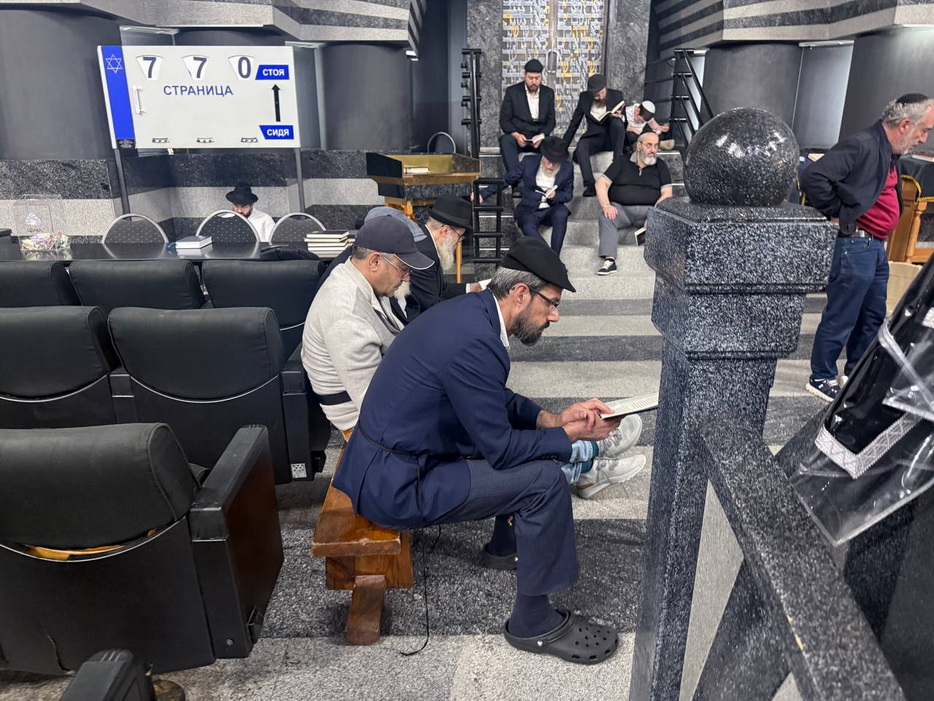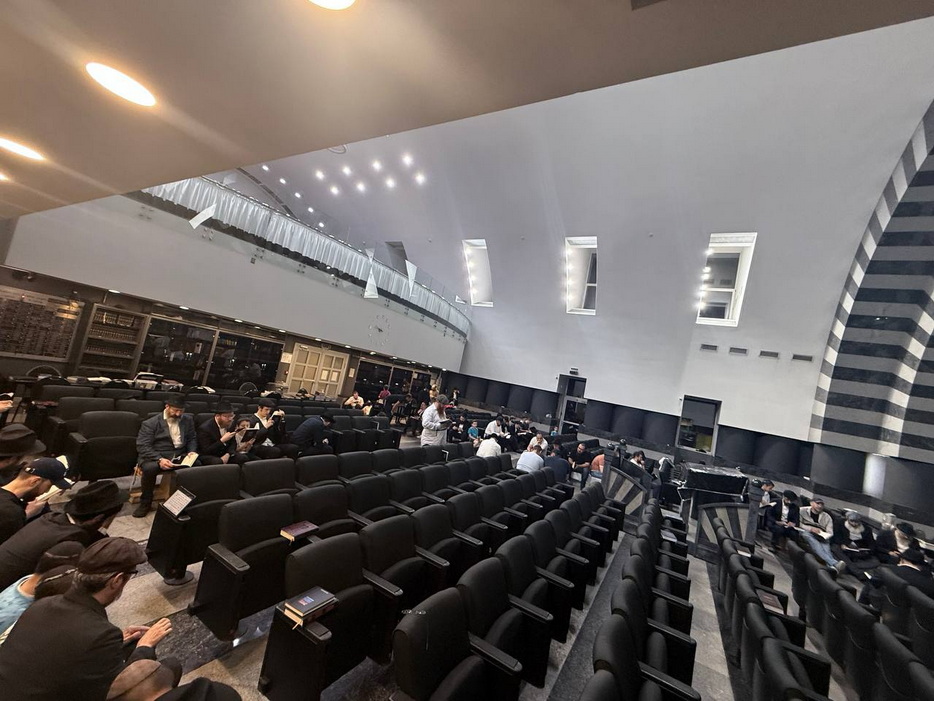




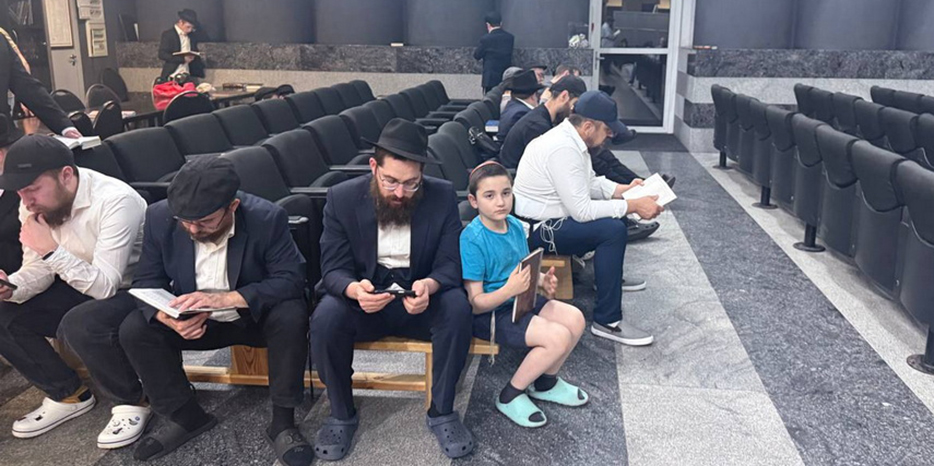
The Central “Golden Rose” Synagogue, the main synagogue of the Jewish Community of Dnipro, held special divine services dedicated to the 9th of Av—the day of fasting and mourning in commemoration of the destruction of the First and Second Holy Temples in Jerusalem, as well as other tragic events that befell the Jewish people on this day. Congregants gathered at the synagogue for communal prayer and observance of the customs of one of the most mournful days on the Jewish calendar.
In the evening, after the Ma’ariv prayer, the reading of the Book of Eicha—also known as “Lamentations of Yirmiyahu”—took place. This scroll is one of the five Megillos that form part of the Tanach section of Kesuvim (“Writings”), and the only one read not on a festival, but during a fast and day of mourning. Its name comes from the first word “Eicha,” meaning “How!”—the opening of the lament for the destroyed and desolate Jerusalem.
The Book of Eicha recounts the destruction of the First Temple, the exile, and the immense national and spiritual tragedy experienced by the Jewish people. At the same time, its content is not limited to describing suffering: it contains appeals to the Almighty, faith in His mercy, and hope for return and renewal. It is precisely this combination of deep grief and unshakable hope that lies at the heart of the spiritual significance of the 9th of Av.
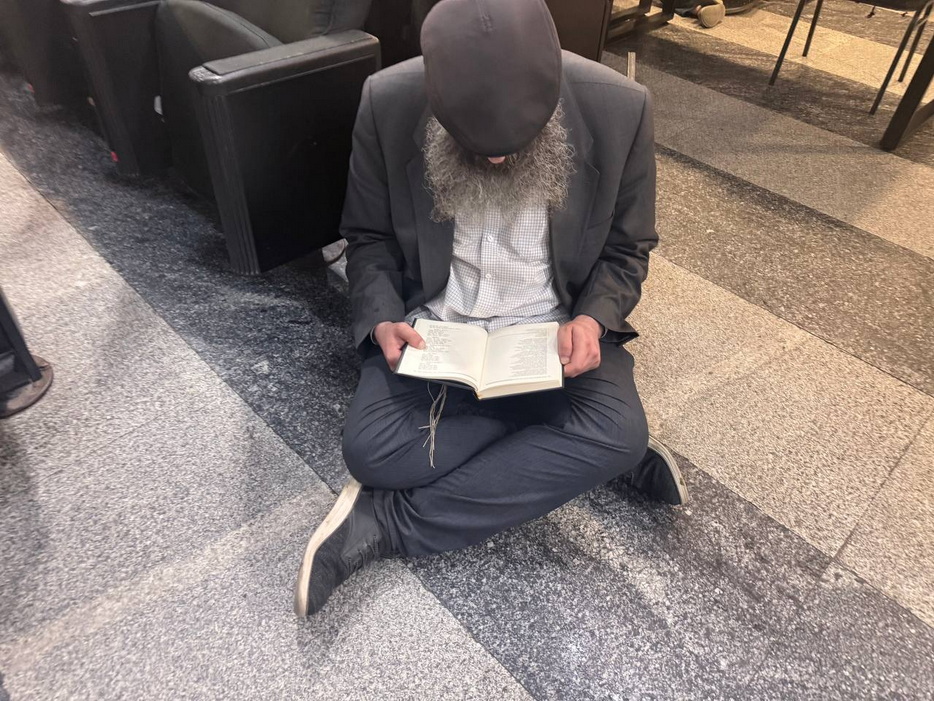
In accordance with the laws of mourning, a special atmosphere prevailed in the synagogue: congregants did not greet one another, sat on low benches, and refrained from the regular study of Torah, which is a source of joy. Only texts directly related to the destruction of the Temple, exile, and the mourning of the 9th of Av were permitted for study. Until midday, it is customary to sit only on the floor or low benches, emphasizing the state of mourning for the destroyed Temple. As a sign of grief, the Paroches—the ornate curtain—is removed from the Aron Kodesh.
The Jews of Dnipro observed the 9th of Av together with the entire Jewish people, recalling the destruction of the Holy Temple and the tragic events of millennia of Jewish history. Yet even on this most mournful day, Jewish tradition speaks not only of destruction and loss, but also of the future Geulah. With the coming of the righteous Moshiach, the rebuilding of Jerusalem and the Third Temple, the 9th of Av will cease to be a day of mourning and will become a great festival of joy for the entire Jewish people.