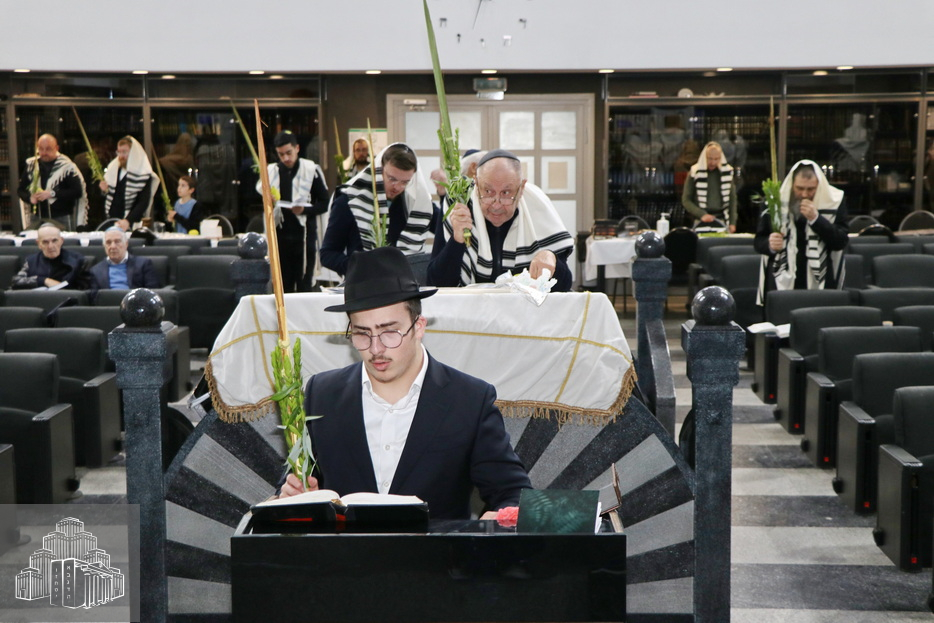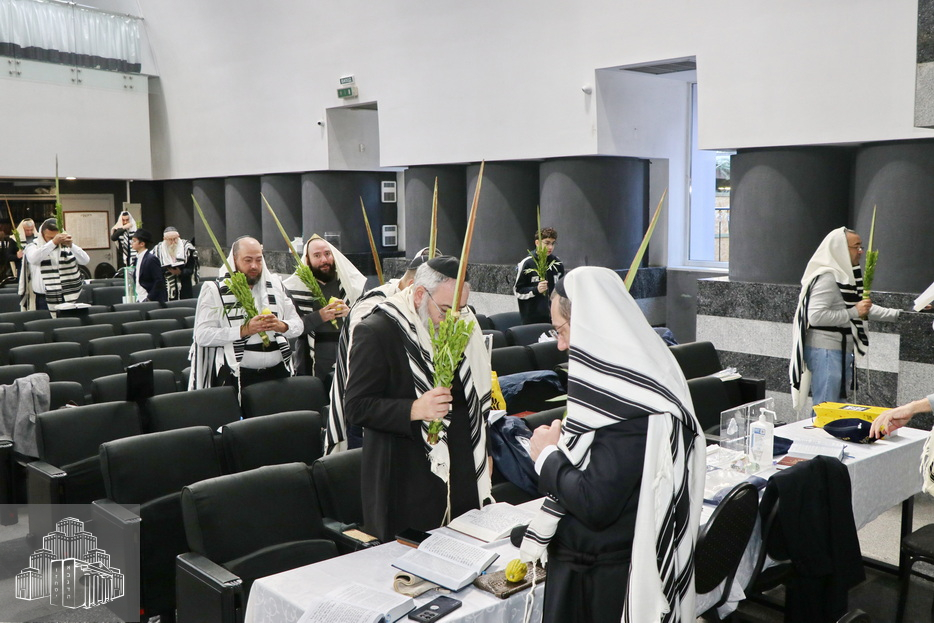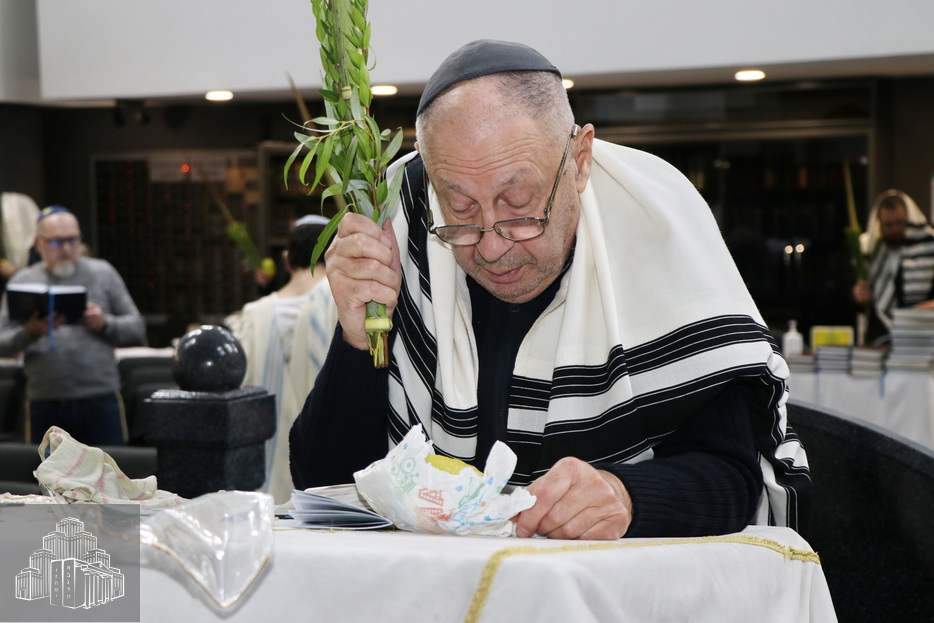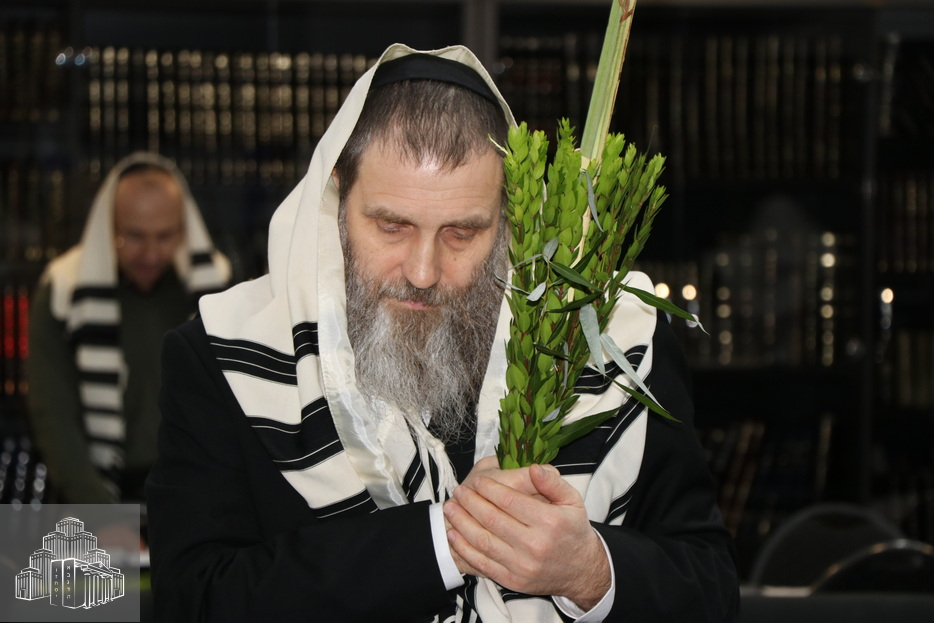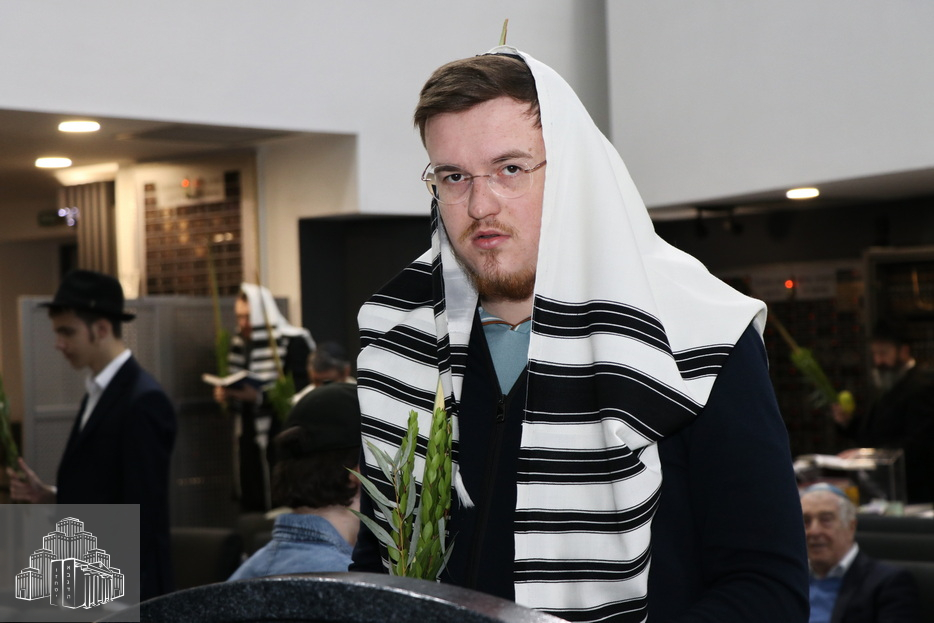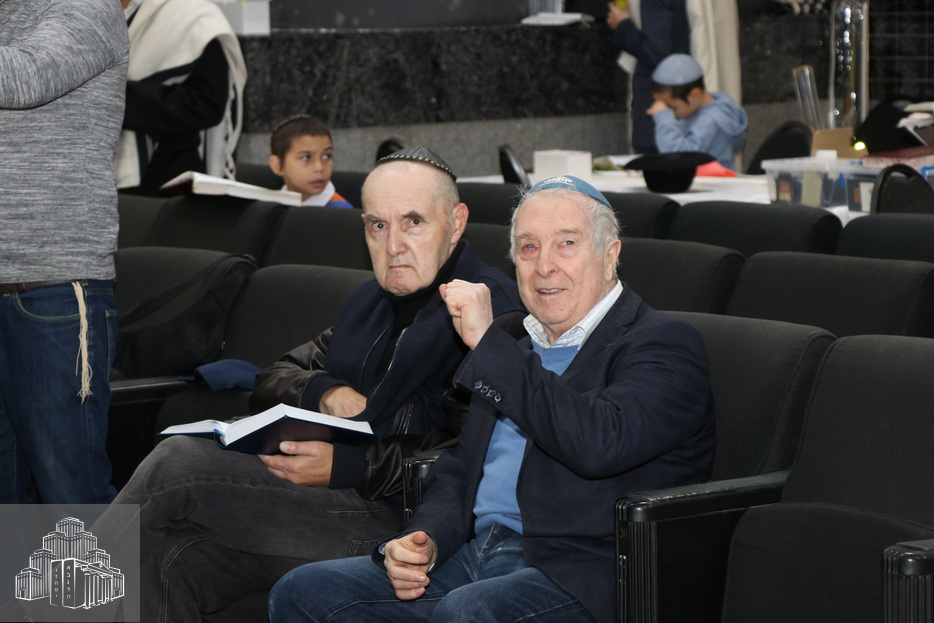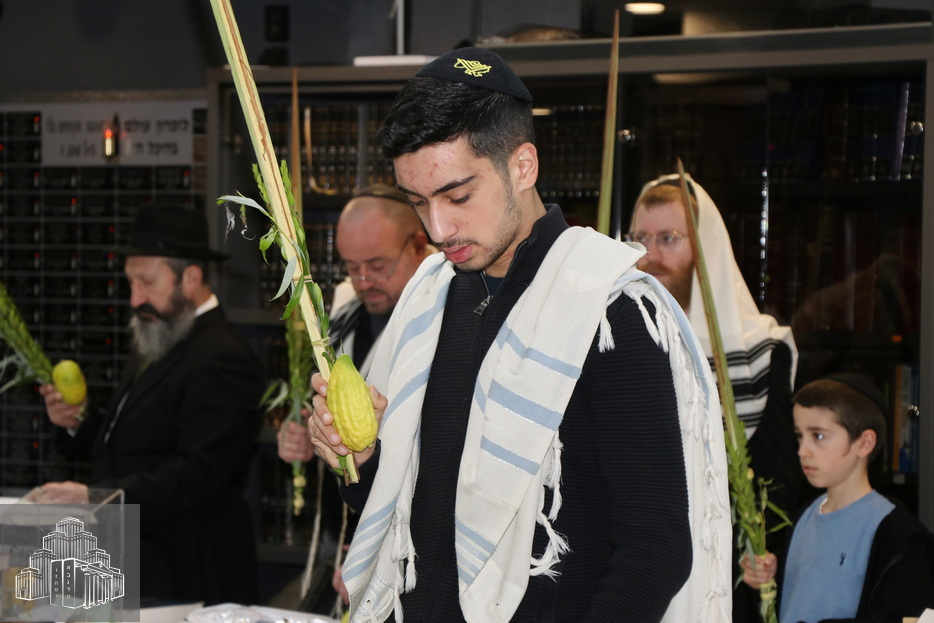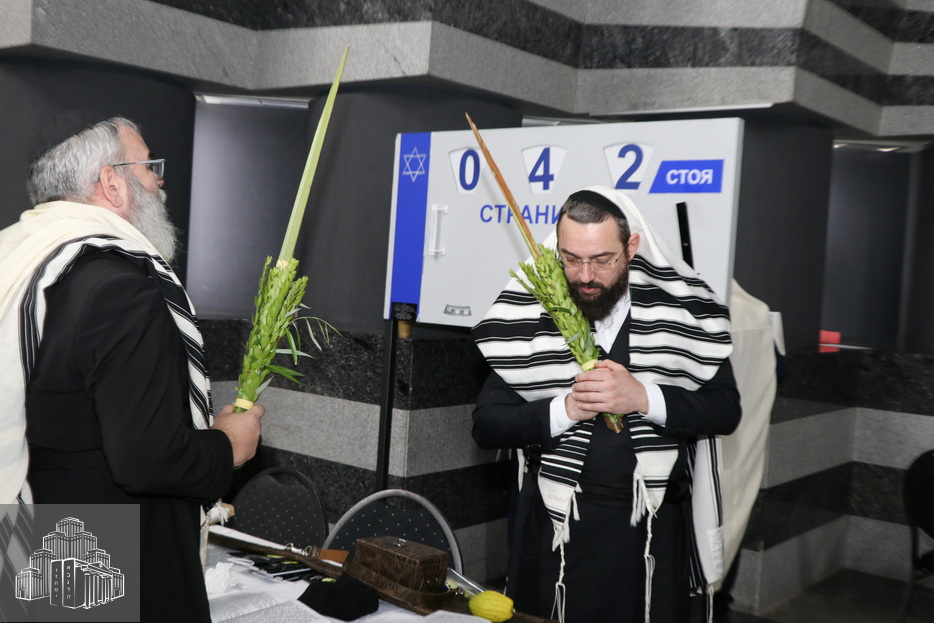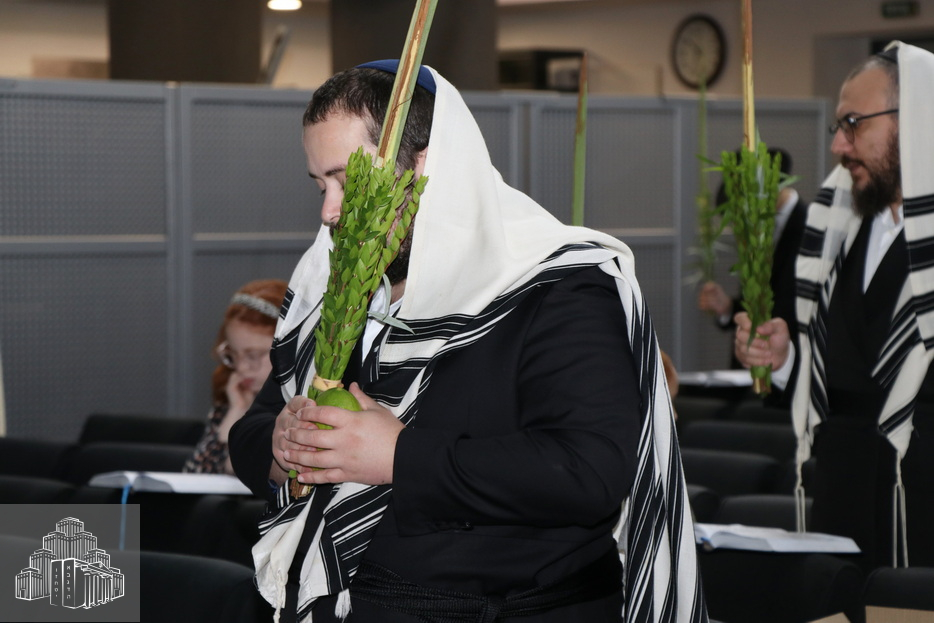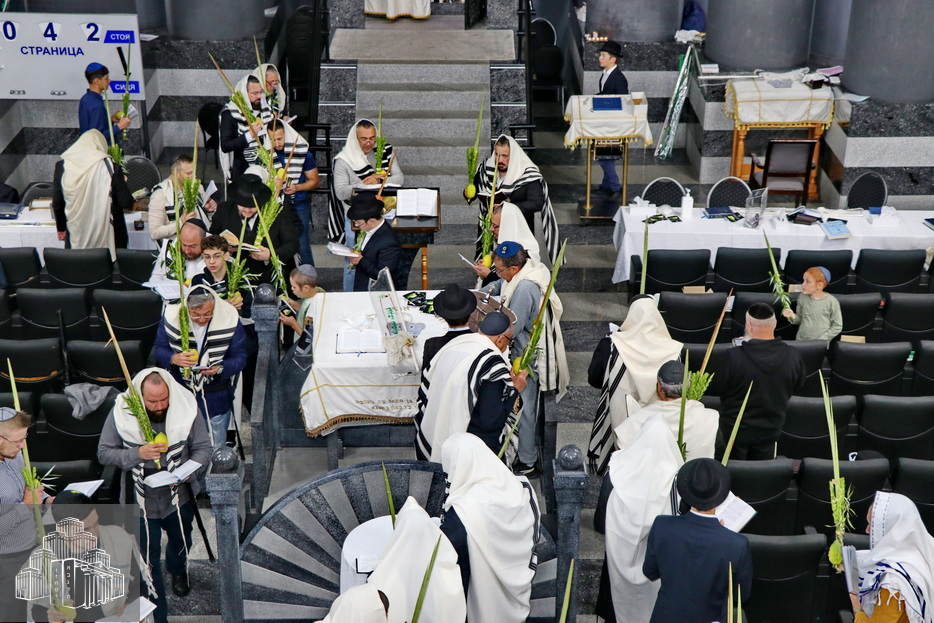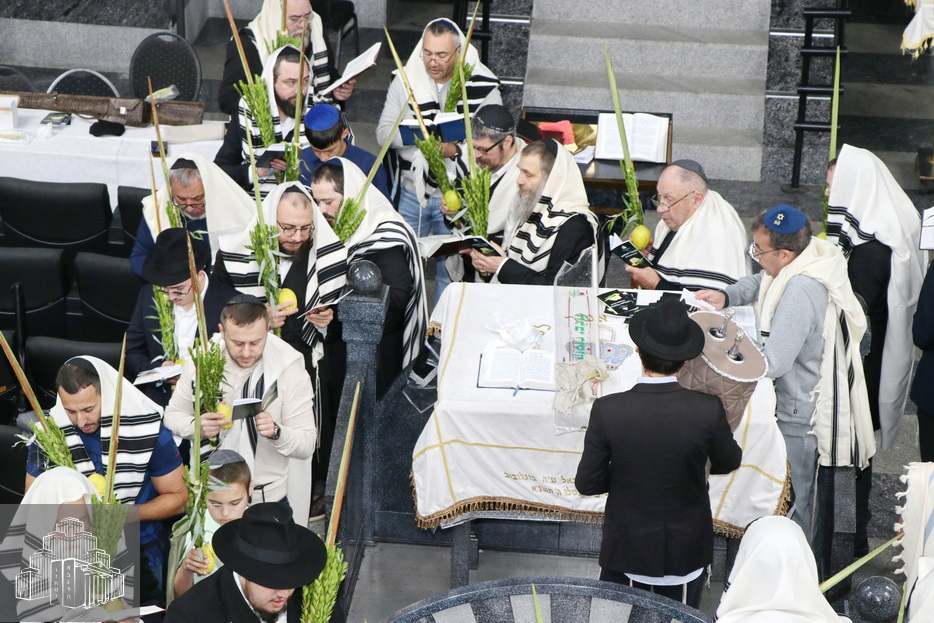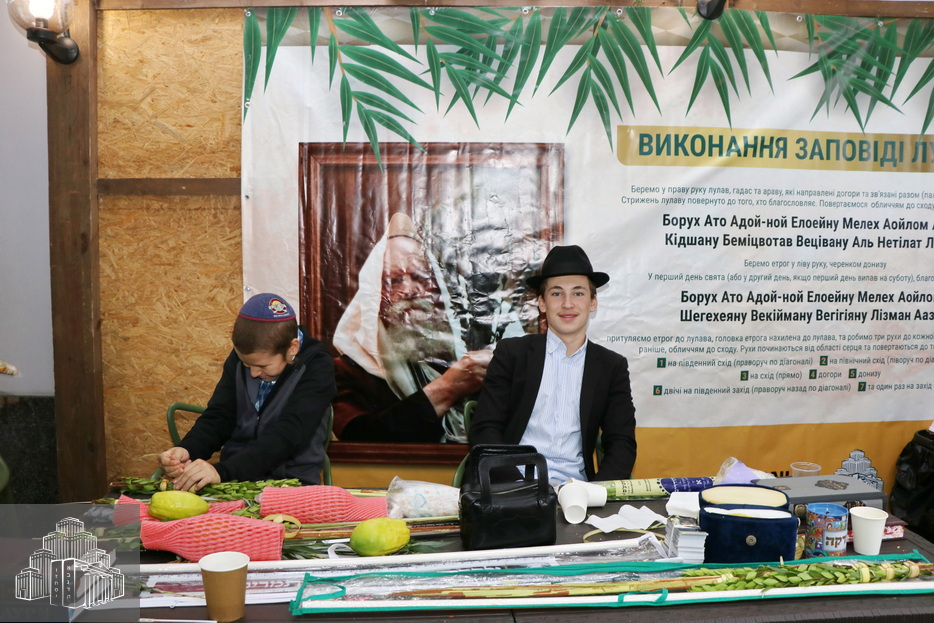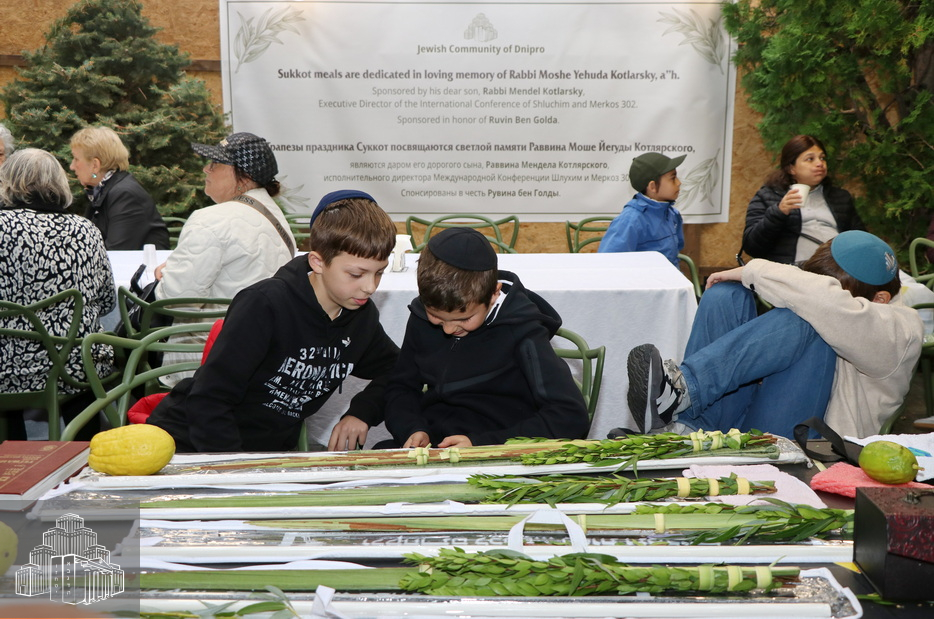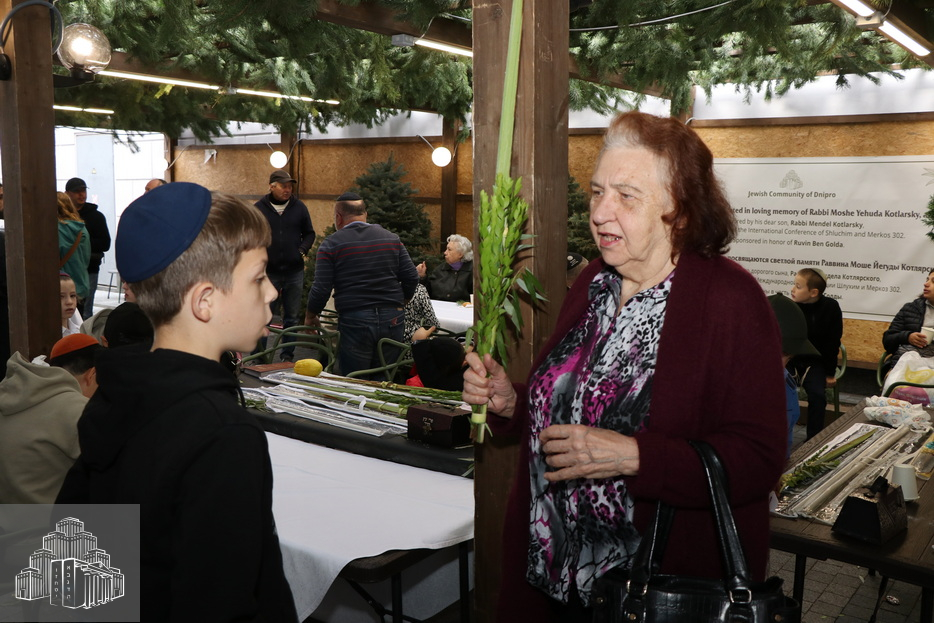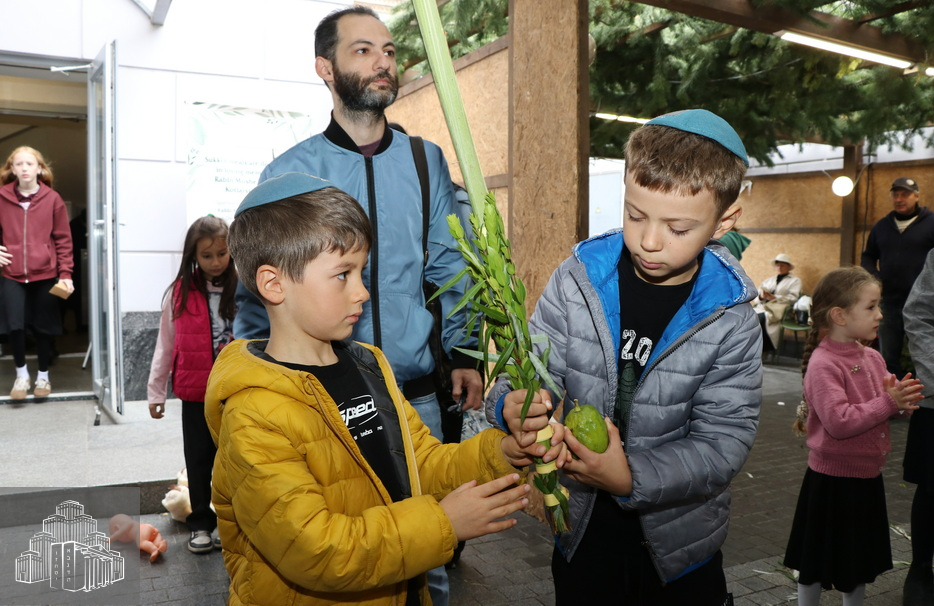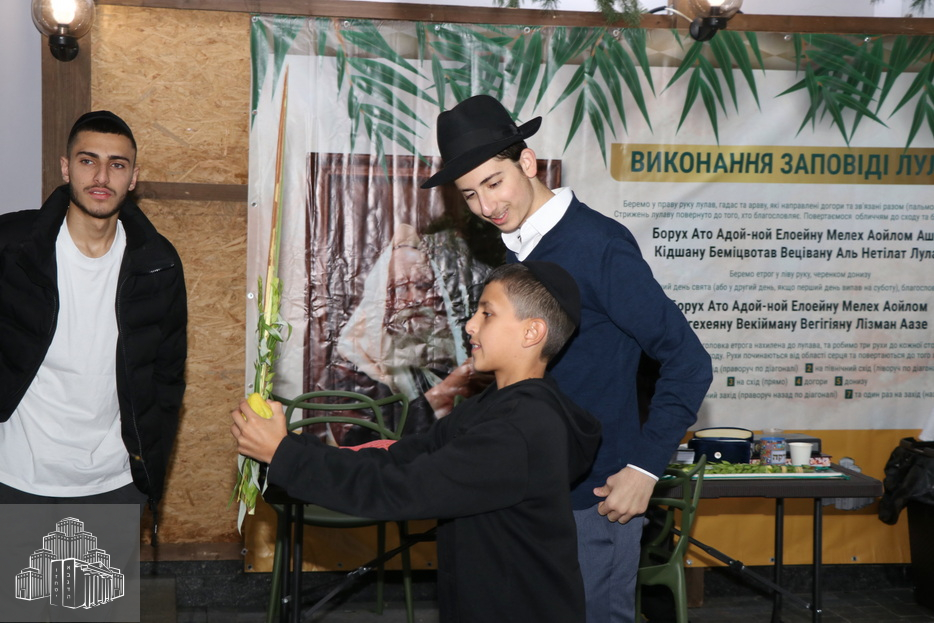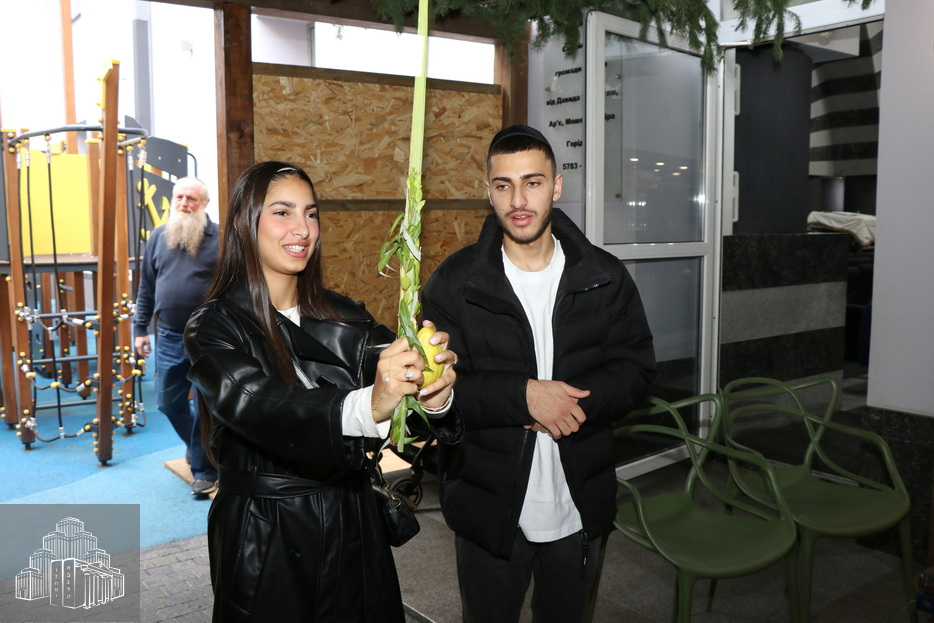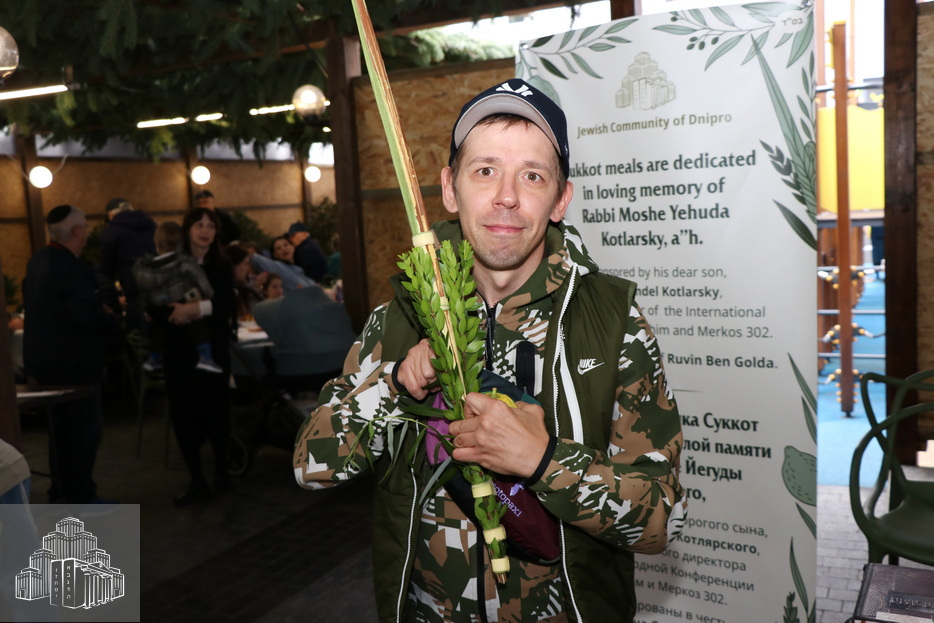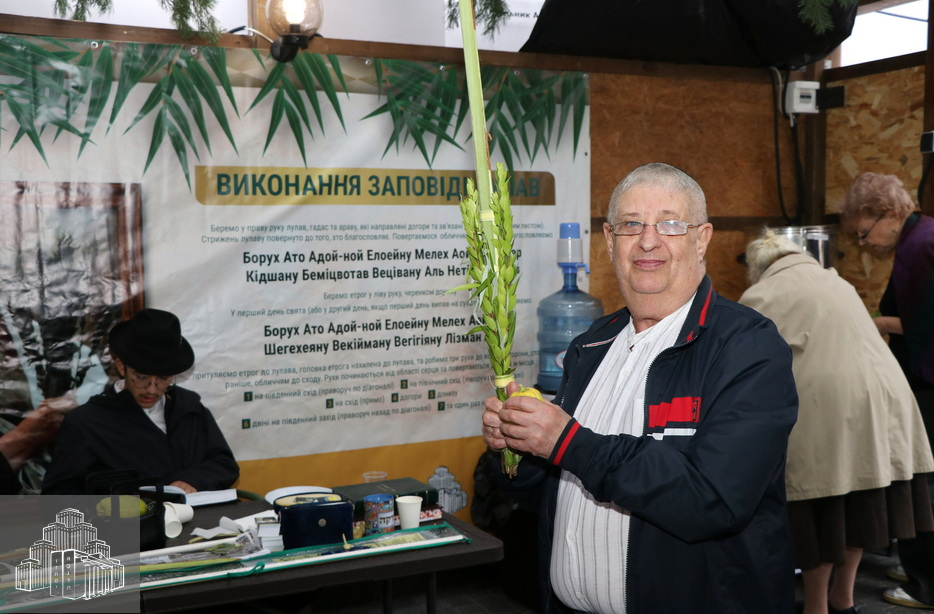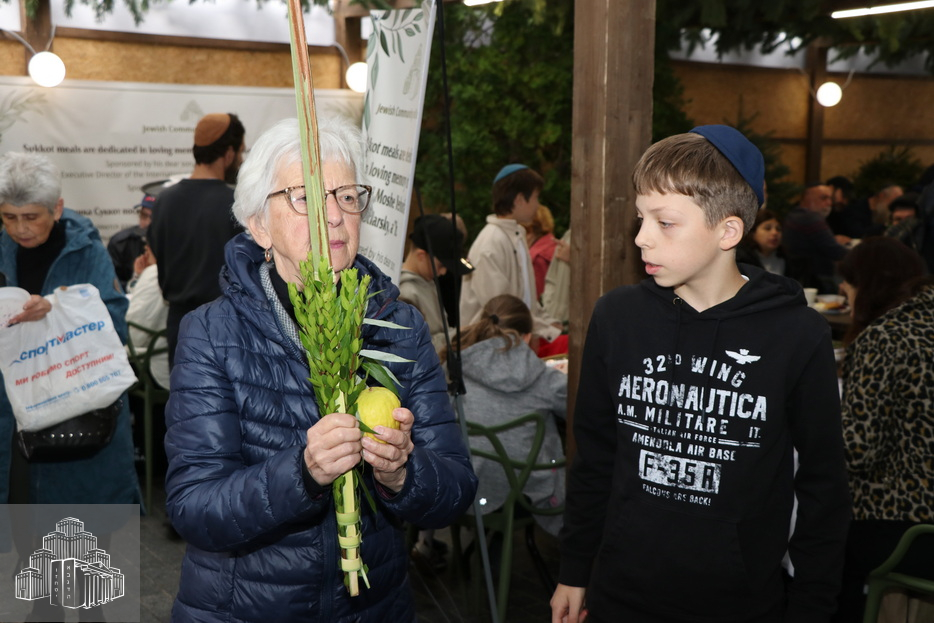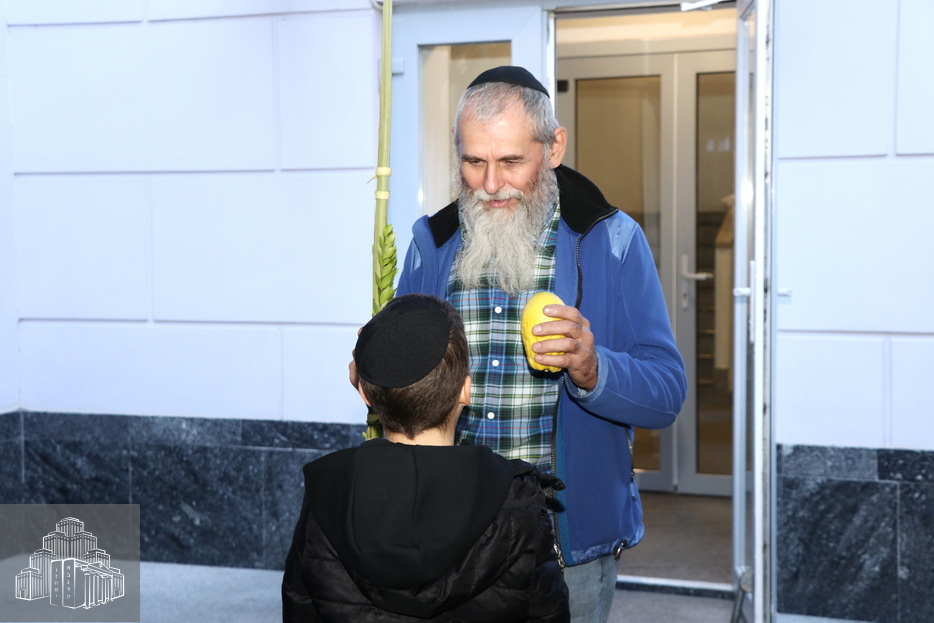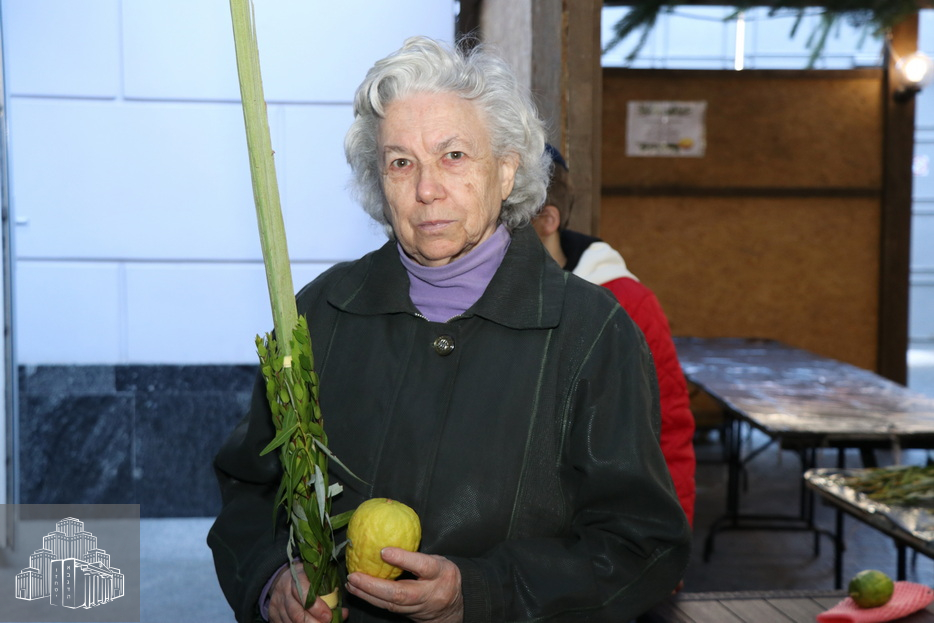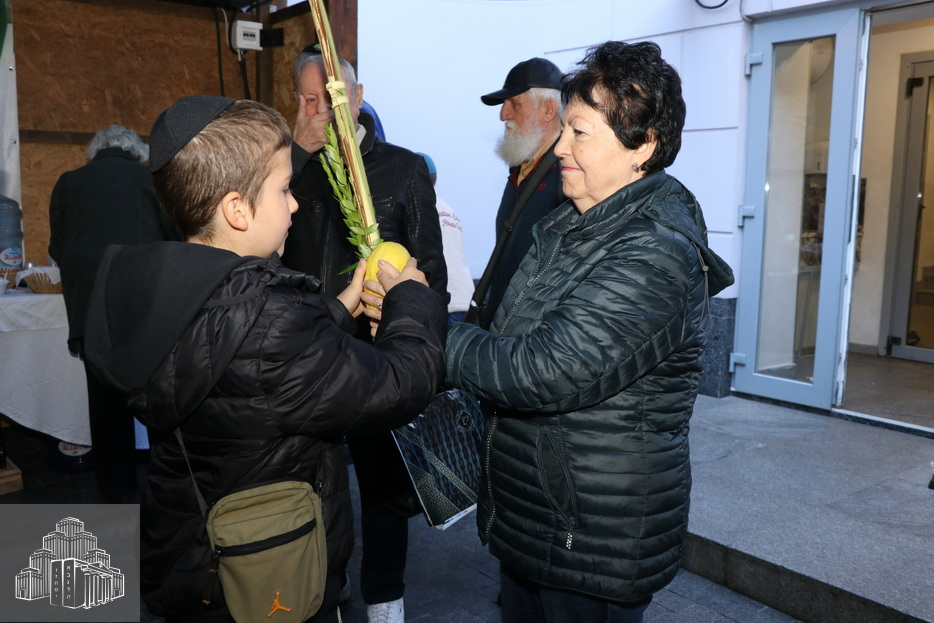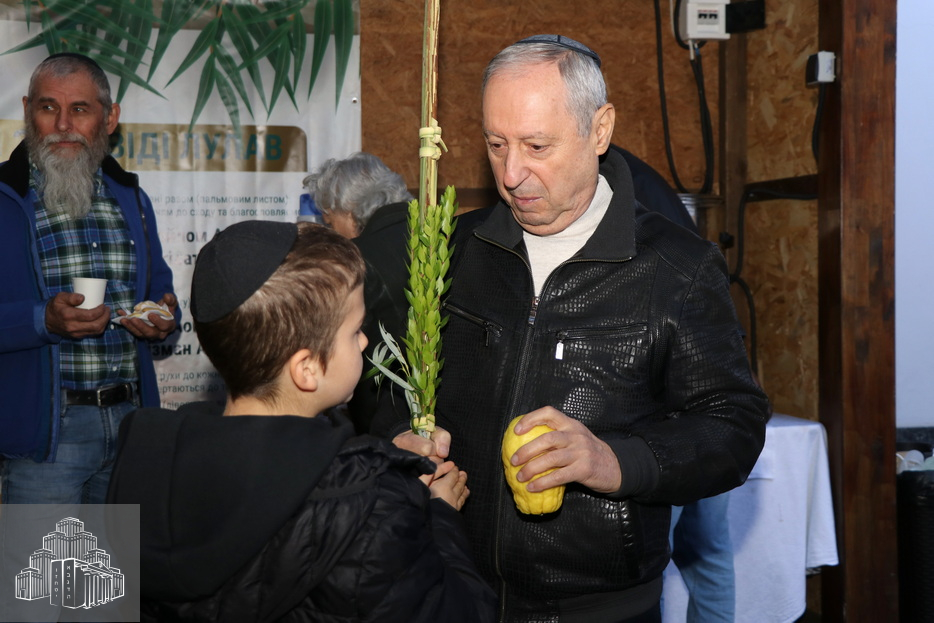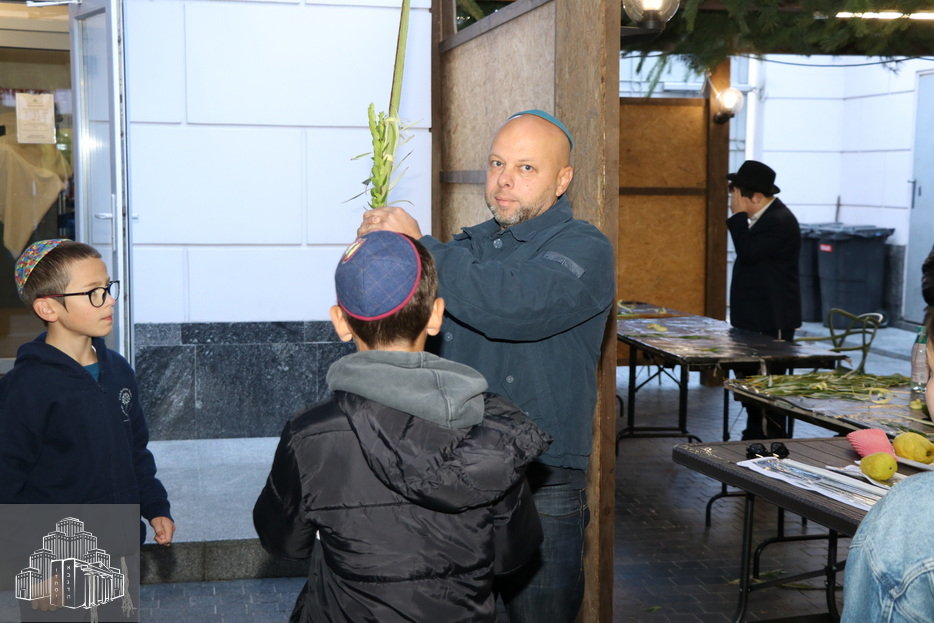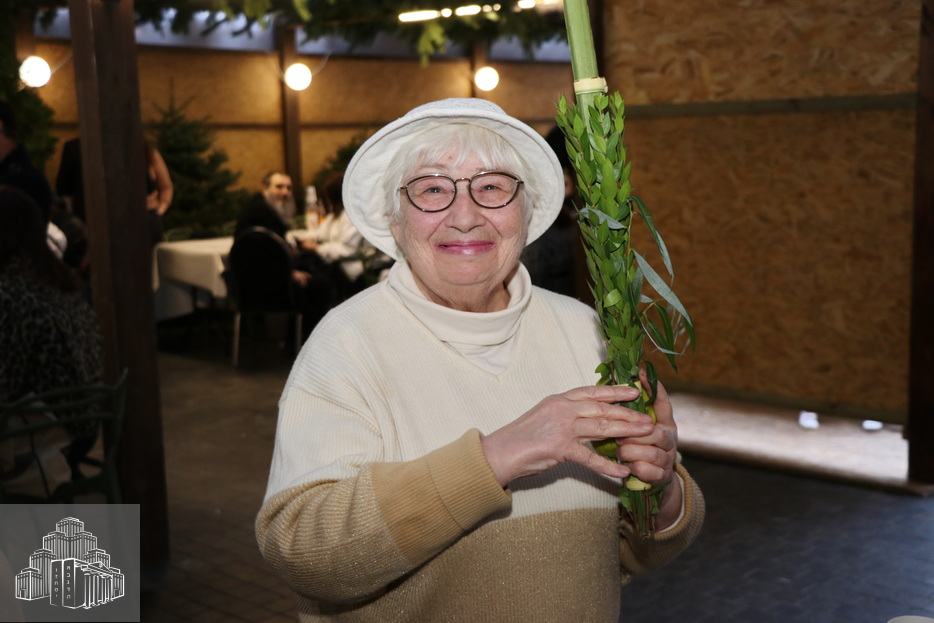




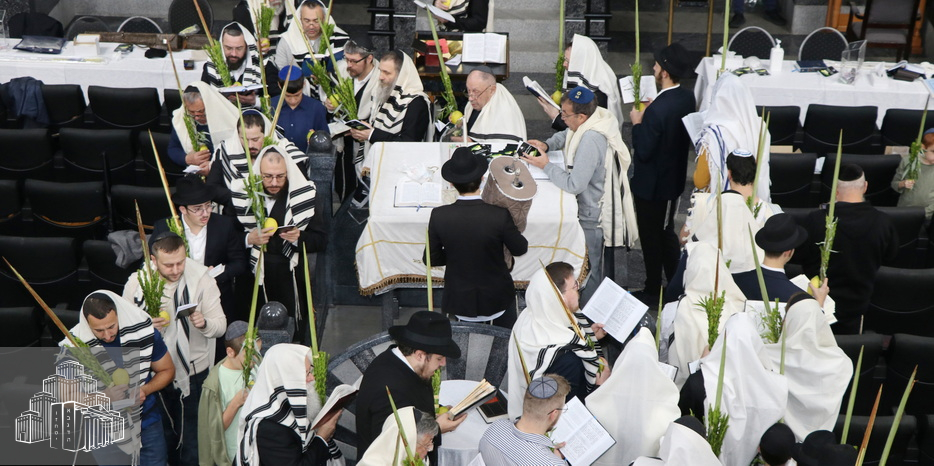
At the Central “Golden Rose” Synagogue, as throughout the entire Jewish Community of Dnipro, Sukkot became a time of joy, prayer, and unity. During these days, the inner courtyard of the synagogue was transformed into a festive space: a spacious sukkah was erected here, where community members gather for the fulfillment of mitzvos, festive meals, and Chassidic discussions.
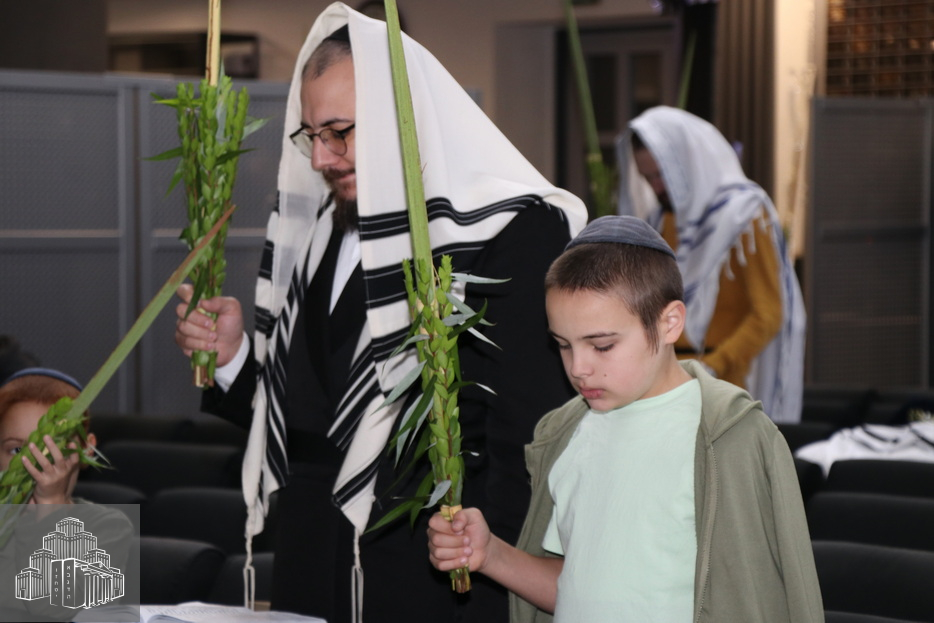
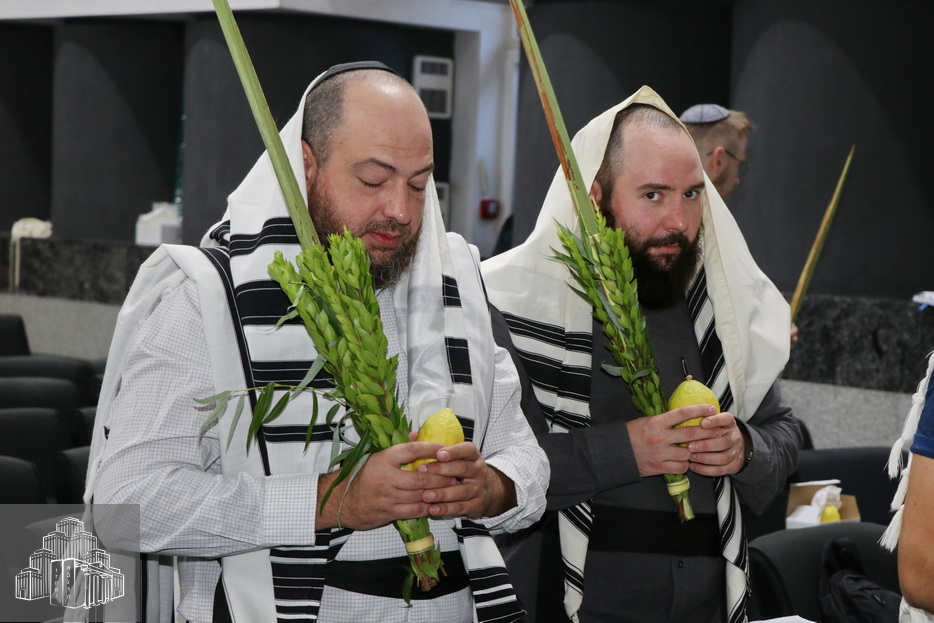
Among the important moments of the holiday are the reading of the Torah scroll, the special prayers of Sukkot, and the sound of Chassidic niggunim. Hundreds of community members purchased sets for fulfilling the mitzvah of “netilas lulav” – the lifting of the four species of plants that symbolize the unity of the Jewish people. Throughout all the festive days, a mivtzah post operates in the sukkah, where students of the Dnipro Yeshiva named after R. Levi Yitzchak Schneerson help every Jew fulfill the mitzvah in accordance with all the laws.
As it is said in the Torah: “And you shall take for yourselves on the first day the fruit of a splendid tree, branches of palm trees, and boughs of a thick-leaved tree, and willows of the brook, and you shall rejoice before the L-rd your G-d for seven days” (Vayikra 23:40).
The Midrash (Vayikra Rabbah 30:12) reveals the symbolism of these plants, comparing them to different types of Jews who, despite their differences, are united into one whole.
The esrog, which possesses both taste and fragrance, symbolizes Jews who have both knowledge of Torah and good deeds.
The lulav (palm branch), whose fruits have taste but lack fragrance, represents those who possess knowledge of Torah but do not perform good deeds.
The hadas (myrtle), which has fragrance but no taste, symbolizes those who perform good deeds but lack Torah learning
The arava (willow), which has neither taste nor fragrance, represents those who lack both.
All four species are united in a single mitzvah, reminding us that service to the Almighty is connected to the unity of all Jews.
Sukkot at the “Golden Rose” is not only the fulfillment of mitzvos, but also an opportunity to spend the festive days together, to pray, to socialize, and to support one another. Thanks to the leadership of the Chief Rabbi of Dnipro, Shmuel Kaminezki, the community preserves an atmosphere of mutual respect, support, and spiritual growth.