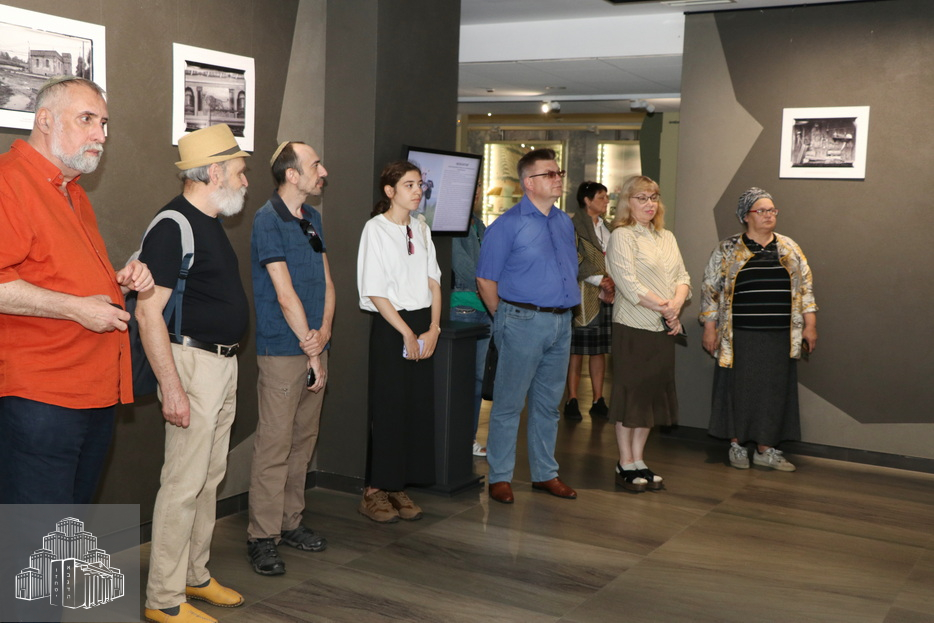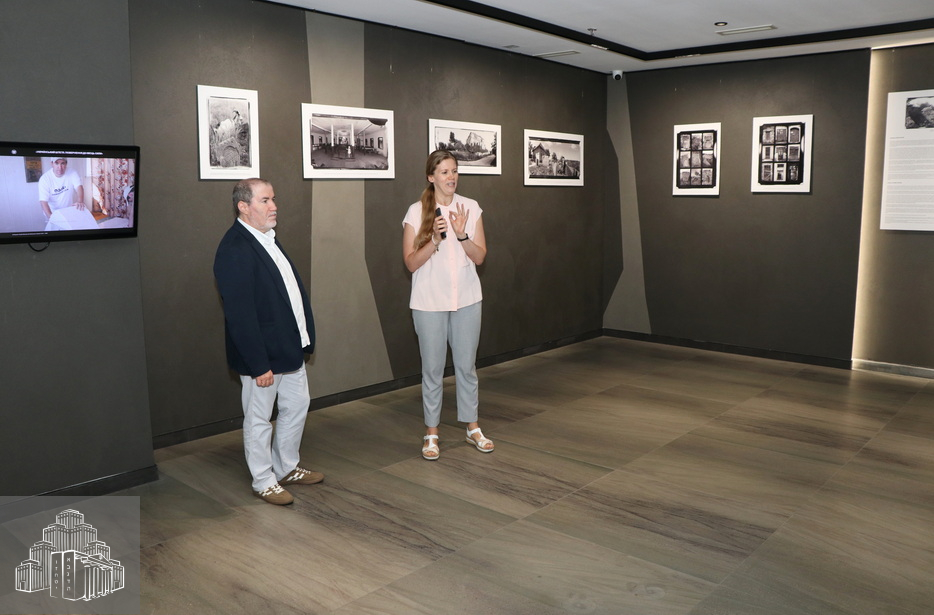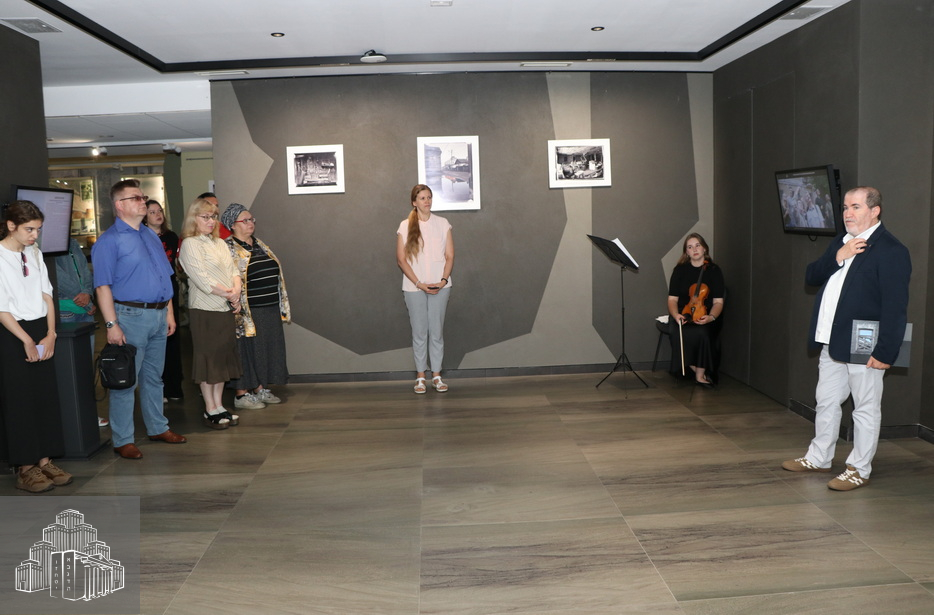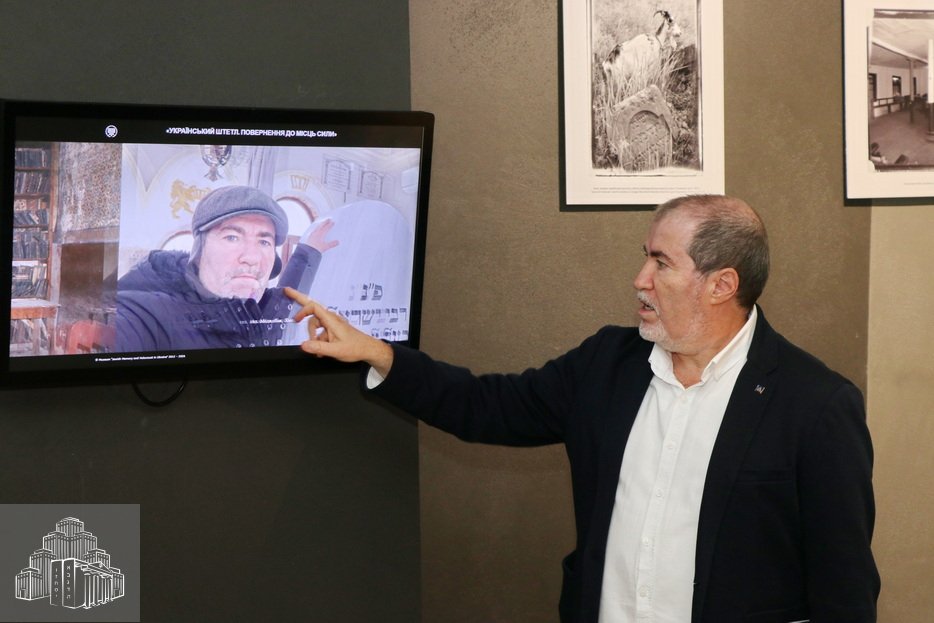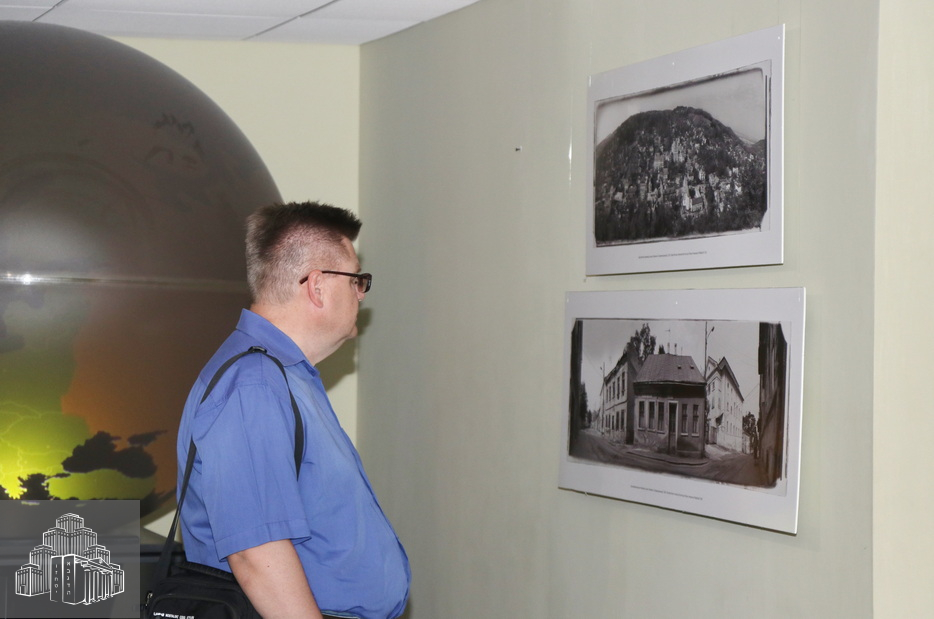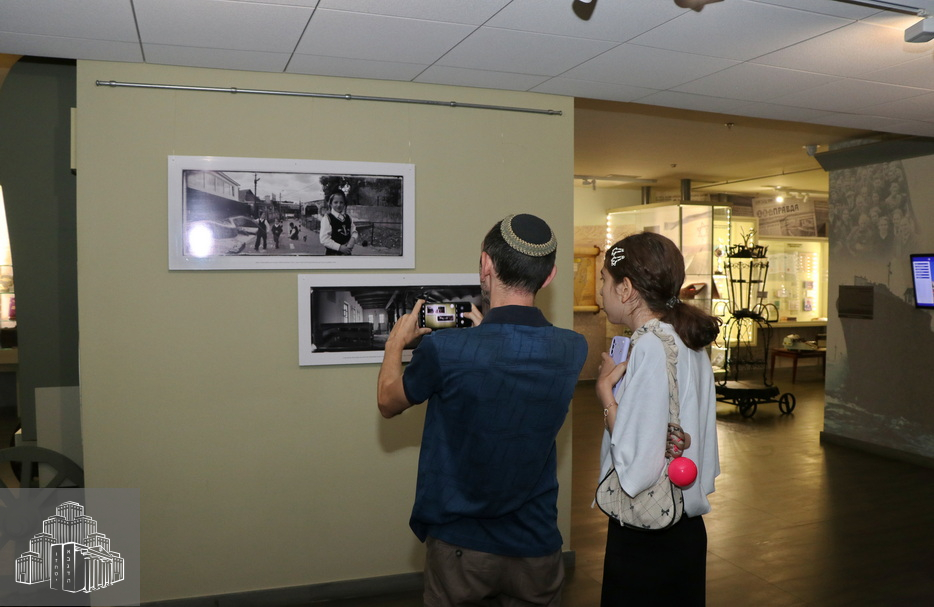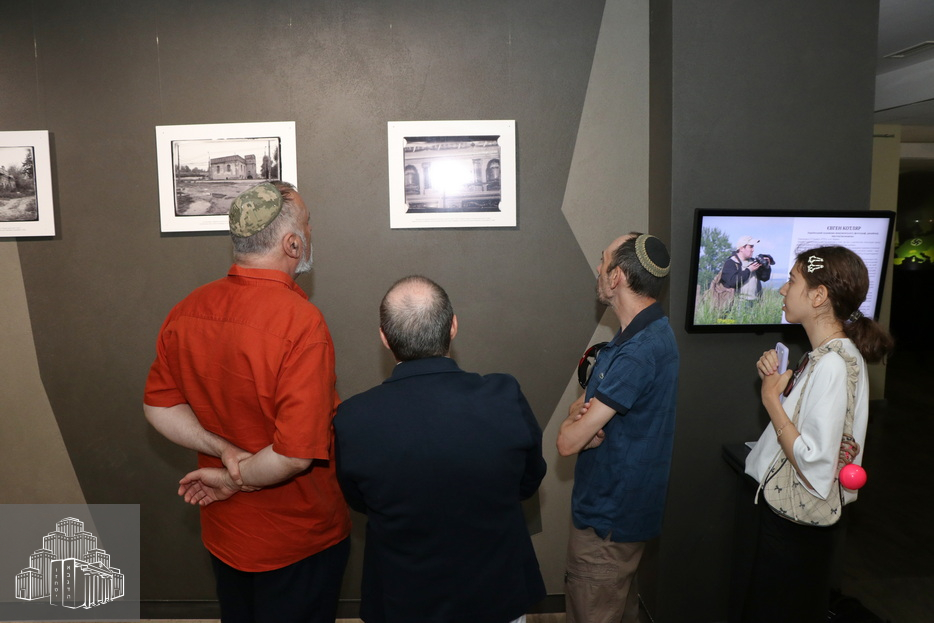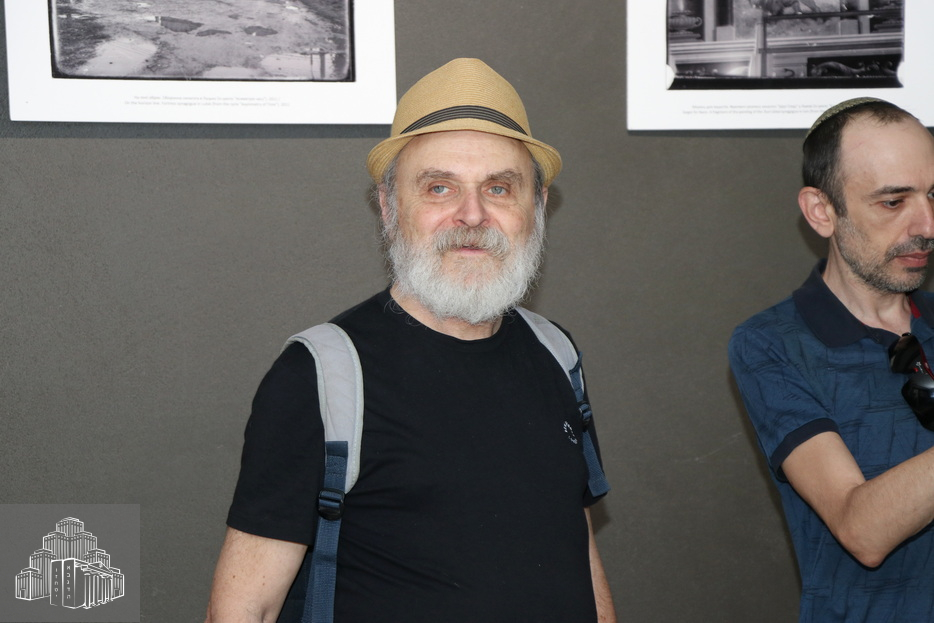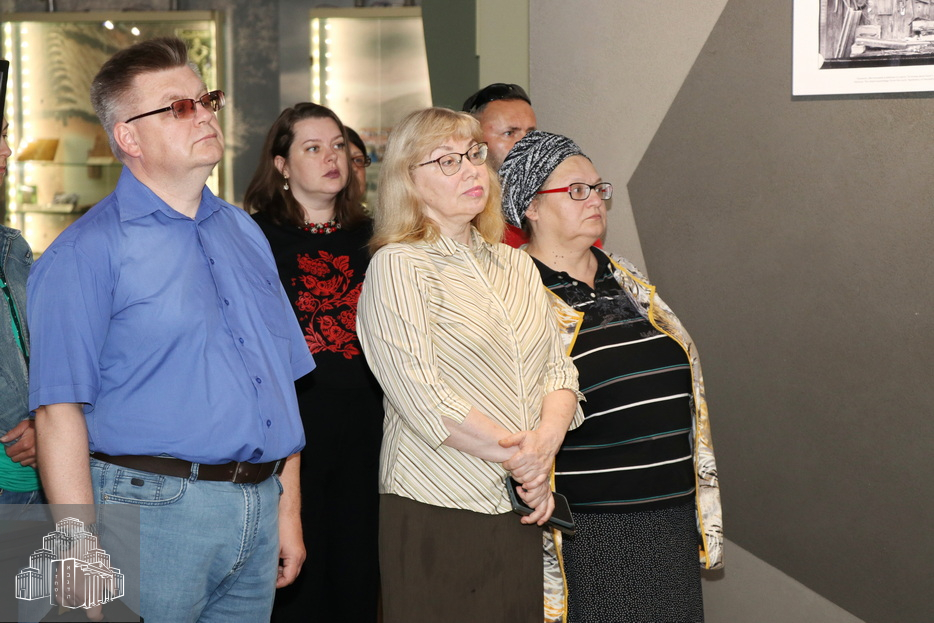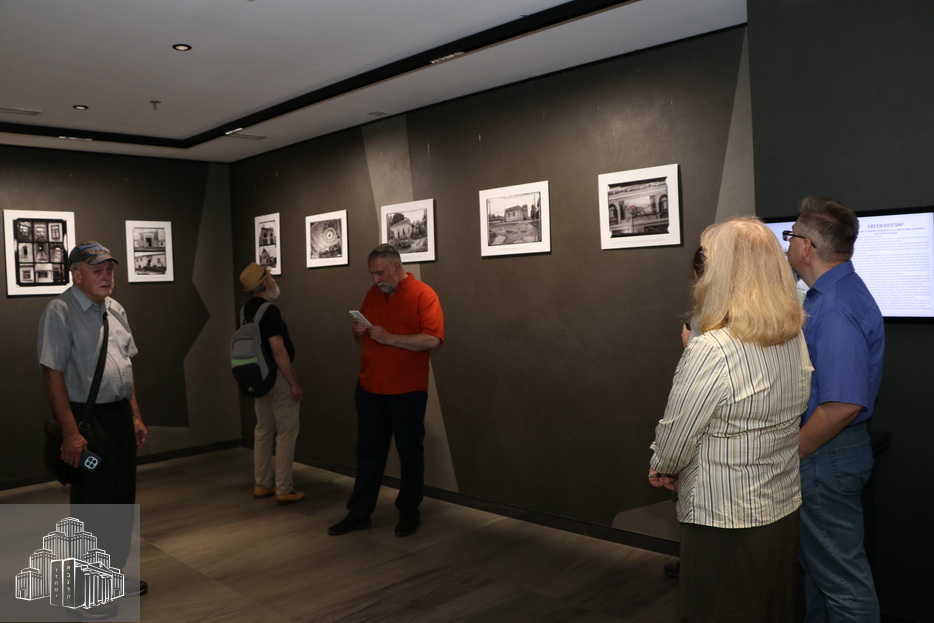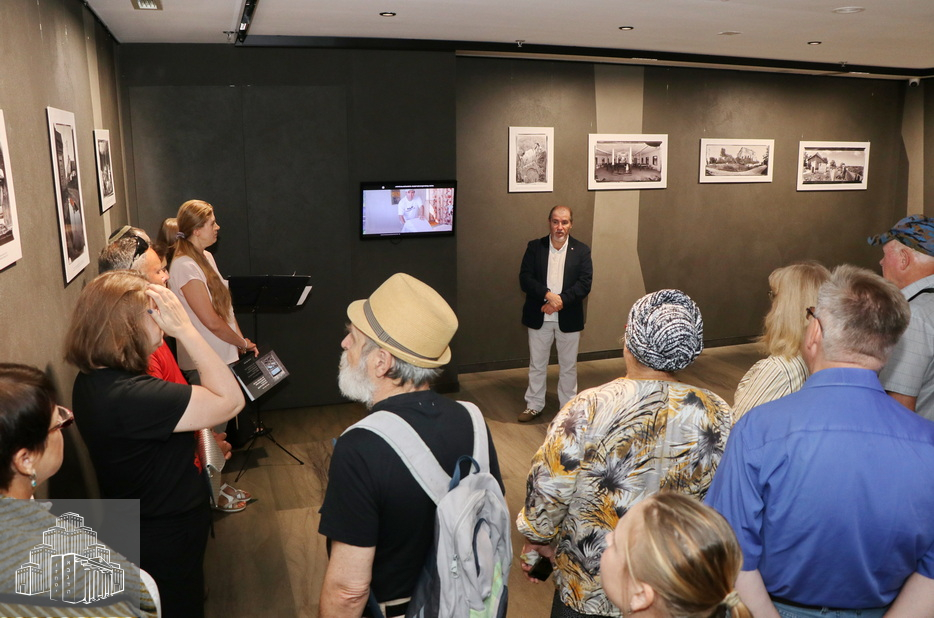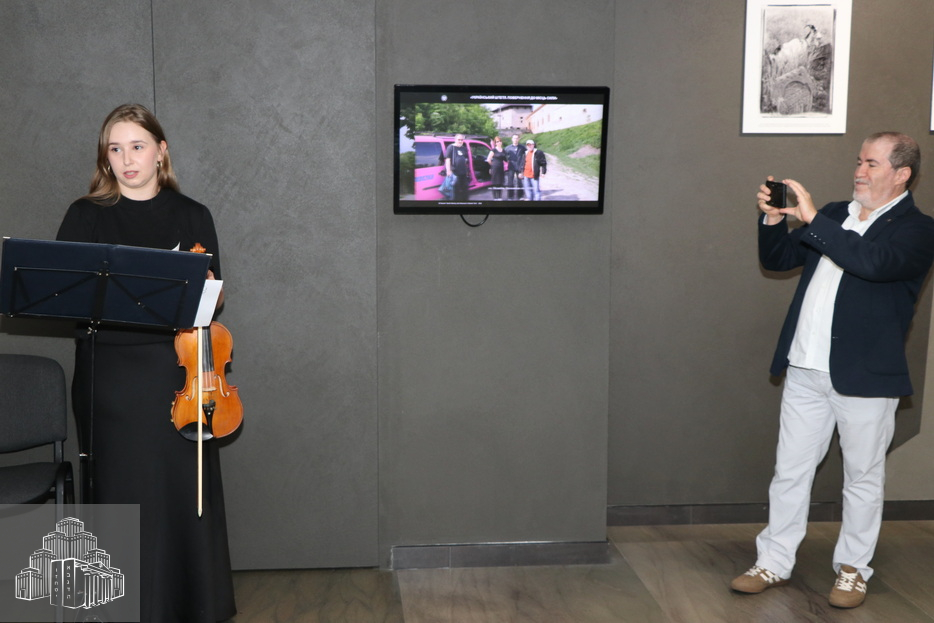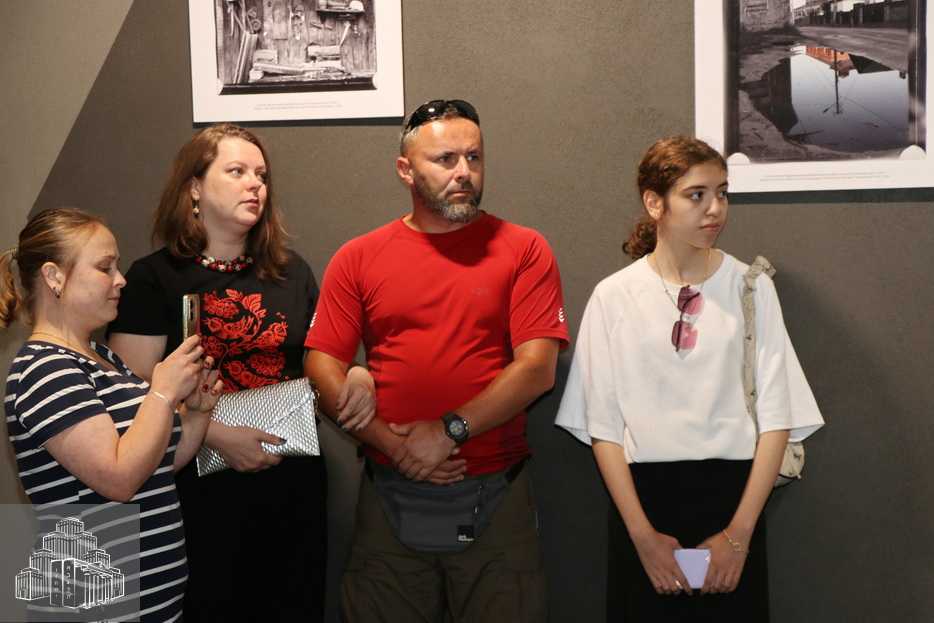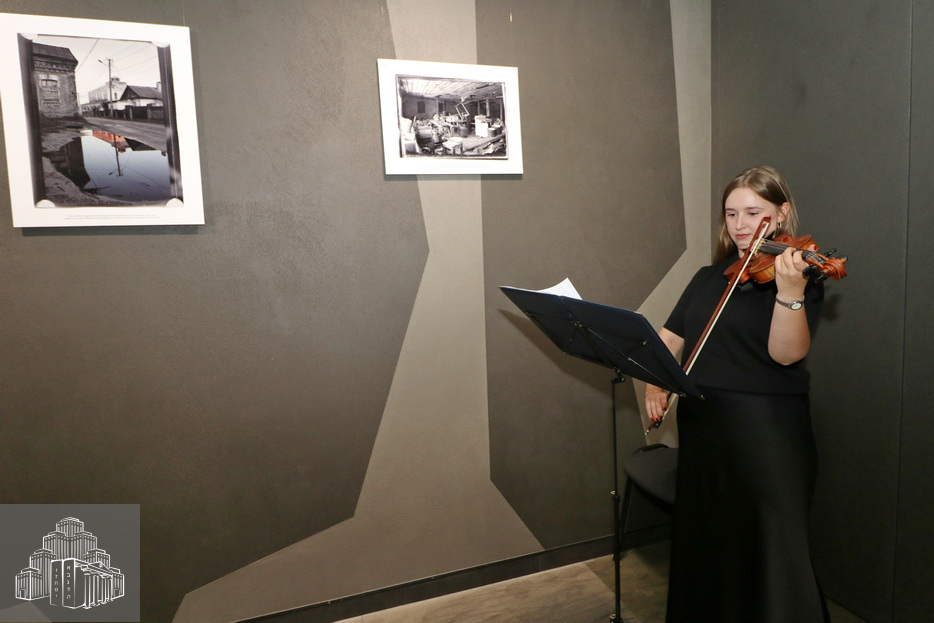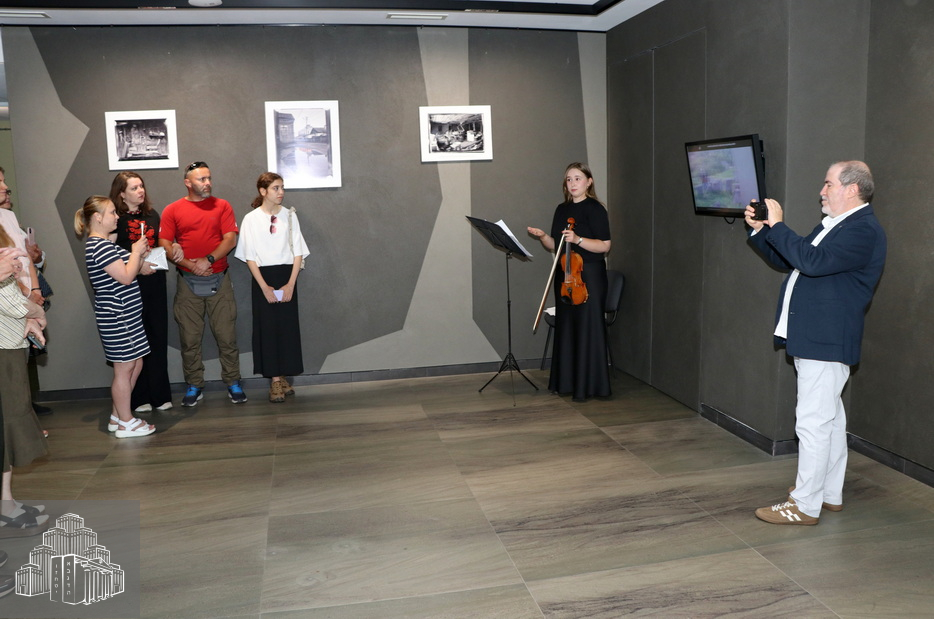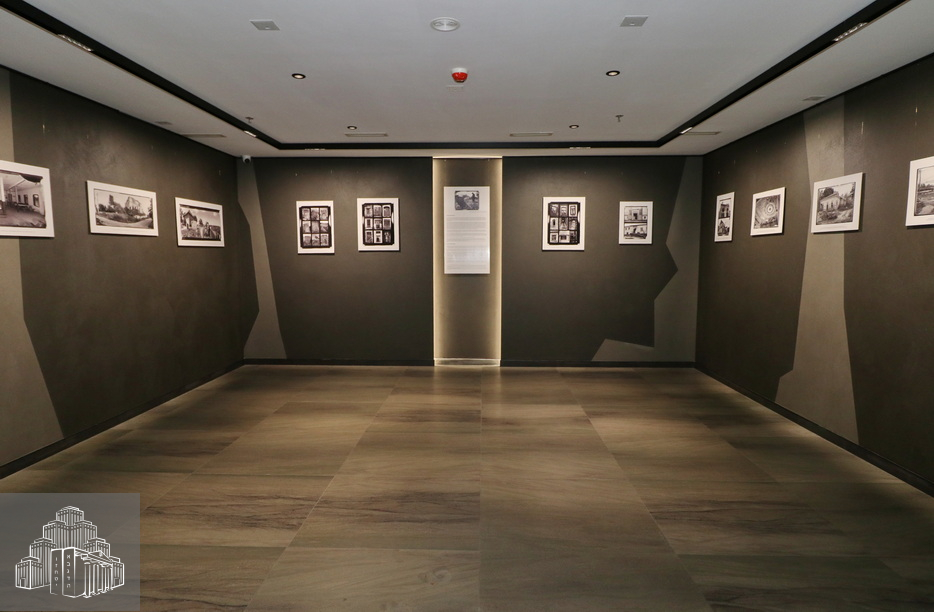




At the Museum “Jewish Memory and Holocaust in Ukraine,” a leading cultural and historical institution of the Jewish Community of Dnipro, with the support of the United Jewish Community of Ukraine, the exhibition “Ukrainian Shtetl. Return to Places of Power. Photographic Journeys Through Former Jewish Towns” has opened. Through the preserved architectural and cultural landscape, the exhibition offers an opportunity to see the world to which the centuries-long history of Ukrainian Jewry was connected.
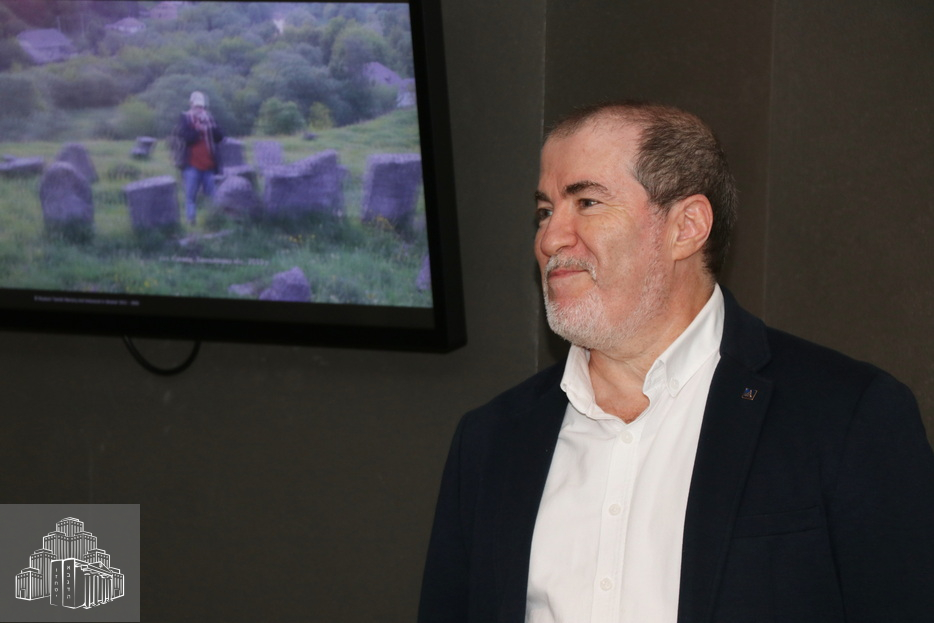
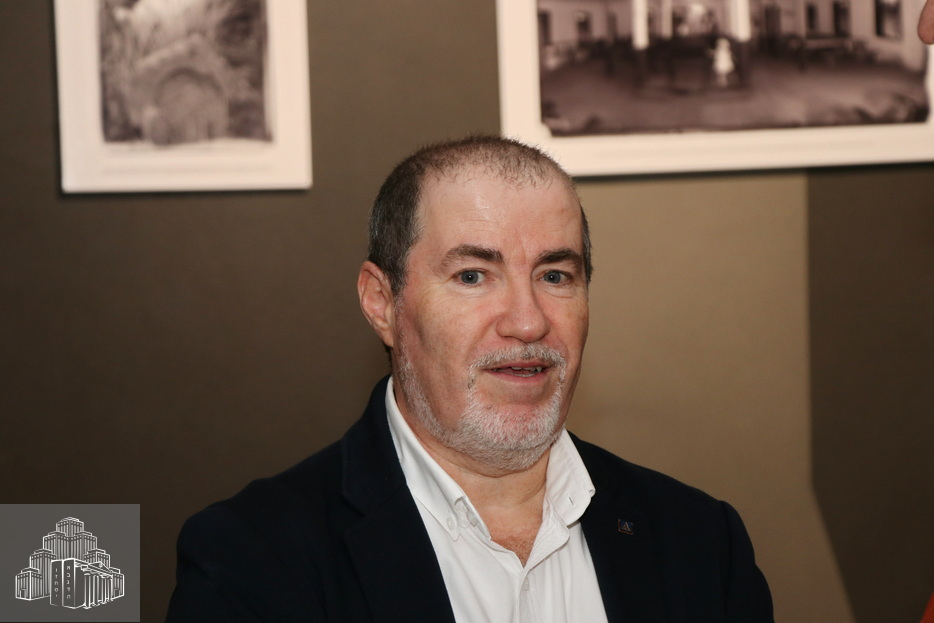
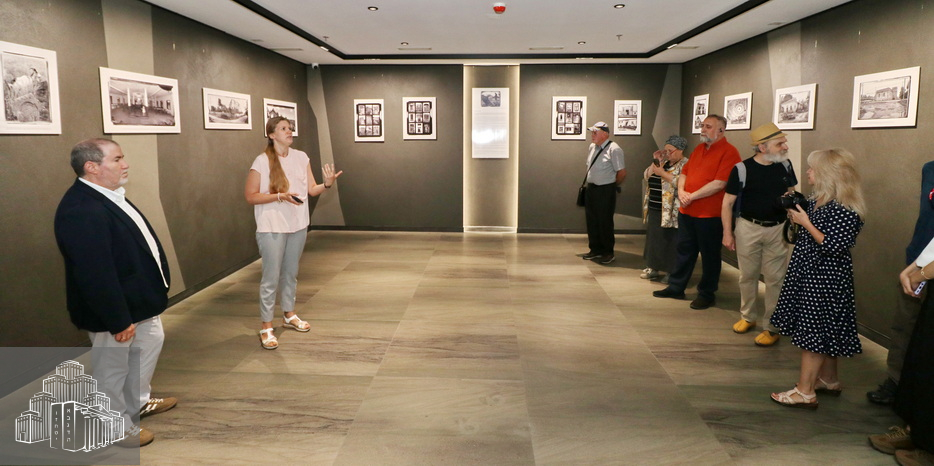
The exhibition was opened by the Museum’s Director, Candidate of Historical Sciences, Dr. Iryna Radchenko, who introduced the author of the project “Ukrainian Shtetl. Return to Places of Power” – the renowned Kharkiv-based artist, researcher of Jewish heritage, and Professor at the Kharkiv State Academy of Design and Arts, Yevgeny Kotlyar. She noted that holding exhibitions of this kind is an important part of the Museum’s ongoing work to create a modern cultural space. She emphasized that for the Jewish Museum of Dnipro, presenting this project has become a significant part of its efforts to preserve, study, and promote the historical heritage of Ukrainian Jewry, as well as to develop cultural dialogue and promote contemporary art projects on Jewish themes.
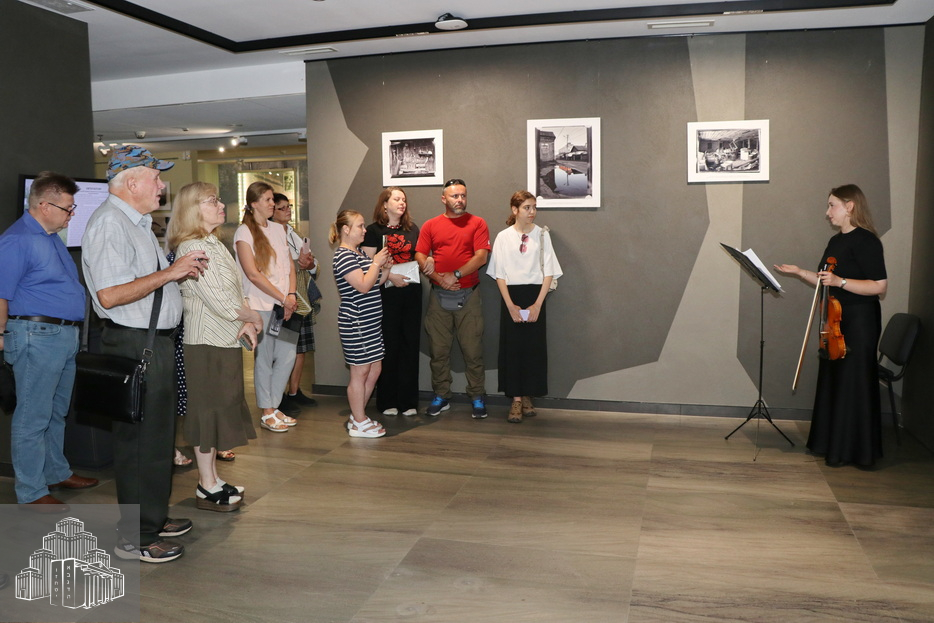
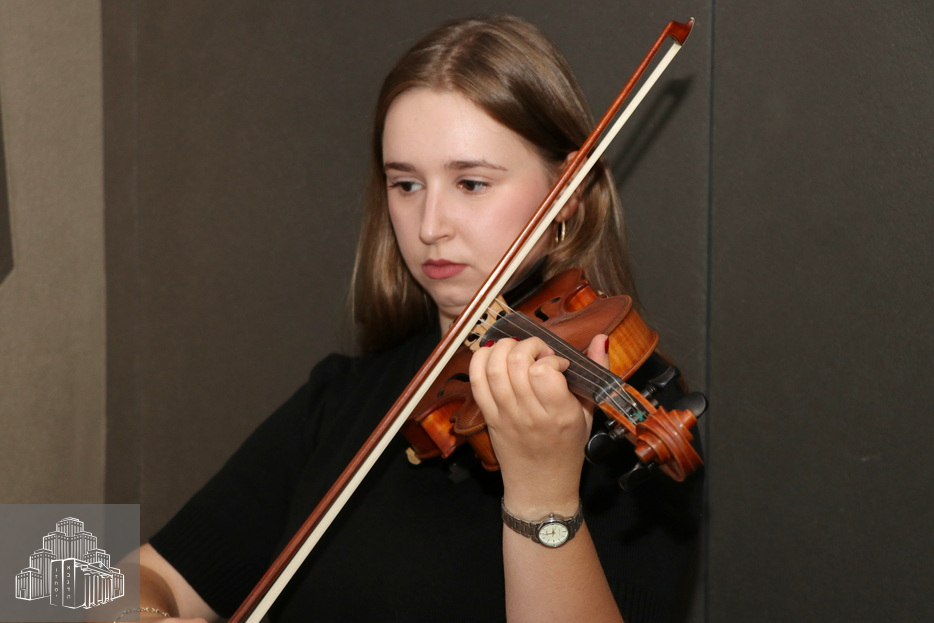
During the opening ceremony, those present learned about the project’s concept, which brings together six thematic cycles – “Contours of the Shtetl,” “Silence. Panoramas of Yiddishland,” “The Aesthetics of Desolation,” “Asymmetry of Time,” “Faces of the Towns,” and “Shtetl. Transgression” – each offering its own perspective on the space of the former Jewish town, preserved in architecture and landscape, human memory, and stories. The opening was accompanied by violinist Adel Kontorovich, whose music complemented the exhibition’s atmosphere and created a special emotional connection with the works on display.
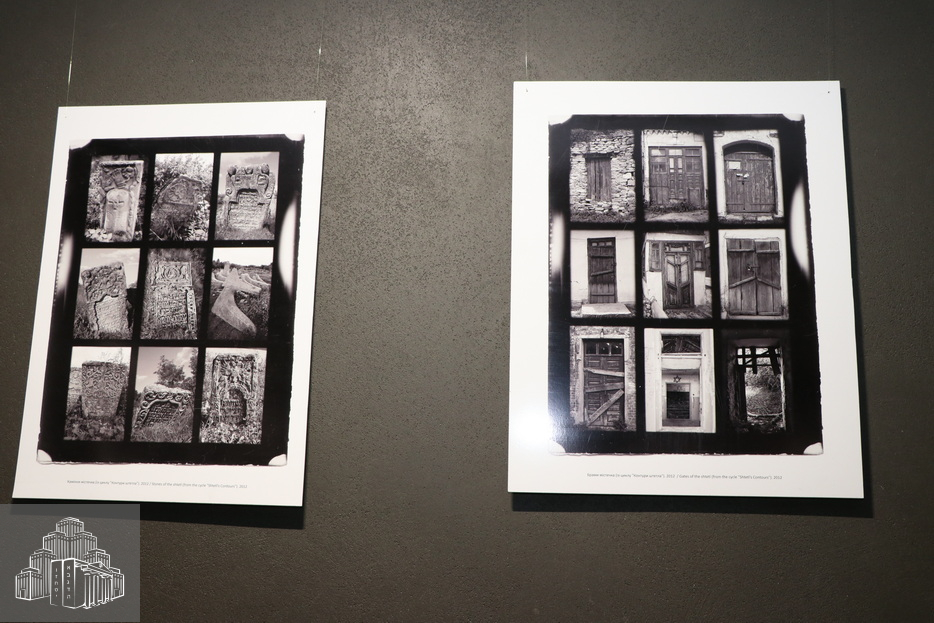
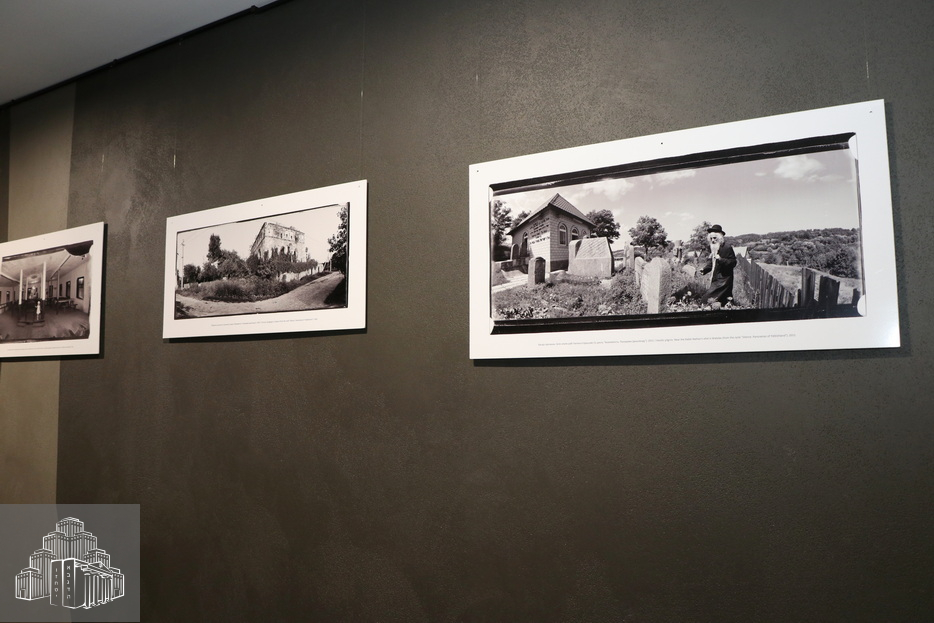
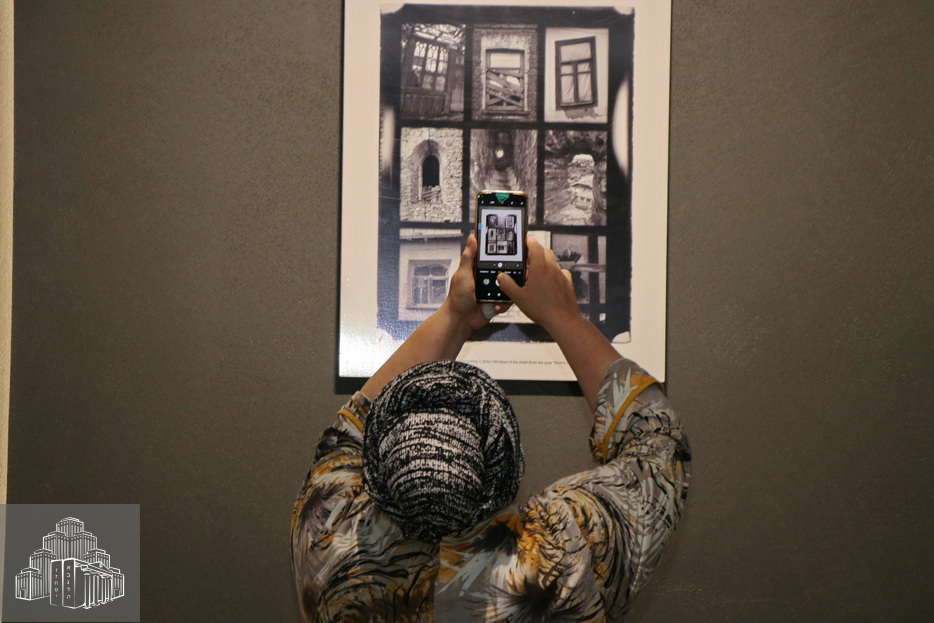
The project “Ukrainian Shtetl. Return to Places of Power. Photographic Journeys Through Former Jewish Towns” is based on materials gathered by Yevgeny Kotlyar during numerous research expeditions from 2002 to 2024. Stylized black-and-white photographs and photomontages form a kind of visual encyclopedia of the Ukrainian shtetl, in which documentary authenticity combines with artistic interpretation, and history and memory with contemporary perception of places where Jewish life once thrived. Old synagogues and cemeteries, streets and houses, preserved architectural details and empty spaces bear witness to a vanished world while also allowing one to sense its enduring presence.
The project already has a significant exhibition history. Its large-scale display was presented in New York on the initiative of the Center for Jewish Studies at Fordham University, after which the exhibition was shown in Kharkiv, Kyiv, and Uzhhorod, and has now come to Dnipro. Presenting the exhibition to Dnipro audiences, Yevgeny Kotlyar emphasized that over two decades, the former Jewish towns have transformed for him from objects of artistic and research interest into a part of his own biography.
“Today, projects like this take on special significance for us, as they become a kind of refuge, an opportunity to fill life with something deep and authentic that exists slightly outside the space of our everyday reality and prevents us from fully sinking into the tragedy of what is happening around us,” said Yevgeny Kotlyar. “For me, this project is also deeply personal: for over twenty years, I have been gradually discovering the world of Jewish towns in Ukraine. I first visited such a town in 2002, and a goat—a traditional domestic animal of Jewish families—that unexpectedly approached me, suddenly seemed like a living messenger from the vanished Jewish world. From that time on, I returned to these places as a researcher and artist, came with students and with my own children, met with the last local Jews, and studied the preserved architectural and cultural landscape.
And twenty years later, when we evacuated from Kharkiv and traveled west, these very towns became for me a space in which I felt the protection and strength of the generations that once lived there. So for me, this exhibition is not just a visual encyclopedia of Ukrainian Jewish heritage, but an opportunity to feel the presence of a vanished world and its connection to our present day.”
The exhibition “Ukrainian Shtetl. Return to Places of Power. Photographic Journeys Through Former Jewish Towns” will run at the Museum “Jewish Memory and Holocaust in Ukraine” until October 14. It can be visited on Wednesdays and Sundays from 10:00 AM to 7:00 PM (entry to the Museum until 6:00 PM).