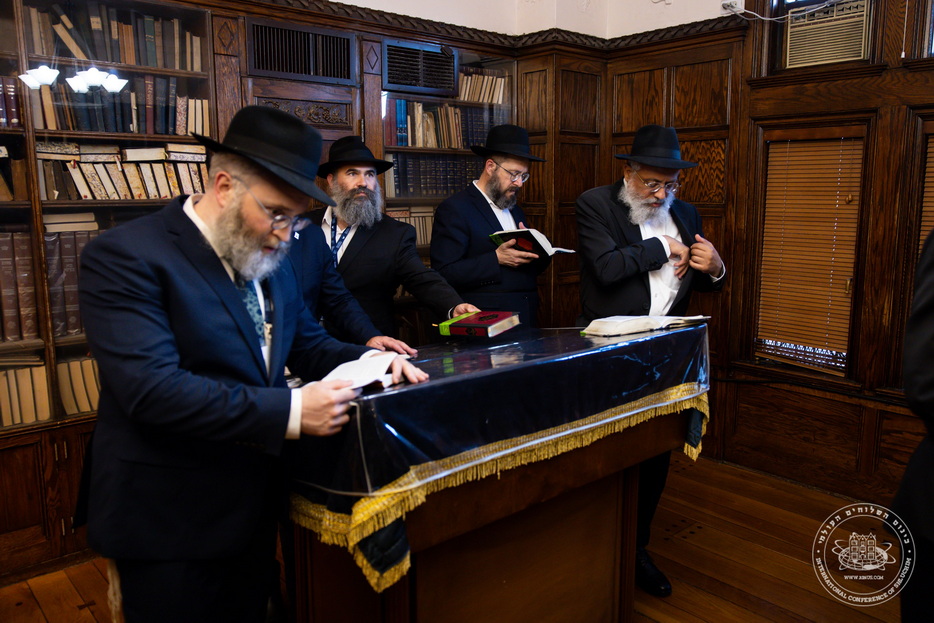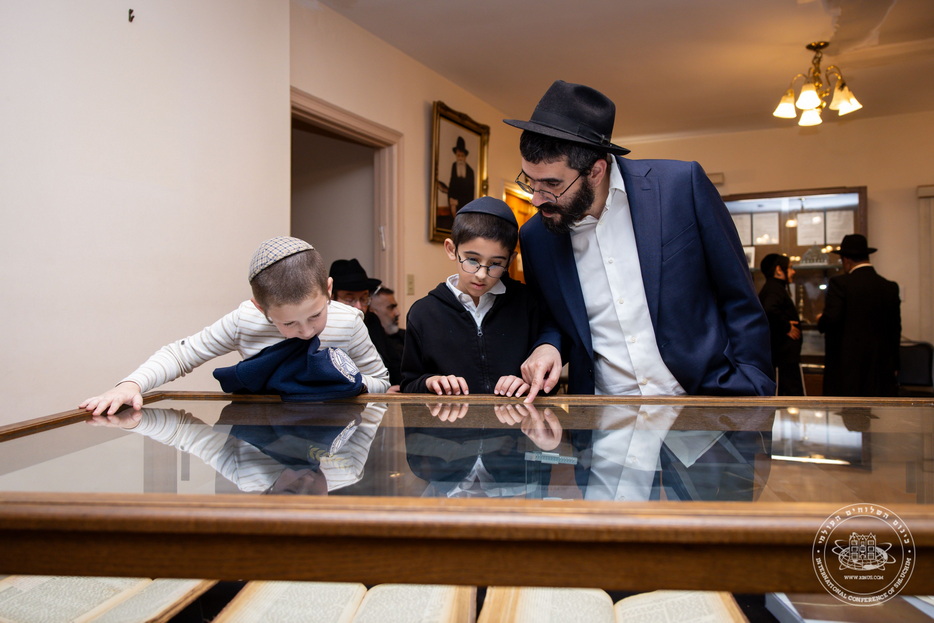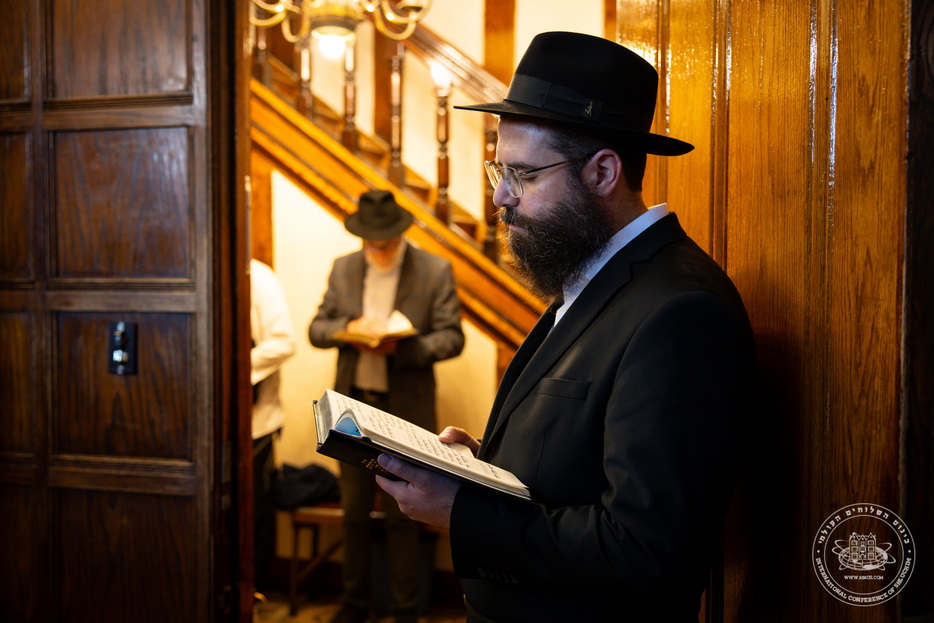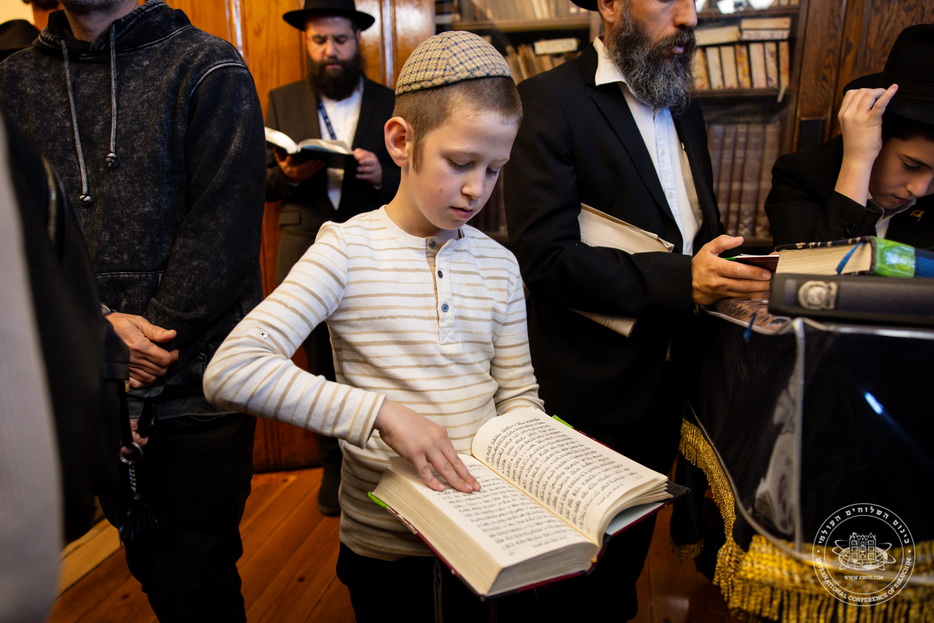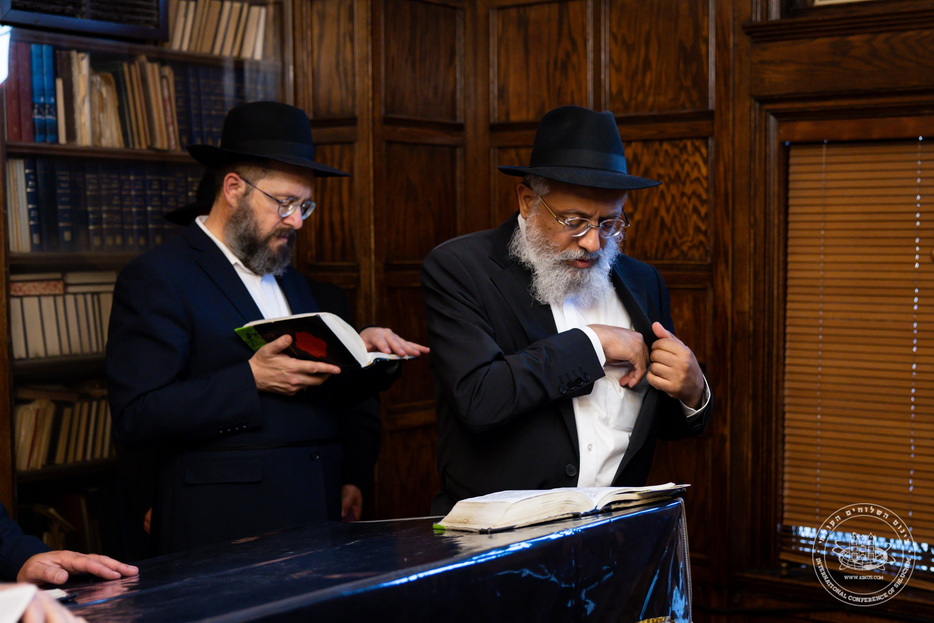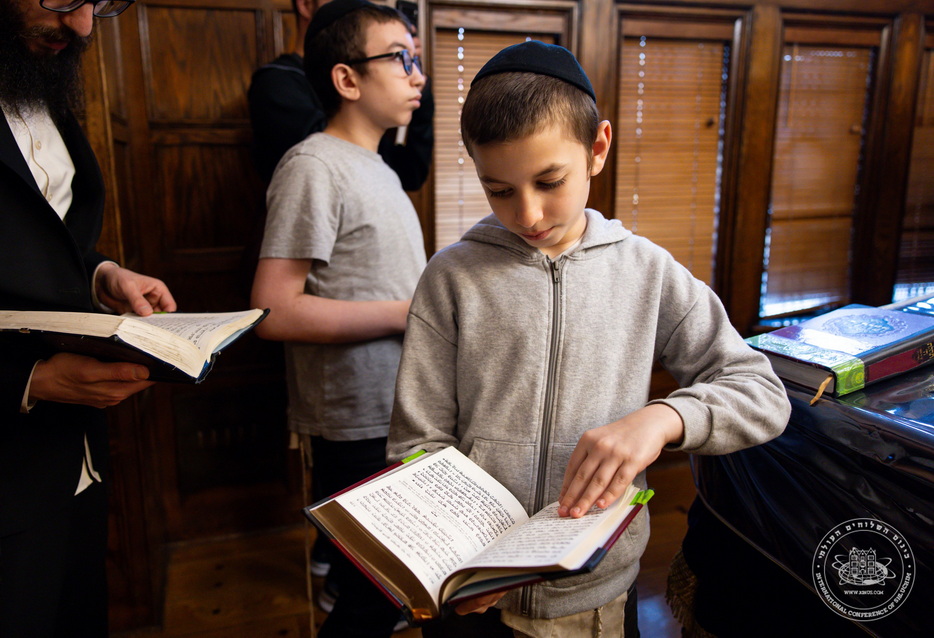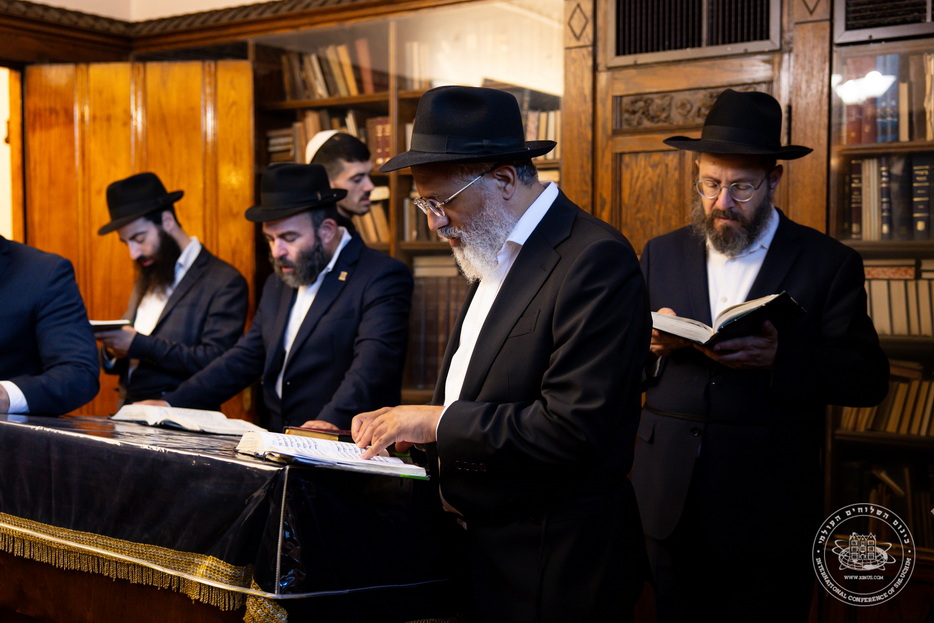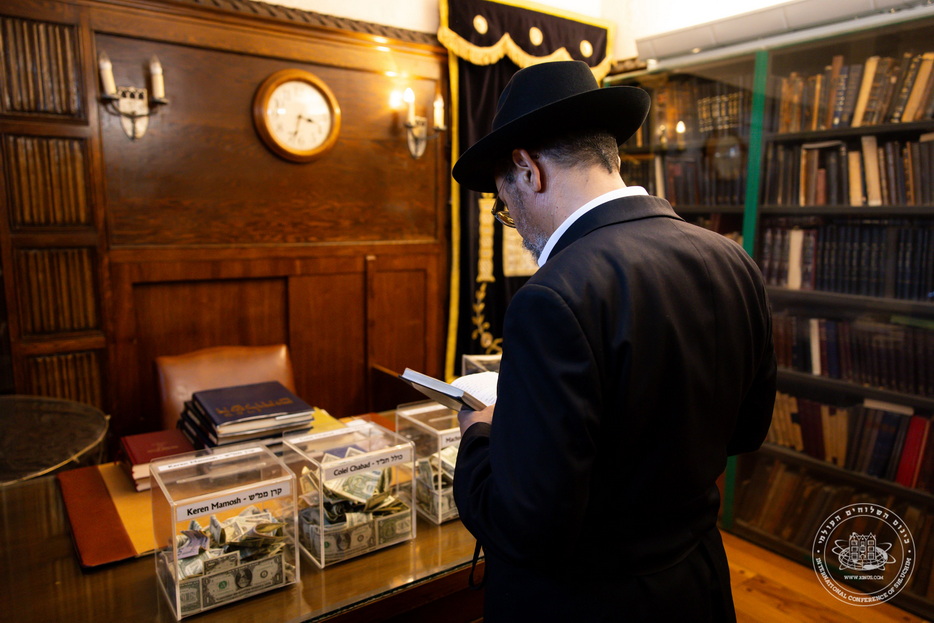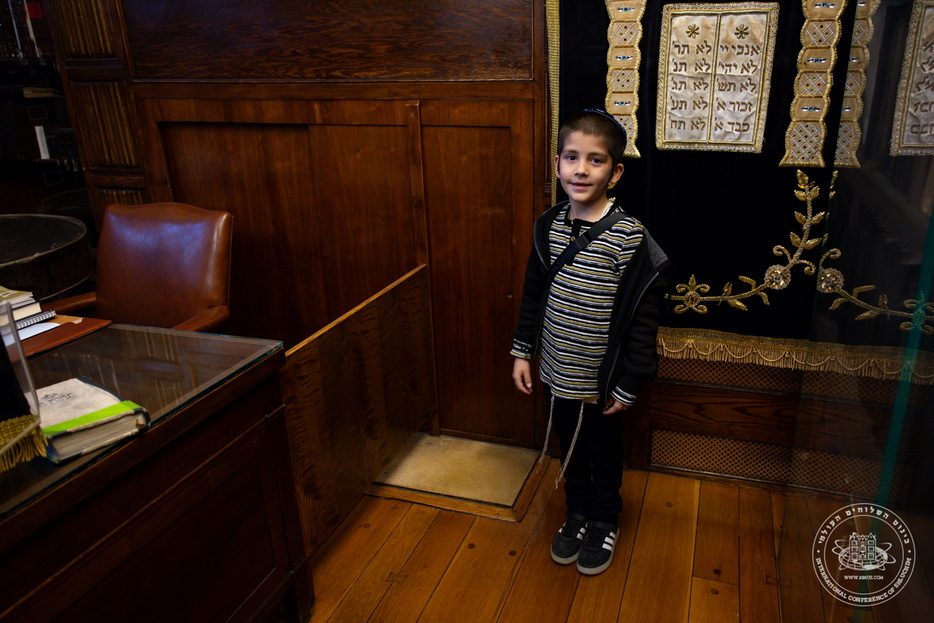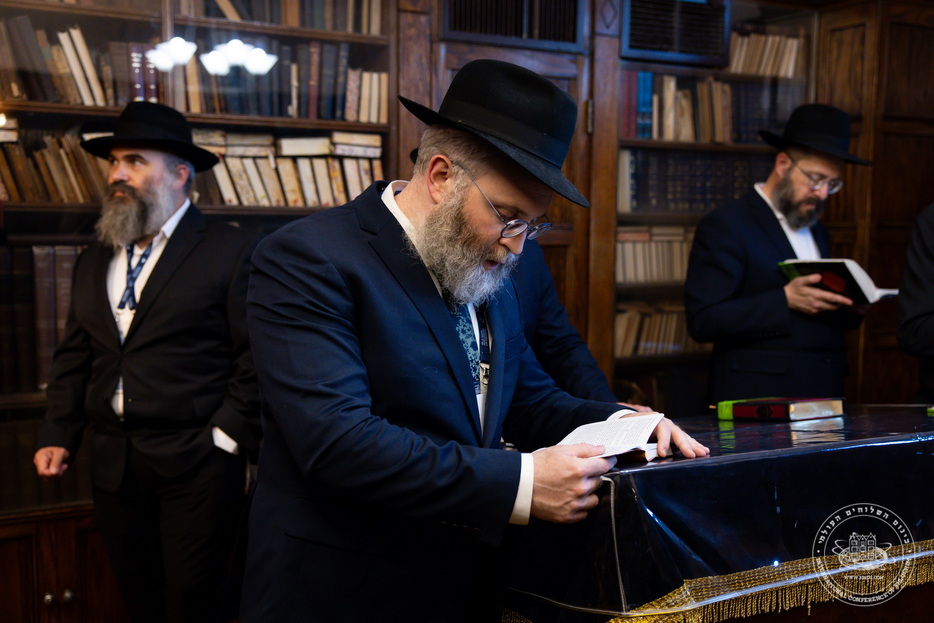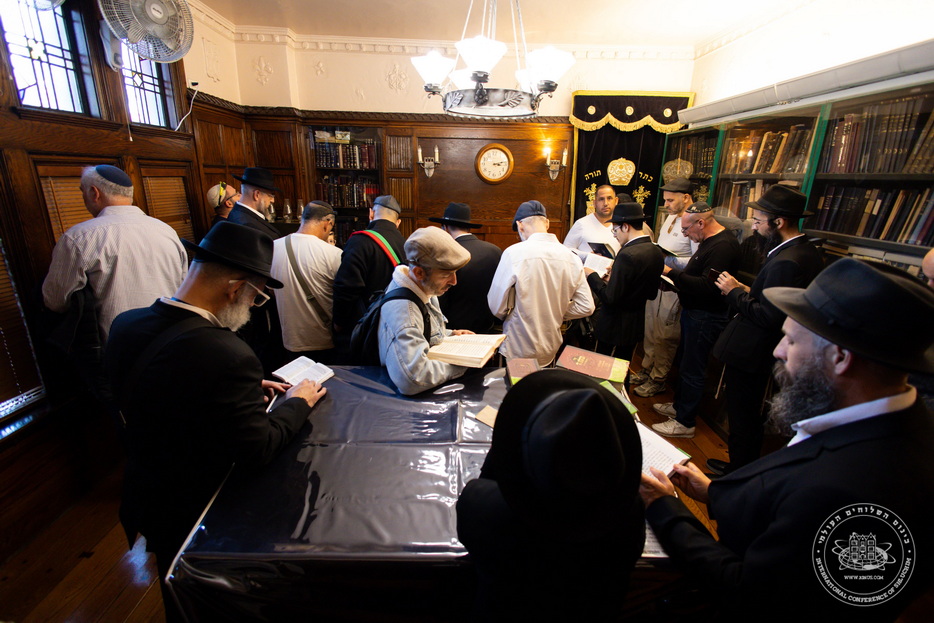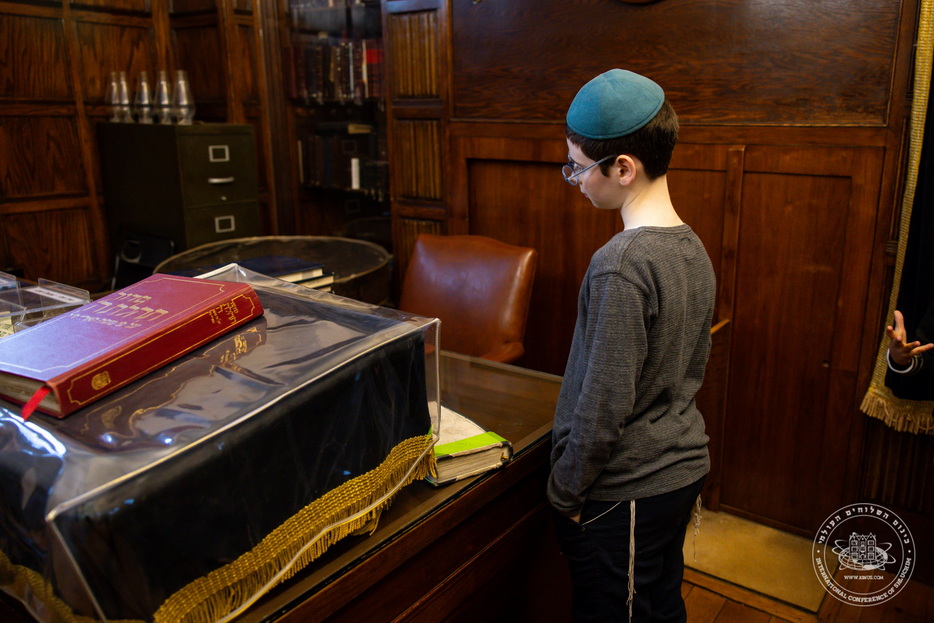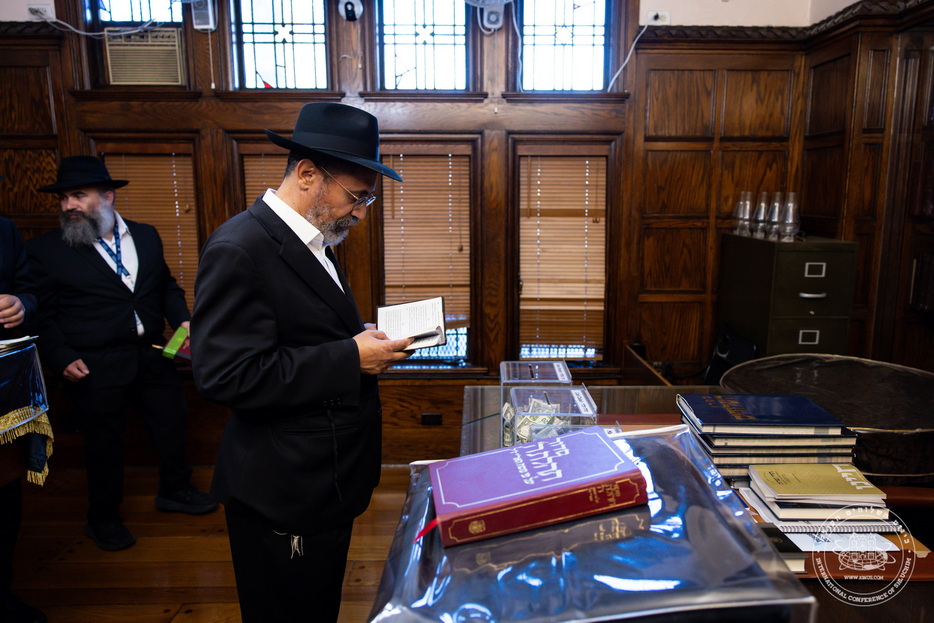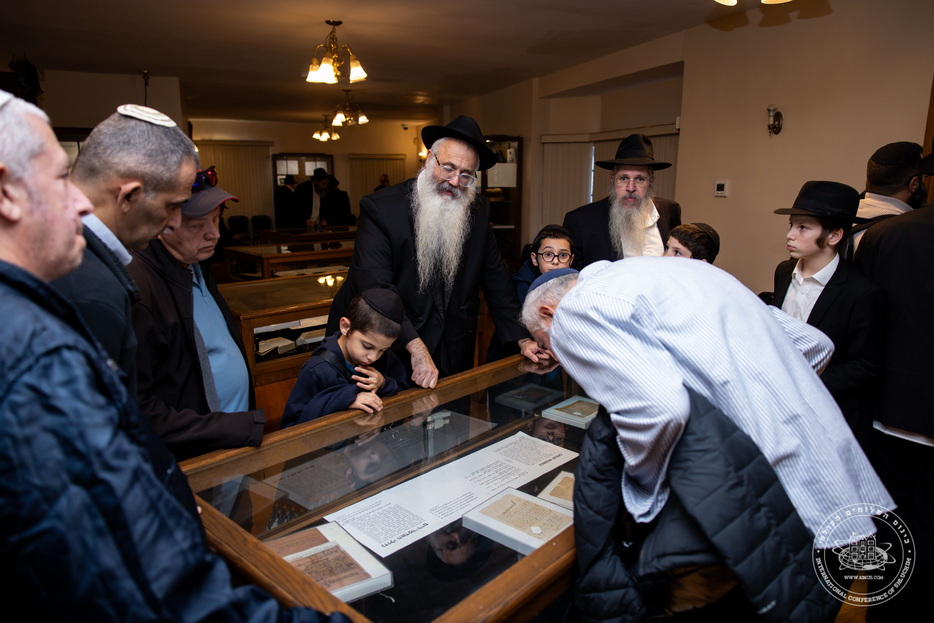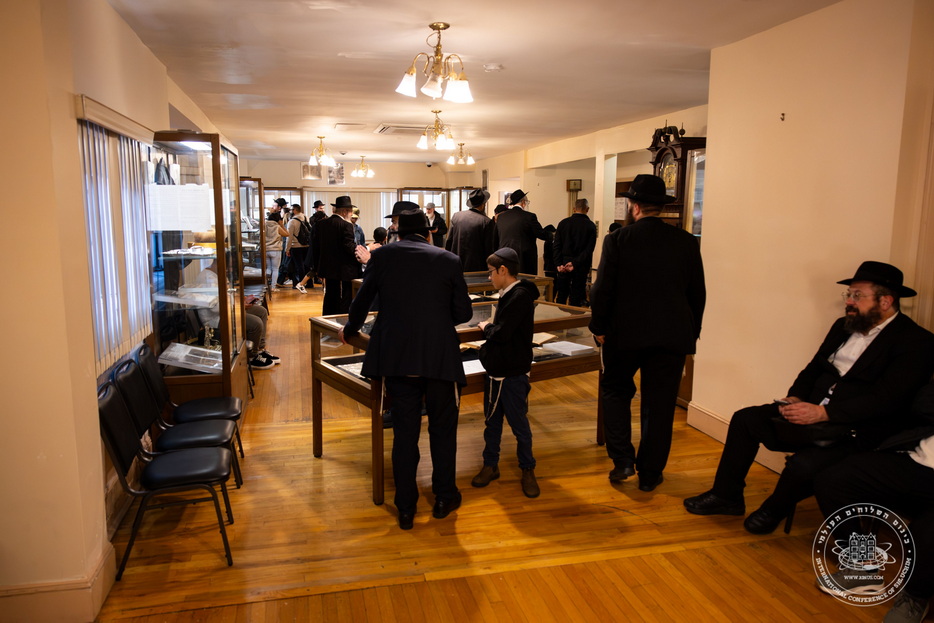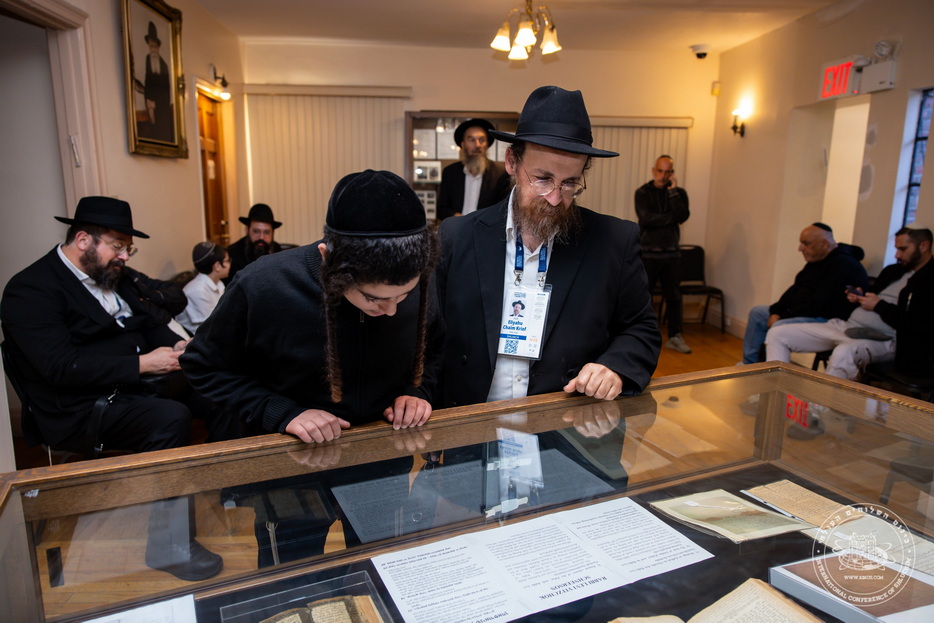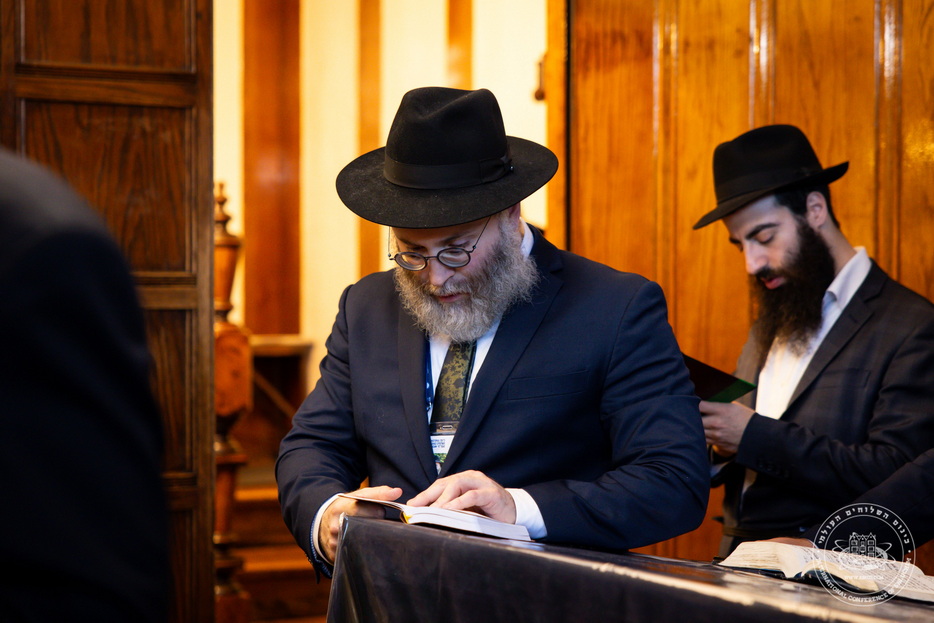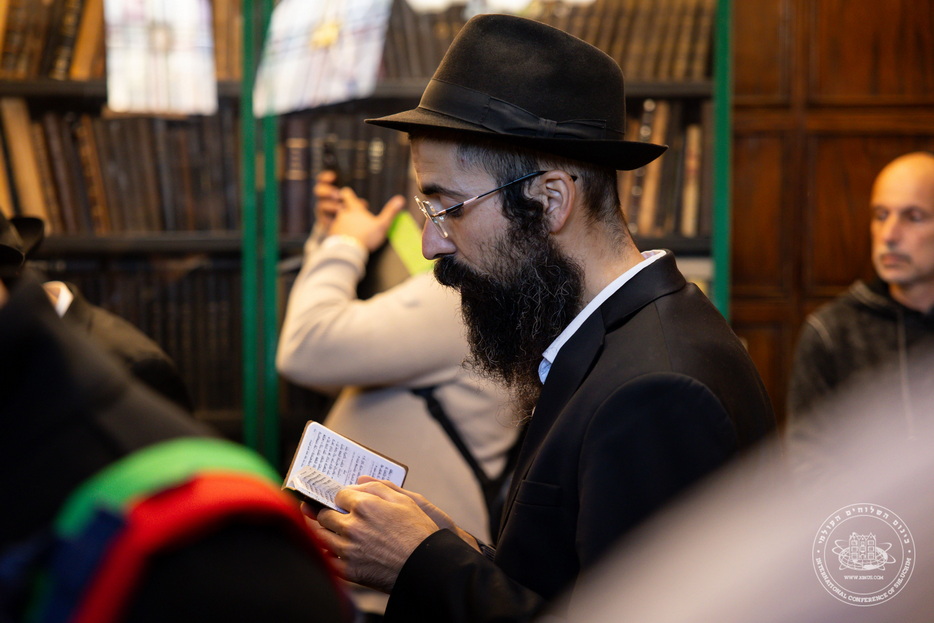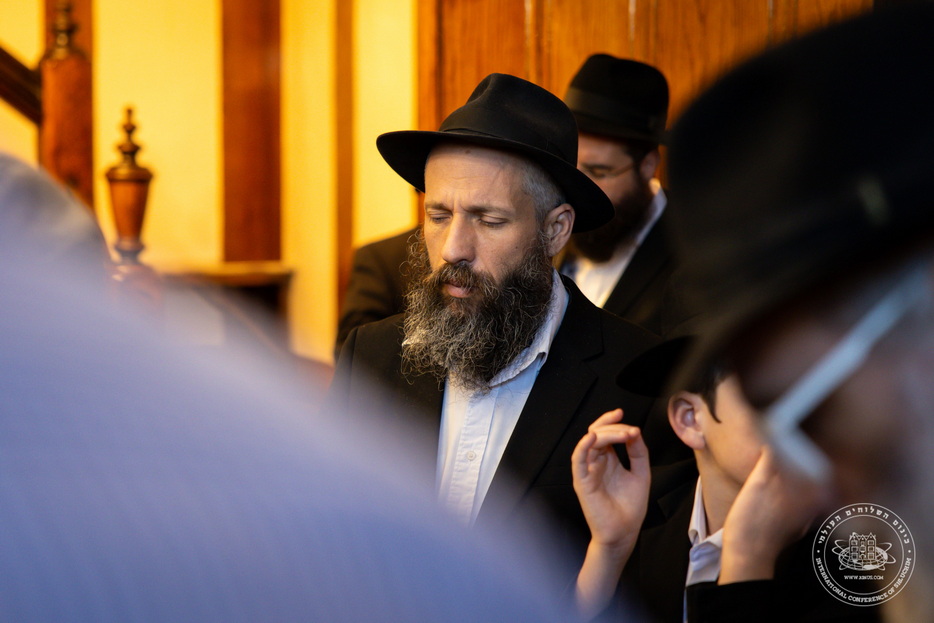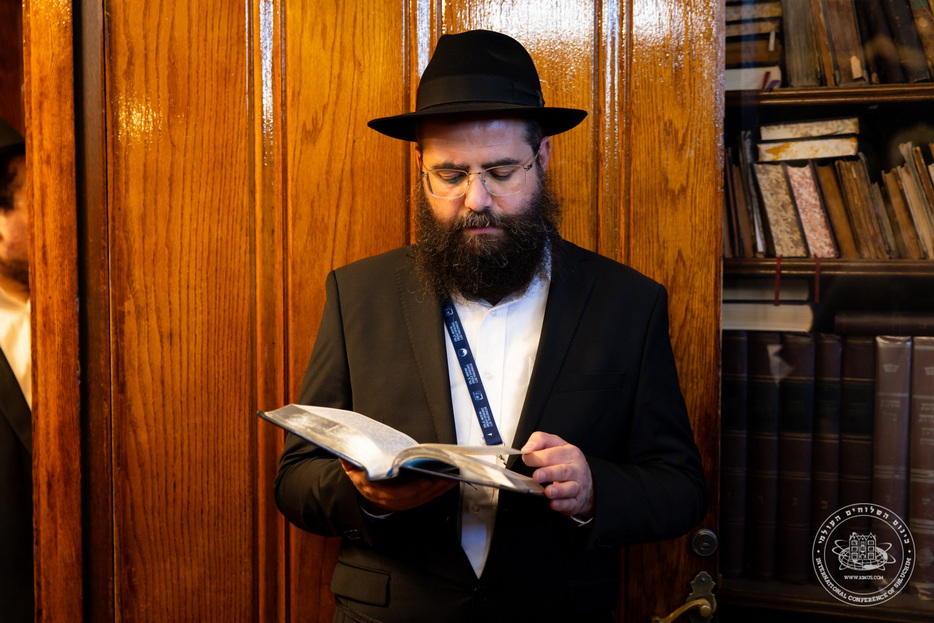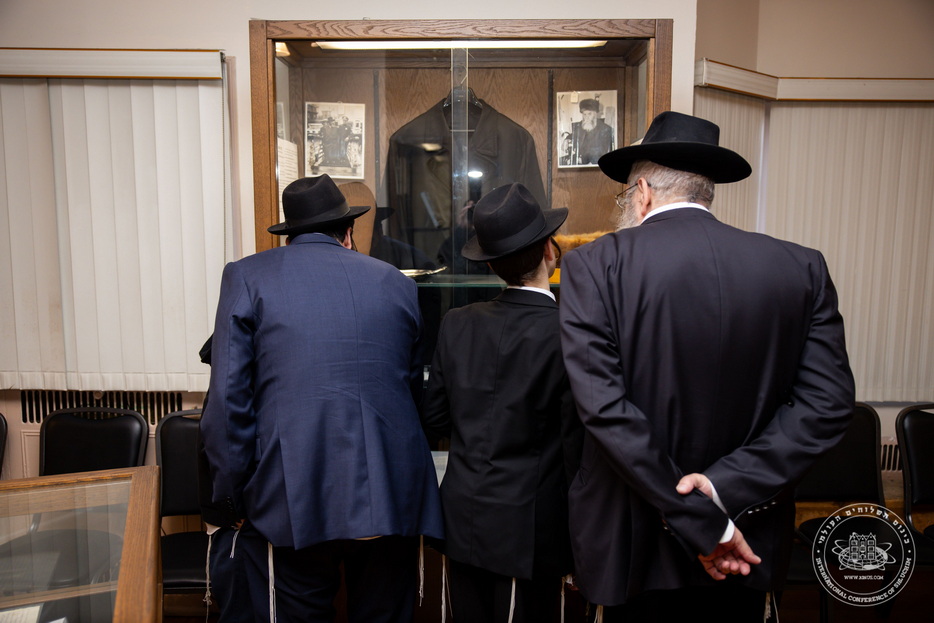




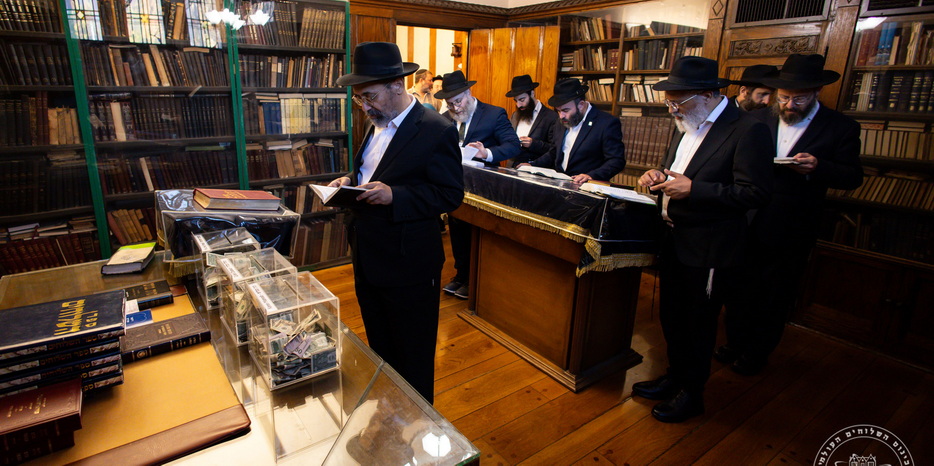
During the days of Kinus Hashluchim, the annual international gathering of the emissaries of the Lubavitcher Rebbe, two places connected with the life of the Seventh Lubavitcher Rebbe Menachem Mendel Schneerson were opened for the participants in Brooklyn. The emissaries could visit his home on President Street and his study at 770 Eastern Parkway in order to pray and recite Tehillim (Psalms).
The red-brick building with three gables on Eastern Parkway in Brooklyn is called by Lubavitch chassidim simply “770,” or “Seven Seventy.” In 1940, the Sixth Lubavitcher Rebbe settled here, and later, from his study in this building, the Seventh Rebbe directed the work of Chabad emissaries around the world.
In March 1940, the Sixth Lubavitcher Rebbe Yosef Yitzchak Schneerson, known as the Rebbe Rayatz, arrived in New York after his rescue from Nazi-occupied Poland. A building was sought for him where both a residence and a synagogue could be accommodated. In choosing the house, the presence of an elevator also mattered, since the Rebbe used a wheelchair.
The building in the Crown Heights neighborhood was purchased in August 1940. On the upper floors settled the Rebbe’s family, while on the first floor were located the synagogue and the working studies. “770” became the center of Chabad’s educational and charitable work. The “Kehot” publishing house was also housed here.
On the 10th of Shevat 5711, on the first anniversary of the passing of the Rebbe Rayatz, his son-in-law Rabbi Menachem Mendel Schneerson delivered at a farbrengen in “770” his first maamar – the Chassidic discourse “Basi LeGani.” This event marked his assumption of the leadership of the movement as the Seventh Lubavitcher Rebbe.
In his study on the first floor, the Rebbe received visitors who came for advice and blessing. Letters from around the world arrived here daily as well. When the small synagogue ceased to accommodate all who wished to come, the complex was expanded by means of the neighboring buildings. In the new hall the Rebbe prayed and held farbrengens. From the 1970s, his addresses were transmitted to Jewish communities first by telephone connection and later by satellite television.